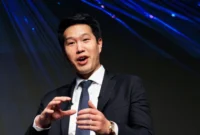
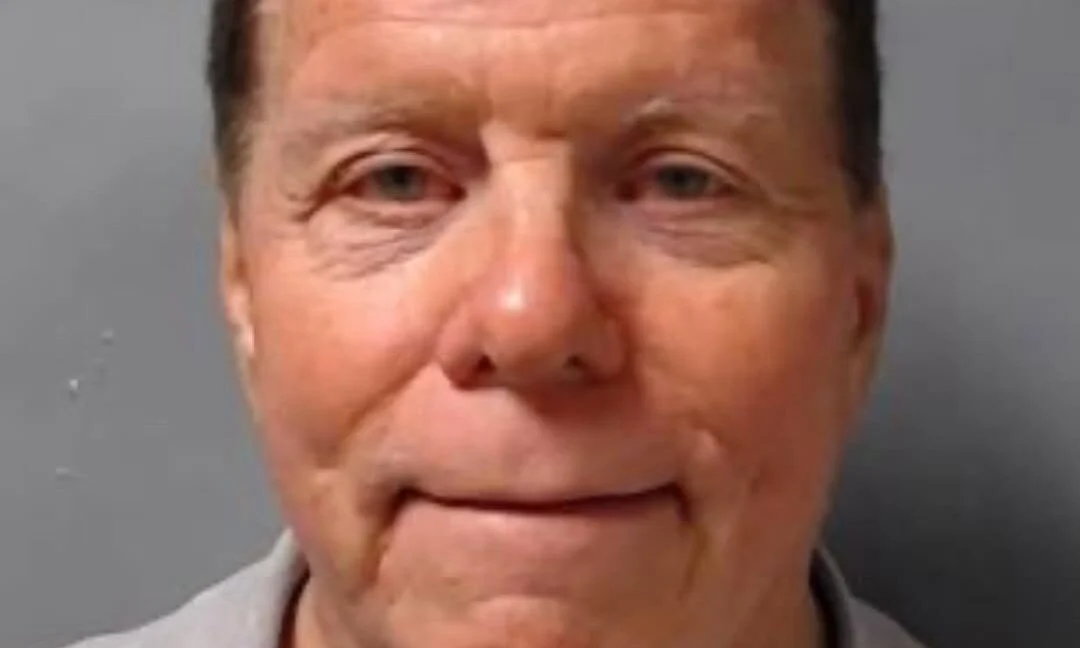
For two decades, a man sought by federal authorities for a string of serious crimes maintained a clandestine existence that defied the conventional expectations of a fugitive. While law enforcement agencies scoured the globe for a man whose profile depicted him as a "master yachtsman" and a globe-trotting individual with significant international connections, the subject of their search was not hiding in the shadows of the underworld. Instead, he was operating in the upper echelons of the American pharmaceutical industry, assuming the identity of a decorated oncologist and biotech executive. The revelation that the man known as Richard Graydon was, in fact, a long-term fugitive who had successfully infiltrated multiple public companies has sent shockwaves through the healthcare sector, raising profound questions regarding corporate vetting processes and the ease with which professional credentials can be fabricated in the modern era.
The man’s journey as a fugitive reached its quiet, nautical conclusion on July 16, when U.S. Marshals and the U.S. Coast Guard intercepted a 56-foot sailing vessel named The Silver Lining on New York’s East River. The arrest was executed without incident, ending a twenty-year manhunt that had once featured the suspect on the television program America’s Most Wanted. Behind the facade of the "master yachtsman" lay a career that, while entirely fraudulent, was built on a sophisticated understanding of corporate terminology and medical jargon.
A Chronology of Deception
The trajectory of the man known as Richard Graydon—who authorities identify by his true name, Fischer—remains a mystery in many respects. His activities during the two decades he spent on the run are largely unaccounted for, save for a trail of more than a dozen aliases used to mask his true identity. However, his reentry into professional life began to take a documented form in 2017.
In that year, an individual identifying as Richard Graydon self-published a technical medical text titled The Genetic Risks of Cancer: The Effects of DNA, Genomics and Inheritance on Aging and Survival. The book served as a cornerstone for his fabricated persona, presenting him as an oncologist and a veteran of the biotech industry. Despite the academic pretension of the title, the book garnered no critical attention or reviews on major e-commerce platforms, yet it served its purpose: it provided a published credential that Graydon would later use to secure employment in the highly regulated biotech sector.
The escalation of his corporate career occurred rapidly. In October 2022, Atossa Therapeutics, a Seattle-based pharmaceutical company, issued a press release announcing the appointment of Richard Graydon as its interim chief medical officer. Steven Quay, the CEO of Atossa, publicly welcomed Graydon, citing his "deep experience in CAR-T cell therapy" as a strategic asset for the company’s future in cell therapy research.
By March 2024, Graydon had moved on to Immix Biopharma, a firm that touted his credentials with even greater fanfare. Immix described him as a "board-certified hematologist-oncologist" boasting two decades of clinical development experience. The company’s public filings and announcements claimed Graydon had previously held senior positions at industry giants Merck & Co. and Johnson & Johnson. According to the company’s promotional literature, he had played a pivotal role in securing regulatory approval for seven of the world’s most successful cancer treatments, including blockbuster drugs like Darzalex, Carvykti, Keytruda, and Imbruvica. To bolster these claims, the announcement stated that Graydon held an MD and a PhD from Stanford University and had completed his residency training at Massachusetts General Hospital.
The Breakdown of Corporate Vetting
The revelation that these credentials were entirely fictitious has prompted an internal reckoning within the biotechnology industry. Investigations by industry observers, including Stat, have been unable to verify any of the claims made regarding Graydon’s academic degrees, his residency at Harvard’s teaching hospital, or his alleged tenure at pharmaceutical powerhouses like Merck or Johnson & Johnson.
The ease with which Graydon maneuvered into these roles suggests a potential systemic vulnerability in how mid-to-large-sized biotech firms perform background checks and verify executive credentials. In the high-stakes world of drug development, where clinical trials and FDA applications are governed by extreme scrutiny, the assumption that a candidate’s resume has been thoroughly vetted often acts as an implicit social contract between the board of directors, investors, and the public. When that contract is breached, the fallout extends beyond the individual to the stability of the company’s reputation.
In a Securities and Exchange Commission (SEC) filing released following the arrest, Immix Biopharma announced the termination of Graydon’s employment. The company’s statement regarding the impact of the scandal was curt, noting that "given his short tenure, management believes there is no material effect on the business." While the company may view the financial impact as negligible, the reputational risk associated with employing a fugitive in a high-ranking clinical position remains a significant point of concern for investors and regulatory bodies alike.
The Broader Implications for the Biotech Industry
The Graydon/Fischer case serves as a stark reminder of the "imposter phenomenon" within high-skill professional sectors. Biotechnology, characterized by its reliance on highly specialized scientific knowledge, often relies on the word of experts who possess complex, difficult-to-verify backgrounds. Because the pool of qualified oncologists with expertise in cell therapy is relatively small, companies may sometimes prioritize rapid hiring to meet investor milestones, potentially rushing the due diligence process.
Furthermore, the integration of these false credentials into SEC filings and public press releases creates a legal and ethical complication. When a company publicly attributes its potential successes or strategic direction to a leader whose qualifications are fraudulent, it raises questions about the accuracy of the information provided to the market. While the biotech industry has faced scrutiny for clinical failures in the past, the inclusion of a "phantom" executive in the leadership chain is an unprecedented scenario that may force a shift toward more rigorous, third-party verification of executive backgrounds.
Law Enforcement and the End of the Run
The arrest of the man known as Graydon underscores the persistent efforts of the U.S. Marshals Service. Despite his use of sophisticated aliases and his integration into the professional elite, the fugitive was ultimately brought to justice due to the vigilance of federal authorities. The choice of the name "The Silver Lining" for his vessel—a boat that became his final hideout—provides a grim irony to a man who spent twenty years attempting to outrun his past.
As the legal proceedings against him begin, the focus will likely shift to how he managed to maintain his professional facade for so long without triggering alerts in human resources departments. Was he aided by the insular nature of elite professional networks, or did he simply rely on the fact that most companies operate on a high level of trust?
The case of the "Biotech Fugitive" is likely to serve as a cautionary tale for the industry. Moving forward, biotech firms are expected to implement more stringent background verification protocols. The integration of digital identity verification and direct communication with academic and professional institutions will likely become the standard to prevent similar infiltrations. For now, the scientific community and the general public are left to wonder how a man who was once a target of the nation’s most prominent crime-fighting program managed to influence the development of some of the most critical cancer therapies in modern medicine.
The incident highlights a critical intersection of law enforcement and corporate governance. While federal authorities celebrate the closure of a twenty-year cold case, the biotech sector is left to perform its own autopsy on the incident, examining the gaps in its hiring practices and the fragility of professional reputations. As the industry moves past the news of the termination, the broader question remains: in an age of digital resumes and online presence, how much of what we accept as "expert" information is actually verified, and how much is merely a well-constructed narrative? The story of Richard Graydon remains a stark, documented reminder that even in the most rigorous of industries, the truth can be hidden behind the most polished of biographies.