

Harmony Ball-Stribling’s journey toward motherhood was defined by resilience, marked by an endometriosis diagnosis and the rigorous, emotionally taxing process of in vitro fertilization. By the summer of 2021, the hurdles seemed to have been cleared. As her due date neared, her medical team noted improvements in her blood pressure and overall health. For her mother, Shenelle Ball-Green, the transition into the summer months felt like a rare moment of serenity in a high-stakes pregnancy. That peace, however, proved fragile.
In the early hours of July 5, 2021—just four days before her scheduled cesarean section—Ball-Stribling developed severe complications from preeclampsia, a dangerous blood pressure disorder characterized by high blood pressure and organ damage. With no local emergency room available to stabilize her, her husband attempted a desperate, high-speed drive toward a hospital 25 miles away. The attempt ended in catastrophe on the shoulder of U.S. Route 49, where Ball-Stribling suffered a seizure. Despite her husband’s frantic attempts to perform CPR on the side of the road, both Harmony and her unborn daughter, Harper, succumbed to the emergency.

A Geography of Healthcare Deserts
The tragedy in Belzoni serves as a grim case study for the "healthcare desert" phenomenon currently plaguing rural America. Humphreys County, once a region with a functioning hospital, has been left without a single emergency room, urgent care clinic, or county health department for over a decade. Since 2005, more than 100 rural hospitals across the United States have shuttered their doors, leaving millions of residents in communities with populations under 2,000—like Belzoni—to navigate life-or-death emergencies with limited to no proximity to professional care.
The absence of infrastructure in Humphreys County is compounded by deep-seated socioeconomic disparities. Census and health data indicate that roughly 1 in 7 residents under the age of 65 lack health insurance, a rate significantly higher than the national average. Furthermore, the county reports one of the highest Medicaid enrollment rates in Mississippi, a testament to the region’s economic volatility. These factors create a feedback loop of poor health outcomes, evidenced most tragically by an infant mortality rate of approximately 15 deaths per 1,000 births, placing the county among the most vulnerable in the state.
The Rise and Fall of Local Infrastructure
The history of medical care in Humphreys County mirrors the broader trajectory of rural American healthcare. The Humphreys County Memorial Hospital opened in 1951, a byproduct of the Truman-era Hill-Burton Act, which provided federal grants and loans to construct hospitals in underserved areas. At the time, the act was transformative; by 1970, almost every county in Mississippi possessed at least one hospital.

However, the turn of the millennium brought a shifting economic landscape. Rural hospitals faced a "perfect storm" of low patient volumes, the rise of outpatient care models, and the financial strain of high rates of uninsured patients or those relying on government programs like Medicaid, which often offer lower reimbursement rates than commercial insurance. In 2008, burdened by millions in debt, the county facility was sold to a private operator and rebranded as Patients’ Choice Medical Center. The facility ultimately closed in 2013 after its CEO was implicated in a healthcare fraud scheme.
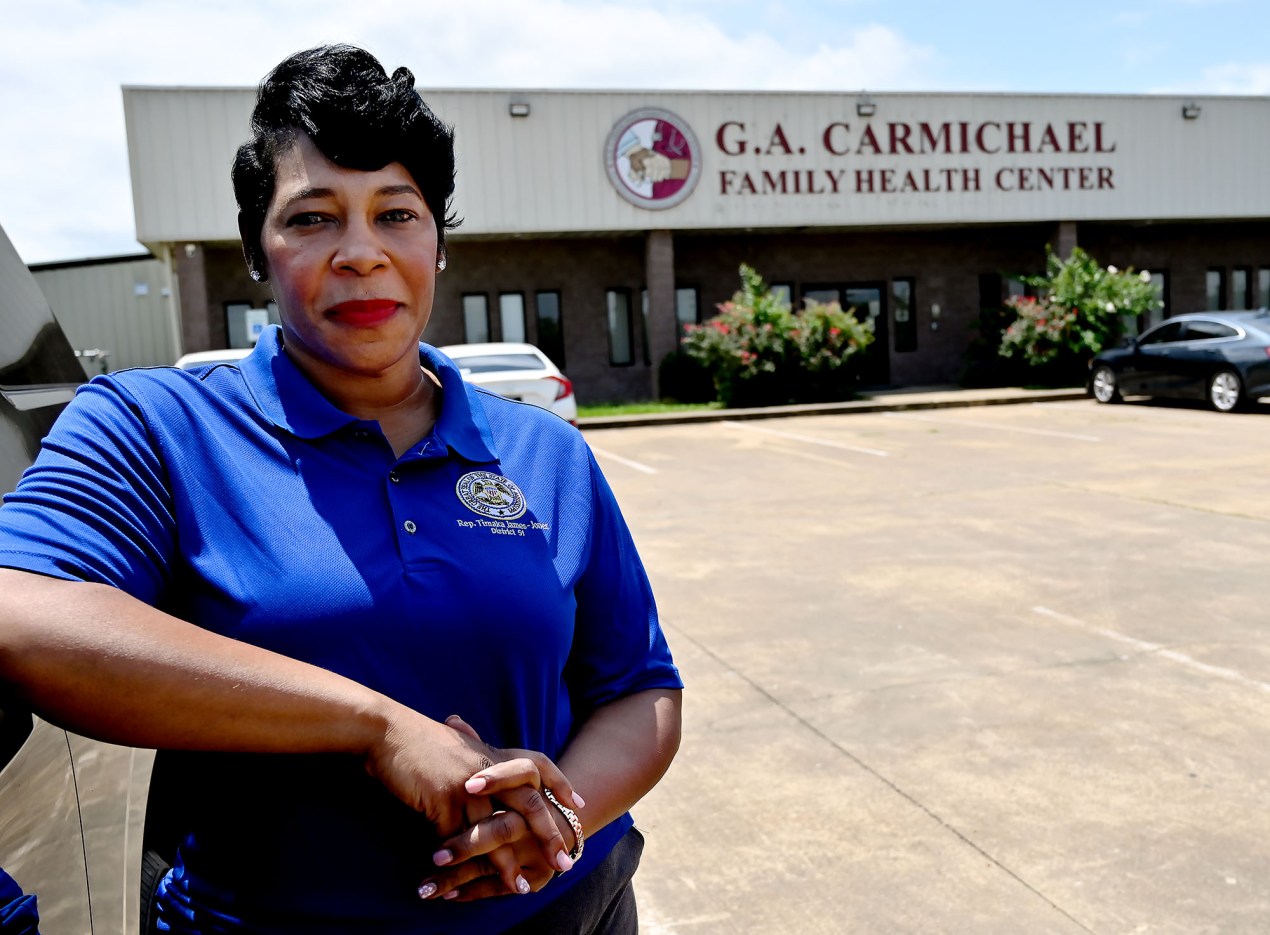
Subsequent attempts to fill the void have proved temporary. A federally funded after-hours clinic, established in 2017 with the support of the University of Mississippi Medical Center, failed to gain long-term traction and closed in 2020. The G.A. Carmichael Family Health Center took over the site but did not maintain the extended hours required for emergency access. By last year, the local health department had closed entirely, citing severe staffing shortages.
Galvanizing Political Will
The death of Harmony Ball-Stribling acted as a catalyst for political mobilization. Her aunt, state Representative Timaka James-Jones, has become a leading voice in the push for restored services. "It was a tremendous eye-opener," James-Jones noted. "It brought to light how we are so without."
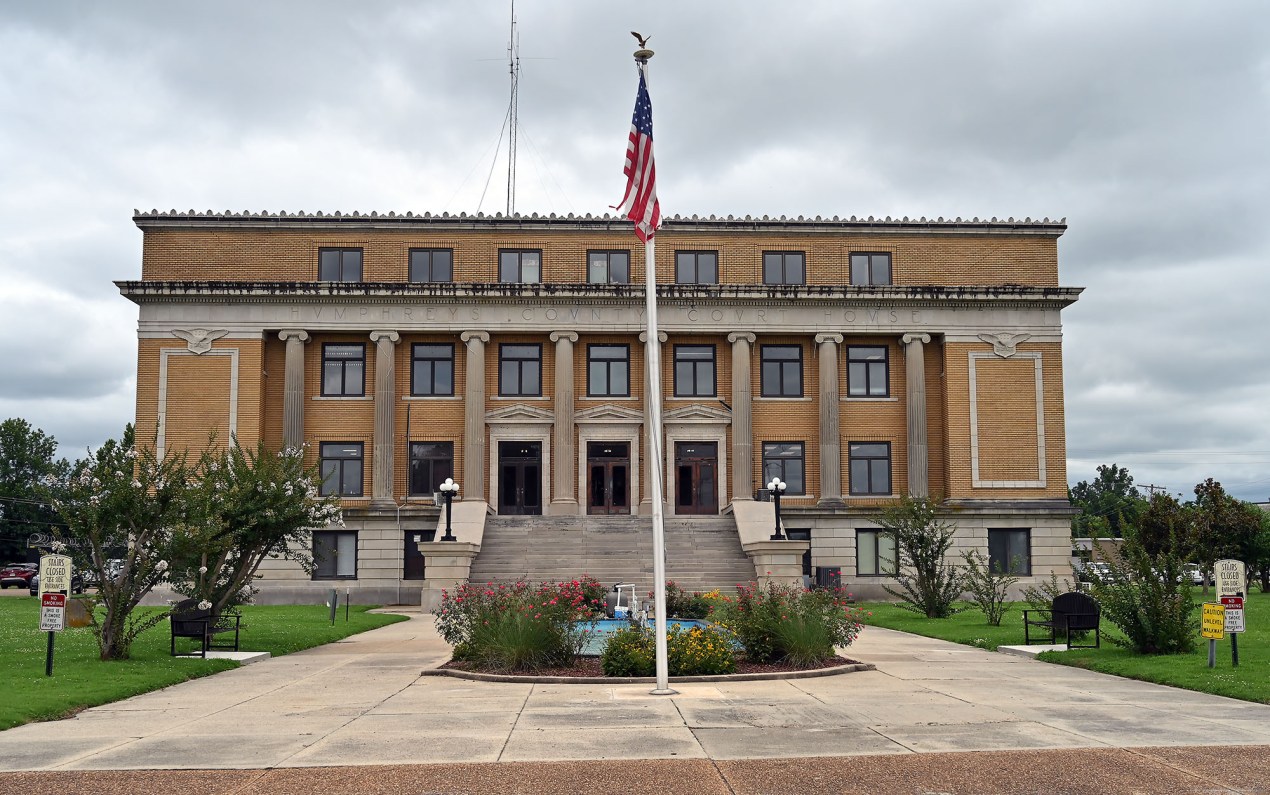
Following the 2023 local elections, the Humphreys County Board of Supervisors saw a shift in leadership that placed healthcare access at the top of the legislative agenda. Board President Reggie Pinkston, who previously worked as an EMT, understands the cost of inaction firsthand; he lost a cousin in 2021 after she suffered a stroke and waited an hour for an ambulance to arrive. Under his leadership, the board has engaged consultants to map a strategy for expansion.
In late 2025, U.S. Representative Bennie Thompson secured nearly $1 million in federal Community Project Funding. These resources are earmarked to expand the G.A. Carmichael facility on U.S. Route 49, with plans to extend hours of operation overnight until 5 a.m. and modernize equipment. While James-Jones acknowledges that an urgent care clinic is not a full-service hospital, she maintains that "something is way better than nothing."
The Complex Hurdle of Reopening
Policy experts caution that the road ahead is treacherous. George Pink, a senior research fellow at the Cecil G. Sheps Center for Health Services Research, notes that the reopening of a shuttered rural hospital is statistically rare, occurring in perhaps only five documented cases nationwide. The barriers are immense: securing capital for renovation, recruiting specialized staff to a low-resource area, and sustaining operations during the rigorous state and federal licensing processes.
Furthermore, federal regulations pose a significant hurdle. The federal Rural Emergency Hospital (REH) designation—which provides over $3 million annually in support—is restricted to hospitals that were operational in 2020. Humphreys County, having closed in 2013, remains ineligible. While Sen. Cindy Hyde-Smith has proposed legislation to extend the cutoff date, the proposal as currently drafted would still leave the county out of scope.
Compounding these issues are broader state-level economic challenges. Mississippi’s continued refusal to expand Medicaid limits the reimbursement potential for any new facility. Additionally, the federal "One Big Beautiful Bill Act" is projected to cut Medicaid spending by $911 billion over the next decade, which industry analysts suggest could cost Mississippi hospitals $160 million in annual revenue by 2029. Richard Roberson, CEO of the Mississippi Hospital Association, warned that this fiscal uncertainty makes it difficult for any potential provider to build a sustainable business model.
A Legacy of Purpose
Despite the bleak economic forecasts and the regulatory "tangled web," the momentum in Belzoni persists. For Shenelle Ball-Green, the fight is a moral imperative. She remains a frequent presence at the courthouse, ensuring that the faces of her daughter and granddaughter remain at the forefront of the supervisors’ decision-making process.
Ball-Green reflects on the days leading up to the funeral, recalling a moment when her daughter sang at a previous family service. In hindsight, she finds a strange, haunting comfort in the memory—a sense that her daughter’s life, and her tragic death, were meant to serve a greater purpose. Harmony Ball-Stribling’s social media documentation of her IVF journey had already built a community of supporters, and in the years since her passing, that community has stayed tethered to the cause of medical equity in the Delta.
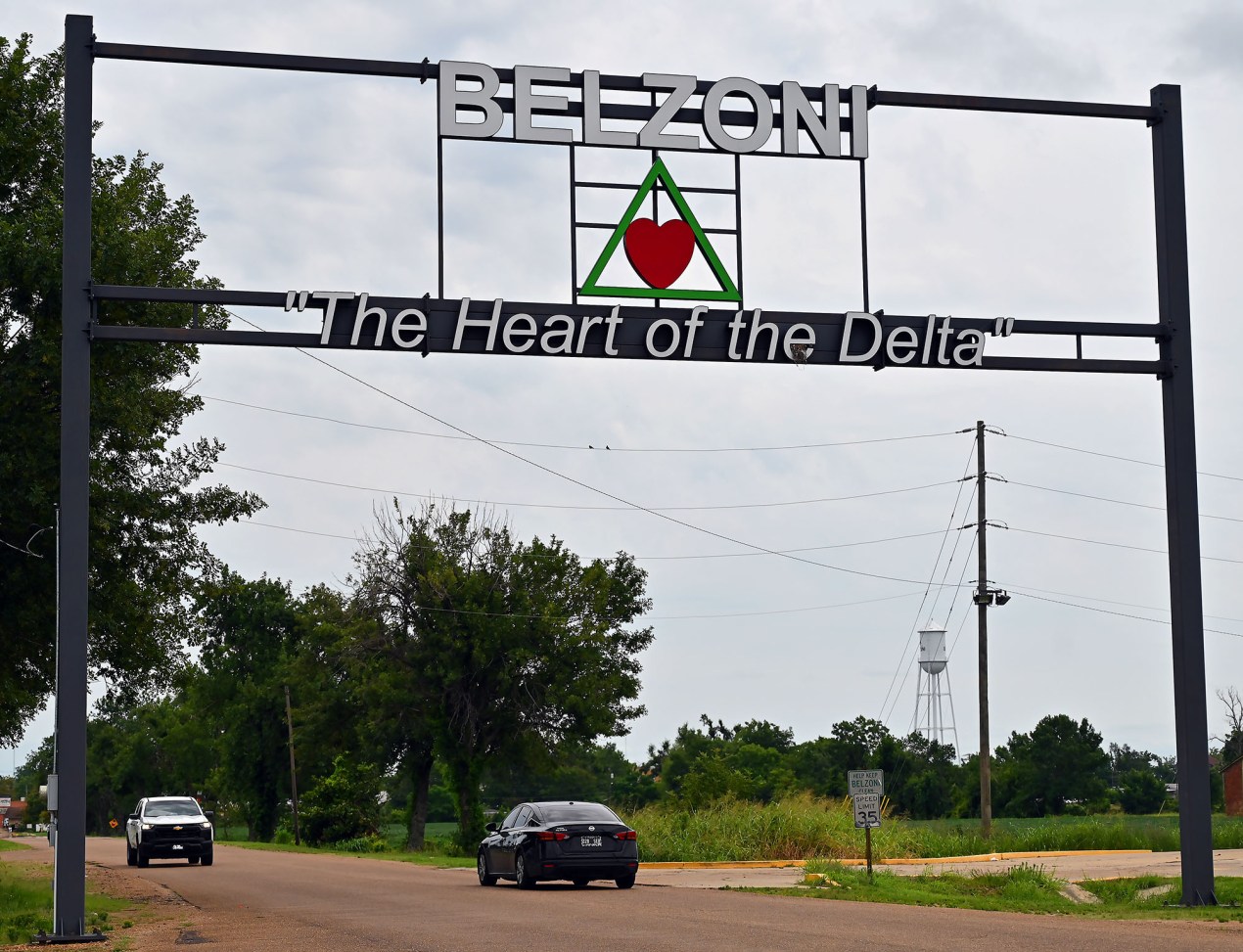
As the county prepares for the expansion of the G.A. Carmichael clinic, the community remains in a state of cautious hope. For the residents of Humphreys County, the goal is not merely to honor a memory, but to fundamentally alter the landscape of care to ensure that no other family faces the same path. "Now I understand," Ball-Green said, referring to the look her daughter gave her before she passed—a look she now interprets as the final chapter of a life dedicated to service, one that continues to echo through the halls of the courthouse and the streets of Belzoni. The path to a full-service hospital remains, as experts warn, "not for the faint of heart," but for a community that has lost so much, the effort to restore care is the only path forward.

