
While the social media landscape often buzzes with the rapid rise of platforms like TikTok and Instagram for social commerce, Facebook continues to hold significant sway for brands seeking both extensive reach and genuine buying intent. New data and strategic insights reveal that the platform, often underestimated in the current social commerce discourse, remains a powerful engine for driving sales, especially through its integrated Facebook Shops feature. A recent report by Sprout Social underscores this enduring relevance, indicating that a substantial 85% of consumers across all generations maintain active Facebook profiles, positioning it as the premier network for product discovery. This widespread adoption, coupled with a user base actively seeking new products, creates a fertile ground for businesses to cultivate revenue streams.

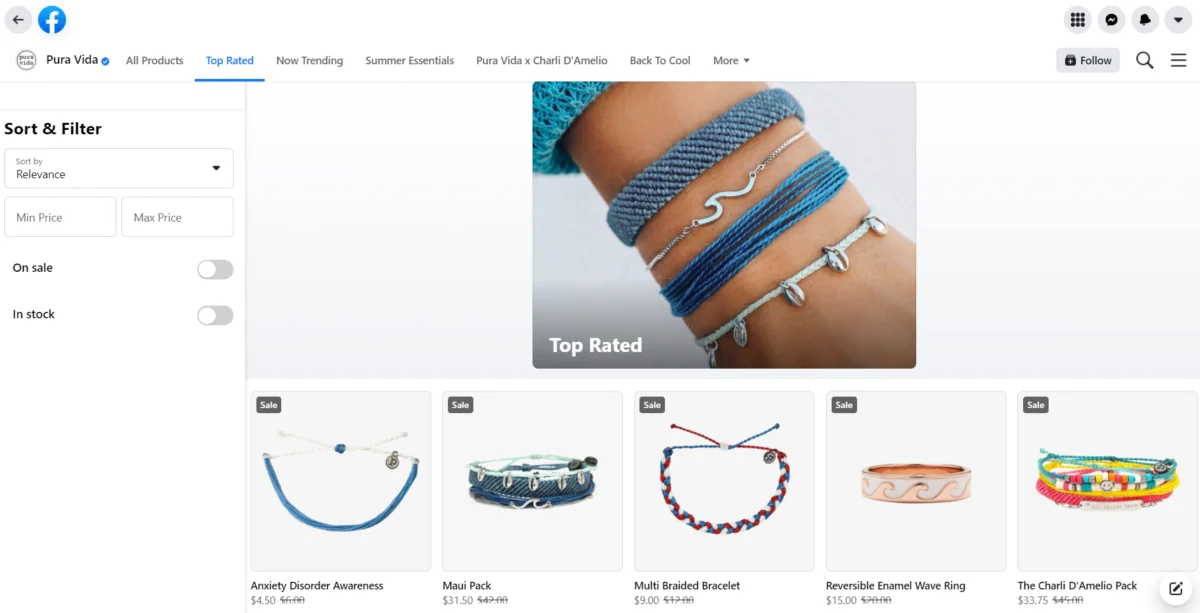
Facebook Shops offers a direct pathway to monetize this massive audience. Essentially functioning as a digital storefront integrated directly into a brand’s Facebook Page, these shops are meticulously designed with a mobile-first approach. This ensures that products are presented directly to a vast audience that is already in a shopping mindset, significantly reducing friction in the path to purchase. Pages featuring active storefronts are clearly identifiable by a dedicated "Shops" tab, offering a seamless browsing experience for consumers.
The Undeniable Business Impact of Facebook Shops
The strategic allocation of marketing budgets often hinges on demonstrable return on investment, and Facebook’s impact on business objectives is consistently strong. According to Sprout Social’s research, an impressive 70% of marketing leaders identify Facebook as the platform that drives the most significant impact on their business compared to any other. While it may not always capture the spotlight in discussions about the latest social commerce trends, Facebook’s ability to translate user intent into tangible sales is undeniable. This effectiveness stems directly from the platform’s user behavior: 40% of social media users explicitly turn to Facebook with the intention of discovering new products.

Facebook Shops serves as the critical bridge, converting this expressed intent into actual transactions. The platform facilitates this conversion through several key mechanisms:
- Direct Product Exposure: Shops place products directly within the user’s existing social media feed and dedicated shopping sections, making them discoverable without requiring users to leave the platform initially.
- Streamlined Browsing: Organized product catalogs and curated collections allow users to navigate through offerings efficiently, mimicking the experience of a traditional e-commerce website but within a familiar social context.
- Mobile Optimization: The mobile-first design ensures a fluid and intuitive shopping experience on smartphones, where a significant portion of social media consumption and online purchasing occurs.
- Integration with Content: Facebook Shops can be directly linked to organic posts, ads, and Reels, allowing users to seamlessly transition from engaging with content to exploring and purchasing products.
Establishing Your Presence: The 2026 Guide to Creating a Facebook Shop
Setting up a Facebook Shop is a guided process facilitated by Meta Commerce Manager, a centralized hub for managing your storefronts across both Facebook and Instagram. Meta has designed this tool to be user-friendly, providing clear instructions and outlining the necessary prerequisites for selling on the platform.

The foundational steps for establishing a Facebook Shop are as follows:
Step 1: Accessing Meta Commerce Manager
The journey begins by navigating to Meta Commerce Manager. Here, businesses can create a new commerce account or select an existing one. This account will be linked to a specific Facebook Page that will serve as the host for the Shop and manage its settings. This initial step ensures that the Shop is directly associated with the brand’s established social presence.

Step 2: Connecting Your Product Catalog
A product catalog is the backbone of any online store, and for Facebook Shops, it is no different. Businesses have two primary options for populating their catalog: manual creation within Commerce Manager or integration with an e-commerce partner such as Shopify, BigCommerce, or WooCommerce. The integration process is generally straightforward, allowing for a swift transfer of product information, including descriptions, pricing, and images. For businesses utilizing e-commerce platforms, this integration is crucial for maintaining a unified product inventory across all sales channels. Facebook’s documentation provides comprehensive guidance on how catalogs function across Shops, advertising, and product tagging, ensuring businesses can leverage their existing product data effectively.
Step 3: Customizing Your Shop’s Appearance and Navigation
Once the product catalog is connected, the next critical phase involves customizing the Shop’s layout and presentation. This includes selecting featured products, creating themed collections, and organizing items in a manner that enhances user browsing experience. For instance, grouping products by seasonal relevance, gift categories, or lifestyle themes can significantly improve discoverability and reduce decision fatigue for shoppers. This organizational structure mirrors the user-friendly navigation found in successful brick-and-mortar stores and professional e-commerce websites, fostering a sense of trust and professionalism. Businesses can learn more about creating effective product collections within Commerce Manager to optimize this aspect of their shop.

Step 4: Publishing and Continuous Optimization
After the shop’s configuration is complete, it undergoes a review and approval process by Meta. Upon successful approval, the Shop can be published. However, the process doesn’t end there. Continuous optimization is key to maximizing ROI. This involves regularly updating product collections, refreshing product imagery, monitoring performance metrics, and ensuring the Shop is seamlessly integrated with engaging content that resonates with the target audience.
Important Note for 2026: As of September 2025, Facebook Shops has transitioned away from native checkout functionality. This means that all transactions will now be completed on the brand’s external website. Consequently, while maintaining an optimized Facebook catalog remains vital for product discovery, a robust and conversion-focused website is now paramount for closing sales. Brands must ensure their website is user-friendly, secure, and optimized for mobile purchases to capitalize fully on the traffic driven from Facebook Shops.

Crafting a Winning Facebook Shops Strategy for 2026
A truly effective Facebook Shops strategy in 2026 extends beyond simply uploading a product catalog. It requires a holistic approach encompassing compelling content, intuitive organization, exceptional customer service, strategic promotions, and data-driven decision-making.
1. Harnessing Short-Form Video for Product Discovery
Short-form video content, such as Facebook Reels, has emerged as a powerful tool for showcasing products in action. This format allows consumers to visualize how a product looks, functions, and integrates into their daily lives before making a purchase decision. Sprout Social’s research indicates that when it comes to branded content, 48% of Facebook users are most likely to engage with short-form videos under 60 seconds. Reels also play a crucial role in expanding a product’s reach beyond existing followers, as their recommendation-based discovery algorithms can expose videos to new audiences already interested in similar content.

Strategic Implementation:
- Demonstrate Product Use Cases: Create engaging videos that highlight the practical applications and benefits of your products.
- Behind-the-Scenes Content: Offer glimpses into product creation or lifestyle shots that resonate with your target demographic.
- Collaborate with Influencers: Partner with relevant influencers to create authentic short-form video content that showcases your products.
- Utilize Shoppable Features: Integrate shoppable tags within Reels to allow viewers to click directly to your Facebook Shop.
2. Curating Products into Organized, Seasonal Collections
Well-organized product collections are instrumental in guiding shoppers towards their desired items. By grouping products around themes such as best-sellers, seasonal needs, gift ideas, or specific customer lifestyles, businesses can emulate the intuitive browsing experience of a physical store. This approach reduces cognitive load for consumers, making it easier for them to find what they’re looking for and increasing the likelihood of a purchase. Brands like lululemon exemplify this by categorizing their offerings by style and product type, creating a professional and user-friendly storefront.

Strategic Implementation:
- Thematic Grouping: Create collections based on holidays, seasons, popular trends, or specific customer needs (e.g., "Back to School Essentials," "Summer Vacation Must-Haves").
- Best-Seller Showcases: Highlight your most popular items to build social proof and encourage impulse purchases.
- Gift Guides: Develop curated lists for special occasions like Mother’s Day, Father’s Day, or the holiday season.
- Routine-Based Organization: Group products that are often used together or complement each other in a daily routine.
3. Integrating Shops with Social Customer Care
The shopping process often generates questions regarding product details, sizing, shipping, and more. Prompt and helpful responses are crucial for converting inquiries into sales. Facebook serves as a primary channel for social customer care, with 45% of users turning to the platform for support. Therefore, maintaining an active and responsive inbox alongside an active Facebook Shop is essential. Swift, informative, and empathetic customer service can alleviate any doubts a potential buyer may have, moving them closer to completing a purchase.

Strategic Implementation:
- Monitor Inquiries Actively: Regularly check comments, direct messages, and the "Questions" section of your Shop for customer queries.
- Develop Standardized Responses: Create pre-written answers for frequently asked questions to ensure consistency and speed.
- Utilize Chatbots: Implement chatbots for instant responses to common inquiries, escalating complex issues to human agents.
- Provide Comprehensive Information: Ensure product descriptions and FAQs on your website are thorough to minimize the need for direct inquiries.
4. Showcasing Products Through User-Generated Content (UGC)
Consumers place a high degree of trust in peer recommendations, making user-generated content (UGC) a powerful driver of trust and sales. When real customers share their experiences with a product, their testimonials carry more weight than direct brand messaging. UGC can range from customer reviews and testimonials to authentic photos and videos of products in use. Incorporating lifestyle images and dynamic content within your Facebook Shop catalog can significantly enhance its credibility and appeal.

Strategic Implementation:
- Encourage UGC: Actively prompt customers to share their experiences and photos using your products.
- Run UGC Campaigns: Create contests or challenges that incentivize customers to submit their content.
- Feature UGC Prominently: Showcase UGC in your product listings, collections, and organic social media posts.
- Tag Products in UGC: If possible, tag your products within user-generated photos and videos to enable direct shopping.
5. Creating Urgency with Exclusive Drops and Sales
Limited-time offers, flash sales, and exclusive product drops are effective strategies for creating a sense of urgency and encouraging immediate action from consumers. These promotions can lead to significant spikes in sales and foster customer loyalty, prompting repeat visits to your Facebook Page. Promoting exclusive sales directly within your Facebook Shop can enhance the perceived value of these offerings, providing a compelling reason for users to follow your brand and regularly check for new deals. Consumers can naturally sort items by sale or price, making the inclusion of discounted items a direct appeal to bargain hunters.

Strategic Implementation:
- Announce Flash Sales: Create excitement with short-term discounts on specific products or categories.
- Limited Edition Drops: Release new products or special editions in limited quantities to generate demand.
- Exclusive Facebook Shop Offers: Promote deals that are only available through your Facebook Shop to incentivize direct engagement.
- Bundle Deals: Offer discounted prices when customers purchase multiple complementary products.
6. Data-Driven Merchandising via Commerce Manager Insights
Meta Commerce Manager provides invaluable insights into how shoppers interact with your products and collections. Analyzing this data is crucial for informing merchandising decisions, optimizing content, and refining advertising strategies. It is essential to move beyond vanity metrics like likes and comments and focus on data points that directly correlate with revenue, such as product clicks, collection views, website traffic, and conversion rates. By understanding what drives engagement and, more importantly, purchases, businesses can make informed decisions to improve their Facebook Shop’s performance.

Strategic Implementation:
- Track Key Performance Indicators (KPIs): Monitor metrics like conversion rates, average order value, product click-through rates, and website traffic originating from Facebook Shops.
- Analyze Collection Performance: Identify which collections are driving the most views and sales to inform future curation efforts.
- Understand Customer Behavior: Analyze user journeys within your Shop to identify any bottlenecks or areas for improvement.
- A/B Test Merchandising Strategies: Experiment with different product placements, collection titles, and featured items to determine what resonates best with your audience.
Conclusion: Transforming Your Facebook Shop into a Revenue Engine
With a well-defined strategy, a Facebook Shop can evolve into a formidable sales driver. However, effectively managing a comprehensive strategy requires juggling numerous elements, from content creation and customer service to data analysis. A centralized management tool can significantly streamline these operations. Sprout Social offers an integrated platform that unifies publishing, inbox management, and analytics, enabling businesses to manage their Facebook Shop efficiently without the need to switch between multiple applications. This holistic approach empowers brands to not only establish a robust presence on Facebook Shops but also to continuously optimize their efforts for maximum return on investment in the dynamic social commerce landscape of 2026 and beyond.

