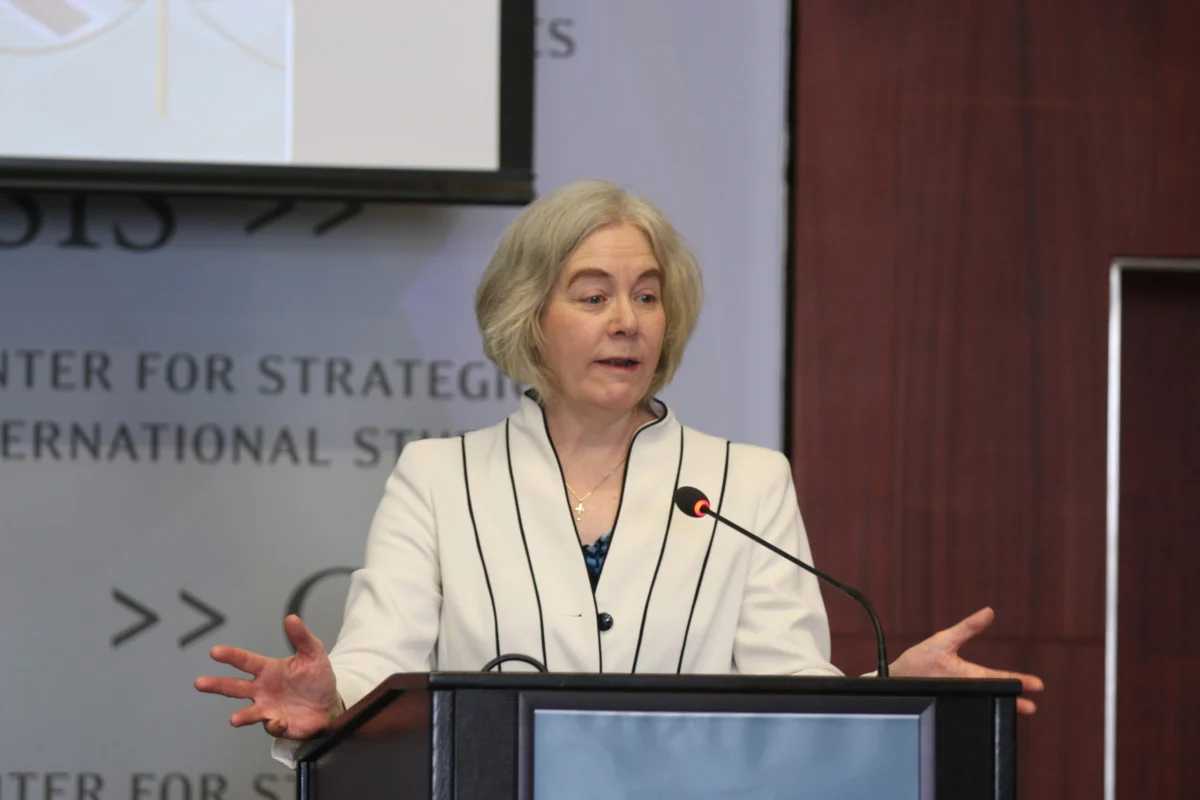
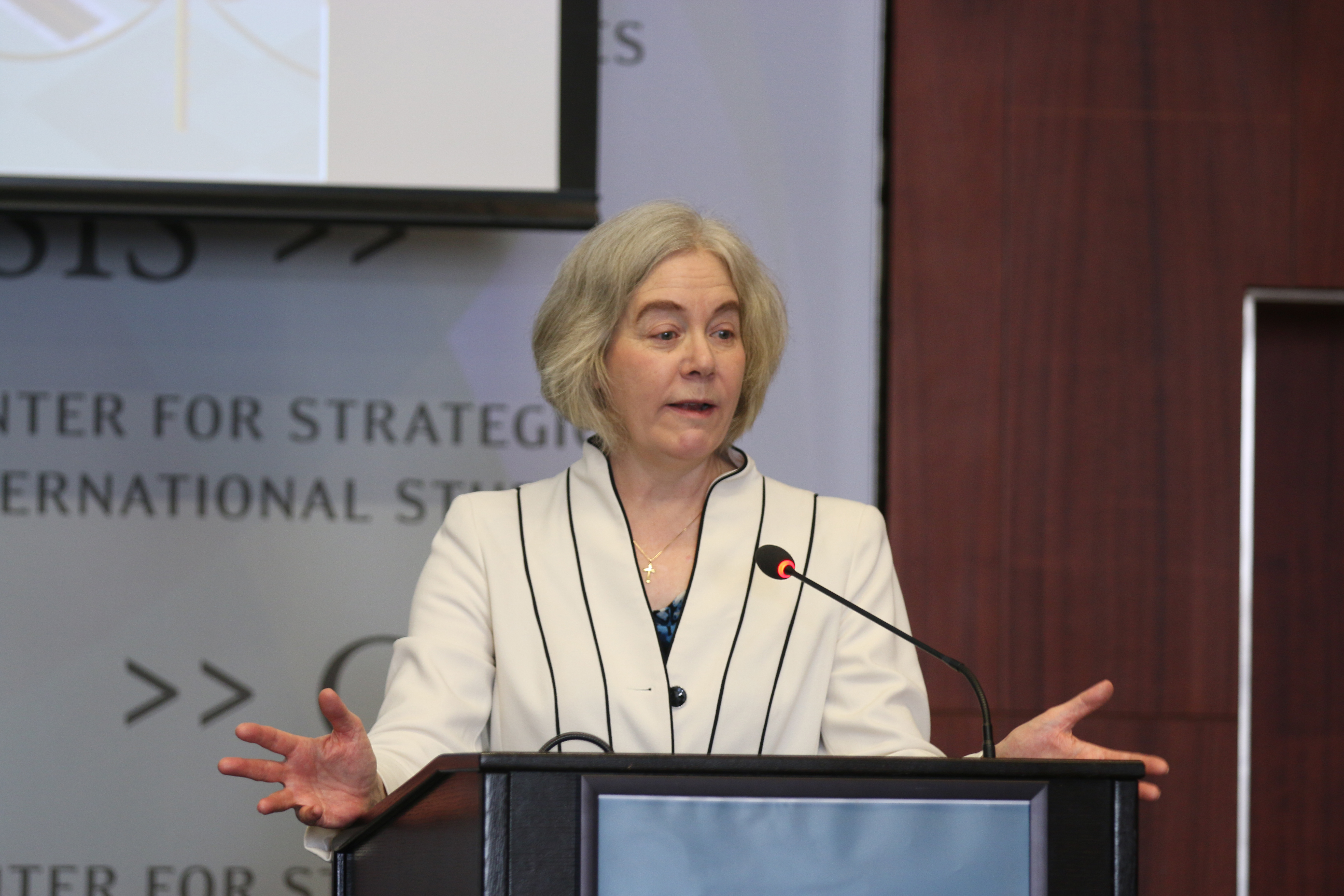
On March 10, 2016, the Center for Strategic and International Studies (CSIS) hosted a high-level policy forum featuring Dr. Ellen Williams, then-Director of the Advanced Research Projects Agency-Energy (ARPA-E). The event, which focused on the modernization of the American electric grid and the role of federal research in energy innovation, brought together industry experts to dissect the challenges of transitioning to a more resilient and sustainable power architecture. As the Department of Energy (DOE) sought to accelerate the deployment of next-generation technologies, the discussion centered on how ARPA-E’s incubation model could address critical bottlenecks in grid management and energy storage.
The Strategic Context of the 2016 Energy Landscape
At the time of the event, the U.S. energy sector was undergoing a profound transformation. The rapid decline in the cost of solar and wind energy had begun to reshape the supply side of the power industry, but the infrastructure designed to distribute this energy remained largely tethered to mid-20th-century paradigms. The electrical grid, often described as the largest machine in the world, was facing unprecedented pressure from the integration of intermittent renewables and the aging of physical assets.
Dr. Ellen Williams, leading the agency tasked with funding high-risk, high-reward energy research, articulated a vision for a "smarter" grid. This vision was not merely about replacing transmission lines but about integrating advanced power electronics, distributed energy resources, and sophisticated data analytics to manage the flow of electrons in real-time. The event took place during a pivotal period for the Obama administration’s energy policy, specifically following the launch of "Mission Innovation," a global initiative pledged at the COP21 climate summit in Paris, which sought to double public investment in clean energy research and development over five years.
ARPA-E’s Role in Energy Incubation
ARPA-E, established in 2009, occupies a unique space within the U.S. government. Unlike the Office of Science, which focuses on fundamental research, or the applied energy offices, which often focus on maturing existing technology, ARPA-E targets the "valley of death"—the chasm between laboratory discovery and commercial viability.
During the 2016 discussion, Dr. Williams emphasized that grid management and storage were not just technological hurdles but economic imperatives. The agency’s focus on grid-scale storage was driven by the realization that if the grid could not store energy efficiently, the full potential of renewables would remain capped. By funding projects that explored flow batteries, advanced materials for capacitors, and grid-edge control systems, ARPA-E sought to provide the private sector with the technological building blocks necessary for a modern utility environment.
Chronology of the Forum and Key Participants
The forum was moderated by Frank O’Sullivan, then-Director of Research and Analysis at the MIT Energy Initiative and a Senior Associate at CSIS. His expertise in the economics of energy projects provided a bridge between Dr. Williams’ technical outlook and the commercial realities faced by grid operators. Sarah Ladislaw, a prominent voice in energy policy and the Director of the CSIS Energy and National Security Program, provided introductory remarks that framed the conversation within the broader context of national security—arguing that a secure, reliable, and flexible energy grid is the bedrock of modern national stability.
The proceedings followed a structured format, beginning with a deep dive into the agency’s 2016 programmatic priorities, followed by a moderated discussion on the challenges of market deployment. The event served as a signal to the broader investment community that the federal government remained committed to de-risking energy technologies, even as political cycles shifted.
Data and Technological Challenges
The urgency of the discussion was supported by the prevailing data on grid reliability and efficiency. In 2016, estimates from the Department of Energy indicated that power outages were costing the U.S. economy billions of dollars annually. Furthermore, the mismatch between where renewable energy is generated (often remote, wind-swept plains or sun-drenched deserts) and where it is consumed (dense urban centers) necessitated a major overhaul of high-voltage transmission capabilities.
Dr. Williams highlighted several technical pillars that were central to the agency’s efforts:
- Power Electronics: Moving beyond traditional silicon-based devices to wide-bandgap semiconductors, which allow for more efficient conversion of power.
- Grid-Edge Control: Developing software and hardware capable of managing the increasing influx of "prosumers"—customers who both consume and generate their own electricity via residential solar.
- Energy Storage: Scaling up stationary storage solutions to move beyond the short-duration capabilities of lithium-ion batteries, aiming for longer-duration, cost-competitive options.
Broader Implications for the Energy Transition
The implications of the research discussed at the 2016 forum have proven prophetic. The shift toward decentralized power generation has accelerated significantly in the years since. Many of the initiatives championed by Dr. Williams during her tenure at ARPA-E eventually found their way into commercial pilots, proving that high-risk federal research can, indeed, catalyze private sector investment.
However, the discussion also highlighted a recurring theme in energy policy: the difficulty of regulatory alignment. While the technology for a smarter grid was being developed, the utility business model—largely predicated on selling volumetric electricity—often acted as a deterrent to the adoption of efficiency-driven technologies. The participants noted that technological breakthroughs alone are insufficient; they must be accompanied by market reforms that incentivize grid flexibility and resilience.

Official Perspectives and Industry Reaction
From the perspective of the CSIS Energy and National Security Program, the event was part of a larger, ongoing effort to educate policymakers on the interdependencies of energy technology and geopolitics. By providing a platform for the Director of ARPA-E to speak directly to industry stakeholders, CSIS aimed to bridge the gap between bureaucratic research agendas and the practical needs of the private sector.
Industry analysts at the time noted that the focus on "Mission Innovation" provided a much-needed morale boost to the clean energy sector. By aligning U.S. policy with international commitments, the administration sought to create a global market for the very technologies being incubated at ARPA-E. This created a dual benefit: fostering domestic innovation while establishing the United States as a leader in the global clean energy export market.
Legacy and Future Outlook
Looking back at the transcript and proceedings of the March 2016 event, it is clear that the focus on the grid was timely. The issues raised—grid-scale storage, the integration of distributed resources, and the need for a more dynamic transmission network—remain the central challenges of the 2020s. The advancements made in wide-bandgap semiconductors and grid-edge management, which were in their nascent stages in 2016, are now becoming standard features of the modern power grid.
The legacy of the event lies in its framing of the grid not as a static asset, but as a dynamic platform for innovation. Dr. Williams’ emphasis on "incubating" technology set a precedent for how federal agencies can effectively partner with academia and private industry. As the U.S. continues to pursue its decarbonization goals, the foundational work discussed at this CSIS forum serves as a testament to the importance of sustained public investment in the energy transition.
In conclusion, the 2016 discussion at CSIS provided a critical look at the trajectory of the American power grid. By highlighting the work of ARPA-E, the forum underscored that the future of energy is not merely a matter of fuel sources, but a matter of engineering and systemic design. The insights shared by Dr. Williams, coupled with the analytical rigor provided by Ladislaw and O’Sullivan, helped clarify the roadmap for a transition that remains one of the most complex engineering challenges of the 21st century. The event stands as a significant marker in the history of U.S. energy policy, reflecting a period of intense focus on technological solutions to meet the growing demands of a modernized, electrified economy.