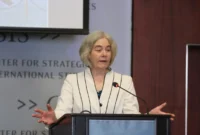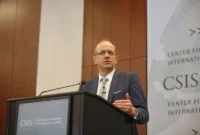
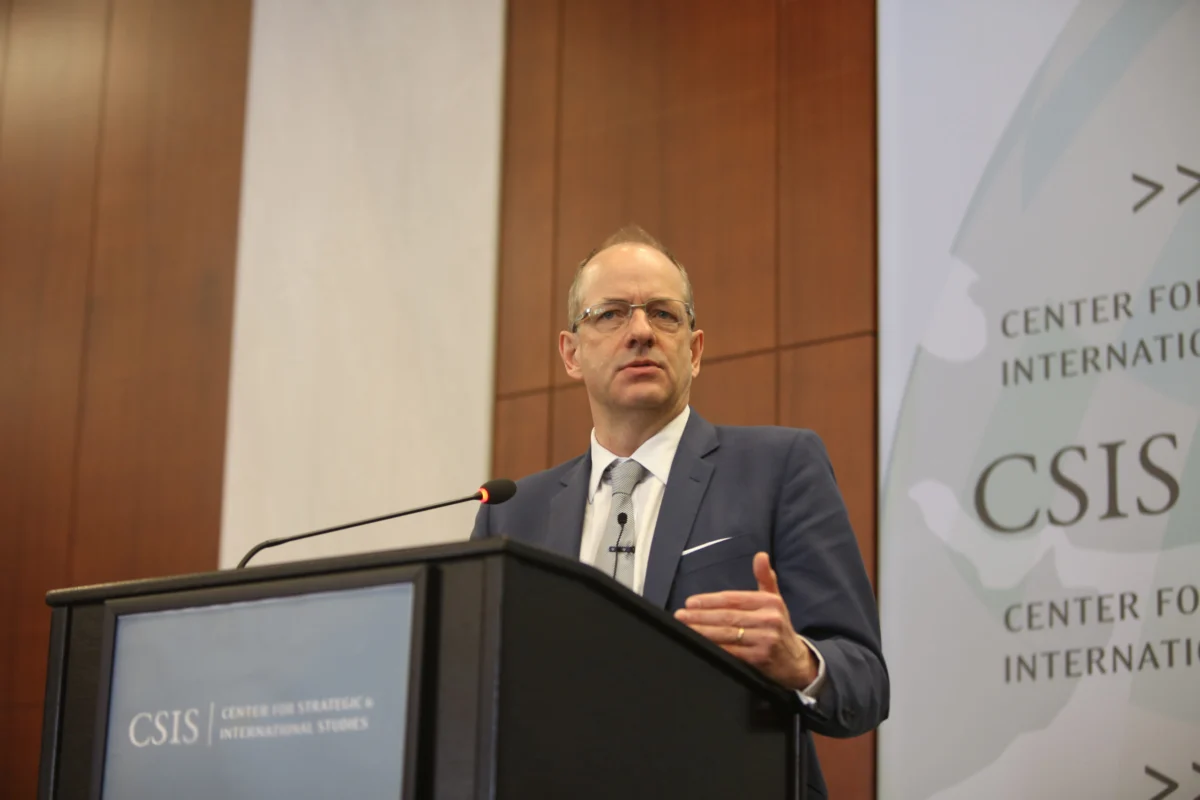
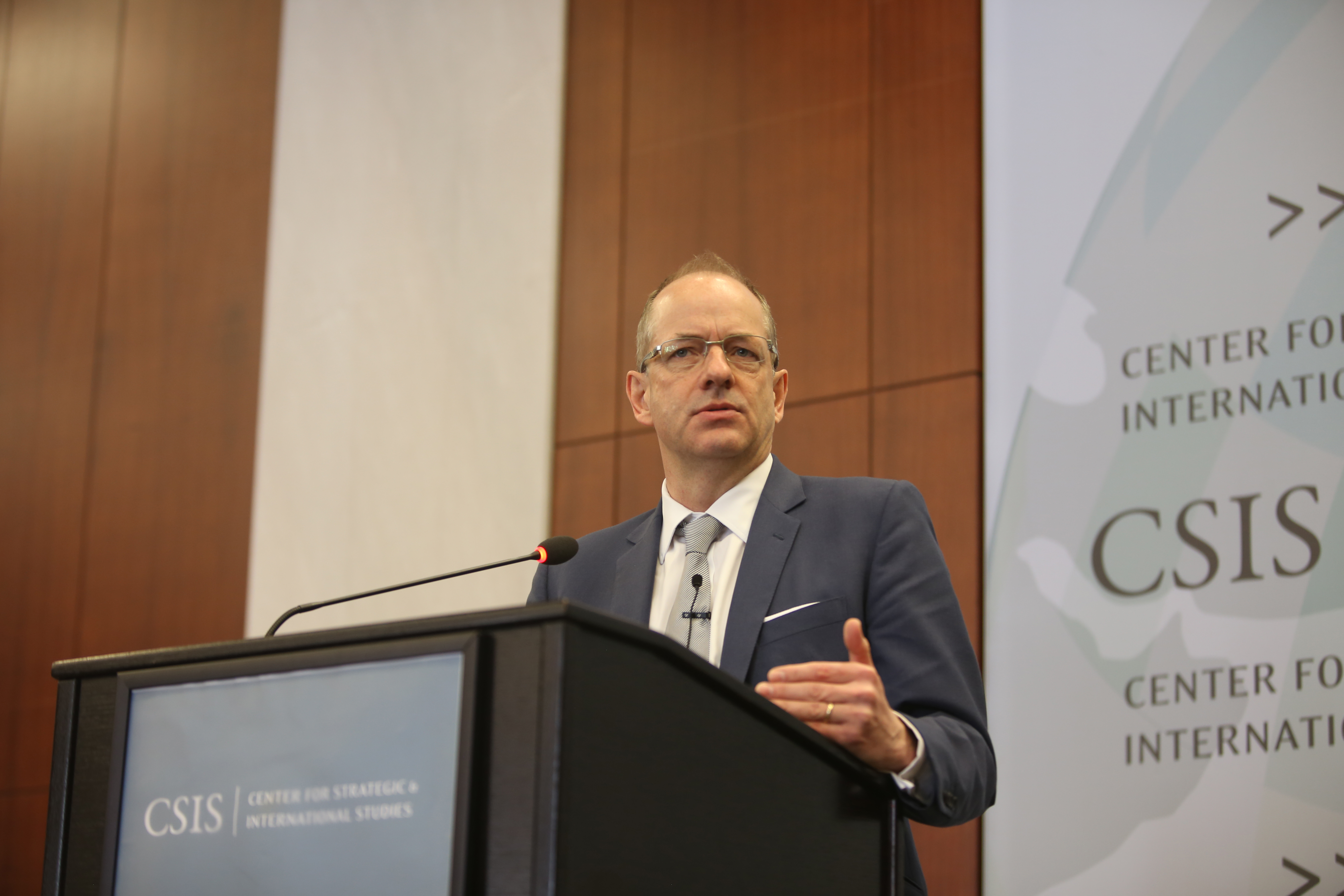
On March 17, 2016, the Center for Strategic and International Studies (CSIS) hosted a landmark forum titled "The Bio-Pharma Industry and Society," bringing together industry titans and leading health policy experts to address the widening chasm between pharmaceutical innovation and global health accessibility. The event, held in Washington, D.C., served as a critical nexus point for discussions regarding the corporate social responsibility of multinational bio-pharmaceutical firms. At the center of the discourse was the urgent need for a new framework that balances the commercial imperatives of drug development with the global mandate for affordable, high-quality medical care.
The session featured a keynote address by Sir Andrew Witty, then-CEO of GlaxoSmithKline (GSK), whose appearance was particularly significant given his concurrent role on the United Nations Secretary-General’s High-Level Panel on Access to Medicines. The dialogue sought to address a systemic crisis of confidence, as the pharmaceutical sector faced intense public and regulatory scrutiny over pricing strategies, transparency in clinical trial reporting, and the equitable distribution of life-saving therapeutics.
A Chronology of the 2016 Global Health Policy Landscape
To understand the weight of the 2016 CSIS event, one must consider the historical context of the mid-2010s. The period was marked by a series of high-profile controversies regarding pharmaceutical pricing, most notably the backlash against companies engaging in aggressive price hikes for legacy drugs.
- 2014–2015: Global outcry intensified over the affordability of essential medications, including treatments for Hepatitis C and oncology.
- November 2015: The UN Secretary-General announced the formation of a High-Level Panel on Access to Medicines, tasked with finding solutions to the policy incoherence between intellectual property rights and human rights.
- March 2016: The CSIS event provided a platform for Sir Andrew Witty to signal a pivot in industry strategy, emphasizing a move away from volume-based sales incentives toward value-based pricing models.
- Late 2016: The UN High-Level Panel published its final report, which advocated for increased transparency in R&D costs and a more robust focus on public health-oriented patent policies.
Core Pillars of the Reform Agenda
Sir Andrew Witty’s presentation focused on the transformation of GlaxoSmithKline’s operational model, which he argued was essential for the long-term sustainability of the industry. The proposed reforms centered on four strategic pillars:
- Sales and Marketing Ethics: Witty emphasized the phasing out of individual sales targets for pharmaceutical representatives, replacing them with incentives based on technical knowledge and customer service. This was intended to decouple the influence of profit-seeking from medical decision-making.
- Clinical Trial Transparency: In a move toward radical openness, GSK committed to publishing data from all clinical trials, including those that yielded negative or inconclusive results. This transparency was framed as a fundamental requirement to build public trust.
- Tiered Pricing Models: Recognizing the economic disparities between developed and developing markets, the industry began experimenting with tiered pricing structures. This approach aimed to ensure that medicines remain affordable in low-income nations while maintaining research funding from high-income markets.
- Targeted R&D: The session explored the shift toward investing in "unmet medical needs," particularly in tropical diseases and antimicrobial resistance—areas that historically yielded lower financial returns but carried massive societal importance.
Expert Perspectives and Panel Analysis
Following the keynote, the roundtable discussion featured Dr. Margaret Hamburg, then-Foreign Secretary of the Institute of Medicine (now the National Academy of Medicine), and Dr. Ezekiel Emanuel, a prominent bioethicist and expert in health policy from the University of Pennsylvania. The discussion was moderated by J. Stephen Morrison, Senior Vice President and Director of the CSIS Global Health Policy Center.
Dr. Hamburg highlighted the critical role of regulatory agencies in maintaining the balance between innovation and safety. She noted that while industry self-regulation—such as the reforms proposed by GSK—was a positive step, it could not replace the necessity of a robust, science-based regulatory framework.
Dr. Emanuel provided a provocative look at the ethical dimensions of drug pricing. He argued that the current system of patent-driven pricing often incentivizes the development of "me-too" drugs—minor variations of existing medications—rather than breakthrough therapies. He advocated for a shift toward "value-based reimbursement," where the price of a drug is tied directly to the clinical outcomes and the actual health value it provides to patients and health systems.
Data and Economic Implications
The debate surrounding the bio-pharmaceutical industry is grounded in complex economic realities. During the 2016 forum, analysts pointed to the massive capital requirements of modern drug discovery. The average cost to develop a single new molecular entity is estimated to exceed $2.5 billion, including the cost of failures.
However, critics at the time—and throughout the subsequent decade—pointed to the disparity between R&D expenditures and marketing budgets. Data presented during the discourse suggested that for many large pharmaceutical firms, marketing and administrative expenses often eclipsed direct investment in research and development. This discrepancy formed the basis for the widespread public perception that the industry prioritized shareholder dividends over patient outcomes.
The implications of these discussions were profound. By 2016, the industry was already feeling the pressure of "patent cliffs," where the expiration of patents for block-buster drugs necessitated a new strategy. The shift toward specialized medicines and biologics created further tension, as these drugs often command significantly higher prices than traditional small-molecule pharmaceuticals.
The Broader Impact on Global Health Policy
The 2016 CSIS event functioned as a microcosm of a much larger global struggle. The engagement of a CEO of a major pharmaceutical firm in a public policy forum was, at the time, an admission that the status quo was unsustainable. The event underscored that the bio-pharmaceutical industry is not merely a commercial sector but a critical component of national and global security.
The outcomes of these discussions influenced the trajectory of the pharmaceutical sector in several ways:
- Increased Scrutiny on Patent Laws: The debate sparked by the UN High-Level Panel and echoed at events like this led to a more critical examination of how intellectual property (IP) rights affect drug pricing in emerging markets.
- The Push for Transparency: The commitment to trial data transparency became a benchmark. Today, many journals and regulatory bodies, including the FDA and EMA, have adopted stricter requirements for the disclosure of clinical trial results, a trend that gained significant momentum during the mid-2010s.
- Public-Private Partnerships (PPPs): The conversation reinforced the importance of PPPs, such as the Gavi Alliance and the Global Fund, which leverage private sector innovation for public health goals. These entities have become essential for the distribution of vaccines and treatments in resource-constrained environments.
Looking Toward the Future
The legacy of the March 2016 CSIS forum remains relevant in the post-pandemic era. The COVID-19 crisis further tested the relationship between pharmaceutical firms, governments, and society. The rapid development of mRNA vaccines underscored the necessity of private-sector innovation, while the challenges of global vaccine distribution once again highlighted the systemic gaps in access that were debated in 2016.
As the industry moves forward, the challenges identified by Sir Andrew Witty, Dr. Hamburg, and Dr. Emanuel continue to evolve. The rise of gene therapies and personalized medicine introduces new pricing dilemmas that test the boundaries of healthcare budgets. Furthermore, the rise of artificial intelligence in drug discovery promises to lower costs but raises new questions about data ownership and the speed of innovation.
In conclusion, the 2016 CSIS event was not merely a retrospective look at corporate policy, but a proactive attempt to bridge the divide between industrial capability and the humanitarian mission of global health. The consensus that emerged—that the bio-pharmaceutical industry must act as a responsible global actor—remains a cornerstone of contemporary health policy. As stakeholders navigate the complexities of modern medicine, the principles of transparency, value-based pricing, and equitable access remain the essential pillars of a sustainable and trustworthy pharmaceutical ecosystem. The discourse initiated by CSIS continues to serve as a vital reference point for policymakers, corporate leaders, and patient advocates working to ensure that the next wave of medical breakthroughs benefits the entirety of the global population.