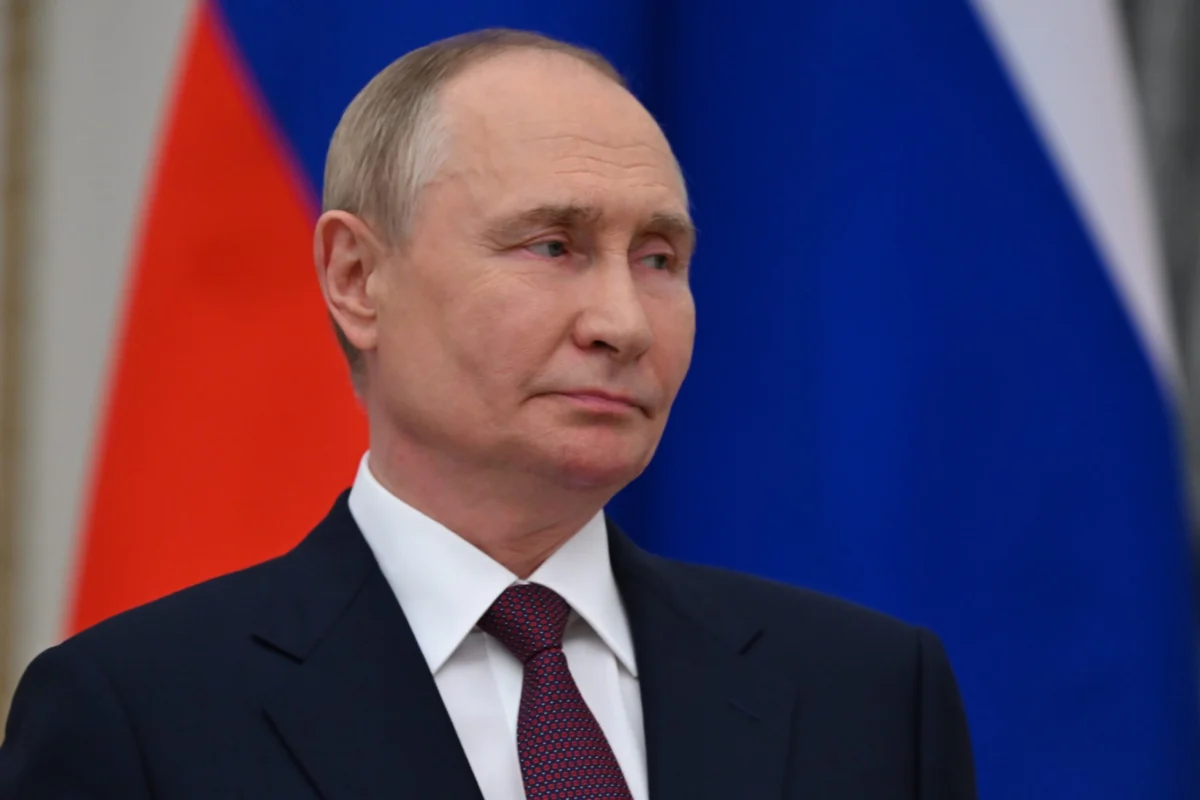
Russian President Vladimir Putin announced that he and SpaceX Chief Executive Officer Elon Musk are maintaining direct and frequent communication regarding "Rassvet," Moscow’s domestic answer to the global Starlink satellite internet network. Speaking at the Russia-Africa Summit on Wednesday, the Russian leader offered high praise for the billionaire entrepreneur, characterizing him as a visionary technological pioneer while openly acknowledging Russia’s current positioning relative to the dominance of SpaceX’s orbital infrastructure.
The revelation of a direct diplomatic and technological dialogue between the Kremlin and the world’s most prominent aerospace executive arrives at a highly sensitive geopolitical juncture. The ongoing war in Ukraine has increasingly intertwined commercial satellite technology with modern military strategy. With Musk holding immense unilateral leverage over front-line communications through Starlink and its military counterpart, Starshield, any alignment, coordination, or strategic dialogue between SpaceX leadership and Moscow introduces profound new anxieties for Western defense planners and the Ukrainian government.
Praise from the Kremlin and the Ambitions of Rassvet
Addressing delegates and international journalists at the summit, Vladimir Putin did not mince words when evaluating the accomplishments of the American tech mogul.
"Elon Musk is a genius, truly a genius," Putin stated during his address. Highlighting the stark disparity in orbital assets between private American enterprise and the Russian state apparatus, the Russian president added, "He has already had more than 5,000 such satellites in orbit, while we are only taking the first steps."
The focal point of these high-level discussions is Rassvet, a state-backed initiative designed to establish a sovereign, low-Earth orbit (LEO) satellite constellation. For years, Russia’s federal space agency, Roscosmos, has struggled to match the rapid cadence and cost-efficiency of SpaceX’s Falcon 9 rocket launches and mass-production satellite manufacturing. By establishing contact with Musk, Moscow appears to be navigating the complex task of studying, benchmarking, or potentially seeking technological frameworks from the global leader in commercial satellite constellations.
While Russian state media and aerospace engineers have framed Rassvet as a critical step toward securing national digital sovereignty and bridging domestic connectivity gaps, independent analysts point out that bridging a multi-thousand-satellite deficit will require years of sustained capital expenditure, advanced microelectronics, and reliable launch capabilities—all areas where Russia faces severe constraints due to international sanctions.
The Geopolitical Friction Over Starlink in Ukraine
The emerging ties between the Kremlin and Musk carry acute geopolitical ramifications, primarily due to Starlink’s foundational role in the defense of Ukraine. Since the full-scale Russian invasion began in early 2022, SpaceX’s satellite internet terminals have served as the nervous system for Ukrainian military communications, enabling real-time artillery coordination, drone reconnaissance, and secure command-and-control operations.
However, the relationship between Kyiv and the tech billionaire has grown increasingly volatile. Musk has repeatedly expressed frustration with Ukrainian leadership, including public policy clashes with Ukrainian President Volodymyr Zelensky over potential peace terms and territorial concessions. These tensions flared significantly following a recent shift in U.S. foreign policy that saw the easing of certain economic sanctions against Russia, leaving Ukrainian defense officials deeply unnerved about the long-term reliability of Starshield—the specialized, encrypted military variant of the satellite network upon which Ukrainian armed forces depend.

Those anxieties materialized into reality earlier this month. For a tense 10-day window, Ukrainian front-line units operating aerial and naval drones experienced widespread, debilitating losses of satellite connectivity. The operational disruption triggered frantic back-channel diplomatic inquiries and intense scrutiny from international media outlets.
Conflicting reports emerged regarding the origin of the cutoff. According to investigative reporting by The Wall Street Journal, Musk personally ordered SpaceX engineers to restrict Ukraine’s access to Starlink bandwidth amidst escalating friction over operational parameters. Conversely, separate intelligence reports cited by Reuters indicated that the directive to limit Starshield capabilities originated from within the White House as part of broader strategic calculations.
Amid the confusion, Musk took to his social media platform, X, to justify the service throttling. He claimed that Ukrainian military operators had violated Starlink’s established terms of service by employing the commercial infrastructure for "offensive drone strikes to kill people," arguing that the network was intended strictly for humanitarian and defensive communications.
By mid-to-late October, service levels across the embattled regions reportedly normalized, with independent monitors confirming that Starlink connectivity had resumed standard operations. Nevertheless, the episode underscored the precarious nature of depending on a private commercial entity for sovereign national defense. Emphasizing this vulnerability, Musk posted a stark assessment on X: "Were Starlink to be turned off, the Ukrainian front line would collapse immediately. This is NOT a threat, it is simply a statement of fact."
Chronology of Escalating Tech-Diplomacy
To understand the current convergence of Russian state ambitions and SpaceX’s corporate footprint, it is vital to examine the timeline of key developments leading up to Putin’s recent statements:
- February 2022: Following the outbreak of the war, Elon Musk activates Starlink services across Ukraine, quickly dispatching thousands of user terminals to ensure continuous civilian and military internet access.
- Late 2023 to 2024: Tensions surface between Kyiv and Musk over the restriction of Starlink access near contested maritime boundaries and Crimea, with Musk expressing public weariness over the protracted conflict and advocating for negotiated settlements.
- Early October 2026: The United States government eases select economic sanctions on Russian entities, prompting immediate strategic anxiety within the Ukrainian government regarding the security of Western-backed supply chains and military technologies.
- Mid-October 2026: Ukrainian frontline drone units experience a sudden 10-day blackout in connectivity. Reports surface implicating both internal SpaceX directives and White House pressure to limit Starshield usage. Musk publicly states that Ukraine violated usage policies by executing offensive operations.
- Late October 2026: Starlink services return to operational normalcy in Ukraine. Shortly thereafter, during the Russia-Africa Summit, President Vladimir Putin publicly confirms that he and Musk are in "close contact" regarding Russia’s developing Rassvet satellite network, praising the SpaceX CEO as a genius.
Broader Implications for Global Security and Space Commerce
Putin’s public acknowledgment of direct channels with Musk highlights a troubling new reality for international relations: the growing autonomy of non-state actors in shaping geopolitical outcomes. Traditional diplomacy, historically conducted strictly through foreign ministries and formal treaties, is increasingly supplemented—and occasionally bypassed—by billionaire technocrats who command critical infrastructure assets that rival the capabilities of sovereign nation-states.
For the United States and its NATO allies, the prospect of an open dialogue between the Kremlin and the head of SpaceX introduces complex national security dilemmas. SpaceX holds multibillion-dollar classified defense contracts with the Pentagon and NASA, making it a cornerstone of American military space dominance and civil space exploration. Any perception of alignment or back-channel negotiations with a hostile foreign power like Russia complicates the oversight of sensitive defense technologies.
At the same time, the admission underscores the immense commercial and strategic pull of SpaceX’s achievements. By acknowledging the vast gap between Russia’s nascent Rassvet project and Starlink’s 5,000-plus satellite constellation, Putin signaled a pragmatic recognition of American technological supremacy in LEO architecture, even as Moscow seeks to forge its own path through domestic development and international partnerships.
As the war in Ukraine grinds on and the commercial space race accelerates, the intersection of corporate enterprise, sovereign ambition, and modern warfare will remain a focal point of intense global scrutiny. Whether the dialogue between Moscow and Musk yields tangible technical cooperation for Rassvet or remains a high-level diplomatic overture, it marks another chapter in the blurring lines between Silicon Valley boardrooms and front-line geopolitical struggles.