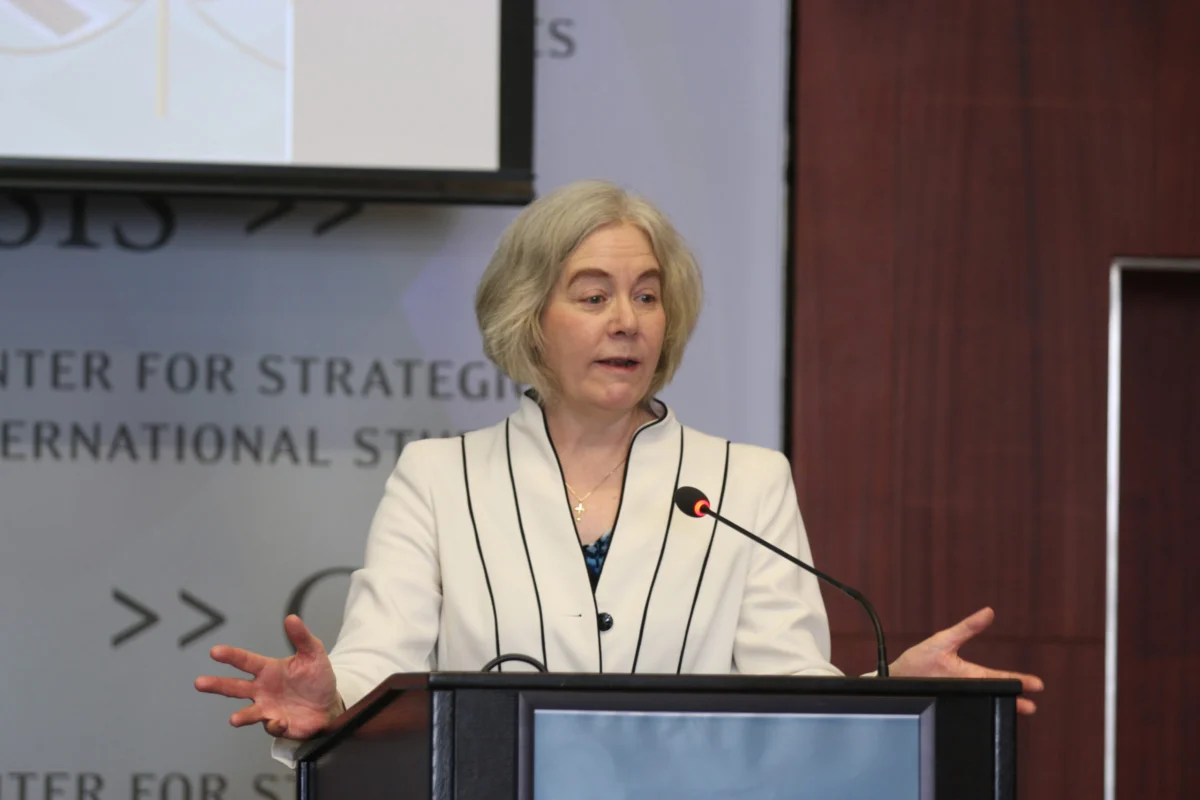
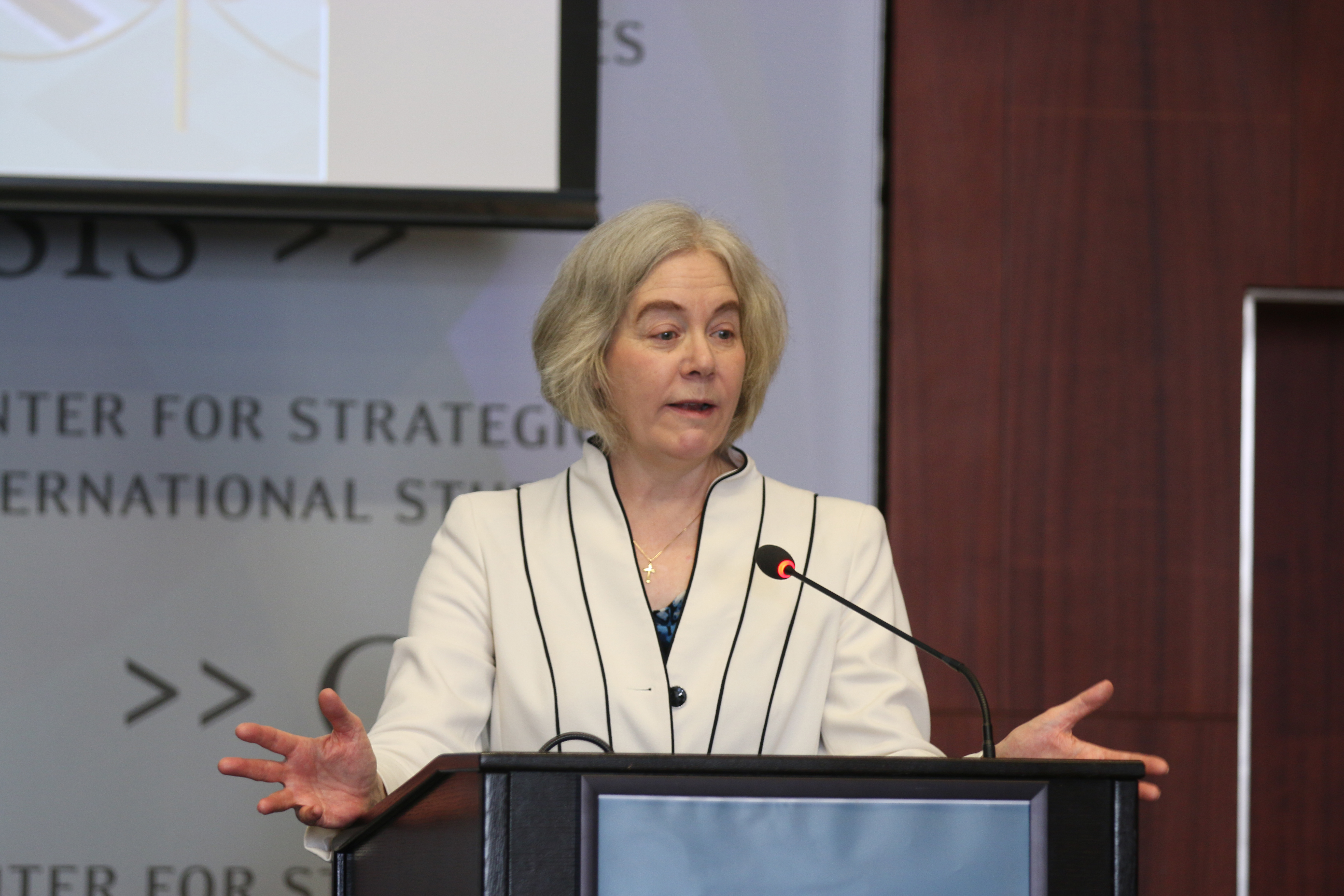
On March 10, 2016, the Center for Strategic and International Studies (CSIS) hosted a pivotal discussion featuring Dr. Ellen Williams, the then-Director of the Advanced Research Projects Agency-Energy (ARPA-E). The event, moderated by Frank O’Sullivan of the MIT Energy Initiative, centered on the critical evolution of the American electric grid and the technological breakthroughs required to meet the energy demands of the 21st century. At a time when the Department of Energy was aggressively pivoting toward decarbonization and grid modernization, the conversation provided a rare window into the federal government’s strategy for energy innovation.
The Context of Energy Innovation in 2016
The 2016 landscape for energy policy was defined by a transition toward more distributed and renewable energy sources. As solar and wind power adoption accelerated, the legacy electrical grid—largely designed for unidirectional power flow from centralized power plants—began to show signs of strain. Integrating intermittent energy sources required a complete rethinking of how power is generated, transmitted, and consumed.
ARPA-E, established in 2009, was created to fill the "valley of death" between basic laboratory research and the commercialization of energy technologies. By the time of this 2016 forum, the agency had spent several years funding high-risk, high-reward projects designed to disrupt traditional energy markets. Dr. Williams’s address was not merely an overview of ongoing projects; it was a manifesto for the role of government-backed R&D in ensuring national security and economic competitiveness.
Key Focus Areas: Grid Management and Storage
During the event, Dr. Williams emphasized that the grid was the central bottleneck in the transition to a low-carbon economy. She highlighted two primary technical pillars: advanced grid management software and energy storage capabilities.
The grid management focus was predicated on the need for "intelligent" infrastructure. As power generation became more decentralized, the complexity of balancing load and frequency grew exponentially. ARPA-E’s initiatives at the time aimed to develop control systems capable of managing millions of nodes—including residential solar panels, electric vehicle charging stations, and industrial storage units—in real-time.
Storage, conversely, represented the physical solution to the intermittency problem. Williams pointed to the necessity of moving beyond traditional lithium-ion limitations. The discussion touched upon the development of flow batteries, thermal storage, and other long-duration storage technologies. The goal was to provide the "baseload" stability previously offered by coal and gas-fired plants while utilizing wind and solar generation.
Mission Innovation and Global Collaboration
A significant portion of the presentation was dedicated to "Mission Innovation," a global initiative launched at the 2015 United Nations Climate Change Conference (COP21) in Paris. This initiative saw 20 major economies, including the United States, pledge to double their public investment in clean energy research and development over five years.
For ARPA-E, Mission Innovation provided a mandate to scale its efforts. Dr. Williams noted that the initiative was designed to catalyze private sector investment by de-risking early-stage technologies. By providing a clear roadmap of government priorities, the DOE hoped to signal to venture capitalists and industrial partners that the future of the energy sector was explicitly focused on low-carbon integration. The alignment between ARPA-E’s project-level goals and the broader Mission Innovation framework suggested a cohesive, top-down strategy to maintain American leadership in energy technology.
Chronology of the 2016 Energy Policy Shift
The period surrounding the March 2016 CSIS event was marked by a flurry of administrative and legislative activity regarding energy:
- Late 2015: The United States signed the Paris Agreement, committing to significant reductions in greenhouse gas emissions.
- December 2015: The U.S. Congress passed the Consolidated Appropriations Act, which included five-year extensions for the solar Investment Tax Credit (ITC) and the wind Production Tax Credit (PTC). This provided the regulatory certainty necessary for the technologies discussed by Dr. Williams to reach the market.
- March 2016: The CSIS event provided a public-facing platform to discuss the technical execution of these policy goals.
- Late 2016: The DOE released several reports detailing the potential for "grid-edge" technologies, many of which had been incubated in the ARPA-E programs described at the CSIS seminar.
Technical Implications for the National Grid
The implications of the technologies discussed were profound. An "upgraded" grid would necessitate a shift in how utility companies operate. Instead of acting merely as electricity distributors, utilities would have to transition into platform providers, managing complex bidirectional flows of energy and data.
The data presented by the panelists underscored the urgency of this transition. With energy demand rising and the aging infrastructure in the United States requiring billions in capital upgrades, the cost-effectiveness of these new, smarter systems was a central selling point. By integrating software-driven grid management, utilities could potentially defer the need for massive capital expenditures on physical transmission lines by optimizing the assets already in place.
Perspectives from the Panel
Sarah Ladislaw, then-Director of the CSIS Energy and National Security Program, framed the discussion through the lens of national security. In her introductory remarks, she noted that energy resilience is inextricably linked to grid stability. A modernized, flexible grid was not just an environmental imperative; it was a defense necessity against cyber-attacks and extreme weather events.
Frank O’Sullivan, bringing his experience from the MIT Energy Initiative, challenged the audience to consider the "market deployment" gap. His moderation focused on the economic reality: even if a technology is scientifically sound, it must be cost-competitive to be adopted at scale. His questions to Dr. Williams highlighted the friction between the laboratory environment and the regulatory environment of regional transmission organizations (RTOs) and public utility commissions.

The Broader Impact: A Legacy of Innovation
The discussion with Dr. Ellen Williams at CSIS served as a critical barometer for the state of energy R&D in the mid-2010s. By focusing on the grid, the event highlighted the intersection of digital transformation and mechanical engineering.
The lasting impact of the initiatives discussed during this period can be seen in today’s energy sector. The concepts of "grid-interactive efficient buildings," "virtual power plants," and "long-duration energy storage" were in their infancy during this 2016 forum. Today, they are at the center of the clean energy transition. The dialogue established at CSIS provided the intellectual scaffolding for much of the subsequent policy and investment that has defined the U.S. energy landscape.
Furthermore, the emphasis on collaboration between government, academia, and industry set a precedent for future Department of Energy endeavors. By bringing together the expertise of MIT, the strategic foresight of CSIS, and the funding capabilities of ARPA-E, the event modeled the type of multi-stakeholder engagement necessary to solve systemic infrastructure challenges.
Analysis of Future Projections
Looking back from the perspective of the current energy market, the warnings and projections made in 2016 were largely accurate. The grid has indeed become the central theater for the energy transition. The challenges identified by Dr. Williams—specifically the integration of distributed energy resources and the need for scalable storage—remain the primary focus of federal energy policy.
However, the scale of the challenge has grown. The rapid proliferation of electric vehicles and the electrification of heating systems have placed even greater demands on the grid than were anticipated in 2016. The "grid management" solutions advocated by ARPA-E have evolved into the current industry standard of grid-enhancing technologies (GETs), which utilize sensors and AI to increase the capacity of existing lines.
In conclusion, the CSIS event featuring Dr. Ellen Williams was more than a technical seminar; it was an essential moment of alignment for the American energy sector. It bridged the gap between academic innovation and policy application, underscoring that the future of the American economy is fundamentally tied to the reliability, intelligence, and sustainability of its electrical grid. As the nation continues to navigate the complexities of decarbonization, the foundational work discussed by leaders like Dr. Williams, Sarah Ladislaw, and Frank O’Sullivan continues to serve as a blueprint for institutional and technological progress.