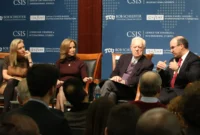

In an era defined by volatile geopolitical shifts, tightening fiscal constraints, and rapid technological modernization, the Center for Strategic and International Studies (CSIS) launched a pivotal International Security Program (ISP) initiative in January 2016. Titled "Defense Outlook: A CSIS Series on Strategy, Budget, Forces, and Acquisition," the program was designed to rigorously examine the complex dynamics and interlinkages governing the current and future state of the United States Armed Forces. Held on the evening of January 27, 2016, the launch event served as a comprehensive diagnostic of the defense enterprise, bringing together leading national security experts to dissect how strategy dictates budgets, how budgets shape force structures, and how acquisition processes ultimately deliver capability to the warfighter.
Event Overview and Core Objectives
The January 27 event was structured to address the fundamental mismatch haunting Pentagon planners for decades: the friction between strategic ambition and fiscal reality. As the U.S. military transitioned away from large-scale counterinsurgency campaigns in Iraq and Afghanistan toward a resurgent era of great power competition—marked by rising challenges from near-peer adversaries like Russia and China—defense leaders faced mounting pressure to recapitalize aging platforms.
However, these modernization imperatives collided directly with the lingering effects of the Budget Control Act of 2011, sequestration caps, and unpredictable congressional appropriations. Against this backdrop, the CSIS International Security Program convened prominent analysts and institutional leaders to unveil a suite of major publications and digital resources aimed at clarifying the defense landscape for policymakers, defense contractors, and the public alike.
Launch of the Defense 360 Digital Initiative
A cornerstone of the January 2016 event was the official rollout of the Defense 360 website (defense360.csis.org). Designed as an interactive digital hub, Defense 360 was created to bridge the gap between complex defense data and accessible public analysis. The platform aimed to provide real-time commentary, data visualizations, and deep-dive reports on the four pillars of the CSIS series: defense strategy, budgetary trends, force structure development, and weapon system acquisition.

By centralizing these critical metrics, Defense 360 provided lawmakers and defense industry stakeholders with a transparent analytical tool to evaluate the health of the defense ecosystem. The digital platform quickly established itself as an indispensable resource for tracking how defense dollars translate into operational readiness and technological edge.
Key Publications Unveiled at the Event
To anchor the launch of the Defense Outlook series, CSIS released three comprehensive policy reports authored by its team of defense analysts. Each publication targeted a critical vulnerability within the defense establishment.
Defense Acquisition Trends 2015: Acquisition in an Era of Budget Uncertainty
The first report, Defense Acquisition Trends 2015: Acquisition in an Era of Budget Uncertainty, examined how the Department of Defense (DoD) managed weapon system procurement amidst profound fiscal volatility. The study analyzed historical data on defense contracting, examining trends in research, development, test, and evaluation (RDT&E) funding, procurement volume, and contract pricing structures.
The report highlighted the detrimental impact of continuing resolutions and sudden budget cuts on program stability. When acquisition programs are subjected to stop-and-go funding, production lines slow down, unit costs rise, and the introduction of critical new technologies is delayed. The analysis offered concrete recommendations on how the Pentagon could streamline acquisition regulations, leverage commercial technologies, and foster a more resilient defense industrial base capable of weathering fiscal turbulence.
Defense Modernization Plans through the 2020s: Addressing the Bow Wave
The second publication, Defense Modernization Plans through the 2020s: Addressing the Bow Wave, tackled one of the most pressing long-term crises facing the U.S. military: the simultaneous need to recapitalize all three legs of the nuclear triad, replace aging surface combatants, modernize tactical aviation fleets, and invest in next-generation domains such as cyber and space.

This massive cluster of modernization programs created what defense analysts termed a "bow wave"—a massive financial spike in required funding projected to peak in the late 2020s. The CSIS analysis demonstrated that the Pentagon’s stated modernization plans significantly exceeded likely top-line budget projections under existing fiscal caps. The report warned that without strategic prioritization, program cancellations, or relief from budget caps, the military would face severe readiness shortfalls, forcing tough choices between force size and technological superiority.
Defense Outlook 2016: What to Know, What to Expect
Rounding out the trio of releases, Defense Outlook 2016: What to Know, What to Expect served as an executive-level briefing document for the coming year. It outlined the major geopolitical flashpoints, legislative battles, and budgetary milestones expected to dominate Washington’s national security agenda. The report provided stakeholders with a synthesized roadmap of the defense debate, forecasting key decisions regarding force end-strength, overseas contingency operations (OCO) funding, and the implementation of ongoing acquisition reform legislation.
Distinguished Expert Panel and Contributors
The depth and credibility of the Defense Outlook initiative were driven by a multidisciplinary team of defense experts and institutional leaders associated with CSIS.
- John J. Hamre, CEO Emeritus and Langone Chair in American Leadership at CSIS, brought decades of high-level government experience, including serving as the U.S. Deputy Secretary of Defense. His leadership provided institutional framing for how the defense enterprise must adapt to systemic fiscal and strategic shocks.
- Todd Harrison, then Director of Defense Budget Analysis and the Aerospace Security Project at CSIS, led the empirical breakdown of Pentagon spending patterns. Harrison’s rigorous econometric analysis of defense budgets illuminated the mechanics behind the modernization bow wave and the compounding costs of force structure maintenance.
- Mark F. Cancian, Senior Adviser with the CSIS Defense and Security Department and a retired U.S. Marine Corps colonel, contributed deep operational expertise regarding force structures, personnel end-strengths, and the practical realities of military readiness.
- Andrew Philip Hunter, an expert in defense industrial policy and acquisition, analyzed the structural health of the defense supplier network and the efficacy of ongoing regulatory reforms.
- Kathleen H. Hicks, then director of the CSIS International Security Program (and later U.S. Deputy Secretary of Defense), oversaw the broader strategic architecture of the initiative, ensuring that budgetary and acquisition analyses remained anchored in overarching national security objectives.
Background Context: The Post-Sequester Defense Landscape
To fully understand the significance of the January 2016 CSIS initiative, one must examine the perilous fiscal environment in which it occurred. The Budget Control Act (BCA) of 2011 had imposed strict statutory caps on discretionary spending, resulting in automatic across-the-board spending cuts known as sequestration. Between fiscal years 2013 and 2021, the BCA stripped nearly $1 trillion from projected defense spending.
While subsequent legislative compromises—such as the Bipartisan Budget Act of 2015, which provided temporary relief for fiscal years 2016 and 2017—offered modest reprieves, the fundamental structural deficit remained. The Pentagon was forced to draft strategies based on ideal security requirements while managing budgets constrained by political gridlock. This chronic dissonance between ends and means drained operational readiness, created backlogs in depot maintenance, and delayed the fielding of critical capabilities needed to deter technologically advanced adversaries.

Analytical Implications and Broader Impact
The conclusions drawn during the Defense Outlook 2016 event carried profound implications for U.S. national security strategy. By systematically connecting the dots between strategy, budget, forces, and acquisition, CSIS highlighted several vital takeaways for policymakers:
- The Incompatibility of Strategy and Budget: The research demonstrated that the national military strategy—which mandated the ability to fight and win across multiple theaters against near-peer competitors—was fundamentally underfunded. Without either a significant increase in defense top-lines or a contraction of global commitments, the U.S. military risked becoming "hollowed out."
- The Imperative of Trade-offs: The defense establishment could no longer afford to pursue across-the-board modernization. Analysts emphasized that civilian and military leadership needed to make deliberate, courageous choices to cancel legacy programs that no longer served high-priority mission sets, redirecting those funds toward electronic warfare, cyber defense, precision munitions, and long-range strike capabilities.
- Acquisition Reform as a Necessity, Not a Luxury: The findings underscored that bureaucratic inefficiencies in the Pentagon’s acquisition system exacerbated budget pressures. Streamlining how the military buys equipment was identified as a critical path to reclaiming lost purchasing power.
Conclusion
The January 27, 2016, launch of Defense Outlook: A CSIS Series on Strategy, Budget, Forces, and Acquisition marked a critical milestone in public-facing defense analysis. By introducing the Defense 360 platform alongside rigorous empirical publications like Defense Acquisition Trends 2015 and Defense Modernization Plans through the 2020s, CSIS provided lawmakers, military leaders, and defense professionals with the analytical framework necessary to navigate one of the most challenging fiscal and strategic environments in modern American history. The insights generated during this series laid enduring groundwork for ongoing debates surrounding defense modernization, resource allocation, and the long-term readiness of the United States Armed Forces.