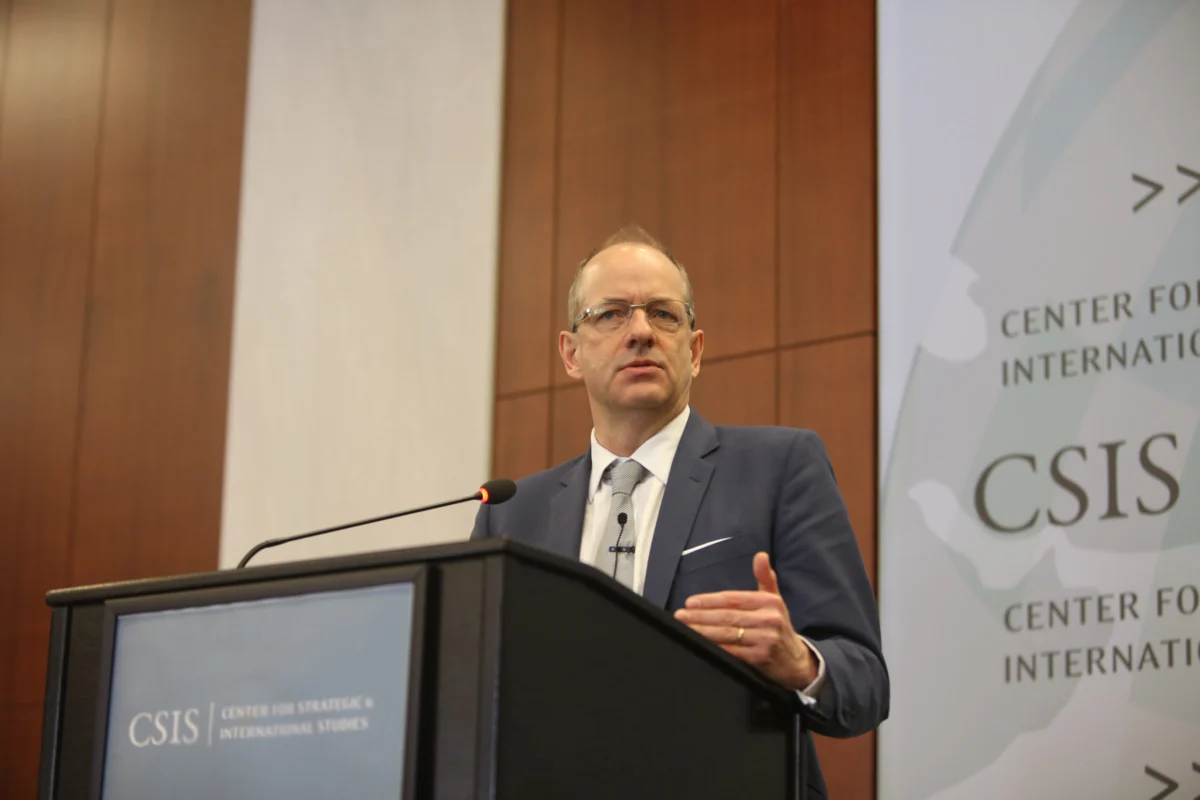
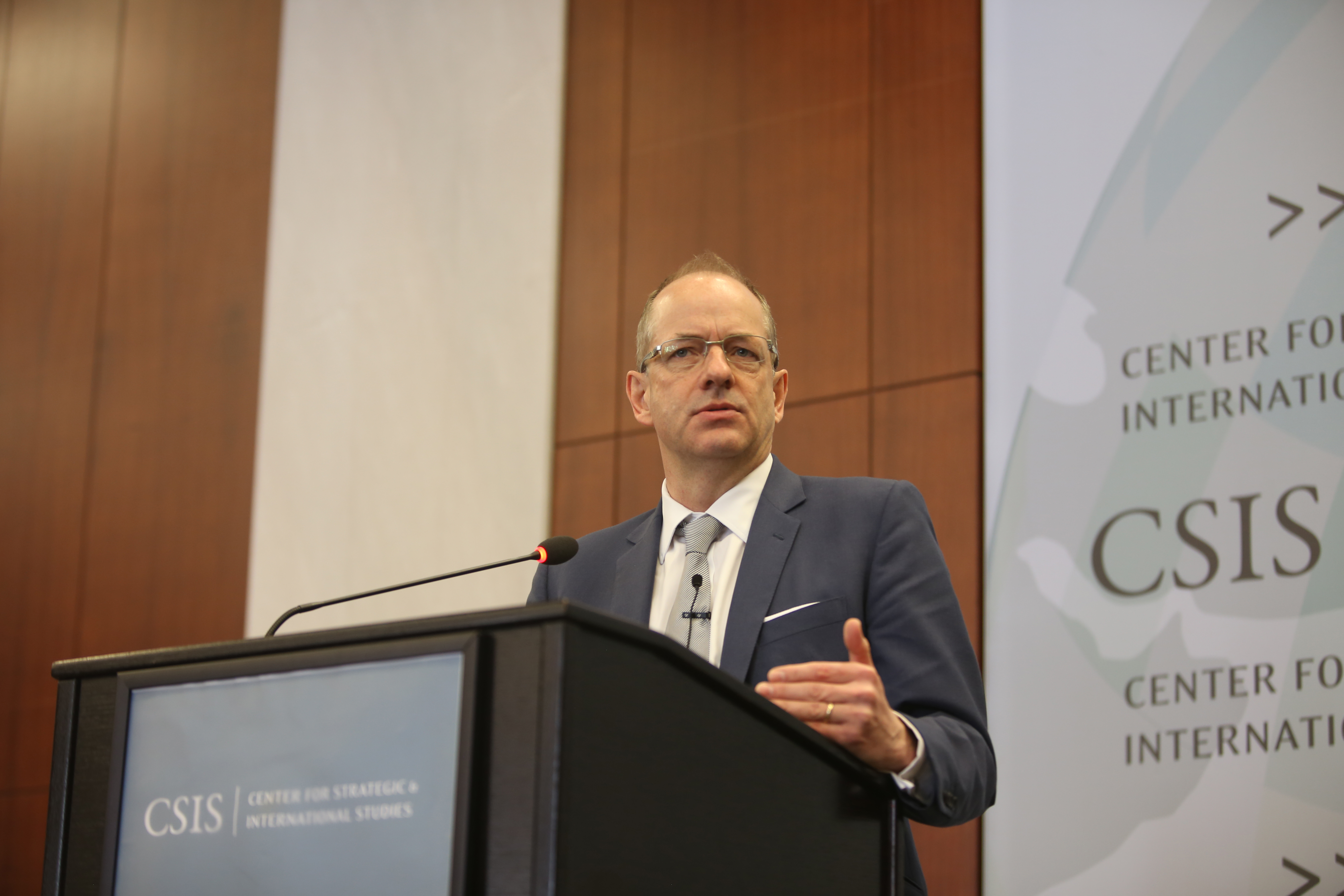
On March 17, 2016, the Center for Strategic and International Studies (CSIS) Global Health Policy Center convened a high-level forum to address the increasingly strained relationship between the global bio-pharmaceutical industry and the public it serves. The event, which featured a keynote address by then-GlaxoSmithKline (GSK) CEO Sir Andrew Witty, served as a critical platform for discussing the industry’s ongoing efforts to reconcile the imperatives of commercial profitability with the societal requirements for drug affordability, clinical transparency, and equitable access.
The Context of the 2016 Healthcare Landscape
The event took place during a period of significant volatility and intense public scrutiny regarding pharmaceutical pricing and R&D practices. In the mid-2010s, the global health community was grappling with the rapid emergence of high-cost specialty drugs, particularly those targeting hepatitis C and certain oncological conditions. This created a tension between the industry’s need for high profit margins to recoup R&D investments and the ability of public health systems in both developed and developing nations to absorb these costs.
Simultaneously, the pharmaceutical sector faced a crisis of confidence. Issues such as the lack of transparency in clinical trial data, aggressive marketing tactics, and a perceived lack of focus on neglected tropical diseases led to widespread calls for reform. The United Nations Secretary-General’s High-Level Panel on Access to Medicines, which had been established to address these systemic gaps, became a focal point of global policy discourse. Sir Andrew Witty’s participation in this UN panel provided the necessary backdrop for his keynote, positioning GSK as a potential industry leader in voluntary reform.
Keynote Address: Sir Andrew Witty and the GSK Reform Agenda
During his keynote address, Sir Andrew Witty outlined a series of structural changes within GlaxoSmithKline intended to pivot the company toward a more patient-centric model. Witty argued that for the industry to maintain its social license to operate, it had to demonstrate that its business model was not inherently antithetical to public health goals.
Key elements of the reform agenda highlighted by Witty included:
- Sales and Marketing Ethics: A shift away from volume-based compensation for sales representatives, moving instead toward a model based on technical knowledge and scientific engagement.
- Clinical Trial Transparency: A commitment to the public disclosure of clinical trial results, regardless of whether those results were positive or negative, aimed at mitigating publication bias and improving scientific integrity.
- Tiered Pricing Models: The implementation of flexible pricing strategies tailored to the socioeconomic conditions of different markets, particularly in low- and middle-income countries.
- R&D Prioritization: A strategic focus on unmet medical needs, including a collaborative approach to research on diseases that had traditionally been ignored due to low commercial return.
Witty’s address was not merely a corporate presentation; it was a diplomatic effort to signal to policymakers that industry self-regulation could be a viable alternative to the more restrictive, punitive regulations being proposed by global health advocates at the time.
Roundtable Perspectives: Bridging Ethics and Economics
Following the keynote, the conversation transitioned into a moderated roundtable featuring Dr. Margaret Hamburg, then-Foreign Secretary of the Institute of Medicine (now the National Academy of Medicine), and Dr. Ezekiel Emanuel, a prominent bioethicist and health policy expert from the University of Pennsylvania. The session was moderated by J. Stephen Morrison, Senior Vice President and Director of the CSIS Global Health Policy Center.
Dr. Margaret Hamburg underscored the importance of regulatory rigor, noting that public trust is built on the foundation of safety and efficacy data. She emphasized that the industry’s willingness to share data—even data that might reflect poorly on a candidate drug—was essential for the scientific community’s ability to advance medical knowledge.
Dr. Ezekiel Emanuel provided a more analytical lens, challenging the industry to prove that these reforms were not merely cosmetic. Emanuel argued that the pricing of drugs remained the most contentious issue and that without a transparent, value-based pricing mechanism, the industry would continue to face political pushback. He highlighted that the "social contract" between bio-pharma and society was predicated on the idea that innovation should be accessible, and that high prices often served as a barrier to the very populations that research was meant to serve.
Supporting Data and Industry Trends (2010–2016)
To understand the weight of these discussions, one must look at the data trends of that era. According to reports from the period, global spending on medicines had reached approximately $1.1 trillion in 2015, with a significant portion of that growth driven by new, high-priced specialty medicines.
A 2016 report by the IMS Institute for Healthcare Informatics noted that while R&D productivity was increasing, the concentration of investment in specific therapeutic areas left other areas—such as antibiotic development—dangerously underfunded. This "innovation gap" was a recurring theme at the CSIS event. Furthermore, the cost of bringing a single new molecular entity to market was estimated to have ballooned, with some industry analyses citing costs as high as $2.5 billion, a figure that was frequently contested by academic researchers who pointed to the role of public-sector funding in early-stage discovery.
Chronology of the 2016 Policy Environment
- January 2016: The UN Secretary-General announces the members of the High-Level Panel on Access to Medicines.
- March 2016: The CSIS Global Health Policy Center hosts its forum on the bio-pharma industry, providing a bridge between the industry’s private sector leaders and public policy experts.
- May 2016: The World Health Assembly sees intense debate over access to medicines, heavily influenced by the discussions regarding patent protections and the "TRIPS" flexibilities.
- September 2016: The UN High-Level Panel releases its report, recommending significant changes to how the global patent system interacts with public health needs, echoing many of the concerns raised during the March CSIS event.
Implications and Broader Impact
The 2016 CSIS event remains a case study in the effort to align the interests of global health stakeholders. The implications of the discourse were manifold:
- Normalization of Transparency: The push for clinical trial data transparency became an industry-wide standard in the years that followed. Today, the platforms for sharing such data, many pioneered by companies like GSK during this period, are central to medical research.
- The Evolution of the UN Panel: The UN Secretary-General’s panel served as a catalyst for ongoing discussions about the "access gap." While it did not lead to a total overhaul of global patent laws, it forced the pharmaceutical industry to engage more directly with the human rights implications of their pricing structures.
- Shift in Corporate Governance: The event highlighted a shift in how CEOs engaged with global health. The transition from a purely shareholder-value-driven model to a stakeholder-driven model—where patients, regulators, and health systems are considered key constituents—gained significant momentum following this dialogue.
Conclusion
The March 17, 2016, CSIS event served as a critical snapshot of an industry at a crossroads. By bringing together leaders like Sir Andrew Witty with academic and regulatory heavyweights like Dr. Hamburg and Dr. Emanuel, the forum helped articulate a vision for a more sustainable and equitable pharmaceutical ecosystem.
While the fundamental tensions between profit-driven innovation and universal access remain an active challenge in global health policy today, the reforms and debates initiated during that period have fundamentally altered the landscape. The dialogue highlighted that the future of the bio-pharmaceutical industry depends not only on its ability to develop breakthrough therapies but also on its capacity to integrate into the social fabric of the global community. As the industry continues to evolve in the post-pandemic era, the principles debated at this 2016 forum—transparency, tiered access, and ethical engagement—remain as relevant as ever to the ongoing quest for global health equity.