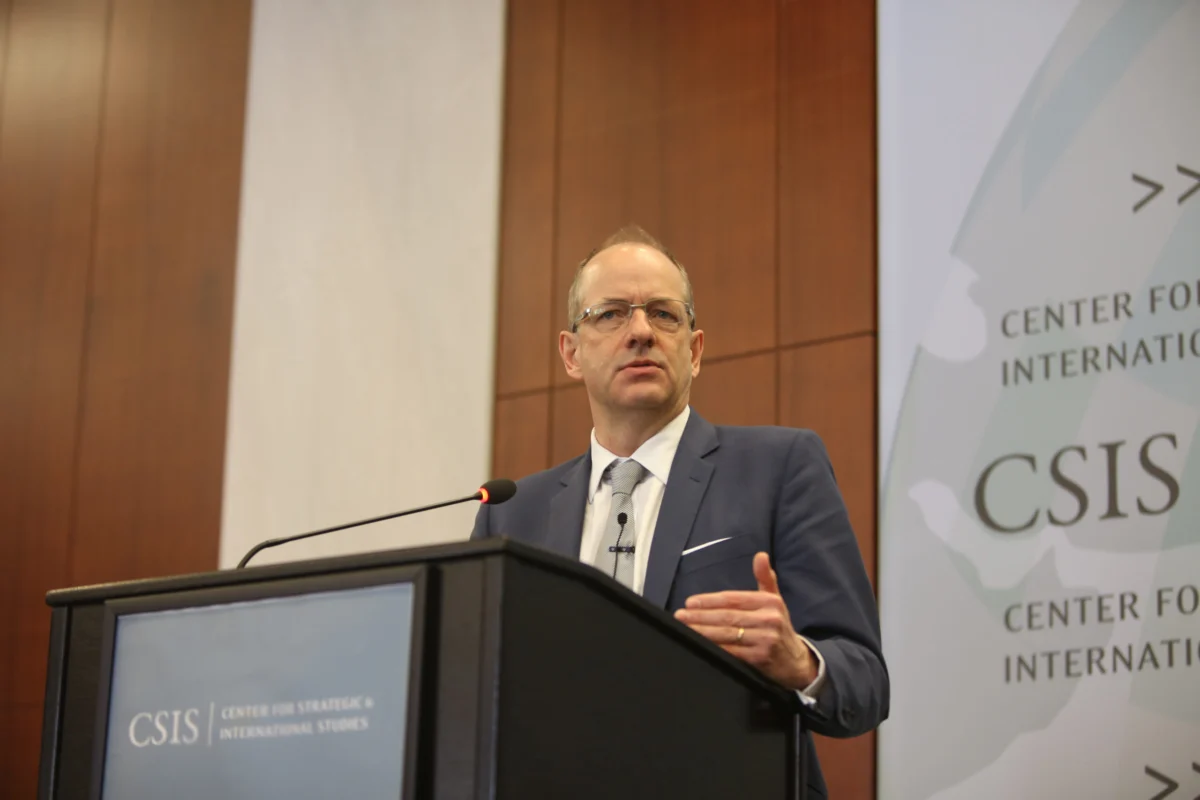
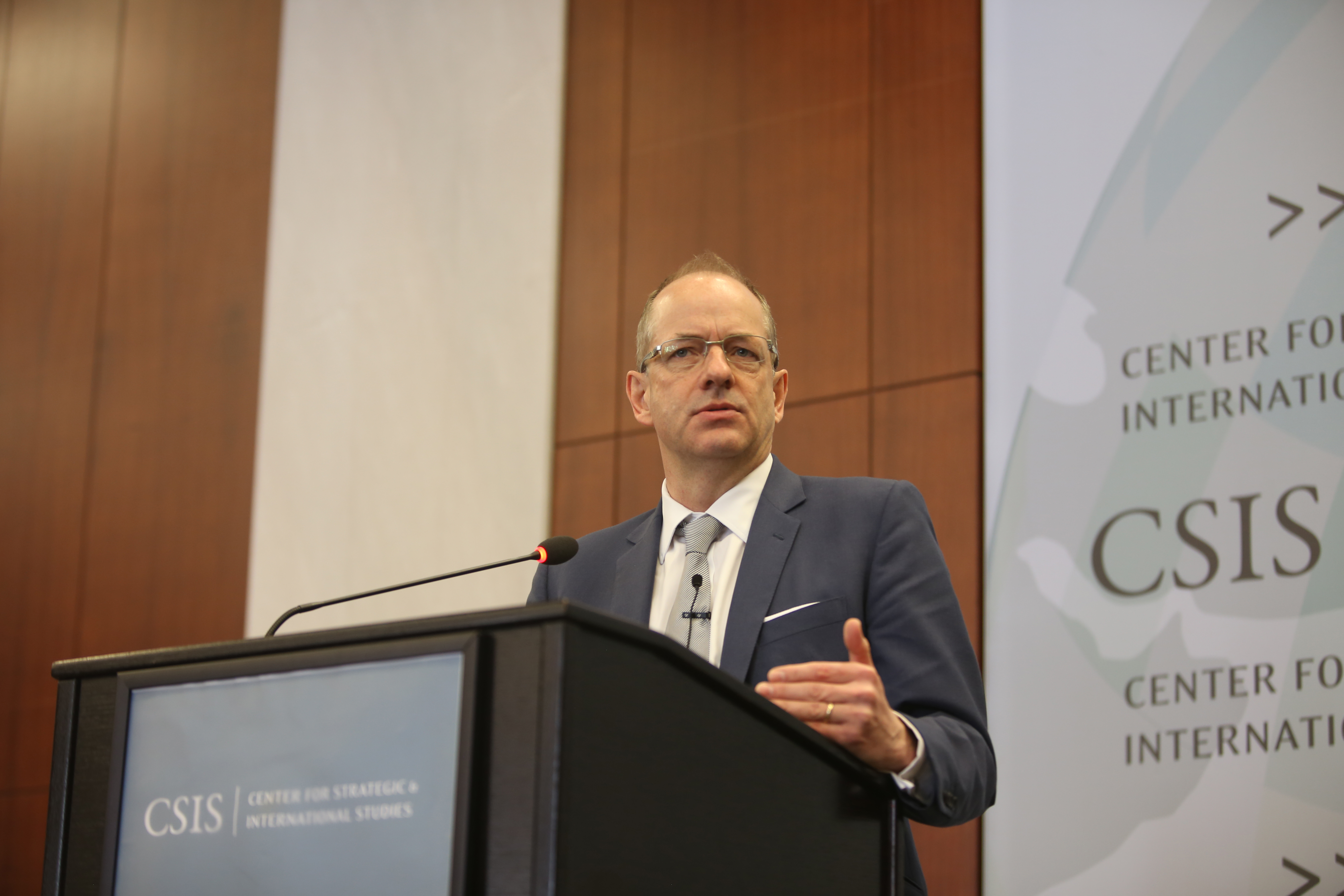
On March 17, 2016, the Center for Strategic and International Studies (CSIS) Global Health Policy Center convened a pivotal forum to address the widening chasm between private bio-pharmaceutical innovation and public health requirements. The event, which featured a keynote address by Sir Andrew Witty, then-CEO of GlaxoSmithKline (GSK), served as a critical platform for examining the industry’s role in balancing profit-driven research with the urgent, global necessity for improved medicine affordability, accessibility, and transparency.
The discourse arrived at a moment of intense scrutiny for the pharmaceutical sector. Globally, the industry faced mounting pressure from governments, international non-governmental organizations, and patient advocacy groups to lower drug prices and provide greater clarity regarding clinical trial data. The CSIS event was designed to move beyond the traditional adversarial rhetoric, instead inviting industry leadership to account for their societal obligations in an increasingly interconnected global health ecosystem.
The Landscape of Pharmaceutical Reform
The mid-2010s represented a period of significant transition for multinational pharmaceutical corporations. Faced with the expiration of numerous blockbuster drug patents and the rising costs of research and development (R&D), firms were increasingly challenged to demonstrate the "social contract" inherent in their business models.
Sir Andrew Witty’s address at CSIS centered on a fundamental shift in GSK’s operational philosophy. By 2016, GSK had already begun implementing a series of systemic reforms, including the decoupling of sales representatives’ compensation from individual prescription volumes—a move aimed at curbing aggressive marketing practices. Furthermore, the company committed to greater transparency by publishing clinical trial data, a significant departure from the industry-wide practice of maintaining proprietary control over research findings.
These reforms were not merely altruistic; they were strategic responses to the growing influence of the UN Secretary-General’s High-Level Panel on Access to Medicines. As a member of this panel, Witty recognized that if the industry did not self-regulate and adapt to the needs of developing nations, it risked facing more stringent, top-down international regulations that could stifle innovation.
A Chronology of Industry Pressure
The context for the 2016 discussion was built upon years of escalating friction between the public and private sectors:
- 2001–2003: The HIV/AIDS crisis in sub-Saharan Africa brought the issue of intellectual property (IP) rights and access to life-saving medicines to the forefront of international diplomacy, leading to the Doha Declaration on the TRIPS Agreement and Public Health.
- 2010–2012: As global health initiatives matured, focus shifted toward the "Access to Medicines Index," which began ranking companies based on their efforts to make drugs affordable in low- and middle-income countries.
- 2015: The United Nations officially established the High-Level Panel on Access to Medicines, tasked with finding solutions to the "policy incoherence" between intellectual property rights, human rights, and trade law.
- March 2016: The CSIS event occurred, providing a bridge between the panel’s formation and its subsequent recommendations, which would influence pharmaceutical policy for the remainder of the decade.
Data-Driven Perspectives on Access and Innovation
The economic reality of the pharmaceutical industry at the time was characterized by high entry barriers. According to data from the Tufts Center for the Study of Drug Development, the average cost to develop a new prescription drug—including the cost of failed trials—was estimated at approximately $2.6 billion during this period. This staggering figure was frequently cited by industry proponents to justify high prices, yet it simultaneously fueled public skepticism regarding the sustainability of current pricing models.
Furthermore, the disparity in access remained stark. In 2016, approximately two billion people worldwide lacked consistent access to essential medicines. The CSIS forum highlighted that the challenge was not merely a lack of manufacturing capacity, but a complex web of distribution inefficiencies, inadequate local healthcare infrastructure, and the prioritization of lifestyle drugs over those that addressed the most lethal, yet neglected, tropical diseases.
Expert Panelists and the Ethics of Healthcare
Following the keynote, a roundtable discussion moderated by J. Stephen Morrison, Senior Vice President and Director of the CSIS Global Health Policy Center, brought together a trio of experts to dissect the implications of these reforms.
Dr. Margaret Hamburg, then-Foreign Secretary of the Institute of Medicine and former Commissioner of the U.S. Food and Drug Administration (FDA), provided a regulatory perspective. She emphasized that while industry innovation is the engine of medical progress, regulatory bodies must ensure that safety and efficacy remain paramount, regardless of the speed at which products are brought to market. She noted that transparency in clinical trials, a subject of Witty’s address, was essential for regulatory trust.
Dr. Ezekiel Emanuel, a preeminent bioethicist and Chair of the Department of Medical Ethics and Health Policy at the University of Pennsylvania, introduced a more critical tone to the discussion. Emanuel challenged the industry to consider the long-term impact of value-based pricing. He argued that if pharmaceutical companies continued to maximize short-term returns without acknowledging the fiscal constraints of healthcare systems, they would inevitably face a backlash that could lead to broader government intervention in price setting.
Broader Implications for Global Health Policy
The 2016 CSIS forum was not an isolated event; it served as a litmus test for the industry’s willingness to engage with its critics. The implications of the discussed reforms were twofold:
First, the shift toward transparent clinical data helped standardize expectations across the industry. By 2016, the "All Trials" campaign had successfully gained momentum, and the voluntary actions taken by leaders like GSK pressured competitors to follow suit, effectively turning a "best practice" into an industry standard.
Second, the discourse highlighted the limitations of voluntary corporate responsibility. While the efforts discussed by Witty were lauded as positive steps, the panel discussion underscored that voluntary actions alone could not replace robust national and international health policies. The reliance on corporate benevolence was viewed as a fragile foundation for a global system meant to protect the health of billions.
Conclusion: The Persistent Challenge
The conversation at CSIS in March 2016 remains a foundational document in the ongoing history of global health governance. It captured a moment when the pharmaceutical industry began to realize that its long-term viability depended on its ability to integrate societal goals—affordability, equity, and transparency—into its core business strategy.
In the years following the event, the industry has faced even greater challenges, including the global response to the COVID-19 pandemic, which further highlighted the tensions between intellectual property and the urgent need for universal vaccine distribution. The themes addressed at the CSIS forum—how to foster innovation while ensuring that the benefits of that innovation are accessible to all—remain at the center of the global health agenda. The 2016 session did not offer a panacea for these challenges, but it successfully shifted the terms of the debate from a binary of "innovation vs. access" to a more nuanced exploration of how public and private sectors must collaborate to secure the future of global health.