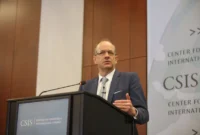
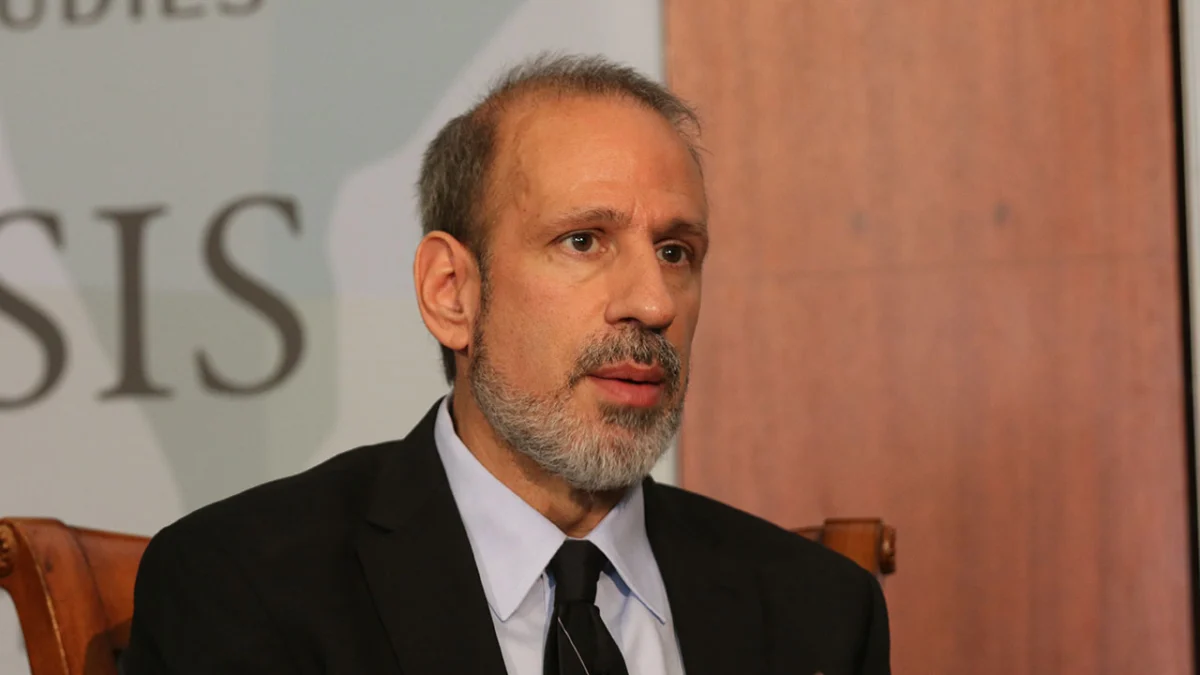
The Center for Strategic and International Studies (CSIS) has convened a high-level half-day conference under its Defense360 initiative to conduct a comprehensive assessment of the fiscal year 2017 defense budget request. As the Department of Defense (DoD) navigates a complex global security environment characterized by the resurgence of great power competition, the emergence of hybrid warfare, and persistent technological disruption, the FY2017 proposal represents more than a mere accounting exercise; it is a fundamental statement of American strategic intent. The conference brings together the architects of the current budget—including the Under Secretary of Defense (Comptroller) and senior leadership from the Cost Assessment and Program Evaluation (CAPE) office—alongside leading independent analysts to dissect the intersection of fiscal constraints and national security requirements.
The Fiscal Context: A Balancing Act
The FY2017 defense budget request emerged at a critical juncture in the post-Budget Control Act (BCA) era. Following years of sequestration-level funding, the DoD was tasked with balancing the need to modernize legacy systems while simultaneously investing in next-generation capabilities. The budget request reflects a shift in priorities, moving away from the counter-insurgency-focused spending of the previous decade toward an emphasis on countering near-peer adversaries.
Historically, the defense budget has been a reflection of the National Defense Strategy (NDS). In 2016, the strategic pivot—often described as a move toward “rebalance to the Asia-Pacific”—necessitated a re-evaluation of military readiness. The FY2017 request sought to address the “readiness trough,” a phenomenon where aging equipment, deferred maintenance, and high operational tempos created a cumulative strain on the force. Analysts have noted that the 2017 cycle was specifically designed to balance the “three Rs”: readiness, research and development, and reform.
Chronology of the FY2017 Budget Process
The budget cycle is a protracted, multi-year process that begins well before the formal submission to Congress. Understanding the timeline of the FY2017 request is essential to assessing the decisions made by the Obama administration’s defense team.
- Early 2015: Planning and programming begin within the Pentagon, as service branches submit their Program Objective Memoranda (POM).
- Late 2015: The Office of the Secretary of Defense (OSD) and the Office of Management and Budget (OMB) finalize the top-line numbers.
- February 9, 2016: The formal submission of the FY2017 budget request to Congress.
- February–March 2016: Congressional hearings begin, with the Secretary of Defense and the Chairman of the Joint Chiefs of Staff testifying before the House and Senate Armed Services Committees.
- Spring 2016: Industry stakeholders and think tanks, including CSIS, conduct independent reviews to assess the viability of the proposed investments.
- Present Day: The CSIS Defense360 conference serves as the capstone for the public-facing analysis of these strategic choices, providing a platform for the officials who drafted the budget to defend its logic against expert scrutiny.
Key Stakeholders and Strategic Vision
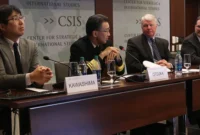
The conference features a high-level discussion involving the primary architects of the budget. Mike McCord, Under Secretary of Defense (Comptroller) and Chief Financial Officer, serves as the primary witness for the fiscal health of the department. Alongside him, Dr. Jamie Morin, Director of Cost Assessment and Program Evaluation (CAPE), provides the analytical framework used to justify specific procurement choices. Robert Scher, the Assistant Secretary of Defense for Strategy, Plans, and Capabilities, offers the necessary context regarding how the funding matches the geopolitical threats identified by the Pentagon.
This high-level session is designed to explore the “strategic calculus” behind the numbers. The focus is not merely on the bottom line, but on the qualitative shift in defense spending. For example, the emphasis on cyber capabilities, space-based assets, and unmanned systems underscores a realization that the traditional battlefield is being transformed by digital and electronic warfare.
Expert Panel Commentary and Critical Assessment
Following the initial government presentations, a second panel—comprised of subject matter experts from CSIS, the Center for a New American Security (CNAS), and the American Enterprise Institute (AEI)—offers an external critique. This panel includes seasoned professionals such as Tina Jonas, former Under Secretary of Defense (Comptroller), and Andrew Hunter, Director of the Defense-Industrial Initiatives Group at CSIS.
The panel’s role is to assess the connectivity between the budget request and the long-term national security strategy. A primary point of discussion is the sustainability of the “Force of the Future” initiatives, which sought to modernize military personnel policies, and the “Third Offset Strategy,” an effort to maintain a technological edge through investments in robotics, autonomous systems, and advanced computing.
Mark Cancian of CSIS, a veteran analyst of defense force structure, has long argued that the budget is constrained by “unfunded requirements” and political gridlock. His participation, alongside experts from CNAS and AEI, ensures a diverse range of perspectives on whether the FY2017 request sufficiently addresses the modernization gap. Roger Zakheim of AEI and Shawn Brimley of CNAS bring further institutional depth to the conversation, focusing on the geopolitical implications of current spending levels.
Data-Driven Analysis of Modernization and Readiness
One of the most significant challenges in the FY2017 budget is the tension between immediate readiness and future modernization. Data suggests that as operational requirements in the Middle East and Eastern Europe have persisted, the DoD has been forced to cannibalize modernization accounts to pay for operations and maintenance (O&M).
According to Defense360 analysis, the FY2017 request faced significant headwinds from the Congressional Budget Office (CBO) projections, which suggested that the department’s plans would require higher spending levels than what was permitted under current law. This discrepancy creates a "funding gap" that forces the military to prioritize certain programs over others. The conference utilizes data from the CSIS Defense Budget Analysis team to illustrate how these trade-offs affect the service branches differently, particularly regarding the Navy’s shipbuilding goals and the Air Force’s next-generation aircraft procurement.
Implications for Defense Reform
Beyond the specific figures of the FY2017 budget, the conference serves as a focal point for the broader debate on defense reform. The CSIS survey on defense reform, which is being distributed in conjunction with this event, highlights the growing consensus that the Pentagon’s current acquisition and organizational structures are insufficient for the pace of modern technological change.
The implications of these discussions are twofold. First, they provide the legislative branch with an independent, non-partisan assessment of the administration’s request, which is vital during the appropriations process. Second, they contribute to the historical record, documenting the strategic thinking of the era. The shift toward a focus on “great power competition” that began in this budget cycle has since become the cornerstone of subsequent National Defense Strategies, marking this period as a definitive turning point in American military policy.
Conclusion: Bridging the Gap
The CSIS Defense360 conference effectively bridges the gap between the executive branch’s planning and the analytical community’s assessment. By facilitating a direct dialogue between officials like Mike McCord and Dr. Jamie Morin and independent experts, the event underscores the importance of transparency and critical feedback in the democratic oversight of the national defense budget.
As the nation faces a shifting landscape of global threats, the FY2017 budget remains a critical case study in the difficulties of resource allocation. Whether the initiatives proposed in this budget successfully paved the way for a more resilient and capable military remains a subject of ongoing debate, but the proceedings at CSIS provide the essential data and diverse perspectives required to understand the challenges of modernizing the world’s most powerful military force under the strictures of a divided political system. Through rigorous analysis and public discourse, such events ensure that the strategic choices made in Washington are subject to the scrutiny necessary for long-term national security success.