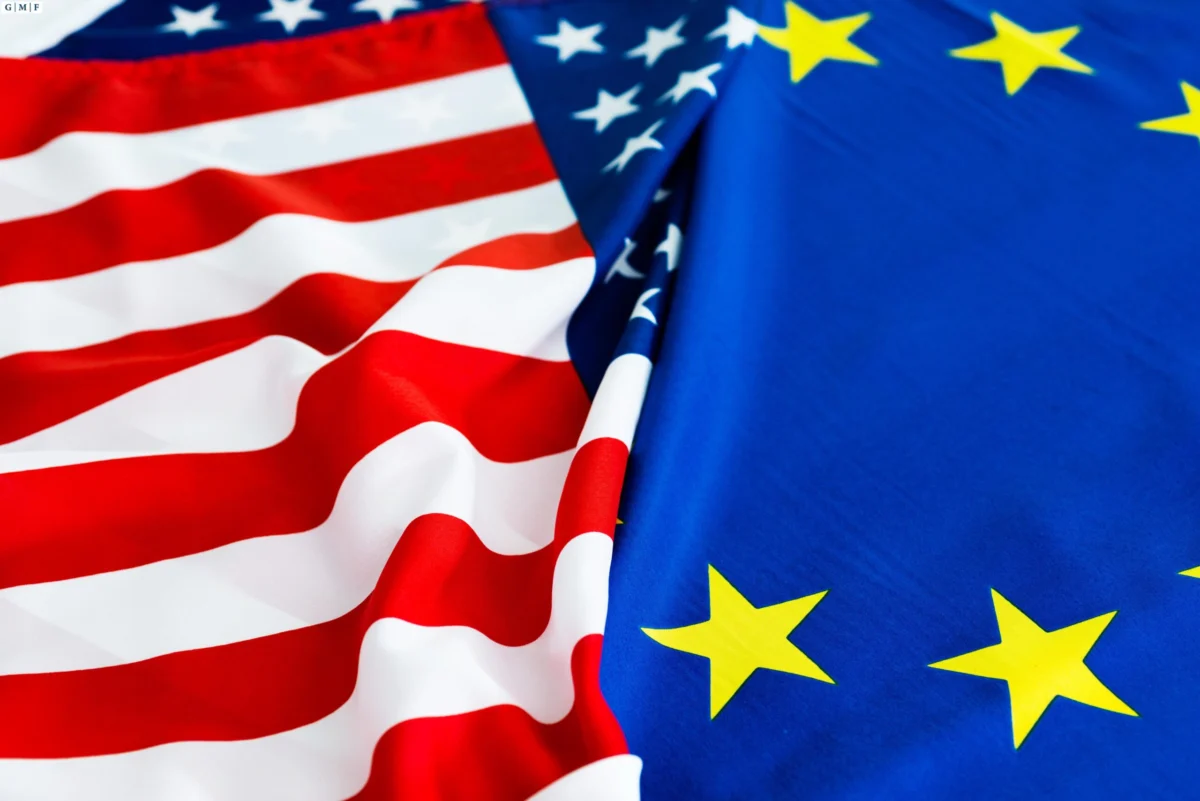
In a global landscape increasingly defined by pervasive regional conflicts and an intensifying competition among great powers, Washington is actively pursuing a foreign policy characterized by disruptive and overtly interventionist strategies. Amidst the ongoing conflict in the Middle East, the protracted war in Europe, and escalating friction with the People’s Republic of China, the United States has largely defied the traditional expectations of many observers on both sides of the Atlantic. This recalibrated approach involves a notable reorientation of strategic focus, progressively shifting away from Europe and directing greater attention towards other critical regions, most prominently the Western Hemisphere, but also the Indo-Pacific. This evolving posture raises fundamental questions regarding its underlying origins and, crucially, its long-term implications for the enduring transatlantic partnership and the collective pursuit of global peace and security. The German Marshall Fund of the United States (GMF), a nonpartisan organization dedicated to advancing the transatlantic partnership, is set to convene a panel of American experts to delve into these complex issues, providing a timely platform for in-depth analysis.
The Genesis of a Strategic Reorientation: From Post-Cold War Unipolarity to Multipolar Complexity
The roots of the current American foreign policy paradigm can be traced through several distinct phases of the post-Cold War era, each contributing to the present "disruptive" and "interventionist" character. Following the collapse of the Soviet Union in 1991, the United States briefly enjoyed a period of unparalleled unipolarity, marked by a perceived "end of history" and a global embrace of liberal democracy and market capitalism. This era, however, proved to be fleeting.
The terrorist attacks of September 11, 2001, irrevocably altered the trajectory of American foreign policy, ushering in the "War on Terror." This period saw extensive military interventions in Afghanistan and Iraq, a significant expansion of the national security apparatus, and a pronounced focus on counter-terrorism operations globally. While these interventions were largely concentrated in the Middle East and Central Asia, they established a precedent for robust, often unilateral, military engagement justified by national security imperatives.
The subsequent Obama administration sought to recalibrate this expansive military footprint, introducing the concept of a "Pivot to Asia" (later termed a "rebalance"). This strategic shift acknowledged the rising economic and geopolitical influence of China and the broader Indo-Pacific region, signaling an initial, albeit gradual, movement away from an exclusive focus on the Middle East and Europe. The rebalance emphasized diplomatic engagement, economic partnerships, and strengthening alliances in the Pacific, while simultaneously attempting to wind down prolonged conflicts in the Middle East.
The Trump administration, with its "America First" doctrine, further complicated and accelerated this reorientation. Characterized by a skepticism towards multilateral institutions, questioning of long-standing alliances like NATO, and a propensity for unilateral trade actions and withdrawals from international agreements (e.g., the Paris Agreement, the Iran nuclear deal), this period introduced significant strains on transatlantic relations. It underscored a willingness to disrupt established norms and alliances in pursuit of perceived national interests, often through confrontational means. This approach, while often criticized by allies, arguably laid some groundwork for a more "disruptive" posture by normalizing departures from traditional diplomatic frameworks.
The current Biden administration, while initially emphasizing the restoration of alliances and multilateralism, has found itself navigating an increasingly complex and fractured global environment. Faced with Russia’s full-scale invasion of Ukraine, intensifying strategic competition with China, and persistent instability in the Middle East, the administration has adopted a pragmatic approach that combines multilateral engagement with targeted, often robust, interventionist actions. The label "bluntly interventionist" reflects a willingness to apply significant economic, diplomatic, and military pressure to achieve specific foreign policy objectives, even if it entails challenging existing regional dynamics or traditional diplomatic protocols. This includes extensive military aid to Ukraine, coordinated sanctions regimes against Russia, and direct military responses to threats in the Red Sea, alongside a renewed strategic focus on countering Chinese influence in various theaters.
Chronology of Interventions and Shifting Priorities
The trajectory of US foreign policy in the 21st century can be viewed through a series of key events and strategic shifts:
- 2001-2003: Post-9/11 invasions of Afghanistan and Iraq, initiating a prolonged period of military engagement in the Greater Middle East.
- 2009-2012: Obama administration announces and begins implementing the "Pivot to Asia," signaling a long-term strategic reorientation towards the Indo-Pacific.
- 2014: Russia’s annexation of Crimea and intervention in Eastern Ukraine. The US and European allies respond with sanctions, but the event underscores the enduring security challenges in Europe.
- 2017-2020: Trump administration’s "America First" policy, including trade wars with China, withdrawal from the Trans-Pacific Partnership (TPP), and questioning of NATO’s utility, creating significant friction with European partners.
- 2021: US withdrawal from Afghanistan, marking the end of its longest war and a symbolic shift in military engagement priorities.
- 2022: Russia’s full-scale invasion of Ukraine. The US spearheads a robust international response, providing unprecedented military and financial aid, re-emphasizing European security but also highlighting the need for European strategic autonomy.
- 2023-Present: Intensification of US-China strategic competition across economic, technological, and military domains. Escalation of conflicts in the Middle East (e.g., Israel-Hamas conflict, Red Sea shipping attacks), prompting direct US military responses. Simultaneously, an observable shift in US attention and resources towards strengthening engagement in the Western Hemisphere, driven by concerns over migration, economic stability, and countering growing Chinese influence.
Supporting Data and Regional Focus Analysis
The observable shift in US strategic focus is not merely rhetorical but is increasingly reflected in resource allocation, diplomatic initiatives, and security postures.
Europe’s Evolving Role: While the war in Ukraine has undoubtedly reinvigorated the NATO alliance and led to substantial US military and financial support (totaling over $75 billion in aid since February 2022, according to the Council on Foreign Relations), the underlying strategic shift persists. European allies are increasingly urged to shoulder a greater share of their own defense, with several NATO members now meeting or committing to meet the 2% of GDP defense spending target. The conversation in Washington has moved beyond simply defending Europe to empowering Europe to be a stronger security actor, allowing the US to divert attention to other pressing regions. This is not a withdrawal, but a rebalancing of responsibilities within the alliance.
The Rise of the Western Hemisphere: The increased emphasis on the Western Hemisphere represents a multifaceted response to immediate challenges and long-term strategic concerns.
- Migration Crisis: The southern border of the United States has become a paramount domestic political and humanitarian issue. Data from the US Customs and Border Protection indicates millions of encounters with migrants at the southwest border annually in recent years. This has compelled Washington to engage more directly with Central and South American nations on issues of economic development, governance, and border security, often through significant aid packages and diplomatic pressure. For instance, the US provided over $4 billion in assistance to Central America and Mexico between 2021 and 2023, largely aimed at addressing root causes of migration.
- Chinese Influence: Beijing’s growing economic and strategic footprint in Latin America and the Caribbean is a significant driver of renewed US engagement. China has become the largest trading partner for several South American nations and has invested heavily in infrastructure, energy, and technology sectors across the region. According to the Inter-American Dialogue, Chinese loans to Latin American governments and state-owned enterprises have exceeded $130 billion since 2005. The US views this as a direct challenge to its traditional sphere of influence and seeks to counter it through initiatives like the Americas Partnership for Economic Prosperity (APEP), aiming to foster regional economic growth and resilience.
- Security Concerns: Persistent issues of drug trafficking, transnational organized crime, and political instability in various Latin American nations continue to demand US attention and resources, often requiring interventionist approaches in counter-narcotics efforts and security cooperation.
The Indo-Pacific and Middle East: Concurrently, the Indo-Pacific remains a central theater for great-power competition, with the US strengthening alliances (e.g., QUAD, AUKUS) and conducting freedom of navigation operations to counter China’s assertiveness. In the Middle East, while the US aims to reduce its military footprint, ongoing conflicts (e.g., Houthi attacks in the Red Sea, the Israel-Hamas conflict) necessitate targeted interventions to protect strategic interests, ensure regional stability, and maintain the flow of global commerce.
The "disruptive" label stems from the willingness to challenge established diplomatic norms and engage directly, often unilaterally, when perceived vital interests are at stake. The "interventionist" label is evident in the proactive deployment of military assets, implementation of sanctions, and direct engagement in regional conflicts, contrasting with a more restrained, multilateral approach favored by some allies.
Official Responses and Perceptions
The United States’ evolving foreign policy has elicited a range of responses from allies and adversaries alike.
US Administration’s Rationale: Officials within the Biden administration articulate this strategy as a necessary adaptation to a rapidly changing geopolitical environment. National Security Strategy documents emphasize the imperative of defending democratic values, fostering economic competitiveness, and managing the challenge posed by authoritarian rivals. Senior figures, including the Secretary of State and National Security Advisor, frequently articulate a vision of "leading from the front" when vital interests are threatened, while also striving to rebuild alliances. They often frame actions as essential for maintaining global stability and protecting the rules-based international order, even if it requires robust, decisive measures. The shift in focus, particularly towards the Western Hemisphere, is presented as a recognition of interconnected challenges – from climate change and migration to economic development and security – that directly impact American prosperity and security.
European Allies’ Reactions: European leaders and analysts have expressed a mix of understanding, concern, and a drive towards greater strategic autonomy. While welcoming US leadership in responding to Russia’s aggression in Ukraine, there is an underlying apprehension about a long-term US disengagement from European security. Figures like French President Emmanuel Macron have repeatedly called for Europe to develop its own defense capabilities and strategic independence, recognizing that the US cannot be expected to perpetually guarantee European security to the same extent. German Chancellor Olaf Scholz’s "Zeitenwende" (turning point) speech also signaled a commitment to increased defense spending and a more assertive German role in European security. The perception among some European policymakers is that the US shift compels Europe to mature into a more self-reliant geopolitical actor, albeit with continued reliance on the transatlantic bond for high-end military capabilities and intelligence sharing.
Reactions from Other Regions: In the Western Hemisphere, responses are varied. Some nations welcome increased US engagement, particularly economic initiatives and security assistance, viewing it as a counterweight to other rising influences or as vital support for internal stability. Others remain wary of historical US interventionism and seek to maintain balanced relations with both the US and China. Many regional leaders advocate for sustained investment in development and institutional strengthening rather than purely security-focused interventions. In the Indo-Pacific, US allies like Japan, South Korea, and Australia generally welcome the sustained focus and strengthening of security partnerships as a deterrent against regional aggression. China and Russia, predictably, frame US actions as hegemonic, destabilizing, and an attempt to contain their legitimate rise or maintain a unipolar world order, often accusing the US of fueling regional tensions and interfering in sovereign affairs.
Broader Impact and Implications for Transatlantic Stakes
The United States’ evolving strategic orientation carries profound implications for the transatlantic partnership and the broader architecture of global peace and security.
The Future of the Transatlantic Alliance: The shift in US focus necessitates a re-evaluation of the transatlantic alliance. While NATO remains the bedrock of collective security, the expectation of a permanent, dominant US military presence in Europe may diminish over time. This could either spur European strategic autonomy, leading to a stronger, more capable European defense pillar within NATO, or, conversely, risk weakening the alliance if not managed effectively. The debate over burden-sharing, long a point of contention, will intensify, pushing European nations to invest more significantly in their own defense capabilities and coordination. Divergent interests on specific issues, such as engagement with China or approaches to the Middle East, could also test alliance cohesion.
Global Peace and Security: The "bluntly interventionist" nature of US policy raises questions about its long-term impact on global stability. While proponents argue that decisive action is necessary to deter aggression and protect international norms, critics suggest it risks escalating conflicts, undermining multilateral institutions, and potentially creating a more fragmented and less predictable global order. The challenge lies in managing multiple simultaneous crises – from conventional warfare in Europe to hybrid threats in the Indo-Pacific and instability in the Middle East – while also addressing transnational issues like climate change and pandemics. The emphasis on great-power competition risks overshadowing cooperative approaches to these shared global challenges.
Economic and Technological Implications: The strategic shift also has significant economic ramifications. The US push for "friend-shoring" supply chains, de-risking from China, and promoting technological competitiveness directly impacts transatlantic trade and investment flows. Europe faces the challenge of aligning its economic interests with US strategic imperatives while maintaining its own economic sovereignty and global market access. The competition for technological leadership, particularly in critical sectors like AI, semiconductors, and quantum computing, will shape future economic power and geopolitical influence, demanding close coordination or potential competition within the transatlantic sphere.
The Role of Dialogue and Analysis: In this complex and rapidly evolving environment, platforms for critical dialogue and analysis, such as those provided by the German Marshall Fund, become indispensable. GMF, with its headquarters in Washington, DC, and offices in key European capitals including Berlin, Brussels, Paris, Warsaw, Belgrade, Bucharest, and Ankara, along with representations in London and Madrid, serves as a vital hub for policy innovation. With over 140 experts and fellows worldwide, GMF’s work focuses on strengthening transatlantic security, advancing economic and technological competitiveness, and adapting to a shifting global landscape. Its convening power allows for crucial discussions among policymakers, experts, and stakeholders to dissect the implications of these strategic shifts. Understanding the roots of the US approach and its potential consequences for the transatlantic relationship is paramount for restoring and maintaining global peace and security in an increasingly volatile world. The questions posed by GMF’s upcoming discussion are not merely academic; they are at the heart of navigating the geopolitical currents of the 21st century and shaping the future of international order.