The ongoing tension between commercial viability and public health accessibility took center stage on March 17, 2016, as the Center for Strategic and International Studies (CSIS) Global Health Policy Center hosted a pivotal public forum in Washington, D.C. Titled "The Bio-Pharma Industry and Society," the event was designed to examine how private biopharmaceutical corporations could better align their operational models with vital societal goals—namely, improved drug affordability, equitable patient access, product quality, and sustainable medical innovation.
Amid growing global scrutiny over rising prescription drug costs and public skepticism regarding corporate motives, the 90-minute morning session provided a crucial platform for industry leaders, public health ethicists, and regulatory experts. The convening arrived at a critical juncture for the pharmaceutical sector, which faced an urgent need to restore public trust and confidence while continuing to deliver life-saving therapies to diverse global populations.
Keynote Address: Sir Andrew Witty and the Case for Corporate Reform
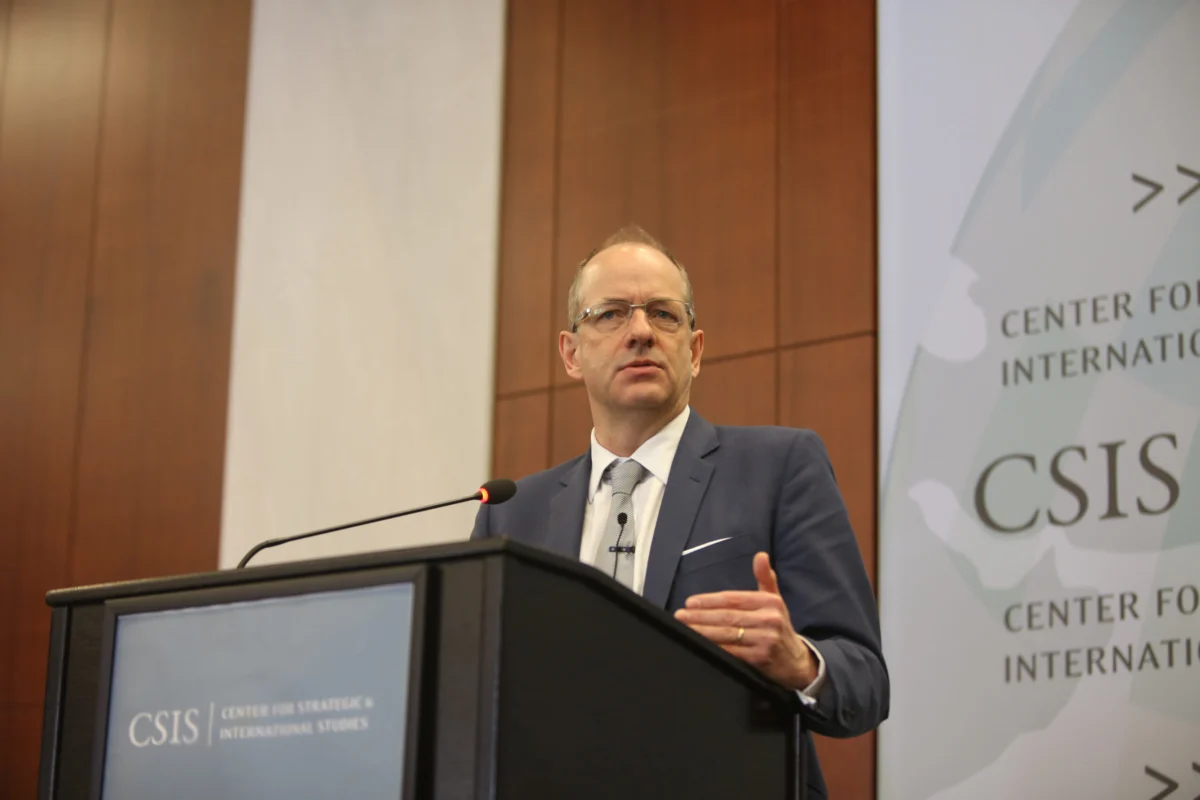
The event opened with a keynote address delivered by Sir Andrew Witty, then-Chief Executive Officer of GlaxoSmithKline (GSK). Witty’s presence underscored the gravity of the discussions, as he used the international stage to outline significant internal reforms GSK was enacting to alter its engagement across developed and developing markets worldwide.
Witty focused his remarks on four foundational pillars of modern pharmaceutical strategy: sales and marketing practices, clinical trial data transparency, pricing structures, and research and development (R&D) investments directed toward unmet medical needs. He acknowledged that traditional commercial models were facing unprecedented pressure from governments, healthcare providers, and civil society organizations demanding greater corporate accountability.
A central theme of Witty’s address was the restructuring of sales and incentive models. GSK had previously made headlines under his leadership by decoupling sales representatives’ compensation from prescribing volume—a move intended to curb aggressive marketing tactics and eliminate conflicts of interest. Witty emphasized that rebuilding long-term societal trust required pharmaceutical companies to prioritize medical utility over short-term sales volume.
Furthermore, Witty addressed the persistent demand for clinical trial transparency. He reiterated GSK’s commitment to sharing anonymized patient-level data from clinical trials with independent researchers, a policy designed to foster scientific rigor and validate safety profiles more openly. On pricing, Witty discussed the complexities of balancing tiered pricing strategies in low- and middle-income countries with the revenue generation necessary to fund high-risk, high-cost R&D pipelines. His speech carried particular resonance given his active role as a member of the United Nations Secretary-General’s High-Level Panel on Access to Medicines, which was simultaneously conducting global deliberations on balancing intellectual property rights with human rights and public health needs.
Expert Roundtable: Interdisciplinary Perspectives on Health Policy
Following the keynote address, the event transitioned into a robust roundtable discussion moderated by J. Stephen Morrison, Senior Vice President and Director of the CSIS Global Health Policy Center. The panel featured an interdisciplinary lineup of distinguished experts who analyzed the broader implications of Witty’s remarks from regulatory, ethical, and global health perspectives:
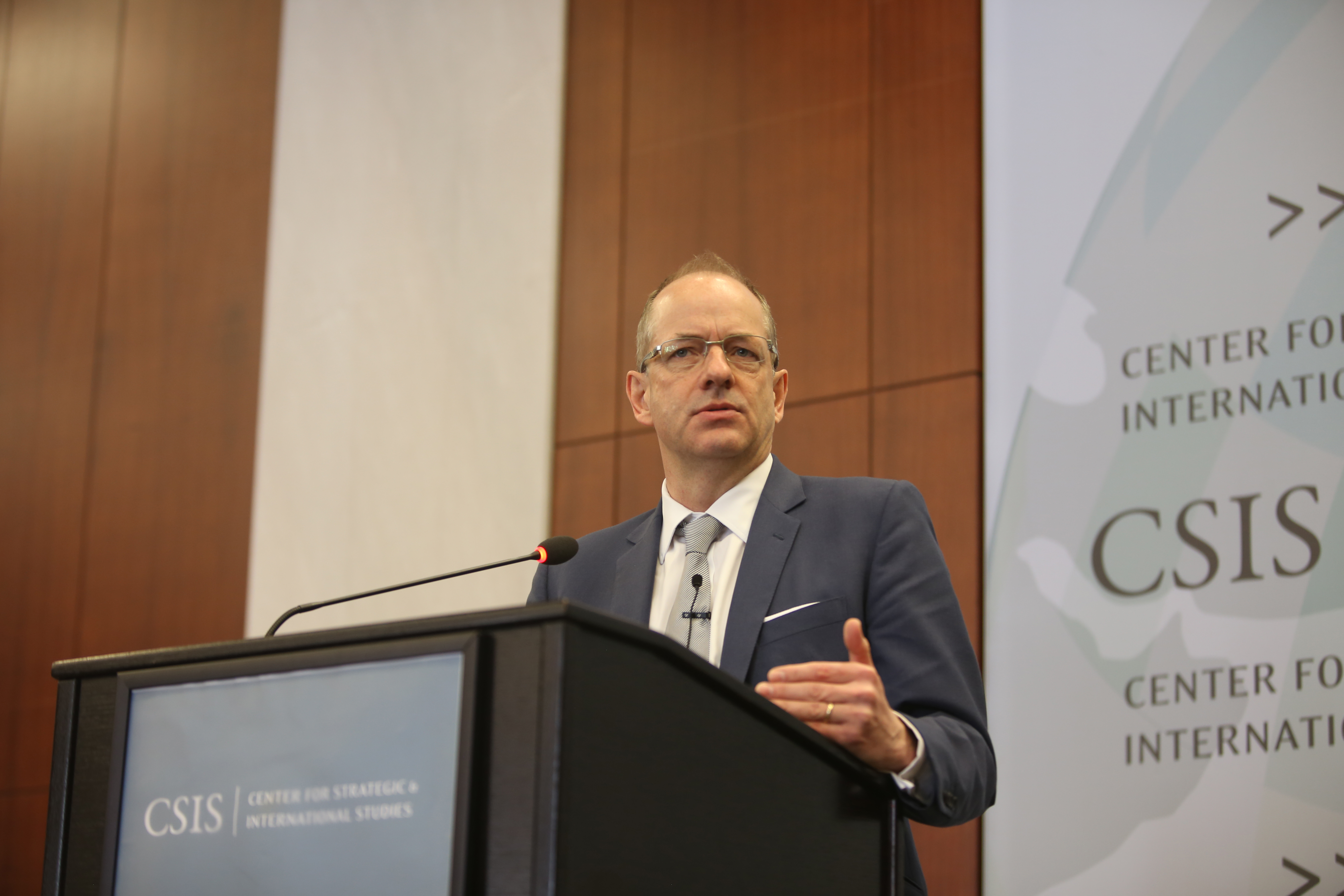
- Sir Andrew Witty, bringing the corporate executive viewpoint to the panel, defending and elaborating on the feasibility of implementing structural reforms across the global pharmaceutical landscape.
- Dr. Margaret Hamburg, Foreign Secretary of the Institute of Medicine (and former Commissioner of the U.S. Food and Drug Administration), who contributed critical regulatory insights regarding drug safety, international standards, and the responsibilities of oversight bodies in facilitating both innovation and access.
- Dr. Ezekiel Emanuel, Vice Provost for Global Initiatives and Chair of the Department of Medical Ethics and Health Policy at the University of Pennsylvania, who offered a rigorous bioethical critique of current pharmaceutical pricing models, intellectual property frameworks, and the systemic gaps in addressing neglected tropical diseases.
The roundtable conversation dissected the practical challenges of translating corporate pledges into measurable public health outcomes. Panelists debated the efficacy of voluntary access pools, patent pooling mechanisms, and tiered pricing strategies in ensuring that breakthrough therapies reached vulnerable populations in the developing world without stalling commercial incentives for future drug discovery.
Background Context and Global Health Landscape in 2016
To fully understand the significance of the March 2016 CSIS forum, one must examine the broader socioeconomic and political environment surrounding the pharmaceutical industry during that period. The mid-2010s were marked by intense public and legislative backlash against escalating drug prices in the United States and Europe. High-profile controversies—such as dramatic price spikes for older generic medications and the introduction of expensive breakthrough treatments for hepatitis C—ignited fierce debates among policymakers, payers, and patient advocacy groups.
Simultaneously, the global health community was grappling with persistent systemic inequities in access to essential medicines. Low- and middle-income countries (LMICs) frequently encountered severe bottlenecks in procuring patented treatments for non-communicable diseases, cancer, and emerging infectious threats. International organizations, including the World Health Organization (WHO) and Médecins Sans Frontières (Doctors Without Borders), intensified their advocacy for structural reforms in global trade agreements and intellectual property rules, arguing that rigid patent protections often placed lifesaving innovations out of reach for millions of patients.
It was against this backdrop that the UN Secretary-General established the High-Level Panel on Access to Medicines in late 2015. Tasked with reviewing and recommending solutions for remedying the policy incoherence between international human rights obligations, trade rules, and health innovation, the panel’s work reflected a growing global consensus that the status quo was unsustainable. Sir Andrew Witty’s participation on this panel, combined with GSK’s proactive reform agenda, positioned the British multinational as a notable outlier willing to engage constructively with external critics.
Chronology of Key Developments Leading to the Forum
- January 2014: GSK implements a landmark policy to eliminate sales targets tied to prescription volumes for its representatives, shifting performance metrics toward technical knowledge and service quality.
- May 2014: GSK launches an online portal allowing independent researchers to access anonymized patient-level data from its clinical trials, setting a new transparency benchmark for the industry.
- November 2015: United Nations Secretary-General Ban Ki-moon officially establishes the High-Level Panel on Access to Medicines, appointing industry leaders, public health experts, and legal scholars—including Sir Andrew Witty—to evaluate global health policy frameworks.
- Early 2016: Public scrutiny intensifies in Western markets regarding high launch prices for novel oncology and specialty therapeutics, prompting legislative hearings and increased calls for price transparency.
- March 17, 2016: The CSIS Global Health Policy Center hosts "The Bio-Pharma Industry and Society" forum in Washington, D.C., convening industry leadership, regulators, and ethicists to debate commercial accountability and patient access.
- September 2016: The UN High-Level Panel on Access to Medicines releases its final report, calling for greater transparency in R&D costs, increased utilization of flexibilities within the World Trade Organization’s TRIPS Agreement, and new incentive models for medical innovation.
Fact-Based Analysis of Implications for the Industry
The dialogue fostered at the CSIS forum highlighted a fundamental strategic dilemma confronting the global pharmaceutical sector: how to reconcile fiduciary responsibilities to shareholders with the ethical imperatives of global public health. While corporate leaders like Sir Andrew Witty advocated for enlightened self-interest—arguing that long-term business sustainability depends on earning societal trust—critics and ethicists maintained that voluntary corporate philanthropy and internal policy shifts were insufficient substitutes for systemic, binding regulatory reforms.
The discussions underscored several critical implications for the future of pharmaceutical business models:
- The Evolution of R&D Priorities: Panelists noted that commercial incentives have historically favored lucrative lifestyle drugs or chronic therapies targeting affluent populations over neglected tropical diseases or novel antibiotics facing high development failure rates. Events like the CSIS forum helped amplify the argument for alternative funding mechanisms, such as public-private partnerships, advanced market commitments, and prize funds that decouple R&D costs from final product pricing.
- Transparency as a Trust-Building Mechanism: The commitment to clinical trial data sharing and greater openness regarding manufacturing and R&D costs established a precedent that gradually influenced wider industry standards. As institutional investors and regulators began placing greater emphasis on Environmental, Social, and Governance (ESG) metrics, pharmaceutical firms faced mounting pressure to institutionalize transparency across their operations.
- Balancing Intellectual Property and Access: The debate surrounding the UN High-Level Panel and discussions at CSIS reflected an ongoing ideological tug-of-war. While the pharmaceutical industry consistently defended strong intellectual property rights as the indispensable engine of innovation, public health advocates and academic experts like Dr. Ezekiel Emanuel argued that excessive patent monopolies frequently stifled follow-on innovation and erected insurmountable barriers to patient care.
- Regulatory Collaboration: The participation of former FDA leadership like Dr. Margaret Hamburg emphasized the necessity of close collaboration between regulatory agencies and industry stakeholders. Expediting review pathways for generic and biosimilar medications, harmonizing international regulatory standards, and incentivizing pediatric formulations were identified as practical avenues through which regulatory policy could actively bridge the gap between commercial output and societal need.
Broader Impact on Global Health Discourse
The March 2016 forum at CSIS served as a microscopic reflection of the macroscopic transformations sweeping through the global health architecture. By bringing together discordant voices—corporate executives, staunch ethicists, and veteran regulators—the event demonstrated that addressing the complex challenges of drug affordability and innovation requires continuous, multi-stakeholder dialogue.
Although individual corporate reforms could not single-handedly resolve systemic global health inequities, initiatives such as GSK’s policy shifts and high-profile public engagements helped reshape the vocabulary of corporate social responsibility within the life sciences sector. The conversations initiated at forums like those hosted by the CSIS Global Health Policy Center laid important groundwork for subsequent legislative debates, international policy frameworks, and evolving corporate strategies in the decades that followed.