

Oregon Decriminalization Drugs Reversal A Deep Dive
Oregon decriminalization drugs reversal marks a significant shift in the state’s approach to drug policy. This reversal, after a period of decriminalization, has raised concerns about public health and the potential impact on communities. We’ll explore the background, reasons for the reversal, its impact, alternative approaches, community response, and potential future implications.
The initial decriminalization efforts in Oregon aimed to reduce the burden on the criminal justice system for minor drug offenses. However, the reversal suggests a shift in priorities and a reassessment of the effectiveness of those policies. This article will analyze the factors behind this change and the potential consequences.
Background on Oregon Decriminalization

Oregon’s journey towards drug decriminalization is a complex and multifaceted story, reflecting the evolving social and political landscape of the state. The initial decriminalization efforts stemmed from a combination of factors, including a desire to reduce the burden on the criminal justice system, address the root causes of drug use, and potentially improve public health outcomes. This evolution was not without its critics and controversies, and the impacts of these policies are still being assessed and debated today.
Historical Overview of Drug Decriminalization Efforts
Oregon’s approach to drug decriminalization has a history rooted in progressive movements and evolving public health perspectives. Early efforts focused on addressing the societal issues connected with drug use, rather than solely on punishment. The state’s approach was significantly influenced by broader national trends toward harm reduction strategies and a more nuanced understanding of addiction as a public health concern, not just a criminal justice issue.
This led to the development and implementation of specific policies and laws aimed at decriminalizing certain drug offenses.
Specific Laws and Policies
The decriminalization laws in Oregon were specifically designed to reduce the criminal justice system’s involvement with low-level drug offenses. These laws focused on reducing the burden on the justice system, allowing for more effective allocation of resources to more serious crimes. The specific legal changes included provisions for expungement of certain drug-related records and diverted individuals into alternative programs instead of the criminal justice system.
This meant that people caught with small amounts of certain drugs would not face arrest or jail time, but rather, intervention programs.
Oregon’s recent reversal of drug decriminalization policies is a fascinating case study, highlighting the complexities of public policy. It’s a stark contrast to the ongoing debate surrounding issues like NY law credit surcharges, which often involve similar philosophical arguments about responsible spending and the implications for individual financial well-being. Ultimately, these kinds of policy shifts raise questions about the best approach to drug use and public safety, and how they might affect communities in Oregon.
ny law credit surcharges provide a glimpse into similar issues elsewhere. The future of drug policy in Oregon will be fascinating to watch.
Rationale Behind the Initial Decriminalization Decisions
The rationale behind Oregon’s initial decriminalization decisions was multifaceted. Proponents emphasized the need for a more humane and effective approach to drug use, arguing that incarceration was often ineffective in addressing the underlying causes of addiction. There was also a recognition that the criminal justice system was often overburdened with low-level drug offenses, leading to a misallocation of resources.
The emphasis was on prioritizing public health interventions and community-based programs that could address the complex issues behind drug use.
Social and Political Context
The social and political climate in Oregon during the period of decriminalization played a significant role in shaping the debate and implementation of these policies. Public opinion regarding drug use and addiction was evolving, with a growing awareness of the need for compassionate and comprehensive approaches. The political discourse surrounding drug policy often reflected these shifts in public perception and the growing interest in evidence-based strategies.
Positive Impacts of Decriminalization Policies
Decriminalization policies in Oregon aimed to reduce the strain on the justice system, leading to an increase in resources available for more serious offenses. Proponents pointed to a reduction in arrests and jail sentences for minor drug offenses, allowing law enforcement to focus on more critical issues. Furthermore, there were claims that decriminalization facilitated the access of individuals struggling with drug use to crucial social services and support systems.
Oregon’s reversal of drug decriminalization is a bummer, but maybe we should all take a deep breath and remember that cannabis is a plant, and, well, “hot pot is for everyone”. hot pot is for everyone It’s not inherently bad, and maybe focusing on responsible use and education instead of outright prohibition would be a better approach.
The whole situation highlights the complexities of drug policy and the need for more nuanced discussions, especially as Oregon navigates this reversal.
The ultimate aim was to address the root causes of drug use, rather than simply punishing the symptoms.
Oregon’s reversal of drug decriminalization is definitely a head-scratcher. It feels like a step backward in public health, especially considering the global complexities surrounding conflict. For example, the current situation in Gaza, with the cease fire and the involvement of Russia and NATO in the region as reported in gaza cease fire russia nato , highlights the broader implications of these kinds of decisions.
Ultimately, Oregon’s decision raises important questions about the best approach to drug policy, both locally and in a global context.
Negative Impacts of Decriminalization Policies
Potential drawbacks of Oregon’s decriminalization policies included concerns regarding the potential increase in drug use and related harms. Some critics argued that decriminalization could potentially embolden drug use and lead to a higher prevalence of drug-related problems. However, empirical evidence to support these concerns is mixed, and the debate remains active. Further research is needed to fully understand the long-term consequences of these policies.
Reasons for Reversal
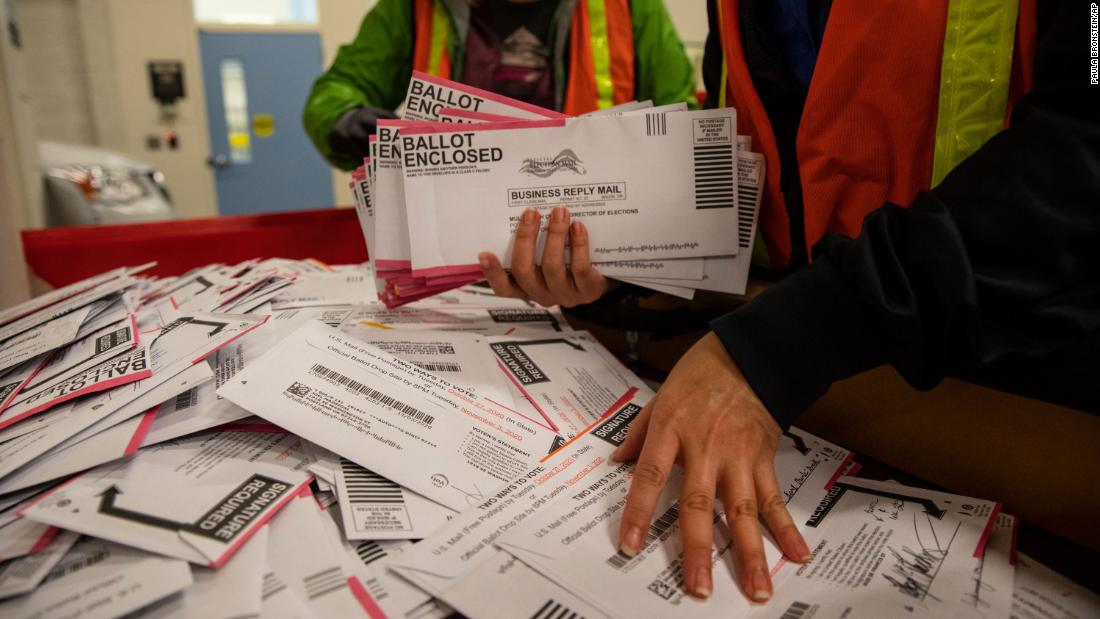
The reversal of Oregon’s drug decriminalization policy marks a significant shift in the state’s approach to drug use. Understanding the motivations behind this change requires examining a multitude of factors, from public health concerns to economic considerations and evolving community attitudes. This analysis will delve into the potential drivers behind the decision, providing a comprehensive overview of the circumstances surrounding this policy shift.The reversal of Oregon’s decriminalization policy highlights a complex interplay of societal pressures and evolving perspectives on drug use.
The decision likely reflects a careful evaluation of the initial decriminalization’s intended effects versus the actual outcomes, as well as a reevaluation of the broader societal implications.
Potential Factors Contributing to the Decision
The decision to reverse Oregon’s decriminalization likely stemmed from a variety of interconnected factors. The initial goals of decriminalization may have been perceived as unrealistic or ineffective in achieving the desired outcomes. The availability of data and feedback from various stakeholders, including law enforcement, public health officials, and community members, likely played a crucial role in shaping the reversal.
Oregon’s reversal of drug decriminalization is a complex issue, raising questions about public safety and individual liberties. While the focus is understandably on local consequences, it’s important to consider the broader geopolitical landscape, such as the tensions between the US and Russia in nuclear space and their implications for Pakistan and Asia, as seen in this recent report us russia nuclear space pakistan asia.
Ultimately, the decision to reverse drug decriminalization in Oregon will have lasting impacts on the state and its residents.
This information might have revealed unforeseen challenges or limitations of the initial policy.
Public Health Concerns
Public health concerns were undoubtedly a significant factor in the decision. Initial evaluations of the decriminalization policy may have shown unintended consequences, such as increases in certain types of drug-related harms. Monitoring of public health indicators, including overdose rates, infectious disease transmission, and mental health issues, likely provided valuable data for assessing the policy’s impact on the overall well-being of the population.
Possible increases in these indicators may have led to a reevaluation of the policy’s effectiveness.
Economic Considerations
Economic considerations are crucial to any policy decision. Potential financial burdens associated with implementing and managing the decriminalization policy may have been a contributing factor. Resources required for public health initiatives and law enforcement, alongside the potential impact on related industries, may have played a role in reevaluating the economic viability of the decriminalization policy. Cost-benefit analyses and projections of long-term economic impacts would have been critical to the decision-making process.
Changes in Community Attitudes
Evolving community attitudes towards drug use could have influenced the reversal. Initial support for decriminalization might have waned as the policy unfolded, with concerns regarding public safety or perceived negative consequences surfacing. Public opinion polls, community forums, and interactions with law enforcement may have revealed shifting sentiments, highlighting a need for policy adjustments. The effectiveness of communication strategies and public engagement in the initial stages might also have been evaluated.
Comparison of Initial Support and Current Sentiment
The comparison between initial support for decriminalization and current sentiment is vital. The data collected regarding public opinion, both before and after the implementation of the policy, would provide insight into the shifting public discourse. Reports on media coverage and social media trends, reflecting public opinion and concerns, could be vital indicators of evolving sentiments. A significant shift from initial support to opposition could be a key driver for reversal.
Role of Advocacy Groups and Lobbying Efforts
The influence of advocacy groups and lobbying efforts cannot be overlooked. These groups played a role in shaping public discourse and influencing policymakers. The effectiveness of these efforts in advocating for and against the decriminalization policy, alongside their impact on the political landscape, should be examined. Analysis of the lobbying activities, public statements, and media coverage of these groups would help reveal their role in the policy reversal.
Impact of the Reversal

The reversal of Oregon’s drug decriminalization policy presents a complex set of potential consequences. This shift from a harm reduction approach to a more punitive one raises significant concerns about its impact on public health, crime rates, and the criminal justice system. Understanding these potential impacts is crucial for evaluating the effectiveness and fairness of this policy change.The reversal of Oregon’s decriminalization policy promises a significant shift in the state’s approach to drug-related offenses.
It will likely lead to increased arrests and convictions, potentially impacting access to treatment and rehabilitation programs. This shift, however, may also have unintended consequences, including the possible exacerbation of health disparities and an increase in the burden on the justice system.
Potential Consequences on Public Health Outcomes
The reversal of decriminalization may lead to a decline in access to crucial health services for people struggling with substance use disorders. Reduced access to treatment programs and resources could result in a rise in overdose deaths and the spread of infectious diseases. Historical examples of similar policy changes in other jurisdictions show a correlation between punitive measures and increased rates of harm.
For instance, the “war on drugs” in the US, characterized by harsh penalties, has been linked to a rise in incarceration rates and a lack of meaningful treatment options.
Impact on Crime Rates
The reversal of decriminalization may not necessarily lead to a significant decrease in drug-related crime. Instead, it could shift the focus of law enforcement from addressing the underlying issues of substance use to enforcing criminal penalties. This may lead to a rise in arrests and convictions for possession and other minor drug-related offenses, potentially diverting resources away from more serious crimes.
The potential for an increase in drug-related violence, as criminal networks adapt to the changed landscape, is also a concern.
Impact on the Criminal Justice System
The reversal could place a substantial strain on the criminal justice system. Increased arrests and prosecutions could overwhelm court resources, leading to longer delays in processing cases and potentially hindering the ability of the system to address other crimes. Furthermore, the increased burden on correctional facilities could lead to overcrowding and resource shortages.
Comparison with Initial Predicted Impact of Decriminalization
The initial predictions surrounding Oregon’s decriminalization likely focused on reduced arrests, diversion of individuals to treatment, and a decrease in the strain on the criminal justice system. The reversal will likely reverse these trends, potentially resulting in increased arrests, convictions, and a surge in demand for incarceration and treatment facilities. The reversal could create a significant burden on resources that might have been otherwise used for prevention and treatment programs.
Projected Shift in Arrest Rates
| Drug Type | Pre-Reversal (Estimated Arrest Rate) | Post-Reversal (Estimated Arrest Rate) |
|---|---|---|
| Marijuana | Low | Moderate to High |
| Opiates | Moderate | High |
| Cocaine | Moderate | High |
| Methamphetamine | Low | Moderate to High |
This table illustrates a potential shift in arrest rates. The pre-reversal rates are based on the estimated data from the period of decriminalization. The post-reversal rates are predictions based on a likely return to a more punitive approach. These are not precise numbers and represent potential changes, not absolute predictions.
Changes in Treatment Access
| Factor | Before Reversal | After Reversal |
|---|---|---|
| Availability of treatment programs | Increased access through decriminalization efforts | Potentially reduced access due to diversion to the justice system |
| Ease of access to treatment | Potentially increased ease due to decriminalization | Potentially reduced ease due to criminal record/stigma |
| Financial support for treatment | Potential increase in funding due to diversion | Potential decrease in funding due to emphasis on criminal justice |
This table highlights the potential change in treatment access before and after the reversal. The pre-reversal column reflects the positive aspects of decriminalization, such as the possibility of increased treatment programs. The post-reversal column illustrates the possible reduction in treatment access due to the shift towards a more punitive approach.
Alternative Approaches
The reversal of Oregon’s decriminalization policy highlights the complexities of drug policy. Beyond simply criminalizing or decriminalizing, alternative approaches offer a broader spectrum of solutions. These approaches consider the multifaceted nature of drug use and its societal impact, moving beyond simplistic binary responses. The focus shifts from punishment to prevention, treatment, and harm reduction.
Alternative Drug Policy Models
Different nations and regions have implemented various drug policy models, each with its own strengths and weaknesses. A comparison of these models reveals a range of strategies, from strict prohibition to harm reduction and regulated access. Understanding these models is crucial for crafting effective and humane policies.
- Harm Reduction: This model prioritizes minimizing the negative consequences of drug use, such as overdose deaths, infectious diseases, and social stigma. Strategies include needle exchange programs, safe consumption sites, and access to naloxone, a life-saving opioid overdose reversal medication. The focus is on improving public health and reducing harm, not necessarily on curbing drug use itself.
- Regulation and Taxation: In this approach, drugs are regulated and taxed like alcohol or tobacco. This model aims to generate revenue for public health initiatives while also controlling access. It also aims to reduce the black market and associated crime. This approach has been implemented in some regions for specific drugs, but the societal impact and effectiveness are debated.
Oregon’s recent reversal of drug decriminalization is a fascinating case study in policy shifts. While the specifics of the decision are still being debated, it’s worth considering the broader implications, especially when contrasted with the recent news about Canuck’s prospect Tom Willander at Boston University. Canucks prospect Tom Willander Boston University is a compelling example of how youth development and opportunity can shape individual trajectories.
Ultimately, Oregon’s reversal raises questions about the long-term impact of these types of policy changes on communities.
- Treatment and Prevention: This model addresses the root causes of drug use, focusing on early intervention, mental health support, and substance abuse treatment. This approach requires significant investment in healthcare and social services, often aiming for long-term solutions.
Strategies for Harm Reduction
Harm reduction strategies are crucial for mitigating the negative health and social impacts of drug use. These strategies should be integrated into any comprehensive drug policy, rather than being considered separate interventions. Effective harm reduction goes beyond simple provision of resources; it necessitates community engagement and education.
- Safe Consumption Sites: These sites provide a controlled environment for people to use drugs under supervision, reducing the risk of overdose and accidental exposure. Safe consumption sites have shown to reduce overdose deaths in cities where they have been implemented.
- Naloxone Distribution: Naloxone is a medication that can reverse opioid overdoses. Making naloxone readily available to individuals at risk of overdose, and to the general public, significantly reduces fatalities.
- Comprehensive Education: Comprehensive education programs for youth and adults can address misinformation about drugs and promote responsible use. These programs should focus on reducing stigma and providing accurate information about drug use and potential consequences.
International Examples
Comparing Oregon’s decriminalization approach with international examples provides valuable insights. The varied approaches adopted by different countries offer a wealth of experience to inform future policies.
| Country/Region | Approach | Key Features |
|---|---|---|
| Portugal | Decriminalization | Drugs are not criminalized, but possession is penalized only with social services. |
| Switzerland | Harm Reduction | Safe consumption sites, needle exchange programs, and treatment access are prioritized. |
| United States (some states) | Medical Marijuana | Legal access to marijuana for medical use under strict regulations. |
| Oregon (before reversal) | Decriminalization | Low-level drug possession was treated as a citation, not a criminal offense. |
Successful Drug Policy Initiatives
Several successful drug policy initiatives in other regions demonstrate the effectiveness of alternative approaches. These examples demonstrate that there are models beyond the traditional “war on drugs” that can yield positive outcomes.
- Portugal’s Decriminalization Model: Portugal’s decriminalization of all drugs has led to a substantial decrease in drug-related deaths and infections. The focus on treatment and social services has proven effective.
- Switzerland’s Safe Consumption Sites: Switzerland’s implementation of safe consumption sites has dramatically reduced overdose deaths in specific cities. This demonstrates the potential of harm reduction strategies.
- Other US States’ Medical Marijuana Programs: These programs, while not fully addressing all drug-related issues, demonstrate a possible path towards a more nuanced approach to certain substances.
Potential Improvements to Decriminalization Models
Oregon’s previous decriminalization model, while innovative, could be further enhanced by integrating harm reduction strategies. Additional resources for treatment and prevention could significantly impact outcomes.
Community and Public Response: Oregon Decriminalization Drugs Reversal
The reversal of Oregon’s drug decriminalization policy has sparked a diverse range of reactions across the state. Public sentiment is mixed, reflecting the complex interplay of factors influencing attitudes toward drug use and policy. Understanding these perspectives is crucial for navigating the challenges and opportunities that arise from this change.
Public Reactions to the Reversal, Oregon decriminalization drugs reversal
The reversal of decriminalization has been met with varying degrees of approval and disapproval, depending on the individual’s background and personal values. Some argue that the policy shift will lead to a more just and equitable criminal justice system, while others believe that it will disproportionately affect marginalized communities. The public response is multifaceted and nuanced.
Perspectives of Affected Communities and Stakeholders
Communities most impacted by drug use and associated issues, such as individuals with substance use disorders, have expressed concerns about the potential negative consequences of the reversal. These communities fear a resurgence of arrests and criminalization, potentially hindering efforts to address underlying issues like poverty, lack of access to treatment, and mental health concerns. Similarly, organizations dedicated to harm reduction strategies have voiced their disappointment, emphasizing the importance of community-based solutions over punitive measures.
Law enforcement agencies have expressed a need for additional resources and training to handle the potential increase in drug-related incidents.
Impact on Individuals and Families Directly Involved
The reversal of decriminalization may have a substantial impact on individuals and families struggling with substance use disorders. For those facing arrest or prosecution, the consequences can be severe, including criminal records, fines, and imprisonment, which could severely limit future opportunities. Families may also experience stress and hardship, as they navigate the legal and social repercussions of their loved ones’ involvement with the justice system.
The reversal of decriminalization potentially undermines efforts towards harm reduction and creates a barrier to accessing treatment and support.
Table Highlighting Viewpoints
| Viewpoint | Description | Potential Impact |
|---|---|---|
| Pro-Reversal | Advocates believe the reversal restores a more traditional approach to drug offenses, prioritizing public safety and the rule of law. | Reduced drug-related crime, increased police resources for other issues. |
| Anti-Reversal | Opponents argue that the reversal will worsen existing social problems, increase incarceration rates in vulnerable populations, and limit access to critical resources for substance use disorder. | Increased incarceration rates, limited access to treatment, exacerbation of social issues. |
| Neutral/Concerned | Individuals with this perspective express concern about the potential negative consequences of the reversal, but also acknowledge the importance of public safety. | Uncertainty regarding the long-term effects and the need for ongoing monitoring. |
Role of Media Coverage in Shaping Public Perception
Media coverage of the reversal plays a significant role in shaping public opinion. The way the issue is framed and the perspectives presented can heavily influence how the public perceives the policy change. Balanced reporting that acknowledges different viewpoints and potential impacts is essential to fostering a nuanced understanding of the situation. Sensationalized reporting or one-sided narratives can create a distorted picture of the situation.
How Individuals Might React to the Reversal
Individuals’ reactions to the reversal will vary significantly. A person with a personal history of drug use might experience increased anxiety and fear about the potential for criminal charges. Someone actively involved in harm reduction efforts might feel demoralized and disheartened by the reversal of progress. On the other hand, a community member concerned about public safety might welcome the reversal as a way to address perceived issues related to drug use.
This illustrates the personal and multifaceted nature of public reaction.
Potential Future Implications
The reversal of Oregon’s drug decriminalization policy presents a complex web of potential future implications, impacting not only the state’s approach to drug-related issues but also serving as a case study for other jurisdictions contemplating similar reforms. Understanding these ramifications is crucial for crafting effective and equitable future drug policies.The reversal of Oregon’s decriminalization policy, while potentially addressing concerns about public safety and resource allocation, may have unforeseen consequences for the long-term management of drug use within the state.
The reversal will likely alter the trajectory of future drug policy discussions nationally, prompting a re-evaluation of the efficacy and ethical considerations surrounding different approaches.
Long-Term Effects of the Reversal
The reversal of Oregon’s decriminalization policy will likely result in increased arrests and prosecutions for drug-related offenses. This could lead to a strain on law enforcement resources, particularly in communities disproportionately affected by drug arrests. Increased incarceration rates might also impact access to vital social services and rehabilitation programs, potentially exacerbating existing societal inequalities. The reversal may further impact the overall public perception of drug use and addiction.
The long-term effects on public health, including potential increases in overdose deaths and the spread of infectious diseases related to drug use, will require careful monitoring.
Potential Areas of Future Research and Analysis
Future research should focus on the impact of the reversal on specific demographic groups, particularly marginalized communities disproportionately affected by drug-related arrests. A detailed analysis of the economic costs associated with increased law enforcement activity and incarceration is necessary. Data on the prevalence of drug use and related harm (e.g., overdoses, infectious disease transmission) before and after the reversal will provide a crucial baseline for evaluating the policy’s effectiveness.
Examining the potential impact on access to treatment and rehabilitation services is also essential.
Potential Legal Challenges
The reversal of decriminalization could potentially face legal challenges based on constitutional rights and due process. Challenges could emerge regarding the fairness and proportionality of drug-related sentencing and the potential for discriminatory enforcement. Cases involving the violation of individual rights due to the reversal could lead to legal battles, and the outcomes of these cases could significantly impact future drug policy in Oregon and beyond.
This includes scrutinizing whether the reversal is consistent with the rights guaranteed under the Fourth Amendment.
Influence on Future Drug Policy Discussions
The reversal of Oregon’s decriminalization policy could significantly influence future drug policy discussions, prompting a national debate on the effectiveness of punitive versus harm reduction approaches. The outcomes will be closely examined by other states and jurisdictions considering similar policy changes. The policy reversal may lead to renewed focus on the need for evidence-based, comprehensive drug policies. This could include investment in prevention, treatment, and harm reduction programs.
Changes to the Overall Approach to Drug Issues
The reversal may necessitate a re-evaluation of the overall approach to drug issues, moving away from solely punitive measures toward a more holistic strategy that considers the root causes of drug use. The reversal could highlight the need for more robust public health responses, integrating prevention, treatment, and harm reduction services. This approach should focus on addressing the underlying issues that contribute to drug use.
This could include improved access to mental health services and addressing socioeconomic disparities.
Adaptations in the Criminal Justice System
The reversal necessitates adaptations in the criminal justice system, possibly including the allocation of resources toward prevention and treatment programs. The system might need to re-evaluate its current methods of dealing with drug-related offenses. This could involve re-prioritizing the allocation of resources to divert non-violent offenders from the criminal justice system and focusing on providing access to treatment and rehabilitation programs.
Further adaptations might include alternative sentencing options, such as community service or treatment-based interventions.
Last Recap
Oregon’s reversal of drug decriminalization presents a complex and multifaceted issue. The decision to reverse course has significant implications for public health, the criminal justice system, and communities affected by drug use. While the reversal addresses concerns, it also raises questions about alternative approaches and potential long-term effects. Further research and dialogue are needed to fully understand the ramifications of this decision.
Commonly Asked Questions
What were the initial positive impacts of Oregon’s drug decriminalization policies?
Initial reports suggested a reduction in arrests for minor drug offenses and a potential shift towards treatment over incarceration. However, these benefits were not universally felt, and concerns regarding public health and potential increases in drug use emerged.
What are some potential alternative approaches to drug policy besides decriminalization?
Harm reduction strategies, treatment programs, and addressing the root causes of drug use are alternative approaches that could be considered. A comprehensive strategy that combines several elements might be more effective than a single approach.
How might the reversal affect treatment access for individuals struggling with addiction?
The reversal could potentially reduce access to treatment programs if funding is diverted towards enforcement efforts. This is a concern that needs further analysis and consideration of possible alternatives to maintain and expand treatment options.
What is the projected impact on crime rates following the reversal?
While the reversal might lead to an increase in drug-related arrests, it’s important to consider other contributing factors and examine the correlation between drug-related crime and other social issues.