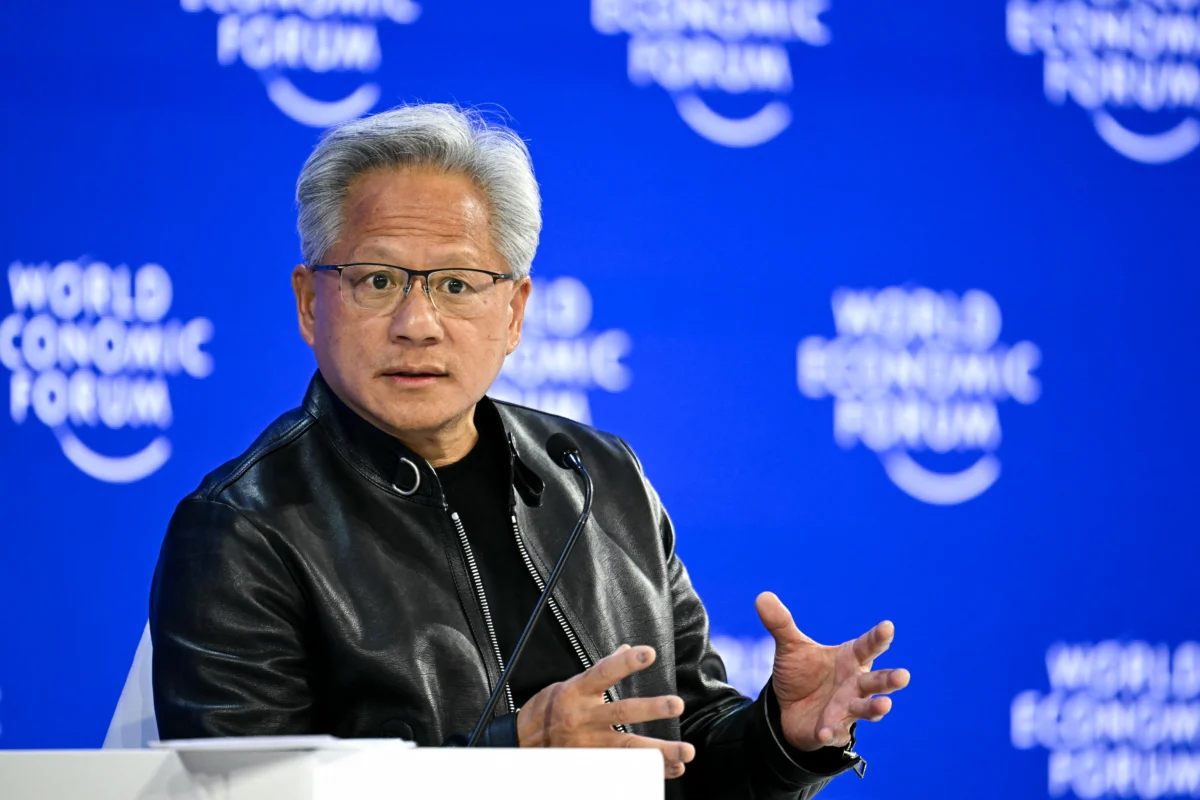
In a moment that likely sent shockwaves through public relations departments nationwide, Nvidia Chief Executive Officer Jensen Huang accepted an unexpected phone call from President Donald Trump while performing live on stage at the annual All-In Summit in Los Angeles. The impromptu interaction, broadcasted directly to thousands of conference attendees via speakerphone, quickly pivoted from a casual check-in to a high-stakes policy discussion regarding the future of artificial intelligence development, national infrastructure, and global technological dominance.
The incident unfolded on a Monday morning as Huang sat before an audience of industry leaders, venture capitalists, and tech enthusiasts. The panel was hosted by the prominent figures behind the popular All-In podcast, a group colloquially known as the "besties"—including Chamath Palihapitiya, Jason Calacanis, and White House advisers David Friedberg and David Sacks. Rather than screening the call or sending it directly to voicemail, Huang acknowledged the gravity and immediacy of the incoming communication, openly sharing the moment with the live audience and the broader viewing public.
The Unplanned Broadcast and Onstage Dialogue
As the phone began to ring, Huang paused the ongoing conversation to address the audience before answering. "I’m onstage with the besties," Huang informed President Trump, immediately establishing a casual yet high-profile rapport. Recognizing the theatrical potential of the moment, Huang attempted to project the call to the auditorium by requesting an extra microphone from nearby stagehands, allowing the entire convention center to listen in on the conversation.
President Trump immediately leveraged the public forum to offer his characteristic commentary. Pointing out the technical irony of the situation, Trump remarked over the speakerphone, "The great thing about life is Jensen can develop the most complex computer chip in the world… but he can’t figure out how to put you on speaker." The remark elicited laughter from the crowd, though it served as a prelude to a much heavier policy discussion regarding the regulatory future of artificial intelligence.
The Call’s Context: The Debate Over AI Pacing
Moments before the phone began to ring, Huang and the All-In hosts had been deeply engaged in a debate concerning recent statements made by Anthropic CEO Dario Amodei. Earlier in the cycle, Amodei published a widely discussed essay advocating for a deliberate slowdown in the pace at which frontier AI capabilities are advanced. This cautious approach has found unexpected alignment across various tech sectors; notable industry titans, including SpaceX CEO Elon Musk and OpenAI CEO Sam Altman, have publicly voiced support for pacing mechanisms to ensure safety and alignment.
Huang’s perspective, however, has consistently diverged from this cautious consensus. As the head of the company supplying the indispensable hardware driving the generative AI boom, Huang has advocated for rapid innovation and continuous scaling.
President Trump echoed Huang’s accelerationist stance during the impromptu phone call, framing the push for slowing down artificial intelligence development as a strategic vulnerability. "They’re just playing right in the hands of a lot of people that don’t want to see it happen," Trump stated over the speakerphone, pointing specifically toward geopolitical adversaries. "That could be political people. It could also be China. And we’re not going to let that happen. It’s a hoax."
Huang readily aligned himself with the administration’s defensive posture, responding, "You’re right. We’re not going to let that happen, sir," to which the Los Angeles audience responded with sustained applause.
Infrastructure Resistance and Public Sentiment
The conversation between the tech executive and the commander-in-chief touched directly upon the mounting physical and political friction surrounding data center construction. The massive computational demands of modern large language models require unprecedented amounts of electrical power and physical infrastructure, leading to intense local pushback.
Prominent figures in the tech ecosystem, including Y Combinator CEO Garry Tan, have publicly characterized the growing resistance to data center construction as part of a coordinated international campaign designed to stifle American economic competitiveness and technological leadership.
Despite these allegations of external manipulation, comprehensive public opinion data indicates that the source of the resistance is deeply rooted in domestic concerns. Recent polling conducted by Gallup reveals that approximately seven in ten Americans actively oppose the construction of large data centers within their local municipalities. Furthermore, more than half of all survey respondents cited the severe environmental impact of data centers—particularly regarding strain on local power grids and water resources—as their primary objection. An additional twenty percent expressed acute anxieties concerning cost-of-living increases, housing market pressures, and a general degradation of their local quality of life.
Navigating the Path Forward for American Tech Leadership
Addressing these grassroots concerns without sacrificing national momentum remains one of the central policy challenges for the current administration. Recognizing the political sensitivity of the issue while maintaining a steadfast commitment to industry expansion, Trump adopted a measured yet supportive tone during his conversation with Huang.
"We have to be a little bit careful… We have to do things and we have to do them prudently, but that doesn’t mean we’re going to stop an industry," Trump noted. Reassuring the Nvidia CEO of his administration’s unwavering backing, the president concluded, "So I’m with you all the way. I didn’t even know how you felt about it. I just hoped you felt the same way as me. We’re going to lead."
Implications for the Global AI Landscape
The public phone call at the All-In Summit highlights the increasingly intertwined relationship between Silicon Valley leadership and federal executive power. As artificial intelligence transitions from a speculative technological frontier into the foundational infrastructure of the global economy, the decisions made by figures like Jensen Huang carry immense geopolitical weight.
By publicly committing to a policy of rapid acceleration hand-in-hand with the executive branch, Nvidia has firmly positioned itself at the center of American industrial policy. At the same time, the administration’s dismissal of public environmental and infrastructural concerns regarding data centers sets the stage for ongoing friction between tech-sector ambitions and local communities. As the race for AI supremacy accelerates, the tension between local resource constraints and national security imperatives will likely define the regulatory landscape for years to come.