
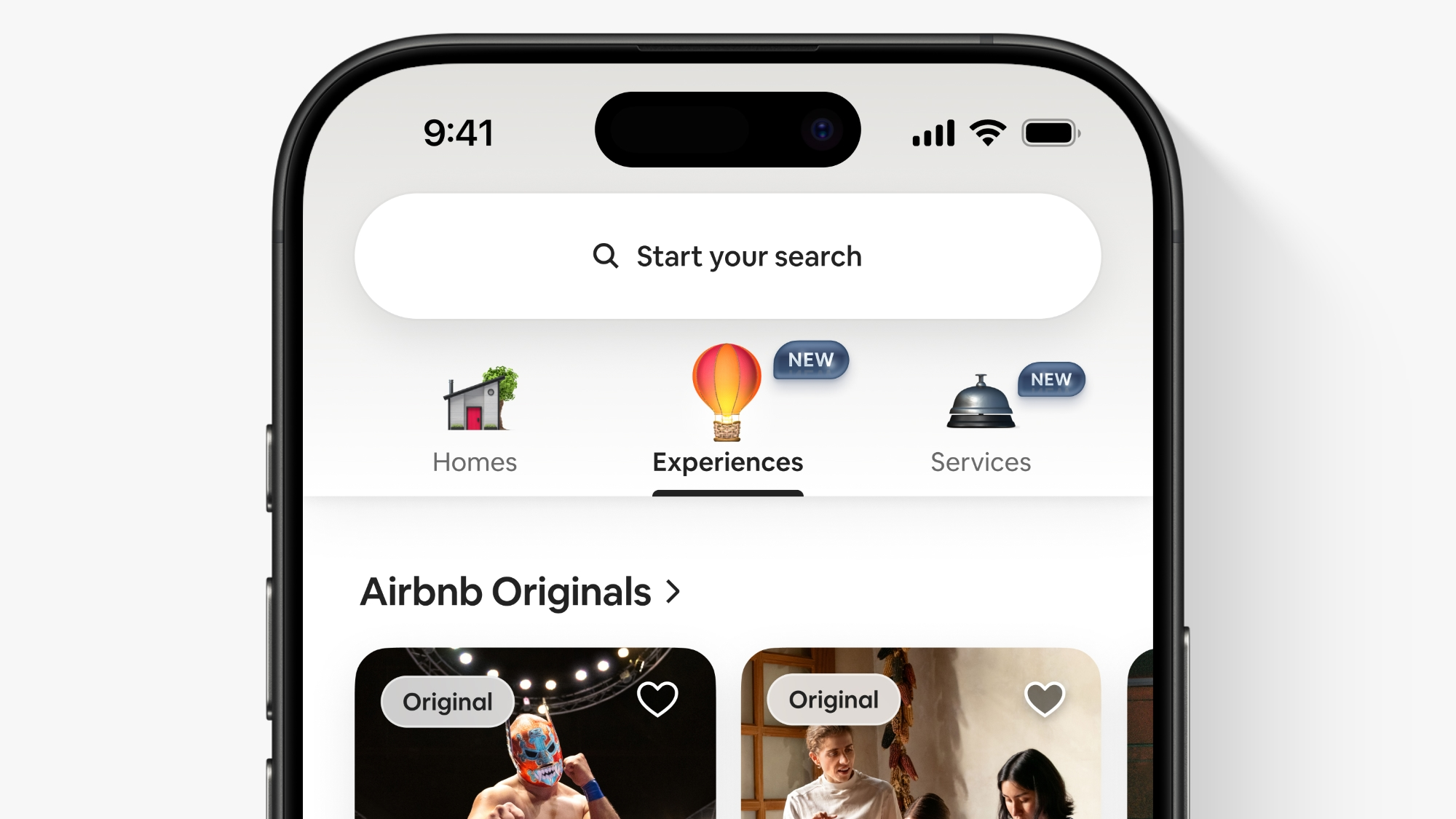
Airbnb has officially committed to launching its highly anticipated proprietary artificial intelligence travel agent during the first half of 2027. The announcement was made public on Thursday alongside the release of the company’s third-quarter shareholder letter and an accompanying earnings call with Wall Street analysts. Co-founder and Chief Executive Officer Brian Chesky elaborated on the strategic positioning of the upcoming technology, emphasizing that general-purpose chatbots fall short when applied to the nuances of travel planning. Buoyed by an impressive 19% year-over-year revenue increase to $4.87 billion—marking the company’s fastest growth rate in over three years—Airbnb is aggressively positioning itself at the intersection of hospitality and next-generation artificial intelligence.
The Evolution of Travel Planning and the Limitations of General-Purpose Chatbots
For months, the tech and hospitality sectors have speculated on how Airbnb would enter the generative artificial intelligence landscape. While competitors and standalone tech firms have rapidly deployed text-based assistants focused on routine transactional tasks—such as booking flights, securing restaurant reservations, or managing simple calendar entries—Airbnb leadership has consistently argued that travel requires an entirely different operational paradigm.
During the Q3 earnings call, Chesky drew a sharp distinction between routine utility agents and the aspirational nature of travel. Market research frequently underscores that the journey of discovering a destination, browsing aesthetic photography, and comparing unique accommodations is an integral part of the consumer experience. Industry data suggests that roughly 80% of travelers actively derive pleasure from the research and planning phase of their trips. Consequently, imposing a rigid, text-heavy chatbot interface risks stripping away the joy of discovery.
To address this behavioral insight, Airbnb’s engineering and product teams are building a custom-designed, AI-native interface. Rather than generating simple paragraphs of text, the system will dynamically pull from a comprehensive library of hundreds of travel-specific interface components. These modular elements include interactive maps, high-resolution photo galleries, side-by-side accommodation comparisons, calendars, and customizable itineraries. By composing these visual components in real time based on user inquiries, the platform will offer a form of generative user interface tailored specifically to the context of hospitality.
Chronology of Airbnb’s AI Integration and Strategic Pivot
The roadmap toward a 2027 launch is the culmination of a multi-year technological and structural evolution within Airbnb. The timeline of the company’s modern AI integration reveals a deliberate, phased approach:
- May 2025: Airbnb executes a major platform redesign, significantly expanding its focus beyond traditional lodging by formally launching integrated services and localized experiences. This redesign lays the groundwork for a more holistic travel ecosystem.
- September 2023–September 2026: CEO Brian Chesky drops repeated hints across various tech conferences and media interviews regarding the necessity of a dedicated travel operating system. He explicitly states that standard conversational chatbots are inadequate for the complexities of vacation planning.
- October 1, 2026: In an in-depth interview with industry media, Chesky doubles down on the thesis that artificial intelligence agents require specialized interfaces rather than one-size-fits-all text boxes.
- Thursday, October/November 2026 (Q3 Earnings Release): Airbnb officially establishes a concrete release window, promising consumers that the bespoke AI travel agent will debut in the first half of 2027.
Beyond Booking: Comprehensive End-to-End Trip Management
A critical differentiator emphasized in Airbnb’s shareholder letter is the agent’s capacity to support users across the entire lifecycle of a journey, extending far beyond the initial transaction. Because the technology is deeply integrated into Airbnb’s proprietary infrastructure, the agent will possess native administrative capabilities that third-party or general-purpose AI assistants cannot easily replicate.
Once deployed, the agent will assist travelers with dynamic reservation modifications, real-time payment
dispute resolutions, processing refund requests, handling emergency rebookings, and connecting users with 24-hour safety support. This operational depth leverages nearly two decades of marketplace data, bridging the gap between guest expectations and host operational realities.
Furthermore, as the platform continues to mature its services and experiences verticals—segments that have received heightened strategic focus since the 2025 marketplace redesign—the AI agent is expected to orchestrate non-lodging components of a trip seamlessly. Whether a user is booking a guided city tour, securing a private chef, or arranging local transportation, the agent will act as a centralized concierge.
Financial Performance and Reaccelerated Market Momentum
The announcement of the 2027 AI agent rollout coincided with financial results that comfortably surpassed Wall Street consensus estimates. For the third quarter, Airbnb reported revenue of $4.87 billion, representing a robust 19% increase compared to the same period in the previous fiscal year. This performance marks the company’s fastest revenue acceleration in more than three years, signaling a definitive return to aggressive growth mode for the global marketplace.
Driven by strong fundamental demand across international and domestic corridors, leadership took the opportunity to revise its forward-looking guidance. Airbnb raised its full-year 2026 revenue growth forecast, indicating that growth is now expected to land in the high teens rather than the previously projected mid-teens.
"It is rare for a marketplace of our size to reaccelerate growth, but that is exactly what we are doing," Chesky told analysts during the earnings call. This financial strength provides the necessary capital and operational runway to fund heavy research and development initiatives, such as the custom generative UI infrastructure required for the upcoming travel agent.
Broader Industry Implications and Future Outlook
Airbnb’s decision to bypass generic chatbot frameworks in favor of a specialized, visually driven generative UI reflects a broader maturation trend within the artificial intelligence sector. As generative tools transition from novelty novelties to deeply embedded enterprise solutions, vertical-specific optimization is quickly becoming the primary battleground for consumer-facing platforms.
By refusing to cede the planning phase to generalized AI aggregators, Airbnb is fiercely protecting the top of its customer acquisition funnel. If successful, the 2027 launch could redefine how consumers interact with digital marketplaces, shifting the user experience away from rigid search filters and endless tab-switching toward fluid, context-aware digital companions. As the tech industry watches closely, Airbnb’s multibillion-dollar bet on specialized generative interfaces will serve as a definitive litmus test for the future of digital commerce and travel orchestration.