
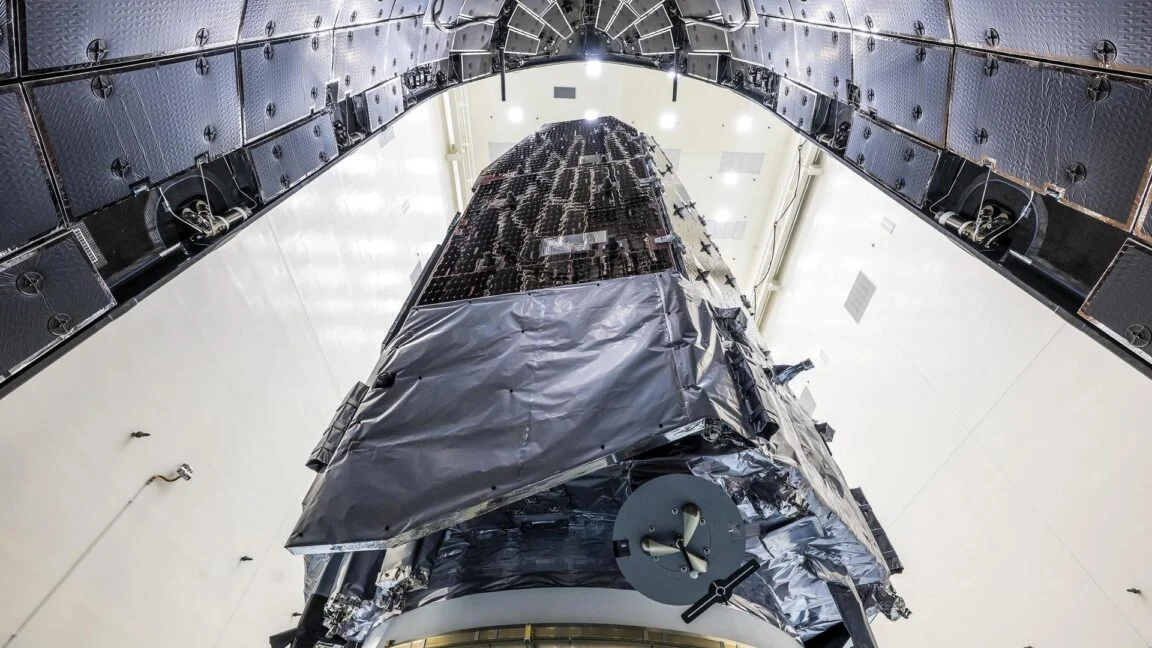
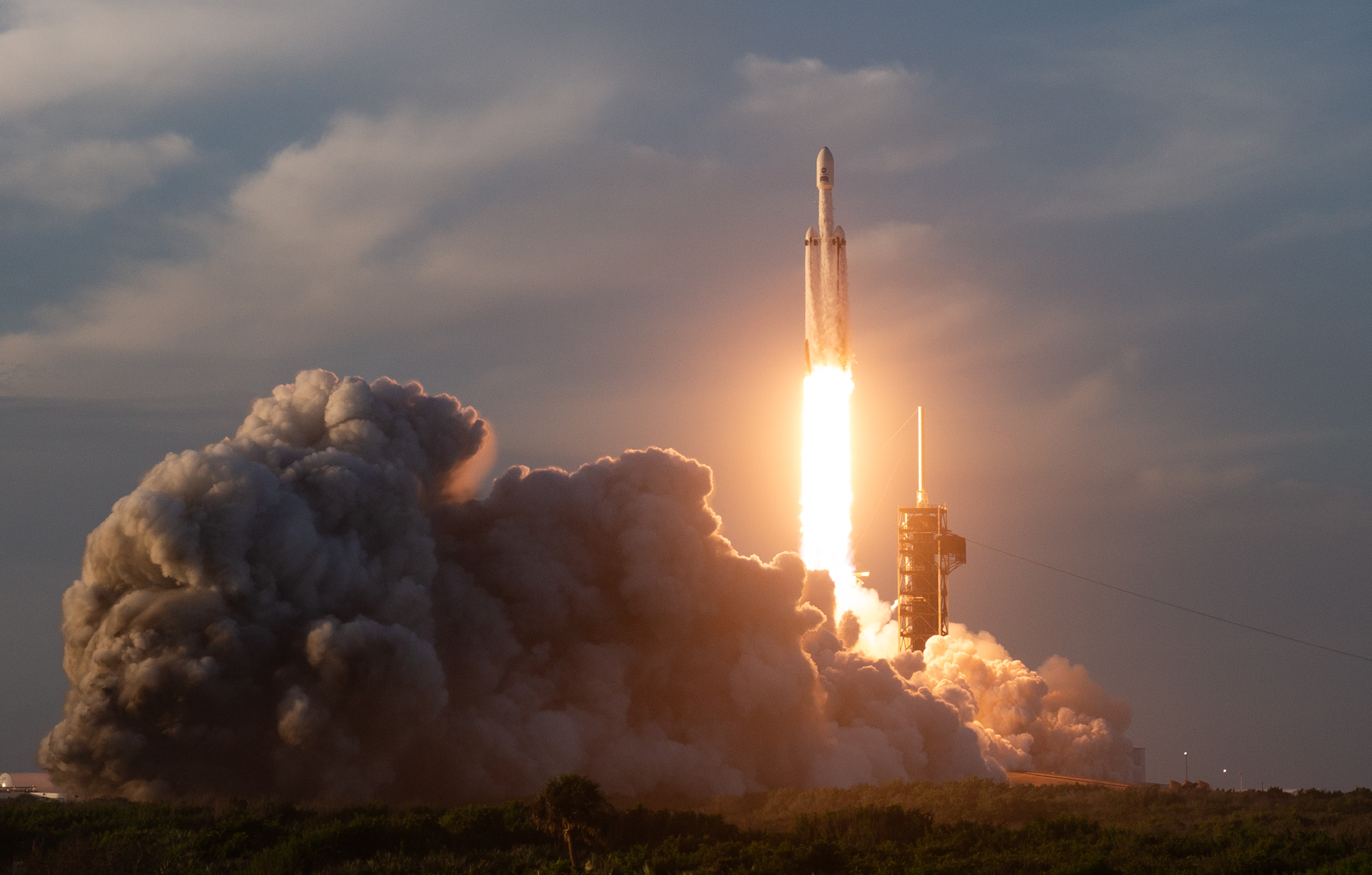
The $4.3 billion Nancy Grace Roman Space Telescope, NASA’s newest flagship observatory, has embarked on a mission that promises to fundamentally reshape our understanding of the cosmos. Following its successful launch on August 30 from the Kennedy Space Center in Florida, the spacecraft has demonstrated an extraordinary level of orbital precision. NASA engineers confirmed this week that the observatory’s fuel reserves, initially intended for a decade-long mission, are now projected to sustain operations for at least 22 years. This longevity boost, stemming from a near-flawless insertion into its target trajectory by a SpaceX Falcon Heavy rocket, marks a significant milestone in space exploration efficiency.
The Anatomy of a Perfect Launch
The mission, which began at the end of August 2026, was always designed with a conservative fuel budget in mind. Initially, mission planners at NASA’s Goddard Space Flight Center authorized enough propellant for a five-year primary mission, with an additional five-year extension buffer. However, the synergy between the SpaceX launch vehicle’s performance and the flight dynamics team’s trajectory calculations resulted in a massive surplus.
The primary course correction maneuver, conducted just one day after the observatory reached orbit, proved to be a masterclass in efficiency. While the pre-flight mission profile allocated 441 pounds (200 kilograms) of hydrazine for this initial burn, the actual operation consumed only 40 pounds (18 kilograms). This nearly 90 percent reduction in expected fuel consumption set the stage for the dramatic extension of the telescope’s operational life.
Mission Objectives and Scientific Scope
The Nancy Grace Roman Space Telescope is designed to address some of the most profound questions in modern astrophysics. Unlike the James Webb Space Telescope (JWST), which specializes in deep, narrow-field infrared observations, the Roman telescope is engineered for breadth. Its Wide Field Instrument, equipped with 18 near-infrared detectors, functions as a 300-megapixel camera capable of mapping the sky with unprecedented speed.
The observatory’s primary scientific objectives include:
- Dark Energy Mapping: By observing large-scale structures and the distribution of matter and dark matter across cosmic filaments, scientists hope to pinpoint the force driving the accelerating expansion of the universe.
- Exoplanet Census: The telescope features a sophisticated coronagraph, a device that blocks out the glare of stars to allow for the direct imaging of exoplanets, helping to determine the composition of their atmospheres.
- Galactic Evolution: By covering a field of view 100 times larger than that of the Hubble Space Telescope, Roman will be able to observe in one month what would take Hubble a century to capture, providing a comprehensive "census" of the local and distant universe.
Engineering for Longevity and Serviceability
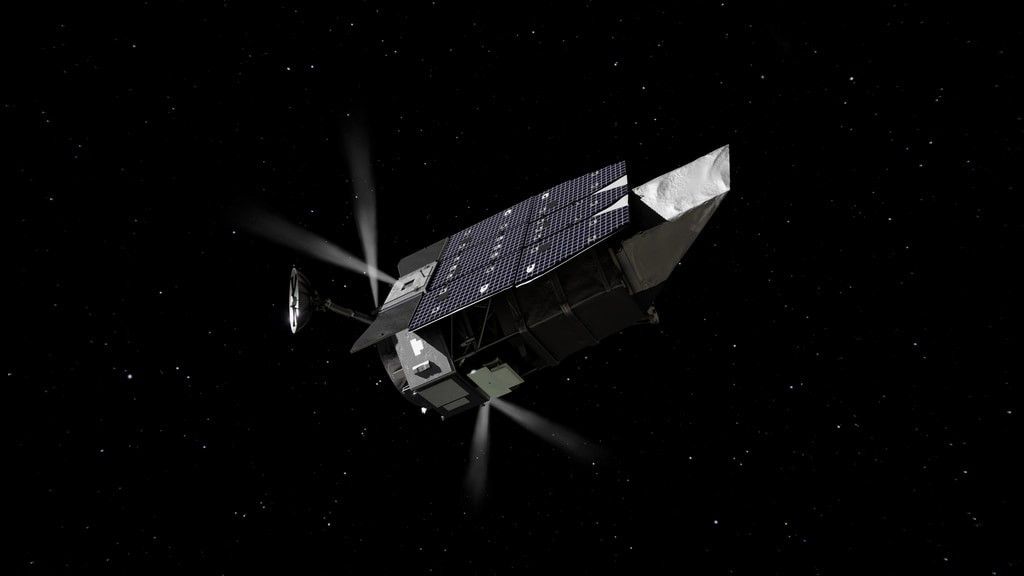
The decision to ensure the Roman telescope could be refueled was a departure from traditional "disposable" space hardware. Unlike previous observatories, Roman is the first NASA telescope explicitly designed with an in-space refueling interface.
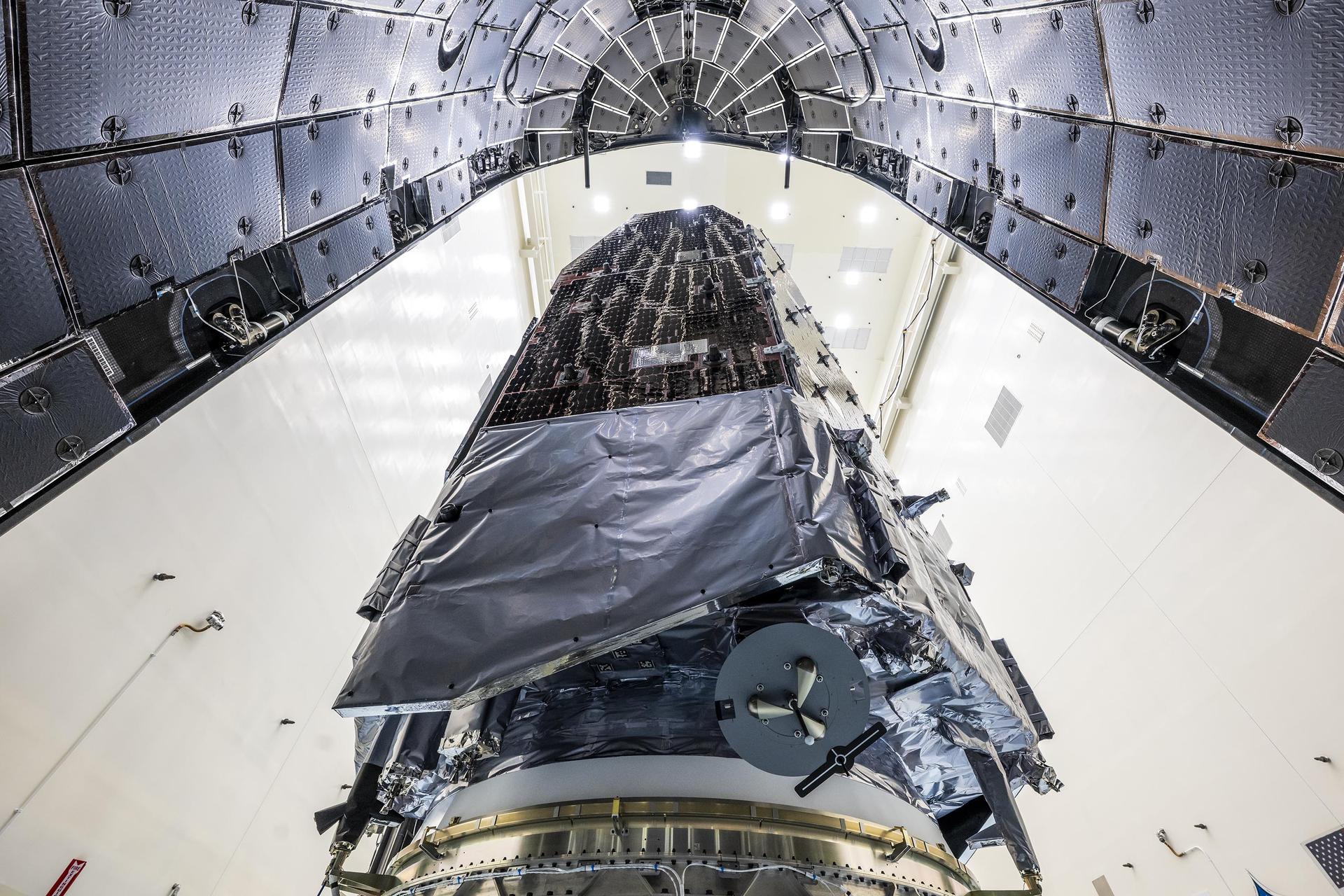
The design includes a standardized grapple fixture on the underside of the chassis, similar to those utilized by the robotic arms on the International Space Station and the retired Space Shuttle fleet. Additionally, the spacecraft is equipped with navigation aids, such as retroreflectors and clearly marked external reference points, to assist a future robotic servicer in performing an autonomous docking.
Jackie Townsend, the mission’s project manager at NASA Goddard, emphasized that while the current fuel reserves mean a refueling mission is not currently on the immediate horizon, the infrastructure is ready. The thermal blanketing surrounding the fuel ports was specifically engineered for robotic manipulation, featuring magnetic closures that allow for easy access without risking damage to the delicate spacecraft skin.
The Economic and Strategic Landscape
The 22-year projection represents more than just scientific return; it is a validation of the current shift in aerospace logistics. The reliance on the SpaceX Falcon Heavy for this launch highlighted the evolving relationship between private sector launch providers and government science objectives.
The fact that the telescope was launched nine months ahead of its original 2020 baseline schedule, and weighed nearly two tons less than its maximum allowable capacity, allowed engineers to load 290 gallons of hydrazine into the tanks. This decision was a calculated risk that paid off, effectively turning a "mission-critical" consumable into a long-term asset.
While there are currently no commercial servicing vehicles capable of reaching the Sun-Earth L2 Lagrange point—a position roughly one million miles from Earth—the development of such technology is accelerating. Companies in the private sector are actively developing orbital refueling capabilities for the U.S. Space Force and other commercial entities. The existence of the Roman telescope as a "refuelable" asset provides a high-profile incentive for the maturation of these robotic maintenance technologies.
Current Status and Upcoming Milestones
As of early September 2026, the spacecraft is performing flawlessly. The observatory’s aperture cover was successfully deployed on September 1, allowing its primary mirror to begin collecting the faint light of the early universe. Preliminary data from the Wide Field Instrument suggests that all 18 detectors are cooling to their required operating temperatures as expected.
Amit Kshatriya, NASA’s associate administrator, noted during the recent Glenn Space Technology Symposium that the team is preparing for a second course correction maneuver later this month. This adjustment will position the telescope for its final arrival at the L2 Lagrange point in early December. Given the current trajectory, NASA expects this maneuver to be equally efficient, potentially preserving even more fuel for future station-keeping needs.
Implications for Future Astrophysics
The extension of the Roman mission to over two decades transforms the project into a multi-generational scientific endeavor. By providing a stable, high-resolution platform for the 2030s and 2040s, the telescope will likely serve as the primary data source for researchers who are currently only beginning their academic careers.

The synergy of the Wide Field Instrument and the coronagraph means that Roman will not only look back at the history of the universe but will also serve as a foundational tool for the search for life beyond our solar system. The "first light" of the telescope—the moment it sends back its first full-field image—is anticipated to be a pivotal event for the global scientific community.
As the telescope settles into its quasi-halo orbit, the mission team continues to monitor the "health" of the hardware, performing periodic momentum unloading—where the spacecraft uses its thrusters to stabilize its internal reaction wheels—to maintain its pointing accuracy. Every byte of data returned by the Roman telescope over the next two decades will serve as a testament to the precision of its launch, the foresight of its engineering team, and the collaborative nature of modern space exploration. The prospect of 22 years of continuous data acquisition ensures that the Nancy Grace Roman Space Telescope will remain the cornerstone of astronomical research for the foreseeable future.