
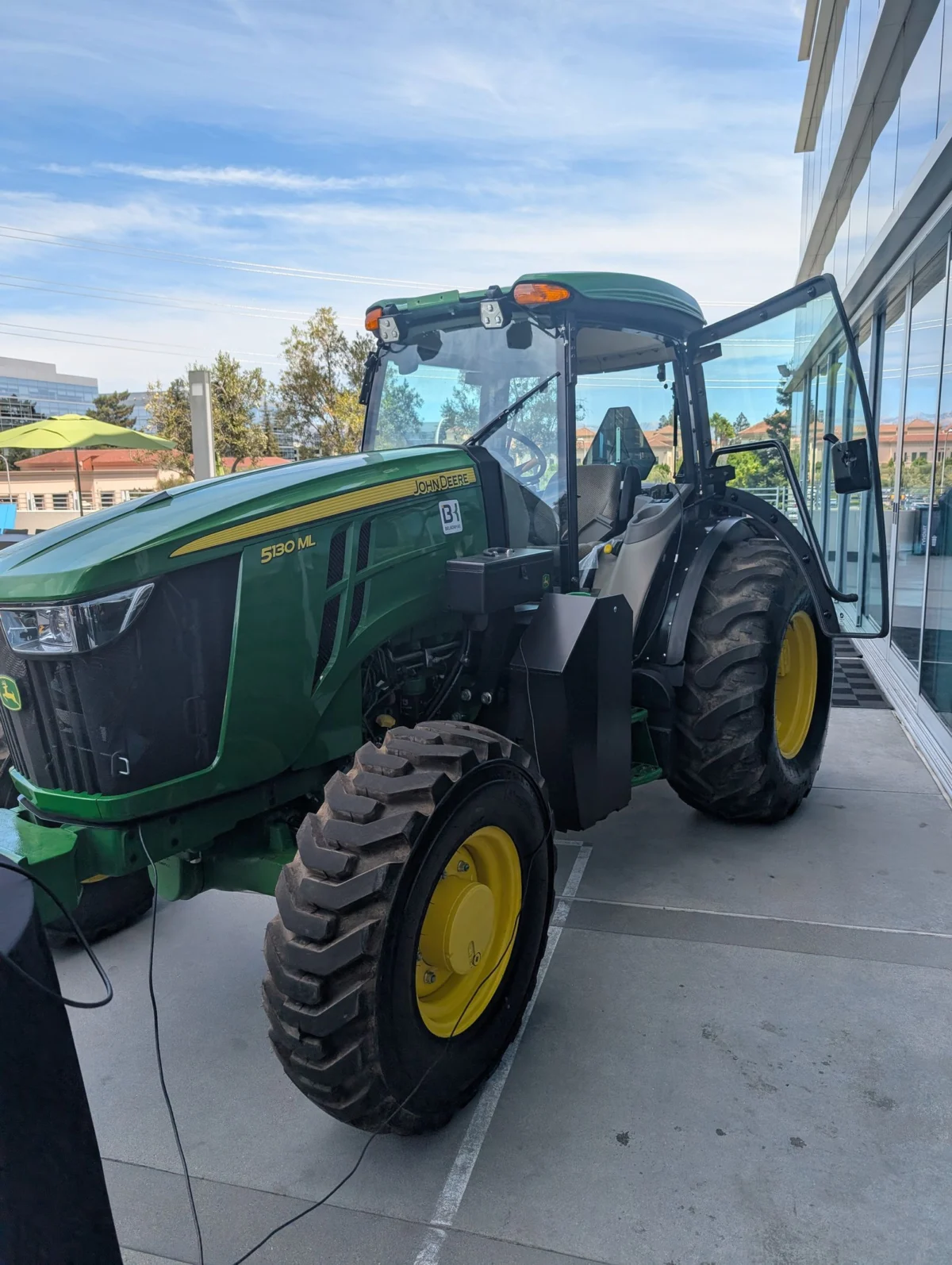
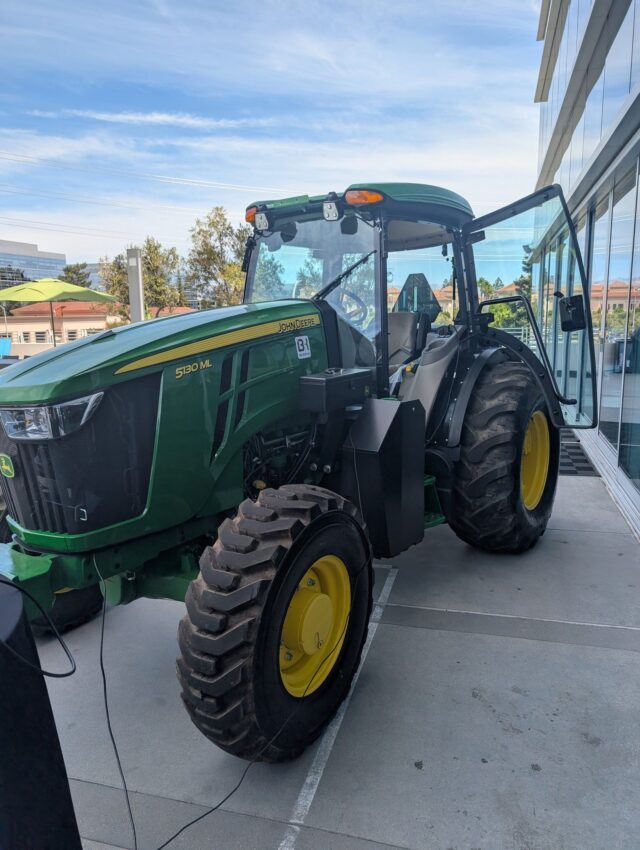
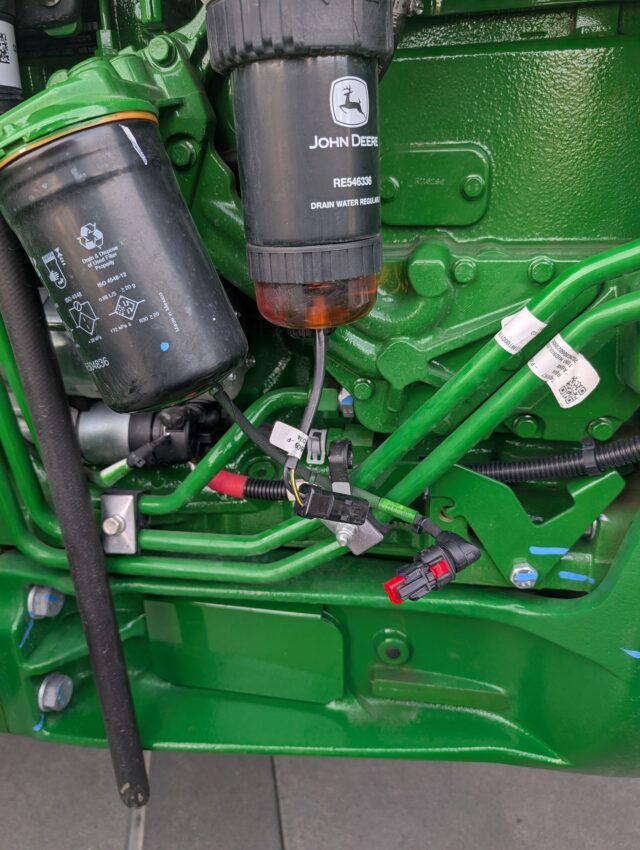
The modern agricultural landscape is defined as much by lines of code as it is by rows of crops. At the heart of this shift stands a 5130ML tractor, a machine that represents both the pinnacle of agricultural engineering and the epicenter of a heated, multi-year conflict regarding digital ownership. Inside the John Deere corporate offices in Santa Clara, California, the reality of the company’s "Operations Center Pro Service" is on full display. A laptop, tethered to the machine via a diagnostic cable, provides a streamlined interface for a simple, two-minute fix involving a disconnected water-in-fuel sensor. While the process appears intuitive and efficient, it masks a complex, decade-long struggle between one of the world’s largest equipment manufacturers and the farmers who demand the fundamental right to repair the machinery they own.
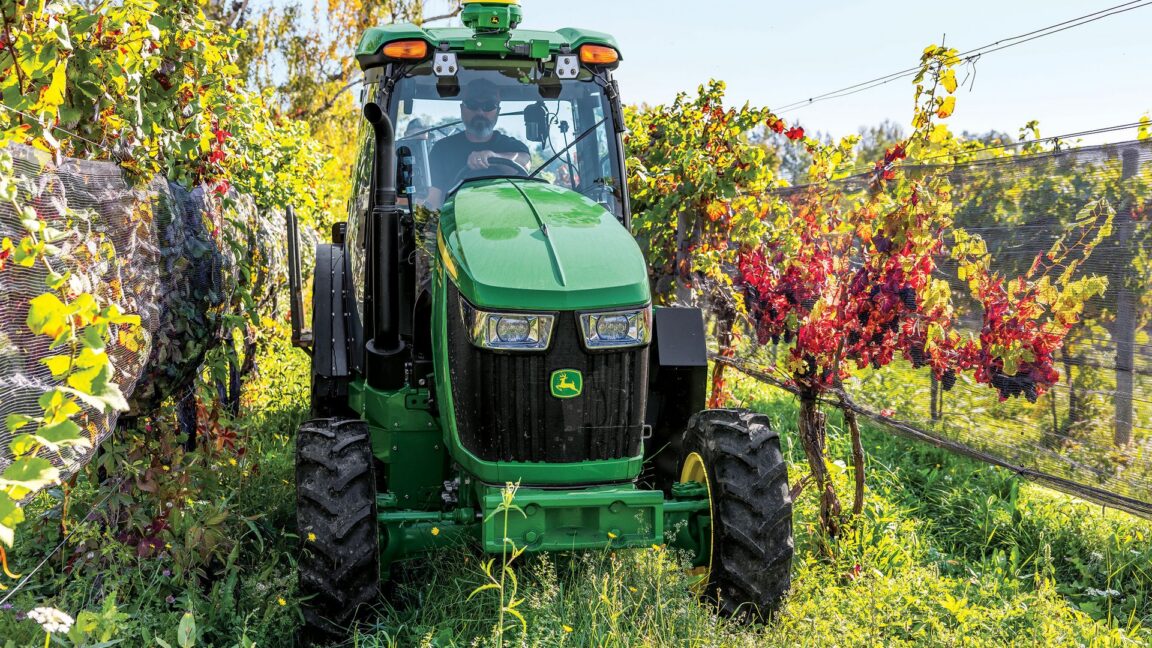
For years, the agricultural industry has undergone a rapid transformation. Tractors are no longer purely mechanical beasts; they are mobile data centers, laden with up to 50 individual electronic controllers, high-precision GPS, and 4G connectivity that allows for autonomous operation. This technological leap, while increasing efficiency and yield for large-scale operations, has introduced a significant bottleneck: digital locks. These proprietary software restrictions have historically prevented farmers from performing independent diagnostics or utilizing third-party parts, effectively funneling all repair services through authorized dealerships.
A Chronology of the Right-to-Repair Movement
The friction between John Deere and its customer base did not appear overnight. It is the culmination of years of mounting frustration, legal challenges, and evolving regulatory environments.
- 2015–2018: The "Right to Repair" movement gained significant traction, with farmers and activists highlighting how software "digital rights management" (DRM) prevented them from fixing their own machines. John Deere faced initial criticism for restricting access to diagnostic software that was once readily available to mechanics.
- 2022: The pressure intensified as the Federal Trade Commission (FTC) increased its focus on monopolistic practices in the repair industry.
- April 2026: In a significant development, John Deere reached a $99 million settlement following a class-action lawsuit filed by equipment owners who alleged the company systematically monopolized the repair market, causing significant financial harm to farmers.
- July 2026: John Deere entered into a separate settlement with the FTC, pledging to enhance the availability of diagnostic tools and repair information.
- 2025–Present: John Deere introduced the "Operations Center Pro Service," a subscription-based digital platform designed to serve as the company’s answer to demands for increased repair transparency.
Despite these legal milestones, the industry remains divided. The settlements, while viewed by some as a victory, have been criticized for lacking the teeth necessary to force a genuine shift in corporate philosophy. Critics argue that the company has not admitted to any wrongdoing, and the practical implementation of these repair tools remains under intense scrutiny.
Analyzing the Pro Service Ecosystem
John Deere’s Pro Service, which launched in 2025, represents a pivot in how the company interacts with its users. For an annual fee starting at $195 per machine, owners gain access to a digital dashboard that allows for the monitoring of machine health, access to technical manuals, and the ability to clear diagnostic trouble codes. For professional repair shops and large-scale agricultural enterprises, the subscription cost scales significantly, reaching up to $5,995 annually for full fleet coverage.
The platform is undeniably sophisticated. It utilizes the machine’s specific serial number to provide tailored documentation, and recent integrations—including an AI-driven chatbot—aim to simplify the process of navigating complex component hierarchies. According to Jahmy Hindman, John Deere’s chief technology officer, the intent is to empower the owner. "It is owner-friendly," Hindman notes. "I think that’s always been our intent."
However, the adoption rate tells a more nuanced story. With approximately 1.8 million farms in the United States, John Deere reports only about a thousand daily users for the Pro Service. This low adoption figure suggests a profound gap between the tools the company provides and the actual needs or preferences of the farming community.
The Farmer’s Perspective: Trust and Complexity
For many in the agricultural sector, the primary issue is not just the availability of software, but the transparency of the diagnostic process. Jared Wilson, a Missouri-based farmer managing 3,000 acres of corn and soybeans, remains unconvinced by the current offerings. Wilson, who is a named plaintiff in the class-action litigation against John Deere, argues that the Pro Service is effective only for the most trivial repairs.
"If you have multiple failures, you have to figure out where to start," Wilson explains. "If you have three or four different diagnostic codes, where do you start in the tree to figure out what is wrong?"
Wilson’s skepticism is rooted in a lack of parity. He notes that many farmers, when faced with complex, multi-system failures, prefer to utilize "cracked" versions of diagnostic software found on gray markets—software that provides deeper access than what is officially provided through the Pro Service. There is a fundamental distrust regarding whether John Deere provides the same level of diagnostic granularity to the customer that it reserves for its dealership technicians.
Furthermore, the existence of "Product Improvement Plans" (PIPs)—internal bulletins identifying recurring mechanical issues—adds another layer of frustration. Critics point out that these plans are only accessible once the manufacturer acknowledges a fault. For a farmer in the field during harvest, waiting for a corporate-approved fix is often a luxury they cannot afford.
Implications for the Broader Economy
The conflict surrounding John Deere serves as a case study for the broader "Right to Repair" debate, which now encompasses everything from consumer smartphones to medical devices. Willie Cade, a board member of Repair.org, characterizes the situation as a byproduct of modern corporate incentives. "They’re just monopolists that want to make money," Cade argues. "Their real customer is not the farmer. Their real customer is Wall Street."
The implications are far-reaching. As equipment becomes increasingly reliant on proprietary software, the ability to maintain these goods becomes a gatekept service. If the current trajectory continues, agricultural machinery could shift from being a capital asset owned by the farmer to a service-based model where the farmer is essentially leasing the right to work the land using proprietary, manufacturer-controlled technology.
From a policy standpoint, the outcome of the John Deere dispute will likely set a precedent for other sectors. If regulators can successfully mandate true interoperability and open access to diagnostic data, it could revitalize the independent repair industry. Conversely, if companies are allowed to maintain their current digital walls under the guise of safety or software integrity, the trend toward vertical integration and manufacturer-controlled repair may become the new standard.
Looking Toward the Future
John Deere officials maintain that they are committed to improvement. They point to the ongoing expansion of the Pro Service and the integration of AI tools as evidence that the company is listening to its users. They emphasize that, despite the criticism, the company is attempting to balance the need for user accessibility with the immense technical complexity of modern autonomous tractors.

Yet, the tension remains. For the farmers, the tractor is a vital tool of their livelihood, a machine that must be operational at a moment’s notice to ensure a successful harvest. For the manufacturer, it is a high-tech product that requires careful maintenance to ensure reliability and brand integrity.
As the legal cases reach their final rulings and the industry continues to innovate, the core question remains: who owns the data that governs the machine? Until that question is answered to the satisfaction of both the manufacturer and the end-user, the divide between the boardroom in Santa Clara and the fields of Missouri will likely continue to grow. The outcome will not only affect the future of farming in America but will serve as a bellwether for how society addresses the right to own and maintain the technology that powers our daily lives. As Jared Wilson noted, the issues currently being debated in the agricultural sector are merely the "vanguard of a much bigger and persistent problem that affects every aspect of our society."