
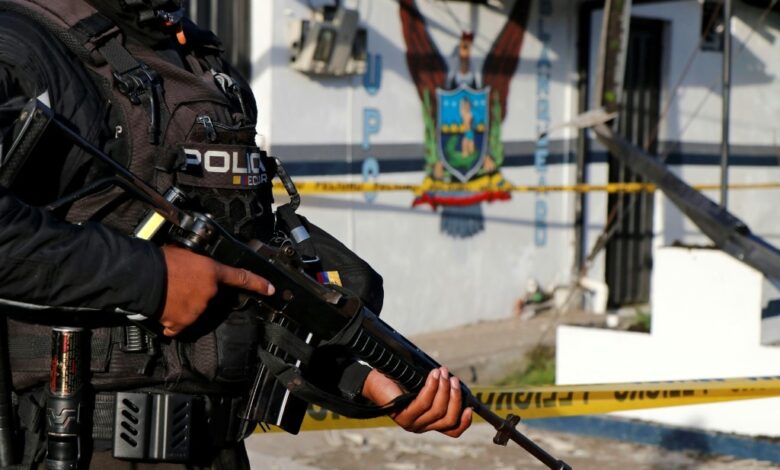
Ecuador Gang Violence Noboas Crisis
Ecuador gang violence noboa – Ecuador gang violence in Noboa is a complex issue deeply rooted in societal problems. Poverty, inequality, and lack of opportunities fuel the growth of gangs, impacting communities and individuals across the region. This in-depth look delves into the specific challenges of Noboa, examining the unique characteristics of the violence, its causes, and the attempts at solutions, including government responses and community initiatives.
This article explores the various facets of this crisis, from the historical context of gang activity in Ecuador to the specific challenges faced by Noboa. We’ll analyze the root causes, motivations, and impacts on the community, economy, and well-being of residents. Furthermore, the article will investigate the effectiveness of government interventions and highlight community-led efforts to combat this pervasive issue.
Overview of Gang Violence in Ecuador
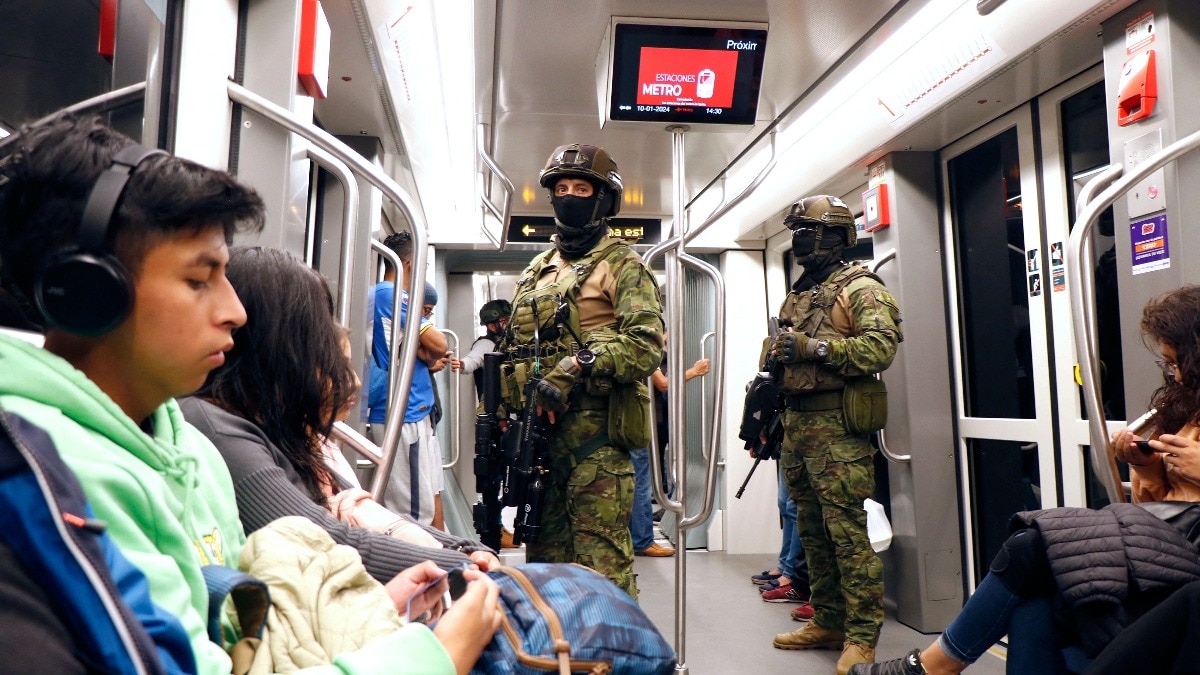
Gang violence in Ecuador is a complex and multifaceted issue with deep historical roots and significant societal consequences. The problem isn’t isolated but intertwined with broader societal challenges, including economic disparities, limited opportunities, and a history of organized crime. Understanding the evolution of gang activity, the contributing factors, and the impact on different communities is crucial for developing effective solutions.Ecuador’s gang problem is not a recent phenomenon.
Its emergence and intensification are deeply connected to economic and social conditions that have historically created pockets of vulnerability and marginalization. This context has allowed criminal organizations to exploit these circumstances, creating an environment where gang activity can thrive and expand.
Historical Context of Gang Activity
Gang activity in Ecuador has evolved over time, influenced by regional and international trends. Early groups often emerged from marginalized communities, lacking opportunities and facing systemic discrimination. Over time, these groups have become more organized, sophisticated, and involved in various criminal activities. The expansion of drug trafficking networks and the presence of transnational criminal organizations have further complicated the issue, introducing new levels of violence and complexity to the landscape.
Societal Factors Contributing to Gang Violence
Several societal factors contribute to gang violence in Ecuador. Poverty and inequality are significant drivers, creating conditions where individuals are more susceptible to joining gangs for economic gain or social acceptance. Limited access to education, employment, and healthcare exacerbates these issues, perpetuating a cycle of disadvantage. A lack of social support systems and inadequate law enforcement responses can also play a crucial role in enabling gang activity.
Impact of Gang Violence on Different Communities
Gang violence has profound and varied impacts on Ecuadorian communities. It disproportionately affects vulnerable populations, including marginalized communities, children, and women. The violence can lead to displacement, fear, and social disruption. Businesses and economic activities in affected areas often suffer due to the climate of insecurity. Furthermore, the psychological toll on victims and their families can be significant and long-lasting.
Data on Gang-Related Incidents
Unfortunately, readily available, reliable data on the exact number of gang-related incidents in Ecuador is often incomplete and inconsistent. This lack of comprehensive data makes it difficult to fully assess the extent and severity of the problem. However, news reports and official statements often provide glimpses into the scale of the violence and the impact on specific communities.
The recent gang violence in Ecuador’s Noboa district is truly concerning. It’s a serious issue with devastating consequences for the community. Thankfully, events like the recent subway weekend in Jose Lasalle, showcasing the vibrant cultural life of the area, provide a stark contrast to the grim realities of the violence. While we need to address the root causes of gang violence in Ecuador, we can’t ignore the need for peaceful, community-based solutions, like those found in the subway weekend jose lasalle , to help foster a better future for all.
Further research and consistent data collection are necessary to gain a clearer understanding of the magnitude of the issue.
Gang Violence in Noboa, Ecuador
Noboa, a city in the Ecuadorian province of Los Ríos, has unfortunately experienced a concerning rise in gang-related violence in recent years. This violence, often fueled by territorial disputes and competition for resources, has had a devastating impact on the community, affecting both the local economy and the social fabric. Understanding the specific characteristics and underlying factors of this violence is crucial for developing effective intervention strategies.The escalating gang violence in Noboa presents a complex challenge.
Factors such as poverty, lack of opportunity, and the influence of drug trafficking networks contribute to the recruitment and involvement of young people in these criminal groups. The specific characteristics of gang violence in Noboa, alongside the influence of particular gangs and local factors, will be explored in the following sections.
Specific Characteristics of Gang Violence in Noboa
The gang violence in Noboa exhibits several distinctive features. Violence is often targeted and directed towards specific individuals or groups, often driven by territorial disputes. There’s also a notable presence of firearms, increasing the lethality of conflicts. The cycle of retaliatory violence is a significant aspect, escalating tensions and creating an atmosphere of fear within the community.
Presence and Influence of Operating Gangs
Several gangs operate in Noboa, with varying levels of influence and involvement in criminal activities. Their presence is often marked by the control of specific neighborhoods or territories, and the imposition of rules and restrictions on the local population. Information about these groups is often limited due to security concerns and the nature of the criminal operations.
The recent gang violence in Noboa, Ecuador, is a serious issue. It’s heartbreaking to see such turmoil in the community, and unfortunately, these kinds of problems often affect everyone. Finding ways to connect and build bridges is key. And just like how hot pot is for everyone , regardless of background, we should remember that communities can heal and thrive when everyone feels included and supported.
Addressing the root causes of this violence is crucial for the long-term well-being of the people of Noboa.
Local Factors Contributing to Gang Violence
Several local factors contribute to the problem. Unemployment and limited economic opportunities in Noboa make young people more vulnerable to gang recruitment. A lack of access to quality education and social programs further exacerbates this vulnerability. Weak law enforcement presence and corruption within local institutions can also create a permissive environment for criminal activities to thrive.
Impact on the Local Economy and Social Fabric
The impact of gang violence on Noboa is far-reaching. Fear and insecurity deter investment and economic activity. Businesses close down, tourism decreases, and overall economic development is hindered. The social fabric is frayed, as community trust erodes and social cohesion diminishes. Neighborhoods become divided, and families are torn apart by the violence.
Comparison to Gang Violence in Other Regions of Ecuador
While the specific characteristics of gang violence in Noboa share some similarities with other regions of Ecuador, there are also differences. The presence of specific gangs, the involvement of drug trafficking, and the local economic factors may vary from one region to another. For instance, some regions may experience more organized crime while others face more localized turf conflicts.
Comparing these differences can help tailor interventions to address specific regional needs.
Causes and Motivations: Ecuador Gang Violence Noboa
Gang violence in Noboa, Ecuador, like in many other regions, is a complex issue rooted in a confluence of social, economic, and criminal factors. Understanding these underlying causes is crucial to developing effective strategies for intervention and prevention. The motivations of gangs often intertwine, with drug trafficking frequently playing a central role, but other illegal activities also contribute to the cycle of violence.
Examining these motivations in the context of Noboa’s specific circumstances and comparing them to other regions offers valuable insights.
Root Causes in Noboa
The economic disparities in Noboa, coupled with limited opportunities for employment, contribute significantly to the allure of gang involvement. Unemployment and underemployment create a sense of hopelessness and frustration, which can lead individuals to seek alternative, often illicit, means of survival. Poverty and lack of access to education exacerbate these conditions, creating a fertile ground for gang recruitment.
The presence of influential figures within these gangs, promising protection and a sense of belonging, further contributes to this dynamic.
Motivations and Goals of Noboa Gangs
Gang motivations in Noboa are often intertwined with the pursuit of power and control within the community. This manifests in the control of territory, the extortion of local businesses, and the protection of their criminal activities. Beyond this, the pursuit of material wealth, including drug profits, plays a major role. The desire for status and recognition within the gang hierarchy and the community are also factors.
Role of Drug Trafficking and Other Criminal Enterprises
Drug trafficking is frequently a significant driver of gang violence in Noboa. The lucrative nature of the drug trade attracts individuals and groups, leading to increased competition and conflict. Illegal activities like extortion, theft, and arms trafficking are often intertwined with drug operations, creating a complex network of criminal enterprises. These criminal enterprises not only generate significant profits but also exert control over aspects of daily life in the community.
For example, extortion rackets targeting local businesses could effectively cripple the local economy, while simultaneously fueling the cycle of gang violence.
Comparison to Other Regions
While the specific motivations may vary depending on the region, common threads exist. Competition for territory and resources are frequent causes of conflict across various gang-affected areas. The allure of quick wealth through criminal activities, and the desire for power and status, are universal motivators. However, the specific types of criminal activities and the degree of involvement of different actors can vary.
The escalating gang violence in Ecuador’s Noboa district is a serious concern, highlighting the need for effective solutions. While seemingly unrelated, stories like the incredible journey of Christian McCaffrey and his father Ed McCaffrey, the 49ers Super Bowl champion, here , show the power of perseverance in the face of adversity. Ultimately, the issues in Noboa demand a similar commitment to finding lasting peace and stability within the community.
For instance, in regions with a strong presence of organized crime, gangs may be more involved in large-scale operations like drug trafficking.
Social and Economic Factors Driving Gang Membership, Ecuador gang violence noboa
Social factors like a lack of social support, family instability, and the absence of positive role models significantly influence the decision to join a gang. The perception of gangs as offering protection and a sense of belonging, especially for individuals who feel marginalized or excluded from mainstream society, is crucial. The economic factors, as already mentioned, play a significant role in pushing individuals towards gang life.
Limited access to education and employment opportunities contribute to the desperation that makes gang involvement seem like a viable, albeit dangerous, option.
Impacts on Communities
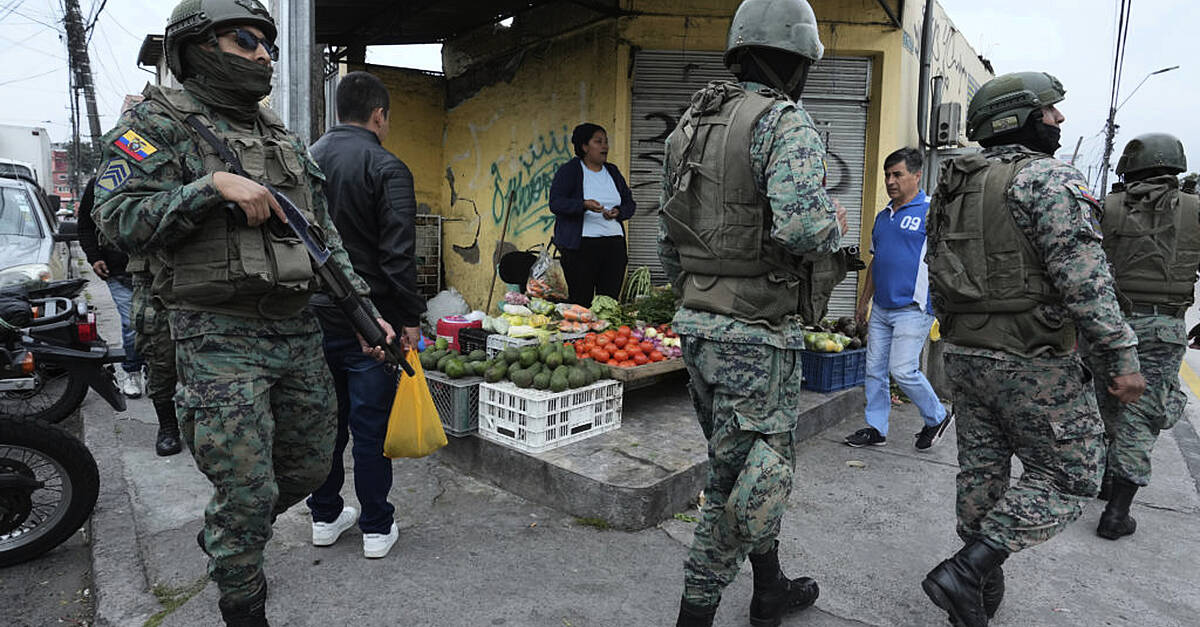
Gang violence in Noboa, Ecuador, casts a long shadow over the community, profoundly affecting residents’ lives in myriad ways. The constant fear, the disruption of daily routines, and the loss of trust erode the social fabric, impacting everything from education to economic prospects. The physical and emotional toll is immense, and the community’s resilience is tested on a daily basis.The presence of gang violence creates a climate of fear and uncertainty, impacting the mental and physical well-being of Noboa’s inhabitants.
The pervasive sense of insecurity permeates all aspects of community life, hindering development and progress.
The escalating gang violence in Ecuador’s Noboa district is a serious concern. It’s heartbreaking to see the impact on families and communities. Meanwhile, the legal battles surrounding frozen embryos in Alabama, as detailed in alabama frozen embryos children , highlight the complex ethical and legal landscapes surrounding reproductive choices. Ultimately, the violence in Noboa underscores the urgent need for intervention and support for these communities.
Physical and Emotional Toll on Residents
The relentless cycle of violence in Noboa takes a heavy toll on residents. Fear and anxiety are omnipresent, impacting sleep, appetite, and overall health. Residents may experience post-traumatic stress disorder (PTSD) symptoms, including flashbacks, nightmares, and difficulty concentrating. The constant threat of violence forces families to alter their daily routines, often avoiding public spaces or limiting social interactions.
The fear of reprisal or involvement in violence can lead to social isolation and a breakdown of community bonds.
Effects on Education, Healthcare, and Community Development
Gang violence significantly disrupts educational opportunities. Students may experience anxiety and fear, hindering their ability to concentrate and learn. School attendance may decrease, leading to a widening achievement gap. Furthermore, the insecurity and violence may make it difficult for teachers and staff to maintain a safe and productive learning environment. Healthcare resources are also strained.
Increased rates of trauma-related illnesses, mental health issues, and physical injuries related to violence place a heavy burden on healthcare systems. Community development initiatives are often stalled or diverted due to the lack of safety and security. The community’s focus shifts from progress and development to survival and safety.
Fear and Trauma Experienced by Residents, and Impact on Mental Health
The pervasive fear of gang violence in Noboa deeply affects residents’ mental health. Chronic stress, anxiety, and fear can manifest in various ways, including depression, substance abuse, and other mental health issues. Victims of violence or those witnessing violent acts often experience trauma, leading to long-term psychological problems. The lack of support systems and access to mental health services exacerbates the impact of violence.
The fear of gang violence may also lead to increased crime rates as residents feel less safe and less able to report crimes.
Consequences on Businesses and the Local Economy
Gang violence significantly impacts businesses and the local economy. Reduced consumer confidence and decreased foot traffic in shops and restaurants lead to decreased revenue. Businesses may be forced to close or relocate due to the insecurity, which leads to job losses and further economic hardship. The absence of investment and tourism negatively impacts the local economy.
Impact on Tourism and Investment in Noboa
The presence of gang violence in Noboa is a significant deterrent for tourists and investors. Potential visitors and businesses are less likely to choose Noboa as a destination or investment opportunity due to safety concerns. The negative publicity associated with gang violence can harm Noboa’s reputation and hinder its economic growth. A lack of investment in essential infrastructure, such as schools, hospitals, and public safety, exacerbates the problem.
Reduced tourism also results in a loss of revenue for local businesses, further impacting the economy.
Government Response and Interventions
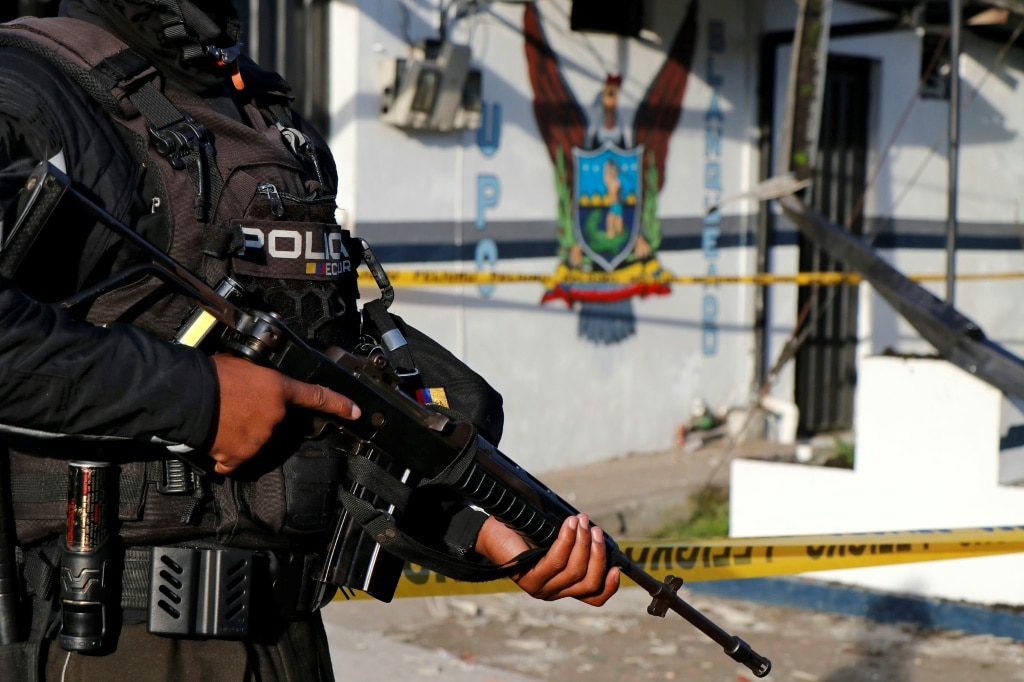
The government’s response to gang violence in Ecuador and, specifically, in Noboa, is a crucial aspect of understanding the ongoing crisis. Effective interventions require a multi-faceted approach, encompassing law enforcement, social programs, and community engagement. Failure to address the root causes of gang violence, such as poverty and inequality, can lead to ineffective and unsustainable solutions.
Government Responses: Ecuador vs. Noboa
This table compares the government’s broad responses to gang violence in Ecuador and the more localized situation in Noboa.
| Category | Ecuador | Noboa |
|---|---|---|
| Law Enforcement | Increased police presence, deployment of specialized units, and collaboration with international partners. | Increased police presence, focused on neighborhood patrols and rapid response teams. |
| Social Programs | Implementation of national programs aimed at youth at risk, including job training, educational support, and social inclusion initiatives. | Community-based programs emphasizing employment opportunities, educational initiatives targeting at-risk youth, and initiatives fostering social inclusion. |
| Community Engagement | Initiatives aimed at fostering community-police partnerships, addressing community concerns, and promoting citizen participation in crime prevention. | Community meetings, local partnerships with schools and businesses, and initiatives focused on strengthening community bonds. |
Interventions in Noboa
The table below details the specific interventions and policies implemented in Noboa.
| Intervention Type | Description |
|---|---|
| Economic Empowerment Programs | Providing job training and small business loans to reduce economic incentives for gang involvement. |
| Educational Support | Improving access to quality education for youth and supporting educational programs targeting at-risk youth. |
| Community Policing Initiatives | Establishing community police liaison programs to foster trust and communication between the community and law enforcement. |
| Social Support Services | Providing access to mental health services and counseling for individuals and families affected by gang violence. |
Effectiveness of Interventions
Assessing the effectiveness of interventions is complex. While increased police presence might deter some criminal activity, it’s not a sustainable solution without addressing underlying issues. Successful interventions in Noboa, for instance, often involve strong community partnerships and targeted support for at-risk youth. Evaluation requires careful data collection and long-term monitoring. The impact of social programs often takes time to manifest.
Funding Allocation
The table below provides a snapshot of funding allocated to address gang violence in Ecuador and Noboa. Precise figures can be difficult to obtain, especially at the local level.
| Location | Funding Source | Estimated Allocation (approximate figures) | Focus Areas |
|---|---|---|---|
| Ecuador | National Budget | Millions of USD (variable) | National programs, law enforcement, and social programs |
| Noboa | Municipal Budget, NGO contributions, and private sector donations | Thousands of USD (variable) | Local programs, community initiatives, and specific social projects |
Examples of Successful Interventions
Successful interventions from other countries often combine several strategies. For instance, the reduction of gang violence in some parts of Brazil involved the use of community policing, the provision of youth programs, and addressing economic inequalities. In some parts of South Africa, gang violence was significantly reduced through the integration of community members in the development of policing strategies and programs aimed at empowering communities.
Community Responses and Initiatives
Noboa’s communities, facing the harsh realities of gang violence, have demonstrated remarkable resilience and initiative in combating the problem. They haven’t passively waited for external solutions; instead, they’ve actively sought to build safer environments through community-based programs and strong leadership. This proactive approach underscores the importance of local engagement in addressing complex social issues.Community members recognize that gang violence isn’t simply a law enforcement issue; it’s a multifaceted problem requiring a comprehensive response.
Their efforts aim to address the root causes, such as poverty, lack of opportunity, and social exclusion, alongside the immediate effects of violence on families and neighborhoods.
Community-Based Initiatives and Programs
Community-based initiatives are essential for fostering a sense of shared responsibility and ownership in tackling gang violence. These initiatives often focus on providing alternative opportunities, building social capital, and promoting a culture of peace. Examples include youth mentorship programs, educational initiatives, and economic empowerment projects.
- Youth mentorship programs provide positive role models and guidance for at-risk youth, diverting them from criminal activities. These programs typically involve community volunteers and local professionals who share their skills and experiences with young people.
- Educational initiatives, such as after-school programs and vocational training, equip youth with valuable skills and knowledge, thereby reducing their vulnerability to gang recruitment.
- Economic empowerment projects, often focusing on micro-enterprises and job creation, offer sustainable pathways out of poverty and away from criminal enterprises.
Role of Community Leaders and Organizations
Community leaders play a crucial role in mobilizing resources, coordinating efforts, and fostering trust within the community. Their deep understanding of local dynamics and relationships is vital in facilitating successful interventions. Community organizations, such as churches, schools, and neighborhood associations, often act as platforms for collaboration and support.
- Community leaders, often local figures with strong ties to the community, take the lead in organizing meetings, fundraising, and implementing projects.
- Community organizations, including schools, churches, and neighborhood associations, serve as important hubs for collaboration, offering venues for meetings, workshops, and support groups.
- These organizations often facilitate communication between community members, local authorities, and other stakeholders.
Strategies to Foster a Safer Environment
Communities in Noboa employ various strategies to create a safer environment. These include strengthening community bonds, promoting dialogue and conflict resolution, and fostering a culture of non-violence.
- Strengthening community bonds through neighborhood watch programs and community events fosters a sense of collective responsibility and mutual support, reducing the isolation that can contribute to gang recruitment.
- Promoting dialogue and conflict resolution through mediation and community forums enables constructive communication and peaceful conflict resolution, thereby reducing tensions and violence.
- Fostering a culture of non-violence through educational campaigns and awareness programs helps shape a mindset that rejects violence and promotes peaceful coexistence.
Community Resources and Support
The following table illustrates the diverse resources and support provided by communities in Noboa to combat gang violence.
| Resource Category | Examples |
|---|---|
| Financial Support | Donations from local businesses, fundraising initiatives, and grants from NGOs. |
| Volunteer Support | Community members volunteering their time and skills to support programs. |
| Material Support | Provision of necessary materials for projects, such as equipment for workshops and training programs. |
| Mentorship Support | Experienced individuals mentoring at-risk youth, sharing their knowledge and life experiences. |
Potential Solutions and Strategies
Addressing gang violence in Noboa, Ecuador, requires a multifaceted approach that goes beyond simply reacting to incidents. A sustainable solution must tackle the root causes, foster community engagement, and implement effective long-term strategies. This necessitates a collaborative effort between government agencies, community leaders, and residents themselves, building upon existing strengths and adapting successful models from other regions.A comprehensive strategy must recognize that gang violence is a complex issue with interwoven social, economic, and political factors.
Simply focusing on law enforcement measures will not be sufficient. Successful interventions require a holistic approach that addresses the underlying grievances that fuel gang activity and provide alternatives for individuals drawn into these groups.
Strategies for Reducing Gang Violence
Several strategies can be implemented to reduce gang violence in Noboa. These include preventative measures, restorative justice programs, and economic development initiatives. Critically, these strategies must be tailored to the specific context of Noboa, considering its unique social fabric and challenges.
- Strengthening Community Policing and Trust: Community policing programs that foster trust and collaboration between law enforcement and community members can be instrumental in reducing gang activity. This approach, proven effective in other regions, relies on building relationships, identifying early warning signs of gang involvement, and empowering community members to report concerns. The goal is to create a network of support and mutual accountability.
The recent gang violence in Ecuador’s Noboa district is a serious issue, unfortunately. While I’m not an expert on this, it’s something that’s definitely on my mind lately. It’s interesting to compare this to the debate surrounding Oregon’s daylight saving time changes, which seem like a relatively minor issue compared to the human cost of violence.
Ultimately, though, these local conflicts highlight the need for continued, community-led solutions to such problems in Ecuador.
- Implementing Restorative Justice Initiatives: Restorative justice programs can provide alternatives to traditional criminal justice responses. These programs aim to address the harm caused by gang violence and involve all affected parties, including victims, offenders, and community members. This approach can lead to greater reconciliation and a reduction in recidivism.
- Providing Educational and Vocational Opportunities: Addressing the socioeconomic factors that contribute to gang recruitment is crucial. Providing educational and vocational training opportunities, particularly for youth at risk, can help divert them from criminal activities. This approach has shown success in various contexts by offering alternatives and promoting economic self-sufficiency.
- Promoting Economic Development Initiatives: Creating job opportunities and improving economic conditions in Noboa can help reduce the appeal of gang involvement. Supporting local businesses, fostering entrepreneurship, and providing micro-loans can empower individuals and families, making them less vulnerable to gang recruitment.
Effectiveness of Strategies
The effectiveness of these strategies varies depending on their implementation and local context. Community policing programs, for instance, have shown success in regions where there is strong community engagement and a clear understanding of the community’s needs. Restorative justice initiatives, similarly, are most effective when community leaders and local organizations are involved in their design and implementation. Economic development programs require sustained investment and a focus on long-term growth.
The effectiveness of each strategy hinges on careful planning, community buy-in, and consistent monitoring.
Community Participation in Solutions
Community participation is crucial to the success of any anti-gang violence strategy. Involving community members in every stage of the planning and implementation process can help ensure that the solutions are tailored to local needs and priorities. Community forums, focus groups, and participatory decision-making processes can facilitate this crucial engagement. Empowering community leaders to advocate for change and creating channels for feedback can significantly enhance the effectiveness of interventions.
Comparison with Other Countries’ Approaches
Various countries have implemented different approaches to combat gang violence. Some have focused heavily on law enforcement measures, while others have prioritized social programs and community initiatives. The effectiveness of these approaches often depends on the specific context of each country and the interplay between different factors. It is important to learn from experiences in other countries, adapting successful strategies to the specific circumstances of Noboa.
Comprehensive Action Plan
| Action | Responsible Party | Timeline | Metrics |
|---|---|---|---|
| Establish Community Policing Program | Local Police, Community Leaders | Year 1 | Increased community trust, reduced reported crime incidents. |
| Implement Restorative Justice Program | Legal and Social Service Agencies, Community | Year 2 | Decreased recidivism, increased reconciliation. |
| Develop Vocational Training Centers | Local Government, NGOs | Year 2 | Increased employment rates, decreased youth unemployment. |
| Support Local Businesses | Local Government, Entrepreneurship Agencies | Ongoing | Increased local employment, business growth. |
| Create Community-Based Monitoring Teams | Community members | Ongoing | Early identification of potential gang activities. |
Case Studies
Gang violence in Noboa, Ecuador, is a complex issue with deep roots in socioeconomic factors and historical power dynamics. Understanding specific gang histories, recruitment methods, community impacts, and law enforcement responses is crucial for developing effective strategies to address this problem. These case studies highlight the nuances of the issue, offering a glimpse into the realities faced by communities grappling with organized crime.
History of a Specific Gang in Noboa
The “Los Leones” gang, established in the late 2000s, initially emerged from a group of young men seeking a sense of belonging and power. Frustrated by economic hardship and a lack of opportunities, they formed a close-knit group, establishing their presence through acts of intimidation and control over certain neighborhoods. Their initial activities involved petty theft and drug dealing, gradually escalating to more serious crimes as their power and influence grew.
The gang’s development was often fueled by perceived social injustice and a feeling of marginalization.
Recruitment Tactics Used by the Gang
Los Leones employed various tactics to recruit new members, often targeting vulnerable youth. These tactics included:
- Offering a sense of belonging and identity: The gang fostered a strong sense of camaraderie and provided a perceived sense of security and belonging, particularly among those who felt isolated or marginalized.
- Financial incentives: The gang offered financial compensation for participation in criminal activities, particularly drug trafficking and extortion.
- Coercion and intimidation: The gang employed threats and violence to pressure individuals into joining their ranks. The gang often controlled resources and infrastructure within certain areas, thus influencing the options of the vulnerable youth.
- Exploiting social inequalities: The gang preyed on the desperation of youth facing poverty, unemployment, and a lack of educational opportunities.
Consequences for the Community
The rise of Los Leones had profound consequences for the community of Noboa. The gang’s activities led to:
- Increased fear and insecurity: The constant threat of violence and intimidation created a climate of fear, hindering community development and social interaction.
- Economic decline: Businesses suffered from reduced customer traffic due to fear, and overall economic activity declined.
- Social disruption: The gang’s activities disrupted social structures and community cohesion.
- Psychological trauma: Residents experienced anxiety, depression, and PTSD due to the gang’s violence and intimidation.
Role of Local Law Enforcement in Dealing with the Gang
Local law enforcement in Noboa faced significant challenges in combating Los Leones. These included:
- Limited resources and training: Insufficient funding and training hindered the police’s ability to effectively investigate and prosecute gang-related crimes.
- Corruption: Instances of corruption within the police force hindered the fight against the gang.
- Lack of community collaboration: Residents’ fear and distrust of law enforcement made it difficult for them to cooperate in investigations.
- Overstretched capacity: The sheer volume of gang-related crimes often overwhelmed the capacity of the local police force.
Comparison of Similar Case Studies in Other Countries
The following table provides a comparative analysis of similar gang violence cases in other countries.
| Country | Gang Name | Recruitment Tactics | Community Impact | Law Enforcement Response |
|---|---|---|---|---|
| Brazil | Primeiro Comando da Capital (PCC) | Exploiting social inequalities, offering protection | Increased crime, social unrest | Increased police presence, stricter laws |
| Mexico | Los Zetas | Violence, intimidation, recruitment from military | High levels of violence, displacement | Military intervention, increased security measures |
| Ecuador (Noboa) | Los Leones | Offering belonging, financial incentives, coercion | Fear, economic decline, social disruption | Limited resources, corruption issues |
Wrap-Up
In conclusion, the gang violence in Noboa, Ecuador, represents a multifaceted problem demanding comprehensive and collaborative solutions. Addressing the root causes, supporting community initiatives, and fostering effective government responses are crucial steps towards creating a safer and more prosperous future for the region. This crisis requires sustained effort from all stakeholders to overcome the entrenched challenges and build a stronger, more resilient community.
Helpful Answers
What are the most common types of crimes committed by gangs in Noboa?
Unfortunately, specific crime types are not detailed in the Artikel. However, general gang violence like assaults, robberies, and property damage are often reported.
How effective have government interventions been in other regions of Ecuador?
The Artikel doesn’t provide specific data on the effectiveness of past interventions. The article will explore case studies and comparative data to draw conclusions.
What role do local businesses play in the fight against gang violence in Noboa?
The Artikel mentions the impact on the local economy, but doesn’t detail the role of businesses in preventing or combating gang activity. This is an area worth exploring further.
What are the long-term implications of this violence for the education system in Noboa?
The Artikel highlights the negative impact on education, but does not provide details on long-term consequences. The article will address this issue and possible strategies to support education.