Trumps 2024 Election Case Whats Next?
As whats next federal election case trump looms large, the legal landscape surrounding presidential elections is about to be tested once more. This analysis delves into the potential legal arguments, evidence, and procedures that could shape the outcome. Understanding the precedents set by past cases, and the political climate surrounding the 2024 election, is crucial for assessing the potential trajectory of this complex legal battle.
This exploration will cover the legal framework, potential issues, evidence and procedures, political and social context, and possible outcomes of a federal election case involving claims of fraud or irregularities. We’ll look at potential arguments for challenging election results, including the evidence needed to support those claims, and consider the historical context of similar legal battles.
Legal Precedents and Framework: Whats Next Federal Election Case Trump
The legal landscape surrounding presidential elections is complex and multifaceted, shaped by centuries of legal precedent and constitutional interpretation. Understanding this framework is crucial for evaluating potential election challenges, recognizing the established processes, and discerning the limitations of legal interventions. This examination will delve into historical cases, constitutional provisions, and legal doctrines to provide a comprehensive overview of the legal framework for election disputes.The legal challenges to presidential elections, while infrequent, are not unprecedented.
The next federal election case involving Trump is sure to be fascinating, but let’s be honest, the legal wrangling feels a bit…heavy. It’s easy to get caught up in the political drama, but sometimes, amidst all the legal battles, a more profound human experience takes center stage, like the profound grief expressed by people around Sloane Crosley. Grief is for people Sloane Crosley reminds us that behind the headlines, there are real people, with real emotions.
So, while the political maneuvering continues, it’s important to remember the human element and the wider context beyond the next federal election case Trump.
Navigating these challenges requires a deep understanding of the specific legal arguments, evidentiary standards, and procedural requirements. The historical precedents, constitutional underpinnings, and various legal theories employed in past disputes will be examined to provide a nuanced perspective on the potential avenues for legal action.
The next federal election case involving Trump is certainly grabbing headlines. It’s fascinating to see how these legal battles unfold, but also how seemingly unrelated events like the story of Dayme Arocena’s journey to Al-Kemi ( dayme arocena al kemi ) can be equally captivating. Regardless of the broader context, it all seems to point to an interesting, if complex, political landscape in the coming months as the legal challenges surrounding the election continue.
Historical Overview of Election Cases
A review of historical election cases reveals a pattern of challenges, varying in scope and legal arguments. These cases demonstrate the evolving interpretation of election law and the judiciary’s role in ensuring fair and legitimate elections. From contested presidential elections to disputes over state-level voting procedures, the courts have consistently addressed the need for lawful and transparent electoral processes.
The Supreme Court, in particular, has played a pivotal role in shaping the legal landscape surrounding election disputes, often setting precedents that continue to influence contemporary litigation.
Constitutional Provisions and Legal Doctrines
Several constitutional provisions and legal doctrines are relevant to election challenges. The Constitution’s Article II, outlining the process for electing the President, serves as the foundation for legal challenges. The Fourteenth Amendment’s equal protection clause also plays a crucial role in ensuring fairness and equality in voting rights. These constitutional provisions, alongside common law doctrines such as standing and justiciability, form the bedrock of legal challenges to election outcomes.
Additionally, statutory law, such as the Voting Rights Act, further delineates the legal parameters for fair elections.
Relevant Legal Theories
Various legal theories have been employed in past election disputes. These theories range from claims of voter fraud to allegations of violations of federal election laws. The specific legal theories employed often depend on the specific facts of the case, the evidence presented, and the legal arguments of the parties involved. These theories may include claims of undue influence, violations of the equal protection clause, or irregularities in the vote-counting process.
Initiating and Pursuing a Legal Challenge
Initiating and pursuing a legal challenge in a federal election case involves specific procedural steps. The process generally starts with filing a complaint in a federal court, often in district court. This complaint must articulate the specific legal claims, identify the parties involved, and present the evidence supporting the claims. The court will then hear arguments, consider evidence, and make a ruling based on the applicable laws and legal precedents.
Standards of Proof and Burden of Evidence
The standards of proof and burden of evidence in election cases are crucial factors in determining the outcome of a challenge. The plaintiff typically bears the burden of proving their claims, often using a preponderance of evidence standard. The level of proof required varies depending on the specific claims and the nature of the evidence. These standards ensure that legal challenges are carefully considered and that the courts are able to evaluate the evidence presented objectively.
Summary Table of Key Legal Precedents
| Case Name | Court | Year | Ruling |
|---|---|---|---|
| Bush v. Gore (2000) | Supreme Court | 2000 | Ordered the halting of manual recount of votes in Florida, effectively deciding the 2000 presidential election. |
| Reynolds v. Sims (1964) | Supreme Court | 1964 | Established the principle of “one person, one vote” for state legislative elections, which had implications for the apportionment of votes in presidential elections. |
| Nixon v. United States (1973) | Supreme Court | 1973 | The Supreme Court ruled that the Senate has the power to remove federal officials, but did not define the specific procedural mechanisms for doing so. |
Potential Issues in Trump’s Case
A potential 2024 election challenge by former President Trump presents a complex legal landscape. The specifics of any legal challenge would depend on the precise claims made and the evidence presented. Navigating this terrain requires a deep understanding of election law, legal precedents, and the potential ramifications of different arguments.
Potential Legal Arguments for Challenging Election Results
Legal challenges to election results often center on claims of fraud or irregularities. These claims, to be valid, must be substantiated by evidence and align with established legal standards. A challenge might focus on issues like voter registration, ballot counting procedures, or alleged interference with the voting process.
Possible Grounds for Challenging the Election
Several potential grounds could form the basis for challenging the 2024 election results. These grounds could involve allegations of widespread voter fraud, irregularities in ballot counting, or claims of systemic issues impacting the integrity of the electoral process. Critically, the evidence presented to support these claims will be crucial in determining the outcome of any legal action.
Evidence Needed to Support Claims
Demonstrating evidence of widespread fraud or irregularities is paramount in a successful challenge. This evidence could include specific instances of voter fraud, irregularities in ballot counting procedures, or testimony from individuals claiming to have witnessed or experienced irregularities. The strength and credibility of this evidence will heavily influence the legal outcome. The burden of proof lies with the challenger to provide substantial evidence of wrongdoing.
Potential Legal Ramifications of Each Argument
The legal ramifications of each argument will depend on the specific nature of the claim, the evidence presented, and the interpretation of relevant laws and precedents. A successful challenge could lead to the invalidation of certain election results in specific districts or states, or possibly even the re-counting of ballots. Conversely, a failure to meet the required legal standards could lead to dismissal of the challenge and reinforce the legitimacy of the election results.
The consequences could also involve significant financial and political repercussions for the parties involved.
The next federal election case involving Trump is definitely a hot topic, but it’s hard to predict the outcome. Global tensions, like those between the US and Russia, are increasingly impacting international relations, including the nuclear arms race, space exploration, and geopolitical situations in Pakistan and Asia, as detailed in this article on us russia nuclear space pakistan asia.
Ultimately, the election outcome will depend on a variety of factors, but this international climate could definitely play a part.
Potential Outcomes of the Challenge
Potential outcomes range from the invalidation of specific election results to dismissal of the challenge entirely. The outcome will depend on the strength of the evidence presented, the specific legal arguments made, and the interpretation of the law by the courts. The outcome could set precedents for future election challenges, and the potential implications are far-reaching.
Table of Potential Legal Challenges
| Potential Legal Challenge | Supporting Evidence | Opposing Arguments |
|---|---|---|
| Allegations of widespread voter fraud | Specific instances of fraudulent voting, discrepancies in voter registration records, and testimony from individuals claiming to have witnessed fraud. | Lack of concrete evidence to demonstrate widespread fraud, statistical analysis showing no significant impact on the overall election outcome, and potential for accusations to be politically motivated. |
| Irregularities in ballot counting procedures | Evidence of discrepancies in counting, incorrect procedures followed, and allegations of tampering. | Procedures adhered to existing legal guidelines, lack of evidence of material impact on the final count, and potential for challenges being strategically timed to influence results. |
| Claims of systemic issues impacting the integrity of the electoral process | Evidence of systemic issues in the voting process, like inadequate security measures or flawed voting machines. | Claims of systemic issues unsubstantiated, and evidence of compliance with existing regulations, and the process to address potential issues being implemented. |
Evidence and Procedures
Unraveling the complexities of election fraud claims hinges on the presentation of compelling evidence and adherence to rigorous legal procedures. The legal process demands a meticulous approach, ensuring that any allegations are scrutinized and verified. This section dives into the types of evidence admissible in federal court, the established procedures for introducing evidence, and the critical distinctions between reliable and unreliable information.
The next federal election case involving Trump is sure to be fascinating. While the details remain murky, it’s clear that the legal battles surrounding his potential future political endeavors are intertwined with broader cultural and artistic movements, like the Harlem Renaissance, which saw remarkable contributions from artists like Abney, Bey, Fordjour, and Simmons, as highlighted in this insightful article on the Harlem Renaissance’s connection to the Met abney bey fordjour simmmons harlem renaissance met.
This intersection of politics and culture will undoubtedly shape the narrative surrounding the upcoming election case.
Types of Evidence
Evidence in election fraud cases can range from straightforward witness testimony to intricate documentary proof. The strength and relevance of each piece of evidence directly impacts the case’s trajectory. Understanding the different types of evidence is crucial for assessing the overall weight of the case.
- Witness Testimony: Eyewitness accounts and statements from individuals claiming to have observed irregularities are a fundamental aspect of any election fraud case. Credibility assessments are essential, as the accuracy of testimony can significantly sway the outcome. Factors like the witness’s relationship to the parties involved, their personal biases, and their potential for conflict of interest will be thoroughly examined.
For example, a poll worker’s account of unusual activity on election night could be crucial, but their past political affiliations might cast doubt on their objectivity.
- Documents: Documents such as voter registration records, ballot counts, and election administration procedures are critical pieces of evidence. Authenticity and proper chain of custody are paramount in determining the reliability of these documents. Discrepancies or inconsistencies in the documents might raise suspicion about the accuracy of the electoral process. For instance, a discrepancy between the reported voter turnout and the number of registered voters could raise concerns.
- Expert Opinions: Expert testimony from individuals with specialized knowledge of election procedures, voting machines, or statistical analysis can provide valuable insights. Experts can offer perspectives on possible irregularities and analyze data to identify patterns indicative of fraud. For instance, a forensic expert could examine voting machine logs for anomalies or irregularities.
Evidence Presentation Procedures
Adhering to established legal procedures is critical for presenting evidence in federal court. These procedures are designed to ensure fairness, impartiality, and due process.
- Rules of Evidence: Federal Rules of Evidence govern the admissibility of evidence. These rules dictate how evidence is presented, authenticated, and challenged. Understanding these rules is vital for ensuring that only credible evidence is presented to the court. For instance, hearsay evidence, which is an out-of-court statement offered in court to prove the truth of the matter asserted, is often inadmissible unless it falls under a specific exception.
- Presentation of Evidence: Evidence must be presented in a structured manner, following the established order of proceedings. This ensures a smooth and orderly presentation of information. Failure to follow these procedures could result in the exclusion of critical evidence.
- Cross-Examination: A crucial component of the legal process, cross-examination allows opposing counsel to challenge the credibility and accuracy of the presented evidence. Cross-examination is a critical opportunity to expose potential weaknesses in the presented evidence.
Credibility Assessment
Distinguishing between credible and unreliable evidence is paramount in election fraud cases. This process involves evaluating the source of the information, its consistency, and potential biases. A thorough analysis is essential to ensure the integrity of the judicial process.
- Source Reliability: The credibility of the evidence depends heavily on the reliability of the source. Sources with a history of bias or potential conflicts of interest will require a more rigorous evaluation. For example, a source with a history of making false claims or allegations would be treated with greater skepticism.
- Consistency: Evidence should be consistent with other established facts and evidence. Inconsistencies can significantly reduce the credibility of the evidence. Inconsistencies could suggest intentional manipulation or misrepresentation.
- Bias Evaluation: The potential for bias in evidence should be carefully evaluated. Sources with a vested interest in the outcome of the case could present biased information. Assessing bias helps determine the validity and reliability of the evidence.
Evidence Table, Whats next federal election case trump
| Type of Evidence | Role in Case |
|---|---|
| Witness Testimony | Provides firsthand accounts of events and observations. |
| Documents | Provides tangible proof of claims and activities. |
| Expert Opinions | Offers specialized knowledge and analysis. |
Political and Social Context
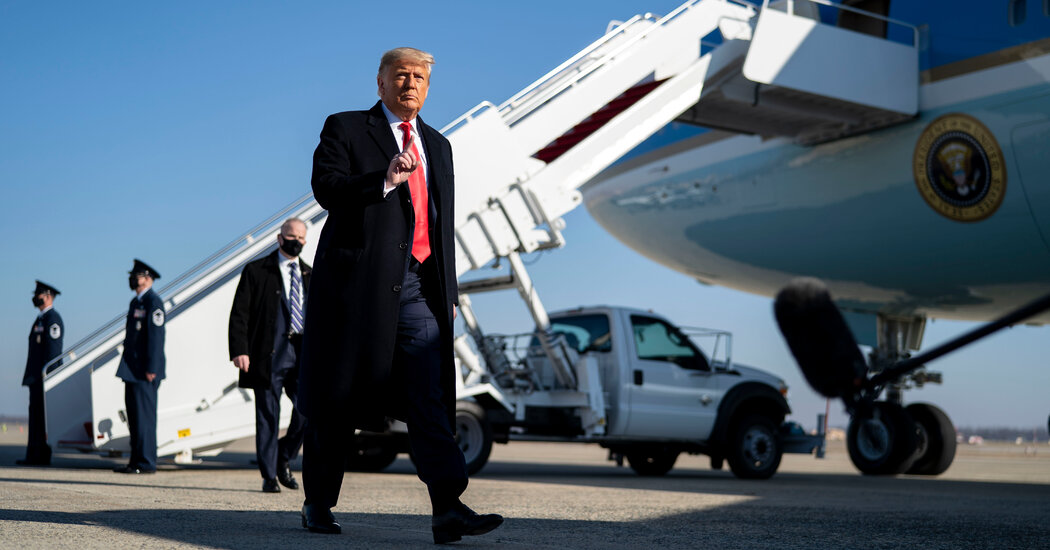
The 2024 presidential election, with Donald Trump as a potential candidate, is poised to be a highly charged and contentious event. The political climate is characterized by deep partisan divisions, and any legal challenge, particularly one as significant as a case related to the election, is likely to exacerbate existing tensions and significantly impact public perception. The interplay between political actors, public opinion, and media coverage will be crucial in shaping the narrative and influencing the outcome of the legal proceedings.The legal case surrounding the 2024 election, if it arises, will be deeply intertwined with the broader political and social landscape.
Public opinion and media coverage will play a critical role in shaping public perception of the case and the parties involved. The intensity of the political discourse will directly affect how the case is framed and interpreted, with potential ramifications for the legal process itself.
Political Climate Surrounding the 2024 Election
The political climate in the lead-up to the 2024 election is likely to be highly polarized. Existing political divisions, fueled by social media and partisan media outlets, will create a climate where any legal challenge is likely to be viewed through a highly politicized lens. The intensity of the election campaign and the involvement of prominent political figures will further complicate the situation.
Past elections, like the 2020 election, have shown how heightened political tension can significantly impact public discourse and perception of legal cases.
Role of Public Opinion and Media Coverage
Public opinion will be a powerful force in shaping the narrative surrounding the case. Media coverage will play a significant role in disseminating information and influencing public perception. The potential for biased reporting or selective framing of events will need to be carefully considered. The role of social media in disseminating information and shaping public opinion is also substantial, and its impact on the case will be significant.
Past election disputes have demonstrated how public opinion can influence legal proceedings and political discourse.
Impact of Political Actors and Interest Groups
Various political actors and interest groups will likely become involved in the case. These actors may attempt to influence the legal proceedings through lobbying, public statements, or other forms of political action. The influence of powerful interest groups, particularly those with significant financial resources, could also impact the case. Past election disputes have shown how organized political actors and interest groups can exert significant influence.
Examples of Past Election Disputes and Societal Effects
Numerous past election disputes, including the contested 2000 presidential election, have had profound societal effects. The 2000 election dispute, for example, resulted in prolonged legal battles and heightened political tensions. The aftermath of these disputes often includes lingering political divisions and mistrust. Such cases highlight the potential for significant societal consequences, including division and polarization, as a result of legal disputes related to elections.
Table of Political and Social Factors
| Factor | Potential Influence |
|---|---|
| Political Polarization | High likelihood of the case being viewed through a highly politicized lens. |
| Public Opinion | Crucial in shaping perception of the case and potentially influencing legal proceedings. |
| Media Coverage | Significant role in disseminating information and influencing public perception; potential for biased or selective framing. |
| Political Actors and Interest Groups | Potential to influence legal proceedings through lobbying, public statements, or other forms of political action. |
| Social Media | Significant impact on disseminating information and shaping public opinion. |
| Past Election Disputes | Provide examples of the potential societal consequences of election-related legal disputes, including division and polarization. |
Possible Outcomes and Implications
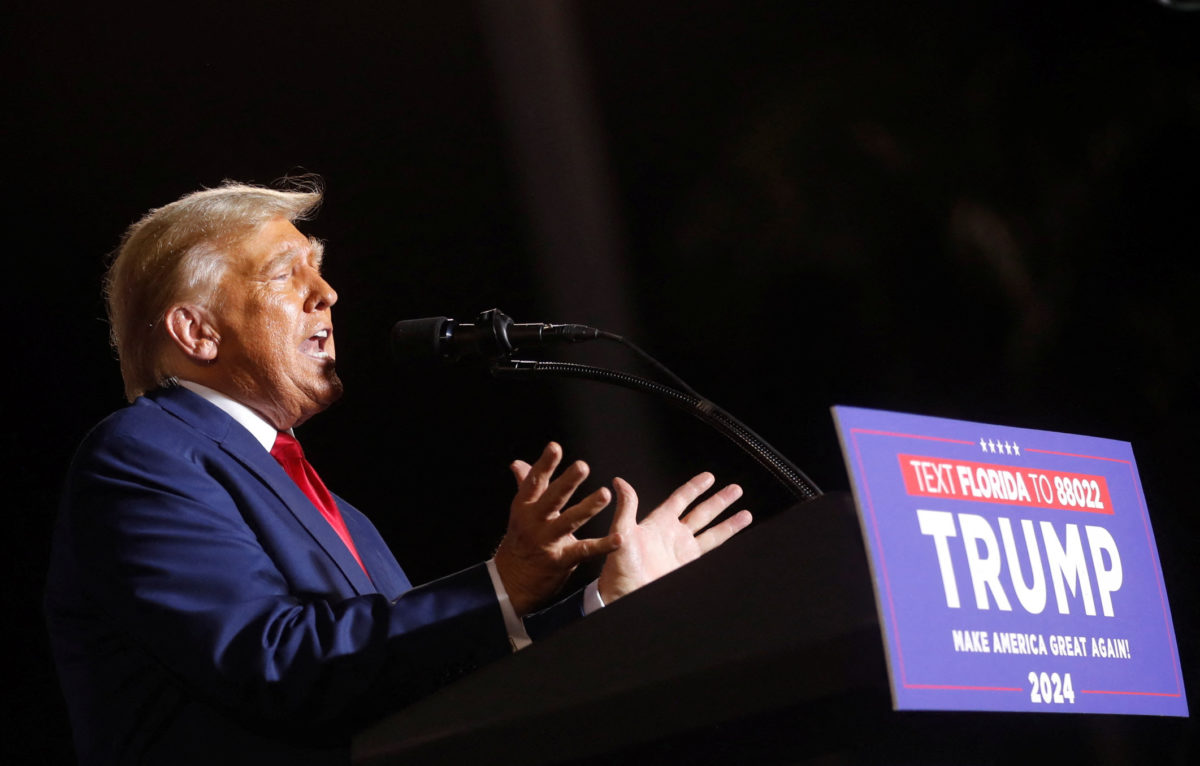
A federal election case involving claims of fraud or irregularities carries significant weight, potentially reshaping the legal landscape and impacting public trust in the electoral process. The outcome of such a case can have far-reaching consequences, influencing future elections and setting precedents for similar disputes. Understanding the potential outcomes and their implications is crucial for evaluating the long-term effects on the political and legal systems.The potential outcomes of a federal election case are complex and multifaceted.
With the next federal election case involving Trump looming, it’s fascinating to consider the broader economic context. California’s housing market, particularly the surge in 800000 dollar homes, is a prime example of how economic shifts affect different demographics. 800000 dollar homes california highlight the complexities of wealth distribution and affordability, which will likely play a role in the political climate surrounding the next election.
Ultimately, the case against Trump will be judged on its merits, but the current economic backdrop will undoubtedly influence public opinion.
The legal arguments, evidence presented, and the specific claims made will heavily influence the judge’s decision and the eventual ramifications. This analysis explores various potential outcomes, considering the legal precedents, potential issues, and the broader political context.
Potential Legal Outcomes
The legal outcome of a federal election case hinges on the strength of the evidence presented and the interpretation of relevant laws and legal precedents. Favorable rulings could lead to the invalidation of election results in specific districts or states, potentially affecting the final outcome of the election. Conversely, unfavorable rulings could reinforce the validity of the election results.
This section will further explore these potential outcomes, considering different legal arguments and their implications.
Ramifications on Future Elections
A precedent-setting decision in a federal election case can significantly alter the legal landscape surrounding future elections. It may create new rules or interpretations of existing laws, potentially impacting the conduct of elections and the way claims of fraud or irregularities are handled. Such rulings can create uncertainty and potentially lead to legal challenges in subsequent elections. The outcome will likely influence future election strategies and legal tactics employed by candidates and parties.
Examples of Similar Legal Cases and Their Consequences
Numerous legal cases involving election challenges have occurred throughout history, each with unique circumstances and outcomes. Examining these precedents provides insight into the potential consequences of a similar case involving President Trump. For instance, past cases have demonstrated the complexity of proving fraud claims and the potential for legal challenges to persist even after election results are certified.
The impact of these cases on the legal and political climate can be long-lasting.
Potential Impact on the Political Process and Public Trust
The outcome of a federal election case involving President Trump’s claims will inevitably impact the political process and public trust. A ruling that invalidates or alters election results could exacerbate existing political divisions and erode public confidence in the integrity of the electoral system. Conversely, a ruling upholding the election results could help restore public trust and confidence in the electoral process.
The impact of such a ruling on public discourse and future elections will be profound.
Table Summarizing Potential Outcomes
| Legal Argument | Potential Outcome | Implications |
|---|---|---|
| Claims of widespread voter fraud are substantiated | Invalidation of election results in certain districts or states | Erosion of public trust, potential for future legal challenges, realignment of political strategies. |
| Claims of widespread voter fraud are unsubstantiated | Affirmation of election results | Reinforcement of public trust, reduced likelihood of similar challenges in future elections. |
| Claims of specific irregularities are proven | Partial invalidation or adjustments to election results | Local impact on representation, potentially triggering recounts or audits. |
| Claims of specific irregularities are not proven | Affirmation of election results | Preservation of integrity of the electoral process, reduced likelihood of similar challenges in future elections. |
Final Conclusion
In conclusion, the potential legal challenges surrounding the 2024 election, centered on whats next federal election case trump, present a complex interplay of legal precedents, political factors, and public opinion. The outcome will undoubtedly have far-reaching implications for future elections and the legal landscape. This analysis provides a framework for understanding the potential arguments and the possible trajectory of this critical case.
FAQ Section
What are some common types of evidence used in election fraud cases?
Evidence in election fraud cases can include witness testimony, documents like voter registration records, expert opinions on election procedures, and potentially even forensic analysis of voting machines.
How might public opinion influence the outcome of a federal election case?
Public opinion, shaped by media coverage and political discourse, can significantly impact the legal proceedings. Public perception can sway judges, influence the interpretation of evidence, and potentially even impact the overall atmosphere of the trial.
What are some examples of past election disputes and their outcomes?
Historical cases, like Bush v. Gore, provide valuable precedents for understanding the potential legal arguments, procedures, and outcomes. These precedents, however, should be viewed with caution, as each case presents unique circumstances.
What are the potential implications of this case on future elections?
The outcome of this case could set important legal precedents that affect how future elections are conducted and challenged. It could potentially shape the legal framework for resolving future disputes, particularly in areas like voter access and election security.