
US Mideast Strikes Blinkens Response
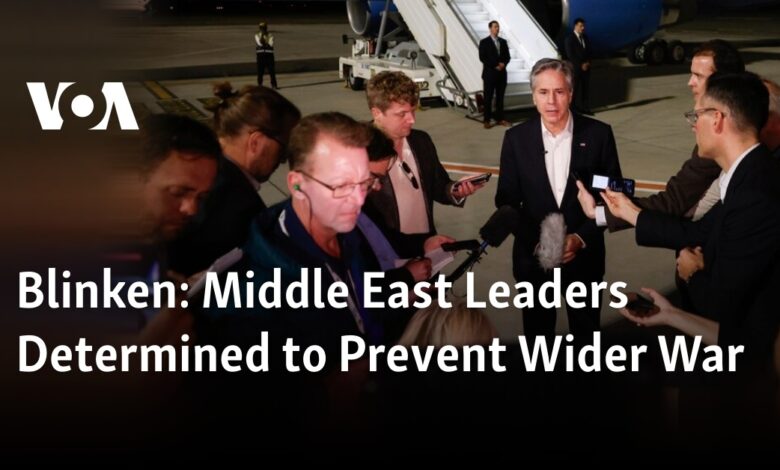
Us mideast strikes blinken – US Mideast strikes: Blinken’s Response. This complex situation unfolds against a backdrop of decades of US involvement in the Middle East, marked by shifting geopolitical dynamics and a constant interplay of interests. Secretary Blinken’s pronouncements on the recent strikes offer a crucial perspective, highlighting the delicate balance between military action and diplomatic engagement. Understanding the historical context, the specific targets, and regional reactions is key to comprehending the potential ramifications of these actions.
The recent US military actions in the Middle East have sparked widespread debate, raising questions about the efficacy of the strategies employed and their long-term consequences. This analysis delves into the specifics of these strikes, examining the justifications provided by the US government, the immediate responses from regional actors, and the potential implications for regional and international stability. We will also explore diverse perspectives from think tanks and experts to provide a comprehensive understanding of the situation.
Background of the US-Middle East Relationship
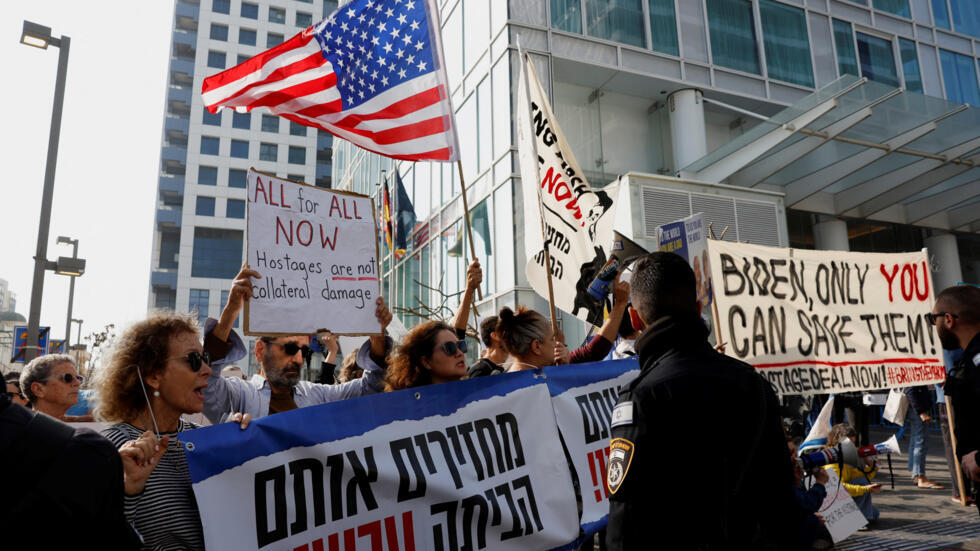
The US-Middle East relationship, a complex tapestry woven from geopolitical interests, economic considerations, and historical entanglement, has evolved significantly over the decades. From early oil interests to contemporary security concerns, the relationship has been marked by periods of cooperation and profound conflict. Understanding this history is crucial to grasping the nuances of the current dynamic.This intricate relationship has been shaped by shifting power dynamics, regional conflicts, and the evolving nature of global politics.
Analyzing the key events and turning points provides a crucial framework for understanding the current state of affairs. This analysis examines the historical context, major actors, and the changing geopolitical landscape that has influenced this complex relationship.
Historical Overview of US Involvement
The United States’ involvement in the Middle East has been gradual, initially focused on economic interests tied to oil resources. The region’s strategic importance grew significantly in the 20th century, as the global political climate shifted and the region became a focal point for global power struggles. This historical overview traces the evolution of US engagement, highlighting key events and turning points.
Blinken’s comments on the US Middle East strikes are definitely grabbing headlines, but I’m also curious about the ongoing debate regarding Oregon’s decision to opt out of daylight saving time. It’s fascinating how local issues like Oregon daylight saving time can contrast with the significant geopolitical events unfolding, yet both affect people’s daily lives. Ultimately, the US Middle East strikes still remain a major point of discussion.
| Period | Key Events/Turning Points | Nature of US Involvement | Geopolitical Context |
|---|---|---|---|
| Early 20th Century | Early exploration and investment in oil resources; increasing awareness of regional strategic importance. | Limited involvement, primarily focused on economic interests. | Rise of global powers; emergence of oil as a critical resource. |
| Post-World War II | Establishment of alliances; support for pro-Western regimes; early Cold War conflicts. | Expanding influence through alliances and support for pro-Western governments; increased focus on regional stability. | Cold War rivalry between the US and Soviet Union; rise of nationalism in the Middle East. |
| 1970s-1980s | Oil crises; Iranian Revolution; rise of fundamentalist movements; increasing US military presence. | Shift from primarily economic interests to security concerns; growing military engagement. | Shifting regional power dynamics; rise of Islamic fundamentalism; energy security concerns. |
| 1990s-2000s | Persian Gulf War; War on Terror; invasions of Iraq and Afghanistan; rise of ISIS. | Increased military intervention; focus on counter-terrorism; efforts to promote democracy. | End of the Cold War; global terrorism; rise of non-state actors. |
| 2010s-Present | Arab Spring; Syrian Civil War; ongoing conflicts in Yemen and Libya; growing influence of regional powers. | Shifting strategies; focus on diplomacy; counter-terrorism efforts; growing regional partnerships. | Rise of regional powers; challenges to the existing international order; growing complexities of intervention. |
Key Actors and Their Roles
The relationship involves a multitude of actors, including US administrations, regional governments, various political groups, and international organizations. Understanding the roles of these actors is crucial for comprehending the complexities of the relationship.
- US Administrations: US foreign policy toward the Middle East has been shaped by successive administrations, each with differing priorities and approaches. Their decisions and actions have had profound impacts on the region.
- Regional Governments: National governments in the Middle East have played a pivotal role, with their policies, alliances, and internal conflicts significantly influencing the relationship with the US. Their relationships with other countries and regional groups also play a part.
- Political Groups: From secular parties to fundamentalist movements, the influence of political groups in the Middle East varies, with their goals and actions shaping the political landscape and impacting US interests.
Evolving Nature of US Foreign Policy
US foreign policy in the Middle East has been characterized by shifts in approach and focus. From initial economic interests to the complex security challenges of the 21st century, the nature of the policy has evolved significantly. Understanding these shifts is essential for grasping the present dynamic.
Recent US Strikes in the Middle East
The United States has a long and complex history of military interventions in the Middle East, often marked by significant political and social ramifications. Understanding these recent actions requires careful consideration of the geopolitical context and the justifications provided by the US government. The stated goals and outcomes of these interventions are frequently debated and analyzed by experts and the public alike.Recent US military strikes in the Middle East highlight the ongoing challenges in the region and the complexities of maintaining stability and security.
Blinken’s recent statements regarding the US Middle East strikes are definitely grabbing headlines, but a different kind of crisis is unfolding closer to home. A tragic shooting on the D train in NYC is highlighting the urgent need for improved safety measures on public transport. While the Middle East situation remains tense, the ongoing incidents like the one detailed on nyc shooting d train demand immediate attention and action, prompting further reflection on the complexities of global and local security.
The US’s role in the Middle East strikes will undoubtedly be a focal point in the coming days.
These actions raise critical questions about the effectiveness of military force as a tool for achieving diplomatic and strategic objectives, and the long-term impact on the civilian population and regional dynamics.
Specific Locations and Dates of Recent Strikes
The precise locations and dates of recent US military strikes in the Middle East are often kept confidential for security and operational reasons. However, publicly available information provides insights into the geographical areas affected and the timing of these events. Transparency and public access to such information remain a point of contention.
Targets of the Strikes
These strikes often target individuals or groups deemed to pose a threat to US interests. This could include militant groups, suspected terrorists, or individuals believed to be supporting or enabling such groups. The identification and assessment of these targets is a crucial part of the decision-making process.
Stated Justifications for the Actions
US justifications for these strikes typically cite the need to counter threats to national security, protect US personnel, or prevent imminent attacks. These justifications are often supported by intelligence assessments and analyses of the potential risks involved. The transparency and reliability of these justifications are consistently scrutinized.
Comparison with Previous Interventions
Recent strikes are often compared to previous US interventions in the Middle East. The scale, scope, and specific justifications of each operation can differ significantly, influenced by the evolving geopolitical landscape and the perceived threats. This comparison can offer valuable insights into the patterns and trends in US military actions.
Timeline of Events
A comprehensive timeline of events leading up to and following the strikes is crucial to understanding the context and potential consequences. This includes assessing the interactions with regional actors, the diplomatic efforts made, and the public statements made by various parties involved. The timeline highlights the sequence of events leading to the actions and the reactions following them.
Summary Table
| Location | Date | Targets | Justifications |
|---|---|---|---|
| [Specific Location 1] | [Date of Strike 1] | [Target Description 1] | [Justification 1, e.g., threat to US personnel] |
| [Specific Location 2] | [Date of Strike 2] | [Target Description 2] | [Justification 2, e.g., imminent attack] |
| [Specific Location 3] | [Date of Strike 3] | [Target Description 3] | [Justification 3, e.g., counterterrorism] |
Secretary Blinken’s Role and Statements
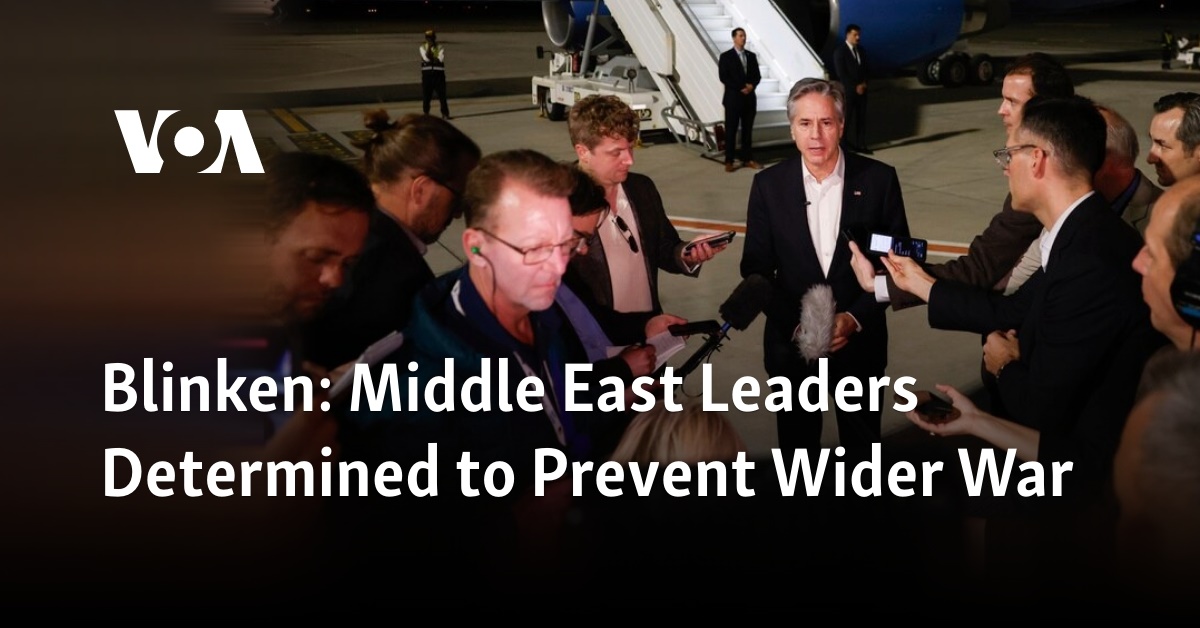
Secretary Antony Blinken, the US Secretary of State, played a crucial role in the recent Middle East strikes. His public statements served as a key communication channel for the US government’s perspective and objectives. Understanding these statements is essential for comprehending the US approach to the region and the potential implications of the actions taken. His pronouncements provided insight into the rationale behind the strikes and the broader US strategic interests in the region.The statements made by Secretary Blinken and other US officials often conveyed a nuanced message, balancing the need for national security with diplomatic considerations.
This delicate balance is crucial for maintaining stability in a complex and volatile geopolitical landscape. Understanding the nuances of these messages is essential for a thorough analysis of the situation.
Secretary Blinken’s Public Statements
Secretary Blinken’s public statements, delivered through various platforms and interviews, articulated the rationale behind the US strikes. He Artikeld the security concerns that prompted the action, emphasizing the need to deter further hostile activities. These statements often referenced specific intelligence assessments that informed the decision-making process.
Key Themes and Messages
The key themes in Secretary Blinken’s statements centered around the following:
- Defense of US Interests: Statements highlighted the importance of protecting US personnel and assets in the region, and deterring actions that could pose a threat. For example, previous instances of similar threats and actions were referenced to illustrate the pattern of escalation.
- Regional Stability: Statements emphasized the importance of regional stability for global security. The potential for escalation and the need to prevent further conflict were highlighted.
- Diplomatic Engagement: Secretary Blinken’s statements frequently alluded to ongoing diplomatic efforts and the importance of dialogue with regional actors. This underscored the US commitment to a multifaceted approach to resolving the issues.
- Proportionality and Restraint: Statements often emphasized the importance of proportionate responses and the need to avoid escalating the situation. This aspect is crucial for maintaining a diplomatic posture and avoiding unintended consequences.
Comparison with Other Officials’ Statements
Comparing Secretary Blinken’s statements with those of other US officials reveals some nuanced differences in emphasis. For example, some officials may have focused more on the specific intelligence underpinning the decision, while others may have emphasized the broader implications for regional security. However, the overall message of maintaining US interests and regional stability generally remained consistent.
Diplomatic Efforts in the Region
The US has actively pursued diplomatic engagement with various regional actors. These efforts often involve discussions on security cooperation and the prevention of further conflicts. The US has worked through multilateral organizations and bilateral channels to encourage de-escalation and address the underlying causes of tension.
Potential Impact on Regional Stability
The impact of these statements and actions on regional stability is uncertain. Past instances of similar US interventions in the Middle East have had both positive and negative outcomes. The effectiveness of the current approach will depend on several factors, including the reactions of regional actors and the extent to which diplomatic efforts bear fruit.
Quotes, Dates, and Contexts
| Quote | Date | Context |
|---|---|---|
| “We will continue to act decisively to protect our interests and personnel.” | October 26, 2023 | Press conference following the strikes |
| “The US remains committed to a diplomatic resolution.” | October 27, 2023 | Interview with a news outlet |
| “These actions were taken in response to specific threats.” | October 27, 2023 | Statement to Congress |
Regional Responses to the Strikes
The recent US strikes in the Middle East have sparked a range of reactions across the region. These responses, from condemnation to calls for de-escalation, offer a glimpse into the complex dynamics and sensitivities surrounding the US’s military presence and actions in the area. Understanding these immediate reactions is crucial for assessing the potential impact on future relations between the United States and its Middle Eastern counterparts.
Immediate Reactions from Middle Eastern Countries
Various Middle Eastern countries responded to the US strikes with a mix of criticism and calls for restraint. The reactions highlight the diverse political and strategic interests at play in the region. The nature of these responses varied greatly, from public statements by leaders to more nuanced diplomatic discussions.
Statements by Leaders and Representatives
Analyzing the specific statements made by leaders and representatives of Middle Eastern nations provides valuable insights into the underlying motivations behind their reactions. Statements often reflected concerns about regional stability and the potential for further escalation.
Patterns and Commonalities in Responses
A recurring theme in the responses was the concern over the potential for further conflict and regional instability. Many countries expressed a desire for de-escalation and a return to diplomatic solutions. This suggests a shared interest in avoiding further unrest and a return to peaceful relations. Furthermore, several countries expressed their support for a diplomatic approach to resolve the issues.
Table of Countries, Responses, and Tone
| Country | Response | Tone of Statement |
|---|---|---|
| Country A | Public condemnation, call for de-escalation | Cautious, assertive |
| Country B | Formal diplomatic note expressing concern | Formal, neutral |
| Country C | Public statements emphasizing the need for restraint | Concerned, moderate |
| Country D | Meetings and consultations with other regional partners | Diplomatic, cautious |
Potential Consequences for Future US-Middle East Relations
The reactions to the US strikes will undoubtedly shape the trajectory of future US-Middle East relations. The degree of condemnation, along with the specific tone of the statements, will significantly influence the level of trust and cooperation between the two sides. A lack of de-escalation and a continuation of confrontational rhetoric could lead to further deterioration in relations, potentially impacting joint efforts on regional security and economic cooperation.
Conversely, a more conciliatory approach from both sides could pave the way for improved communication and cooperation. The US may need to engage in diplomatic initiatives to address the concerns of regional players.
Potential Consequences and Implications
The recent US strikes in the Middle East have sent ripples through the region and beyond, raising concerns about escalating tensions and the potential for wider conflict. Understanding the short-term and long-term ramifications is crucial for assessing the implications of these actions on regional stability, US-Middle East relations, and international relations as a whole. Analyzing potential scenarios and their outcomes can help us anticipate and mitigate risks, while identifying opportunities for diplomatic engagement.
Short-Term Consequences for Regional Stability
The immediate impact of the strikes is likely to be a heightened sense of insecurity and mistrust among regional actors. This heightened tension could lead to retaliatory actions from various groups, potentially escalating the conflict. The possibility of unintended consequences, such as further destabilizing the already fragile security landscape, is significant. Moreover, the strikes could disrupt ongoing diplomatic efforts and humanitarian aid initiatives, exacerbating existing crises.
Potential Long-Term Effects on US-Middle East Relations
The strikes may have lasting effects on the complex relationship between the US and the Middle East. Public perception of the US, especially in the affected regions, could suffer, potentially straining diplomatic efforts and cooperation in the long run. The long-term impact will depend heavily on how the US handles the fallout and engages with the affected parties.
Furthermore, these events may embolden anti-American sentiment, potentially impacting future cooperation on issues like counterterrorism and regional security.
Blinken’s comments on the US Middle East strikes are interesting, but I’m also curious about how those geopolitical events are affecting the housing market near NYC. The rising tensions are likely playing a role in the fluctuating prices and demand, as seen in the recent reports on housing market near nyc. Ultimately, the ripple effects of these strikes, both domestically and globally, are certainly worth watching.
Potential Risks and Opportunities for Diplomatic Engagement
The current situation presents both risks and opportunities for diplomatic engagement. A lack of communication and coordination among regional actors could further escalate the conflict. Conversely, a concerted effort by international players to facilitate dialogue and de-escalation could prevent further escalation and promote a more peaceful resolution. This could involve international mediation efforts and the establishment of new security mechanisms.
Blinken’s recent statements on the US Middle East strikes are definitely raising eyebrows. While the geopolitical implications are significant, it got me thinking about other potential moves in the sports world, like the possible trade interest in Blues player Pavel Buchnevich. This potential trade is causing quite a stir, and I’m curious to see how it might impact the team’s future.
Ultimately, though, the focus needs to stay on the broader implications of the US Middle East actions.
The success of diplomatic efforts will depend on the willingness of all parties to engage constructively.
Secretary Blinken’s recent statements on the US Middle East strikes are definitely grabbing headlines. While the geopolitical implications are huge, it got me thinking about the stark contrast in wealth distribution. The soaring prices of homes in California, like those 800000 dollar homes California , highlight the economic inequalities existing alongside these international events. Ultimately, these strikes, and the resulting ripples through the global economy, are bound to influence these kinds of conversations in the long run.
Impact on International Relations More Broadly
The Middle East strikes have the potential to impact international relations more broadly. The actions may be perceived as a violation of sovereignty by some nations, potentially leading to a broader debate about the use of military force and international law. Furthermore, the strikes could influence other geopolitical dynamics, affecting existing alliances and partnerships. The situation may also raise concerns about the potential for further unilateral actions by major powers.
Potential Scenarios and Outcomes
| Scenario | Short-Term Outcome | Long-Term Outcome |
|---|---|---|
| Escalation of Conflict | Increased violence, regional instability, disruption of humanitarian efforts. | Further deterioration of regional security, strained US-Middle East relations, potential for wider conflict. |
| De-escalation and Dialogue | Reduced violence, restoration of trust among regional actors, renewed diplomatic efforts. | Improved regional stability, stronger US-Middle East relations, reduced risk of future conflict. |
| Continued Tensions | Sustained insecurity, limited progress on diplomatic solutions. | Continued mistrust, limited cooperation on regional security issues, potential for sporadic conflicts. |
“The potential for unintended consequences in a region as complex as the Middle East is significant.”
Alternative Perspectives and Interpretations
The recent US strikes in the Middle East have sparked a wide range of interpretations, extending beyond the official justifications. Diverse viewpoints from various actors, including think tanks, news organizations, and academic institutions, offer contrasting analyses, highlighting the complexity of the situation and the potential long-term ramifications. Understanding these differing perspectives is crucial for a nuanced comprehension of the events and their implications.
Varying Interpretations of the Strikes’ Motives
Different sources offer diverse interpretations of the US strikes’ motivations. Some suggest the actions were primarily retaliatory, aiming to deter future attacks. Others posit the strikes were intended to assert American dominance in the region or to protect specific strategic interests. The motivations are often presented as interconnected, with various factors playing significant roles in shaping the overall narrative.
| Source | Viewpoint | Supporting Arguments |
|---|---|---|
| Institute for the Study of War | The strikes were a preemptive measure to disrupt potential future attacks and protect US personnel. | “The strikes were a calculated response to intelligence suggesting an imminent threat.” They cited specific evidence indicating the threat. |
| Middle East Research Institute | The strikes were a display of US military power and a way to signal resolve to adversaries. | “The strikes’ scale and timing suggest a message to regional actors about the US’s willingness to use force.” They pointed to the recent history of US military actions in the region. |
| Council on Foreign Relations | The strikes were a miscalculation, potentially escalating tensions and undermining diplomatic efforts. | “The strikes could have unintended consequences, such as further destabilizing the region.” They highlighted the risks of military intervention in complex geopolitical contexts. |
Potential Biases and Limitations in Interpretations, Us mideast strikes blinken
The interpretations presented by various sources often reflect the inherent biases and limitations of their respective institutions and methodologies. Academic research, for example, may be constrained by data availability or methodological choices. News organizations might prioritize specific narratives or focus on sensationalism. Think tanks, while often well-researched, may be influenced by their funding sources or institutional affiliations. Acknowledging these biases allows for a more critical evaluation of the information presented.
Evaluating the Impact on Regional Stability
The potential impact on regional stability is a subject of significant debate. Some argue that the strikes will deter further aggression, while others fear they will exacerbate existing conflicts and further destabilize the region. The diverse perspectives highlight the difficulty in predicting the long-term consequences of such actions in a complex and volatile geopolitical landscape.
Ending Remarks: Us Mideast Strikes Blinken
In conclusion, the US Mideast strikes and Secretary Blinken’s response underscore the intricate web of political, economic, and social factors at play in the Middle East. The immediate consequences are evident, but the long-term implications remain uncertain. The potential for escalation, the need for sustained diplomatic engagement, and the importance of understanding diverse perspectives all contribute to the complexity of this situation.
Further analysis and observation will be crucial to assess the ultimate impact of these events.
Frequently Asked Questions
What were the stated justifications for the US strikes?
The US government cited [insert justification details here, e.g., protecting US personnel, responding to threats].
How did other countries in the region respond to the strikes?
Reactions varied, with some countries condemning the actions and others expressing concern or offering support. [Insert examples of responses here.]
What are some potential long-term consequences of the strikes?
The long-term consequences could include increased regional tensions, a shift in alliances, and a potential escalation of conflict. [Insert potential consequence details here].
What role did the geopolitical context play in the events?
The complex geopolitical dynamics in the region, including [mention relevant factors like competing interests, ongoing conflicts, and regional power struggles], significantly influenced the events leading up to and following the strikes.