
Israel Eurovision War Boycott A Complex Issue
Israel Eurovision war boycott sets the stage for this enthralling narrative, offering readers a glimpse into a story that is rich in detail. This complex issue involves Israel’s participation in the Eurovision Song Contest, amid geopolitical tensions and calls for boycotts. The controversy explores historical context, the arguments for and against a boycott, the social and political impact, and public discourse surrounding the event.
Alternative perspectives, the potential impact on Eurovision, and illustrative examples further illuminate this multifaceted issue.
This discussion delves into the history of Israel’s involvement in Eurovision, tracing the evolution of its relationship with European countries. It explores the influence of significant events on public opinion and the history of boycotts, examining potential connections between geopolitical events and the contest. The analysis extends to the evolution of Israeli culture and its representation in Eurovision, providing a comprehensive timeline of key events.
The specific points of contention surrounding Israel’s participation, arguments for and against a boycott, and the role of social media in shaping public opinion are also explored.
Historical Context
Israel’s journey through Eurovision is intertwined with its complex relationship with Europe and the world. From its early participation to the present day, the nation’s cultural identity and geopolitical standing have profoundly shaped its Eurovision experience, often mirroring broader international tensions. The interplay between artistic expression, cultural exchange, and political realities is a recurring theme throughout this history.Israel’s Eurovision journey has been a unique blend of cultural representation and international relations.
The Israel Eurovision war boycott is definitely a hot topic right now. It’s fascinating how these seemingly unrelated events, like the latest happenings at Saint Laurent Dior Paris Fashion Week, saint laurent dior paris fashion week , can highlight broader cultural and political divides. Ultimately, the Eurovision issue boils down to the same questions about diplomacy and global responsibility.
The selection of songs, the performances, and even the very presence of Israeli artists on the Eurovision stage have often become a focal point of discussion, reflecting the multifaceted nature of Israel’s place in the world.
Israel’s Eurovision Participation
Israel’s first Eurovision entry marked a significant moment in the nation’s cultural and international relations history. The participation was a bold step, showcasing the nation’s burgeoning musical scene and its desire to engage with Europe. The evolution of Israeli entries through the years demonstrates a consistent commitment to musical innovation, while simultaneously mirroring the country’s changing societal and political landscape.
The ongoing Israel Eurovision war boycott is a complex issue, with passionate arguments on both sides. While the music competition is meant to be about celebrating artistry, it’s become entangled in geopolitical tensions. Interestingly, the recent unveiling of the Castellucci ring at La Monnaie, a stunning piece of jewelry, offers a fascinating counterpoint. Perhaps the beauty and artistry of such a creation, like the Castellucci ring at La Monnaie here , can inspire a similar focus on appreciating the creative talent of all participating artists, regardless of political background, in the Eurovision contest itself.
The debate around the boycott continues, but hopefully a focus on the artistry can help de-escalate the political issues surrounding the Israel Eurovision war boycott.
Evolution of Israel’s Relationship with European Countries
The relationship between Israel and European countries has been marked by periods of cooperation and tension. Historically, there have been instances of diplomatic relations, cultural exchange programs, and economic ties. However, the Israeli-Palestinian conflict and other geopolitical events have frequently strained these relationships, leading to varying levels of support and criticism from different European nations. This complex dynamic has undeniably influenced Israel’s reception on the Eurovision stage.
Significant Events Influencing Public Opinion
Numerous significant events, including major conflicts and political shifts, have shaped public opinion towards Israel. These events often become entangled with the Eurovision narrative, either positively or negatively influencing public perception of the Israeli representatives and the contest itself. The ongoing Israeli-Palestinian conflict is a prominent example.
History of Boycotts and Their Impact on International Events
The history of boycotts in international events is long and varied. From sporting events to cultural gatherings, boycotts have been used as tools of protest and pressure. The impact of boycotts can range from significant disruptions to the event’s integrity to the creation of alternative platforms and narratives. In the context of Eurovision, boycotts have served as powerful statements about political issues.
Potential Connections Between Geopolitical Events and Eurovision
Geopolitical events can directly impact the Eurovision experience. Changes in international relations, diplomatic shifts, and major conflicts often influence the perception of Israeli entries and the broader context of the competition. The contest can become a platform for expressing political views, creating a complex interplay between artistic expression and geopolitical realities.
Evolution of Israeli Culture and its Representation in Eurovision
Israeli culture is diverse and vibrant. Over the years, Israeli Eurovision entries have showcased a wide range of musical styles, from pop to folk, reflecting the multicultural fabric of Israeli society. These performances have often sought to present a multifaceted view of Israeli culture to the international audience.
Timeline of Key Events
| Year | Event | Impact |
|---|---|---|
| 1978 | Israel’s first Eurovision entry | Marked the start of Israel’s participation in the competition |
| 2000 | Significant political events | Caused fluctuations in support and criticism |
| 2010 | Ongoing political conflicts | Further complicated the international perception of Israel |
| 2023 | Recent events | Continued impact on the relationship between Israel and various countries |
The Eurovision Controversy
The Eurovision Song Contest, a spectacle of music and cultural exchange, has occasionally become a platform for political and social discourse. Israel’s participation in the contest has been a recurring source of contention, often linked to the Israeli-Palestinian conflict. This controversy highlights the complex interplay between artistic expression, geopolitical tensions, and the power of public opinion. The contest, designed to foster unity, can be a stage for conflict, demanding careful consideration of the context surrounding such events.The Eurovision Song Contest, while primarily a celebration of music, often reflects broader global issues.
This is particularly evident when a participating country is embroiled in significant political or social debate. The nature of the contest, aiming to foster unity and cross-cultural understanding, can create a stark contrast when facing the realities of international conflict.
Points of Contention
The core contention surrounding Israel’s Eurovision participation often revolves around the Israeli-Palestinian conflict. Critics argue that supporting Israel through the Eurovision stage is equivalent to endorsing Israeli policies, particularly regarding the Palestinian territories. This perception is fueled by the ongoing Israeli-Palestinian conflict, which has deeply divided international public opinion.
Arguments for and Against a Boycott
Proponents of a boycott argue that Israel’s participation in Eurovision normalizes the situation and deflects attention from the conflict. They believe that a boycott could pressure Israel to alter its policies towards Palestinians. Conversely, those against a boycott emphasize the artistic nature of the competition, arguing that separating the music from the political context is essential. They see a boycott as a form of censorship and a disservice to the artists involved.
Social Media and Online Activism
Social media platforms have become powerful tools in shaping public opinion on the Eurovision controversy. Pro-boycott groups utilize these platforms to mobilize support and disseminate information. Conversely, pro-participation groups use similar platforms to counter the boycott movement, emphasizing the cultural exchange aspect of the contest. The speed and reach of social media have fundamentally altered the dynamics of public discourse on this issue.
Public Statements and Declarations
Various organizations and individuals have issued statements regarding the boycott. Some organizations have openly called for a boycott, citing human rights violations in the Israeli-Palestinian conflict. Conversely, others have condemned the boycott as an infringement on artistic freedom and cultural exchange.
Comparison of Arguments
Different groups present vastly contrasting perspectives. Pro-boycott groups often emphasize the ongoing Israeli-Palestinian conflict and the need to hold Israel accountable for its policies. Pro-participation groups prioritize artistic freedom and the celebration of diverse cultures, viewing the Eurovision stage as a venue for global unity.
Perspectives on the Eurovision Controversy
| Perspective | Argument | Example |
|---|---|---|
| Pro-Boycott | Supporting Israel through Eurovision normalizes the conflict and disregards human rights issues. | Statements from Palestinian rights organizations condemning Israel’s actions. |
| Pro-Participation | The Eurovision is an artistic platform and should be divorced from political considerations. | Statements emphasizing the cultural exchange and artistic merit of the contest. |
| Neutral | The Eurovision is a complex issue with valid arguments on both sides. | Statements emphasizing the importance of understanding both perspectives. |
Political and Social Impact
A Eurovision boycott, particularly one targeting Israel, carries significant political and social ramifications. The potential for escalation of existing geopolitical tensions is undeniable, and the ripple effects on participants, viewers, and the event’s organizers themselves could be profound. Analyzing the historical precedents of similar boycotts is crucial to understanding the potential impact on Israel’s international image and reputation.
Ultimately, the choice to boycott will necessitate a careful consideration of the various consequences.
Potential Political Ramifications, Israel eurovision war boycott
The decision to boycott Eurovision, especially when tied to political disputes, can have a substantial impact on international relations. A boycott could be perceived as a political statement, potentially exacerbating existing conflicts and creating new divisions. This could lead to diplomatic repercussions, impacting relations between participating countries and Israel, potentially straining existing alliances and hindering cooperation on other international issues.
The risk of a domino effect, with other countries potentially boycotting in solidarity or response, cannot be discounted. History is replete with examples of how boycotts can escalate tensions and hinder efforts towards peaceful resolution.
Social Impact on Participants, Viewers, and Organizers
A Eurovision boycott would undoubtedly affect participants, viewers, and organizers in various ways. Participants from Israel and other countries might face pressure and criticism. Viewers from various nations might be exposed to different perspectives and interpretations of the event, possibly leading to polarization and heightened political awareness. Organizers face the challenge of managing the fallout from a boycott, potentially leading to decreased viewership and sponsorship, impacting the financial stability and future of the event.
Effects on Israel’s Image and Reputation
Israel’s image and reputation would likely be negatively impacted by a boycott. It could be perceived as an act of condemnation or isolation, potentially reinforcing existing negative stereotypes or narratives. The impact on Israel’s standing within the international community, and specifically in the cultural sphere, could be substantial. Past experiences of international events boycotted for political reasons demonstrate the long-term damage to a nation’s reputation.
Examples of Similar Situations Involving Boycotts of International Events
Several historical instances of boycotts at international events offer valuable insights. The 1980 Summer Olympics boycott by numerous countries in protest of the Soviet Union’s invasion of Afghanistan is a prominent example. This boycott demonstrated the potential for significant political consequences when countries refuse to participate in a large-scale international event. Similarly, boycotts of sporting events, cultural festivals, and other international gatherings have often been used as tools of political pressure or protest.
The long-term effects of these actions, both intended and unintended, are complex and multifaceted.
Influence of Geopolitical Tensions on Public Perception
Geopolitical tensions significantly influence public perception of events like Eurovision. Pre-existing biases and narratives regarding the Israeli-Palestinian conflict, along with the political climate surrounding the event, can significantly shape public opinion and reactions to a potential boycott. These factors can amplify existing divisions and make it difficult to engage in objective discourse about the event itself.
Comparison of Impact of Similar Boycotts on International Relations
| Boycott Event | Impact on International Relations | Impact on Event’s Reputation | Impact on Boycotted Nation’s Image |
|---|---|---|---|
| 1980 Moscow Olympics Boycott | Strained relations between participating countries and the Soviet Union. Creation of new divisions within the international community. | Significant damage to the event’s prestige and international standing. | Soviet Union perceived as isolated and facing international condemnation. |
| South Africa sporting boycotts (apartheid era) | Strained relations with South Africa. Demonstrated the power of international pressure. | Reduced participation and impact on the events themselves. | South Africa’s international image severely damaged due to its isolation. |
The table above provides a basic comparison. The nuances of each situation are complex and require deeper analysis of specific contexts. However, the table illustrates how similar boycotts in the past have affected international relations and the reputation of both the event and the nations involved.
Public Opinion and Discourse
The Eurovision boycott controversy ignited a passionate debate across Israel and globally. Public opinion wasn’t monolithic; diverse perspectives, often shaped by varying political leanings and cultural backgrounds, influenced the discourse. Understanding these nuanced viewpoints is crucial to grasping the full impact of this event on Israeli society and the Eurovision competition itself.
Public Opinion Summary
Public opinion on the Israeli Eurovision boycott was multifaceted and highly polarized. Supporters and opponents of the boycott held strong beliefs, often fueled by deeply held political and social values.
| Perspective | Summary | Motivations |
|---|---|---|
| Pro-Boycott | Advocated for a boycott of the Eurovision Song Contest as a protest against Israel’s policies. | Believed Israel’s actions warranted a strong international response, aligning with their values of justice and human rights. |
| Anti-Boycott | Argued against a boycott, emphasizing the importance of cultural exchange and the Eurovision’s role as a unifying platform. | Believed a boycott would harm Israel’s image and international standing, and valued the artistic and cultural aspects of the competition. |
| Neutral/Ambivalent | Held mixed or undecided views on the boycott. | Recognized the complexity of the situation, often finding themselves caught between competing values and perspectives. |
Role of Media Coverage
Media coverage played a significant role in shaping public perception of the boycott. News outlets, both local and international, presented different perspectives, sometimes inadvertently amplifying certain viewpoints. The framing of the issue, whether highlighting human rights concerns or the potential harm to Israel’s image, influenced public discourse. For instance, a news report focusing solely on the pro-boycott arguments might skew public opinion.
Conversely, a report emphasizing the importance of cultural exchange might sway opinion against the boycott.
Public Discourse on Social Media
Social media platforms became battlegrounds for the boycott debate. Discussions ranged from passionate arguments defending particular positions to personal stories sharing perspectives on the conflict. Examples of social media discourse included:
- Pro-boycott posts often cited human rights violations and the Israeli-Palestinian conflict as justification for the boycott.
- Anti-boycott posts emphasized the artistic nature of the Eurovision competition and the importance of cultural exchange.
- Counter-arguments emerged in the form of comments and replies to existing posts, creating a dynamic exchange of ideas and counter-arguments.
Engagement of Different Groups
Different groups within Israeli society engaged with the controversy in various ways. Young people, often more engaged in social media discourse, played a significant role in shaping public opinion. Older generations, sometimes less comfortable with social media, might have participated through traditional media outlets or community forums. The debate also transcended geographical boundaries, with international audiences also contributing to the discourse.
The Israel Eurovision boycott is a fascinating case study in international relations, but it’s also a reminder that sometimes, cultural touchstones can be weaponized. For instance, exploring the rich history of Broadway cast albums, like those for Sweeney Todd, offers a different perspective. Broadway cast albums Sweeney Todd provide a unique window into the power of music and storytelling, which, ironically, might be lost in the political fervor surrounding the Eurovision conflict.
Ultimately, the complexities of the Israel Eurovision boycott highlight the delicate balance between cultural exchange and political maneuvering.
The Israeli diaspora, for example, often engaged with the discussion on social media, reflecting their varied views and experiences.
Methods of Public Engagement and Discourse
The controversy demonstrated a range of public engagement and discourse methods. Pro-boycott groups often used petitions and online campaigns to mobilize support. Anti-boycott groups might have organized counter-demonstrations or public statements. Online forums, social media discussions, and even public rallies were employed to express different perspectives.
Alternative Perspectives: Israel Eurovision War Boycott
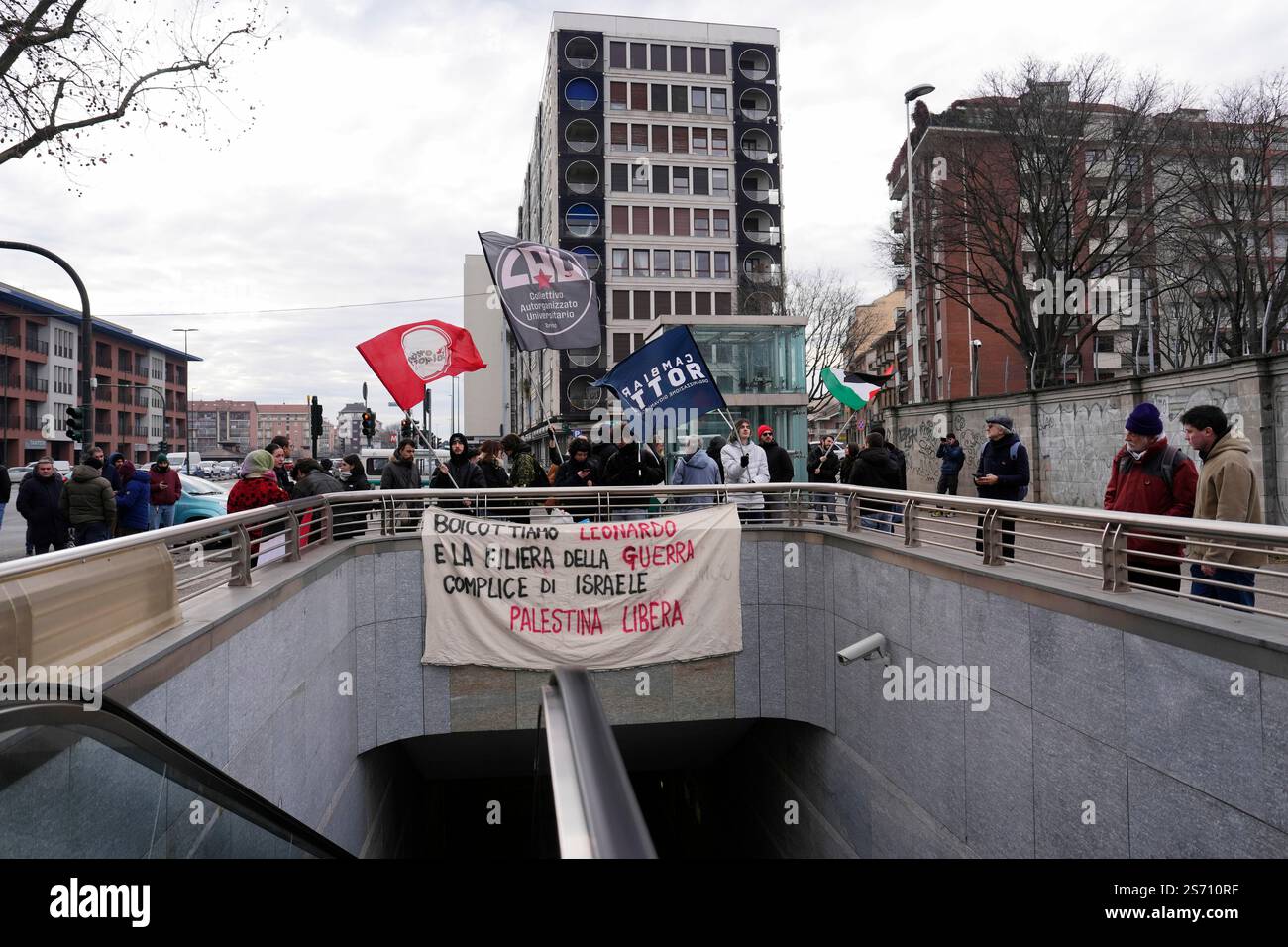
The Eurovision boycott controversy surrounding Israel ignited a spectrum of viewpoints, extending beyond the immediate political context. Understanding these alternative perspectives is crucial to grasping the nuanced complexities of the situation. Diverse interpretations arose from varying cultural backgrounds, political leanings, and individual experiences.Alternative perspectives often highlight aspects of the situation that mainstream narratives might overlook. These perspectives can challenge preconceived notions and offer fresh insights into the issue.
Examining these alternative views is essential for a more comprehensive understanding.
Alternative Interpretations of the Boycott
The boycott of Israel at Eurovision was not universally condemned. Some viewed it as a legitimate expression of political dissent, while others saw it as an overreaction. Different interpretations stem from differing understandings of the conflict’s origins and the role of international forums in promoting dialogue. Some viewed the boycott as a strategic move to bring attention to the Israeli-Palestinian conflict, while others criticized it as a form of censorship.
Varying Perspectives on the Israeli-Palestinian Conflict
Different individuals and groups hold diverse perspectives on the Israeli-Palestinian conflict, significantly impacting their stance on the Eurovision boycott. These differing viewpoints often center on differing interpretations of historical events, responsibility for the conflict, and proposed solutions. Understanding these perspectives is essential for a balanced understanding of the situation.
- Zionist Perspective: This perspective often emphasizes Israel’s right to exist and self-determination, viewing the conflict as primarily driven by Palestinian rejection of Israeli sovereignty and security concerns. Advocates of this view might see the Eurovision boycott as an unwarranted attack on Israel’s cultural identity and right to participate in international events.
- Palestinian Perspective: This perspective frequently highlights Palestinian grievances and the occupation, arguing that the conflict is rooted in the historical dispossession and ongoing oppression of Palestinians. Advocates might see the Eurovision boycott as a legitimate expression of Palestinian resistance and a call for international solidarity with the Palestinian cause.
- Internationalist Perspective: This viewpoint often emphasizes the need for peaceful conflict resolution and international cooperation, highlighting the role of both Israelis and Palestinians in contributing to the conflict. Advocates of this view might see the Eurovision boycott as a distraction from the core issues and call for diplomatic solutions.
Different Approaches to the Eurovision Controversy
The Eurovision boycott highlights the complex interplay of cultural, political, and personal factors. Understanding different approaches can provide valuable insight into the nuances of the situation.
- Cultural Sensitivity: Some may argue that the Eurovision boycott demonstrates a lack of cultural sensitivity, failing to appreciate the importance of cultural exchange and artistic expression. This viewpoint emphasizes the potential for mutual understanding and respect that can arise from such interactions.
- Political Engagement: Conversely, some might view the boycott as a form of political engagement, demonstrating solidarity with a particular cause. This perspective emphasizes the role of political expression in advocating for social justice.
Potential Misunderstandings and Biases
It’s crucial to acknowledge potential misunderstandings and biases in analyzing the Eurovision boycott. Different interpretations often stem from varied cultural backgrounds and personal experiences, which can lead to misinterpretations of the situation.
- Oversimplification of Complex Issues: A common misunderstanding involves simplifying complex political issues into simplistic narratives, potentially overlooking the nuances of the Israeli-Palestinian conflict and the various factors contributing to the boycott. This can result in an incomplete and potentially biased understanding of the situation.
- Lack of Contextual Understanding: The lack of a thorough understanding of the historical context and cultural nuances can lead to misinterpretations and biases. A broader perspective is essential for understanding the varied viewpoints and motivations behind the Eurovision boycott.
Impact on Eurovision
The Eurovision Song Contest, a spectacle of music and national pride, is undeniably vulnerable to external pressures. The current controversy surrounding Israel’s participation, fueled by the ongoing conflict in the region, presents a unique challenge to the competition’s future. This situation necessitates a careful examination of potential repercussions and a proactive approach to preserving the event’s integrity and inclusivity.The Eurovision Song Contest, with its diverse participant nations, is a powerful symbol of global unity through shared artistic expression.
However, this delicate balance can be easily disrupted by geopolitical tensions. The ramifications of this specific controversy are likely to ripple through the competition, impacting future participation and the overall reputation of the event.
Potential Consequences for the Eurovision Competition
The boycott calls raise significant concerns about the future of the Eurovision Song Contest. The contest, historically built on the foundation of musical expression, faces a crucial moment of testing its resilience to external pressures. The potential consequences range from a decrease in participation to damage to the event’s reputation and global appeal.
Potential Effect on Future Participation from Various Countries
A boycott, if successful in its aims, could dissuade other countries from participating in the Eurovision Song Contest. The fear of being targeted or the perception of political implications could deter nations from participating, particularly those with sensitive geopolitical relationships. The ongoing conflict’s influence on the event’s structure and participation is a crucial element to consider. This situation could prompt a reassessment of the political implications of participating, potentially leading to a decrease in international involvement.
Potential for Damage to the Event’s Reputation
The controversy surrounding Israel’s participation, if left unaddressed, risks tarnishing the Eurovision Song Contest’s reputation as a platform for global unity. The contest’s perceived neutrality and artistic focus could be undermined by the political implications of the boycott. Negative media attention could damage the event’s reputation, particularly among those who see it as a purely artistic endeavor. The event’s positive image could be tarnished, leading to a decrease in sponsorships and viewer interest.
Possible Ways to Address the Situation and Maintain Inclusivity
Addressing the controversy requires a multi-faceted approach. Clear communication from the Eurovision organizers about their commitment to inclusivity and neutrality, coupled with a firm stance against political interference in artistic expression, is paramount. Promoting dialogue and understanding between participating nations can mitigate potential future conflicts. The Eurovision organizers could highlight the competition’s historical tradition of promoting cultural exchange, thereby mitigating the potential for damage to the event’s reputation.
The ongoing Israel Eurovision war boycott is definitely a hot topic, sparking a lot of debate. While the music competition is supposed to be about celebrating diversity and unity, the current political climate unfortunately overshadows that. It’s fascinating to see how a seemingly simple cultural event can become intertwined with complex geopolitical issues. Interestingly, David Bouley, a renowned New York chef, has been in the news lately david bouley new york chef , highlighting the diverse and vibrant culinary scene in New York City.
Regardless of these parallel events, the Eurovision boycott continues to be a focal point of discussion, reflecting the broader political tensions at play.
Potential Impact on the Event’s Global Audience
The ongoing controversy could negatively impact the Eurovision Song Contest’s global audience. Viewers from countries with strong political opinions on the conflict could choose to avoid watching the event, impacting viewership figures and potentially harming the competition’s revenue stream. Conversely, the event’s ability to bridge cultural divides could also be a crucial factor in maintaining a broad global appeal.
Comparison of Impact of Past Controversies on Similar International Events
Past controversies in international events, such as the Olympics or other global competitions, have shown that political interference can significantly impact participation and reputation. Analyzing these past instances offers valuable insights into managing similar challenges in the Eurovision Song Contest. The Olympics have faced boycotts in the past, highlighting the delicate balance between political considerations and the pursuit of global unity in sports.
The potential for damage to the event’s reputation is significant. Examining how past controversies have impacted similar international events offers valuable insight into navigating the present situation.
Illustrative Examples

The Eurovision boycott by Israel highlights a broader pattern of political disputes impacting cultural events. Analyzing similar controversies provides valuable context, allowing us to understand the complex interplay of geopolitical tensions, public opinion, and the unintended consequences of such actions. Examining historical precedents helps to illuminate the motivations, reactions, and ultimately, the impact of these events.
The 1980 Moscow Olympics Boycott
The 1980 Summer Olympics boycott, organized by the United States and other countries, provides a striking parallel to the Eurovision controversy. This boycott, stemming from the Soviet Union’s invasion of Afghanistan, saw numerous nations abstaining from participating in the Games.The historical context involved a clash of ideologies and geopolitical rivalries. The Soviet invasion of Afghanistan, perceived by many as an act of aggression, fueled international condemnation and prompted a response from the West.
The Israel Eurovision boycott is definitely a hot topic right now, and it’s fascinating how these things impact global events. While the world focuses on the political ramifications, there’s also a parallel happening in the fashion world – like at Khaite New York Fashion Week , showcasing stunning designs and creative expressions. Ultimately, these seemingly disparate events highlight how complex global issues can intertwine with everyday occurrences, making the Israel Eurovision war boycott even more thought-provoking.
Key issues included the Soviet Union’s human rights record and the broader Cold War tensions.The outcome of the boycott was multifaceted. The absence of many prominent athletes diminished the spectacle of the Games, although the Soviet Union continued to host the event. Furthermore, the boycott significantly impacted the international sports community, fostering divisions and altering the landscape of global competition.
The boycott’s consequences extended beyond the immediate sporting event, impacting international relations and diplomatic efforts.Various factors contributed to the controversy. The boycott was driven by a combination of political, moral, and strategic considerations. The perceived need to demonstrate solidarity with the Afghan people and the desire to exert pressure on the Soviet Union were crucial motivators.Different perspectives were strongly divided.
The Soviet Union viewed the boycott as an act of hostility, while the boycotting nations argued that it was a necessary response to a violation of international norms. Public opinion within the boycotting nations generally favored the boycott, while the Soviet Union and its allies viewed it negatively.
| Feature | 1980 Moscow Olympics Boycott | Eurovision Controversy |
|---|---|---|
| Historical Context | Cold War tensions, Soviet invasion of Afghanistan | Israeli-Palestinian conflict, rising anti-Israel sentiment |
| Key Issues | Soviet human rights record, Afghanistan intervention | Israeli-Palestinian relations, anti-Israel sentiment, Eurovision’s role in global politics |
| Outcome | Diminished spectacle, altered global sporting landscape, impacted international relations | Debate over Eurovision’s role in politics, potential damage to the Eurovision brand, public backlash |
| Contributing Factors | Political pressure, moral considerations, strategic positioning | Political pressure, moral considerations, social media amplification, public opinion |
| Perspectives | Soviet Union vs. West | Israel vs. critics, Eurovision organizers vs. protesters |
Final Review

In conclusion, the Israel Eurovision war boycott presents a multifaceted issue with deep historical, political, and social implications. Examining the historical context, the controversy itself, and its impact on various stakeholders reveals the complexities of this situation. Alternative viewpoints highlight the nuances of the issue, and the potential consequences for Eurovision are significant. Ultimately, the discussion underscores the importance of considering multiple perspectives and the potential for misunderstandings and biases to shape public discourse.
FAQ Resource
What are some alternative perspectives on the boycott?
Alternative perspectives acknowledge the complexities of the situation, recognizing various viewpoints and potential misunderstandings. These perspectives might explore the cultural and artistic aspects of Eurovision, the role of individual choices, and the potential for dialogue and understanding instead of boycotts.
How has social media influenced public opinion regarding the boycott?
Social media platforms have significantly amplified public discourse, allowing for rapid dissemination of information and opinions. This can create a highly polarized environment, with different groups engaging in the controversy in different ways. Media coverage plays a crucial role in shaping public perception.
What are the potential effects of a boycott on Israel’s image and reputation?
A boycott can damage Israel’s image and reputation, potentially impacting its international relations. The social and political ramifications of such a boycott are significant and multifaceted.
What are some illustrative examples of similar situations involving boycotts of international events?
Other international events have faced similar controversies involving boycotts. Analyzing these situations provides valuable context and comparison to understand the dynamics and potential outcomes of the Israel Eurovision war boycott.