Pakistans Vote Ukraine, Israel, US, Asia
Pakistan vote ukraine israel us asia – Pakistan’s vote on Ukraine, Israel, US, and Asia is a complex issue. It’s a delicate balancing act, influenced by internal opinions, regional geopolitical pressures, and historic ties. Pakistani public sentiment, shaped by media coverage and diverse perspectives, plays a crucial role. How will Pakistan navigate these intricate relationships, and what impact will their choices have on the region?
This post delves into the multifaceted considerations driving Pakistan’s position on these critical global events. We examine the interplay between domestic factors, regional dynamics, and Pakistan’s historical relationships with key players, including the US, China, and Russia. We also explore potential correlations between Pakistan’s vote on Ukraine and their stance on the Israeli-Palestinian conflict.
Pakistani Public Opinion on International Events
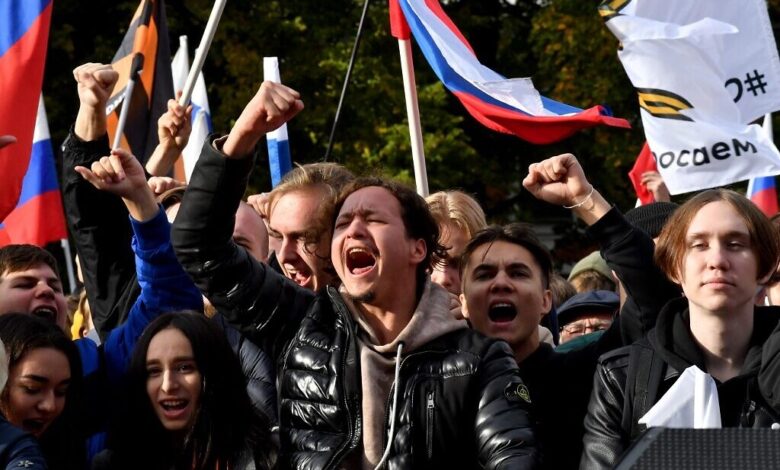
Pakistani public opinion is a complex tapestry woven from diverse threads of social and political perspectives. Understanding the nuances of this opinion is crucial for comprehending Pakistan’s foreign policy and its reactions to global events. This analysis focuses on the potential factors shaping public sentiment regarding the Ukraine conflict, exploring the range of views, media coverage, government stance, and correlations with other international issues.
Potential Factors Influencing Public Opinion on the Ukraine Conflict
Pakistani public opinion on the Ukraine conflict is likely influenced by several interconnected factors. Geopolitical considerations, economic anxieties, and the historical context of regional conflicts will all play a role. Pakistan’s close relationship with Russia, its economic dependence on various global powers, and its own history of border disputes and regional conflicts will likely shape public discourse. Furthermore, the dissemination of information, through both official and unofficial channels, will significantly impact the public’s understanding and response.
Range of Views on the Ukraine Conflict
Pakistani public opinion regarding the Ukraine conflict will likely encompass a spectrum of views. Support for either side, or a neutral stance, will depend on individual perspectives, including religious affiliation, socioeconomic status, and political leanings. Some may be sympathetic to Russia’s perspective, considering the historical ties and shared geopolitical interests. Others may be aligned with the international condemnation of Russia’s actions, emphasizing the principles of international law and territorial integrity.
A significant segment might hold a neutral stance, concerned primarily with the economic implications of the conflict on Pakistan.
Pakistani Media Coverage and its Impact, Pakistan vote ukraine israel us asia
Pakistani media coverage of the Ukraine conflict will undoubtedly shape public perception. The narratives presented, the emphasis placed on various aspects of the conflict, and the framing of the issue will significantly influence public sentiment. Government-controlled media outlets may promote particular viewpoints, while independent media outlets might provide more balanced and critical analyses. The availability and accessibility of diverse media sources will also impact the public’s understanding of the conflict.
Pakistani Government’s Stance and its Effect on Public Perception
Pakistan’s official stance on the Ukraine conflict is a crucial determinant of public opinion. The government’s declared neutrality, or leaning towards a particular side, will have a profound effect on how the public perceives the issue. The government’s diplomatic efforts, pronouncements, and perceived alignment with international powers will all influence public opinion. Furthermore, the government’s response to the conflict’s economic repercussions will also play a significant role.
Correlations with Other International Events
The Israeli-Palestinian conflict and other regional tensions will likely influence Pakistani public opinion on the Ukraine conflict. The perceived similarities in geopolitical power dynamics or the potential for regional conflict escalation could create correlations between the two issues. Pakistan’s long-standing support for Palestine will also influence how the public perceives the Ukraine conflict, especially given the international involvement and condemnation of Russia’s actions.
Demographic Views on the Ukraine Conflict
| Demographic Group | Potential Views on the Ukraine Conflict |
|---|---|
| Religious Affiliation (Islam) | Varying viewpoints. Some may align with Russia’s perspective due to historical and geopolitical factors, while others may align with the international community due to humanitarian concerns. |
| Socioeconomic Status (Lower-Middle Class) | Primarily concerned with the economic implications of the conflict, such as rising energy prices and food shortages. |
| Socioeconomic Status (Upper-Middle Class) | More likely to be influenced by international relations and geopolitical analysis. |
| Political Leaning (Left-leaning) | More likely to be critical of Russia’s actions and support international condemnation. |
| Political Leaning (Right-leaning) | May exhibit more support for Russia, potentially based on geopolitical alliances or shared concerns about Western influence. |
| Political Leaning (Center) | More likely to adopt a neutral stance or focus on the economic impact of the conflict. |
Pakistan’s Role in Regional Geopolitics
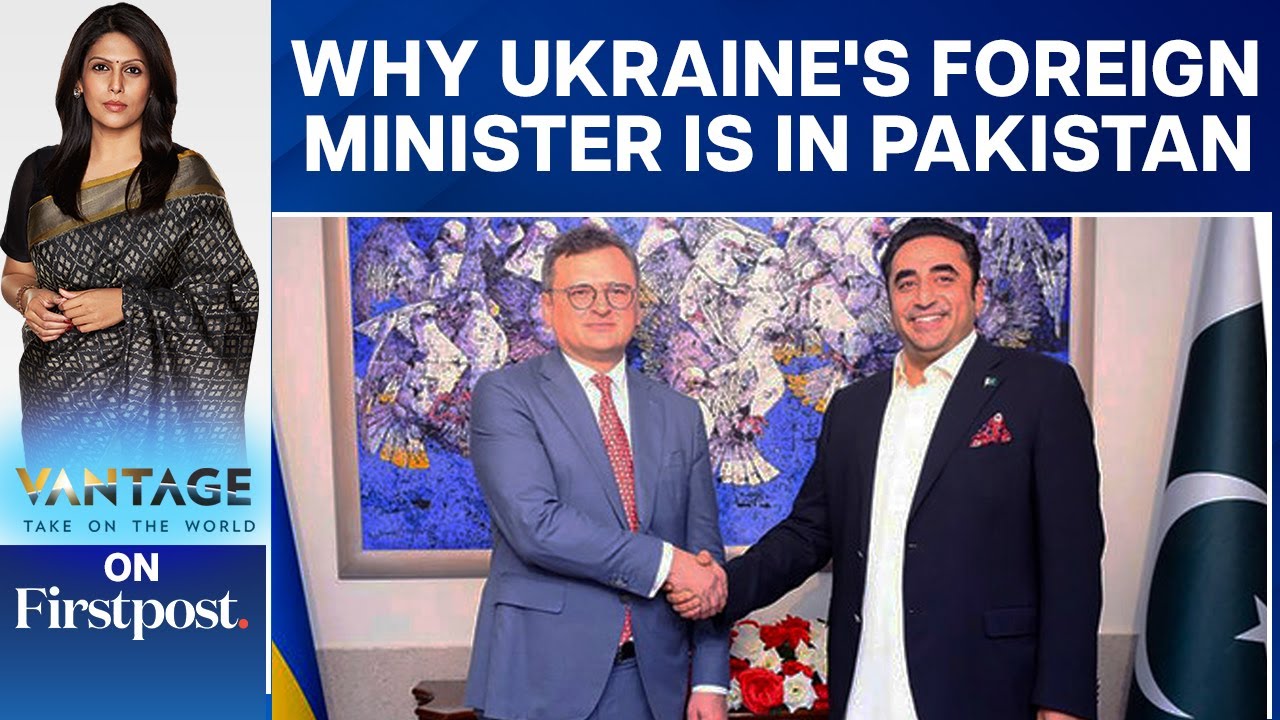
Pakistan’s position in regional geopolitics is complex and multifaceted, shaped by its historical relationships, strategic interests, and the evolving dynamics of the region. Caught between competing powers and facing internal challenges, Pakistan navigates a delicate balance in its foreign policy, striving to maintain its sovereignty and security while pursuing its economic and development goals. The Ukraine conflict, the Israeli-Palestinian dispute, and relations with the US and Asia are critical factors in this intricate dance.Pakistan’s historical relationships with various regional powers, including the US and Israel, have significantly influenced its current geopolitical standing.
These past interactions have often led to nuanced and sometimes contradictory alliances, demanding a careful consideration of present-day interests. The legacy of these relationships informs Pakistan’s approach to contemporary conflicts and partnerships.
Pakistan’s Stance on the Ukraine Conflict
Pakistan’s stance on the Ukraine conflict has been characterized by a desire to maintain neutrality while pursuing its own strategic interests. This delicate balancing act is further complicated by Pakistan’s economic ties with Russia and its need to avoid jeopardizing its relations with the West. The economic implications of Pakistan’s position on the conflict are considerable, including the potential impact on trade and investment opportunities.
Pakistan’s Relationship with the US
Pakistan’s relationship with the US has been marked by periods of cooperation and tension. Historical military and economic ties have been crucial to Pakistan’s security, but the shifting geopolitical landscape and differing perspectives on regional issues have created complexities. This relationship is now undergoing a period of re-evaluation, with Pakistan seeking to redefine its strategic priorities.
Pakistan’s Relationship with China
Pakistan’s close relationship with China has become increasingly significant in its foreign policy. The China-Pakistan Economic Corridor (CPEC) has been a cornerstone of this relationship, fostering economic cooperation and bolstering Pakistan’s strategic position. This strong partnership influences Pakistan’s approach to global events and regional alliances. This strategic alliance has become crucial in the face of a shifting geopolitical landscape.
Potential Influence of Regional Actors
Several regional actors exert influence on Pakistan’s position in regional geopolitics. India’s policies, particularly in the context of their shared border, often shape Pakistan’s strategic calculus. The actions and stances of other regional players, such as Iran and Afghanistan, also play a role in shaping Pakistan’s foreign policy choices.
Economic and Strategic Implications of Pakistan’s Stance
Pakistan’s stance on the Ukraine conflict has potential economic and strategic implications. Pakistan’s trade with both Russia and the West may be affected, and any perceived bias in its position could impact its relationships with key trading partners. These implications must be carefully considered by Pakistan’s policymakers.
Pakistan’s Foreign Policy Objectives and Alignment with Major Global Players
| Foreign Policy Objective | Alignment with US | Alignment with Russia |
|---|---|---|
| Maintaining regional stability | Potentially aligned, but dependent on specific US actions | Potentially aligned, depending on the conflict’s impact on regional stability |
| Economic development | Seeking economic opportunities through cooperation | Potential for economic collaboration, but potentially constrained by Western sanctions |
| National security | Seeking security cooperation, but potentially facing challenges due to differing perspectives | Seeking security cooperation, but potentially constrained by Western sanctions |
Pakistani-US Relations and the Ukraine War
Pakistan and the United States share a complex and often fraught history, marked by periods of cooperation and significant disagreements. The Ukraine war, with its global ramifications, presents a new set of challenges and opportunities for the bilateral relationship. Understanding the historical context, potential impacts of sanctions, and shifting alliances is crucial to assessing Pakistan’s position and future trajectory.The historical relationship between Pakistan and the US has been characterized by strategic partnerships aimed at regional security and counter-terrorism efforts.
However, differing perspectives on various geopolitical issues have often created tensions. The US has historically supported Pakistan’s security concerns, but disagreements on issues like India’s role in the region and Pakistan’s nuclear program have occasionally strained ties.
Potential Influence of the Ukraine Conflict
The Ukraine conflict has significantly altered the global geopolitical landscape, forcing nations to re-evaluate their alliances and strategic partnerships. Pakistan, situated at a critical juncture in South Asia, faces complex choices in navigating this evolving environment.
Historical Context of Pakistan-US Relations
Pakistan’s relationship with the US has been marked by fluctuating dynamics. Initially, fostered by shared Cold War concerns, the partnership has evolved through periods of close cooperation, punctuated by disagreements over issues like regional policies and counter-terrorism strategies. The historical interplay of these factors has shaped the contours of the present relationship.
Impact of Sanctions and International Pressure
The international sanctions imposed on Russia due to the Ukraine war have created economic ripple effects globally. Pakistan, with its reliance on global trade and investment, might experience indirect pressures due to its existing economic ties with Russia and its neutral stance on the conflict.
Pakistan’s vote on the Ukraine, Israel, US, and Asia issue is certainly interesting, but let’s be real, sometimes I just need a good, old-fashioned subway weekend. Have you heard about the latest Subway Weekend with Jose Lasalle? Subway weekend Jose Lasalle is shaping up to be a great time, and honestly, a bit of escapism is good for the soul, even amidst global politics.
Back to the serious stuff: Pakistan’s stance in this situation will undoubtedly have lasting implications.
Potential for Shifting Alliances and Strategic Partnerships
The Ukraine conflict has highlighted shifts in global power dynamics. Regional alliances and strategic partnerships are being reassessed, leading to potential realignments in various parts of the world. Pakistan’s strategic location and relations with other countries in the region will play a crucial role in this reshaping of the geopolitical landscape.
Potential Areas of Cooperation and Contention
Pakistan and the US share common interests in regional stability, counter-terrorism efforts, and economic development. However, differences on issues like the Kashmir dispute and India’s role in regional affairs continue to be sources of contention. The Ukraine war might further exacerbate or mitigate these existing tensions, depending on the approach each country adopts.
Table: Approaches to the Ukraine Crisis
| Aspect | Pakistan | United States |
|---|---|---|
| Stance on the Conflict | Maintaining neutrality, emphasizing the need for diplomatic solutions and regional stability. | Strong condemnation of Russia’s actions, advocating for sanctions and military aid to Ukraine. |
| Role in International Organizations | Actively participating in forums like the UN, seeking diplomatic resolutions and humanitarian aid efforts. | Leading efforts in international forums, including the UN Security Council, to condemn Russia’s actions and impose sanctions. |
| Economic Impact | Seeking to mitigate the indirect economic impacts of sanctions, maintaining trade relations where possible. | Implementing sanctions targeting the Russian economy, providing financial and military aid to Ukraine. |
Pakistan’s Stance on the Israeli-Palestinian Conflict
Pakistan’s consistent support for the Palestinian cause stands in contrast to its more nuanced approach to the Ukraine conflict. While Pakistan condemns the Russian invasion of Ukraine, it avoids direct condemnation or punitive measures against Russia, maintaining a more cautious, non-aligned stance. This difference highlights the complexity of Pakistan’s foreign policy, shaped by its historical ties, regional interests, and its own security concerns.Pakistan’s position on the Israeli-Palestinian conflict is deeply rooted in its historical and ideological commitments.
The conflict is viewed as a significant injustice against Palestinians, a perspective shared with many Muslim-majority nations. Pakistan’s stance is not merely a matter of international relations but also deeply embedded in its national identity and religious values.
Pakistan’s vote on the Ukraine-Israel-US-Asia issue is certainly intriguing, and it’s fascinating to consider how this ties into broader geopolitical dynamics. Pakistan’s position in this complex web of international relations, especially regarding the nuclear capabilities and space race of countries like the US and Russia, as explored in the article on us russia nuclear space pakistan asia , offers a lot to ponder.
Ultimately, understanding these interwoven global relationships is crucial to deciphering Pakistan’s stance on the Ukraine conflict and its role in regional politics.
Factors Influencing Pakistan’s Position
Pakistan’s unwavering support for the Palestinian cause stems from several key factors. A strong historical commitment to the Palestinian struggle, coupled with religious and moral considerations, plays a significant role. Pakistan’s close relations with Arab nations, particularly those with significant Palestinian populations, further solidify its position. Moreover, Pakistan’s perceived vulnerability in the region, along with its geopolitical priorities, shapes its perspective on the conflict.
Historical Position and Evolution
Pakistan’s position on the Israeli-Palestinian conflict has remained largely consistent over the years. Since its inception, Pakistan has consistently condemned Israeli policies and actions. The country has actively supported Palestinian self-determination and a two-state solution. While the specific rhetoric and actions may have adapted to evolving circumstances, the core principle of supporting Palestinian rights has remained steadfast.
This position has been further strengthened by Pakistan’s commitment to the principles of Islamic solidarity.
Relations with Other Countries
Pakistan maintains close relations with several Arab nations, sharing a common historical and ideological perspective on the Israeli-Palestinian conflict. This close alignment strengthens Pakistan’s diplomatic efforts in support of Palestinian causes. Pakistan also engages with Palestinian organizations and leaders, highlighting its commitment to the Palestinian struggle.
Impact on Pakistan’s Relations with Other Countries
Pakistan’s unwavering support for Palestine can influence its relations with countries in Asia, particularly those with strong historical ties or similar geopolitical concerns. The stance may create solidarity with other Muslim-majority countries, but it might also create tension with Israel or its allies, particularly if those allies are also significant trade partners.
Pakistan’s vote on the Ukraine, Israel, US, and Asia situation is definitely interesting. It’s got me thinking about the complexities of international relations, and how those decisions impact global events. You know how sometimes, a seemingly unrelated topic can really shift your perspective? Well, digging into the fascinating world of broadway cast albums, specifically the broadway cast albums sweeney todd , reminded me of the intricate and often surprising dynamics at play in global politics.
Back to Pakistan’s vote, I’m curious to see how this vote will ultimately affect the region and beyond.
Geopolitical Position in Asia
Pakistan’s stance on the Israeli-Palestinian conflict has significant implications for its geopolitical position in Asia. Its support for the Palestinians can strengthen its relationships with Arab nations, but it might lead to tensions with Israel or countries with close ties to Israel. This delicate balance is crucial for Pakistan to navigate its regional responsibilities and international commitments effectively.
Impact of Asian Powers on Pakistan’s Choices
Pakistan’s foreign policy is significantly shaped by its complex relationships with Asian powers, particularly China and India. These relationships, marked by both cooperation and competition, profoundly influence Pakistan’s economic trajectory, geopolitical positioning, and overall strategic choices. The influence extends beyond bilateral ties, encompassing regional dynamics and global power struggles.The interplay between Pakistan’s relations with China and India, and its response to global events like the Ukraine conflict, underscores the intricate web of factors that determine Pakistan’s foreign policy.
Pakistan’s vote on the Ukraine, Israel, US, and Asia situation is certainly interesting, but it’s also worth noting the recent controversy surrounding “Read Like Wind” recommendations. Apparently, there’s a scandal brewing there, which might shed some light on the complexities of international relations. This raises questions about the motivations behind such votes, especially considering the intricate web of political and economic factors involved in the Pakistan vote on the Ukraine, Israel, US, and Asia issue.
read like wind recommendations scandal
Balancing competing interests while navigating a complex geopolitical landscape requires careful consideration of potential economic and political implications.
Influence of China on Pakistan’s Foreign Policy
China’s substantial economic investment in Pakistan, primarily through the China-Pakistan Economic Corridor (CPEC), has significantly altered Pakistan’s economic and geopolitical landscape. This investment fosters economic interdependence and creates strategic linkages. China’s growing influence often translates into a nuanced foreign policy for Pakistan, particularly when considering the global geopolitical context. Pakistan’s position on international issues often aligns with China’s stance, although not always in a completely consistent manner.
Influence of India on Pakistan’s Foreign Policy
India’s rising power and its long-standing historical rivalry with Pakistan contribute to a dynamic and often tense regional environment. Pakistan’s foreign policy decisions are frequently shaped by its need to balance its relationship with India while maintaining its strategic interests and security. The ongoing border disputes and historical tensions create a framework for Pakistan’s approach to regional and global affairs.
Economic Implications of Pakistan’s Relations with Asian Powers
Pakistan’s economic well-being is directly tied to its relationships with major Asian powers. China’s economic investment provides significant infrastructure development opportunities and potential for economic growth. However, the dependence on China can also present challenges in terms of economic sovereignty and long-term economic viability.
Political Implications of Pakistan’s Relations with Asian Powers
Pakistan’s relations with China and India have substantial political implications for its regional standing and influence. Balancing these relationships requires careful diplomacy and a nuanced approach to international issues. The geopolitical dynamics in the region often lead to Pakistan adopting a cautious stance, balancing its interests against those of other nations.
Pakistan’s vote on the Ukraine, Israel, US, and Asia issue is definitely interesting, right? It’s got everyone talking, but have you seen the crazy viral trend of Acne Studios scarves on TikTok? Acne Studios scarf tiktok is all the rage, and honestly, it’s kind of distracting from the larger geopolitical implications. Regardless, Pakistan’s vote still seems like a pivotal moment in global relations.
Areas of Cooperation and Competition
Pakistan and other Asian countries often find areas of both cooperation and competition. Cooperation can occur in areas like infrastructure development, trade, and security. Competition, particularly with India, can stem from differing geopolitical interests, security concerns, and economic rivalry.
Examples of Geopolitical Choices Affected by Asian Relations
Pakistan’s stance on regional conflicts, including those involving Afghanistan and Kashmir, is significantly shaped by its relationships with its Asian neighbors. The presence of China and India in these conflicts often necessitates a complex balancing act for Pakistan.
Pakistan’s Relations with China and India in the Context of the Ukraine Conflict
Pakistan’s stance on the Ukraine conflict is influenced by its relationships with both China and India. China’s stance on the conflict often shapes Pakistan’s approach. India, with its differing geopolitical interests, presents a further layer of complexity in Pakistan’s foreign policy. The differing views between the two nations can result in differing perspectives on the conflict.
Positions of Asian Countries on the Ukraine Conflict
| Country | Stance on Ukraine Conflict | Potential Impact on Pakistan’s Foreign Policy |
|---|---|---|
| China | Neutral, emphasizing diplomatic solutions. | Pakistan’s alignment with China’s stance may affect its neutrality or support for Russia’s position. |
| India | Strongly condemning the invasion, supporting Ukraine’s sovereignty. | Pakistan’s approach might be influenced by the contrasting perspectives and may attempt to maintain neutrality. |
| Japan | Condemning the invasion, supporting sanctions against Russia. | Pakistan’s foreign policy could face pressure to align with the Japanese position, although it may attempt to maintain a balance. |
| South Korea | Condemning the invasion, supporting sanctions against Russia. | Similar to Japan, Pakistan may face pressure to align, but it may try to navigate the complex situation. |
| Other Asian Countries | Varying stances, from neutrality to condemnation. | Pakistan will likely consider the stance of various Asian nations and tailor its approach to global affairs. |
Closing Notes: Pakistan Vote Ukraine Israel Us Asia
In conclusion, Pakistan’s vote on Ukraine, Israel, the US, and Asia reveals a nation navigating a complex web of geopolitical forces. Their decision reflects a delicate balancing act between domestic concerns, regional alliances, and historical relationships. The choices made by Pakistan will have profound implications for the region and the global stage. The interplay between public opinion, regional dynamics, and international relations underscores the importance of Pakistan’s position in this critical juncture.
FAQ Corner
What is Pakistan’s historical relationship with the US?
Pakistan’s relationship with the US has been complex and at times fraught with tension. It has swung between periods of cooperation and contention, often influenced by regional events and shifting geopolitical landscapes.
How does Pakistan’s stance on the Israeli-Palestinian conflict affect its relations with other countries?
Pakistan’s longstanding support for Palestinian rights has impacted its relations with several countries, particularly those in the Arab world. However, it has also maintained relationships with other nations, navigating this aspect of its foreign policy.
What is the potential impact of sanctions on Pakistan’s position on the Ukraine conflict?
International sanctions related to the Ukraine conflict could significantly affect Pakistan’s economic stability and potentially pressure its position. The potential for economic consequences needs careful consideration.
What role does China play in Pakistan’s foreign policy decisions?
China is a major player in Pakistan’s foreign policy decisions, particularly in economic and strategic partnerships. The influence of China is significant and merits close attention.