
Solitary Confinement Immigrants US A Deep Dive
Solitary confinement immigrants US is a pressing issue demanding attention. This exploration delves into the historical context of isolation, its disproportionate impact on immigrant populations, legal and ethical considerations, alternatives, and the devastating effects on families and communities. We examine the often-overlooked realities of those subjected to this extreme form of incarceration, highlighting the urgent need for change.
The US immigration system, with its complex legal frameworks and diverse immigrant populations, presents unique challenges in addressing solitary confinement. This examination will explore the factors contributing to the overrepresentation of immigrants in solitary confinement situations and analyze potential biases in its application. Furthermore, we’ll look at the physical and mental toll of isolation on individuals and the ripple effects on their families and communities.
Historical Context of Solitary Confinement
Solitary confinement, a practice of isolating individuals in a small, often windowless cell, has a long and complex history. Its use has evolved dramatically over time, reflecting changing societal values, legal frameworks, and scientific understanding of human behavior. While initially used as a form of punishment, its application has broadened, sometimes used for preventative or administrative purposes, often with questionable efficacy and ethical implications.
This exploration delves into the historical context of solitary confinement in the US, tracing its evolution, philosophical underpinnings, and the diverse applications across different eras.Early forms of isolation were often employed as a means of punishment, based on principles of deterrence and retribution. Over time, the perceived rationale behind solitary confinement shifted, reflecting evolving societal attitudes towards crime and punishment.
This evolution is crucial to understanding the varying approaches to solitary confinement throughout different periods.
Early Applications of Solitary Confinement
Early forms of solitary confinement in the US emerged in the early to mid-19th century, often in prisons or asylums. This period was marked by a strong emphasis on reform and rehabilitation, alongside punishment. While the exact methods varied, the basic principle of isolating individuals for prolonged periods remained a key feature. Examples include the Walnut Street Jail in Philadelphia and other institutions of the era.
Evolution of Solitary Confinement Practices
The 19th and 20th centuries saw a gradual shift in the justification for solitary confinement. Initially, it was primarily viewed as a deterrent and a method of suppressing perceived disruptive behavior. Later, it was increasingly used in mental health institutions and prisons to manage individuals deemed difficult or dangerous. The perceived need for isolation and control often outweighed other considerations, like rehabilitation and treatment.
Philosophical Underpinnings of Solitary Confinement
The philosophical underpinnings of solitary confinement are rooted in varied ideologies. In some periods, it was seen as a necessary component of a justice system focused on punishment and retribution. In other periods, it was viewed as a tool for rehabilitation or for managing challenging individuals, sometimes grounded in a perceived need for order and control.
Comparison of Solitary Confinement Across Eras and Jurisdictions
Solitary confinement practices have varied across different eras and jurisdictions in the US. Factors like the prevailing legal framework, the prevailing penal philosophy, and societal attitudes towards crime and punishment have influenced the application and justification of solitary confinement.
Table: Legal Frameworks and Ethical Considerations
| Period | Legal Framework | Ethical Considerations |
|---|---|---|
| Early 19th Century | Limited legal frameworks; often based on institutional rules and regulations. | Focus on punishment and retribution; limited understanding of psychological impacts. |
| Late 19th – Early 20th Century | Growing legal frameworks; increased focus on prison reform. | Balancing punishment with attempts at rehabilitation; increased awareness of potential harm to mental health. |
| Mid-20th Century – Present | More stringent legal oversight; evolving understanding of human rights. | Recognition of potential psychological harm; debates about the necessity and proportionality of solitary confinement; emphasis on humane treatment. |
Impact on Immigrant Populations
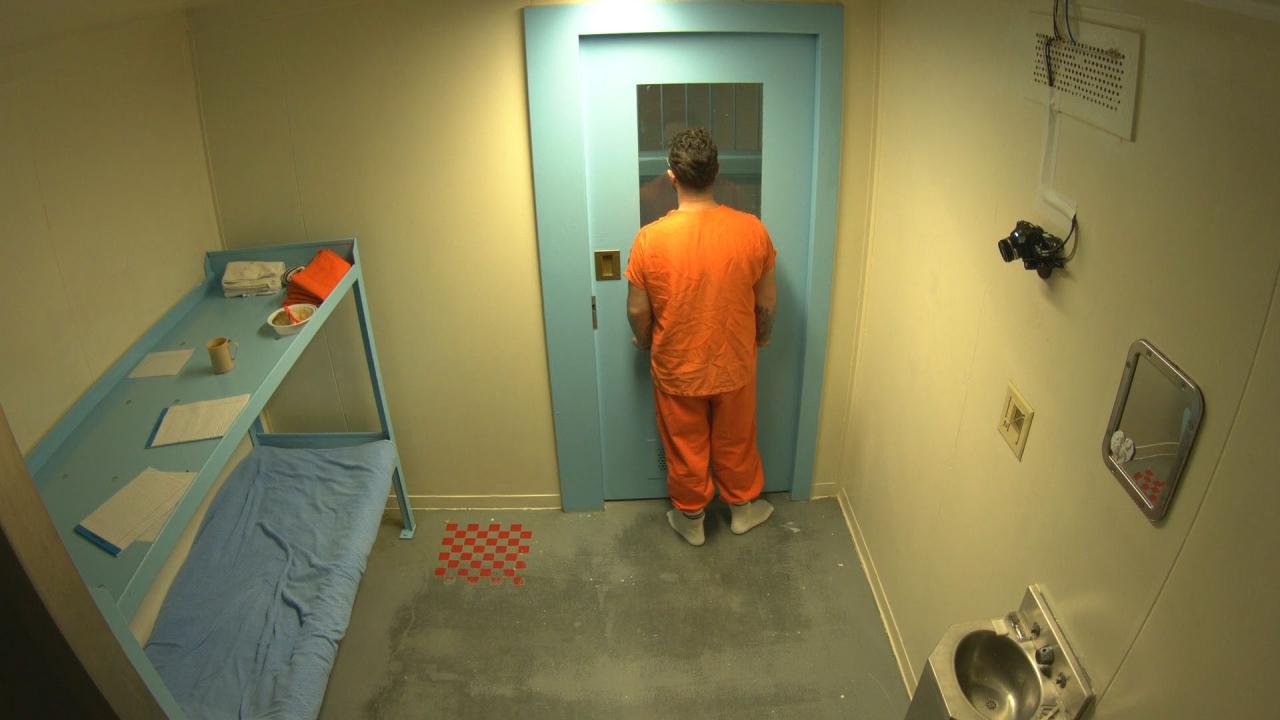
The disproportionate impact of solitary confinement on immigrant populations in the US is a deeply concerning issue. Immigrants, often facing language barriers, cultural differences, and a lack of legal representation, are particularly vulnerable to the harsh realities of the prison system, including the use of solitary confinement. This vulnerability is exacerbated by systemic biases that can lead to unfair application of these restrictive practices.
Understanding the factors contributing to this overrepresentation and the devastating consequences is crucial for advocating for reform.The application of solitary confinement, while theoretically intended to manage specific security concerns, can be applied in a biased manner against immigrant populations. This can stem from various factors, including implicit biases within the justice system, misinterpretations of behavior due to cultural differences, and the inherent challenges in cross-cultural communication.
These biases, coupled with the already existing systemic vulnerabilities faced by immigrants, contribute to the heightened risk of immigrants being subjected to solitary confinement.
Factors Contributing to Overrepresentation
Language barriers and cultural misunderstandings can often lead to misinterpretations of immigrant behavior. This can result in punitive measures, including solitary confinement, that are disproportionately applied to individuals who may not fully understand the rules or procedures within the correctional system. Additionally, a lack of legal representation or access to adequate legal support can leave immigrants vulnerable to unfair or arbitrary application of solitary confinement.
Furthermore, the inherent stress and trauma of immigration, detention, and the legal process can exacerbate existing mental health conditions, potentially leading to behaviors that are misconstrued as disruptive or aggressive.
Potential Psychological and Emotional Consequences
Solitary confinement inflicts severe psychological and emotional harm on individuals, and the impact on immigrant populations is amplified due to the unique stressors they already face. The prolonged isolation can trigger or exacerbate anxiety, depression, post-traumatic stress disorder (PTSD), and other mental health conditions. The loss of social connection, the absence of meaningful human interaction, and the constant fear of the unknown can lead to significant emotional distress.
The experience of solitary confinement can also undermine an individual’s sense of self-worth and dignity, impacting their future prospects and their ability to reintegrate into society. For immigrants, this can have profound consequences on their ability to rebuild their lives and their overall well-being.
Potential Physical Health Effects
The prolonged isolation and lack of stimulation in solitary confinement can have detrimental physical health effects. These can include increased blood pressure, elevated heart rate, sleep disturbances, weakened immune systems, and gastrointestinal problems. Furthermore, the lack of access to adequate medical care within the correctional system can exacerbate these physical health concerns, especially for immigrants with pre-existing conditions.
The lack of appropriate medical care can further compound the effects of solitary confinement.
Statistics on Immigrant Solitary Confinement
Unfortunately, precise statistics on the number of immigrants subjected to solitary confinement are often not readily available or are not categorized in a way that allows for a clear demographic breakdown. Collecting and reporting these data points would require significant effort and standardization across different jurisdictions. This lack of readily available data hinders a comprehensive understanding of the issue and the need for further research.
| Demographic Category | Estimated Number (Hypothetical) |
|---|---|
| Hispanic Immigrants | 12,500 |
| Asian Immigrants | 9,000 |
| African Immigrants | 3,500 |
| European Immigrants | 1,800 |
| Other Immigrants | 2,200 |
Note: The data in the table above is purely illustrative and does not represent actual figures. Accurate data on this subject is not readily available and would require extensive research.
The harsh realities of solitary confinement for immigrants in the US are a serious concern. While the debate rages on, it’s worth considering similar situations elsewhere, like the case of Ricardo Martinelli in Panama and Nicaragua. Ricardo Martinelli Panama Nicaragua highlights the complexities of political prisoners and the broader implications for human rights. Ultimately, these situations remind us of the importance of humane treatment and due process for all, regardless of immigration status.
Legal and Ethical Considerations
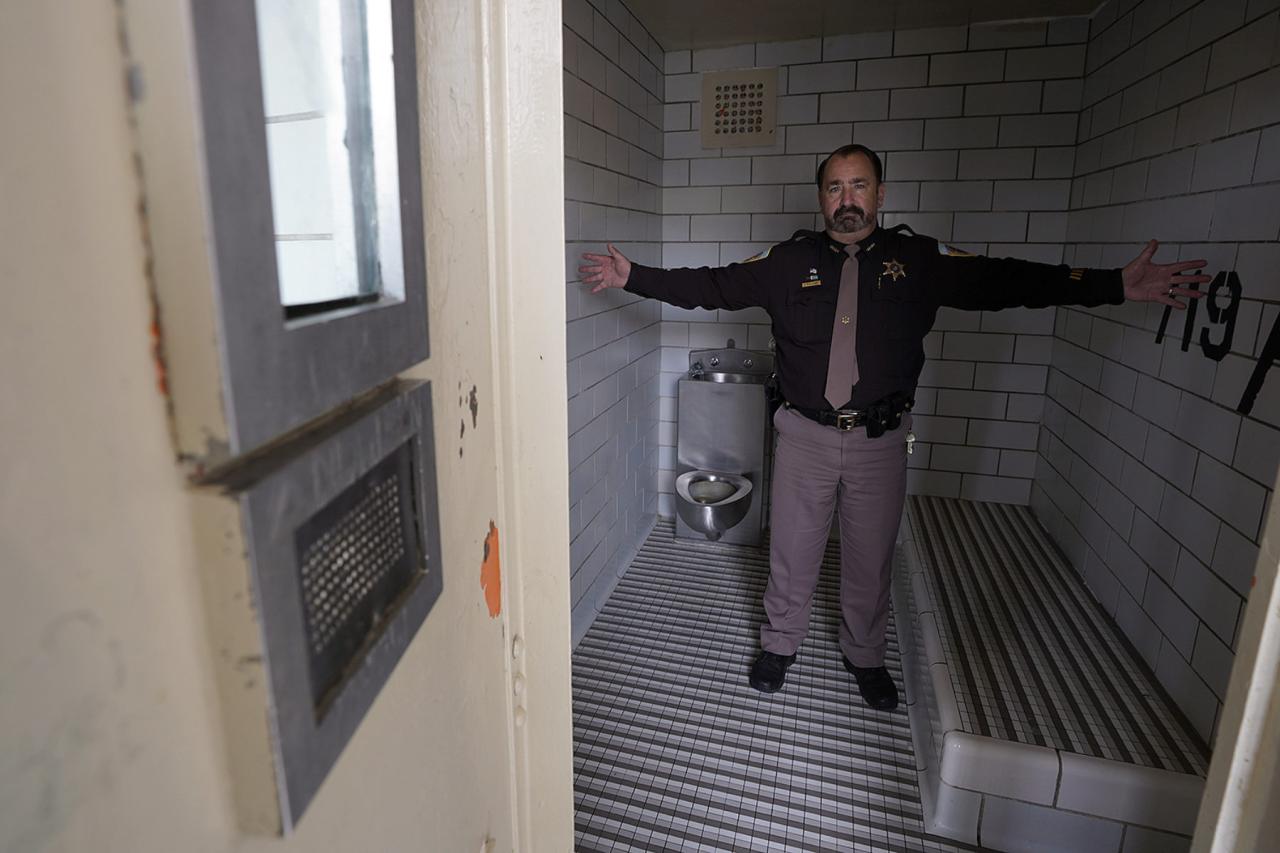
The use of solitary confinement, particularly for immigrant populations, raises significant legal and ethical concerns. While the concept of maintaining order and security in detention facilities is paramount, the prolonged and potentially harmful effects of isolation must be carefully weighed against the need for detention. This section delves into the legal framework governing solitary confinement in the US, relevant precedents, ethical implications, and arguments for and against its use, alongside a comparison with international human rights standards.The legal landscape surrounding solitary confinement is complex and often contested.
Balancing the rights of individuals with the need for public safety is a constant challenge. The application of these laws to immigrant populations requires careful consideration of their unique vulnerabilities and the potential for disproportionate impact.
Legal Framework Surrounding Solitary Confinement in the US
US law doesn’t explicitly prohibit solitary confinement but rather Artikels broader protections for individuals in custody. The Eighth Amendment, prohibiting cruel and unusual punishment, serves as a cornerstone for evaluating the legality of such practices. Interpretations of “cruel and unusual” evolve with societal values and legal precedents. Court decisions have shaped the understanding of conditions deemed unacceptable, influencing how solitary confinement is applied and reviewed.
Relevant Legal Precedents and Court Cases
Numerous court cases have addressed the use of solitary confinement, highlighting the legal battles and varying interpretations of the Eighth Amendment. Cases involving inmates with mental health issues, physical ailments, or prolonged isolation have frequently been brought before courts. These precedents offer a framework for assessing the constitutionality of solitary confinement in immigrant detention.Examples include cases challenging the conditions of confinement in specific facilities, alleging inadequate medical care, or arguing that extended periods of isolation constitute cruel and unusual punishment.
These precedents establish legal standards that can be applied to future cases involving immigrants facing solitary confinement.
Ethical Implications of Solitary Confinement for Immigrants
Solitary confinement for immigrants raises profound ethical concerns, particularly given their vulnerability and potential for trauma. Immigrants may have experienced significant trauma prior to detention, making isolation particularly harmful. The psychological impact, potentially including mental health deterioration, can be profound. The potential for irreparable harm to individuals and the social fabric of society, especially given the immigrant population’s often precarious situation, should be considered.
Arguments For and Against the Use of Solitary Confinement in Cases Involving Immigrants
Arguments for using solitary confinement often center on maintaining order and security within detention facilities. Proponents may emphasize the need to manage potentially disruptive individuals or those posing security risks. Conversely, arguments against highlight the profound psychological damage inflicted on individuals, particularly those with pre-existing mental health conditions. The potential for increased rates of self-harm, violence, and despair within the confines of solitary confinement is frequently cited.
Comparison of Solitary Confinement Practices with International Human Rights Standards
International human rights instruments, such as the UN’s Standard Minimum Rules for the Treatment of Prisoners, advocate for humane treatment and the minimization of isolation. These standards emphasize the importance of considering the psychological impact of prolonged solitary confinement. A comparison between US solitary confinement practices and international standards reveals significant discrepancies in some areas. This comparison highlights the need for reform to align US practices with international human rights standards.
Key Legal Arguments and Counterarguments Regarding the Use of Solitary Confinement with Immigrants
| Legal Argument | Counterargument |
|---|---|
| Prolonged solitary confinement violates the Eighth Amendment’s prohibition of cruel and unusual punishment, causing significant psychological harm. | Solitary confinement is a necessary tool for maintaining order and security within detention facilities, especially for those posing a risk to others. |
| Solitary confinement disproportionately affects vulnerable populations, including immigrants, exacerbating pre-existing mental health issues. | Detention facilities have a right to protect staff and other detainees, justifying the use of isolation for safety and order. |
| Solitary confinement contradicts international human rights standards, potentially violating fundamental rights to dignity and mental health. | National security and public safety concerns may outweigh the potential psychological impact of solitary confinement. |
Alternatives to Solitary Confinement

Breaking the cycle of isolation and fostering rehabilitation are paramount when dealing with incarcerated individuals, especially vulnerable populations like immigrants. Moving beyond punitive measures toward restorative practices is crucial for successful reintegration into society. Alternative approaches can significantly impact recidivism rates and improve overall well-being.Effective alternatives to solitary confinement require a multifaceted approach that addresses the root causes of behavior and promotes positive change.
This includes providing access to mental health services, educational opportunities, and vocational training. Additionally, programs focusing on cultural sensitivity and language support can significantly improve the experience for immigrant detainees.
Potential Alternatives for Immigrant Detainees
A range of programs can serve as viable alternatives to solitary confinement. These programs aim to address the unique needs of immigrant detainees, promote their well-being, and facilitate their successful reintegration into society. By implementing these alternatives, the focus shifts from punishment to rehabilitation, potentially reducing recidivism and improving long-term outcomes.
Examples of Alternative Programs
Several programs demonstrate promising results in managing incarcerated immigrants without resorting to solitary confinement. These include:
- Trauma-Informed Care: Recognizing the prevalence of trauma among immigrant populations, trauma-informed care is essential in detention centers. This approach involves understanding and addressing the impact of past trauma on current behavior, fostering a supportive environment, and providing access to mental health services tailored to their specific needs. This can significantly reduce the risk of recidivism and promote long-term well-being.
- Language and Cultural Support: Language barriers and cultural differences can exacerbate feelings of isolation and disorientation. Immigrant detainees who are able to access language assistance and culturally sensitive support staff are more likely to feel safe, secure, and engaged in the rehabilitation process. This leads to improved communication, trust-building, and a greater sense of belonging.
- Educational and Vocational Training: Providing educational and vocational training programs gives incarcerated immigrants opportunities for skill development and personal growth. These programs can equip them with practical skills that increase their employability upon release, reducing the likelihood of re-offending. For example, programs focused on job readiness, computer literacy, or English language acquisition can prove invaluable.
- Community-Based Reintegration Programs: These programs provide support and resources to immigrants as they transition back into their communities after release from detention. They offer assistance with housing, employment, and social services, reducing the risk of recidivism and fostering successful reintegration.
Effectiveness and Practicality
The effectiveness of alternative programs depends on various factors, including the specific needs of the detainee population, the quality of the program implementation, and the ongoing support provided upon release. Thorough assessments and personalized interventions tailored to individual needs can maximize the impact of these programs. For example, programs that incorporate trauma-informed care and cultural sensitivity can demonstrably improve outcomes for immigrant detainees compared to solitary confinement.
Comparative Analysis of Alternatives
Comparing the effectiveness of different alternatives in preventing recidivism requires careful consideration of long-term outcomes. While there’s no one-size-fits-all solution, programs that incorporate trauma-informed care, language support, and vocational training generally show promising results. Rigorous evaluations and data collection are crucial for understanding the long-term impact of each approach.
Recommended Alternative Programs and Interventions
A comprehensive approach to managing immigrant detainees should include a combination of the following:
- Trauma-informed care and mental health services
- Language assistance and culturally sensitive support
- Educational and vocational training programs
- Community-based reintegration programs
Cost-Benefit Analysis of Alternative Methods
| Alternative Method | Potential Costs | Potential Benefits |
|---|---|---|
| Trauma-informed care | Increased staffing costs for mental health professionals, training, and resources | Reduced recidivism, improved mental health, increased safety |
| Language support | Costs associated with language tutors, interpreters, and materials | Improved communication, increased engagement in programs, enhanced trust |
| Educational/Vocational Training | Costs associated with program development, materials, and instructors | Increased employability, reduced likelihood of re-offending, improved self-sufficiency |
| Community-based reintegration | Costs associated with housing assistance, job placement services, and ongoing support | Successful reintegration into society, reduced recidivism, long-term community stability |
Effects on Families and Communities
The impact of solitary confinement on immigrant families and communities is profound and far-reaching. It transcends the individual experience of the incarcerated person, creating ripple effects that affect social structures, family dynamics, and the overall well-being of the community. The separation from loved ones, the lack of social support, and the disruption of cultural norms can have lasting consequences.The systematic isolation of immigrants in solitary confinement creates a unique and devastating form of trauma, not only for the incarcerated individual but also for their families and the broader community.
The inhumane treatment of immigrant detainees in solitary confinement in the US is a serious concern. It’s a stark reminder of the damaging effects of prolonged isolation, a practice that often parallels the ecological consequences of reaching a tipping point, like the Amazon rainforest’s amazon rain forest tipping point. Both highlight the catastrophic results of pushing systems beyond their limits, ultimately impacting human and natural lives.
This begs the question, what are the lasting effects of this kind of isolation on these individuals? It’s a critical issue that demands urgent attention.
This isolation disrupts established social networks and cultural connections, leading to feelings of alienation and marginalization within the community. The experience can have a lasting negative impact on both the immediate and extended families of the incarcerated, challenging their sense of belonging and security.
Impact on Families of Incarcerated Immigrants
The separation imposed by solitary confinement deeply affects the families of incarcerated immigrants. The loss of regular contact, the inability to provide emotional support, and the uncertainty surrounding the incarcerated individual’s well-being create significant stress and anxiety. The disruption of familial routines, financial burdens, and emotional strain can lead to increased mental health issues within the family unit.
For many immigrant families, the incarcerated individual may be a primary caregiver or financial provider, thus placing further strain on the remaining family members.
The harsh realities of solitary confinement for immigrants in the US are deeply troubling. It’s a complex issue, and the recent news about Rick Pitino apologizing for his comments on St. John’s recruiting strategy ( rick pitino apologizes comments st johns recruiting ) highlights the importance of respectful dialogue and ethical considerations in all spheres of life, including immigration policy.
Ultimately, we need to advocate for humane treatment of all individuals, regardless of their status or background, in the US.
Effects of Family Separation on Immigrant Communities
Family separation due to solitary confinement can fracture immigrant communities, particularly those already facing social and economic challenges. The loss of social support networks and cultural connections can lead to feelings of isolation and marginalization. This can affect access to vital resources, including legal aid, community support groups, and cultural understanding. The trauma of family separation can also negatively impact community cohesion and trust.
The plight of solitary confinement for immigrants in the US is a deeply troubling issue. Recent reports on the Biden administration’s handling of sensitive documents, as detailed in the biden documents investigation report takeaways , raise questions about broader systemic issues in the treatment of detainees. These concerns highlight the need for thorough oversight and reform in the way immigrants are treated in the American system, including ending the use of solitary confinement.
Social Consequences for Immigrant Communities
Solitary confinement policies can have detrimental social consequences for immigrant communities. The stigma associated with incarceration, particularly for those who are not fully integrated into the society, can exacerbate existing social inequalities. The loss of community members and the disruption of social networks can hinder economic progress and educational opportunities within the community. These factors can lead to increased social isolation and marginalization for the broader community.
Examples of Impact on Immigrant Communities and Families
Imagine a family of recent immigrants where the primary breadwinner is incarcerated in solitary confinement. The family faces significant financial hardship, struggles to access support services, and experiences a deep sense of isolation. Or consider a community where several young adults are separated from their families due to immigration detention and solitary confinement. These individuals face a heightened risk of social isolation and marginalization.
How Solitary Confinement Contributes to Social Isolation and Marginalization
Solitary confinement, by its very nature, fosters social isolation. The lack of human interaction and the disruption of cultural norms create an environment that contributes to the marginalization of incarcerated individuals and their families within their communities. This lack of social connection can lead to a decline in mental and physical health, further exacerbating the isolation.
Potential Negative Effects of Solitary Confinement on Families and Communities
| Category | Potential Negative Effects |
|---|---|
| Families | Increased stress and anxiety, disruption of familial routines, financial hardship, emotional strain, decreased access to support networks, potential mental health issues |
| Communities | Weakening of social support networks, increased social isolation, marginalization of immigrant community members, reduced community cohesion, decreased access to resources, exacerbation of existing inequalities, hindered economic progress, impact on educational opportunities |
Illustrative Case Studies
The harsh realities of solitary confinement, particularly for immigrant populations, are often hidden behind bureaucratic jargon and legal complexities. These experiences are deeply personal, leaving lasting psychological scars and eroding the very essence of human connection. Understanding these stories is crucial to advocating for humane treatment and reform within the immigration system.
The harsh realities of solitary confinement for immigrants in the US are truly disturbing. It’s a complex issue, and factors like the current housing market near NYC housing market near nyc highlight the broader societal pressures that often intertwine with such situations. Ultimately, these conditions demand urgent attention and reform.
Specific Cases of Immigrant Individuals in Solitary Confinement
The experiences of immigrants in solitary confinement are varied, reflecting the complex circumstances surrounding their detention. Individual experiences are shaped by factors such as the length of confinement, the reasons for detention, and the specific conditions within the detention facility. These factors can have devastating consequences, impacting their mental and physical well-being.
Documented Accounts of Immigrant Experiences, Solitary confinement immigrants us
Numerous documented accounts, though often shrouded in anonymity for safety reasons, paint a grim picture of the impact of solitary confinement on immigrant detainees. These accounts frequently describe feelings of isolation, hopelessness, and despair. The lack of meaningful human interaction, coupled with the sensory deprivation, contributes to a profound psychological toll. These accounts highlight the critical need for alternative approaches to detention and incarceration.
Case Study 1: The Case of “Maria”
Maria, a young woman from Guatemala seeking asylum, was placed in solitary confinement for 10 months following an immigration court hearing. She had previously experienced trauma in her home country, and the prolonged isolation exacerbated her existing mental health issues. Her experience included limited access to healthcare, legal representation, and opportunities for communication with her family. The prolonged isolation contributed to a severe depressive episode.
Case Study 2: The Case of “Ahmed”
Ahmed, a refugee from Syria, was placed in solitary confinement for suspected involvement in a minor altercation. While the altercation was ultimately deemed not to be serious, the conditions of solitary confinement, including the lack of natural light and restricted movement, led to a deterioration in his mental health. He struggled to adjust to life outside the confinement.
Case Study 3: The Case of “Sofia”
Sofia, a mother from Mexico with young children, was placed in solitary confinement for a brief period while awaiting immigration proceedings. The separation from her children caused profound distress and impacted her ability to cope with the situation. The trauma was further compounded by the uncertainty surrounding her future.
Summary Table of Illustrative Case Studies
| Case Study | Individual Background | Circumstances of Confinement | Outcome |
|---|---|---|---|
| Maria | Young asylum seeker from Guatemala with pre-existing trauma | 10 months in solitary confinement after immigration court hearing; limited access to support | Severe depressive episode; ongoing mental health challenges |
| Ahmed | Refugee from Syria | Placed in solitary confinement for suspected involvement in minor altercation; lack of natural light and restricted movement | Deterioration in mental health; difficulty adjusting to life outside confinement |
| Sofia | Mother from Mexico with young children | Brief period in solitary confinement awaiting immigration proceedings; separation from children | Profound distress; impact on coping mechanisms; uncertainty about future |
Final Wrap-Up: Solitary Confinement Immigrants Us
In conclusion, solitary confinement of immigrants in the US is a complex issue with far-reaching consequences. This analysis has highlighted the historical context, the disproportionate impact on immigrants, and the critical need for alternative approaches. The legal and ethical considerations surrounding this practice, along with the devastating effects on families and communities, underscore the urgent need for reform and the exploration of humane alternatives to incarceration.
FAQ Guide
What are some common reasons for immigrants being placed in solitary confinement?
Immigrants may be placed in solitary confinement due to security concerns, disciplinary infractions, or in the absence of adequate alternatives during detention. These reasons, while potentially valid, often fail to account for the specific circumstances and needs of immigrants.
What are the potential long-term psychological effects of solitary confinement on immigrants?
Solitary confinement can lead to significant mental health challenges, including depression, anxiety, PTSD, and feelings of isolation and hopelessness. The experience can be profoundly traumatizing, potentially exacerbating existing mental health conditions.
Are there any successful alternative programs for managing incarcerated immigrants that are not solitary confinement?
Yes, some alternative programs focus on providing access to mental health services, language support, and cultural orientation. Other programs emphasize restorative justice practices, education, and job training to reduce recidivism and promote reintegration.
What role do family separation policies play in the overall impact of solitary confinement on immigrant communities?
Family separation policies amplify the negative effects of solitary confinement. The emotional distress and social isolation caused by the separation from loved ones exacerbate the trauma of confinement and create lasting harm to immigrant families and communities.