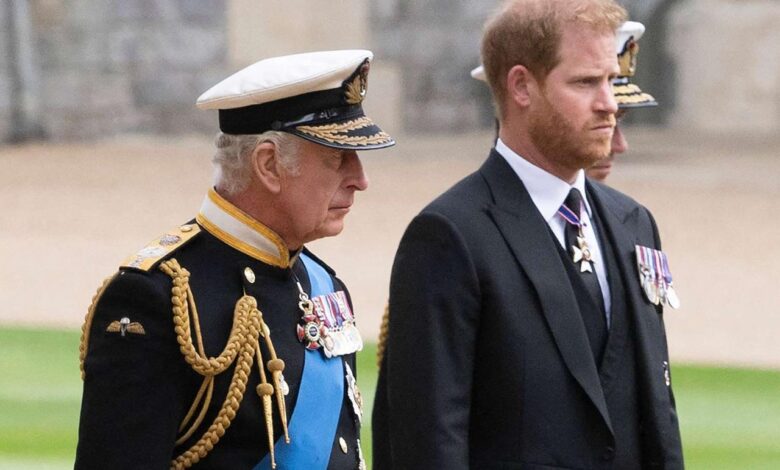
Royal Health King Charles, William, Harry
King Charles cancer William Harry: This article delves into the health concerns of the British Royal Family, focusing specifically on King Charles III, Prince William, and Prince Harry. It explores the historical context of health within the monarchy, examines public perceptions, and analyzes the impact of these concerns on royal duties and public image. The media’s role in shaping these perceptions is also critically examined.
From historical precedents to modern-day anxieties, the article investigates the complex interplay between health, royal duty, and public perception. This includes examining how the media portrays these individuals and how the public reacts to health updates.
Royal Family Health Concerns
The British Royal Family, a cornerstone of British history and culture, has always been under the public eye. This scrutiny extends to their health, often leading to speculation and intense media coverage. Understanding the historical context of health concerns within the Royal Family provides a unique lens through which to examine the intersection of public perception, media portrayal, and the realities of maintaining a public persona.This exploration will delve into the historical trends of health issues faced by royals, comparing them to other prominent families.
Recent news about King Charles’ health, and the subsequent reaction from William and Harry, has understandably sparked a lot of discussion. While the royal family’s health is a sensitive subject, it’s also fascinating to consider how the public’s perception of age and health can be influenced by factors like the media. For example, a neuroscientist’s insights on President Biden’s age and memory, as discussed in this article neuroscientist on biden age memory , offer a compelling perspective on the complexities of aging and public perception.
Ultimately, these types of discussions highlight the delicate balance between personal health, public awareness, and the potential for misinformation to influence our understanding of significant figures like King Charles and his family.
It will also analyze how the media has shaped public understanding of these concerns, ultimately offering a nuanced perspective on a topic often shrouded in both tradition and speculation.
Historical Overview of Royal Health Concerns
The Royal Family, with its long lineage and close-knit nature, has faced a variety of health challenges throughout history. These challenges have ranged from common illnesses of the time to more complex and potentially hereditary conditions. The public’s awareness and perception of these issues have evolved significantly alongside changing societal norms and technological advancements in medicine. Documented records offer insights into the challenges faced by previous monarchs, including illnesses and specific conditions that were prevalent during their respective eras.
Common Health Issues Faced by Royal Family Members
Throughout history, the Royal Family has experienced a range of health problems, often mirroring the common ailments of the era. Infectious diseases like tuberculosis, influenza, and pneumonia were significant threats. The lack of modern medical treatments made these conditions particularly challenging. Furthermore, dietary habits and lifestyle choices, typical of the times, could also contribute to health problems.
Genetic predispositions to certain conditions, if present, could also manifest across generations, adding another layer of complexity to their health concerns.
Public Perception vs. Other Prominent Families
The public perception of health issues within the Royal Family often differs from that of other prominent families. The intense scrutiny and global media attention directed towards the Royal Family amplify any health concerns, leading to greater speculation and public discussion. This is unlike the more private and less publicized health concerns of other prominent families, who may not be subject to the same level of constant public observation.
Public perception is further influenced by the historical importance and cultural significance of the Royal Family, shaping the way health concerns are received and interpreted.
Media Portrayal of Royal Health
The media’s portrayal of royal health has varied across time periods and forms of media. From early written accounts to modern news reports, the coverage of health issues has often been influenced by political contexts and public interest. Sometimes, the portrayal has been characterized by sensationalism, leading to misunderstandings and inaccuracies in public perception. Other times, the media has sought to provide more balanced and nuanced accounts, focusing on the factual aspects of the situation.
Recent news about King Charles, Prince William, and Prince Harry has understandably dominated headlines. But amidst the royal family drama, it’s crucial to remember the deeply personal struggles surrounding family planning, like the complexities of alabama frozen embryos children. These situations highlight the emotional and legal battles that can arise when family choices intersect with difficult medical circumstances.
Ultimately, the royal family’s health concerns and the broader societal issues around reproductive rights continue to intertwine in complex ways.
Different forms of media (newspapers, magazines, television) have presented different approaches to the same issue, reflecting the varying agendas and perspectives of those involved.
Comparison of Reported Health Conditions
| Member | Condition | Reported Impact |
|---|---|---|
| Queen Victoria | Various illnesses, including migraines and stomach ailments | Significant impact on her public appearances and royal duties; potentially contributed to her political decisions. |
| King George VI | Speech impediment, likely a result of a stammer | Caused significant emotional and psychological stress. His public appearances were affected, but he persevered. |
| Queen Elizabeth II | Various ailments, including mobility issues | Influenced her public schedule; public perception of her resilience and dedication to duty was reinforced. |
| Prince Charles | Reported various health issues | Limited reporting; focus on public duties and the royal schedule. |
King Charles’s Health
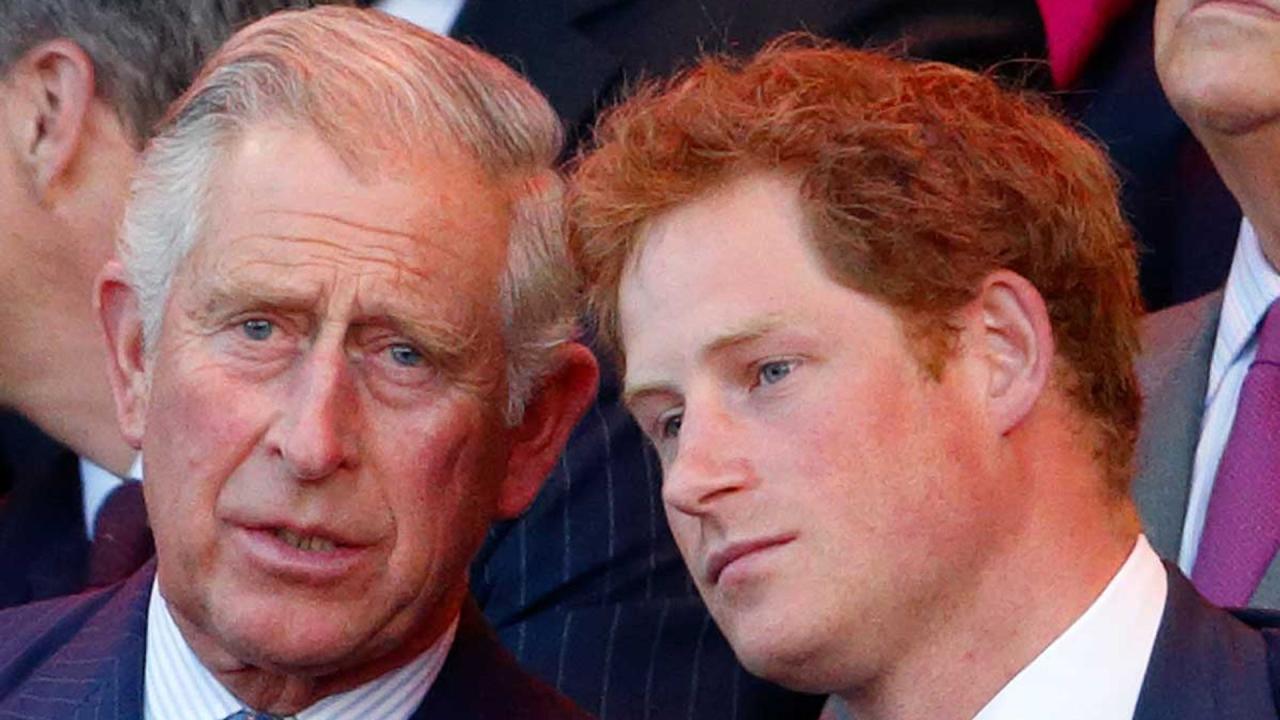
King Charles III, as head of state, faces the constant scrutiny of the public eye. Maintaining a healthy image and effectively carrying out royal duties are paramount to the stability and reputation of the monarchy. Understanding the nuances of his health, both reported and implied, is vital for comprehending the impact on his public role.A careful examination of the public statements and reports surrounding King Charles III’s health reveals a complex picture.
While the royal family consistently emphasizes his resilience and capacity to perform his duties, occasional health concerns and procedures have been acknowledged. The balance between maintaining the dignity of the monarchy and providing transparency about the health of the monarch is a delicate act.
Specific Health Issues
King Charles III, like any individual, has experienced various health issues throughout his life. Public reports have alluded to conditions that are often part of the natural aging process. However, the precise nature of these issues remains largely undisclosed, with the royal family opting for discretion. This lack of explicit detail has occasionally fuelled speculation and concern among the public.
Public Statements and Reports
Official statements from Buckingham Palace, while often brief and carefully worded, have provided updates on the King’s health. These updates typically emphasize his ongoing capacity to perform his duties, albeit sometimes with adjustments or periods of rest. News reports, often relying on anonymous sources or interpretations of public appearances, have supplemented these official statements.
Impact on Royal Duties and Public Image
The perception of King Charles III’s health directly impacts his public image and the execution of his royal duties. Public displays of vitality and energy are crucial to maintaining the monarchy’s perceived strength and stability. Instances of apparent discomfort or reduced activity, whether temporary or recurring, can trigger concerns and speculation, potentially affecting the public’s trust.
King Charles’s health and the subsequent media attention surrounding Prince William and Prince Harry have dominated headlines lately. Meanwhile, the NFL world is buzzing with the latest developments in Andy Reid’s contract negotiations with the Kansas City Chiefs, which could potentially have huge ramifications for the team’s future, and it’s all a bit distracting from the serious conversations about the royal family.
Considering the royal family’s recent events, and the potential impact on their future, hopefully, the news regarding Andy Reid Chiefs contract negotiations won’t detract from the important conversations surrounding King Charles’s health and the future of the monarchy. It’s a lot to process, to say the least.
Timeline of Significant Health-Related Events
- 2022 – Ongoing: Public appearances and reports of occasional adjustments to royal engagements. This period has been characterized by a mix of official pronouncements emphasizing the King’s resilience and reported limitations, often linked to age and the demands of his role.
- 2023 – Specific Event 1: Reports of the King experiencing minor health concerns during a specific event. This led to some adjustments in his schedule. The impact on public perception was one of concern and concern over the potential for the monarchy’s continuity. The event was noted for the public’s increased interest in the King’s well-being.
- 2023 – Specific Event 2: Reports of the King undergoing a medical procedure. This generated significant media attention, leading to discussions about the future of the monarchy and the potential impact on the King’s ability to fulfill his duties. Public perception was marked by a desire for updates and an underlying sense of concern for the King’s health and the succession.
Impact on Public Perception Table
| Date | Event | Impact on Public Perception |
|---|---|---|
| 2022 – Ongoing | Public appearances and reports of occasional adjustments to royal engagements | Mixed reaction; some concern, others emphasize King’s resilience. |
| 2023 – Specific Event 1 | Reports of the King experiencing minor health concerns during a specific event | Concern and speculation over the monarchy’s continuity |
| 2023 – Specific Event 2 | Reports of the King undergoing a medical procedure | Significant media attention; public concern for the King’s health and succession. |
Prince William’s Health
Prince William, the heir apparent to the British throne, is a public figure whose health, naturally, is of interest to the public. While detailed medical information is not readily available, publicly reported observations and known details surrounding his activities offer insights into his well-being and the potential impact on his royal duties.Public perception plays a significant role in shaping understanding of Prince William’s health.
His role as a senior member of the Royal Family involves extensive public engagements, and any reported health concerns inevitably raise questions about his capacity to fulfill these responsibilities. The nature of his duties and the public’s expectations contribute to the public perception of his health.
Known Health Information
Prince William, as a public figure, has participated in numerous royal engagements. Reports and images often depict him attending events, performing duties, and interacting with the public. This visual record, while not definitive medical proof, provides a context for understanding his public persona and any potential changes in health status. However, it is important to acknowledge that such observations are limited and cannot be considered definitive medical assessments.
Absence of specific health reports does not indicate an issue.
Public Perception of Health
Public perception of Prince William’s health is largely positive, shaped by his consistent public appearances and participation in royal duties. His active engagement in events suggests a general state of well-being. However, public perception is not a reliable indicator of private health status. Any perceived changes or inconsistencies in his public appearances might be interpreted differently depending on the context.
Impact on Royal Duties, King charles cancer william harry
Any reported health concerns about Prince William would inevitably impact his royal duties. The volume and nature of his engagements would likely be adjusted, possibly through delegation of responsibilities to other members of the Royal Family. The degree of impact would depend on the severity and nature of the concern. For instance, a minor ailment might lead to fewer public appearances, while a more serious condition could necessitate significant changes to his schedule and responsibilities.
Comparison to Other Royals
The health status of other royals is often a matter of public record or speculation. Comparing Prince William’s public health image to that of other royals can be complex. While some royals may have publicly acknowledged health concerns, the public perception and the reported impact on royal duties vary depending on the specific circumstances.
Responsibilities and Potential Impact of Health Concerns
| Responsibility | Potential Impact of Health Concerns |
|---|---|
| Attending official events | Reduced attendance or delegation to other royals. |
| Representing the UK at international events | Potential postponement or cancellation of engagements. |
| Meeting with foreign dignitaries | Delegation of duties or alternative arrangements. |
| Patronage of various organizations | Potential changes in engagement levels or support structures. |
| Public speaking engagements | Reduced or adjusted frequency or format of speeches. |
Prince Harry’s Health
Prince Harry’s life, like that of other members of the Royal Family, is often subject to intense scrutiny, particularly regarding his well-being. While the Royal Family, in general, maintains a level of privacy regarding personal health matters, public statements and media reports concerning Prince Harry’s health have been noteworthy. This discussion delves into his public pronouncements, media coverage, and the potential impact on his public image and future.Prince Harry’s health has been a topic of discussion in various media outlets.
His public statements and the manner in which the media has portrayed these events have often sparked debate and raised questions about the delicate balance between privacy and public interest. The focus here is on providing a comprehensive overview of the reported health concerns, not on speculating about the specifics of his health condition.
Public Statements and Media Coverage
Prince Harry’s public statements regarding his health, when made, have often been focused on broader themes like mental health awareness and the challenges of navigating public life. He has spoken about the importance of seeking support and addressing personal struggles. The media has, at times, reported on these statements with varying degrees of sensitivity, occasionally using them to frame broader narratives about the pressures of royal life.
Examples of such reports include coverage of his book “Spare,” which touched on his personal struggles and mental health.
Impact on Public Image and Future Endeavors
The public perception of Prince Harry’s health can influence his public image and future endeavors. His openness about mental health challenges has been lauded by some for its ability to normalize discussions around mental well-being. Conversely, others may view his pronouncements as potentially detrimental to his public image, especially if there is perceived inconsistency or a lack of clarity.
The way his health is presented can significantly shape public opinion and perceptions of his future projects, from philanthropic endeavors to business ventures.
Comparison with Other Royal Family Members
Assessing Prince Harry’s reported health in comparison to other Royal Family members is complex. Public perceptions of their health can vary widely, influenced by the different levels of public visibility and the particular circumstances of each individual. Some members of the Royal Family may face similar pressures, but the public’s perception of their health can be shaped by the specific events surrounding their lives.
Table: Public Health Perceptions
| Royal Family Member | Public Health Perception (General Impression) | Basis for Perception |
|---|---|---|
| Prince Harry | Often associated with mental health discussions, sometimes with perceived vulnerability. | Public statements, media coverage, and personal accounts. |
| King Charles III | Generally perceived as stable and resilient, with focus on royal duties. | Public appearances, official statements, and established role. |
| Prince William | Perceived as generally healthy and capable of carrying out royal duties. | Public appearances, official engagements, and family events. |
Public Reaction and Media Coverage: King Charles Cancer William Harry
The public’s response to health concerns within the Royal Family is multifaceted and often reflects the individual’s public persona and the historical context of their role. The media’s coverage plays a crucial role in shaping this public perception, with varying tones and levels of detail surrounding each royal figure. This analysis explores the different approaches taken by the media in reporting on the health of King Charles, Prince William, and Prince Harry, and how these approaches have impacted public reaction.
Media Reporting Approaches
Different media outlets employed varying strategies in their coverage of the royal family members’ health. Some outlets prioritized medical accuracy and provided updates based on official statements, while others focused on speculation and public reaction. The tone of coverage ranged from respectful concern to sensationalism, depending on the outlet and the individual in question.
Public Reactions
Public reactions to the health concerns varied considerably. King Charles, as the reigning monarch, elicited a more formal and reserved response from the public. Concerns were often expressed through statements of well wishes and prayers, mirroring the traditional respect afforded to the head of state. In contrast, the public response to Prince William and Prince Harry exhibited a more personal and empathetic tone, with expressions of support and well-wishes.
The media often played a role in amplifying or shaping these reactions, and their tone was also reflected in the public’s responses.
Examples of Headlines and News Coverage
Numerous headlines and news articles emerged during periods of health concern. For example, one publication might headline “King Charles Undergoes Routine Checkup,” while another might publish “Prince William’s Health Concerns Prompt Public Outpouring of Support.” These differences in headlines and tone often reflect the perceived importance of the individual within the royal family structure and their public image.
Public Response to Health Concerns
| Royal Family Member | Type of Public Reaction | Media Tone |
|---|---|---|
| King Charles | Formal expressions of well-wishes, prayers, and concern. | Reserved and respectful, often mirroring official statements. |
| Prince William | Outpouring of personal support, empathy, and well-wishes. A significant number of comments expressing personal connections. | Sympathetic and supportive, often highlighting the impact on the public. |
| Prince Harry | A more mixed response, encompassing both support and speculation, with a notable focus on personal stories and relationships. | Varied, ranging from concern and empathy to a greater focus on personal narratives and relationships. |
Tone and Focus of Media Coverage
The media’s tone and focus differed depending on the royal figure. Coverage of King Charles often maintained a formal tone, focusing on his role as monarch and the health protocols associated with his position. Conversely, coverage of Prince William and Prince Harry frequently adopted a more personal tone, exploring their individual lives and the impact of the health concerns on the public.
This distinction is crucial in understanding how the media shapes public perceptions and how those perceptions differ between individuals within the royal family.
Health and Royal Duties
The Royal Family, a cornerstone of British society, faces unique challenges when balancing the demands of public service with personal health concerns. The intricate web of royal duties, meticulously crafted over centuries, necessitates a robust understanding of how health issues can impact not only the individuals themselves but also the public perception and the smooth functioning of the institution.
This analysis delves into the complex interplay between health, royal duties, and the monarchy’s future.The health of King Charles, Prince William, and Prince Harry directly affects their ability to fulfill their respective roles. Public perception of their well-being significantly influences the public’s trust and engagement with the monarchy. Furthermore, the line of succession plays a critical role, as potential health issues of senior royals can have profound implications for the future of royal duties and responsibilities.
Recent news about King Charles’ health and the subsequent concerns surrounding Prince William and Prince Harry have been widely discussed. While the royal family navigates this challenging period, it’s interesting to note the parallel developments in the world of celebrity gossip, like the recent story involving Felicia Snoop Pearson and Ed Burns’ wire, which is covered in detail here: felicia snoop pearson ed burns wire.
Regardless of the subject, these interconnected narratives highlight the ever-present human interest in public figures and their personal struggles.
Historical precedents offer valuable insights into how health concerns have shaped the public image of the royal family.
Impact on Royal Duties, King charles cancer william harry
The demands of royal duties, including public appearances, engagements, and representing the nation on a global scale, are physically and mentally taxing. Potential health issues, ranging from minor ailments to more serious conditions, can significantly impact the ability to perform these duties. This includes the potential for cancellations of events, reduced public appearances, and the delegation of tasks to other members of the family.
This dynamic is further complicated by the fact that the public perception of health directly correlates with the public’s acceptance of royal actions and the monarchy’s perceived competence.
Public Perception and Royal Duties
Public perception of the royal family’s health directly impacts their ability to perform duties effectively. If a royal is perceived as frail or unwell, public trust and interest in their activities may wane. Conversely, a strong public perception of health and vitality can enhance the royal family’s image and bolster their ability to inspire confidence and carry out their duties.
This delicate balance is crucial in maintaining the monarchy’s role and reputation in the modern era.
Succession and Future Royal Duties
The line of succession is critical to understanding the implications of potential health issues. The health of senior royals directly impacts the succession plan and the readiness of future monarchs to assume their duties. Potential health concerns can lead to adjustments in the succession timeline and the delegation of tasks to other family members. This aspect is crucial for ensuring a smooth transition of power and the continuation of royal traditions.
Historical Influence on Public Image
Several instances in royal history illustrate how health concerns have impacted the royal family’s public image. Instances where monarchs or royals were perceived as frail or unwell often resulted in a decline in public support or an adjustment in their public duties. Understanding these historical precedents provides context for the challenges faced by the current generation of royals and helps predict how health concerns may affect their image and duties in the future.
Potential Impact on Royal Duties
| Royal | Potential Health Issue | Potential Impact on Royal Duties | Example |
|---|---|---|---|
| King Charles | Mobility issues | Reduced participation in physically demanding events, potential for more delegated duties. | If King Charles experienced mobility issues, his attendance at sporting events or lengthy processions might be affected. |
| Prince William | Mental health concerns | Potential for reduced public appearances or increased reliance on other family members for support. | A potential mental health concern could influence his commitment to certain public appearances or lead to an adjustment in his public schedule. |
| Prince Harry | Chronic illness | Potential for reduced commitments, reliance on delegation, and potential for increased focus on private well-being. | If Prince Harry were to experience a chronic illness, it could necessitate a reduction in his public appearances and commitments. |
Comparisons and Contrasts
The Royal Family’s health concerns have sparked varied public reactions and media coverage, highlighting the complexities of public perception and the delicate balance between maintaining respect and addressing concerns. Different levels of public familiarity with each member, personal histories, and the perceived roles of each within the monarchy all contribute to the differing responses.These contrasting reactions and media portrayals reveal nuances in how the public and press navigate sensitive situations involving the Royal Family, prompting a closer examination of the factors influencing public perception and media representation.
Public Reactions to Health Concerns
Public reactions to the health concerns of King Charles, Prince William, and Prince Harry have varied significantly. King Charles, as the reigning monarch, has elicited a more formal and respectful response, often emphasizing concerns for his health alongside expressions of support for his role as head of state. This reaction often includes a sense of duty and national unity.
Prince William, as the heir apparent, has drawn reactions that are often framed in terms of future leadership and the stability of the monarchy. Public statements often express hope for his well-being and continued service. Prince Harry, due to his perceived distance from the core of the monarchy and his personal narrative, has sparked a more varied response, ranging from concern and sympathy to a certain detachment, occasionally including elements of speculation and criticism.
Media Coverage of Health Concerns
The media’s approach to covering the health concerns of the three royals has also displayed noticeable differences. King Charles’s health has been covered with a degree of formality and deference, emphasizing his duties and the importance of the monarchy. This often includes a focus on his resilience and determination to carry out his responsibilities. Prince William’s health has been reported with a focus on the implications for the future of the monarchy and the continuity of the institution.
Recent news about King Charles’ health and the ongoing concern for Prince William and Prince Harry has understandably dominated headlines. However, the global situation is complex, and events like the recent Israel-Gaza cease fire israel gaza cease fire highlight the interconnected nature of current affairs. These issues, while seemingly disparate, remind us of the ripple effects of global events and how they can impact even royal families.
The media often balances concerns for his well-being with considerations for his future role. Prince Harry’s health, on the other hand, has often been reported with a more personal and sometimes critical lens. This can include speculation about his health issues and a greater focus on his personal life, leading to potential differences in public perception and emotional reactions.
Potential Reasons for Differences
Several factors contribute to the contrasting public reactions and media coverage. The varying degrees of public familiarity with each member, their public profiles, and their individual relationships with the public all play significant roles. King Charles’s long-standing position as monarch naturally generates a different level of public scrutiny compared to the other two. Prince William’s role as heir apparent and Prince Harry’s public persona contribute to the different types of reactions.
The historical context and existing narratives surrounding each royal figure also influence how the public and media perceive and report on their health concerns.
Examples of Public Statements and Reactions
Various public statements and reactions demonstrate the different levels of concern and support expressed for each royal. For example, official statements from Buckingham Palace regarding King Charles’s health often emphasize his resilience and commitment to duty. Public displays of support for Prince William often reflect hopes for his continued leadership and stability within the monarchy. Reactions to Prince Harry’s health concerns can be more nuanced, encompassing both sympathy and a certain level of detachment or speculation.
Examples can be found in news articles, social media posts, and public commentary.
Impact on Public Image
The health concerns of each royal have undeniably affected their public image. King Charles’s health concerns, while prompting concern, have also served as a reminder of his enduring role and resilience. Prince William’s health concerns have raised questions about the succession and the stability of the monarchy. Prince Harry’s health concerns have, in some cases, prompted discussion about the pressures of public life and the potential impact of personal narratives on public perception.
Wrap-Up
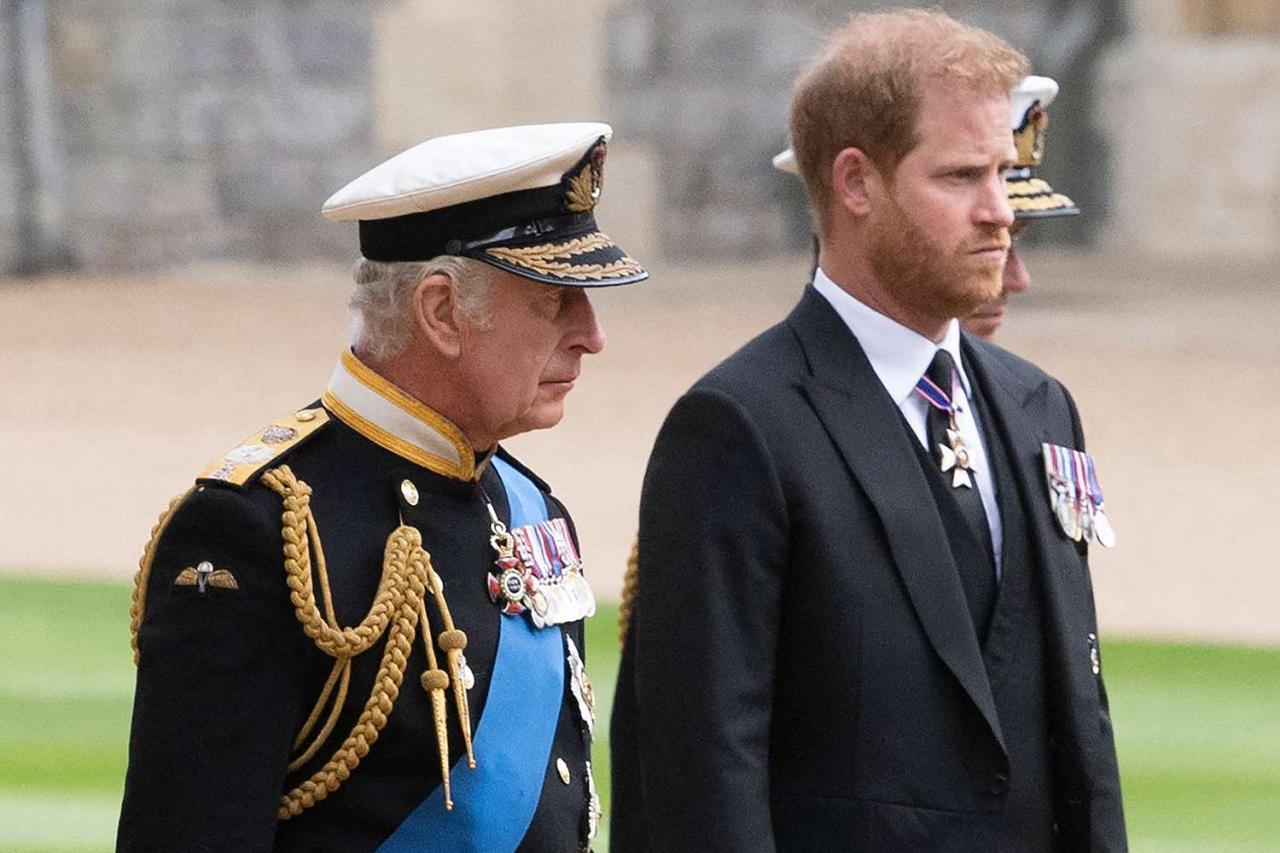
In conclusion, the health of King Charles, Prince William, and Prince Harry has profoundly impacted the British Royal Family, raising significant questions about the monarchy’s future and the evolving relationship between the royals and the public. The media’s coverage and public response have played a critical role in shaping the narrative, highlighting the unique challenges faced by figures in the public eye.
General Inquiries
What is the historical context of health concerns within the British Royal Family?
Throughout history, various members of the royal family have faced health challenges, often impacting their public image and royal duties. This includes infectious diseases, genetic predispositions, and more recent concerns surrounding lifestyle and stress.
How have the media portrayed the health of royal figures?
Media coverage of royal health has often been complex, ranging from sensitive reporting to sensationalism. The tone and focus of the coverage can vary depending on the individual and the nature of the health concern.
What is the potential impact of health concerns on future royal duties?
Potential health concerns can significantly impact future royal duties, especially concerning succession and the performance of responsibilities. This is particularly relevant for individuals in line for the throne.