
Fowler Museum Asante Kingdom, Ghanas Treasures
Fowler Museum Asante Kingdom Ghana offers a captivating journey through the rich history and vibrant culture of the Asante Kingdom. Discover exquisite artifacts, learn about their intricate socio-political structures, and delve into the artistic traditions that have shaped this remarkable African civilization. From the historical significance of the Asante Kingdom to the Fowler Museum’s impressive collection, this exploration promises a fascinating glimpse into Ghana’s past.
This blog post will explore the Fowler Museum’s collection of Asante artifacts, highlighting their historical context, artistic techniques, and cultural significance. We’ll also examine the museum’s educational programs and interactive resources, providing a comprehensive understanding of this important cultural heritage.
Overview of the Fowler Museum
The Fowler Museum at UCLA is a vital institution dedicated to the exploration and appreciation of diverse cultures and artistic expressions. Its mission extends beyond mere display; it actively fosters understanding and dialogue, bridging cultural divides through its collections, exhibitions, and educational programs. It provides a unique platform for visitors to engage with art and artifacts from around the globe, fostering a deeper understanding of human experience.The museum’s rich history and ongoing evolution have shaped its approach to cultural understanding and engagement.
Its commitment to presenting a nuanced perspective on cultures worldwide is reflected in the breadth and depth of its holdings.
Museum Mission and Focus Areas
The Fowler Museum’s core mission is to showcase and interpret the visual arts and material culture of diverse cultures and historical periods. It emphasizes the importance of cultural exchange and cross-cultural understanding. A key aspect of its work is highlighting the interconnectedness of cultures and the dynamic nature of human history. The museum actively promotes dialogue and understanding through its exhibitions and educational programs.
This is achieved by providing accessible, enriching experiences for a broad audience, fostering curiosity and respect for different perspectives.
History and Evolution of the Fowler Museum
The Fowler Museum has undergone significant transformations since its inception. Early development focused on establishing a strong foundation for its collections. Later milestones included expansions and renovations that improved exhibition spaces and accessibility. Key stages in its evolution have seen a progression from a smaller, more focused collection to a broader, more comprehensive representation of global cultures.
These developments underscore the museum’s dedication to providing a holistic and multifaceted perspective on human creativity and cultural exchange.
Museum Collections and Significance
The Fowler Museum’s collections are renowned for their breadth and depth. They encompass a wide range of artistic expressions, from ancient artifacts to contemporary works. These collections span diverse cultures, time periods, and artistic styles. The holdings represent a significant investment in the study of material culture and visual arts from around the world. This diverse collection allows for in-depth exploration of global artistic traditions and their connections.
The museum’s curatorial approach prioritizes historical context, allowing visitors to understand the cultural significance of the objects within their specific contexts.
Museum Exhibitions and Programming
The Fowler Museum hosts a variety of exhibitions that cater to a broad audience. These exhibitions are carefully curated to provide engaging and informative experiences. These exhibits feature rotating displays, special thematic showcases, and collaborative projects with other institutions. These events frequently include workshops, lectures, and film screenings, supplementing the visual experiences with additional opportunities for learning and interaction.
The programs are designed to make the museum a dynamic space for education, community engagement, and exploration.
The Asante Kingdom Context
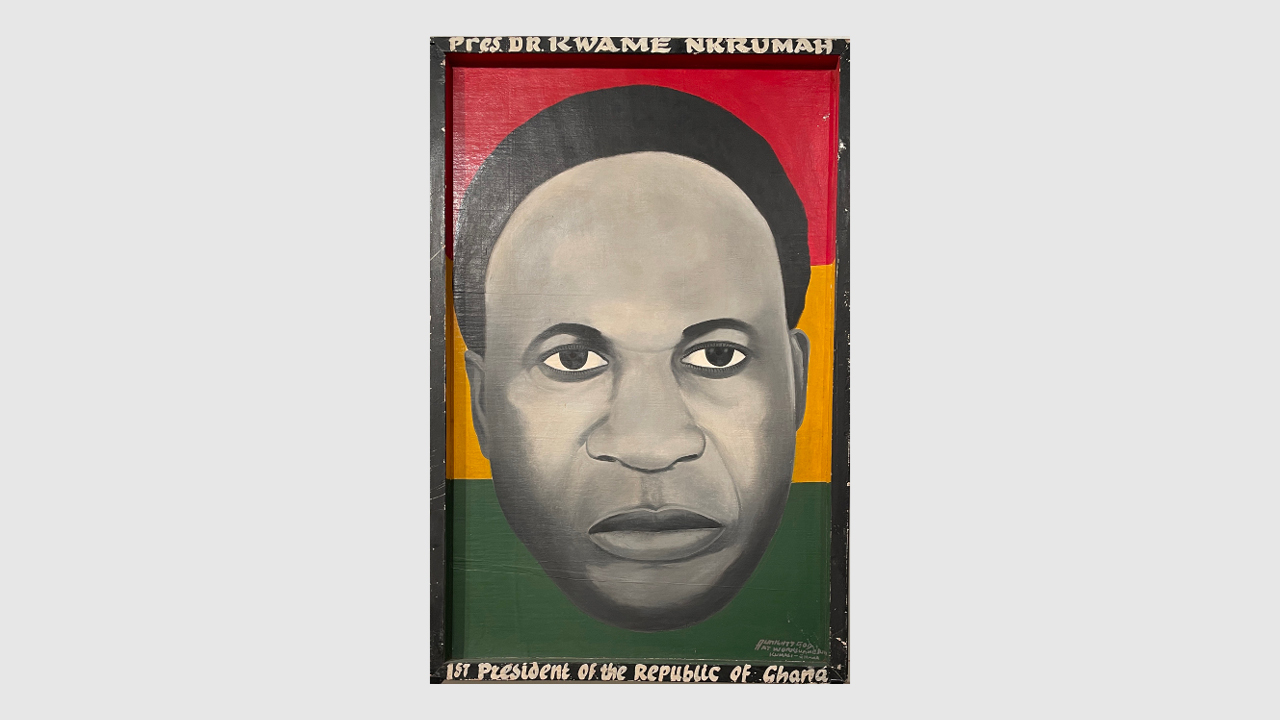
The Asante Kingdom, a powerful West African empire, holds a crucial place in Ghana’s history and continues to inspire fascination with its rich cultural heritage. Emerging from a confluence of smaller Akan states, the Asante forged a formidable kingdom that thrived for centuries, leaving an indelible mark on the continent’s artistic and political landscape. Their intricate social structures, vibrant artistic traditions, and complex interactions with surrounding cultures provide valuable insights into the dynamism of pre-colonial Africa.The Asante Kingdom wasn’t merely a collection of villages; it was a sophisticated society with well-defined political hierarchies and cultural practices.
These structures, meticulously maintained through generations, provided stability and facilitated the kingdom’s remarkable expansion and influence. The Asante’s interactions with neighboring kingdoms and European powers offer a unique window into the complexities of intercultural relations during the pre-colonial era.
Historical Significance, Fowler museum asante kingdom ghana
The Asante Kingdom, rising from the 17th century, became a dominant force in the Gold Coast region. Their military prowess, coupled with their shrewd political strategies, allowed them to consolidate power and expand their territory significantly. This expansion wasn’t simply territorial; it encompassed the adoption and integration of various cultural elements from surrounding societies, contributing to the rich tapestry of Asante culture.
The kingdom’s resistance against European encroachment further underscores its historical significance as a symbol of African resilience.
Socio-Political Structures
The Asante people were organized into a complex hierarchy, with the Asantehene (King) at its apex. This hierarchical structure was intricately linked to the lineage system, ensuring continuity and stability within the kingdom. The concept of chieftaincy played a crucial role in governance, with various chiefs holding specific responsibilities within their respective districts. A sophisticated system of laws and customs maintained social order and regulated interactions within the community.
Cultural Practices
The Asante people possessed a rich array of cultural practices, including elaborate ceremonies, rituals, and traditions. These practices often celebrated significant life events, from births and marriages to funerals and harvests. Music and dance were integral parts of these ceremonies, reflecting the kingdom’s deep-rooted artistic traditions. Oral traditions, passed down through generations, served as vital repositories of history, knowledge, and cultural values.
Artistic Traditions and Expressions
Asante artistry is renowned for its exquisite craftsmanship and symbolic richness. This manifested in a diverse range of objects, including textiles, pottery, wood carvings, and metalwork. These artistic expressions often incorporated symbolic motifs, reflecting the Asante worldview and cultural beliefs. For example, the intricate kente cloth weaving tradition, with its vibrant colours and symbolic patterns, became a potent symbol of Asante identity.
Interactions with Other Cultures and Kingdoms
The Asante Kingdom’s interactions with other cultures and kingdoms were multifaceted and often complex. These interactions extended beyond trade, encompassing cultural exchange and diplomatic relations. The kingdom’s trading activities brought them into contact with neighboring states, facilitating the exchange of goods, ideas, and artistic styles. These exchanges also led to the adoption of certain elements from other cultures, enriching the Asante’s own traditions.
Their interactions with European powers, although often fraught with conflict, also provided valuable insights into the broader dynamics of intercultural relations during the period.
Fowler Museum’s Collection on the Asante Kingdom
The Fowler Museum, a treasure trove of cultural artifacts, boasts a compelling collection of objects reflecting the rich history and artistic traditions of the Asante Kingdom. These pieces, carefully curated and studied, offer a window into the vibrant social and political life of this influential West African power. From intricate goldweights to striking textiles, the museum’s collection allows us to appreciate the masterful craftsmanship and deep cultural significance embedded within each object.
Specific Artifacts from the Asante Kingdom
The Fowler Museum’s collection features a diverse range of artifacts from the Asante Kingdom, showcasing the kingdom’s artistic prowess and cultural significance. These artifacts span various categories, including regalia, tools, and ceremonial items. Each piece offers a unique insight into the daily lives, rituals, and beliefs of the Asante people.
Historical Context and Significance
The Asante Kingdom, a powerful West African empire, flourished for centuries. The artifacts held by the Fowler Museum are deeply intertwined with the history of this kingdom, serving as tangible reminders of its strength and influence. They document the Asante’s sophisticated political and social structures, their intricate trade networks, and their remarkable achievements in art and craftsmanship. These objects were often imbued with deep spiritual meaning, serving as symbols of power, status, and cultural identity.
Materials Used in the Creation of Artifacts
The creation of Asante artifacts often involved the skillful use of various materials. Gold, a highly prized metal, was frequently employed in the production of elaborate objects, such as goldweights and jewelry. Wood, another significant material, was used for sculptures, stools, and other ceremonial items. Furthermore, textiles, often woven from locally grown fibers, were used to create vibrant and intricate garments and coverings.
The choice of materials often reflected the social status of the item’s owner or the significance of the occasion.
Cultural and Artistic Techniques
The artistic techniques employed in the creation of Asante artifacts were remarkably sophisticated and highly developed. Goldsmiths, for instance, utilized intricate casting and hammering techniques to produce detailed and refined gold objects. Carvers employed specialized tools to create detailed and lifelike wooden sculptures. The use of color and pattern in textiles was equally impressive, showcasing the mastery of dyeing and weaving techniques.
These artistic practices were deeply ingrained in Asante culture, passed down through generations of skilled artisans. The intricate designs often conveyed specific messages, reflecting the cultural values and beliefs of the people.
Connections and Comparisons: Fowler Museum Asante Kingdom Ghana
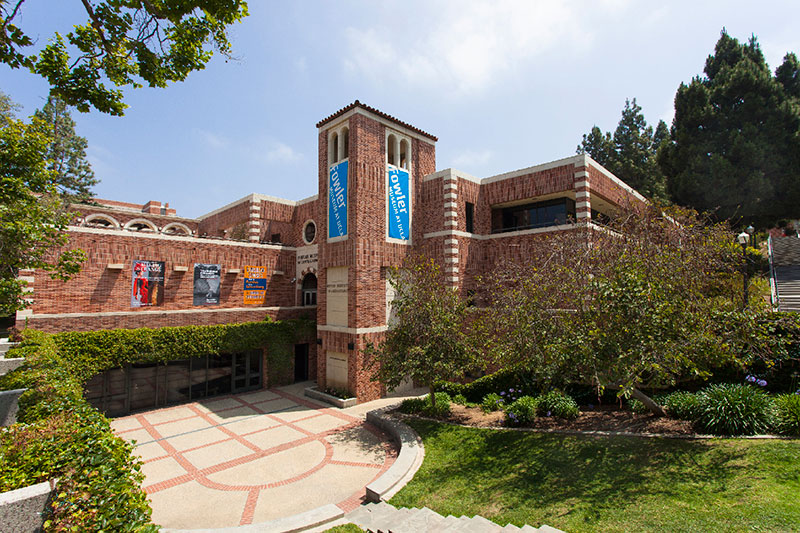
The Fowler Museum’s collection on the Asante Kingdom offers a unique window into a vibrant and complex culture. Understanding its significance requires looking beyond the museum walls and exploring how the Asante Kingdom is represented elsewhere. This involves comparing the Fowler’s collection with similar holdings in other museums, analyzing the scholarly work it supports, and evaluating its portrayal in literature, film, and other media.
Ultimately, it’s essential to place the Asante Kingdom within the broader context of African history and culture.Exploring the Asante collection through the lens of comparative studies reveals crucial insights. By comparing the Fowler’s pieces with collections in other museums, we gain a deeper appreciation for the interconnectedness of African artistic traditions and the challenges faced in preserving and representing them.
The Fowler Museum, showcasing the Asante Kingdom’s rich history in Ghana, always fascinates me. Thinking about the intricate details of their culture makes me wonder about the challenges facing other communities. For example, the recent news about a couple missing after a boat accident in Grenada, reported in couple missing boat grenada , highlights the fragility of life and the importance of safety measures.
Regardless, the Fowler Museum’s collection provides a powerful reminder of the enduring strength and beauty of human societies.
Such comparisons also highlight the unique contributions of the Fowler Museum to our understanding of the Asante Kingdom.
Comparative Studies with Other Museums
The Fowler Museum’s Asante collection provides a valuable counterpoint to collections in other museums. Comparisons reveal overlaps in subject matter, such as the prevalence of royal regalia and ceremonial objects. However, the Fowler’s collection often emphasizes the intricate craftsmanship and the social and political context of the objects, providing a more nuanced understanding than a purely aesthetic approach. For example, the museum’s focus on the historical and cultural significance of particular pieces allows a deeper understanding of Asante society’s evolution compared to a purely decorative approach often seen in other collections.
The inclusion of textiles, masks, and other everyday objects enriches the understanding of Asante life beyond the realm of royalty.
Research and Scholarship Supported
The Fowler Museum’s Asante collection serves as a significant resource for researchers and scholars. The collection’s detailed documentation, including provenance and historical context, fuels research into the Asante Kingdom’s political history, social structures, and artistic traditions. The objects provide tangible evidence for understanding the evolution of Asante culture, including the intricate relationship between artistic expression and social status.
Scholars can utilize the collection to study the historical trade routes, the influence of other cultures, and the Asante’s role in shaping West African history.
Representation in Other Media
The Asante Kingdom has been represented in various forms of media, including literature and film. The Fowler Museum’s collection offers a contrasting perspective on the Asante. While literature and film may portray idealized or romanticized versions of the kingdom, the museum’s collection presents a more complex and nuanced picture, grounding narratives in tangible artifacts. This contrast highlights the limitations of solely relying on narratives and underscores the importance of physical objects in understanding historical contexts.
The Fowler Museum, showcasing the Asante Kingdom of Ghana, is a fascinating place to explore African history and culture. It’s a must-see for anyone interested in the region’s rich heritage, but if you’re looking for a delicious and inclusive culinary experience, consider checking out this article on why hot pot is for everyone hot pot is for everyone.
The museum’s artifacts, like those intricate kente cloths, beautifully complement the diverse flavors and social aspects of a hot pot experience, making the entire journey to understanding the Asante culture even richer.
The collection’s objects allow for a more grounded understanding of Asante life, particularly through ceremonial items, which can reveal the social structures and ceremonies of the Asante Kingdom.
Importance in African History and Culture
The Asante Kingdom played a crucial role in shaping African history and culture. Its powerful military and sophisticated political system profoundly impacted West Africa. The kingdom’s vibrant artistic traditions and rich cultural heritage continue to resonate today. The Fowler Museum’s collection underscores the importance of the Asante Kingdom as a powerful example of African ingenuity and resilience.
The Fowler Museum, showcasing the Asante Kingdom of Ghana, is a fantastic place to learn about African history and culture. It’s amazing to see the intricate artistry and rich heritage. And while exploring those treasures, I was reminded of the culinary talents of a New York chef, David Bouley , whose innovative dishes perfectly capture the essence of flavourful ingredients.
The Fowler Museum, in its own unique way, also reflects that same dedication to preserving and showcasing exquisite artistry, just in a different medium.
The kingdom’s influence extends beyond its borders, leaving a lasting legacy on the continent’s cultural landscape. The kingdom’s history and art serve as a powerful example of the diversity and depth of African cultures.
Educational Resources and Programs
The Fowler Museum, dedicated to showcasing diverse cultures and histories, recognizes the importance of education in fostering understanding and appreciation. Its programs related to the Asante Kingdom aim to bring the rich traditions and heritage of this remarkable African society to a wider audience. This includes not only formal educational offerings but also community outreach initiatives to ensure accessibility and engagement.
Educational Programs
The Fowler Museum’s educational programs surrounding the Asante Kingdom encompass a variety of approaches. These programs cater to diverse audiences, from school children to university students and the general public. They often include hands-on activities, lectures, and workshops designed to deepen understanding of Asante culture and history. These educational initiatives aim to address the complexities of Asante history, art, and society, not just presenting simple facts but also providing context.
Outreach Initiatives and Community Engagement
The Fowler Museum actively engages with the local community through various outreach programs. These initiatives focus on fostering dialogue and collaboration, ensuring that the Asante Kingdom’s history and heritage resonate with the diverse population surrounding the museum. Such initiatives often include presentations in schools, community centers, and libraries. The museum actively seeks to bridge cultural divides and encourage a shared understanding of the Asante Kingdom.
Key Educational Resources
| Resource | Description | Link (if available) |
|---|---|---|
| Fowler Museum Website | Provides detailed information about the Asante Kingdom collection, exhibitions, and educational programs. | (Placeholder – Replace with actual website address) |
| Publications on the Asante Kingdom | Academic journals, books, and articles offer in-depth analyses of Asante culture and history. | (Placeholder – Replace with links to relevant publications) |
| Online Courses | Some universities or online platforms might offer courses related to African history or art, including aspects of the Asante Kingdom. | (Placeholder – Replace with links to relevant online courses) |
Examples of Educational Activities
Educational activities related to the Asante Kingdom often include interactive displays showcasing traditional crafts, such as weaving and pottery. These hands-on experiences allow visitors to engage directly with aspects of Asante culture. Additionally, the museum frequently hosts lectures and workshops delivered by experts in African history and art, providing in-depth knowledge and insights. Students might also participate in guided tours focusing on specific aspects of the Asante Kingdom, such as its artistic traditions or political structures.
These activities emphasize active learning and experiential engagement.
Visual Representation of the Asante Kingdom
The Asante Kingdom, a powerful West African empire, left a rich legacy not only in its political and social structures but also in its artistic expressions. Visual representations, ranging from intricate textiles to monumental sculptures, offer profound insights into the Asante worldview, values, and history. These representations showcase the kingdom’s aesthetic sensibilities and the cultural significance embedded within them.The visual arts of the Asante Kingdom were deeply intertwined with their social and spiritual life.
These artistic expressions, often imbued with symbolic meaning, served as powerful tools for communication, education, and preservation of cultural memory. The variety of mediums used to represent the kingdom – from goldsmithing to pottery – each bears unique artistic characteristics and historical contexts that provide a glimpse into the Asante way of life.
The Fowler Museum, showcasing the Asante Kingdom of Ghana, offers a fascinating glimpse into African history. Understanding the cultural richness of these societies often requires considering broader societal trends, like those seen in the demographics of red and blue states in the US. For a deeper dive into the complex interplay of population distribution and political landscapes, check out this informative article on red blue states demographics.
Ultimately, the Fowler Museum’s exhibits remain a powerful window into the Asante people’s past and present.
Visual Representations in Various Media
The Asante artistic tradition employed a wide array of media to portray their history, values, and beliefs. The choice of medium often influenced the style and symbolic meaning of the artwork.
| Medium | Description | Cultural Significance |
|---|---|---|
| Gold Weights | These intricately designed weights, often sculpted with human figures, animals, or geometric patterns, were used in trade and as symbols of wealth and power. | Gold was highly valued, and these weights represented not only a standard of measure but also the kingdom’s prosperity and artistic prowess. |
| Kente Cloth | Vibrant and complex textiles woven from hand-spun threads, Kente cloth displays elaborate patterns and symbolic figures. The colors and designs hold specific meanings, conveying information about the wearer’s social status, achievements, or family lineage. | Kente cloth served as a form of visual storytelling and social communication, reflecting the intricate social hierarchies and traditions of the Asante people. |
| Adinkra Symbols | These abstract symbols are found in various forms of Asante art, from pottery to textiles. Each symbol represents a proverb, an adage, or a moral lesson. | These symbols acted as a form of visual proverbs, conveying profound wisdom and ethical values through artistic expression. |
| Sculptures | Often depicting human figures, animals, or mythical creatures, these sculptures frequently conveyed spiritual or historical narratives. The detailed craftsmanship and use of materials like wood and bronze added to their cultural significance. | These pieces were often used in religious ceremonies or placed in royal compounds, serving as representations of the divine and the kingdom’s history. |
| Paintings (e.g., on walls or textiles) | These paintings, often depicting historical events, religious figures, or royal portraits, provided a visual record of the kingdom’s past and served as a form of historical documentation. | Visual records of significant events or figures in the Asante kingdom, and a method of storytelling for future generations. |
Artistic Styles and Historical Context
The Asante artistic style evolved over time, influenced by both internal developments and external interactions. Early Asante artistic traditions drew inspiration from local customs and beliefs. Later, influences from other cultures, particularly during periods of trade and contact, were also absorbed and incorporated into the existing styles. This blending of influences created a distinctive artistic landscape that reflected the dynamic nature of the Asante Kingdom.
Symbolism and Meaning
The visual representations of the Asante Kingdom are deeply imbued with symbolism. Colors, patterns, and figures often conveyed specific meanings, reflecting the Asante worldview and cultural values. The choice of materials, techniques, and designs played a crucial role in communicating specific messages. These symbolic elements enriched the visual narratives and contributed to the profound cultural significance of the art.
For example, the use of gold in sculptures and weights symbolized wealth and power, while specific patterns in Kente cloth might represent a particular clan or occasion.
Interactive Exploration of the Asante Kingdom
Embark on a journey through the rich tapestry of the Asante Kingdom, a powerful West African empire. This interactive exploration delves into its fascinating history, vibrant culture, and exquisite artistry, bringing the kingdom to life in a dynamic and engaging way. We will traverse its rise to prominence, examine its societal structures, and appreciate the enduring legacy of its artistic traditions.This interactive presentation is designed to be a personalized experience, allowing you to explore the Asante Kingdom at your own pace.
From its earliest origins to its eventual encounter with the outside world, you’ll uncover the intricate details that shaped this remarkable civilization.
Key Historical Events
The Asante Kingdom’s history is marked by significant events, each contributing to its growth and development. Understanding these events provides crucial context for appreciating the kingdom’s cultural achievements and its impact on the region.
“The Asante, originally a small group, gradually expanded their influence through military prowess and strategic alliances.”
The Fowler Museum, showcasing the Asante Kingdom of Ghana, offers a fascinating glimpse into West African history and culture. While exploring their exhibits, it’s interesting to consider the current political climate, particularly in South Carolina, where the recent Winthrop poll on Haley versus Trump ( winthrop poll haley trump south carolina ) highlights the evolving political landscape. Ultimately, the Fowler Museum provides a valuable context for understanding the richness of African heritage.
- Early Formation (17th Century): The Asante emerged from smaller Akan groups, uniting under Osei Tutu, a visionary leader who laid the foundation for the future empire. His establishment of the Golden Stool, a symbol of the kingdom’s authority, marked a pivotal moment.
- Expansion and Consolidation (18th Century): The kingdom’s military strength, led by brilliant commanders like Osei Tutu and subsequent Asantehene, allowed them to conquer neighboring territories and establish a powerful empire. This expansion brought immense wealth and prestige.
- The 19th Century Conflicts: The Asante Kingdom engaged in numerous conflicts with European powers, most notably the British. These conflicts, often marked by resistance and resilience, shaped the kingdom’s relationship with the outside world. The outcome of these struggles significantly influenced the future of the region.
- Colonial Era (Late 19th-20th Century): The Asante Kingdom’s independence was challenged and eventually ended with British colonization. This period brought significant changes to the kingdom’s governance and societal structures, though it also saw the preservation of some cultural traditions.
Cultural Practices
The Asante people possessed a rich and complex culture, evident in their social structures, religious beliefs, and artistic expressions.
- The Golden Stool: The Golden Stool is a sacred symbol of the Asante Kingdom, representing the collective spirit and identity of the people. It is considered the embodiment of the kingdom’s sovereignty and is central to Asante beliefs and traditions.
- Adinkra Symbols: These intricate symbols, often woven into textiles, represent various proverbs, values, and beliefs of the Asante people. They serve as visual narratives, conveying profound messages and emphasizing the deep-rooted cultural significance of symbolic representation.
- Royal Courts and Ceremonies: The Asantehene (King) and his court played a crucial role in the kingdom’s governance and social life. Elaborate ceremonies and rituals were integral to their power and influence, showcasing the kingdom’s rich heritage.
Art and Craftsmanship
Asante art and craftsmanship are renowned for their beauty and technical skill.
“Asante art is not merely decorative; it reflects the kingdom’s history, beliefs, and social values.”
- Textiles: Kente cloth, a vibrant and intricate textile, is a significant example of Asante artistry. Its patterns and colors often symbolize specific meanings and events, showcasing the deep cultural significance behind its design.
- Woodcarvings: The Asante have a rich tradition of woodcarving, creating figures and objects that serve religious, social, and artistic purposes. These carvings often depict figures from their history, reflecting the kingdom’s profound connection to its past.
- Goldsmithing: The Asante are renowned for their skilled goldsmiths, who create intricate and beautiful objects, including jewelry, ceremonial items, and other decorative pieces. The mastery of goldworking exemplifies the kingdom’s technical prowess and artistic vision.
Interactive Elements
This exploration offers several interactive elements to enhance your experience:
- Timeline: A visual timeline allows you to track key events in the Asante Kingdom’s history.
- Quizzes: Interactive quizzes test your knowledge of the Asante Kingdom’s history, culture, and art.
- Maps: Interactive maps showcase the geographical spread of the Asante Kingdom and its interactions with neighboring territories.
Final Thoughts

In conclusion, the Fowler Museum’s dedication to preserving and showcasing the Asante Kingdom’s legacy is truly commendable. Through its diverse collection, educational programs, and interactive resources, the museum offers a powerful way to connect with the past and appreciate the enduring cultural heritage of Ghana. The Asante Kingdom’s remarkable story, as reflected in the Fowler Museum, serves as a testament to the beauty and resilience of African history and art.
FAQ Guide
What is the mission of the Fowler Museum?
The Fowler Museum’s mission is to foster understanding and appreciation of diverse cultures, particularly focusing on art, history, and archaeology. This includes their remarkable collection of African artifacts.
What types of educational programs does the museum offer?
The Fowler Museum offers a variety of educational programs, including workshops, lectures, and family-friendly activities related to the Asante Kingdom. These resources are designed to engage a broad audience.
Are there any online resources available to learn more about the Asante Kingdom?
Yes, the Fowler Museum likely has a website with online resources and information on the Asante Kingdom, including images, articles, and potentially virtual tours.
Where is the Fowler Museum located?
To find the precise location, you can check the Fowler Museum’s official website.