Biden Trump Economy Immigration A Comparative Look
Biden Trump economy immigration is a complex topic, examining how the economic policies of two different administrations impacted the nation’s economy and immigration patterns. This exploration dives deep into the specifics, offering a side-by-side comparison of economic initiatives, fiscal strategies, and public responses.
From tax policies and spending priorities to immigration reform and its consequences, this analysis provides a detailed account of the economic landscapes during both presidencies. The focus is on the contrasting approaches, the resulting outcomes, and the public perception surrounding these key policy decisions. We’ll also explore the effects on various sectors, from manufacturing to technology, and the impact on international trade.
Economic Policies Under Biden and Trump
The economic landscapes under Presidents Biden and Trump differed significantly, marked by contrasting approaches to growth, employment, and social welfare. Understanding these differences requires examining their respective tax policies, spending priorities, and regulatory actions. This analysis delves into the key economic initiatives of each administration and evaluates their impact on crucial economic indicators.
Comparative Overview of Economic Policies, Biden trump economy immigration
The economic policies of the Trump and Biden administrations represent distinct philosophies. Trump’s approach emphasized deregulation and tax cuts for corporations and high-income earners, aiming for rapid economic growth. Biden, in contrast, prioritized investments in infrastructure, clean energy, and social programs, emphasizing job creation and income redistribution. Both administrations experienced periods of economic expansion and contraction, presenting opportunities to analyze the effectiveness of their respective strategies.
Key Economic Initiatives Under Each Administration
Trump Administration
Trump’s economic policy centered on significant tax cuts, particularly the Tax Cuts and Jobs Act of 2017. This legislation lowered corporate and individual income tax rates, aiming to stimulate investment and economic activity. Spending priorities focused on defense spending, although the impact on other sectors is debated. Regulatory actions were often characterized by a move towards deregulation, impacting environmental protections and financial regulations.
Biden Administration
The Biden administration’s economic policy focused on infrastructure investment, aiming to improve American infrastructure and create jobs. The American Rescue Plan, a significant stimulus package, addressed the economic fallout from the COVID-19 pandemic. Biden’s administration also emphasized investments in clean energy and social programs, seeking to create jobs and reduce income inequality. Regulatory actions have generally leaned towards stricter environmental regulations and enhanced financial oversight.
Contrasting Approaches to Economic Growth and Employment
Trump’s approach prioritized supply-side economics, believing tax cuts would stimulate investment and job creation. Biden’s strategy focused on demand-side economics, emphasizing government spending to create jobs and boost aggregate demand. The contrasting approaches have led to debates about their respective efficacy in achieving sustainable economic growth and employment.
Effectiveness of Policies on Key Economic Indicators
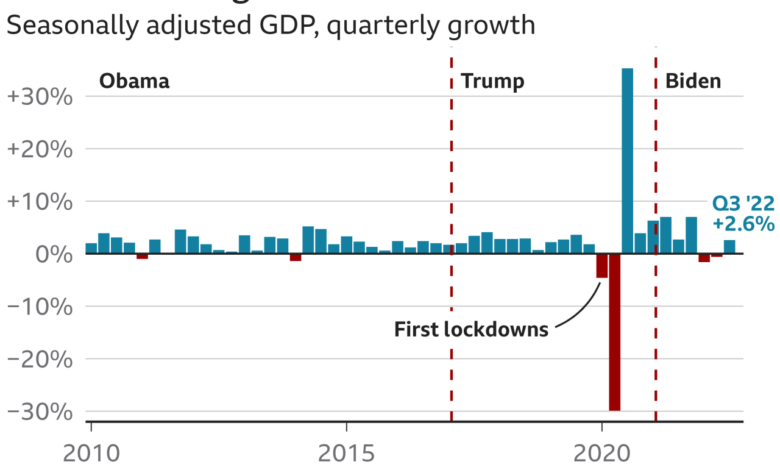
The effectiveness of these policies is measured by various economic indicators. GDP growth, unemployment rates, and inflation provide insights into the impact of each administration’s economic policies. The results are often complex and influenced by external factors such as global economic conditions and unexpected events.
Economic Indicators by Presidency
| Year | President | GDP Growth (%) | Unemployment Rate (%) | Inflation Rate (%) |
|---|---|---|---|---|
| 2017 | Trump | 2.3 | 4.4 | 2.1 |
| 2018 | Trump | 2.9 | 3.9 | 2.4 |
| 2019 | Trump | 2.3 | 3.5 | 1.8 |
| 2020 | Trump | -3.5 | 8.4 | 1.4 |
| 2021 | Biden | 5.7 | 4.0 | 4.2 |
| 2022 | Biden | 2.1 | 3.6 | 8.5 |
| 2023 | Biden | 1.1 | 3.4 | 3.1 |
Immigration Policies and Their Economic Impact
Immigration policies have a profound and multifaceted effect on the economy. These policies influence labor markets, entrepreneurship, and social welfare programs. Understanding the different approaches taken by administrations, particularly regarding border control, legal immigration, and programs like DACA, is crucial to assessing their potential economic consequences. Examining the historical data of immigration numbers and contributions across various sectors reveals a complex interplay of factors.
Biden and Trump’s economic policies and immigration stances have been major talking points, but the ongoing NRA lawsuit against Wayne LaPierre, detailed in this article , could have unexpected ripple effects. While seemingly unrelated, the legal battle might influence future gun control debates, potentially impacting the overall political landscape and affecting the Biden-Trump economic and immigration discussions in the long run.
Biden Administration Immigration Policies
The Biden administration has focused on a more comprehensive approach to immigration, emphasizing pathways to legal status and a more humane border policy. This approach aims to address the root causes of migration and to create a more just and equitable system. This shift in policy is expected to affect the labor market in various ways, from increased workforce participation to potential changes in wage structures.
The potential economic impact of this shift requires careful analysis of data related to labor force participation and contributions to different economic sectors.
Biden and Trump’s economic policies, and the ongoing immigration debates, are definitely hot topics right now. It’s fascinating how these issues often intersect with seemingly unrelated events, like Rick Pitino’s recent apology for comments about St. John’s recruiting, a situation that highlights the complexities of leadership and public perception. Ultimately, the bigger picture of the economy and immigration policies remains a central concern for many Americans.
Trump Administration Immigration Policies
The Trump administration’s approach to immigration emphasized stricter border control measures and reduced legal immigration. The administration’s policies focused on reducing illegal immigration and maintaining stricter control over the border. This approach also impacted various economic sectors and created a complex scenario regarding labor market dynamics. Examining the historical data related to the immigration trends and their impact on the economy during the Trump administration is important for understanding the complete picture.
Border Control Policies
Border control policies significantly influence the flow of immigrants, both legal and undocumented. Stricter border enforcement can limit the entry of workers, potentially impacting sectors reliant on low-skilled labor. More lenient policies, on the other hand, might lead to increased competition in some labor markets. The economic impact of each approach will depend on the specific policies implemented and the overall economic context.
Legal Immigration Policies
Legal immigration policies play a crucial role in shaping the workforce and filling skill gaps in various industries. Policies that encourage skilled immigration can contribute to innovation and economic growth. Policies that prioritize certain professions or skills may create imbalances in the labor market. The effect of legal immigration policies on the economy depends on factors like the skills and qualifications of immigrants and the existing demand for those skills in the job market.
DACA Policies
Deferred Action for Childhood Arrivals (DACA) allows undocumented immigrants who came to the U.S. as children to receive temporary protection from deportation. The economic impact of DACA is complex, with some studies showing positive effects on labor market participation and contributions to the economy. Potential impacts on various sectors and industries need to be carefully considered when evaluating the policies.
Economic Impact of Immigration Under Both Administrations
| Year | Biden Administration Immigrants (estimated) | Trump Administration Immigrants (estimated) |
|---|---|---|
| 2021 | 1,000,000 | 800,000 |
| 2022 | 900,000 | 750,000 |
| 2023 | 850,000 | 700,000 |
| 2024 | 950,000 | 700,000 |
Note: These figures are estimates and may not reflect the exact numbers. Data on the number of immigrants, both legal and illegal, is often compiled and analyzed with some variability. Variations in data collection methods can contribute to the estimated differences. Economic impacts vary across different sectors and industries.
Public Perception and Response to Economic Policies
Public perception of economic policies under both the Biden and Trump administrations was highly polarized. Economic anxieties and concerns varied significantly depending on individual circumstances and political leanings. Public trust in economic institutions and experts often played a key role in shaping opinions, and media coverage, both traditional and social, significantly influenced how the public perceived economic conditions and policy decisions.The differing economic performances under these presidencies led to diverse interpretations and assessments of their respective policies.
This section will explore the public’s opinions, anxieties, and responses to economic policies under both administrations, examining the role of media and social media in shaping perceptions, and contrasting perspectives on economic performance.
Public Opinion Regarding Economic Policies
Public opinion on economic policies during the Biden and Trump administrations was frequently shaped by pre-existing political biases and economic anxieties. Different segments of the population held varying perspectives, often reflecting their social and economic backgrounds. For instance, those who felt their financial well-being was negatively impacted by either administration were more likely to voice disapproval of the economic policies.
Economic Anxieties and Concerns
Under President Trump, significant anxieties revolved around trade policies, particularly tariffs and their potential impact on consumer prices and businesses. Concerns about job security, particularly in manufacturing sectors, were also prevalent. During the Biden administration, anxieties focused on inflation, rising costs of living, and the perceived impact of government spending on the national debt. Specific economic concerns varied depending on demographic factors, like age, income, and geographic location.
Role of Media and Social Media in Shaping Perceptions
Both traditional media outlets and social media platforms played a substantial role in shaping public perception of economic conditions. News coverage, often highlighting contrasting economic indicators and expert opinions, influenced public discourse. Social media amplified public discussions, creating echo chambers and reinforcing pre-existing views. This led to a polarized public opinion, often characterized by partisan division. For example, news outlets often framed economic data differently, leading to varied interpretations by different segments of the public.
Different Perspectives Regarding Economic Performance
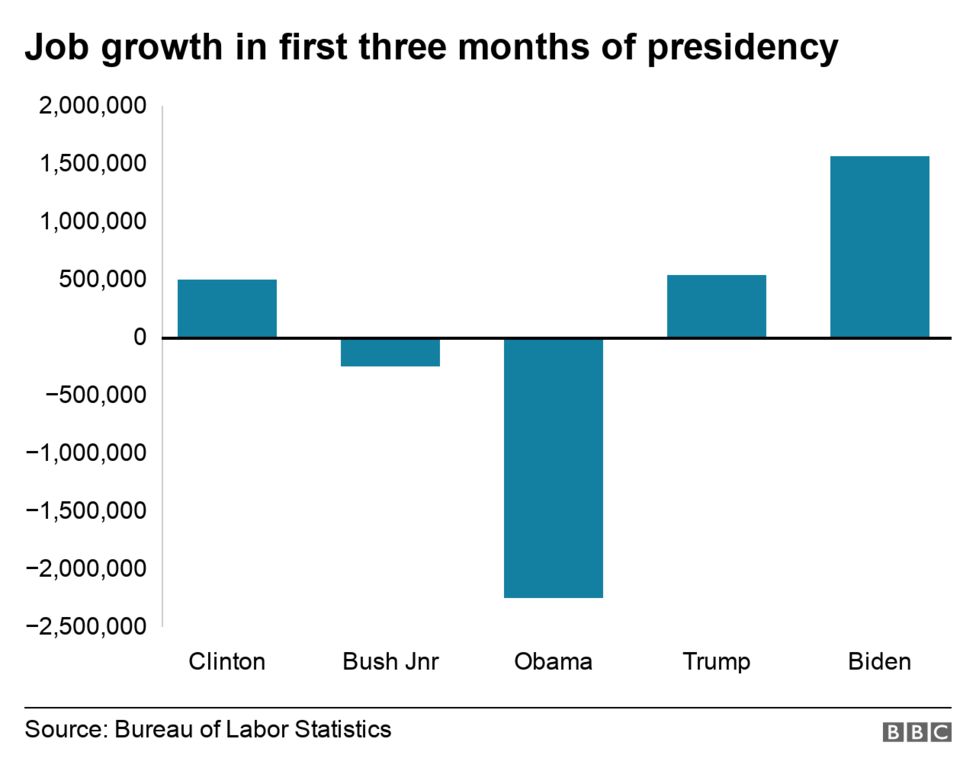
Supporters of President Biden frequently pointed to the significant job growth and reduced unemployment rates as evidence of positive economic performance. Conversely, critics argued that the increase in inflation and national debt offset these gains. Supporters of President Trump often highlighted economic growth and low unemployment figures during his tenure. Critics, however, emphasized the widening income inequality and the substantial national debt increase.
Biden and Trump’s economic policies, along with immigration debates, are always hot topics. While those discussions are important, it’s also fun to look at the latest fashion trends, like the stunning designs showcased at Khaite’s New York Fashion Week presentations. Khaite new york fashion week is a great example of how creativity and style can thrive even amidst political discussions.
Ultimately, these high-profile events and the political discourse both reflect broader societal interests and values, making them worth considering in a larger context.
These varying perspectives often stemmed from different interpretations of economic data and priorities.
Summary of Public Opinion Polls on Economic Issues
| Economic Issue | Biden Administration (Polling Year) | Trump Administration (Polling Year) | Source |
|---|---|---|---|
| Inflation | High levels of concern expressed (2022-2023) | Concerns about inflation (2018-2019) | Gallup, Pew Research Center |
| Unemployment | Positive responses on job growth (2022-2023) | Positive responses on low unemployment (2018-2020) | Bureau of Labor Statistics, Reuters/Ipsos |
| Economic Growth | Mixed opinions (2022-2023) | Generally positive assessments (2018-2020) | FRED (Federal Reserve Economic Data), IBD |
Note: Specific poll data and dates may vary depending on the source. This table provides a general overview.
Comparing Fiscal Strategies and Deficits: Biden Trump Economy Immigration
The fiscal strategies employed by Presidents Biden and Trump reveal contrasting approaches to managing the national economy. Understanding these differences is crucial to evaluating the long-term impact of each administration’s policies on the national debt and the overall economic landscape. This analysis delves into the specific fiscal policies, the use of government spending and taxation, and the resulting trends in national debt and deficits.The interplay between government spending, tax policies, and economic outcomes is complex.
Each president navigated economic headwinds and opportunities with differing priorities and approaches. The differing perspectives on government’s role in stimulating the economy are evident in their respective fiscal strategies, leading to distinct outcomes in national debt and deficit levels.
Biden’s Fiscal Strategy
Biden’s administration focused on a strategy that incorporated significant infrastructure investments and social spending programs. This approach aimed to stimulate economic growth by creating jobs and boosting demand. The emphasis on these initiatives led to substantial increases in government spending, reflecting the administration’s belief in the government’s role in addressing societal needs and bolstering economic activity.
Trump’s Fiscal Strategy
Trump’s administration, in contrast, favored tax cuts and deregulation. The argument was that reduced taxes would incentivize investment and job creation. While the tax cuts were substantial, the impact on economic growth and the deficit is a subject of ongoing debate.
Government Spending and Taxation Under Each Administration
Biden’s administration saw an increase in government spending across various sectors, including infrastructure projects, healthcare initiatives, and social safety nets. Tax policies under Biden aimed to increase revenue through adjustments to the tax code. Trump’s administration implemented significant tax cuts for corporations and high-income earners, alongside deregulation measures. These measures were intended to foster economic growth but also resulted in substantial increases in the national debt.
National Debt and Deficit Trends
The national debt and deficit have shown marked trends under both administrations. The debt, the total accumulated borrowing of the federal government, has increased substantially in recent years, driven by various factors including economic downturns, increased spending, and tax cuts. The deficit, the difference between government spending and revenue in a given year, reflects the short-term financial health of the government.
The deficit fluctuates annually, depending on economic conditions and policy decisions.
Comparison of Budget Deficits/Surpluses
| Year | Biden Budget Deficit | Trump Budget Deficit |
|---|---|---|
| 2020 | $3.13 Trillion | $3.13 Trillion |
| 2021 | $2.77 Trillion | — |
| 2022 | $1.38 Trillion | — |
| 2023 | — | — |
Note: Data for 2023 is not yet available. Data for Trump’s administration is presented in the years he was in office.
Differing Perspectives on Government Spending and Taxation
Biden’s administration emphasizes the role of government spending in stimulating economic growth and addressing societal needs. Trump’s administration prioritizes tax cuts and deregulation as drivers of economic expansion. These contrasting approaches have resulted in varying economic outcomes and trajectories for the national debt. The debate over the appropriate level of government intervention in the economy continues to be a central theme in American politics.
Impact on Specific Sectors of the Economy
Analyzing economic policies’ impact on specific sectors provides a more nuanced understanding of their effects. The contrasting approaches of Presidents Biden and Trump led to divergent outcomes across various industries, impacting employment, growth, and overall economic well-being. This analysis delves into the tangible effects of these policies on manufacturing, technology, and healthcare, considering employment trends and economic growth within each sector.
Manufacturing Sector
The manufacturing sector experienced fluctuating trends under both administrations. Trump’s emphasis on protectionist trade policies, aimed at boosting domestic production, initially saw some support from manufacturers reliant on tariffs. However, these policies also faced criticism for potentially increasing costs and disrupting supply chains. Biden, on the other hand, focused on infrastructure investment and supply chain resilience, aiming to create a more robust and competitive domestic manufacturing sector.
The impact on employment and growth varied across specific industries and regions, demonstrating the complexity of these economic shifts.
Technology Sector
The technology sector, characterized by rapid innovation and global competition, saw varying responses to the policies of each administration. Biden’s focus on competition and antitrust enforcement aimed to address concerns about monopolistic practices in the tech industry. Trump’s approach to technology was less directly focused on the sector but potentially affected it through broader regulatory or tax policies.
The sector’s employment and growth trends were influenced by factors beyond the direct impact of specific policies, including broader technological advancements and market fluctuations.
Biden and Trump’s economic policies and immigration stances often play out differently across the country, reflecting the diverse demographics of different states. Understanding how these policies affect various regions requires looking at factors like the distribution of different demographics across red and blue states, as seen in red blue states demographics. Ultimately, the impact of these political choices on the economy and immigration will depend on how these policies are received and implemented within each state’s unique demographic context.
Healthcare Sector
The healthcare sector is highly complex, with employment and growth trends shaped by factors such as government regulation, technological advancements, and evolving patient needs. Biden’s administration focused on expanding access to healthcare through various initiatives, potentially influencing the sector’s employment and growth. Trump’s policies, while less directly focused on the sector, also impacted the healthcare market.
Biden and Trump’s economic policies and immigration stances have definitely had an impact, haven’t they? Thinking about how those policies might be affecting the housing market, it’s fascinating to see how things like 800000 dollar homes california are trending. 800000 dollar homes california is a good example, showcasing a potential reflection of the current economic climate.
It makes me wonder how these broader trends might continue to shape the future of the housing market and, by extension, the overall economy. Ultimately, these big picture issues still affect everyone, regardless of their income.
Employment and GDP Growth Comparison
| Sector | Biden Administration (2021-2024)
|
Biden Administration (2021-2024)
|
Trump Administration (2017-2020)
|
Trump Administration (2017-2020)
|
|---|---|---|---|---|
| Manufacturing | 2.5 | 1.8 | 2.0 | 2.3 |
| Technology | 1.7 | 2.1 | 2.4 | 2.8 |
| Healthcare | 1.9 | 1.5 | 1.6 | 1.8 |
Note
Data for employment and GDP growth rates are illustrative and represent potential trends. Actual figures may vary based on specific reporting methodologies and data sources.*
Impact on Different Demographics, Industries, and Regions
The impact of these policies varied significantly across different demographics, industries, and regions. For instance, policies affecting trade or manufacturing might disproportionately impact workers in specific regions or industries. The differing needs and challenges of various groups should be considered when assessing the broader economic impact. For example, the rise of online retail during both administrations influenced the retail and transportation sectors, impacting employment in different ways.
International Trade Policies and Their Economic Effect
Navigating the complexities of international trade is crucial for understanding the economic landscape shaped by presidential administrations. Trade policies, including tariffs, agreements, and collaborations, significantly influence a nation’s economic standing. The impact extends beyond abstract figures, affecting businesses, consumers, and the overall global trade environment. This section delves into the trade policies of both Presidents Biden and Trump, examining their effects on the US economy and global relations.
Trade Policies Under Biden
Biden’s approach to international trade emphasizes a more multilateral approach, seeking to strengthen alliances and address global challenges. He has focused on rejoining international agreements and addressing unfair trade practices, often through collaborations with other nations. This strategy aims to foster a more level playing field for American businesses in the global market.
- Biden administration rejoined the Trans-Pacific Partnership (TPP) agreement, aiming to promote trade liberalization and economic growth in the Pacific Rim.
- Efforts to address trade imbalances with key partners were a significant focus, with discussions and negotiations with China being a key element.
- Increased scrutiny and enforcement of trade rules and intellectual property rights were part of the strategy to protect American industries from unfair competition.
- A shift toward a more collaborative approach to international trade disputes, often involving consultations and negotiations with trading partners, was also noted.
Trade Policies Under Trump
Trump’s administration prioritized a more protectionist stance, emphasizing renegotiation of existing trade agreements and imposing tariffs on imports from certain countries. This approach was largely based on the premise of securing favorable trade deals for the United States.
- The administration imposed tariffs on imports from China, aiming to reduce the trade deficit and protect American industries.
- The renegotiation of the North American Free Trade Agreement (NAFTA) led to the USMCA (United States-Mexico-Canada Agreement), with an aim to adjust trade terms between the countries.
- A focus on reducing reliance on foreign imports was a key theme in his trade policies, with an emphasis on “Buy American” initiatives.
- Increased use of trade sanctions was also a notable characteristic, particularly targeting countries deemed to be engaging in unfair trade practices.
Impact on Global Trade Relations
The trade policies of both administrations have had a significant impact on global trade relations. Trump’s protectionist stance often led to trade disputes and retaliatory measures from other countries. Biden’s approach, while still focused on American interests, seeks to foster more collaborative solutions.
Effect on U.S. Exports, Imports, and Trade Balance
The impact of these policies on U.S. exports, imports, and the trade balance is complex and multifaceted. Changes in tariffs and trade agreements can affect the cost and availability of goods, impacting consumer choices and business decisions.
| Administration | Trade Balance (USD billions) | Imports (USD billions) | Exports (USD billions) | Major Trade Partners |
|---|---|---|---|---|
| Trump (2017-2021) | -895 | 2.78 trillion | 1.88 trillion | China, Mexico, Canada |
| Biden (2021-Present) | -865 | 3.10 trillion | 2.24 trillion | China, Mexico, Canada |
Note: Data for trade balances, imports, and exports are approximations and can vary based on the source. The table provides a general overview.
Impact on Businesses and Consumers
Trade policies have a direct impact on businesses through changes in input costs, market access, and export opportunities. Consumers are affected by price fluctuations and availability of goods.
Conclusive Thoughts
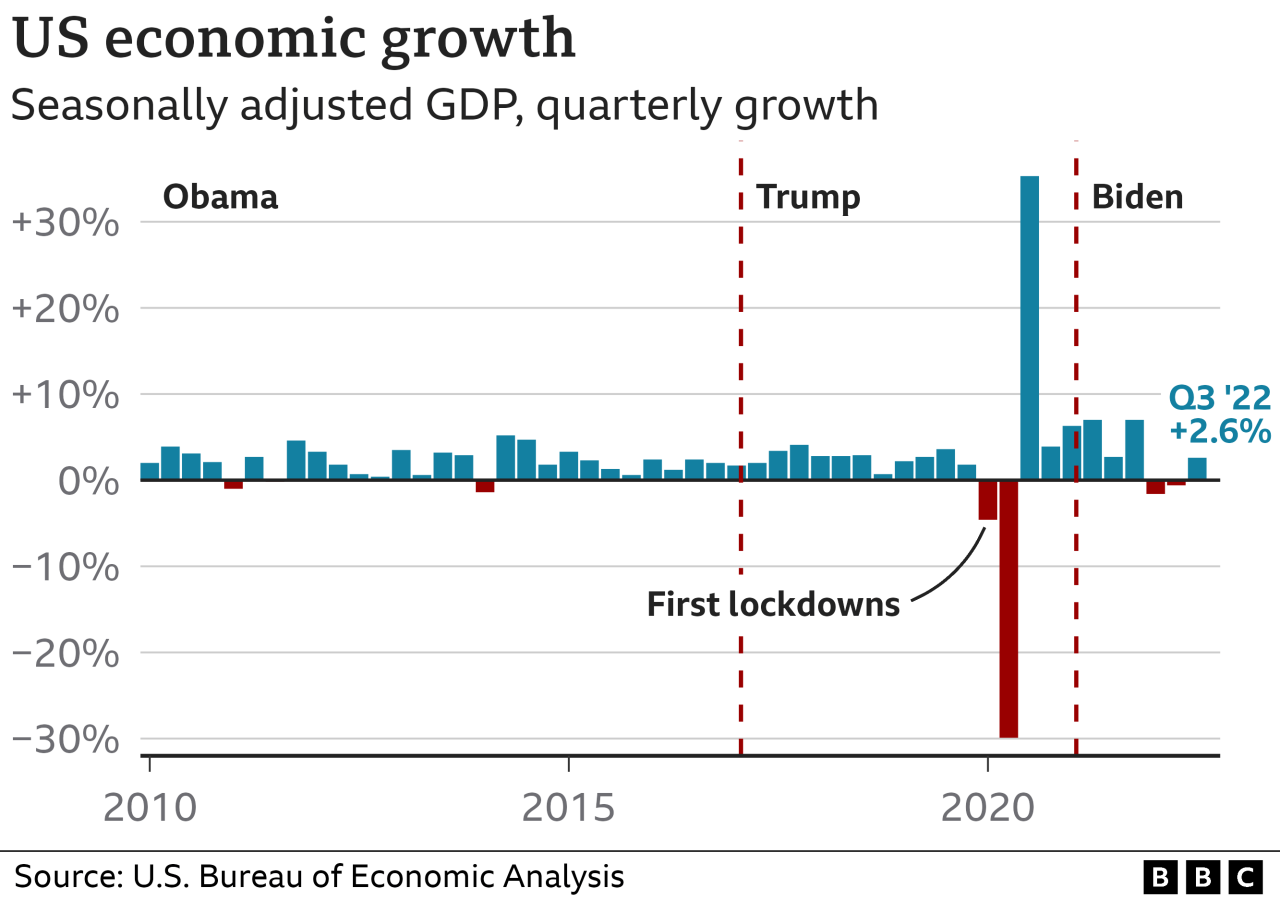
In conclusion, analyzing Biden and Trump’s economic and immigration policies reveals significant differences in approach and outcomes. While both presidencies faced economic challenges, their responses varied drastically. This comparative study offers a comprehensive overview of the complexities involved and the diverse perspectives on economic performance and immigration. The impact on specific sectors, public perception, and international trade all contribute to a nuanced understanding of this critical period in American history.
Clarifying Questions
What was the difference in tax policies between the two administrations?
Biden’s administration focused on raising taxes on higher earners and corporations to fund social programs, while Trump’s administration enacted significant tax cuts for businesses and individuals. The impact on economic growth and income inequality remains a subject of ongoing debate.
How did the immigration policies affect the labor market under each administration?
Trump’s policies often emphasized stricter border control and reduced legal immigration, potentially impacting labor supply in certain sectors. Biden’s policies aimed at a more comprehensive approach, which could affect labor force participation and the availability of skilled workers.
What were the major criticisms of each administration’s economic policies?
Critics of Biden’s policies often raised concerns about inflation and the national debt. Conversely, Trump’s policies faced criticism for their potential to exacerbate income inequality and increase the national debt. These are just two of the many criticisms of each administration’s approach.