

Outdoor Therapy for Depression & Anxiety A Guide
Outdoor therapy depression anxiety – Outdoor therapy for depression and anxiety is a powerful approach to mental well-being. It leverages the healing properties of nature to soothe the mind and body, reducing symptoms of both depression and anxiety. This guide explores the principles, mechanisms, and practical applications of outdoor therapy, offering insights into how to incorporate nature into your mental health routine.
From tranquil nature walks to invigorating hikes, this guide will help you understand the various ways outdoor activities can positively impact your mental health. We’ll delve into the science behind nature’s therapeutic effects, highlighting the physiological and psychological benefits of spending time outdoors. Plus, practical tips and strategies will equip you to design your own personalized outdoor therapy plan.
Introduction to Outdoor Therapy for Depression and Anxiety: Outdoor Therapy Depression Anxiety
Outdoor therapy, a burgeoning field, utilizes nature’s restorative power to address mental health challenges like depression and anxiety. It’s not simply a walk in the park; it’s a structured approach drawing on the proven benefits of the natural world for emotional well-being. This approach acknowledges the deep connection between humans and nature, harnessing the environment’s capacity to promote healing and reduce stress.This approach acknowledges the deep connection between humans and nature, drawing on the profound impact of the natural world on our emotional and psychological state.
From the calming presence of a forest to the invigorating energy of a mountain hike, outdoor therapy offers a unique path toward mental restoration and resilience. It recognizes that engaging with nature can provide a sense of peace, grounding, and purpose, thereby fostering a more positive outlook on life.
Defining Outdoor Therapy
Outdoor therapy is a form of psychotherapy that leverages the healing power of nature. It’s a holistic approach that integrates nature into therapeutic practices, promoting mental well-being through activities like hiking, gardening, or camping. This method capitalizes on the psychological and physiological benefits of spending time in natural settings, providing a pathway to reduce stress, enhance emotional regulation, and promote self-awareness.
Outdoor therapy can be incredibly helpful for managing depression and anxiety. Stepping outside, breathing in fresh air, and connecting with nature can really shift your perspective. The recent return of Romeo Gigli to Marrakech, as seen in return of romeo gigli marrakesh , highlights how even a vibrant city setting can offer a sense of renewal.
Ultimately, finding solace in nature, whether in a bustling metropolis or a quiet woodland, can be a powerful tool for overcoming these challenges.
Core Principles of Nature-Based Healing
The core principles behind outdoor therapy stem from the intrinsic connection between humans and nature. These principles emphasize the therapeutic value of immersion in natural environments, drawing upon the restorative powers of sunlight, fresh air, and the calming presence of natural elements. The beauty and diversity of nature provide a sense of awe and wonder, promoting a shift in perspective and facilitating emotional processing.
Research indicates that nature exposure can reduce stress hormones, lower blood pressure, and improve overall mood.
Reducing Symptoms of Depression and Anxiety
Outdoor activities can significantly reduce symptoms of depression and anxiety. Engaging with nature can stimulate the release of endorphins, which have mood-boosting effects. The sense of accomplishment from completing an outdoor activity, such as hiking a challenging trail, can boost self-esteem and confidence, while the mindful presence required for many outdoor activities can provide a much-needed distraction from negative thoughts.
Exposure to sunlight also helps regulate the body’s natural sleep-wake cycle, which is often disrupted in individuals experiencing depression or anxiety.
Historical Context
The therapeutic use of nature has deep historical roots. From ancient cultures that revered natural landscapes for their healing properties to the development of modern therapeutic parks, humans have long recognized the power of nature to soothe and revitalize. Ancient civilizations often incorporated natural elements into healing rituals, and the concept of “nature therapy” has evolved over time, reflecting contemporary understanding of mental health.
Historical examples include the use of natural springs for therapeutic purposes or the creation of serene gardens to promote mental peace.
Types of Outdoor Activities
Various outdoor activities can effectively manage depression and anxiety. These activities offer unique benefits depending on the individual’s preferences and needs.
- Nature Walks:
- Gardening:
- Camping:
Nature walks offer a gentle way to connect with the natural world. The rhythmic movement, fresh air, and visual stimulation can be deeply calming and grounding. The sights, sounds, and smells of nature can be meditative, reducing racing thoughts and promoting a sense of tranquility.
Gardening offers a therapeutic outlet for creativity and self-expression. The act of nurturing plants can be incredibly fulfilling, providing a sense of purpose and accomplishment. Gardening also fosters a mindful connection with the natural world, promoting patience and encouraging a slow, deliberate approach to activities.
Camping provides a unique opportunity for immersion in nature. The isolation and solitude of the wilderness can be empowering and help cultivate self-reliance. The fresh air, open spaces, and natural beauty can reduce stress and promote emotional regulation.
Comparison of Outdoor Therapy Approaches
| Approach | Description | Benefits | Considerations |
|---|---|---|---|
| Nature Walks | Structured or spontaneous walks in natural environments. | Calming, grounding, improved mood, reduced stress. | Requires minimal equipment, adaptable to various locations and abilities. |
| Gardening | Cultivating plants, nurturing growth. | Sense of accomplishment, mindfulness, improved focus, stress reduction. | Requires time commitment, potential for physical exertion, may not suit all individuals. |
| Camping | Staying overnight in a natural setting. | Increased self-reliance, solitude, connection with nature, deeper sense of peace. | Requires planning and preparation, potential for discomfort, may not be accessible to all. |
Mechanisms of Outdoor Therapy’s Impact
Stepping into nature can be more than just a pleasant experience; it’s a powerful therapeutic tool. The natural world offers a unique opportunity for healing and well-being, impacting our physiological and psychological states in profound ways. This impact is rooted in the intricate relationship between humans and the environment, and outdoor therapy leverages this connection to foster mental and emotional restoration.Outdoor therapy taps into the innate human desire for connection with nature, offering a pathway to reduce stress, improve mood, and foster a stronger sense of self.
It’s not merely a change of scenery, but a shift in perspective that promotes healing and growth. The benefits extend beyond simply enjoying the outdoors; they are deeply rooted in the mechanisms by which nature influences our well-being.
Physiological Mechanisms of Stress Reduction
Nature’s calming influence extends beyond our perception. Studies have shown that exposure to natural environments can directly impact the body’s physiological responses, particularly in relation to the stress response system. The presence of natural elements like trees, water, and open spaces has a demonstrably soothing effect. This effect is thought to be mediated by the release of neurochemicals that promote relaxation and reduce stress hormones.
This physiological shift, in turn, can create a ripple effect of positive change, affecting our psychological state and overall well-being.
Mindfulness and Presence in Outdoor Therapy
Outdoor therapy frequently incorporates mindfulness practices. Engaging in activities like hiking, forest bathing, or gardening encourages a focused awareness of the present moment. This mindful connection with the natural environment allows individuals to detach from stressful thoughts and anxieties, fostering a sense of calm and grounding. The act of simply observing a flower, listening to the birdsong, or feeling the wind in one’s hair can create a sense of peace and reduce feelings of overwhelm.
Impact on the Brain’s Stress Response System
Natural environments, with their inherent complexity and beauty, appear to influence the brain’s stress response system. Research suggests that exposure to nature can activate the parasympathetic nervous system, the part of the nervous system responsible for rest and relaxation. This activation counteracts the effects of chronic stress, reducing cortisol levels and promoting a sense of calm. In essence, nature provides a natural antidote to the body’s stress response.
Improving Mood and Self-Esteem
Outdoor activities often lead to improved mood and a boost in self-esteem. The physical activity involved in hiking, for example, releases endorphins, natural mood boosters. Furthermore, successfully completing a challenging outdoor activity, like reaching a summit or nurturing a garden, can enhance self-efficacy and build confidence. These positive experiences contribute to a more positive self-perception and emotional regulation.
Outdoor therapy can be a fantastic way to combat depression and anxiety. Connecting with nature, whether it’s a simple walk in the park or a more involved activity, can really help. Sometimes, though, a little extra something is needed to truly boost your mood. This is where a fun and social activity like enjoying hot pot can fit right in.
Check out this article on why hot pot is for everyone to see how this can help you find a group activity to boost your wellness hot pot is for everyone. Ultimately, though, outdoor therapy, combined with activities like hot pot, can be incredibly helpful for your mental well-being.
Connection to Reduced Inflammation
Emerging research highlights a potential link between exposure to nature and reduced inflammation in the body. Studies suggest that spending time outdoors can lower levels of inflammatory markers, which are associated with various health issues. This connection further underscores the profound impact of nature on our overall well-being, extending beyond mental health to encompass physical health as well.
Physiological Benefits of Outdoor Activities
| Activity | Physiological Benefit | Impact on Mental Health |
|---|---|---|
| Hiking | Increased cardiovascular fitness, improved muscular strength, increased vitamin D production. | Reduced stress, improved mood, increased self-efficacy, sense of accomplishment. |
| Forest Bathing (Shinrin-Yoku) | Reduced blood pressure, decreased heart rate, lower levels of stress hormones, increased vagal tone. | Reduced anxiety, improved focus, enhanced emotional regulation, feelings of calm and well-being. |
| Gardening | Physical activity, improved fine motor skills, increased vitamin D production, direct interaction with nature. | Reduced stress, increased sense of purpose, improved mood, connection with the natural world. |
Practical Applications and Strategies
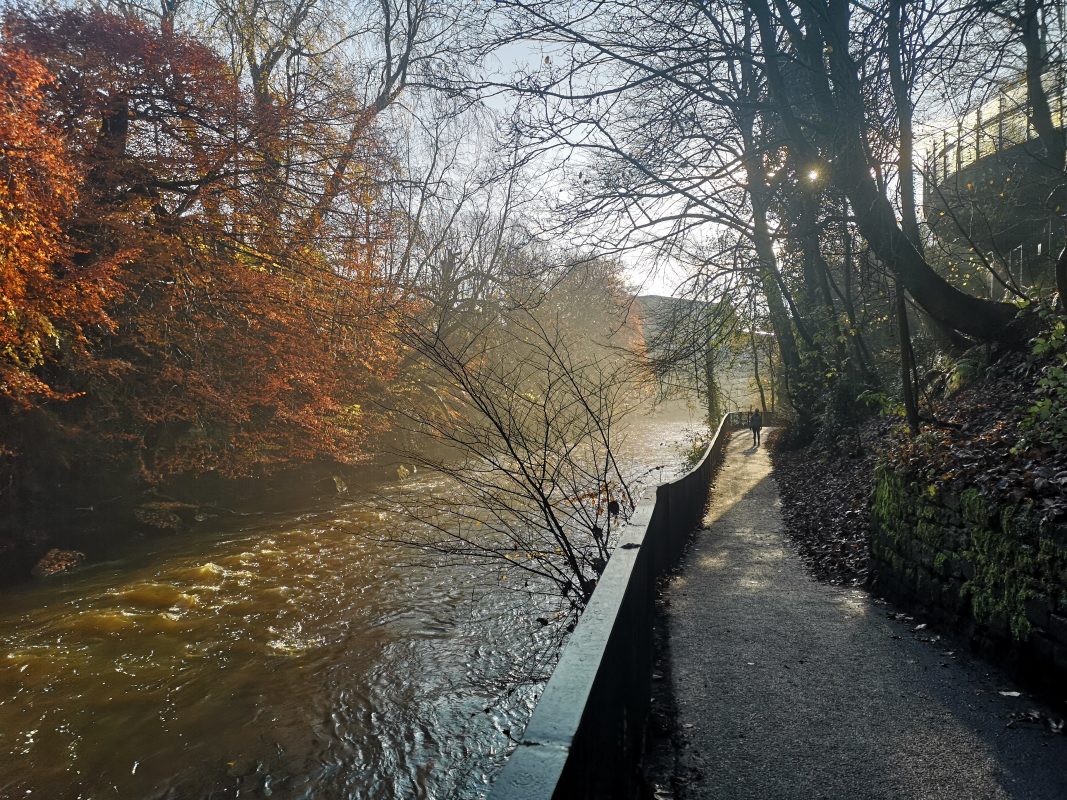
Embarking on a journey of outdoor therapy requires a thoughtful and personalized approach. It’s not simply about going outside; it’s about strategically integrating nature into your daily life in a way that supports your mental well-being. This involves understanding your needs, selecting appropriate activities, and creating a consistent routine.This section will delve into practical strategies for incorporating outdoor therapy into your daily life, from choosing the right activities to crafting a tailored plan.
Outdoor therapy can be incredibly helpful for managing depression and anxiety, providing a much-needed escape from the stresses of daily life. Recent events like the Israel-Gaza cease fire highlight the importance of mental well-being, particularly in times of conflict and uncertainty. Finding ways to connect with nature can be a powerful tool for healing and resilience, no matter the external circumstances.
So, if you’re struggling, consider the restorative power of a walk in the park or a hike in the mountains.
We will explore the diverse range of outdoor activities, their potential benefits, and how to adapt them to your individual preferences and needs.
Incorporating Outdoor Activities into Daily Routines
Integrating outdoor activities into daily routines is crucial for fostering a sense of connection with nature and promoting mental well-being. This involves scheduling time for outdoor experiences, just as you would for any other important appointment. It can be as simple as a 15-minute walk in a park before work or a longer hike on the weekend. Consistency is key, as even short bursts of outdoor time can significantly impact mood and stress levels.
Selecting Appropriate Outdoor Activities
Choosing the right outdoor activities depends heavily on individual preferences and needs. Consider what activities bring you joy and relaxation. Are you drawn to the tranquility of a quiet forest walk, the energy of a group hike, or the challenge of rock climbing? A wide array of activities can be beneficial. Think about your current energy levels and physical capabilities when making your selection.
For instance, a gentle stroll through a meadow might be more suitable for someone recovering from an injury than a strenuous mountain climb.
Examples of Outdoor Therapy Programs and Interventions, Outdoor therapy depression anxiety
Many organizations offer structured outdoor therapy programs. These programs often incorporate guided nature walks, mindfulness exercises in natural settings, and group discussions about experiences. Individualized interventions can also be tailored to specific needs. For example, a client experiencing social anxiety might benefit from a nature-based program that gradually increases social interaction in a safe, natural environment.
Outdoor Activities and Their Potential Benefits
- Nature Walks: Walking in nature has been shown to reduce stress hormones and increase feelings of well-being. The sights, sounds, and smells of nature can be deeply calming and restorative.
- Gardening: Engaging in gardening tasks, such as planting, weeding, and harvesting, can foster a sense of accomplishment and connection to the earth. The physical activity and the rewarding outcome can positively impact mood.
- Hiking: Hiking offers a physical challenge while simultaneously immersing you in nature. The sense of accomplishment and the breathtaking views can contribute to a significant mood lift.
- Meditation in Nature: Finding a quiet spot in nature and practicing mindfulness or meditation can deepen your connection with the present moment and reduce feelings of anxiety and stress.
- Yoga in Parks: Yoga in a natural setting can enhance the experience. The connection with nature, combined with the physical and mental benefits of yoga, can be very therapeutic.
Creating a Personalized Outdoor Therapy Plan
A personalized plan should align with your individual needs and preferences. Start by identifying your current level of anxiety and depression. Identify activities that you find enjoyable and accessible. Gradually increase the duration and intensity of your outdoor sessions. Tracking your progress and adjusting your plan as needed is essential for optimal results.
Outdoor therapy can be a surprisingly effective tool for managing depression and anxiety. Connecting with nature, whether it’s a simple walk in the park or a more structured activity, can offer a powerful sense of calm and well-being. For example, exploring the rich history and artistic legacy of the Harlem Renaissance, like the work of Abney, Bey, Fordjour, Simmons, and their connection to the MET museum, can spark a similar sense of wonder and connection.
Learning about these artists through abney bey fordjour simmons harlem renaissance met can offer an avenue for inspiration and upliftment, ultimately reinforcing the benefits of outdoor therapy for mental health.
Outdoor Therapy Activities and Suitability
| Activity | Anxiety Level | Depression Level |
|---|---|---|
| Meditation | Low to Moderate | Low to Moderate |
| Nature Walk | Low to Moderate | Low to Moderate |
| Yoga | Low to Moderate | Low to Moderate |
Note: Anxiety and depression levels are relative and can vary depending on individual circumstances. Consult with a mental health professional to determine the most suitable activities for your specific needs.
Addressing Specific Challenges and Considerations
Outdoor therapy, while incredibly beneficial, presents unique challenges that need careful consideration. Navigating weather conditions, accessibility limitations, and tailoring activities to diverse needs are crucial for a positive and effective therapeutic experience. This section explores these considerations, offering practical strategies for overcoming obstacles and ensuring the therapy is accessible and impactful for everyone.Implementing outdoor therapy requires flexibility and adaptability.
The therapeutic environment needs to be carefully chosen and adjusted to address individual needs and potential obstacles.
Weather Considerations
Weather unpredictability is a significant factor in outdoor therapy. Extreme heat, heavy rain, or severe cold can significantly impact the session’s effectiveness and even pose safety risks. Planning for alternative indoor spaces or rescheduling sessions is essential. Thorough weather forecasting and flexible session plans are critical to maintaining safety and engagement.
Accessibility Issues
Accessibility is paramount. Individuals with mobility limitations or those facing transportation challenges may find accessing certain outdoor locations difficult. Outdoor therapy programs should consider accessible locations, provide transportation assistance, or adapt activities to be performed in more accessible environments. Using adaptive equipment or modifying activities can be very helpful for people with various physical limitations.
Physical Limitations
Individuals with physical limitations require specific adaptations. Activities should be modified to accommodate their mobility, strength, and endurance. This may involve shorter walks, alternative exercises, or incorporating assistive devices. The therapy environment should be carefully selected to ensure it is accessible and safe for all participants. A compassionate and understanding approach is vital to ensure that individuals with physical limitations feel supported and engaged in the process.
Adapting for Different Age Groups
Outdoor therapy activities should be age-appropriate and engaging. Children may require shorter sessions, more playful activities, and simplified instructions. Older adults may benefit from slower-paced activities, adjusted physical demands, and more supportive group dynamics. Activities should be tailored to the physical and cognitive abilities of each age group to maximize their participation and benefits.
Outdoor therapy for depression and anxiety is a fantastic way to reconnect with nature. While stunning homes like those in the 800000 dollar homes California market might offer a different kind of escape, spending time in nature, whether it’s hiking, gardening, or simply sitting under a tree, provides a powerful antidote to stress and offers a healthier perspective.
This type of therapy helps to reduce symptoms and promote overall well-being.
Creating a Safe and Supportive Environment
Safety is paramount in any therapeutic setting, particularly outdoors. Clear communication, emergency procedures, and appropriate supervision are essential. A supportive atmosphere fosters trust and encourages open communication. It’s crucial to create an environment where participants feel comfortable expressing their emotions and challenges. The presence of trained professionals can significantly contribute to a secure and supportive environment.
Comparing Outdoor Therapy Settings
| Setting | Benefits | Drawbacks |
|---|---|---|
| Parks | Variety of activities, accessibility, often well-maintained, social interaction opportunities. | Potential for crowds, limited privacy, varying natural elements (trees, flowers, etc.). |
| Forests | Immersive natural experience, solitude, often a sense of peace, increased opportunities for reflection. | Potential for trails with varying terrain, potential for isolation or feeling lost, limited access for some individuals. |
| Beaches | Relaxing atmosphere, fresh air, ocean sounds, opportunity for movement, and connection with nature. | Weather conditions can impact sessions, limited shade in some areas, safety concerns related to water activities. |
Integration with Traditional Therapies
Outdoor therapy offers a powerful complement to traditional mental health treatments, providing a unique avenue for healing and well-being. It’s not meant to replace established methods like medication or therapy but rather to enhance and enrich the overall approach to managing depression and anxiety. By incorporating nature into the therapeutic process, individuals can experience a more holistic and effective treatment plan.Traditional therapies, such as cognitive behavioral therapy (CBT) and medication, address specific symptoms and thought patterns.
Outdoor therapy, on the other hand, provides a supportive environment for emotional regulation, stress reduction, and improved self-awareness, which often complements and reinforces the benefits of these other methods. The integration of these approaches can lead to a more sustainable and effective recovery.
Complementary Benefits of Outdoor Therapy
Outdoor therapy can significantly enhance the effectiveness of traditional therapies by fostering a deeper connection with oneself and the natural world. This fosters a sense of calm, reduced stress, and improved mood. These positive effects can translate into greater engagement and motivation in traditional therapy sessions, creating a virtuous cycle of healing.
Comparison of Effectiveness
While direct comparisons of outdoor therapy’s effectiveness against traditional methods are often complex and require rigorous research, anecdotal evidence and existing studies suggest a positive synergy. Outdoor therapy often fosters a sense of empowerment and self-efficacy, which can aid in coping mechanisms and improved resilience, thereby complementing the direct symptom management offered by medication and structured therapy. It’s crucial to remember that each individual responds differently, and a personalized approach is vital for optimal results.
Importance of a Holistic Approach
A holistic approach to mental health recognizes the interconnectedness of physical, emotional, and environmental factors. Outdoor therapy aligns perfectly with this perspective, acknowledging that mental well-being isn’t isolated but intertwined with our surroundings and experiences. This approach allows for a more comprehensive understanding and management of mental health challenges. This is not simply about “getting outside”; it’s about cultivating a profound relationship with nature.
Integrating Outdoor Therapy into Treatment Plans
Integrating outdoor therapy into existing treatment plans can be seamlessly achieved. This might involve incorporating nature walks, mindfulness exercises in parks, or guided outdoor activities into existing therapy sessions. The key is to tailor the integration to the individual’s specific needs and preferences. For instance, a patient undergoing CBT could be encouraged to practice mindfulness exercises in a natural setting to enhance cognitive restructuring techniques.
Examples of Integration
Outdoor therapy can be integrated with CBT by guiding patients to identify negative thought patterns during nature walks and then practicing cognitive restructuring in a natural setting. Similarly, outdoor therapy can be used to complement medication by focusing on activities that improve mood and reduce stress, further enhancing the effectiveness of medication.
Synergistic Benefits Table
| Therapy Type | Synergistic Benefits |
|---|---|
| CBT | Enhanced emotional regulation, improved focus during sessions, fostering a sense of self-efficacy through nature-based activities, creating a positive and less-stressful environment for cognitive restructuring exercises. |
| Medication | Reduced stress and anxiety through nature exposure, improving adherence to medication regimens by promoting overall well-being, creating a more conducive environment for the medication’s effectiveness. |
Case Studies and Examples
Outdoor therapy offers a powerful, often transformative, approach to managing depression and anxiety. By grounding individuals in the natural world, it fosters a sense of connection and empowerment that can significantly impact mental well-being. This section presents illustrative case studies highlighting the effectiveness of outdoor therapy in helping individuals overcome these challenges.
Illustrative Case Study 1: Overcoming Social Anxiety Through Nature-Based Activities
This case study focuses on a young adult, Sarah, experiencing significant social anxiety. Her anxiety manifested as avoidance of social situations, leading to feelings of isolation and depression. The outdoor therapy intervention incorporated a structured program focusing on nature-based activities like hiking, birdwatching, and guided nature walks. The program was tailored to gradually expose Sarah to social interaction within a supportive natural setting.
- Initial sessions involved solo nature exploration to build confidence and self-awareness. Sarah documented her feelings and observations in a journal, which served as a tool for reflection and progress tracking.
- Subsequent sessions incorporated group activities, such as nature photography workshops and guided discussions about the beauty of the natural world. This created a safe space for social interaction, reducing the fear of judgment.
- Sarah’s anxiety gradually decreased as she experienced the positive feedback loop of nature engagement. The sense of accomplishment and connection with nature boosted her self-esteem and confidence, empowering her to participate in more social situations outside the therapeutic setting.
Illustrative Case Study 2: Managing Depression Through Mindfulness-Based Forest Bathing
This case study features Mark, a middle-aged man struggling with chronic depression. Mark’s depression was characterized by persistent low mood, lack of motivation, and difficulty engaging in daily activities. The chosen outdoor therapy approach involved mindfulness-based forest bathing sessions. These sessions focused on deep engagement with the forest environment, including sensory awareness, gentle movement, and reflective contemplation.
- The therapy sessions emphasized the importance of present moment awareness through focused attention on sensory experiences (sounds, smells, textures) within the forest.
- Guided meditation and mindful breathing exercises were incorporated into the sessions to enhance self-regulation and emotional processing.
- Mark’s participation in the forest bathing sessions gradually increased his capacity for positive emotional experiences and reduced his depressive symptoms. He reported increased feelings of peace and connection with nature, leading to a renewed sense of purpose and motivation.
Summary of Case Studies
| Case Study | Key Findings | Impact |
|---|---|---|
| Overcoming Social Anxiety | Gradual exposure to social interaction in nature, journaling, and nature-based activities reduced anxiety and improved self-esteem. | Increased participation in social situations, enhanced self-confidence, and reduced feelings of isolation. |
| Managing Depression | Mindfulness-based forest bathing sessions fostered present moment awareness, increased positive emotions, and improved motivation. | Reduced depressive symptoms, enhanced emotional regulation, and increased sense of purpose. |
Final Review

In conclusion, outdoor therapy offers a holistic approach to managing depression and anxiety. By harnessing the power of nature, you can find solace, reduce stress, and cultivate a deeper connection with yourself and the world around you. This guide provides a foundation for understanding the many ways outdoor therapy can positively impact your mental well-being, and empower you to create a more fulfilling and balanced life.
Questions and Answers
What are some common outdoor activities suitable for managing depression and anxiety?
Nature walks, gardening, hiking, camping, forest bathing, and even simply sitting in a park can all be beneficial. The key is finding activities you genuinely enjoy and that promote a sense of calm and connection with nature.
How can I create a personalized outdoor therapy plan?
Consider your individual needs and preferences. Start with short, manageable sessions and gradually increase the duration and intensity of your outdoor activities. Experiment with different activities and settings to find what works best for you. Listen to your body and adjust your plan as needed.
What are the potential challenges in implementing outdoor therapy?
Weather conditions, accessibility issues, and personal limitations are potential challenges. Be prepared to adapt your plans to these factors and find creative solutions. For instance, you can choose indoor activities when the weather is bad or utilize accessible trails and facilities.
How can I make outdoor therapy safe and supportive?
Go with a friend or family member for companionship and support. Inform someone of your plans and route. Wear appropriate clothing and gear for the activity. Prioritize safety and be aware of potential hazards.