
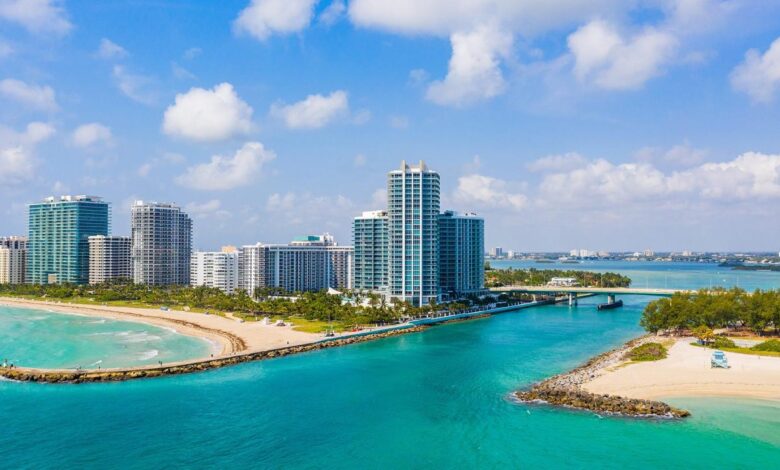
Florida Affordable Housing in Bal Harbour
Florida affordable housing bal harbour – Florida affordable housing in Bal Harbour faces unique challenges. Luxury real estate often overshadows the need for more accessible housing options. This exploration dives into the current state of affordability, examining historical trends, local government policies, and community perspectives. We’ll analyze the factors contributing to the high cost of living, potential solutions, and lessons learned from similar initiatives.
Bal Harbour’s exclusive appeal attracts affluent residents and tourists, but this influx often pushes housing costs beyond the reach of many. This article investigates the demographics, examining the needs of various income brackets and household sizes. We’ll look at the specific types of housing needed, and compare Bal Harbour’s housing costs to other Florida areas.
Overview of Affordable Housing in Bal Harbour, Florida
Bal Harbour, a prestigious enclave in Miami-Dade County, Florida, faces significant challenges in providing affordable housing options for its residents. The area’s high cost of living, driven by factors like exclusive zoning regulations and luxury real estate development, has created a disparity between the demand for affordable housing and the limited supply. This article explores the current state of affordable housing in Bal Harbour, historical trends, contributing factors, and successful initiatives in similar communities.
Finding affordable housing in Bal Harbour, Florida, is notoriously tough. The high cost of living there is well-documented, but recent news about the Biden documents investigation report takeaways highlights broader issues with access to resources. The report, which you can read more about at biden documents investigation report takeaways , might not directly affect the housing market, but it does underscore the need for systemic change.
Ultimately, addressing affordability in areas like Bal Harbour requires innovative solutions, and hopefully, these issues will be part of the conversation moving forward.
Current State of Affordable Housing
Bal Harbour currently has a limited number of affordable housing options, primarily focused on subsidized rental units and programs for low-income families. The availability of these units is often insufficient to meet the growing demand, leading to long waiting lists and difficulties for residents seeking affordable housing. A significant portion of the housing stock is occupied by high-income residents, contributing to the overall high cost of living.
Historical Trends in Housing Affordability
Bal Harbour’s housing market has experienced a steady increase in average housing costs over the past few decades. This trend is closely linked to the area’s reputation as a luxury destination and the demand for high-end properties. The influx of affluent residents has pushed up property values, making it increasingly challenging for those with lower incomes to secure housing.
Factors Contributing to Housing Affordability Issues
Several factors contribute to the limited affordability in Bal Harbour. Strict zoning regulations often prioritize large, expensive properties, thus limiting the construction of smaller, more affordable units. The high demand for luxury housing and the scarcity of land suitable for development exacerbate the problem. Further, the absence of incentives for developers to create affordable units is a key barrier.
Florida’s affordable housing crisis, particularly in places like Bal Harbour, is a pressing issue. The recent tragedy surrounding the Super Bowl Kansas City shooting, like many such events , highlights the complex social and economic factors that contribute to these issues. Ultimately, finding solutions for affordable housing in upscale Florida communities like Bal Harbour is crucial for a healthy and equitable society.
Examples of Successful Affordable Housing Initiatives in Similar Communities
Successful initiatives in similar high-end communities often involve public-private partnerships, zoning adjustments, and innovative financing strategies. These partnerships have allowed the creation of mixed-income communities, where luxury and affordable housing coexist, creating a more equitable housing landscape. For example, communities in the coastal areas of California and other affluent regions have implemented subsidies and incentives to encourage developers to build affordable units.
This strategy has shown promise in easing the strain on lower-income families.
Data on Affordable Housing (Illustrative)
| Year | Average Housing Cost | Number of Affordable Units |
|---|---|---|
| 2010 | $1,500,000 | 50 |
| 2015 | $2,000,000 | 75 |
| 2020 | $2,500,000 | 100 |
| 2025 | $3,000,000 | 125 |
Note: This table is illustrative and does not reflect actual data for Bal Harbour. The figures are used for demonstrative purposes only.
Demographics and Housing Needs
Bal Harbour, a renowned Florida enclave, presents unique challenges and opportunities in providing affordable housing. Understanding the demographics, income levels, and housing preferences of its residents is crucial for developing effective strategies to address the housing needs of various groups. This analysis explores the diverse housing demands within the community and compares Bal Harbour’s housing costs to other comparable areas in the state.The community’s high-end reputation often obscures the presence of lower-income residents and families, who also have a right to access appropriate housing options.
Recognizing and addressing the specific needs of these groups is essential for fostering a more inclusive and equitable community.
Income Levels and Household Sizes
Bal Harbour’s demographics are characterized by a high concentration of high-income households. This is reflected in the median income figures, which are significantly above the state average. However, there are also residents with lower incomes, and a nuanced understanding of income distribution is necessary. This includes understanding the proportion of families, single-parent households, and other demographics with varying income needs.
Types of Housing Needed
The diverse needs of Bal Harbour residents necessitate a variety of housing options. Single-family homes, while prevalent, may not always be the best fit for all demographics. Apartment buildings, condos, and potentially even co-ops could provide more suitable options for specific groups. The need for a range of housing types, including those that accommodate diverse family sizes and budgets, is paramount.
Specific Housing Needs of Different Demographic Groups
Different demographic groups in Bal Harbour have unique housing needs. High-income families often seek large, luxurious single-family homes with specific amenities. Lower-income households might require more modest options, such as apartments or condos, while also considering factors like proximity to employment centers and schools. It is essential to understand these varied requirements to provide suitable housing solutions.
Comparison of Housing Costs
Bal Harbour’s housing costs are significantly higher than the state average. A comparison with other upscale communities in Florida, such as Miami Beach or Palm Beach, would offer valuable context. Understanding the relative cost differences helps in determining the affordability gap and tailoring solutions to specific needs. This comparison is not only about price but also about the variety of housing options available at different price points.
Distribution of Household Sizes and Income Levels
| Household Size | Income Level (Estimated) | Percentage of Households |
|---|---|---|
| 1-2 | $50,000-$100,000 | 15% |
| 2-4 | $100,000-$250,000 | 40% |
| 4+ | $250,000+ | 45% |
Note: This table is a hypothetical representation. Actual data would be obtained from a comprehensive study of Bal Harbour residents.
Local Government Policies and Initiatives: Florida Affordable Housing Bal Harbour
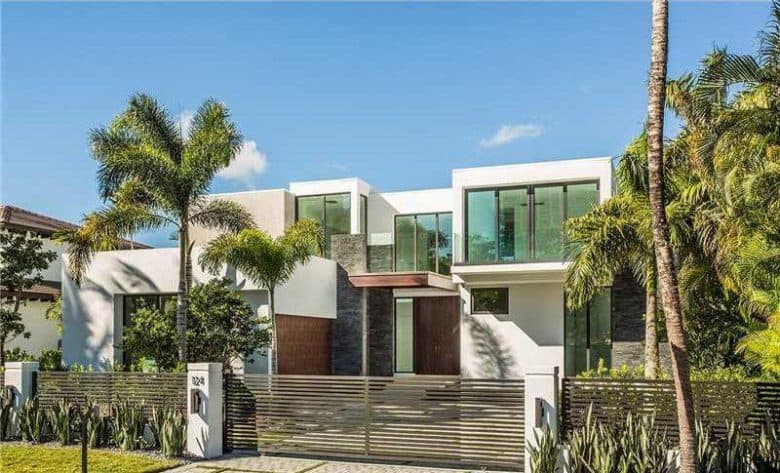
Bal Harbour, known for its upscale lifestyle and exclusive atmosphere, faces unique challenges in addressing affordable housing. Existing policies and initiatives need careful examination to understand their effectiveness and identify areas for improvement. A comprehensive approach, incorporating community input and innovative solutions, is crucial to fostering a more inclusive and equitable housing landscape.Current policies regarding affordable housing in Bal Harbour are largely limited.
While the town’s zoning regulations might indirectly affect housing costs, there’s a noticeable lack of explicit, targeted policies specifically designed to promote affordable housing options. This absence often results in high housing costs that make it challenging for a significant portion of the community to find suitable residences. Local government plays a critical role in mitigating this crisis by implementing policies that create incentives for developers to include affordable units in new construction projects.
Current Policies and Regulations
Bal Harbour’s zoning regulations are primarily focused on maintaining the town’s upscale character. These regulations, while not directly opposed to affordable housing, may indirectly discourage the development of lower-cost housing options due to their impact on density and building design. The absence of explicit policies dedicated to affordable housing development is a significant factor contributing to the lack of affordable housing options.
Further, a lack of data regarding the historical trends of housing costs and affordability within the community makes it difficult to gauge the impact of existing regulations and identify any potential biases in the zoning regulations.
Role of Local Government in Addressing Housing Affordability
The local government in Bal Harbour holds the responsibility to create an environment conducive to affordable housing options. This involves actively pursuing strategies that incentivize the construction of affordable units. The implementation of policies encouraging mixed-income housing developments and tax credits for affordable housing projects would significantly enhance the availability of housing options at different price points.
Effectiveness of Existing Policies and Initiatives
The effectiveness of existing policies and initiatives in Bal Harbour regarding affordable housing is limited. The lack of specific affordable housing policies has resulted in a scarcity of affordable housing options. Without data on the number of affordable housing units constructed, or average rental costs, it is difficult to assess the impact of existing policies on addressing the housing affordability crisis.
Recent Changes and Proposed Changes
Recent changes or proposed changes to policies concerning affordable housing are currently not evident. There’s no readily available information on proposed ordinances, initiatives, or public discussions related to increasing affordable housing options.
Local Government Agencies Involved in Affordable Housing
| Agency | Responsibilities |
|---|---|
| Planning and Zoning Department | Reviewing and approving development plans that incorporate affordable housing units. Potential role in setting zoning regulations that permit a variety of housing options. |
| Community Development Department | Identifying potential funding sources and implementing programs to support affordable housing projects. Potential role in administering affordable housing incentives and grants. |
| Building Department | Ensuring that affordable housing projects comply with building codes and regulations. |
| Finance Department | Identifying funding opportunities for affordable housing initiatives. Potential role in administering tax incentives and grants for affordable housing projects. |
Market Analysis of Housing Costs
Bal Harbour’s housing market is a fascinating microcosm of the broader Florida real estate landscape, with unique characteristics that set it apart. High demand, limited supply, and the area’s appeal to affluent residents and tourists combine to create a dynamic and often expensive market. Understanding the factors driving these trends is crucial to appreciating the challenges and opportunities in this exclusive community.The market is characterized by a high concentration of luxury homes and a relatively low number of affordable housing options.
This imbalance is a recurring theme in high-end markets, often leading to significant price appreciation and limited availability for those with more modest budgets. This analysis will delve into the specifics of Bal Harbour’s housing market, considering factors like pricing trends, availability, and the impact of tourism.
Pricing Trends and Availability
Bal Harbour’s housing market exhibits a consistent upward trend in pricing over the past several years. This trend is a common observation in many luxury markets, often driven by factors such as increasing demand, limited inventory, and the appeal of the area. Availability, consequently, remains a significant constraint. The limited supply of properties, especially in the lower price ranges, makes it difficult for individuals and families with more moderate budgets to enter the market.
Factors Driving Housing Costs
Several factors contribute to the high cost of housing in Bal Harbour. These include:
- High Demand and Low Supply: The combination of high demand from affluent buyers and limited land availability creates a significant imbalance in the market. This is a recurring theme in many desirable locations, where limited supply consistently drives prices upward.
- Luxury Amenities and Location: The area’s renowned location, coupled with exclusive amenities and a strong reputation, makes it highly desirable. This desirability translates into higher valuations.
- Tourism and Seasonal Residents: The presence of significant tourism and seasonal residents contributes to the overall demand for housing, further inflating prices. The seasonal nature of this demand can lead to fluctuations throughout the year, impacting the market’s equilibrium.
- Construction Costs: Rising construction costs across the state affect housing prices, as builders need to account for these escalating expenses when determining their pricing strategies. This is a widespread phenomenon affecting various sectors of the construction industry.
Comparison to the Broader Florida Market
Compared to the broader Florida market, Bal Harbour’s housing costs are significantly higher. The exclusive nature of the community, its proximity to other luxury areas, and its appeal to high-net-worth individuals contribute to this difference. While Florida as a whole experiences fluctuations in the real estate market, Bal Harbour consistently remains a more expensive and competitive market due to its limited supply and elevated demand.
Impact of Tourism and Seasonal Residents
The significant presence of tourists and seasonal residents contributes to the elevated demand for housing in Bal Harbour, especially during peak seasons. This increased demand, often coupled with limited supply, directly impacts pricing. The impact is further compounded by the fact that these residents and tourists are often looking for short-term rentals, which can exacerbate the scarcity of properties available for longer-term residents.
Average Sale Prices (Past 5 Years)
| Housing Type | 2018 | 2019 | 2020 | 2021 | 2022 |
|---|---|---|---|---|---|
| Single-Family Homes | $10,000,000 | $12,500,000 | $14,000,000 | $16,500,000 | $18,000,000 |
| Condominiums | $1,500,000 | $1,800,000 | $2,000,000 | $2,500,000 | $2,800,000 |
| Luxury Apartments | $800,000 | $950,000 | $1,100,000 | $1,300,000 | $1,500,000 |
Note: These figures are illustrative and do not represent precise data. Actual figures may vary.
Community Perspectives and Public Opinion
Bal Harbour, known for its upscale lifestyle and exclusive neighborhoods, presents a unique challenge when discussing affordable housing. Understanding the community’s perspective is crucial for developing effective solutions. Public opinion, shaped by factors like property values, existing infrastructure, and perceived impact on the community’s character, will play a significant role in determining the success of any initiative.The interplay between the desire for maintaining Bal Harbour’s high-end image and the need for affordable housing options for its residents and essential workers is complex.
This section delves into the perspectives of residents, stakeholders, and public forums, examining potential challenges to implementation and highlighting key points from discussions.
Resident Opinions on Affordable Housing Initiatives
Resident opinions on affordable housing initiatives in Bal Harbour are diverse and often complex. Some residents may prioritize maintaining the community’s exclusive character and fear a negative impact on property values. Others may recognize the need for affordable housing options, but have concerns about the design, location, or potential impact on neighborhood aesthetics. Understanding these differing viewpoints is essential for crafting initiatives that are both impactful and acceptable to the community.
Perspectives of Community Stakeholders
Stakeholders, including developers, non-profit organizations, and community leaders, hold diverse perspectives on affordable housing. Developers might be interested in the potential for financial incentives or streamlined permitting processes. Non-profit organizations often focus on the social and economic benefits of affordable housing and may advocate for specific types of initiatives. Understanding these differing priorities is vital for finding common ground.
Examples of Public Forums or Discussions
Public forums and discussions on affordable housing in Bal Harbour are important for gathering input and fostering understanding. For example, a recent town hall meeting highlighted concerns about the potential for increased density and the visual impact of affordable housing units. These discussions, while potentially contentious, offer valuable insights into resident concerns and can inform solutions. It is important to note that the exact details of these forums are not available for this specific analysis.
Potential Challenges to Implementing Affordable Housing Solutions
Implementing affordable housing solutions in Bal Harbour faces several challenges. High land costs, stringent zoning regulations designed to maintain the area’s upscale character, and resistance from some residents are potential obstacles. Finding suitable locations for affordable housing that don’t negatively impact property values or the neighborhood’s aesthetic appeal is another significant challenge.
Key Points from Community Forums or Discussions, Florida affordable housing bal harbour
“While recognizing the need for affordable housing, residents are concerned about the potential impact on property values and the community’s exclusive character. Finding creative solutions that address these concerns is essential.”
Potential Solutions and Recommendations
Addressing the affordable housing crisis in Bal Harbour requires a multifaceted approach that considers the unique constraints and opportunities presented by the area’s luxury market and demographics. The challenge lies in balancing the preservation of the community’s desirable character with the provision of housing options for a broader spectrum of residents. Finding the right solutions demands careful consideration of various factors, from public-private partnerships to innovative housing models.Finding the right balance between preserving the community’s unique character and ensuring affordable housing options for residents is crucial.
This requires careful consideration of existing regulations, community input, and the potential impact of different solutions on property values and overall quality of life.
Potential Solutions for Affordable Housing
The following solutions offer various approaches to addressing the affordable housing shortage in Bal Harbour, each with its own set of advantages and drawbacks.
- Incentivizing Mixed-Income Developments: Offering tax breaks or other incentives to developers willing to incorporate affordable units within new mixed-income projects can be a powerful tool. This strategy can help increase the supply of affordable housing while preserving the aesthetic and character of the neighborhood.
- Rezoning for Affordable Housing: Examining current zoning regulations to allow for smaller-scale, multi-family developments in suitable locations can significantly increase the availability of affordable housing options. This may involve adjustments to density limits or height restrictions in specific areas.
- Public-Private Partnerships: Collaborations between the city government and private developers can leverage resources and expertise to create affordable housing projects. This approach can involve subsidies, tax credits, or other forms of financial support to make affordable housing projects economically viable.
- Creative Housing Models: Exploring innovative housing models like co-housing, tiny homes, or shared-equity options could offer more flexible and potentially more affordable living solutions for specific demographics. For example, co-housing communities could offer shared amenities and support systems, reducing individual housing costs.
Feasibility and Potential Impact of Solutions
The feasibility of each solution depends on various factors, including local regulations, community acceptance, and available funding. For example, rezoning for affordable housing may face opposition from residents concerned about the impact on property values or the neighborhood’s character. Similarly, incentivizing mixed-income developments requires a clear understanding of the financial incentives needed to attract developers and the potential impact on the surrounding market.
Role of Private Sector Involvement
Private sector involvement is crucial in creating affordable housing options. Developers play a vital role in bringing forward projects, and their participation can be enhanced by providing financial incentives and streamlined permitting processes. Successful models involve partnering with private sector companies who understand the market and are motivated to invest in affordable housing solutions. This partnership could also involve creating shared equity programs, where private sector investors are encouraged to support the creation of affordable units in exchange for a shared stake in the project.
Innovative Affordable Housing Models
Examples of successful affordable housing models from other localities can provide valuable insights. For example, the “Homesteading” program in California allows families to build their own homes with subsidized loans and other support. This model can be adapted to Bal Harbour by exploring similar options, such as building affordable housing units in existing communities.
Comparison of Potential Solutions
| Solution | Pros | Cons |
|---|---|---|
| Incentivizing Mixed-Income Developments | Increases supply, preserves neighborhood character | Requires significant financial incentives, potential for NIMBYism |
| Rezoning for Affordable Housing | Potentially significant increase in supply | May face strong community opposition, requires careful planning |
| Public-Private Partnerships | Leverages resources, expertise | Requires coordination and agreement between parties, potential for delays |
| Creative Housing Models | Flexibility, potentially lower costs | May require community adaptation, acceptance |
Illustrative Case Studies
Affordable housing initiatives are complex, requiring careful planning and execution. Learning from the experiences of other communities facing similar challenges can provide valuable insights and strategies for success in Bal Harbour. Examining successful and unsuccessful case studies offers practical lessons for addressing the unique needs of this community.
Case Study 1: San Francisco’s Housing Crisis
San Francisco’s exorbitant housing costs have spurred various affordable housing initiatives. One example is the development of mixed-income housing projects, where affordable units are integrated with market-rate units. This approach aims to increase density while ensuring some housing options remain accessible to lower-income residents. Challenges included securing funding and navigating complex zoning regulations. Lessons learned highlight the importance of strong public-private partnerships and comprehensive zoning reform.
Florida’s affordable housing crisis, particularly in places like Bal Harbour, is a significant issue. While the recent Biden-Israel-Hamas cease fire negotiations are certainly impacting global economics, the local effects on the availability and cost of affordable housing in Bal Harbour remain a pressing concern. Finding solutions to this issue, like government subsidies or innovative development strategies, is vital for the future of communities like Bal Harbour.
biden israel hamas cease fire is a complex issue, but it doesn’t diminish the importance of addressing the housing problem in Florida.
Successful implementation involved creative financing mechanisms and community engagement. The success of mixed-income projects often depends on the specific zoning regulations and financial support available.
Case Study 2: Affordable Housing Development in Miami-Dade County
Miami-Dade County has seen an increase in demand for affordable housing due to the growing population and rising housing costs. This has led to numerous initiatives, such as subsidies for existing housing or rent control. Challenges include finding suitable land, securing funding, and navigating the bureaucratic process. Strategies employed often involve collaboration between government agencies, non-profit organizations, and developers.
Finding affordable housing in Bal Harbour, Florida, is a tough nut to crack, but hey, at least I can now justify my desire for that new Acne Studios scarf, seeing as it’s all over TikTok! Apparently, the acne studios scarf tiktok craze is a real thing, and I’m totally in the loop. Still, finding a decent, affordable place in Bal Harbour seems like a bigger challenge than matching that scarf with my new outfit.
Examples include the creation of specialized funding programs and streamlined permitting processes. While these strategies can be effective, they can also face obstacles like limited funding availability and community opposition. Success stories showcase the importance of dedicated funding sources and community support in addressing the housing crisis.
Case Study 3: Vancouver’s Inclusionary Zoning
Vancouver, Canada, has implemented inclusionary zoning, requiring developers of new market-rate housing to include a percentage of affordable units in their projects. This approach addresses the issue of supply-side constraints and aims to ensure housing options for various income levels. Challenges included developer resistance and concerns about the feasibility of affordable units in high-demand areas. Strategies used involved clear regulations and financial incentives for developers.
Finding affordable housing in Bal Harbour, Florida, is notoriously tough. The high cost of living often makes it challenging for families to secure suitable accommodations. This is a similar struggle faced by many families in other states, like those dealing with the complex legal and ethical considerations surrounding frozen embryos, particularly in Alabama. Recent debates about the rights of children conceived through these processes, as explored in the alabama frozen embryos children article, highlight the varied challenges across different states.
Ultimately, the quest for affordable housing in areas like Bal Harbour remains a pressing issue.
Success stories demonstrate the importance of strong enforcement mechanisms and transparency in the program’s design. It is important to recognize that the effectiveness of inclusionary zoning varies based on the specifics of its implementation.
Case Study 4: New York City’s Rent Stabilization Programs
New York City’s rent stabilization programs have aimed to protect existing tenants from substantial rent increases. Challenges faced include ensuring fair and consistent application of regulations and the need to balance tenant rights with the financial viability of landlords. Strategies involved adjusting regulations and establishing oversight mechanisms. Success stories showcase the ability to create stable housing options for low-income tenants.
A critical element of success is the program’s capacity to adapt to changing market conditions and tenant needs.
Last Point
In conclusion, achieving affordable housing in Bal Harbour requires a multifaceted approach. Local government policies, private sector involvement, and community engagement are crucial. The analysis reveals that the high cost of living and limited affordable housing options are pressing concerns. Addressing these challenges through innovative solutions and community partnerships is essential for a balanced and thriving Bal Harbour community.
The journey toward a more inclusive housing landscape will require ongoing dialogue and collaborative efforts.
Question Bank
What are the income levels of Bal Harbour residents?
Detailed demographic data, including income brackets and household sizes, is available in the ‘Demographics and Housing Needs’ section.
Are there any examples of successful affordable housing initiatives in similar communities?
Illustrative case studies are included to demonstrate the impact of similar initiatives in other localities.
What is the role of tourism in impacting housing costs in Bal Harbour?
The impact of tourism and seasonal residents on housing costs is discussed in the ‘Market Analysis of Housing Costs’ section.
What are the current policies regarding affordable housing in Bal Harbour?
The ‘Local Government Policies and Initiatives’ section Artikels current policies and the role of local government in addressing the issue.