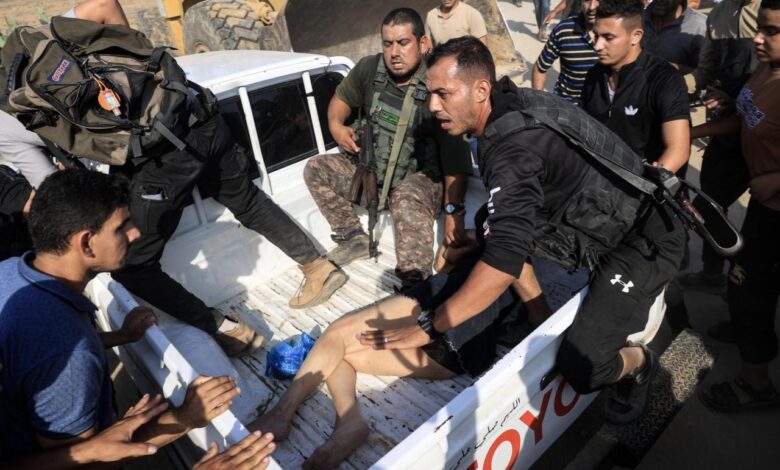
Israel Hostages, Hamas War, Gaza A Crisis
Israel hostages hamas war gaza – Israel hostages, Hamas war, Gaza: a devastating conflict is unfolding, forcing the world to confront a complex and deeply troubling situation. The recent escalation of violence has led to a humanitarian crisis, raising urgent questions about the future of the region. This blog post will explore the multifaceted crisis, from the immediate causes and ongoing military actions, to the hostage situation and its complex ethical dimensions, and the broader humanitarian impact on Gaza.
The conflict involves key players like Israel and Hamas, with the ongoing war causing immense suffering. The situation has led to a humanitarian crisis, raising critical questions about the future of the region. We’ll delve into the latest information, examine various perspectives, and analyze the international response.
Overview of the Conflict
The ongoing conflict between Israel and Hamas, particularly the recent escalation in Gaza, is a deeply complex and tragic situation with roots stretching back decades. The conflict is marked by cycles of violence, punctuated by periods of relative calm, and fueled by a multitude of intertwined factors, including historical grievances, political aspirations, and the struggle for self-determination. Understanding the current situation requires examining the key players, the immediate triggers, and the long-term context that has shaped this ongoing crisis.
The ongoing crisis in Israel, with Hamas’s actions and the hostage situation in Gaza, is truly heartbreaking. It’s hard to focus on anything else, but I’ve been strangely drawn to the viral trend of Acne Studios scarves on TikTok lately. It’s interesting how people find ways to distract themselves during such difficult times, like discovering new fashion trends on acne studios scarf tiktok.
Hopefully, this will be a temporary distraction from the suffering and we can soon focus solely on finding a resolution to the Israeli-Palestinian conflict.
Key Players and Their Roles
The conflict involves multiple actors, each with distinct motivations and objectives. Israel, a sovereign state, seeks to protect its citizens and maintain security along its borders. Hamas, an Islamist Palestinian political organization, aims to establish an independent Palestinian state and often employs violent means to achieve its goals. Other Palestinian factions and international actors also play significant roles, although their influence and activities vary in intensity.
Immediate Causes of Escalation
The recent escalation of violence was triggered by a series of events, including the ongoing blockade of Gaza, the complex political situation in the region, and the actions of both Hamas and Israel. The blockade, in particular, has created significant economic and humanitarian hardship in Gaza, often contributing to tensions and fueling unrest. The political landscape also plays a critical role, as competing agendas and aspirations of the involved parties contribute to the escalating conflict.
Long-Term Factors Contributing to Violence
The current conflict is rooted in a complex historical context, including the Arab-Israeli conflict, the Palestinian struggle for statehood, and the ongoing occupation of Palestinian territories. These long-term factors, combined with the immediate causes, create a volatile environment where violence can easily erupt. The ongoing political disputes and the lack of a sustained, comprehensive peace process further exacerbate the situation, leading to prolonged periods of tension and instability.
Timeline of Significant Events
- 2023 – October 7th: Hamas launched a surprise attack on Israeli communities in southern Israel, triggering a significant escalation of violence. The attack resulted in the taking of hostages and the displacement of thousands.
- 2023 – October 7th – Present: Israel launched a military response to Hamas’ actions, with airstrikes and ground operations targeting Hamas positions and infrastructure in Gaza. This response has resulted in a significant loss of life and damage to civilian infrastructure.
Impact on Civilian Population
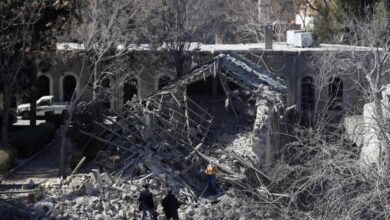
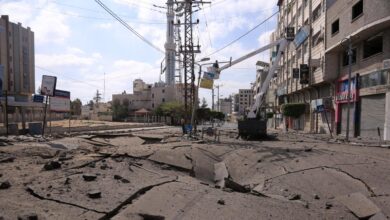
The conflict has had a devastating impact on the civilian population in Gaza, with a significant loss of life and widespread destruction of homes and infrastructure. The humanitarian crisis is further compounded by the ongoing blockade, which has severely limited access to essential resources. The UN and international humanitarian organizations are working to provide aid and support to the affected population.
Hostage Situation
The ongoing conflict in Gaza has brought the harrowing plight of hostages to the forefront. Families across Israel and the world anxiously await news of their loved ones, while the international community watches with a mixture of concern and helplessness. The fate of these individuals hangs precariously in the balance, raising complex ethical questions and challenging the very foundations of diplomacy.
Latest Information on Hostage Whereabouts
Recent reports indicate that the whereabouts of many hostages remain unknown, making communication and negotiations difficult. The lack of clear information exacerbates the suffering of families and the urgency of the situation. Efforts by various parties to establish contact and secure the release of hostages are ongoing, but progress has been slow.
Perspectives on Hostage Negotiations
Several perspectives surround the hostage situation, including the Israeli government’s focus on the safety of its citizens, the Palestinian perspective emphasizing the need for the release of Palestinian prisoners, and the international community’s push for diplomatic solutions. These differing viewpoints often create obstacles to effective negotiations. The delicate balance between national security concerns and humanitarian needs must be addressed.
Historical precedents of hostage situations, such as the 2009 abduction of the Israeli soldier Gilad Shalit, offer valuable insights into the complexities and challenges involved.
Conditions and Challenges Faced by Hostages
Hostages are likely facing a multitude of challenges, including potential physical and psychological distress, lack of adequate food and water, and limited medical care. Their well-being is a paramount concern, highlighting the need for immediate action to ensure their safety. The impact of prolonged captivity on mental health is a crucial factor to consider.
Ethical Dilemmas and Options for Involved Parties
The hostage crisis presents several ethical dilemmas for all parties involved. Balancing the right to life and safety of hostages with the need to achieve strategic goals, or the right to self-defense with the humanitarian imperative, are central considerations. Options available include direct negotiations, mediation by international organizations, and the use of pressure tactics. Previous examples of successful hostage negotiations, such as the 1985 release of American hostages in Lebanon, demonstrate the potential for diplomatic solutions.
Humanitarian Crisis in Gaza
The ongoing conflict in Gaza has unleashed a devastating humanitarian crisis, pushing the already vulnerable population to the brink. The relentless bombardment, the destruction of infrastructure, and the widespread displacement have created a dire situation with widespread suffering and immense needs. The scale of this crisis demands urgent international intervention and sustained support for the affected civilians.The humanitarian crisis in Gaza is characterized by widespread destruction, displacement, and a critical shortage of essential resources.
Civilians are facing severe food insecurity, water scarcity, and a lack of access to healthcare and sanitation. The collapse of essential services, including hospitals and schools, further exacerbates the suffering, leaving a population vulnerable to disease and trauma.
Extent of the Crisis and Impact on Civilians
The relentless bombardment and ground fighting have resulted in widespread destruction of homes, schools, and hospitals. This devastation has left hundreds of thousands of civilians homeless and without access to basic necessities. The impact on mental health is profound, with many experiencing trauma and stress due to the ongoing violence and displacement. Children, in particular, are suffering from the long-term effects of this crisis, including psychological distress, and interrupted education.
Current Needs and Challenges
The affected population faces a multitude of critical needs. These include immediate access to food, clean water, shelter, and medical care. The destruction of infrastructure, including water purification systems and sanitation facilities, poses a significant threat of disease outbreaks. Furthermore, the lack of access to medical supplies and qualified personnel is putting a strain on already limited healthcare resources.
The urgent need for psychosocial support for the traumatized population is also paramount.
Role of International Organizations and Aid Efforts
Numerous international organizations and humanitarian groups are actively working to provide aid and support to the affected population in Gaza. These efforts are crucial in alleviating the suffering and addressing the urgent needs of the displaced and vulnerable. Collaborations between various organizations and governments are essential for effective distribution and coordination of aid. The United Nations Relief and Works Agency for Palestine Refugees in the Near East (UNRWA) is playing a critical role in providing essential services to Palestinian refugees.
Types of Aid Provided, Israel hostages hamas war gaza
The diverse array of aid provided to the victims includes food, water, medical supplies, and shelter materials. International aid organizations are working to deliver these critical resources to the affected population.
| Type of Aid | Description | Impact |
|---|---|---|
| Food Aid | Provision of nutritional food packages, including staples and emergency rations. | Addresses immediate food insecurity and malnutrition. |
| Water and Sanitation | Delivery of clean water, construction of sanitation facilities, and hygiene promotion. | Reduces the risk of waterborne diseases and improves overall health. |
| Medical Assistance | Provision of medical supplies, personnel, and emergency medical services. | Treats injuries, provides essential healthcare, and prevents the spread of disease. |
| Shelter and Housing | Provision of temporary shelter, repair of damaged homes, and rebuilding efforts. | Provides immediate protection and support for displaced populations. |
International Response
The ongoing conflict between Israel and Hamas has sparked a complex and multifaceted international response. Nations and international bodies are grappling with the urgent need to address the humanitarian crisis in Gaza, the hostage situation, and the broader implications for regional stability. Varying perspectives and priorities have shaped the approaches adopted by different actors, highlighting the difficulties in achieving a unified and effective response.The international community’s efforts to de-escalate the conflict are complicated by deeply entrenched political positions and competing interests.
While some nations prioritize the release of hostages and the protection of civilians, others focus on condemning Hamas’ actions. This divergence in approach often leads to different interpretations of the situation and different strategies for resolution.
The ongoing crisis in Israel, with Hamas’s actions and the hostage situation in Gaza, is deeply concerning. It’s a truly challenging time, and the suffering is immense. Thankfully, amidst the turmoil, there are still inspiring individuals like the renowned New York chef, David Bouley , who continues to make a positive impact in the culinary world. This reminds us that even in times of conflict, human creativity and dedication can shine through, ultimately helping us to persevere.
Reactions and Statements from Different Countries
Various nations have issued statements condemning Hamas’ actions and expressing concern for the well-being of civilians and hostages. These statements often emphasize the importance of upholding international humanitarian law and the need for a peaceful resolution. For example, the United States has consistently called for the release of all hostages and has expressed support for Israel’s right to defend itself.
Conversely, some nations have expressed criticism of Israel’s military actions, emphasizing the need for accountability and restraint.
Comparison of Approaches Taken by Various Nations
The response to the conflict demonstrates varied approaches from different countries. Some nations prioritize diplomatic solutions, urging both sides to engage in dialogue and negotiate a ceasefire. Others adopt a more assertive stance, supporting Israel’s right to self-defense. This divergence in approach reflects differing geopolitical interests and historical relationships. For instance, some European nations have expressed concerns about the humanitarian crisis in Gaza, while others have focused on condemning Hamas’ actions.
This varied response highlights the complexity of the conflict and the difficulty in achieving a unified international stance.
Diplomatic Efforts and Resolutions Proposed by International Actors
International bodies, such as the United Nations, have called for an immediate ceasefire and the protection of civilians. Various resolutions have been proposed, emphasizing the importance of humanitarian aid and the need to address the root causes of the conflict. These resolutions, however, have often faced obstacles in implementation due to the deeply entrenched positions of the involved parties.
For example, the UN Security Council has been unable to reach a consensus on a resolution that addresses the situation effectively.
Role of International Law and Human Rights Organizations
International law, particularly the Geneva Conventions, provides a framework for the protection of civilians during armed conflict. Human rights organizations have documented violations of international humanitarian law and called for accountability for abuses committed by all sides. These organizations play a critical role in monitoring the situation, providing humanitarian aid, and advocating for the protection of human rights.
For example, organizations like Amnesty International and Human Rights Watch have documented instances of alleged war crimes and violations of international law, calling on all parties to respect their obligations. Their reports and advocacy efforts contribute to holding all parties accountable for their actions.
Military Actions and Strategies
The escalating conflict between Israel and Hamas has witnessed a barrage of military actions, each side employing strategies designed to achieve their respective objectives. Understanding these strategies and the contrasting military capabilities is crucial to comprehending the potential long-term ramifications of this conflict. The intensity and nature of the fighting raise serious concerns about the human cost and the regional implications.The military actions have involved complex strategies, ranging from precision strikes to large-scale ground offensives.
Each side’s choices reflect their assessment of the battlefield, their capabilities, and their goals. Analyzing these strategies, alongside the capabilities of the respective militaries, provides valuable insight into the likely consequences of the ongoing conflict.
Israeli Military Actions
Israel’s military, known for its advanced weaponry and sophisticated intelligence gathering, has primarily focused on precision strikes against Hamas targets. This approach, aiming to minimize civilian casualties while maximizing the impact on Hamas infrastructure, has been a consistent feature of the conflict. However, the effectiveness of such strategies in a densely populated area like Gaza is debatable, and the potential for collateral damage remains a significant concern.
Israel has also deployed ground forces to achieve specific objectives, such as securing borders and potentially engaging in targeted operations.
Hamas Military Actions
Hamas, facing a significantly superior Israeli military, has prioritized urban warfare and guerrilla tactics. The use of tunnels as a key strategic element has been a notable aspect of Hamas’s military strategy. These tunnels provide a way to launch surprise attacks, maneuver forces, and potentially gain strategic advantages in the face of superior Israeli firepower. The reliance on rocket attacks, while not achieving significant military gains, has served as a means of inflicting casualties and imposing pressure on Israeli population centers.
Comparison of Military Capabilities
A comparison of the military capabilities of Israel and Hamas reveals significant disparities. Israel possesses a vastly superior air force, a highly advanced intelligence network, and a sophisticated missile defense system. Its military has extensive experience in modern warfare. Hamas, conversely, relies on a smaller, less-equipped military force. Its strengths lie in its knowledge of the terrain, the ability to exploit urban environments, and the use of unconventional tactics, including the extensive tunnel network.
The ongoing crisis in Israel, with hostages and the Hamas war in Gaza, is incredibly distressing. Meanwhile, the world of high fashion is also abuzz with the latest collections from Saint Laurent and Dior at Paris Fashion Week. Saint Laurent Dior Paris Fashion Week showcases breathtaking designs, yet the tragic events in the Middle East continue to dominate headlines, reminding us of the stark contrast between fleeting beauty and the urgent need for peace.
Potential Long-Term Consequences
The military actions in this conflict have the potential to reshape the political landscape of the region. The extensive damage to infrastructure in Gaza and the displacement of civilians pose a significant humanitarian challenge. The conflict’s impact on regional stability is uncertain, and the potential for further escalation and prolonged instability remains a significant concern. The long-term consequences of the conflict could lead to protracted humanitarian crises, refugee flows, and further political instability in the region.
The ongoing crisis in Israel, with Hamas’ actions and the hostage situation in Gaza, is deeply troubling. It’s a complex situation, and the world watches with bated breath. Interestingly, a similar theme of conflict and human resilience is seen in the story of Dayme Arocena Al Kemi, a woman who overcame tremendous adversity. Her story, as detailed in this article, Dayme Arocena Al Kemi , highlights the importance of perseverance in the face of challenges.
Hopefully, the situation in Israel will eventually find a peaceful resolution.
Examples from other conflicts highlight the potential for long-term impacts on political stability and economic development.
Media Coverage and Public Opinion
The relentless barrage of news and social media updates surrounding the Israel-Hamas conflict has profoundly shaped public perception. The instantaneous nature of global communication allows for rapid dissemination of information, but also amplifies potential biases and inaccuracies. Understanding how different media outlets frame the conflict is crucial to forming a nuanced perspective.
The Role of Media in Shaping Public Opinion
Media outlets play a critical role in shaping public opinion by selecting which stories to highlight, how to frame them, and what language to use. This selective process inevitably introduces bias, influencing how the public perceives the events. The emotional tone and language used in news reports can significantly affect public sentiment. For instance, sensationalized headlines and emotionally charged language can evoke strong reactions and predispose viewers to specific viewpoints.
Different Narratives Presented by News Outlets
News outlets often present distinct narratives, reflecting their editorial stances and target audiences. Some outlets may focus on the humanitarian crisis in Gaza, emphasizing the suffering of civilians. Others may concentrate on the Israeli perspective, highlighting the threat posed by Hamas. Still others might present a more balanced view, attempting to present both sides of the story. This variation in narratives can lead to a fragmented understanding of the conflict.
For example, a news outlet emphasizing Hamas’s actions might downplay or ignore the Israeli response, creating an unbalanced narrative.
Table of Perspectives on the Conflict
| News Outlet | Primary Narrative | Potential Bias |
|---|---|---|
| News Outlet A | Focusing on the humanitarian crisis in Gaza, highlighting the suffering of civilians. | Potential bias towards Palestinian suffering, potentially overlooking Israeli concerns. |
| News Outlet B | Highlighting Hamas’s actions as a primary aggressor, emphasizing the threat posed to Israel. | Potential bias towards Israeli security concerns, potentially downplaying Palestinian grievances. |
| News Outlet C | Attempting to present a balanced view, acknowledging the complexities of the conflict and highlighting both sides’ perspectives. | Potential bias towards neutrality, potentially glossing over the intricacies of the conflict. |
Evolution of Public Opinion
Public opinion regarding the conflict has fluctuated over time, influenced by factors like the escalation of violence, the release of hostages, and the portrayal of the conflict in the media. Initial responses often reflect emotional reactions to the unfolding events, but as more information becomes available, opinions tend to become more nuanced and differentiated. The release of hostages, for instance, may cause an immediate shift in public opinion towards empathy and support for one side.
The ongoing crisis in Israel, with Hamas’ actions and the hostage situation in Gaza, is deeply concerning. While the world focuses on the human cost, the recent investigation into Biden documents, as detailed in the biden documents investigation report takeaways , raises important questions about the handling of sensitive information. Ultimately, the focus needs to remain on finding a peaceful resolution to the conflict in Israel and the safety of the hostages.
However, this shift may be temporary, and further developments can lead to a reassessment of the situation. Historical parallels, such as the coverage of other conflicts, can also be a factor, as different societal memories and expectations can shape current responses.
Potential Outcomes and Future Implications

The ongoing conflict between Hamas and Israel, particularly the hostage crisis and the devastating humanitarian situation in Gaza, presents a complex web of potential outcomes with profound implications for the region and the global community. The conflict’s trajectory is uncertain, and the path forward will depend on a multitude of factors, including the willingness of both sides to negotiate and the international community’s ability to mediate.
This analysis examines potential scenarios, from peace talks to further escalation, and their potential impacts.The conflict’s duration and intensity will significantly shape its potential outcomes. A swift resolution, achieved through a negotiated ceasefire and the release of hostages, would likely ease the immediate humanitarian crisis but might not fully address the underlying causes of the conflict. Conversely, protracted fighting could lead to further suffering and instability, potentially affecting regional relations and global security.
Possible Outcomes of the Conflict
The conflict’s outcome hinges on the actions of both sides and the intervention of external actors. Several scenarios are plausible, each with its own set of consequences.
- Negotiated Ceasefire and Hostage Exchange: A negotiated ceasefire, facilitated by international mediators, could potentially lead to the release of hostages and a temporary end to hostilities. This outcome would likely alleviate the immediate humanitarian crisis in Gaza, but it might not address the root causes of the conflict, potentially setting the stage for future clashes. Examples of such agreements, though often temporary, exist in other regional conflicts and demonstrate the complexities of achieving lasting peace.
- Further Escalation of Violence: Continued fighting could lead to a wider regional conflict, involving neighboring countries. The potential for further escalation is significant, especially if the conflict extends to other parts of the region or if other actors become involved. The consequences of such escalation could be catastrophic, leading to widespread displacement, loss of life, and long-term instability.
- Regional Instability and Humanitarian Catastrophe: The conflict’s impact on the region could extend beyond the immediate conflict zone. The humanitarian crisis in Gaza, characterized by widespread destruction and shortages of essential resources, is a clear example of the devastating consequences of prolonged conflict. This scenario could exacerbate existing tensions and potentially spark new conflicts in the region.
Long-Term Implications for Regional Stability
The conflict’s long-term effects on regional stability will depend on how the various parties respond to the crisis. Addressing the root causes of the conflict, such as the Palestinian-Israeli conflict and the political grievances in the region, is crucial for achieving lasting peace.
- Impact on Palestinian-Israeli Relations: The conflict has significantly strained Palestinian-Israeli relations, raising concerns about the possibility of further violence and instability in the region. Previous attempts at peace talks have demonstrated the difficulty in achieving a lasting solution, highlighting the complexities of the issue.
- International Response and Mediation: The effectiveness of international mediation efforts in resolving the conflict is a key factor in determining its long-term consequences. The involvement of international organizations and countries in mediating the conflict can play a significant role in de-escalating the situation and fostering a more stable environment.
- Economic and Social Consequences: The conflict’s economic and social ramifications will likely be significant, particularly in Gaza. The destruction of infrastructure and the displacement of civilians will have lasting economic and social impacts, requiring substantial international aid and support to rebuild and recover.
Humanitarian and Political Consequences
The humanitarian consequences of the conflict, particularly in Gaza, are severe and require urgent attention. The conflict’s political ramifications will also extend far beyond the immediate parties involved.
- Humanitarian Crisis in Gaza: The humanitarian crisis in Gaza, marked by widespread destruction, shortages of essential resources, and displacement of civilians, is a significant consequence of the conflict. The crisis highlights the need for urgent humanitarian aid and support for the affected population.
- Political Polarization: The conflict has deepened political polarization in the region and globally, making it more difficult to achieve a peaceful resolution. The intense political divisions and contrasting narratives surrounding the conflict create a challenging environment for constructive dialogue and negotiation.
Impact on Regional Relations: Israel Hostages Hamas War Gaza
The ongoing conflict between Hamas and Israel has profound implications for regional stability, impacting relationships between neighboring countries and potentially triggering a domino effect across the Middle East and beyond. The scale of the humanitarian crisis in Gaza and the intense military actions have drawn condemnation and concern from various international actors, further complicating the delicate geopolitical landscape. The conflict’s ripple effects are already being felt in various spheres, from economic relations to political alliances.The conflict has exacerbated existing tensions and created new fault lines between nations.
The international community’s response has been varied, with some nations offering support to Israel, others condemning its actions, and many others remaining neutral. This divergence in responses has complicated efforts to find a peaceful resolution and further strained existing alliances.
Impact on Neighboring Countries
The conflict’s immediate impact is felt by neighboring countries. Countries sharing borders with Israel and Gaza face challenges in providing humanitarian aid, managing refugee flows, and potentially facing increased security risks. The conflict’s implications extend beyond immediate neighbors, with the potential for regional instability affecting trade routes and security concerns for many nations. This underscores the interconnected nature of regional conflicts.
Geopolitical Implications in the Middle East
The conflict has significant geopolitical implications in the Middle East. The actions and reactions of regional powers have the potential to escalate tensions further, potentially drawing in other actors. This could lead to a broader regional conflict with unforeseen consequences. The involvement of various regional actors, each with its own interests and agendas, creates a complex web of potential alliances and rivalries.
Potential for Regional Instability
The current conflict has the potential to destabilize the entire region. The conflict’s intensity and the humanitarian crisis it has created could incite similar conflicts in other areas, creating a chain reaction. The conflict also highlights the fragility of peace agreements and the difficulty of maintaining regional stability in the face of deep-seated conflicts. Examples of regional instability from past conflicts serve as cautionary tales.
The Syrian Civil War, for instance, serves as a stark reminder of how a conflict can quickly escalate and spill over into neighboring countries, causing a humanitarian crisis and significant geopolitical instability.
Impact on Economic Relations and Trade
The conflict’s impact on economic relations is substantial. The closure of borders and trade routes can disrupt regional trade, potentially causing economic hardship for neighboring countries. The conflict’s impact extends beyond immediate neighbors, affecting the broader global economy through supply chain disruptions and fluctuations in commodity prices. For example, disruptions in the supply chain for essential goods like oil and gas can trigger global economic instability.
Concluding Remarks

The Israel hostages, Hamas war, and Gaza conflict paints a grim picture of the region’s current state. The complex web of historical grievances, military actions, and humanitarian needs underscores the urgent need for a peaceful resolution. This blog post offers a concise overview, highlighting the complexities of the situation and the crucial need for diplomacy and understanding.
Helpful Answers
What are the immediate causes of the escalation?
The immediate causes are multifaceted, involving a complex interplay of political and social factors, including long-standing disputes over territory, borders, and the status of Jerusalem.
What is the role of international organizations in providing aid?
Numerous international organizations are actively involved in providing humanitarian aid, including medical supplies, food, and shelter to the affected population in Gaza.
How has the conflict impacted regional relations?
The conflict has strained relations between neighboring countries, creating a tense and unstable environment.
What are the potential outcomes of the conflict?
The potential outcomes range from a negotiated peace to a protracted conflict, with uncertain long-term implications for the region’s stability.