
Boeing 737 Max Problems A Deep Dive
Boeing 737 Max problems dominated headlines and shook the aviation world. This in-depth look explores the timeline of events, technical failures, pilot training issues, regulatory responses, industry impact, lessons learned, and the aircraft’s uncertain future. From the initial incidents to ongoing modifications, we unravel the complexities surrounding this critical safety crisis.
The Boeing 737 MAX saga is a stark reminder of the interconnectedness of technology, human factors, and regulatory oversight in the aviation industry. It’s a story of rapid technological advancement, sometimes at the expense of thorough testing and safety protocols. This investigation will scrutinize each element to understand the chain of events and identify crucial lessons for the future.
Timeline of Events
The Boeing 737 MAX crisis, a period of intense scrutiny and regulatory action, unfolded over several years, dramatically impacting aviation safety and public trust. The series of events highlighted vulnerabilities in the aircraft design, the importance of rigorous safety procedures, and the complex interplay between manufacturer, regulatory bodies, and the aviation community. The resulting investigations and modifications aimed to restore confidence in the aircraft’s safety, and the lessons learned were pivotal for the future of aviation.The timeline of events illustrates the progression of investigations, analyses, and modifications following the incidents, leading to the eventual return of the 737 MAX to service.
A detailed account of the events, including dates, descriptions, and affected parties, is provided in the following sections.
Key Dates and Events
This section presents a chronological overview of the significant events related to the Boeing 737 MAX incidents. The events range from the initial accidents to the eventual return to service, encompassing investigations, analyses, and modifications to the aircraft design.
| Date | Event | Description | Affected Parties |
|---|---|---|---|
| March 10, 2019 | Ethiopian Airlines Flight 302 crash | A Boeing 737 MAX 8 crashed shortly after takeoff, resulting in the loss of all 157 people on board. | Ethiopian Airlines, Boeing, FAA, global aviation community |
| October 29, 2018 | Lion Air Flight 610 crash | A Boeing 737 MAX 8 crashed shortly after takeoff, resulting in the loss of all 189 people on board. | Lion Air, Boeing, FAA, global aviation community |
| March 2019 – April 2019 | Investigations and analyses begin | Following the two crashes, independent investigations and analyses were initiated by various governmental agencies and experts. These investigations focused on the aircraft’s flight control system, its software, and operational procedures. | FAA, NTSB, various aviation experts, Boeing |
| April 2019 – September 2020 | Grounding of the 737 MAX | The FAA and other regulatory bodies globally grounded the Boeing 737 MAX fleet to ensure the safety of passengers and crew. | FAA, other global regulatory bodies, Boeing, airlines |
| 2019 – 2020 | Software updates and design modifications | Boeing, under pressure from regulators, implemented software updates and structural design modifications to address the identified issues. This involved substantial reprogramming and reinforcement of the flight control systems. | Boeing, software engineers, FAA |
| December 2020 | FAA recertification of the 737 MAX | Following rigorous testing and verification of the implemented modifications, the FAA granted recertification to the 737 MAX. | FAA, Boeing |
| 2021 – Present | Return to service and ongoing monitoring | The 737 MAX gradually returned to service worldwide, subject to strict safety protocols and oversight. Ongoing monitoring of flight data and pilot training procedures continued. | Airlines, pilots, FAA, Boeing |
Technical Failures
The Boeing 737 MAX crisis highlighted a complex interplay of technical issues, ultimately leading to catastrophic accidents. Understanding these failures is crucial to preventing similar tragedies in the future. The subsequent investigation revealed critical flaws in the aircraft’s design and control systems, demanding a thorough examination of the underlying causes.The malfunctioning components and systems in the 737 MAX accidents involved a combination of software and hardware failures.
These issues manifested in unexpected and dangerous ways, demonstrating vulnerabilities in the aircraft’s safety mechanisms. Analyzing these failures in the context of similar incidents in other aircraft models helps to identify recurring themes and potential systemic issues in aviation safety standards.
Malfunctioning Maneuvering Characteristics Augmentation System (MCAS)
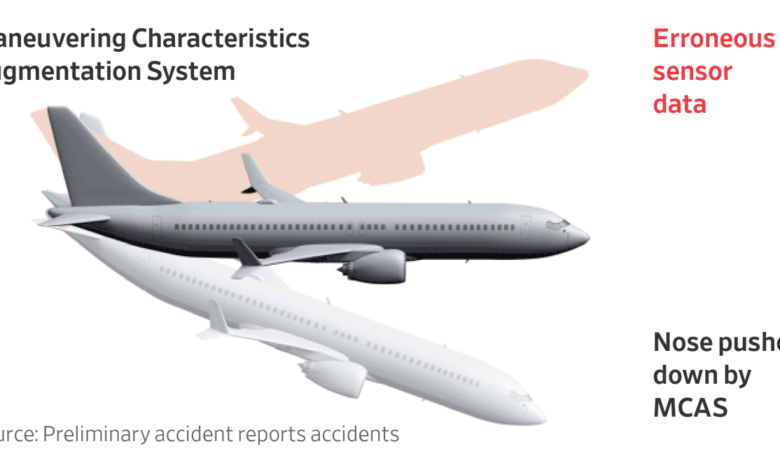
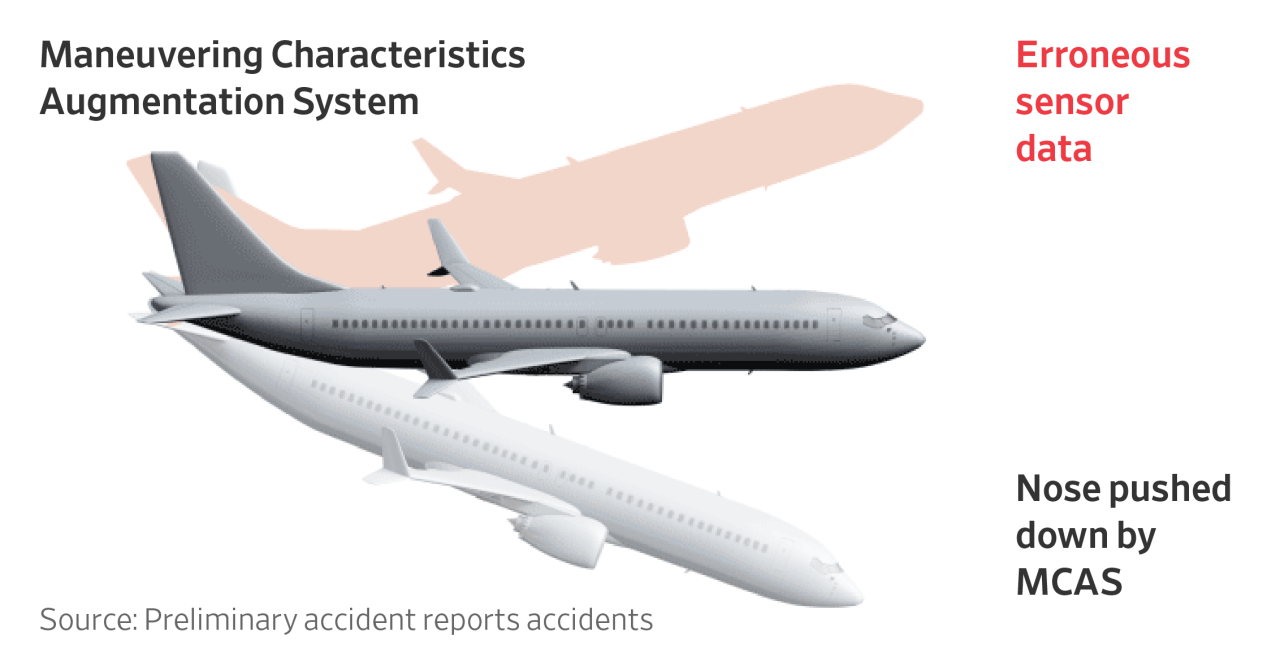
The Maneuvering Characteristics Augmentation System (MCAS) was a critical component implicated in the 737 MAX accidents. MCAS is designed to automatically pitch the aircraft in response to certain flight conditions. However, the system’s software was flawed, causing it to overreact to sensor data and trigger unwanted nose-down pitches, often without clear warnings to the pilots. This failure resulted in loss of control and ultimately, crashes.
Sensor Malfunctions and Data Inconsistencies
Malfunctions in the Angle of Attack (AoA) sensors, a critical input for MCAS, were a significant contributing factor to the incidents. These sensors measure the angle between the wing and the oncoming airflow. Faulty readings could lead MCAS to incorrectly assess the flight conditions, causing it to initiate undesirable corrections. Data inconsistencies between the AoA sensors and other flight instruments exacerbated the issue, making it challenging for pilots to recognize the problem.
The Boeing 737 Max’s troubles have been well-documented, highlighting serious safety concerns. However, the complex web of political and financial maneuvering surrounding figures like Ricardo Martinelli, especially in Panama and Nicaragua, Ricardo Martinelli Panama Nicaragua , might offer some intriguing insights into the broader context of these aviation issues. Ultimately, the 737 Max’s safety record still needs a thorough investigation to fully understand the issues.
Pilot Training and Communication Gaps
While the technical failures were critical, the investigation also highlighted shortcomings in pilot training and communication procedures. Pilots may not have been adequately prepared to handle the unusual control responses triggered by the faulty MCAS system. Improved training protocols and enhanced communication between pilots and air traffic control could have potentially mitigated the impact of these failures.
The Boeing 737 Max certainly had its share of troubles, with safety concerns dominating headlines for a while. While the world was grappling with those issues, there was also the exciting Subway Weekend in Jose Lasalle, a fantastic event that highlighted local businesses and community spirit. Ultimately, though, the focus returned to the ongoing challenges with the 737 Max, particularly in terms of its airworthiness and passenger safety.
Comparison with Similar Issues in Other Aircraft Models
While the specific issues in the 737 MAX were unique, the case highlights recurring themes in aircraft design and safety. Other aircraft models have faced similar challenges with automation systems and sensor failures. However, the severity and consequences of the 737 MAX incidents were amplified by the interaction between multiple systems and the specific design flaws in MCAS.
The importance of robust system redundancy and comprehensive testing protocols becomes evident in these comparisons.
Technical Specifications of Problematic Systems
| System | Problem | Impact | Mitigation |
|---|---|---|---|
| Maneuvering Characteristics Augmentation System (MCAS) | Software flaw causing overreaction to sensor data; lack of clear warnings to pilots. | Unwanted nose-down pitches, loss of control, crashes. | Improved software design, enhanced pilot training, redundant sensor systems, and improved communication protocols. |
| Angle of Attack (AoA) Sensors | Malfunctions and data inconsistencies. | Incorrect assessment of flight conditions by MCAS, leading to dangerous maneuvers. | Redundant sensor systems, enhanced sensor calibration procedures, and more comprehensive flight testing. |
Pilot Training and Procedures
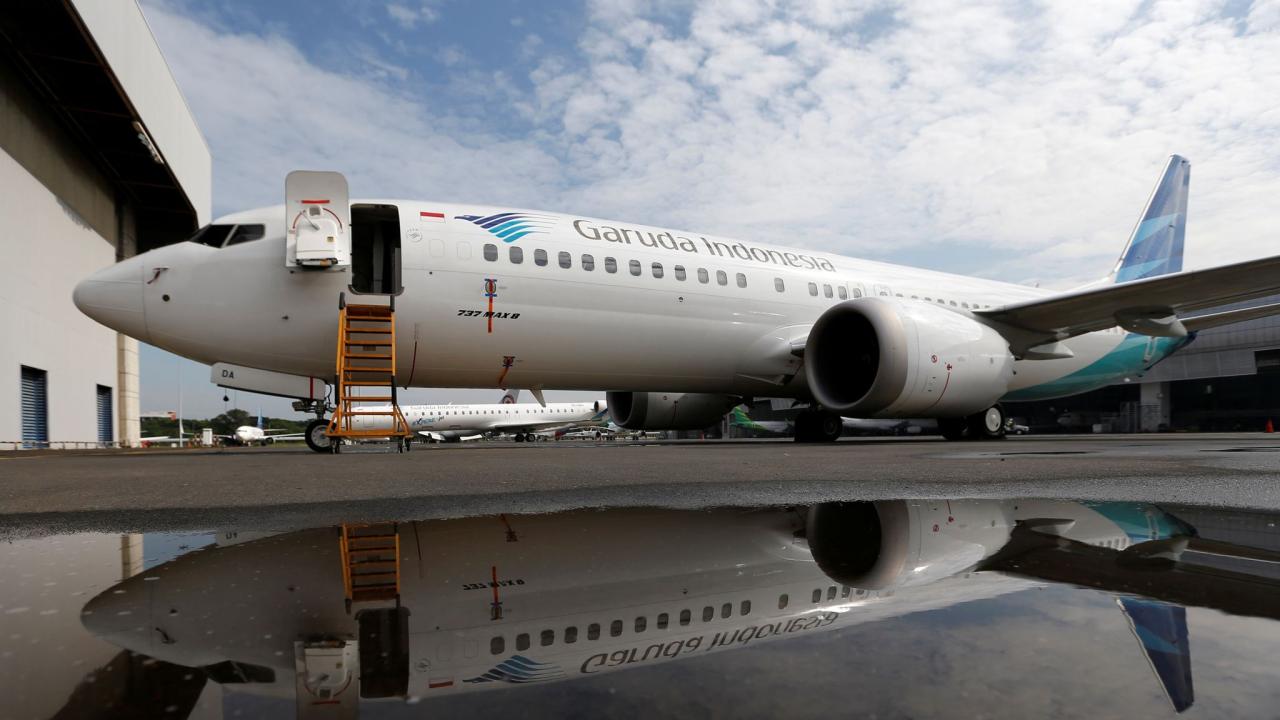
The Boeing 737 MAX incidents highlighted critical gaps in pilot training and procedures, prompting significant changes to ensure safety. Understanding these issues is crucial for assessing the overall effectiveness of the training programs and identifying potential areas for improvement. Pilot training is paramount in aviation safety, as it equips pilots with the skills and knowledge necessary to handle various flight scenarios, including unexpected events.Pilot training for the 737 MAX involved a unique combination of classroom instruction, simulator sessions, and practical flight experience.
The training aimed to equip pilots with the knowledge and skills to recognize and manage potential issues, particularly those relating to the Maneuvering Characteristics Augmentation System (MCAS).
Pilot Training Procedures for the 737 MAX
The training curriculum for the 737 MAX pilots included extensive simulator training, focusing on the MCAS system’s operation and potential malfunctions. This was a key component to familiarize pilots with the unique characteristics of the aircraft. The training materials emphasized the importance of recognizing and responding to unusual flight characteristics, ensuring pilots could differentiate between normal and abnormal situations.
The Boeing 737 Max issues, while undeniably serious, highlight a broader trend of human impact on the planet. Just as flawed engineering led to tragic consequences in the air, the accelerating destruction of the Amazon rainforest, potentially reaching a critical amazon rain forest tipping point , underscores the interconnectedness of our actions and their far-reaching effects. Ultimately, both situations serve as stark reminders of the need for careful consideration and preventative measures to avoid similar catastrophes in the future, whether in the skies or on Earth.
Effectiveness and Adequacy of Training Programs
Initial pilot training programs for the 737 MAX were considered adequate by many, but the events that followed highlighted some shortcomings. The focus on the MCAS system and its potential for misinterpretation was not as robust as it should have been. Pilots were not sufficiently prepared to deal with the unusual flight characteristics induced by the MCAS system malfunction.
Changes and Updates to Pilot Training
Following the incidents, Boeing implemented significant changes to the 737 MAX pilot training program. These changes focused on enhancing the training of pilots on the MCAS system’s operation, malfunction detection, and appropriate responses. Extensive retraining for existing pilots and more rigorous training for new pilots were undertaken. This included more hands-on simulator training with scenarios involving MCAS malfunctions, reinforcing the importance of proper identification and management of unusual flight conditions.
Differences in Pilot Training Between the 737 MAX and Previous Models
The 737 MAX training programs differed from previous models primarily in the complexity and emphasis on the MCAS system. Prior models did not have this sophisticated automated flight control system. The training had to be tailored to include specific procedures and responses to MCAS-related issues. This required a significant shift in the training curriculum, introducing new elements to address the unique features of the 737 MAX.
The Boeing 737 Max issues were a major safety concern, causing a ripple effect through the aviation industry. It’s fascinating to consider how similar systemic failures can manifest in other sectors. For example, the housing market near NYC housing market near nyc is currently experiencing a unique set of challenges, highlighting the complexity of interconnected systems.
Ultimately, the lessons learned from the 737 Max problems are crucial for understanding and mitigating similar risks in various fields.
Comparison of Pilot Training Materials and Procedures
| Feature | 737 MAX | Previous 737 Models |
|---|---|---|
| MCAS System Training | Extensive simulator training on MCAS operation and malfunctions, including scenarios for identification and response. | Minimal or no training on equivalent automated flight control systems. |
| Unusual Flight Characteristic Recognition | Training emphasized recognizing and responding to unusual flight characteristics related to MCAS. | Training focused on traditional flight characteristics. |
| Simulator Training Hours | Increased simulator hours focused on MCAS scenarios. | Standard simulator training hours for previous models. |
| Post-Incident Training | Significant retraining for existing pilots on MCAS operation and malfunction management. | No equivalent retraining programs for previous models. |
Regulatory Response
The Boeing 737 MAX crisis exposed significant vulnerabilities in the aviation regulatory system. The swift and decisive response, or lack thereof, from regulatory bodies worldwide was crucial in determining the safety and future of the aircraft. This response encompassed investigations, revisions to safety protocols, and ultimately, the return-to-service process. The need for robust and transparent regulatory oversight became even more apparent in the wake of the incident.
Regulatory Actions by Aviation Authorities
The regulatory response to the 737 MAX crisis was multifaceted, involving numerous international aviation authorities. Their actions were guided by a commitment to safety, but also the need for a swift and fair resolution. A complex interplay of investigation, scrutiny, and ultimately, the issuance of approval to return the 737 MAX to service, shaped the entire process.
Investigation, Scrutiny, and Approval Process
The initial response involved a thorough investigation by the FAA (Federal Aviation Administration) and other international regulatory bodies. This investigation examined the design, manufacturing, and operational procedures of the 737 MAX. Scrutiny extended to pilot training programs and flight procedures, identifying critical gaps. The process of approving the return to service required extensive revisions to safety protocols, pilot training, and potentially, the aircraft itself.
A critical component was the verification of corrective actions implemented by Boeing, to ensure the safety of future flights.
The Boeing 737 Max, unfortunately, had some serious safety issues that dominated headlines for a while. It’s interesting to see how similar problems can crop up in seemingly unrelated areas, like the world of college basketball recruiting. Rick Pitino recently apologized for comments regarding St. John’s recruiting, a situation that generated quite a buzz. Ultimately, it’s a reminder that even the most seemingly reliable systems can face unexpected challenges, and the need for thorough oversight in complex operations is crucial, whether in aviation or athletics.
Comparison to Similar Incidents
Comparing the regulatory response to the 737 MAX crisis to previous incidents in aviation history is essential. This comparison reveals both the effectiveness and the shortcomings of the existing system. The complexity of the 737 MAX situation, involving software and design issues, contrasted with other accidents that primarily focused on pilot error or mechanical failure. Learning from past events is key to improving future responses.
Timeline of Regulatory Actions and Decisions
The regulatory response was a dynamic process, unfolding over several months and involving numerous decisions. Below is a simplified timeline highlighting significant actions.
Table of Regulatory Actions by Different Bodies
| Agency | Action | Date | Rationale |
|---|---|---|---|
| FAA (USA) | Initiated investigation into the two crashes | March 2019 | Following the Lion Air and Ethiopian Airlines accidents. |
| EASA (Europe) | Suspended 737 MAX operations within its jurisdiction | March 2019 | Precautionary measure based on the findings of the investigation. |
| ICAO (International Civil Aviation Organization) | Issued safety recommendations to member states | April 2019 | Promoted global harmonization of safety standards. |
| FAA (USA) | Approved modifications to the 737 MAX software and flight control system | November 2020 | Following thorough testing and validation. |
| FAA (USA) | Issued a return-to-service authorization for the 737 MAX | November 2020 | Following verification of corrective actions by Boeing. |
Impact on the Airline Industry
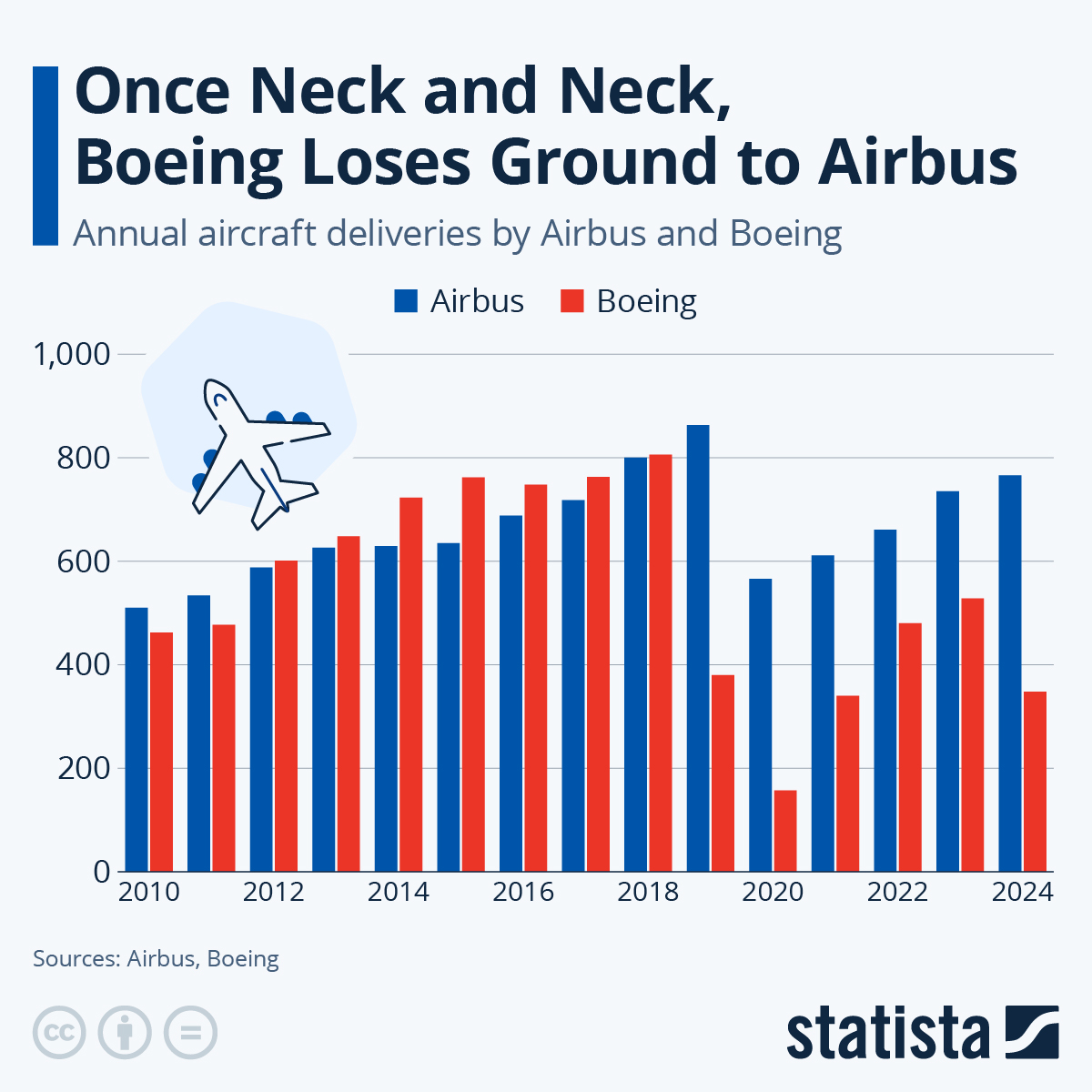
The Boeing 737 MAX crisis had a profound and multifaceted impact on the airline industry, affecting finances, operations, and passenger confidence. The grounding of the aircraft, coupled with the investigation and subsequent return to service, created a ripple effect across the entire sector, forcing airlines to adapt and adjust their strategies in the face of considerable uncertainty. This section delves into the financial and operational consequences, passenger behavior shifts, and long-term effects on the industry’s safety procedures.The grounding of the 737 MAX caused significant financial losses for airlines worldwide.
Many airlines had significant fleets of these planes, and their operations were disrupted. The impact on passenger confidence was considerable, leading to decreased bookings and reduced demand. This crisis underscored the interconnectedness of the airline industry and the vulnerability of the sector to unforeseen events.
Financial and Operational Consequences for Airlines
The grounding of the 737 MAX resulted in substantial financial losses for airlines. These losses stemmed from the inability to operate flights, leading to lost revenue and increased operational costs associated with alternative aircraft arrangements. Some airlines had to adjust their schedules, and this led to operational inefficiencies. For example, Southwest Airlines, a major operator of the 737 MAX, experienced substantial financial losses during the grounding period.
The disruption also led to increased maintenance costs and higher insurance premiums for the remaining 737 MAX aircraft. In addition, the crisis forced airlines to explore and invest in alternative aircraft options and pilot training programs.
Impact on Passenger Confidence and Travel Behavior
The grounding of the 737 MAX negatively affected passenger confidence in air travel. Safety concerns, heightened by the numerous news reports and investigations, led to a decline in passenger bookings and a shift in travel behavior. Passengers were understandably hesitant to board planes that had been linked to fatal accidents. This phenomenon underscored the importance of transparency and clear communication from airlines and regulatory bodies during crises.
As a result, many passengers chose alternative modes of transport or postponed travel plans.
Long-Term Effects on the Airline Industry’s Operations and Safety Procedures
The 737 MAX crisis prompted a thorough review of safety procedures and operational protocols within the airline industry. Many airlines strengthened their pilot training programs and implemented additional safety checks and maintenance procedures for their fleets. Moreover, the crisis highlighted the importance of robust communication channels between airlines, pilots, and regulatory bodies. The need for enhanced collaboration and proactive safety measures was clearly evident.
This crisis acted as a catalyst for the airline industry to refine its procedures for handling safety concerns.
Measures Taken by Airlines to Address the Crisis, Boeing 737 max problems
Airlines implemented various measures to address the crisis and mitigate its impact. These included:
- Adjusting Flight Schedules: Airlines altered their schedules to accommodate the absence of the 737 MAX, leading to a shift in operational strategies. This adjustment involved rerouting flights and using alternative aircraft.
- Pilot Retraining: Airlines invested in pilot retraining programs, ensuring that pilots were equipped with the necessary knowledge and skills to operate the 737 MAX safely. This included extensive simulations and practical exercises to ensure compliance with new safety protocols.
- Fleet Modifications: Some airlines opted to modify their fleets by adding new aircraft models or upgrading existing ones to comply with safety regulations. This strategy addressed the operational challenges and helped maintain their service commitments.
- Increased Safety Checks: Airlines conducted more rigorous checks and maintenance on the remaining 737 MAX aircraft to ensure that they met the highest safety standards. This involved additional inspections and maintenance protocols to prevent future issues.
Lessons Learned
The Boeing 737 MAX crisis served as a stark reminder of the intricate web of factors that can converge to create catastrophic aviation incidents. Beyond the immediate technical failures, the events highlighted systemic issues within the regulatory framework, pilot training, and the overall culture of safety within the aviation industry. Understanding these lessons is crucial to preventing similar tragedies in the future.The crisis exposed vulnerabilities in the design, manufacturing, and certification processes of the 737 MAX.
These vulnerabilities, compounded by human error and a flawed regulatory response, ultimately led to tragic consequences. Analyzing the systemic issues and implementing corrective measures are vital steps towards enhancing aviation safety and building a more resilient system.
Key Lessons from the Incidents
The 737 MAX incidents underscore the importance of prioritizing safety over expediency in aviation. A relentless focus on thoroughness and robust safety protocols, rather than a drive for speed or cost-cutting, is paramount. The tragedy revealed a complex interplay of factors, from software design flaws to communication breakdowns and inadequate training. These interconnected elements highlight the need for a holistic approach to aviation safety, one that considers the human element as a critical part of the equation.
- Software Design Flaws: The Maneuvering Characteristics Augmentation System (MCAS) software was identified as a critical factor. Its design and implementation were flawed, leading to unintended and dangerous responses from the aircraft. This highlights the importance of rigorous testing and validation procedures for complex flight control systems. Software developers must understand the inherent risks of their code and design systems with the potential for error in mind.
- Regulatory Oversight Gaps: The regulatory process for certifying the 737 MAX was scrutinized for its potential shortcomings. A lack of independent oversight and a perceived pressure to expedite the certification process were cited as key issues. This incident emphasizes the importance of stringent regulatory frameworks and an unwavering commitment to independent verification.
- Pilot Training and Procedures: Pilot training was inadequate to handle the complexities of the 737 MAX’s MCAS system. This highlighted the need for more comprehensive training programs that address potential failures and unexpected situations. Pilot training must emphasize scenario-based training and the importance of critical thinking in responding to unusual situations.
- Communication and Coordination: Communication breakdowns between Boeing, the FAA, and airline crews contributed to the crisis. This emphasized the importance of clear and consistent communication channels between all stakeholders. Effective communication and information sharing are critical to maintaining safety and preventing misunderstandings.
Systemic Issues Contributing to Accidents
The 737 MAX incidents were not isolated events; they revealed underlying systemic issues within the aviation industry. These issues encompass regulatory oversight, manufacturer accountability, pilot training, and the overall culture of safety. A comprehensive approach to addressing these systemic problems is essential for long-term safety improvement.
- Pressure for Speed and Cost-Cutting: The pursuit of speed and cost reduction in the development and certification process can compromise safety. The desire to meet deadlines and reduce costs can lead to shortcuts and a lack of thoroughness. Companies must prioritize safety above all else, even in the face of time constraints.
- Manufacturer Accountability: The manufacturer’s responsibility in ensuring the safety and reliability of its products is paramount. Boeing’s role in the 737 MAX crisis highlighted the need for a more stringent accountability framework within the aviation industry. Manufacturers must prioritize safety over profit margins, and they must be held accountable for their actions.
- Regulatory Oversight Deficiencies: The regulatory oversight body, in this case, the FAA, plays a critical role in ensuring aircraft safety. The 737 MAX crisis demonstrated the need for a more robust and independent regulatory framework. Regulatory bodies must maintain their independence and objectivity to safeguard safety standards.
Recommendations for Improving Aviation Safety Procedures
Implementing the following recommendations can significantly enhance aviation safety procedures:
- Enhanced Software Validation: Rigorous testing and validation procedures for complex flight control systems are critical. The process must include independent audits and a focus on potential error scenarios.
- Independent Regulatory Oversight: Strengthening independent regulatory oversight is crucial. This involves increased resources, greater autonomy from industry influence, and more rigorous auditing of safety protocols.
- Comprehensive Pilot Training: Pilot training programs should include scenario-based training, emergency response drills, and advanced software training to address unforeseen situations.
- Improved Communication Protocols: Establishing clear communication channels and protocols between manufacturers, regulatory bodies, and airline crews is essential. This ensures that crucial information is disseminated efficiently and effectively.
Impact on Industry Standards
The 737 MAX incidents led to significant changes in industry standards. The events spurred a thorough review of safety procedures, regulatory frameworks, and manufacturer accountability.
- Revised Certification Procedures: Certification processes have been revised to incorporate stricter standards and more rigorous testing protocols. This includes a heightened focus on independent audits and verification procedures.
- Emphasis on Pilot Training: Aviation authorities are placing greater emphasis on pilot training, requiring more extensive training in handling complex flight control systems and emergency scenarios.
- Improved Software Safety Standards: Software development practices in the aviation industry have been refined to include more stringent safety checks, testing, and independent validation. Developers now face greater scrutiny in ensuring the safety and reliability of their systems.
Flowchart for Preventing Similar Incidents
A robust flowchart for preventing similar incidents would incorporate multiple stages:
- Rigorous Design and Testing: Design must include fail-safes, and testing must be comprehensive and cover a wide range of scenarios, including potential software glitches.
- Independent Audits and Verification: Independent regulatory bodies and audits must ensure the thoroughness of the design and testing process.
- Comprehensive Pilot Training: Pilot training must include thorough training on complex systems and potential failure modes, emphasizing decision-making and critical thinking.
- Continuous Communication and Feedback: Establish a system for continuous communication and feedback between manufacturers, regulators, and airlines to address any emerging issues and improve safety protocols.
Future of the Boeing 737 MAX
The Boeing 737 MAX, once a symbol of innovation and efficiency, faced a significant setback following the 2018 and 2019 crashes. The subsequent investigations, regulatory responses, and widespread safety concerns cast a long shadow over the program. However, Boeing has made significant efforts to rebuild trust and ensure the program’s future. This section will delve into the modifications and updates made to the 737 MAX design, the enhanced safety features implemented, and the program’s current status and future prospects in the market.The 737 MAX program has undergone a comprehensive review and redesign to address the underlying issues that contributed to the previous incidents.
This includes not only technical fixes but also a re-evaluation of pilot training and procedures, along with substantial regulatory changes. The aim is to create a safer and more reliable aircraft.
Modifications and Updates to the Boeing 737 MAX Design
Boeing has implemented numerous modifications to the 737 MAX design. These changes are focused on enhancing the flight control system’s robustness and improving the aircraft’s handling characteristics. The updated flight control system features enhanced redundancy and more sophisticated algorithms to mitigate the risks of similar incidents.
Enhanced Safety Features
A crucial element in the 737 MAX’s future is the enhancement of its safety features. This involves not only hardware upgrades but also improvements to pilot training and procedures. The goal is to equip pilots with the knowledge and tools necessary to effectively manage the aircraft in various flight scenarios.
- Improved flight control systems: New software and hardware upgrades have been implemented to increase the robustness of the flight control system. This includes redundant systems and enhanced sensor integration to ensure that the aircraft responds predictably in critical situations. For instance, new sensors provide more real-time data, enabling pilots to respond faster and more effectively to potential issues.
- Enhanced pilot training: Pilot training programs have been substantially revised to include more extensive simulations and practical exercises focused on the handling characteristics of the updated 737 MAX. This includes more detailed training on how to recognize and respond to anomalies or potential failures in the flight control system.
- Rigorous maintenance procedures: The maintenance procedures have been revised to incorporate more frequent checks and inspections of critical components, particularly those related to the flight control system. This proactive approach is aimed at preventing potential issues before they escalate.
Current Status and Future Prospects
The 737 MAX program is currently undergoing rigorous certification and testing procedures. Boeing is working closely with aviation authorities to ensure the aircraft meets the highest safety standards. Deliveries of the 737 MAX are expected to resume gradually as the certification process progresses. The future of the program hinges on its ability to regain market confidence and demonstrate its safety and reliability.
Analysis of the 737 MAX’s Future in the Market
The 737 MAX’s future in the market is contingent upon regaining the trust of airlines and passengers. The widespread grounding and subsequent safety concerns have affected the program’s reputation. Rebuilding this trust will require a combination of demonstrating the effectiveness of the modifications and showcasing a commitment to safety. Success will depend on demonstrating that the updated design and procedures are not only effective but also address the underlying issues that led to the previous incidents.
Concluding Remarks
The Boeing 737 MAX saga, while tragic, has presented a unique opportunity for the aviation industry to learn from its mistakes. From technical failures to pilot training shortcomings and regulatory oversight, the issues raised by the 737 MAX incidents have prompted significant changes in safety procedures. The future of the 737 MAX, now heavily modified and re-evaluated, remains uncertain, but the industry has a chance to ensure these types of incidents never occur again.
We’ve learned the importance of meticulous design, rigorous testing, and continuous improvement in aviation safety.
Question & Answer Hub: Boeing 737 Max Problems
What were the key technical failures in the Boeing 737 MAX?
The 737 MAX experienced issues with its Maneuvering Characteristics Augmentation System (MCAS). Problems with the system’s design and activation protocols were identified, contributing to the incidents.
How did pilot training contribute to the accidents?
Pilot training materials and procedures for the 737 MAX were criticized for not adequately preparing pilots for handling certain flight control situations, ultimately increasing the risk of accidents.
What was the impact of the 737 MAX crisis on passenger confidence?
The crisis significantly impacted passenger confidence, leading to reduced air travel for some. Airlines faced the challenge of rebuilding trust and demonstrating commitment to safety.
What are some key lessons learned from the Boeing 737 MAX incidents?
The incident highlighted the need for meticulous design, rigorous testing, and ongoing communication between manufacturers, pilots, and regulatory bodies. Emphasis on proactive safety measures and improved training protocols are crucial.