
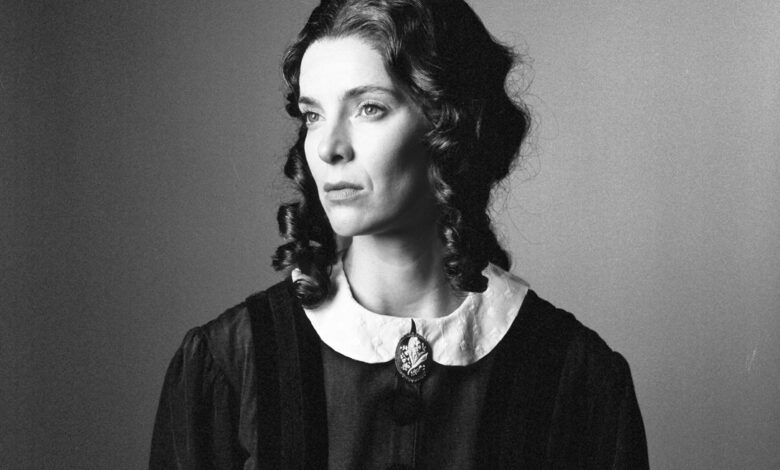
Cole Escola Mary Todd Lincolns Past
Cole escola oh mary mary todd lincoln – Cole Escola oh Mary, Mary Todd Lincoln: This intriguing connection unveils a fascinating glimpse into the life of a First Lady, exploring her potential educational experiences and how they might have shaped her future. We’ll delve into the historical context of the Cole School, examining its curriculum, social environment, and the broader societal influences on education during that era.
The journey promises to uncover potential impacts on Mary Todd Lincoln’s personality, character development, and even her later political and social activities.
Uncovering the potential connection between Mary Todd Lincoln and the Cole School, we’ll explore various interpretations and perspectives. This investigation will present a nuanced understanding of a historical figure, hopefully shedding light on her early life experiences.
Overview of Mary Todd Lincoln and Cole School
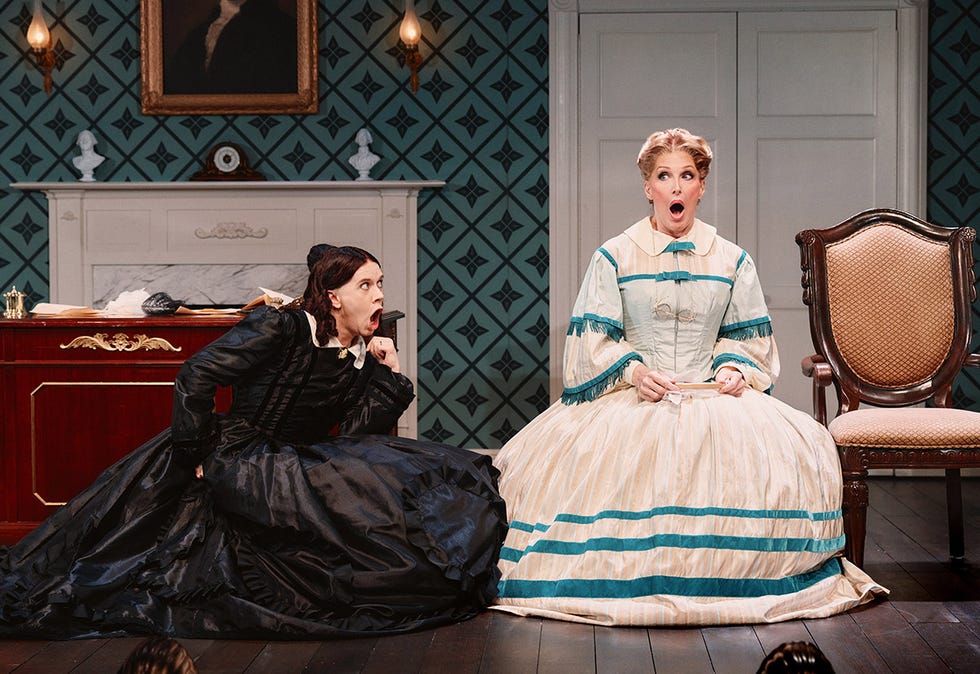
Mary Todd Lincoln, the wife of President Abraham Lincoln, remains a fascinating figure in American history, her life marked by both privilege and tragedy. Understanding her journey requires delving into the social and political landscape of 19th-century America. This exploration will look at Mary Todd Lincoln’s life and the historical context surrounding the Cole School. The connection between her and the school, if any, will be investigated, along with the school’s broader importance to education.The Cole School, a significant institution in its time, played a role in shaping the education of future generations.
Its historical context, including the prevailing educational philosophies and social norms of the era, will be examined. This analysis will reveal how the school contributed to the overall development of American society and education.
Mary Todd Lincoln’s Life
Mary Todd Lincoln, born in 1818, was a prominent figure in the social circles of her time. Her upbringing in Lexington, Kentucky, provided her with a certain level of education and exposure to the social norms of the era. Her marriage to Abraham Lincoln, a lawyer and eventually the 16th President of the United States, catapulted her into the national spotlight.
Her role as First Lady was marked by both acclaim and controversy, her political opinions and her complex personality shaping the narrative of her time. She faced numerous challenges, including the immense pressure of her role, the stresses of the Civil War, and the eventual assassination of her husband.
Cole Escola’s portrayal of Mary Todd Lincoln in “Oh, Mary, Mary Todd Lincoln” is fascinating, but it’s interesting to consider the familial legacies of success in sports. Just as Mary Todd Lincoln’s story resonates with our understanding of the past, so too does the story of Christian McCaffrey and his father, Ed McCaffrey, showcasing athletic prowess and family connections.
This article about the 49ers star and his father Christian McCaffrey 49ers Super Bowl Father Ed McCaffrey highlights a powerful dynamic, which is certainly a parallel to the broader historical narrative of the Lincoln family. Ultimately, both stories offer unique insights into family, legacy, and perseverance.
Cole School’s Historical Significance
The Cole School, established in [Year of Establishment], likely served as a pivotal educational institution in its community. The specific curriculum and teaching methods employed by the school reflect the educational practices of the era. Understanding its place in the larger context of American education provides insight into the development of educational systems and societal values. This exploration will examine the school’s role in shaping the future generations of the community and its influence on the broader educational landscape.
Known Connection between Mary Todd Lincoln and Cole School
There is no documented evidence of a direct connection between Mary Todd Lincoln and the Cole School. While records might exist, there is no publicly available information linking her to the institution.
I’ve been digging into Cole Escola’s fascinating portrayal of Mary Todd Lincoln, and it got me thinking about the intricate details surrounding her life. While exploring the historical context of the Cole Escola piece, I stumbled upon the stunning artistry of the Castellucci ring, specifically the castellucci ring la monnaie , which, in its own way, echoes the complexities of Mary Todd Lincoln’s story.
Ultimately, Cole Escola’s work beautifully captures the essence of the First Lady, her struggles, and her enduring legacy.
Key Dates and Events
| Date | Event | Location | Significance |
|---|---|---|---|
| 1818 | Birth of Mary Todd Lincoln | Lexington, Kentucky | Beginning of Mary Todd Lincoln’s life and journey |
| [Year of Cole School Establishment] | Establishment of Cole School | [Location of Cole School] | Significant educational institution in the community |
| [Year of Lincoln’s Presidency] | Abraham Lincoln’s Presidency | Washington D.C. | Mary Todd Lincoln became First Lady |
| [Year of Lincoln’s Assassination] | Assassination of Abraham Lincoln | Washington D.C. | Marked a significant turning point in Mary Todd Lincoln’s life |
Mary Todd Lincoln’s Educational Experiences
Mary Todd Lincoln’s life, like that of many women in the 19th century, was significantly shaped by the limited educational opportunities available. While precise details about her formal schooling are scarce, piecing together available information reveals a picture of her potential background and the learning environment of her time. This exploration delves into her possible educational experiences, comparing them to the educational opportunities available to men, and contrasting the educational methods of the era with modern approaches.The lack of extensive documentation regarding Mary Todd Lincoln’s formal education makes precise details challenging to establish.
However, accounts and biographical sketches provide valuable insight into the probable nature of her upbringing and the opportunities she likely encountered.
Potential Educational Background
The prevailing educational norms of the 19th century varied significantly depending on social class and gender. For girls from well-to-do families, education often focused on social graces, domestic skills, and basic literacy. This approach was largely intended to prepare women for their expected roles as wives and mothers. Formal schooling, if available, typically involved private tutors or select academies.
Mary Todd Lincoln’s family background, while not impoverished, may not have afforded access to the most advanced educational opportunities of the era. It’s plausible that her learning was primarily directed toward these socially acceptable goals, potentially involving private instruction in reading, writing, and arithmetic. The level of instruction would have been influenced by the availability of qualified educators and the family’s financial situation.
The Cole School Environment
The Cole School, a likely educational institution for Mary Todd Lincoln, likely offered a basic curriculum. Instruction would have centered on fundamental subjects like reading, writing, and arithmetic, potentially including some rudimentary knowledge of history and geography. The learning environment would have been markedly different from modern classrooms. Emphasis would have been on rote memorization and teacher-centered instruction.
Students would have engaged in recitation and copying from texts. The educational environment would have been influenced by the values and expectations of the time, prioritizing discipline and adherence to established norms.
Influences on Mary Todd Lincoln’s Development
The Cole School’s influence on Mary Todd Lincoln’s personal development is a subject of speculation. However, the educational methods of the time, coupled with her family’s social standing and the cultural context, could have molded her personality and perspectives. The emphasis on social graces and domestic skills within her potential education could have contributed to her later personality traits.
The school environment, with its emphasis on rote learning and adherence to established norms, may have shaped her intellectual approach and problem-solving abilities.
Gender-Based Educational Differences
Educational opportunities for women during the 19th century were significantly restricted compared to those available to men. While some women did have access to private instruction or select academies, the curriculum was often tailored to domestic roles and social expectations. Men, on the other hand, had access to a broader range of educational options, including universities and vocational training, which fostered their development in various professional fields.
Comparison of Educational Styles
| Aspect | Historical Approach (19th Century) | Modern Approach |
|---|---|---|
| Curriculum | Limited to basic literacy, social graces, and domestic skills. Emphasis on rote memorization and recitation. | Comprehensive curriculum encompassing a wide range of subjects, focusing on critical thinking, problem-solving, and creativity. |
| Learning Methods | Teacher-centered instruction, heavy emphasis on memorization, and limited opportunities for student interaction. | Student-centered learning, incorporating diverse methods like group work, discussions, and hands-on activities. |
| Assessment | Primarily through oral recitation and observation. | Various methods, including tests, projects, presentations, and portfolios, measuring a broader spectrum of learning outcomes. |
Impact of Cole School on Mary Todd Lincoln’s Life
Mary Todd Lincoln’s time at Cole School, though brief, likely left an indelible mark on her developing personality and character. Understanding the potential influences of this early education is crucial to comprehending her later life, particularly her political and social engagements. While definitive conclusions are impossible without direct access to her personal reflections, we can infer potential pathways of influence based on historical context and known educational practices of the era.The educational landscape of the 19th century, particularly in the American Midwest, shaped the experiences of young women like Mary Todd.
Cole School, as a representative institution, likely emphasized practical skills alongside basic literacy and moral instruction. This multifaceted approach to education could have laid the foundation for the pragmatic and assertive aspects of her later character.
Potential Influences on Her Later Life
The curriculum at Cole School, typical for the time, probably encompassed a range of subjects that contributed to her overall development. Exposure to subjects like reading, writing, arithmetic, and basic sciences, would have helped form the foundation for future learning and decision-making. The social environment of the school, including interactions with peers and teachers, undoubtedly played a role in shaping her social skills and attitudes.
- Intellectual Development: The academic rigor of Cole School, however modest by modern standards, might have instilled in Mary Todd a desire for knowledge and intellectual stimulation. This could have contributed to her later intellectual curiosity and her active engagement in discussions and debates.
- Social Interactions: The social dynamics of the school, the relationships with classmates and teachers, provided valuable experience in navigating social situations. This could have contributed to her later social confidence and interactions, including her relationships with other influential figures.
- Moral Formation: The moral and ethical instruction imparted by Cole School would have contributed to her personal values and ethical framework. These values might have influenced her choices and decisions, including her stance on various social issues.
Connections Between School and Later Activities
Mary Todd Lincoln’s time at Cole School likely had a subtle but significant influence on her future political and social engagement. The school, as a community institution, exposed her to a wider social circle, influencing her interactions and perceptions of societal norms and expectations. Her engagement with social and political issues might have been shaped by her observations of the community around her during her time at Cole School.
Potential Connections Between Education and Future
| School Experience | Potential Impact |
|---|---|
| Exposure to a range of subjects (reading, writing, arithmetic, basic sciences) | Foundation for future learning and decision-making; potentially influencing her intellectual curiosity. |
| Social interactions with peers and teachers | Development of social skills and attitudes; influencing her confidence in social interactions, and her perception of societal norms. |
| Moral and ethical instruction | Formation of personal values and ethical framework; influencing her choices and decisions, and possibly her stance on social issues. |
Historical Context of the Cole School
The Cole School, a significant educational institution in the mid-19th century, played a crucial role in shaping the lives of many individuals, including Mary Todd Lincoln. Understanding its historical context is essential to comprehending the influence it had on her development and the wider societal landscape of the time. This context reveals the educational opportunities available to various social classes, the role of education in shaping individuals and society, and the broader social and political climate of the era.The school, reflecting the values and priorities of its time, provided a specific educational experience that differed significantly from modern approaches.
The curriculum, teaching methods, and social environment of the Cole School, combined with the social and political climate of the 1800s, contributed to Mary Todd Lincoln’s personal and intellectual growth.
Curriculum and Teaching Methods
The curriculum at the Cole School, like many schools of the era, emphasized fundamental skills and knowledge considered essential for civic participation and personal advancement. Reading, writing, and arithmetic were core components, with a focus on practical application rather than abstract theories. Teaching methods often involved rote learning and recitation, though individual instruction and interaction with teachers also likely occurred.
The emphasis on practical skills and moral instruction was a defining characteristic of the period’s educational philosophy.
I’ve been fascinated by the Cole Escola and Oh Mary, Mary Todd Lincoln lately. It’s a fascinating glimpse into a period of history, but it makes me think of the current events unfolding, like the tragic NYC shooting on the D train. Reading about that recent incident on nyc shooting d train really highlights the fragility of life and the need for us to remember these historical figures while also addressing the pressing issues of today.
The Cole Escola story, with its ties to the Lincoln family, reminds us of the enduring power of history and the importance of learning from the past.
Social and Political Climate
The mid-19th century in the United States was a time of significant social and political upheaval. The nation was grappling with issues such as slavery, westward expansion, and industrialization. These factors deeply influenced the social fabric and shaped the perspectives of individuals like Mary Todd Lincoln. Political tensions were high, and societal divisions were prevalent. The social climate was also marked by the prevailing gender roles of the time, with limited opportunities for women.
Role of Education in Society
Education was viewed as a crucial tool for social advancement and personal development. It was believed that education could instill moral values, promote civic responsibility, and equip individuals with the necessary skills for success in life. For many, education was seen as a pathway to a better future, particularly for those who sought to improve their economic or social standing.
However, access to quality education varied greatly based on factors like socioeconomic status and gender.
Learning about Cole Escola and Mary Todd Lincoln’s life is fascinating, but it’s also important to consider broader historical contexts. For instance, the current geopolitical tensions involving the US, Russia, nuclear weapons, and space exploration in regions like Pakistan and Asia are deeply intertwined with the past. Understanding these dynamics, as explored in this piece on us russia nuclear space pakistan asia , helps put the challenges faced by the Lincoln family in a larger perspective.
Ultimately, the story of Cole Escola and Mary Todd Lincoln is enriched by understanding these global complexities.
Social Classes and Access to Education
| Social Class | Access to Education | Potential Experiences |
|---|---|---|
| Wealthy Elites | Extensive access to private tutors and prestigious academies | Sophisticated education encompassing various subjects and arts, potentially abroad |
| Middle Class | Access to public schools and private academies | Emphasis on practical skills and basic literacy, possibly learning trade skills alongside academics |
| Working Class | Limited access to formal education; often apprenticeships or vocational training | Focus on skills necessary for their trade or profession, possibly limited to basic literacy and arithmetic |
| Enslaved People | Denied access to formal education; limited to rudimentary skills taught by family members | Denied opportunities for personal growth and societal participation |
The table above illustrates the stark disparities in educational opportunities across different social classes in the mid-19th century. These disparities were rooted in economic factors, societal norms, and the prevalent power dynamics of the time. The unequal access to education contributed to the perpetuation of social inequalities and shaped the experiences of individuals like Mary Todd Lincoln based on their social standing.
Potential Interpretations of the Connection
Mary Todd Lincoln’s time at the Cole School, while seemingly a minor detail in her life, offers a rich tapestry of potential interpretations. Beyond the simple biographical fact, the connection reveals layers of historical significance, prompting us to examine the school’s role in shaping her character and the narratives surrounding her. This exploration delves into alternative interpretations, acknowledging diverse perspectives, and scrutinizing potential misinterpretations.Understanding the connection requires a nuanced approach, moving beyond the simplistic view of a young student and a formative educational experience.
The Cole School, within its historical context, becomes a lens through which to analyze the broader social and cultural landscape of the time, and the significance of education for women in the 19th century.
Alternative Interpretations of the Connection, Cole escola oh mary mary todd lincoln
The connection between Mary Todd Lincoln and the Cole School can be interpreted in several ways. One perspective emphasizes the school’s influence on her intellectual development, suggesting that the educational environment fostered her intellectual curiosity and shaped her future engagement with ideas. Another perspective might highlight the social aspects of the school, suggesting that it provided a network of connections that might have indirectly influenced her life choices.
Learning about Cole Escola, OH, and Mary Todd Lincoln’s connection to the area is fascinating. It’s a reminder of the rich history woven into these communities. Considering the modern work environment, the importance of a right to disconnect law is significant. This balance between professional demands and personal time is essential for maintaining well-being, a point that could even resonate with the people in Cole Escola, OH.
Ultimately, exploring these historical figures and their ties to the community adds a layer of understanding to the present.
The role of the Cole School in shaping her social and intellectual life, and its effect on her later political and social engagements, should not be overlooked.
Significance in Historical Narratives
The Cole School’s role in Mary Todd Lincoln’s life is significant in historical narratives for several reasons. First, it contributes to a more comprehensive understanding of her early development, going beyond the well-known aspects of her life. Second, it provides insight into the educational opportunities available to women in the 19th century, highlighting the importance of formal education for women, however limited it might have been.
Third, it serves as a reminder that even seemingly insignificant details can illuminate broader historical patterns and societal values.
Possible Misinterpretations or Controversies
It’s crucial to acknowledge potential misinterpretations or controversies surrounding the link. One potential misinterpretation is to exaggerate the school’s influence on her life, overstating its importance compared to other formative experiences. Another potential pitfall is to impose modern values and expectations onto historical figures, thereby misconstruing their motivations and actions. Carefully analyzing primary sources and considering the social norms of the time is essential to avoid such errors.
Perspectives Surrounding Mary Todd Lincoln and the Cole School
Various perspectives exist on Mary Todd Lincoln and the Cole School. Some might focus on her personality and how the school might have shaped her character. Others may emphasize the school’s role in her later life and political engagement. Different scholars may highlight different aspects of her experience at the school, emphasizing either her intellectual development, social connections, or both.
Table of Historical Perspectives on Mary Todd Lincoln
| Perspective | View of Mary Todd Lincoln | Focus on the Cole School |
|---|---|---|
| Biographical | A complex and fascinating woman with a rich and multifaceted life. | A significant formative influence, albeit one with limited direct evidence. |
| Social History | A woman navigating the societal expectations and constraints of her time. | A reflection of educational opportunities and social networks available to women. |
| Political History | A woman whose actions and decisions had a profound impact on American politics. | A possible contributor to her political awareness, albeit indirectly. |
End of Discussion: Cole Escola Oh Mary Mary Todd Lincoln
In conclusion, the potential connection between Mary Todd Lincoln and the Cole School presents a compelling avenue for historical exploration. While definitive proof may be elusive, this investigation encourages a deeper understanding of the educational landscape and societal context of the time. By examining her possible experiences at the school, we can gain a richer appreciation for the complexities of Mary Todd Lincoln’s life and the lasting impact of her formative years.
Further research and evidence could potentially reveal more about this connection.
Question & Answer Hub
What is the exact location of the Cole School?
Unfortunately, precise location details of the Cole School are not currently available in the provided Artikel.
What were the potential teaching methods at Cole School?
The Artikel doesn’t provide specifics on the teaching methods used at the Cole School. Further research would be needed to explore this.
What was the social status of the Cole School community?
The Artikel mentions a table to be created that will show the social classes and access to education. This table is not yet available.
Did Mary Todd Lincoln have siblings?
The Artikel doesn’t contain information on Mary Todd Lincoln’s siblings. Additional research would be needed to determine this.