
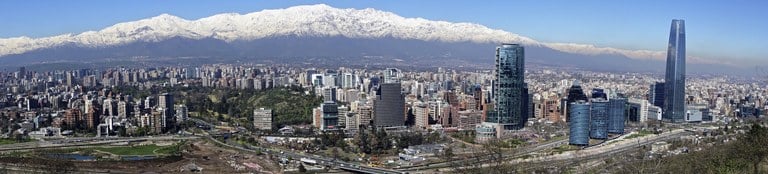
Chile, California Climate Change Impacts
Chile California cambio climatico: This exploration delves into the multifaceted impacts of climate change on both Chile and California, highlighting the shared challenges and unique vulnerabilities of these regions.
The discussion covers everything from historical climate trends and sector-specific effects, like agriculture and water resources, to adaptation strategies, community responses, and future projections. We’ll analyze the consequences of extreme weather events, sea-level rise, and the increasing risks of wildfires, providing a comprehensive overview of this pressing global issue.
Introduction to Climate Change in California

California, a state renowned for its diverse ecosystems and vibrant economy, is experiencing profound impacts from climate change. The consequences are far-reaching, affecting everything from agriculture and water resources to coastal communities and infrastructure. Understanding these impacts is crucial for developing effective adaptation and mitigation strategies.California’s climate is changing at an accelerated pace. Historical trends show a clear warming trend, with rising average temperatures across the state.
Simultaneously, precipitation patterns are shifting, leading to more intense and unpredictable weather events. These shifts are placing unprecedented stress on California’s natural and human systems.
Temperature and Precipitation Trends
California’s average temperatures have risen significantly over the past century. This warming trend is evident across all seasons, and the most recent decades have seen the most dramatic increase. Precipitation patterns are also becoming more erratic, with periods of intense rainfall followed by prolonged droughts. This variability creates challenges for water management and agriculture. For example, the 2012-2016 drought significantly impacted water supplies and agricultural production in the state.
The increased frequency of extreme weather events, such as wildfires and floods, further underscores the urgency of climate action.
Ecosystem Vulnerabilities, Chile california cambio climatico
California’s unique ecosystems are particularly vulnerable to climate change. The state’s diverse flora and fauna, including iconic species like the California condor and the giant sequoia, are facing increasing threats from rising temperatures, altered precipitation patterns, and more frequent and intense wildfires. The disruption of these delicate ecosystems can have cascading effects throughout the state’s biodiversity. For instance, the shift in plant and animal habitats can lead to loss of biodiversity and disruptions in the intricate food webs.
Infrastructure Vulnerabilities
California’s infrastructure, including its water systems, transportation networks, and energy grids, is susceptible to climate change impacts. Rising sea levels pose a direct threat to coastal communities and infrastructure, potentially leading to increased flooding and erosion. Changes in precipitation patterns can strain water supply systems and increase the risk of droughts and floods. Extreme heat events can put a strain on energy grids and increase the risk of wildfires.
For instance, the 2020 wildfires highlighted the vulnerability of infrastructure to extreme weather events.
Sector-Specific Impacts of Climate Change
| Sector | Effects of Climate Change |
|---|---|
| Agriculture | Increased temperatures and altered precipitation patterns can negatively impact crop yields and livestock production. Droughts can cause significant water stress, reducing irrigation availability. More frequent and intense heat waves can damage crops and livestock. |
| Water Resources | Decreased snowpack, altered runoff patterns, and increased evaporation rates can reduce water availability. More intense rainfall events can lead to flooding and damage to infrastructure. Changes in water temperature can impact aquatic ecosystems. |
| Coastal Areas | Rising sea levels can lead to increased coastal erosion and flooding. Storms and high tides can damage coastal infrastructure and homes. Saltwater intrusion can contaminate freshwater supplies. |
Impacts on Specific Sectors
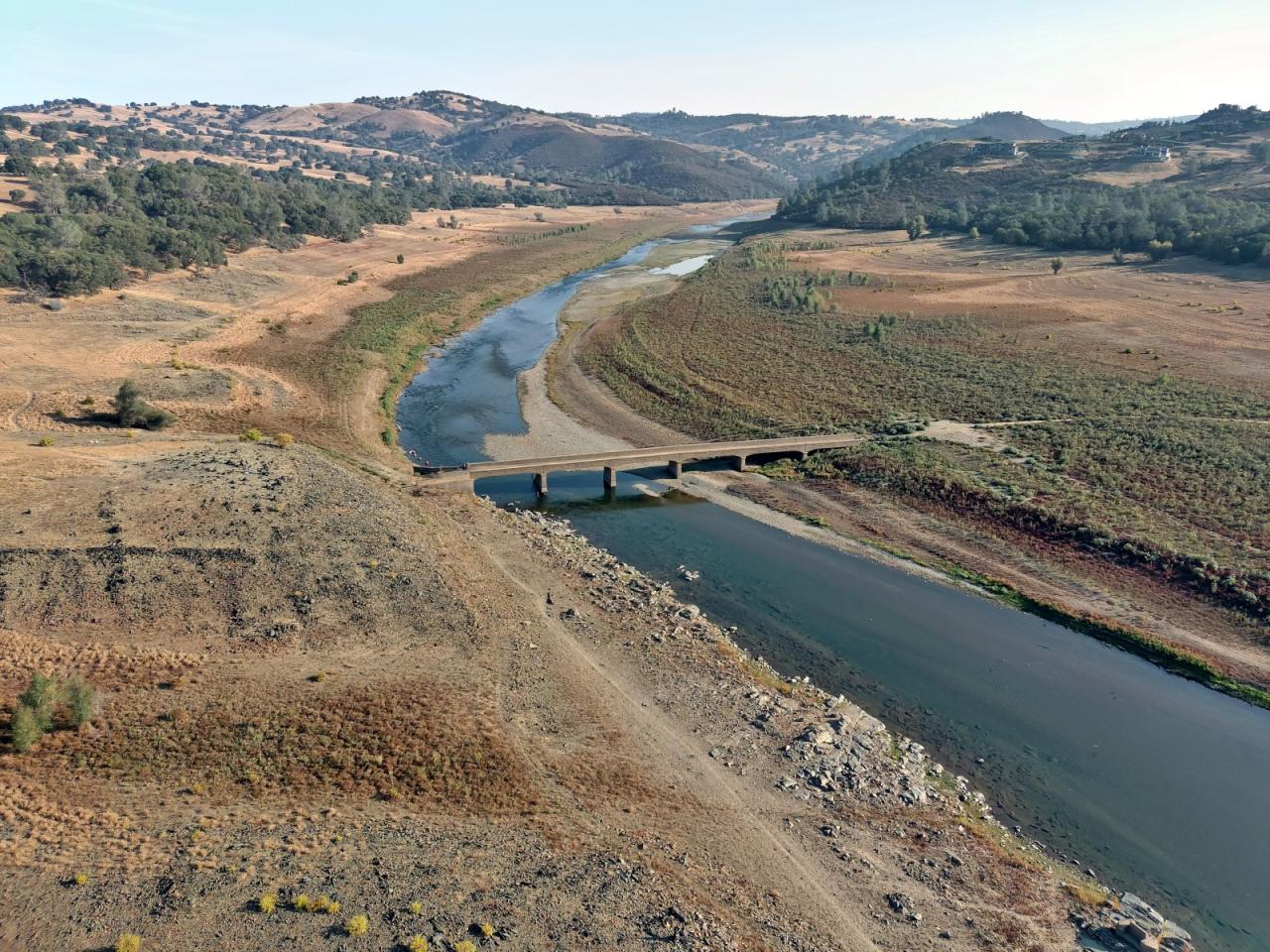
California’s unique agricultural landscape and vibrant coastal communities are profoundly vulnerable to the changing climate. The state’s economy, reliant on these sectors, faces significant challenges as rising temperatures, altered precipitation patterns, and sea-level rise reshape the environment. Understanding these impacts is crucial for developing effective adaptation strategies and mitigating the worst effects.
Impacts on California Agriculture
California’s agricultural industry, a cornerstone of the state’s economy, is experiencing significant shifts due to climate change. Extended periods of drought, coupled with more frequent and intense heat waves, directly threaten crop yields and the overall productivity of farms. Specific regions and crops are disproportionately affected.
- Altered Growing Seasons: Changes in temperature and precipitation patterns are disrupting traditional agricultural cycles. For example, the timing of spring rains is crucial for almond blossoms, and deviations can drastically reduce yields. Similarly, grapes, a significant agricultural product, are sensitive to frost and heat stress, leading to yield fluctuations and quality changes.
- Water Scarcity: Reduced snowpack and increased evaporation rates exacerbate water scarcity, impacting irrigation and threatening the viability of water-intensive crops like rice and alfalfa in the Central Valley. This poses a significant challenge to the livelihoods of farmers and the supply chain for agricultural products.
- Increased Pest and Disease Pressure: Warmer temperatures and altered humidity levels can create ideal conditions for pests and diseases to thrive, negatively affecting various crops, from fruit trees to vegetables. This can lead to increased pesticide use and potentially lower crop quality.
Water Scarcity in California
California’s water resources are under immense pressure, and climate change is significantly exacerbating this problem. Reduced snowpack, altered rainfall patterns, and increased evaporation rates contribute to declining water supplies, impacting various sectors, including agriculture, industry, and human consumption.
- Reduced Snowpack: The Sierra Nevada snowpack, a crucial source of water for California, is shrinking due to rising temperatures. This results in lower water availability during the dry summer months, directly impacting the state’s water supply.
- Increased Evaporation Rates: Higher temperatures lead to increased evaporation from reservoirs and rivers, further reducing the available water resources.
- Increased Demand: California’s growing population and increasing demands from agriculture and other sectors put further strain on already scarce water resources. This situation is likely to worsen as climate change progresses.
Increasing Risks of Wildfires
The increasing frequency and intensity of wildfires in California are a direct consequence of climate change. These devastating events have severe consequences for human health, the environment, and the economy.
- Increased Fire Season Length: Warmer temperatures and drier vegetation create a longer fire season, increasing the risk of wildfires occurring throughout the year, not just during the traditionally dry months.
- Increased Fire Intensity: Drier conditions and higher temperatures fuel the spread of wildfires, making them more intense and difficult to control. This can lead to widespread property damage and loss of life.
- Human Health Impacts: Wildfires produce harmful air pollutants, impacting human respiratory health and causing a variety of health issues. The air quality deterioration from wildfires can affect large areas, extending beyond the immediate fire zone.
Consequences of Sea-Level Rise
Sea-level rise poses a significant threat to California’s coastal communities and infrastructure. Rising sea levels lead to increased flooding, erosion, and saltwater intrusion, impacting homes, businesses, and essential services.
- Increased Flooding: Higher sea levels exacerbate coastal flooding, particularly during storms and high tides. This can damage homes, businesses, and critical infrastructure, leading to significant economic losses.
- Erosion and Coastal Degradation: Increased wave action and saltwater intrusion contribute to coastal erosion, impacting beaches, dunes, and coastal habitats.
- Saltwater Intrusion: Rising sea levels can contaminate freshwater sources, jeopardizing drinking water supplies for coastal communities.
Financial Losses from Climate-Related Disasters
The financial impact of climate-related disasters in California over the last decade has been substantial.
| Disaster | Year | Estimated Loss (USD) |
|---|---|---|
| 2017-2018 California Drought | 2017-2018 | $10-20 Billion (estimated) |
| 2018 California Wildfires | 2018 | $16 Billion (estimated) |
| 2020 California Wildfires | 2020 | $8 Billion (estimated) |
| 2023 California Wildfires | 2023 | $3 Billion (estimated) |
Note: Figures are estimates and may vary depending on the source and methodology.
Chile and California’s climate change struggles are deeply affecting communities. The devastating effects on agriculture and ecosystems are undeniable, but the human cost is often overlooked. Thinking about the emotional toll of such environmental changes, I was struck by the parallels with the grief expressed in the article “Grief is for people sloane crosley” grief is for people sloane crosley.
Ultimately, these climate shifts aren’t just about numbers and statistics; they’re about the profound impact on people’s lives and the need for a more compassionate response to these changes. The ongoing battle against climate change in Chile and California demands both practical solutions and an understanding of the emotional wounds it creates.
Adaptation and Mitigation Strategies
California, facing the undeniable impacts of climate change, is actively pursuing strategies to adapt to these shifts and mitigate the underlying causes. This involves a complex interplay of policy, technological advancements, and community engagement. These strategies are crucial for safeguarding the state’s economy, environment, and its citizens.California’s approach to climate change adaptation and mitigation is multifaceted, acknowledging the interconnectedness of these two crucial aspects.
Adapting to unavoidable changes while simultaneously reducing emissions is essential for long-term sustainability. This approach necessitates a comprehensive understanding of the challenges and a collaborative effort from all stakeholders.
Current Adaptation Strategies in California
California has implemented various adaptation strategies across different sectors to prepare for and respond to the evolving climate impacts. These strategies focus on enhancing resilience and reducing vulnerability. Examples include water resource management, infrastructure improvements, and developing drought-resistant crops.
- Water Management: California is implementing water conservation measures, improving water storage capacity, and exploring alternative water sources to address drought conditions and water scarcity. The State Water Project and other large-scale infrastructure projects are crucial for ensuring water availability during periods of low rainfall. Innovative water-efficient technologies are being promoted and incentivized.
- Infrastructure Resilience: California is strengthening its infrastructure to withstand extreme weather events, such as floods, wildfires, and heatwaves. This includes reinforcing levees, upgrading building codes, and improving early warning systems for extreme weather. Specific examples include the strengthening of roads and bridges in areas prone to seismic activity.
- Agriculture and Forestry: The state is promoting drought-resistant crops and implementing sustainable forestry practices to enhance resilience against wildfire risk. Research and development of climate-resilient agricultural techniques are underway, helping farmers adapt to changing growing conditions. The state is supporting fire-resistant landscaping practices.
Potential Mitigation Strategies in California
Reducing greenhouse gas emissions is paramount to slowing climate change. California has established ambitious targets for emission reductions and is exploring a range of mitigation strategies. These strategies span across various sectors, from transportation to energy production.
- Renewable Energy Transition: California is aggressively transitioning to renewable energy sources such as solar and wind power to significantly reduce reliance on fossil fuels. This transition is expected to create new jobs and stimulate economic growth in the renewable energy sector. Examples include the expansion of solar farms and wind turbine installations.
- Energy Efficiency: California is promoting energy efficiency measures in buildings, transportation, and industry. This includes adopting stricter building codes, incentivizing energy-efficient appliances, and promoting electric vehicles. Examples include retrofitting existing buildings to improve energy efficiency.
- Sustainable Transportation: Encouraging the adoption of electric vehicles, expanding public transportation systems, and promoting active transportation (walking and cycling) are key strategies to reduce emissions from the transportation sector. This also involves developing alternative transportation solutions in urban areas.
The Role of Renewable Energy
Renewable energy plays a central role in mitigating climate change by reducing reliance on fossil fuels. California has ambitious goals to generate a substantial portion of its electricity from renewable sources. This transition will require significant investments in renewable energy infrastructure and support for innovative technologies.
- Solar Power: California has abundant solar resources, making it an ideal location for solar power generation. Large-scale solar farms and rooftop solar installations are increasing, and solar technology continues to advance, making solar power more cost-effective and efficient. The California Solar Initiative has been instrumental in supporting the growth of solar energy.
- Wind Power: Wind energy is another key renewable energy source in California. Wind farms are being developed in suitable locations, and technological advancements are improving wind turbine efficiency and reducing costs. The state is committed to expanding wind power capacity.
Policy Approaches to Climate Change in California
California has employed a variety of policy approaches to address climate change, ranging from regulations to incentives. These approaches have varying impacts and trade-offs, highlighting the complexities of policymaking in this area.
| Policy Approach | Description | Example |
|---|---|---|
| Regulations | Setting legally binding standards for emissions reductions | Emission standards for vehicles, building codes, and industrial emissions |
| Incentives | Providing financial or other inducements to encourage adoption of climate-friendly practices | Tax credits for renewable energy installations, rebates for energy-efficient appliances |
| Market-based mechanisms | Using market forces to drive emissions reductions, such as cap-and-trade systems | California’s cap-and-trade program for greenhouse gas emissions |
Community Responses and Public Awareness: Chile California Cambio Climatico
California communities are actively grappling with the multifaceted impacts of climate change, from extreme weather events to rising sea levels. This necessitates a concerted effort to adapt to these shifts and mitigate their long-term effects. A crucial component of this response lies in the engagement of communities, stakeholders, and the public at large. Public awareness campaigns play a pivotal role in fostering understanding and empowering individuals to take action.Communities across California are responding to climate change through a variety of initiatives, demonstrating a significant level of resilience and proactive engagement.
Chile and California’s climate change concerns are hitting hard, but recent news about the retraction of a study on abortion pills is a worrying parallel. The flawed study highlights how easily misinformation can spread, potentially affecting public health decisions. It’s a stark reminder that even in areas like climate change research, meticulous scientific integrity is crucial for effective action, particularly when considering how such flawed research could be misinterpreted, undermining efforts to address the real environmental challenges facing Chile and California.
We need more robust, transparent studies to combat the complex issues of climate change. abortion pills study retraction serves as a reminder of the importance of scrutinizing research before drawing conclusions.
This includes everything from developing drought-resistant landscaping to creating community gardens that are more resilient to changing weather patterns. These efforts are driven by a growing awareness of the need for collective action to address this shared challenge.
Community-Based Initiatives
Communities in California are demonstrating significant creativity and initiative in addressing climate change impacts. These efforts range from local adaptation strategies to broader advocacy campaigns. Many communities are actively involved in implementing sustainable practices, including water conservation measures, renewable energy adoption, and urban forestry projects. This active engagement reflects a growing understanding of the critical role communities play in shaping a sustainable future.
- Drought-resistant landscaping: Many communities are implementing water-wise landscaping strategies, replacing traditional lawns with drought-tolerant plants. This reduces water consumption and promotes resilience to prolonged dry periods. For example, the city of San Diego has implemented extensive programs to educate residents on drought-tolerant landscaping.
- Community gardens: Community gardens are playing an increasingly important role in enhancing food security and promoting resilience to climate change impacts, like unpredictable rainfall. These gardens are designed to adapt to specific regional conditions and contribute to a more sustainable food system.
- Renewable energy adoption: Communities are actively exploring and implementing renewable energy sources like solar and wind power. This shift towards cleaner energy sources reduces carbon emissions and enhances energy independence.
- Urban forestry: Planting trees in urban areas can help mitigate the urban heat island effect, improve air quality, and enhance community resilience to extreme weather events.
Public Awareness Campaigns
Public awareness campaigns play a crucial role in fostering a shared understanding of climate change and encouraging collective action. These campaigns utilize diverse channels to disseminate information and promote engagement. Effective campaigns are tailored to specific audiences and leverage local knowledge to enhance impact.
- Targeted outreach: Public awareness campaigns are designed to be impactful and effective. They often employ targeted outreach to specific demographics, emphasizing the tangible effects of climate change on their daily lives. This personalized approach fosters greater engagement and motivates action.
- Community education: Educational programs and workshops are key elements of public awareness campaigns. They equip individuals with the knowledge and skills needed to implement sustainable practices in their daily lives. This knowledge is fundamental to building a culture of climate action.
- Partnerships with schools and community organizations: Collaborating with educational institutions and community organizations allows for a broader reach and creates lasting engagement. These partnerships enhance the impact of awareness campaigns and foster a sense of community ownership.
Stakeholder Engagement
Addressing climate change requires collaborative efforts from various stakeholders. Local governments, businesses, non-profit organizations, and individuals all play critical roles in implementing effective strategies. The successful integration of diverse perspectives and expertise is essential for achieving significant progress.
- Collaboration between government agencies and community groups: Partnerships between government agencies and community groups can leverage resources and expertise to implement climate action initiatives effectively. This collaborative approach ensures that initiatives are tailored to the specific needs of the community.
- Public-private partnerships: Public-private partnerships can mobilize resources and expertise to support climate change adaptation and mitigation efforts. This collaboration fosters innovation and accelerates progress.
- Engaging businesses and industries: Businesses and industries play a significant role in reducing their carbon footprint and adopting sustainable practices. Their participation is critical to achieving large-scale change.
Community-Based Initiatives Table
| Initiative | Description | Impact |
|---|---|---|
| Drought-resistant landscaping | Replacing traditional lawns with drought-tolerant plants | Reduced water consumption, enhanced resilience to drought |
| Community gardens | Creating community gardens designed for specific regional conditions | Enhanced food security, promoted resilience to climate change impacts |
| Renewable energy adoption | Implementing solar and wind power | Reduced carbon emissions, enhanced energy independence |
| Urban forestry | Planting trees in urban areas | Mitigated urban heat island effect, improved air quality, enhanced resilience |
Social Media for Awareness
Social media platforms offer powerful tools for disseminating information about climate change and fostering engagement. Effective use of social media requires a strategic approach, utilizing platforms to connect with target audiences and promote awareness. Authentic and engaging content can create a sense of community and mobilize action.
Illustrative Examples of Climate Change Impacts
California, a state renowned for its diverse landscapes and vibrant ecosystems, is experiencing the tangible effects of climate change. These impacts are increasingly evident in extreme weather events, water resources, ecosystems, agriculture, and coastal communities. The consequences are far-reaching, affecting human health, economies, and the very fabric of life in the Golden State.California’s changing climate is marked by a rising frequency and intensity of extreme weather events, impacting various sectors.
Droughts, wildfires, heatwaves, and floods are becoming more common and severe, demanding substantial resources for recovery and adaptation. These events, directly linked to climate change, are disrupting the state’s delicate balance and highlighting the urgent need for proactive measures.
Extreme Weather Events
California is experiencing a significant increase in the intensity and frequency of extreme weather events. This includes record-breaking heat waves, devastating wildfires, intense rainfall leading to floods, and more frequent and severe droughts. These events are not isolated incidents but rather indicators of a broader shift in the state’s climate patterns. For instance, the 2020-2023 drought, fueled by a combination of climate change-induced factors and natural variability, underscored the vulnerability of California’s water resources and agricultural sector.
Drought and Water Scarcity
The link between climate change and increased drought risk in California is undeniable. Warmer temperatures accelerate evaporation rates, reducing snowpack, and leading to prolonged periods of water scarcity. This has direct consequences for agriculture, impacting crop yields and requiring significant water conservation efforts. The 2012-2016 drought highlighted the vulnerability of California’s water infrastructure and the importance of drought-resistant crops and water-efficient irrigation practices.
Chile’s climate change impacts are a serious concern, especially considering California’s recent housing market trends. Luxury homes in California, like those priced at $800,000 and above 800000 dollar homes california , are affected by changing weather patterns. Ultimately, these factors highlight the complex interplay between climate change, real estate, and the future of both regions.
Impacts on Ecosystems, Biodiversity, and Human Health
Rising temperatures are significantly altering California’s ecosystems. Species are forced to migrate to more suitable climates, disrupting delicate ecological balances. Changes in temperature and precipitation patterns impact plant growth and reproduction, affecting the entire food web. For instance, the range of the California condor has been significantly impacted by changing weather patterns. Human health is also at risk due to increased heat-related illnesses and the spread of vector-borne diseases.
Impacts on California’s Agriculture
Climate change is dramatically affecting California’s agricultural sector. Changes in temperature and precipitation patterns alter growing seasons, impacting crop yields and the profitability of agricultural activities. The increased frequency of extreme weather events, such as heatwaves and droughts, further jeopardizes agricultural production. For example, the 2020-2023 drought led to significant crop losses, particularly for water-intensive crops like almonds and rice.
Farmers are forced to adapt to these changes by adopting drought-resistant crops, implementing water-efficient irrigation techniques, and diversifying their farming practices.
Chile and California’s climate change struggles are definitely concerning, but the situation in the Amazon rainforest is equally alarming. The potential for a “tipping point” there, like in amazon rain forest tipping point , could have massive consequences for global weather patterns, potentially impacting the already challenging climate conditions in regions like Chile and California. We need to keep an eye on these interconnected issues.
Sea Level Rise and Coastal Communities
Sea level rise poses a serious threat to California’s coastal communities. Increased flooding and erosion are damaging infrastructure, homes, and businesses along the coast. The rising sea level inundates low-lying areas, displacing residents and requiring significant investments in coastal protection measures. For example, the San Francisco Bay Area faces increasing risks from storm surges and flooding due to sea level rise.
Communities are actively seeking solutions to mitigate the effects of sea level rise, including the construction of seawalls, the implementation of coastal restoration projects, and the development of adaptation strategies.
Future Projections and Potential Scenarios
California’s climate is rapidly changing, and future projections paint a complex picture of potential impacts across various sectors. Understanding these projections is crucial for developing effective adaptation and mitigation strategies to navigate the challenges ahead. The state’s unique geography, diverse ecosystems, and significant economic dependence on water resources make it particularly vulnerable to climate change.Future climate scenarios in California will vary based on emission pathways.
Lower emission scenarios, coupled with proactive adaptation measures, could mitigate some of the harshest impacts. Conversely, higher emission scenarios will likely lead to more severe and widespread consequences, demanding greater resilience and adaptation.
Projected Impacts on California’s Water Resources
California’s water supply is already under pressure from drought cycles. Future projections indicate further intensification and frequency of droughts, leading to reduced water availability for agriculture, urban areas, and ecosystems. Increased temperatures will accelerate evaporation rates, further stressing water resources. This will likely result in more frequent and severe water shortages, affecting agricultural production, hydropower generation, and human consumption.
The state’s reliance on snowmelt for water storage will be significantly impacted by rising temperatures, reducing the reliable supply of water during critical periods. Water scarcity will also likely exacerbate conflicts over water rights and resource allocation.
Chile’s California-bordering climate change concerns are definitely pressing. But, it’s fascinating to see how these global issues intersect with trends in fashion. For example, Willy Chavarria’s recent New York Fashion Week collection, showcasing sustainable practices and innovative designs, offers a compelling commentary on our relationship with the environment. The themes of adaptability and resilience present in his work, as seen in willy chavarria new york fashion week , resonate deeply with the challenges facing the Chilean and Californian landscapes due to climate change.
Potential Impacts on California’s Agriculture
California’s agricultural sector, a significant contributor to the state’s economy, is highly vulnerable to climate change. Projections indicate increased temperatures, altered precipitation patterns, and more frequent extreme weather events. These factors will likely impact crop yields, livestock production, and overall agricultural productivity. Changes in growing seasons, pest infestations, and the spread of diseases will pose additional challenges to farmers.
For example, the prolonged drought of recent years has significantly impacted almond production, highlighting the vulnerability of the sector to climate change impacts.
Projected Economic Impacts
Climate change is expected to have a substantial economic impact on California. The sectors most vulnerable, like agriculture, tourism, and water management, will face significant losses. Increased healthcare costs due to heat-related illnesses, damage from extreme weather events, and disruptions to infrastructure will further strain the economy. The costs associated with adaptation and mitigation measures will also need to be considered.
For instance, the cost of building drought-resistant infrastructure and implementing water conservation measures will add to the financial burden.
Challenges and Opportunities for Adaptation
California faces significant challenges in adapting to future climate change impacts. The state’s diverse ecosystems, complex water management systems, and reliance on agriculture present unique challenges. However, California also possesses significant opportunities for adaptation, including its robust scientific community, strong research institutions, and innovative technological capabilities. The state can leverage these strengths to develop and implement effective adaptation strategies.
Developing climate-resilient infrastructure, improving water management practices, and promoting sustainable agriculture are essential steps. For instance, implementing water-efficient irrigation techniques and drought-resistant crops can help farmers mitigate the impacts of climate change.
Potential Scenarios Under Different Emission Pathways
The severity of future climate change impacts will largely depend on the emission pathways. Lower emission scenarios, representing a swift transition to cleaner energy sources and reduced greenhouse gas emissions, will likely lead to less severe impacts. These scenarios would include substantial investments in renewable energy, energy efficiency, and sustainable transportation. Conversely, higher emission scenarios will result in more severe and widespread consequences, potentially exceeding the state’s capacity to adapt.
Implications for Different Sectors in California
The implications of climate change projections vary across sectors. The agricultural sector, facing shifts in growing seasons and increased pest pressures, will need to adapt to new conditions. Water resources will be under severe strain, demanding innovative water management strategies. Coastal communities will face intensified storm surges and sea-level rise, requiring significant infrastructure upgrades. The implications for California’s economy are substantial, with potential disruptions to key industries and increased costs for adaptation measures.
The projected impact on the tourism industry, for example, could be substantial if extreme weather events damage popular destinations or alter recreational opportunities.
Concluding Remarks
In conclusion, Chile California cambio climatico underscores the urgent need for international cooperation and proactive measures to address the global climate crisis. The shared experiences and challenges faced by Chile and California emphasize the interconnectedness of environmental issues and the importance of collaborative solutions to mitigate future impacts and build more resilient communities.
Answers to Common Questions
What specific crops are most vulnerable to climate change in California?
California’s diverse agricultural landscape faces significant challenges. Certain crops, like almonds and grapes, are particularly vulnerable to drought and temperature fluctuations, impacting production and profitability. Other crops, like avocados, may be affected by increased pest and disease pressure.
What are some key policy initiatives addressing climate change in California?
California has implemented various policies to address climate change, including carbon pricing, renewable energy mandates, and stricter emission standards for vehicles. These policies aim to reduce greenhouse gas emissions and promote sustainable practices.
How does sea-level rise impact coastal communities in Chile?
Coastal communities in Chile face increased erosion, flooding, and saltwater intrusion due to rising sea levels. This impacts infrastructure, property values, and the livelihoods of those living in these vulnerable areas.
What are some examples of community-based initiatives addressing climate change in California?
Community-based initiatives in California vary, from local conservation projects to initiatives promoting sustainable agriculture. These efforts often involve citizen science, educational programs, and community engagement.