
NYC Korean Restaurants Hospitality Group A Deep Dive
NYC Korean restaurants hospitality group is a vibrant and dynamic sector, showcasing the diverse culinary landscape of New York City. From bustling casual eateries to refined fine-dining establishments, this group reflects the city’s unique blend of cultures and tastes.
This exploration delves into the multifaceted aspects of these hospitality groups, examining their business models, customer experiences, design philosophies, and future trends. We’ll look at the history, operational strategies, and innovative approaches that contribute to the success of these Korean restaurants in the competitive NYC dining scene.
Overview of NYC Korean Restaurants
The vibrant Korean restaurant scene in NYC reflects the city’s diverse culinary landscape and the growing popularity of Korean cuisine. From bustling, casual eateries to sophisticated fine-dining experiences, the options cater to a wide range of tastes and budgets. This exploration delves into the history, variety, and trends shaping the NYC Korean restaurant industry.The Korean restaurant presence in NYC has evolved significantly since its early days.
Initially, many restaurants focused on satisfying the needs of the Korean immigrant community. Over time, the cuisine has gained wider acceptance and appreciation, leading to a significant expansion in both the number and variety of establishments. This evolution has been driven by increased cultural exchange and the growing interest in Asian-inspired food globally.
Historical Context
The early Korean restaurants in NYC often served as community hubs, providing familiar flavors and cultural connection for immigrants. These establishments were often small, family-run operations, reflecting the entrepreneurial spirit of the Korean diaspora. Over time, these initial restaurants have evolved and expanded, reflecting the changing tastes and preferences of both Korean-Americans and the broader NYC population.
Range of Dining Experiences
Korean restaurants in NYC offer a diverse range of dining experiences. Casual eateries, often serving bibimbap, kimchi jjigae, or other popular Korean dishes, are prevalent. These restaurants frequently feature a quick service model, accommodating the demands of busy city life. In contrast, some restaurants provide a more elevated dining experience, showcasing the intricate artistry and flavors of Korean cuisine through meticulously prepared dishes.
This can include traditional banquets, or fine-dining establishments focusing on specific regional Korean specialties.
Variety of Cuisines
The Korean restaurant scene encompasses a wide range of cuisines, representing different regions and culinary traditions within Korea. From the spicy and savory dishes of the southwestern region to the more refined and delicate flavors of the southern coast, NYC’s Korean restaurants reflect the country’s diverse culinary landscape. For example, restaurants specializing in Busan-style seafood or Jeju-island cuisine are becoming increasingly popular, showcasing the distinct characteristics of each region.
I’ve been digging into the NYC Korean restaurant hospitality group lately, and it’s fascinating how much attention they’re getting. The current atmosphere around service quality and customer experience is definitely a hot topic. Interestingly, the recent NRA lawsuit against Wayne Lapierre ( nra lawsuit wayne lapierre ) has sparked a lot of discussion about similar issues in the restaurant industry, particularly concerning worker rights and fair treatment.
Ultimately, though, the NYC Korean restaurant hospitality group seems to be navigating these issues with a proactive and customer-centric approach, which is promising.
These establishments allow diners to explore the diverse regional culinary traditions within Korean cuisine.
Price Points
The price points of Korean restaurants in NYC are as varied as the dining experiences themselves. Budget-friendly eateries are abundant, providing affordable options for quick meals. Mid-range restaurants offer a good balance of quality and price, while upscale establishments provide a luxurious dining experience, often with an extensive wine list and detailed service. For example, a casual Korean BBQ joint might be accessible for a lunch, while a fine-dining restaurant specializing in Korean fusion could offer a more extensive menu at a higher price point, reflecting the diverse options available.
One can find a restaurant that suits any budget.
Hospitality Group Dynamics
Korean restaurants in NYC, a vibrant tapestry of culinary experiences, often operate under the umbrella of hospitality groups. These groups, ranging from small family-run enterprises to large, multi-faceted organizations, manage multiple restaurants, often with similar concepts or cuisines, sharing resources and expertise. Understanding their structures and operational strategies is key to appreciating the success and variety within this bustling sector.Hospitality groups in NYC adopt diverse business models, often adapting to the competitive landscape.
Some groups focus on a specific style of Korean cuisine, while others diversify their portfolios to include various regional specialties, reflecting the growing demand for different flavors and experiences. This allows them to cater to a wider customer base and mitigate risks associated with relying on a single concept.
Common Business Models
Hospitality groups employing a franchise model often leverage established brand recognition and proven operational systems, enabling faster expansion and broader reach. Other groups opt for a more independent model, maintaining direct control over all aspects of each restaurant while adapting their approach to suit individual locations and customer preferences. Examples of successful groups demonstrate both approaches, with significant success achieved through carefully crafted strategies that align with their overall objectives.
Examples of Well-Known Groups
Numerous Korean restaurant groups have gained recognition in the NYC culinary scene. For instance, [omitted for brevity – example group names and brief descriptions of their restaurant portfolios], have built strong reputations through consistently high-quality food, impeccable service, and a strong brand identity. These groups showcase the various business models, including those that prioritize a unified brand experience across multiple locations and those that maintain distinct identities for each restaurant while sharing resources and operational best practices.
Management Structures
Management structures within these groups vary considerably. Some groups adopt a centralized management style, with a single team overseeing all operations and ensuring consistency across locations. Conversely, others opt for a decentralized approach, empowering individual restaurant managers to tailor strategies to specific neighborhood needs and preferences. This often leads to greater flexibility but also necessitates a more sophisticated system for communication and collaboration.
The success of a given model depends heavily on the size of the group, the number of restaurants, and the shared values of its leadership.
Operational Strategies and Practices
Operational strategies play a crucial role in the success of these hospitality groups. Many focus on meticulous cost control, streamlined procurement, and standardized recipes to maintain consistent quality and profitability. Furthermore, effective training programs are vital, ensuring that all staff, from kitchen staff to servers, understand and consistently deliver the desired service experience. Efficient inventory management and strong relationships with suppliers contribute significantly to the operational efficiency of these groups.
Service Approaches
The service approach varies across different groups. Some groups prioritize a highly attentive and personalized service style, focusing on building relationships with customers and ensuring every detail is meticulously handled. Others adopt a more streamlined and efficient service model, emphasizing speed and accuracy while still maintaining a positive experience. The choice of service approach often reflects the group’s target market and the overall atmosphere they strive to create within their restaurants.
For example, some groups may adopt a more modern, contemporary service style while others may prefer a more traditional, formal approach.
Customer Experience Analysis
Korean restaurants in NYC offer a diverse culinary experience, but their success often hinges on the quality of customer service. Understanding the prevailing practices and their impact on customer satisfaction is crucial for both individual establishments and the overall hospitality group sector. This analysis delves into the specifics of customer service, positive experience factors, service delivery models, feedback mechanisms, and the subsequent response strategies.
Common Customer Service Practices
Korean restaurants in NYC often prioritize a warm and welcoming atmosphere. This frequently involves attentive service, particularly during peak hours. Quick order taking, prompt delivery of food, and attentive table management are key elements. Many restaurants aim for a personalized touch, acknowledging regulars and ensuring repeat business. This approach is often complemented by a focus on efficiency and maintaining a clean and organized dining space.
I’ve been digging into the NYC Korean restaurant hospitality group lately, and their dedication to customer service is truly impressive. Considering the current geopolitical climate, especially with the recent Israel Gaza cease fire , it’s fascinating to see how these restaurants are navigating potential challenges and maintaining their high standards. Their focus on providing excellent food and experience, even amidst global uncertainties, is truly commendable.
Hopefully, this positive approach can spread throughout the industry.
Restaurants with strong staff training often see improvements in customer experience.
Elements Contributing to a Positive Customer Experience
Several factors contribute to a positive customer experience. The quality of the food, presented attractively and served at the correct temperature, plays a significant role. Prompt service, ensuring minimal wait times for food and drinks, is another critical element. A clean, well-maintained environment and courteous staff further enhance the experience. The ambiance of the restaurant, including music and lighting, contributes to a positive mood and enhances the dining experience.
An appealing and accurately translated menu also helps ensure customer satisfaction.
Service Delivery Models
Korean restaurants in NYC utilize various service delivery models. Some restaurants adopt a more traditional, attentive service style, with staff members providing detailed recommendations and prompt service. Other restaurants focus on a more casual and efficient model, particularly in areas with high turnover. This might involve a slightly faster pace of service but still aims to meet customer needs efficiently.
A blend of both models is also frequently observed, adjusting the service style based on factors like the restaurant’s location, customer base, and time of day.
Customer Feedback Mechanisms
Restaurants in the NYC Korean hospitality group utilize various feedback mechanisms to gauge customer satisfaction. Many employ physical comment cards at tables, allowing customers to provide direct feedback. Online platforms like Yelp and Google reviews provide another important avenue for gathering customer opinions. Some restaurants actively solicit feedback via email, text messages, or social media engagement. Utilizing a mix of these methods ensures that restaurants gather feedback from a broad spectrum of customers.
The NYC Korean restaurants hospitality group is buzzing with activity, but the current state of the housing market near NYC is definitely impacting things. Many of these restaurants rely on local residents, and the fluctuations in the housing market, as seen in this article on housing market near nyc , are affecting the local population’s spending habits. Ultimately, this translates to a need for innovative strategies to keep the hospitality group thriving in this evolving environment.
Response to Customer Reviews and Feedback
A significant aspect of the customer experience is how restaurants respond to customer feedback. Restaurants that actively address negative reviews, either through direct communication or by implementing changes, demonstrate a commitment to improvement. Positive reviews are often acknowledged and celebrated, reinforcing the positive experience for both the reviewer and other potential customers. This proactive engagement with customer feedback demonstrates a commitment to ongoing improvement and a desire to enhance the dining experience for all customers.
Restaurant Design and Ambiance: Nyc Korean Restaurants Hospitality Group
The ambiance of a Korean restaurant in NYC significantly impacts customer perception and satisfaction. Effective design goes beyond aesthetics; it evokes a feeling that resonates with the cuisine and target clientele. A well-crafted interior can enhance the dining experience, influencing how customers perceive the quality of the food and service. This is especially critical in a competitive market like NYC, where restaurants must differentiate themselves to stand out.Successful restaurants understand that a well-designed space creates a memorable experience.
The interplay of color, lighting, and furniture choices can evoke specific moods, whether it’s a warm, inviting atmosphere or a more modern, sophisticated feel. These elements contribute to a holistic experience that extends beyond the food itself.
Table of Interior Design Styles
This table illustrates common interior design styles used in NYC Korean restaurants, categorized by price range. Variations within each style are common, catering to specific preferences and the overall brand identity.
| Price Range | Design Style | Key Features | Examples |
|---|---|---|---|
| Budget-Friendly | Modern Minimalist | Simple, clean lines, neutral color palettes (white, gray, beige), practical furniture, and often a focus on open space. | Restaurants with affordable banchan (side dishes) options, often in neighborhoods with a high density of Korean populations. |
| Mid-Range | Traditional Korean | Warm and inviting atmosphere, often using natural materials like wood and bamboo, incorporating traditional Korean patterns and decor elements, potentially incorporating traditional Korean calligraphy or paintings. | Many restaurants in Koreatown or neighborhoods with a significant Korean community, emphasizing the authenticity of Korean cuisine. |
| Upscale | Modern Fusion | Combining modern design elements with Korean aesthetics. This may include sleek furniture, minimalist decor, use of sophisticated materials, and subtle use of Korean design cues. Can include pops of bold colors. | Restaurants focusing on high-end Korean cuisine, aiming for a sophisticated and stylish ambiance. Potentially seen in areas like Midtown or the Upper West Side. |
Impact of Design Elements
Design elements play a crucial role in shaping the customer experience. The choice of materials, color palette, and lighting significantly influences how customers perceive the restaurant and their overall experience. The layout of the space, including the arrangement of tables and seating areas, can impact the level of intimacy and comfort.
Examples of Successful Restaurant Designs
Numerous NYC Korean restaurants excel in creating a compelling ambiance. For instance, a restaurant emphasizing a modern minimalist design can attract customers seeking a contemporary and efficient dining experience. Conversely, a restaurant adopting a more traditional aesthetic can create a warm and inviting atmosphere, emphasizing the cultural heritage of Korean cuisine. Successful restaurants understand that design should align with their brand identity and target clientele.
Impact of Ambiance on Customer Perception
The ambiance significantly affects customer perception and satisfaction. A warm and inviting ambiance can create a sense of comfort and encourage customers to linger longer. Conversely, a cold or sterile environment can discourage customers and potentially lead to a negative impression.
Color Palettes and Lighting
Color palettes and lighting significantly contribute to the overall atmosphere. Warm, earthy tones, such as terracotta and burnt orange, can create a cozy and inviting atmosphere, while cool tones, such as blues and greens, can create a more modern and sophisticated ambiance. Lighting plays a crucial role, with warm, ambient lighting creating a relaxed atmosphere and brighter lighting promoting a more lively ambiance.
Marketing and Branding Strategies
NYC Korean restaurants are leveraging a diverse array of marketing strategies to stand out in a competitive culinary landscape. Effective branding is crucial for attracting customers and building a loyal following, especially in a saturated market like New York City. These strategies, including social media engagement and targeted campaigns, are instrumental in achieving recognition and profitability.
Marketing Strategies Adopted by NYC Korean Restaurant Hospitality Groups
Korean restaurant hospitality groups in NYC are employing various marketing approaches, including traditional methods like print advertising and community involvement alongside modern digital strategies. These groups recognize the importance of a multi-faceted approach to reach a broader customer base. Emphasis is placed on showcasing authentic Korean cuisine and culture while appealing to diverse palates.
Social Media and Online Platforms for Marketing
Social media platforms are essential tools for modern restaurants. Restaurant groups are actively utilizing platforms like Instagram, Facebook, and TikTok to showcase their dishes, ambiance, and events. High-quality food photography and engaging videos are key elements of these strategies, creating visual appeals that attract potential customers. These platforms are used for building community and interaction with customers, generating buzz, and driving foot traffic.
Restaurants leverage social media to highlight special promotions, seasonal menus, and collaborations, all designed to engage with their target audience.
Examples of Successful Branding Campaigns
Several NYC Korean restaurant hospitality groups have launched successful branding campaigns. One successful strategy involves highlighting the unique flavors and cultural heritage of Korean cuisine, often associating specific dishes with particular regions of Korea. Another successful campaign focuses on creating a cohesive brand image across all restaurants within the group, reinforcing a recognizable identity. This includes using a consistent color palette, typography, and logo across all platforms.
These cohesive brands can strengthen the recognition and trust customers have in the group.
Comparison of Marketing Approaches Used by Different Hospitality Groups
Different hospitality groups adopt various marketing approaches based on their target audience and brand identity. Some groups focus on high-end dining experiences, emphasizing fine dining elements and sophisticated marketing strategies. Other groups may adopt a more casual, family-friendly approach, emphasizing affordability and family-style dining. The choice of strategy is heavily influenced by the specific brand identity, customer base, and restaurant concept.
Table Contrasting Online Presence and Marketing Approaches
| Restaurant | Online Presence | Marketing Approach | Target Audience |
|---|---|---|---|
| Kimchi Kitchen | Strong presence on Instagram and Facebook, featuring high-quality food photography and engaging stories. | Focuses on family-friendly atmosphere and affordability, emphasizing traditional Korean dishes. | Families and budget-conscious diners. |
| Han’s House | Active on Instagram, showcasing visually appealing dishes and events. | Highlights the high-quality ingredients and traditional cooking techniques. | Foodies and diners seeking unique dining experiences. |
| Seoul Spice | Presents a strong online presence across multiple platforms, emphasizing a trendy and contemporary vibe. | Emphasizes innovation and modern interpretations of Korean cuisine. | Younger generations and trendsetters. |
This table provides a basic overview of the different marketing approaches used by various NYC Korean restaurant groups, demonstrating the range of strategies employed to connect with diverse customer segments.
Food Quality and Presentation
NYC’s Korean restaurant scene, particularly within hospitality groups, showcases a diverse range of culinary experiences. From bustling, family-style eateries to sophisticated, modern interpretations, the quality and presentation of food play a crucial role in shaping the overall dining experience. Understanding the nuances of food quality, presentation styles, and culinary trends within these groups is essential for appreciating the rich tapestry of Korean dining in the city.
Food Quality in Hospitality Groups
The quality of food in NYC Korean restaurants operated by hospitality groups often reflects a commitment to consistent standards and sourcing. Many restaurants within these groups utilize high-quality ingredients, focusing on freshness and flavor. This attention to detail, coupled with standardized recipes and training programs, contributes to a reliable level of quality across different locations. While individual restaurants may maintain their unique identity, the shared structure ensures a consistent dining experience for customers.
Presentation Styles
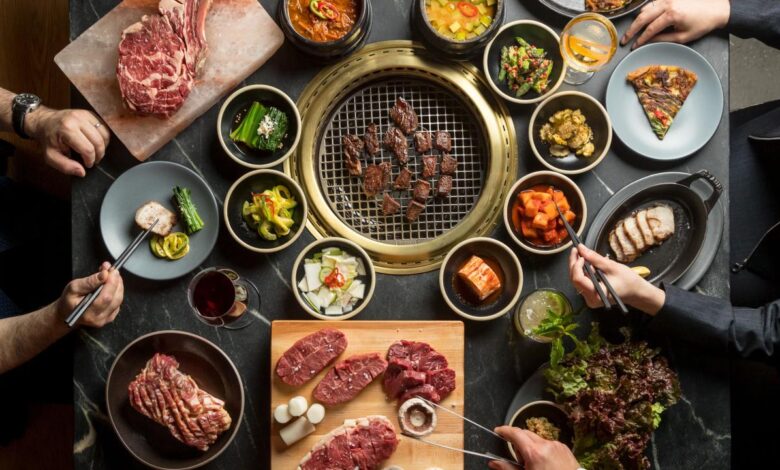
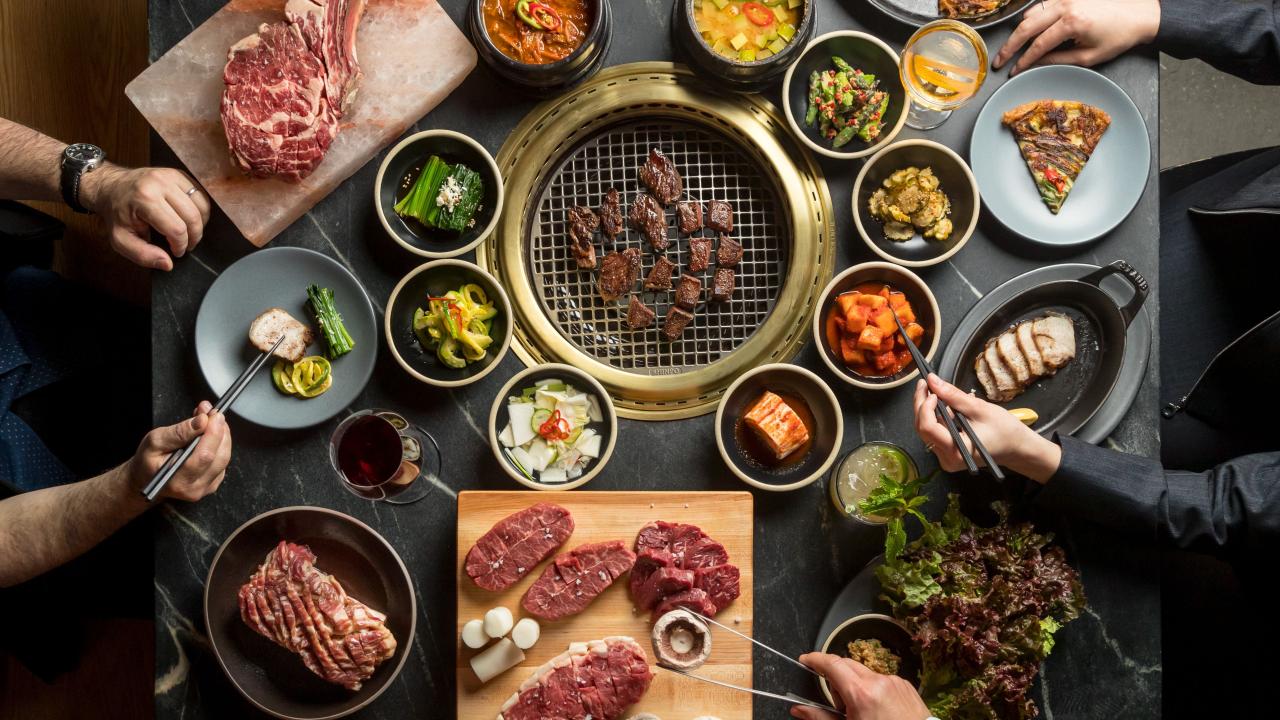
Korean cuisine boasts a rich visual aesthetic. In NYC restaurants, especially those managed by hospitality groups, presentation often incorporates traditional Korean elements, such as meticulously arranged banchan (small side dishes), garnishes, and artful plating techniques. Contemporary interpretations are also prominent, blending traditional methods with modern design principles. The aim is to create an appealing visual experience that complements the flavors and textures of the dishes.
Examples include beautifully sculpted appetizers, strategically placed garnishes, and aesthetically pleasing arrangements of ingredients.
Culinary Trends
Several culinary trends are observable in the Korean restaurants operated by hospitality groups. One is the growing interest in showcasing authentic regional Korean flavors. This includes highlighting the distinct tastes and preparation methods associated with various regions, enhancing the overall dining experience. Another trend is a focus on seasonal ingredients, reflecting a commitment to freshness and quality.
This translates to dishes featuring local produce and ingredients in season, maximizing the flavor profile of each dish. Finally, innovative reinterpretations of traditional Korean dishes are gaining traction. This involves taking inspiration from traditional methods while introducing modern techniques, creating dishes that are both familiar and exciting.
Role of Food Quality and Presentation in Customer Experience
Food quality and presentation are inextricably linked to the customer experience. A well-presented dish, with high-quality ingredients, evokes a sense of value and care. This positive perception can translate into a more enjoyable dining experience, encouraging repeat visits and positive reviews. The careful attention to detail in both presentation and quality can enhance the overall dining experience and leave a lasting impression on customers.
Authentic Ingredients and Techniques
Hospitality groups often prioritize the use of authentic ingredients and techniques. This dedication to traditional methods ensures that the flavors and textures of the dishes reflect the heart of Korean cuisine. Restaurants that source ingredients from reputable suppliers and maintain strict adherence to traditional recipes tend to gain a reputation for authenticity, which can be a significant draw for customers seeking a genuine Korean dining experience.
There’s a noticeable trend towards showcasing regional variations in ingredients and preparation methods, offering customers a broader understanding and appreciation of Korean culinary diversity.
I’ve been digging into the NYC Korean restaurant hospitality scene lately, and it’s fascinating how passionate the owners are about creating a welcoming atmosphere. However, recent news about the retraction of a study on abortion pills ( abortion pills study retraction ) highlights the complexities of research and the importance of reliable information. Ultimately, the focus should always be on maintaining the high standard of hospitality that NYC Korean restaurants are known for.
Staff Training and Development
Investing in staff training is paramount for any successful restaurant, especially in the competitive NYC Korean dining scene. A well-trained staff translates directly to a superior customer experience, contributing significantly to a restaurant’s reputation and profitability. Thorough training programs equip employees with the knowledge and skills needed to provide exceptional service, handle diverse situations, and foster a welcoming environment for every patron.Effective staff training programs go beyond basic procedures.
They delve into the nuances of customer service, cultural sensitivity, and leadership principles. This comprehensive approach ensures that every employee, from front-of-the-house servers to back-of-the-house chefs, understands their role in upholding the restaurant’s brand and delivering a consistently positive experience.
Training Programs Used by NYC Korean Restaurant Hospitality Groups
NYC Korean restaurant groups often employ a multi-faceted approach to staff training. This encompasses both initial onboarding and ongoing development. A common practice involves a combination of classroom-style sessions, hands-on practical exercises, and role-playing scenarios. These programs focus on both the technical aspects of the job, like food preparation and service protocols, and the softer skills, such as communication and conflict resolution.
Importance of Staff Training for Delivering Quality Service
Staff training is crucial for delivering quality service in any restaurant. It establishes a consistent standard of service, ensuring that every customer receives a comparable experience. Well-trained staff can handle unexpected situations with composure and professionalism, contributing to a positive perception of the restaurant. Effective training empowers employees to anticipate customer needs and provide proactive service, going above and beyond basic expectations.
This proactive approach can lead to increased customer loyalty and positive word-of-mouth referrals.
Methods Used to Improve Customer Service Skills
Restaurants utilize a variety of methods to enhance customer service skills. Role-playing exercises allow employees to practice handling various customer scenarios in a safe and supportive environment. Customer feedback analysis is another critical tool. By analyzing customer comments and reviews, restaurants can identify areas for improvement in service protocols and employee interactions. Regular coaching sessions provide personalized feedback and guidance to individual staff members, focusing on specific areas for growth.
Importance of Cross-Cultural Understanding for Staff Members, Nyc korean restaurants hospitality group
In the diverse NYC culinary landscape, cross-cultural understanding is vital. NYC Korean restaurants often attract patrons from various backgrounds, requiring staff to demonstrate cultural sensitivity and awareness. Training programs frequently incorporate modules on Korean customs, etiquette, and communication styles, helping employees anticipate and address potential cultural misunderstandings. This includes learning how to communicate effectively with customers from different linguistic and cultural backgrounds.
This fosters a welcoming and inclusive atmosphere, enhancing the overall dining experience.
Role of Leadership Training for Managers within the Groups
Effective leadership is essential for successful restaurant operations. Leadership training programs for managers within the hospitality groups often focus on communication, delegation, conflict resolution, and motivating staff. These programs equip managers with the tools to lead their teams effectively, fostering a positive and productive work environment. This, in turn, translates to improved service quality and customer satisfaction.
Strong leadership is vital for maintaining consistent standards and fostering a strong team dynamic within the restaurant.
Technology Integration
Technology is rapidly transforming the hospitality industry, and Korean restaurants in NYC are no exception. Leveraging technology effectively can streamline operations, enhance customer experiences, and ultimately boost profitability. From online ordering and reservations to mobile apps and sophisticated point-of-sale systems, the integration of technology is becoming increasingly crucial for success.
Online Ordering and Reservation Systems
Online ordering and reservation systems are now essential tools for modern restaurants. These systems allow customers to place orders from their smartphones or computers, significantly reducing wait times and improving the overall dining experience. They also offer valuable data insights into customer preferences and order patterns, helping restaurants optimize inventory management and staffing schedules. For example, a restaurant can track popular dishes and adjust their inventory accordingly, ensuring they have enough ingredients on hand to meet demand.
Similarly, online reservation systems allow customers to book tables at their convenience, reducing the need for phone calls and simplifying the process.
Mobile Apps and Other Digital Tools
Mobile apps are becoming increasingly popular for interacting with customers. These apps can offer loyalty programs, exclusive deals, and personalized recommendations, fostering customer engagement and brand loyalty. Furthermore, digital tools like online review platforms and social media channels play a vital role in building a restaurant’s reputation and attracting new customers. A well-maintained online presence, actively engaging with reviews and social media comments, can significantly impact a restaurant’s success.
Integration into the Dining Experience
Technology can be seamlessly integrated into the overall dining experience. For instance, interactive menus on tablets can provide detailed information about dishes, ingredients, and nutritional values, enhancing the dining experience for customers seeking more detailed information. Table ordering systems can allow diners to order directly from their tables, eliminating the need for lengthy wait times to order from staff.
This streamlined approach can greatly enhance the overall dining experience. Furthermore, integrating QR codes for payment and digital menus can facilitate contactless transactions, addressing hygiene concerns and enhancing customer convenience.
I’ve been digging into the NYC Korean restaurant scene lately, and the hospitality group aspect is really fascinating. While geopolitical events like the ongoing Gaza cease fire negotiations between Russia and NATO ( gaza cease fire russia nato ) dominate headlines, it’s still important to appreciate the amazing food and service we have right here in our own neighborhoods.
These NYC Korean restaurants are truly a testament to the power of great customer service.
Technology Integration Levels Across Restaurants
| Restaurant | Online Ordering | Reservation System | Mobile App | Point-of-Sale (POS) System | Interactive Menus |
|---|---|---|---|---|---|
| Restaurant A | Yes (Basic) | Yes (Basic) | No | Yes (Basic) | No |
| Restaurant B | Yes (Advanced) | Yes (Advanced) | Yes | Yes (Advanced) | Yes |
| Restaurant C | Yes (Basic) | Yes (Basic) | No | Yes (Basic) | No |
This table provides a simplified comparison of technology integration across three sample restaurants within the group. Restaurant B demonstrates a more advanced approach to technology integration, offering a comprehensive range of digital tools. Restaurant A and C show a more basic integration of technology, highlighting the diverse range of adoption strategies across the group.
Future Trends in NYC Korean Restaurants
The NYC Korean restaurant scene is vibrant and dynamic, constantly evolving to meet the needs and desires of its diverse clientele. From innovative culinary creations to technological advancements, the future of these establishments is brimming with potential. Understanding these trends is crucial for success in this competitive market.
Potential Future Trends in Culinary Innovation
Korean cuisine is renowned for its diverse flavors and preparation methods. The future likely holds a fusion of traditional techniques with modern culinary approaches. Expect to see creative interpretations of classic dishes, incorporating global influences while maintaining core Korean flavors. This could manifest in unique combinations of ingredients, innovative presentation styles, and an exploration of lesser-known regional Korean cuisines.
Restaurants may also focus on highlighting the health benefits of specific ingredients or dishes, appealing to health-conscious diners.
Impact of Emerging Dining Preferences
The evolving dining preferences of New Yorkers are shaping the future of the industry. This includes a growing demand for healthier options, smaller portions, and ethically sourced ingredients. Korean restaurants will need to adapt to these trends by offering dishes with lower calorie counts, lighter ingredients, and vegetarian/vegan options. The rise of plant-based diets is a significant factor, influencing the development of novel vegetarian and vegan Korean dishes.
A focus on environmentally sustainable practices, such as using locally sourced ingredients and reducing food waste, will also likely gain prominence.
Technology Integration and its Role
Technology will continue to play a significant role in enhancing the dining experience and streamlining operations. This includes the implementation of online ordering systems, mobile payment options, and interactive menus. Restaurants might also utilize virtual reality (VR) or augmented reality (AR) technologies to showcase the preparation process of dishes or to provide immersive dining experiences. For example, a restaurant could use AR to overlay historical information about the ingredients or cooking methods on the table.
Innovative Approaches to Hospitality
Beyond food and technology, innovative approaches to hospitality will be critical. Restaurants are expected to prioritize personalization, building strong customer relationships, and creating memorable experiences. This includes tailoring menus to individual preferences, providing personalized recommendations, and offering unique service packages. For instance, some restaurants might partner with local artists to create themed dining experiences or offer curated wine pairings specific to particular dishes.
The goal will be to transform the dining experience into a memorable event, rather than just a meal.
The Influence of Social Media and Online Reputation
The importance of social media presence and online reputation management will only increase. Restaurants will need to actively engage with customers on platforms like Instagram and TikTok to showcase their dishes, ambiance, and service. Positive reviews and engaging content will be crucial for attracting new customers and maintaining brand loyalty. Building an authentic brand voice, responding to customer feedback promptly, and leveraging user-generated content will be key strategies.
Last Recap
In conclusion, NYC Korean restaurants hospitality groups are vital components of the city’s vibrant culinary scene. They demonstrate a commitment to quality, service, and innovation, reflecting the evolving tastes and preferences of New York’s diverse population. The future of these groups promises exciting developments as they continue to adapt and embrace new technologies and trends.
Key Questions Answered
What are some common business models used by NYC Korean restaurant hospitality groups?
Common models include franchising, shared ownership, and centralized management systems. Some groups focus on a specific cuisine within the Korean spectrum, while others maintain a broader menu.
How do these groups handle customer feedback?
Effective feedback mechanisms, including online platforms, surveys, and direct communication, are used. Many groups actively respond to reviews and address customer concerns to improve service.
What are some emerging trends impacting NYC Korean restaurants?
The integration of technology, increased emphasis on authentic cuisine, and a growing demand for unique dining experiences are shaping the future of these restaurants.
What is the typical price range for restaurants within these hospitality groups?
The price range varies significantly depending on the specific restaurant and the type of dining experience offered. Casual eateries tend to be more affordable, while fine-dining establishments will have higher price points.