
Silky Salmon at the Push of a Button
Silky salmon at the push of a button – imagine perfectly cooked, melt-in-your-mouth salmon, prepared with minimal effort, all thanks to advanced technology. This exploration delves into the culinary and technological aspects of achieving this dream, from the nuances of silky salmon texture to the efficiency of automated kitchen systems. We’ll uncover the potential benefits and drawbacks of this futuristic approach to cooking.
The concept of “silky salmon at the push of a button” blends the exquisite culinary art of preparing salmon with the modern convenience of automation. We’ll examine the texture and flavor characteristics of this delicate fish, comparing traditional cooking methods to innovative automated systems. This discussion also touches upon the historical context of automation, its implications for the culinary industry, and the potential impact on chefs and consumers.
Understanding the Concept
The phrase “silky salmon at the push of a button” evokes a sense of effortless convenience and perhaps a touch of futuristic aspiration. It suggests a seamless process, where a simple action leads to a desired result, implying a highly efficient and perhaps automated system. This conceptualization often carries an element of wonder and delight.The phrase “silky salmon at the push of a button” implies a highly streamlined and automated process for obtaining or producing a particular type of salmon.
Literally, it refers to the ease of accessing or procuring salmon. Figuratively, it symbolizes the ease and speed of access to high-quality products or services in a technologically advanced society. This interpretation often connects to themes of progress, convenience, and efficiency.
Possible Contexts
This phrase can be used in various contexts, from simple everyday scenarios to more complex, futuristic settings. Imagine a restaurant using automated ordering and preparation systems, delivering perfectly cooked, silky salmon within minutes. Or, consider a futuristic society where food production is entirely automated, with customers ordering and receiving high-quality ingredients with a simple touch. These examples demonstrate how this phrase transcends simple literal meaning and incorporates figurative meanings.
Scenarios of Relevance
The phrase “silky salmon at the push of a button” is relevant in a variety of scenarios, highlighting the potential of automation in food production and delivery.
- Automated Restaurant Ordering: Imagine a futuristic restaurant where customers order their meal through a touch screen, specifying their desired preparation method and preferences. A sophisticated robotic kitchen system then flawlessly prepares the dish, delivering it to the table in record time. The salmon, cooked to perfection, is a testament to this seamless process.
- Home Food Delivery: A customer uses a smart home device to order a meal. The device communicates with a local automated kitchen, and a robotic delivery system brings the order directly to the customer’s door. This scenario emphasizes the integration of technology into daily life, making obtaining high-quality food effortless.
- Future Food Production: In a society with advanced food production technologies, individuals can access high-quality, sustainably-sourced ingredients with a simple command. This concept implies a world where food quality is ensured, and access is immediate.
Emotional Responses
The phrase “silky salmon at the push of a button” can elicit a range of emotional responses, from excitement and wonder to a sense of comfort and ease. The very idea of such convenience can inspire feelings of anticipation and satisfaction. It also raises questions about the future of food production and consumption.
Exploring Culinary Aspects
Silky salmon, a culinary delight, boasts a unique texture that sets it apart from other salmon varieties. This delicate quality stems from careful handling and preparation methods. The smooth, almost melt-in-your-mouth texture is a result of specific cooking techniques and ingredients that enhance the natural tenderness of the fish. This exploration delves into the characteristics of silky salmon, highlighting various cooking methods and ingredients that contribute to its exquisite texture.
We’ll also examine the nutritional benefits of salmon and demonstrate a preparation method.The texture of silky salmon is characterized by its exceptional tenderness and smoothness. It has a subtle, delicate flavor that complements a wide array of seasonings and sauces. This contrasts with the firmer, more robust texture of other salmon varieties. This delicate texture is a result of specific handling and cooking techniques.
The moisture content and the protein structure are critical elements that determine the final mouthfeel.
Cooking Methods for Silky Texture
Different cooking methods can significantly impact the texture of salmon. Dry-heat methods like pan-searing or baking can lead to a firm, flaky texture. Moist-heat methods like poaching or steaming, on the other hand, result in a more delicate, silky texture. This is due to the gentle cooking process that retains moisture and tenderizes the fish.
- Poaching: This method involves cooking the salmon in a simmering liquid, typically broth or milk. The gentle heat ensures that the salmon cooks evenly and retains its moisture, resulting in a silky texture. The delicate cooking process ensures minimal loss of moisture and proteins, thus preserving the delicate flavor and smooth texture.
- Steaming: Similar to poaching, steaming cooks the salmon over hot steam. This method is excellent for preserving the natural juices and creating a tender, silky texture. The controlled environment of steaming ensures even cooking, retaining the natural flavors and delicate texture.
- Baking: Baking salmon can result in a firm texture, but with proper technique, you can achieve a silky texture. Using a baking sheet lined with parchment paper and adding a flavorful liquid like lemon juice or white wine to the baking pan will keep the salmon moist, creating a silky texture.
Ingredients Enhancing Silky Texture
Certain ingredients can enhance the silky texture of salmon by adding moisture and flavor. The choice of marinade and the use of specific ingredients significantly impact the final product.
- Marinades: Marinades, such as lemon juice, soy sauce, or herbs, can tenderize the salmon and add flavor. The acidic components in these marinades help break down the proteins, resulting in a softer texture.
- Dairy products: Incorporating dairy products like milk or cream into the cooking process can contribute to a more silky texture. The proteins in the dairy products coat the salmon, adding moisture and richness.
- Broths: Using flavorful broths during poaching or steaming can add depth of flavor and enhance the silky texture of the salmon. The broth’s nutrients also add richness and moisture to the final product.
Nutritional Value and Health Impact
Salmon is a rich source of omega-3 fatty acids, which are essential for cardiovascular health. It also provides high-quality protein, essential vitamins, and minerals. Regular consumption of salmon can contribute to a healthy diet and overall well-being.
Fresh, silky salmon, perfectly cooked at the push of a button? Sounds amazing, right? But, have you heard about the recent developments in automated food preparation, like the automated systems potentially involved in the Felicia Snoop Pearson and Ed Burns wire incident? This news has got me thinking about how these advancements might actually streamline the process of getting that silky salmon, ready to eat in an instant, perhaps even more than I had previously thought.
Now, back to my silky salmon dream – wouldn’t it be great if we could have it at the push of a button? felicia snoop pearson ed burns wire The possibilities seem endless!
- Omega-3 fatty acids: Salmon is a significant source of omega-3 fatty acids, crucial for heart health, brain function, and reducing inflammation. Studies have shown a correlation between increased omega-3 intake and reduced risk of cardiovascular diseases.
- Protein: Salmon is a lean protein source, providing essential amino acids for muscle growth and repair. It is a valuable component of a balanced diet for individuals looking to maintain or improve their physical health.
- Vitamins and Minerals: Salmon is a good source of vitamin D, vitamin B12, and selenium, all important nutrients for various bodily functions. These nutrients contribute to maintaining overall health and well-being.
Preparation Steps for Silky Salmon
The preparation steps for silky salmon involve careful handling and a controlled cooking process to maintain moisture and tenderness.
- Selecting Fresh Salmon: Choose fresh, high-quality salmon with firm flesh and a bright color. The quality of the salmon is a significant factor in achieving the desired silky texture.
- Preparing the Salmon: Pat the salmon dry with paper towels to remove excess moisture. This step is critical to ensure the salmon cooks evenly and maintains a silky texture.
- Marinating (Optional): Marinating the salmon for 15-30 minutes can enhance its flavor and tenderness. Choose a marinade that complements the salmon’s natural flavors and tenderizes the fish.
- Cooking Method Selection: Select a cooking method that best suits your desired silky texture. Poaching or steaming are ideal for achieving a smooth and tender texture.
- Cooking Time and Temperature: Monitor the cooking time and temperature to avoid overcooking the salmon, which can result in a dry texture. The cooking time will depend on the thickness of the salmon fillet.
- Serving: Serve the silky salmon immediately to maintain its tender texture. Garnish with fresh herbs, lemon slices, or other accompaniments to enhance the presentation and flavor.
Analyzing the “Push of a Button”
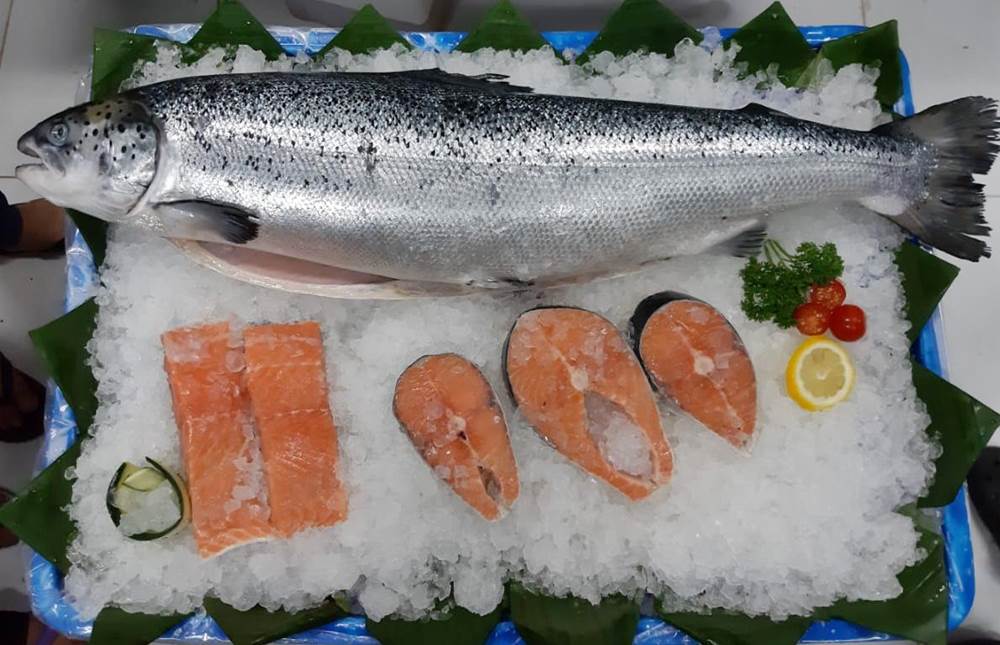
The phrase “push of a button” evokes a sense of effortless efficiency and instant gratification in our modern world. It represents a powerful connection between human action and technological output, epitomizing the streamlined nature of many services and devices. This ease of operation, however, comes with both advantages and potential drawbacks.The “push of a button” signifies a significant leap forward in terms of convenience and speed.
It represents the culmination of decades of engineering and design efforts, culminating in user-friendly interfaces that minimize complexity. This accessibility transcends specific technologies, encompassing a wide range of applications.
Significance in Modern Context
The “push of a button” holds profound significance in modern society. It embodies the concept of automation, where human intervention is minimized, and tasks are executed with speed and precision. This streamlined approach is critical in various sectors, from manufacturing and logistics to customer service and entertainment.
Examples of Technologies and Services
Numerous technologies and services rely on the “push of a button” concept. Online banking, where transactions are initiated with a few clicks, is a prime example. Similarly, online ordering systems for food delivery, ride-sharing services, and even automated home appliances exemplify this streamlined approach. These examples showcase the pervasive nature of this concept in our daily lives.
Efficiency and Convenience Implied, Silky salmon at the push of a button
The “push of a button” inherently implies efficiency and convenience. By eliminating manual steps, automation reduces processing time and human error, leading to faster results and greater accuracy. This efficiency translates to cost savings and increased productivity in numerous industries. This efficiency is exemplified by the speed of online transactions and the instantaneous nature of many automated systems.
Potential Drawbacks and Limitations
Despite the benefits, automation and the “push of a button” concept present potential drawbacks. Over-reliance on automation can lead to a decline in essential skills and knowledge, creating a potential vulnerability in the event of system failures. Moreover, security concerns are heightened when sensitive data and processes are automated, as breaches can have severe consequences. Job displacement is another critical consideration, as automation often replaces human workers in specific roles.
Fresh, silky salmon, perfectly cooked at the push of a button, is a culinary dream come true. However, the current geopolitical climate, with the recent Israel-Gaza cease fire impacting global markets, could potentially affect the price of ingredients like salmon. Fortunately, high-quality, sustainable options are still readily available, meaning you can still enjoy that delicious silky salmon at the push of a button, even with the current situation.
israel gaza cease fire is a complex issue, but thankfully, we can still indulge in our culinary passions.
Historical Context of Automation and Technology
The concept of automating tasks through mechanisms and technology has roots in the industrial revolution. Early mechanical devices, like automated looms, and the subsequent development of programmable computers and software have progressively increased the scope and impact of automation. This historical evolution has led to the widespread automation seen in our modern world, exemplified by the increasing prevalence of automated manufacturing processes and online services.
This evolution has profoundly impacted societal structures and labor markets.
Connecting the Two Concepts
Bridging the gap between traditional and modern salmon preparation methods is crucial for understanding the evolution of culinary techniques and the impact of automation. This exploration delves into the comparative aspects of effort, time, and the resultant taste and texture, highlighting the significant shift from hands-on techniques to automated processes. It illuminates how the “push of a button” concept translates to a streamlined approach in preparing silky salmon.Understanding the interplay between traditional and modern methods allows for a nuanced appreciation of the culinary journey, revealing the strengths and limitations of both approaches.
Fresh, silky salmon at the push of a button is a dream, right? Thinking about that perfect dinner, and how convenient it all is, makes me wonder about the latest trends at fashion week. Especially the exciting designs at saint laurent dior paris fashion week. Still, nothing beats that perfectly cooked salmon, though. It’s a culinary delight, a culinary masterpiece, really.
The subsequent sections will analyze this connection through tables comparing preparation methods, illustrating technique evolution, and examining the automation potential.
Comparing Traditional and Modern Salmon Preparation
Traditional salmon preparation methods often involve meticulous hand-work, requiring significant time and expertise. Modern methods, conversely, leverage technology to expedite the process. This table highlights the key distinctions:
| Characteristic | Traditional Method | Modern Method (e.g., “Push of a Button”) |
|---|---|---|
| Preparation Time | Variable, often lengthy, depending on the technique | Significantly reduced; often instantaneous or near-instantaneous |
| Skill Level Required | High, demanding expertise in techniques like searing and marinating | Lower; minimal skill required to operate the device |
| Equipment | Basic cookware (skillets, pans, ovens) | Specialized equipment designed for automated cooking |
| Ingredient Precision | Often less precise in terms of temperature and timing | Highly precise, ensuring consistent results through automated controls |
| Effort Level | High; extensive physical involvement | Low; minimal physical interaction required |
| Customization | High; allows for greater control over seasoning and cooking style | Moderate; some customization options might be available, but generally more standardized |
Evolution of Cooking Techniques for Salmon
The evolution of salmon cooking techniques reflects the ongoing quest for efficiency and innovation. This table showcases this development:
| Era | Technique | Description |
|---|---|---|
| Ancient | Direct grilling over open fire | Simple, direct heat application |
| Medieval | Baking in earthenware | Cooking in a contained environment |
| Industrial | Pan-frying, broiling | More controlled heat applications |
| Modern | Sous Vide, automated cookers | Precision cooking methods, reduced preparation time |
Effort Required for Traditional vs. Modern Preparation
This comparison focuses on the physical and mental effort needed for both approaches:
| Aspect | Traditional Method | Modern Method |
|---|---|---|
| Physical Effort | High; extensive hand-work, potentially heavy lifting | Low; minimal physical interaction required |
| Mental Effort | High; requires concentration on technique and timing | Low; minimal thought required beyond operating the machine |
| Time Commitment | Variable; often considerable | Significantly reduced |
Relating “Push of a Button” to Silky Salmon Automation
The “push of a button” concept in preparing silky salmon relates to automating the entire process. Automated systems, employing precision controls and techniques like sous vide, can yield consistently silky results. The user initiates the process with a single command, and the machine takes over, ensuring consistent temperature and cooking times. This eliminates the need for manual adjustments and monitoring.
Imagine silky salmon, perfectly cooked at the push of a button. That futuristic convenience, though, is a stark contrast to the tragic incident involving armorer Alec Baldwin on the set of “Rust,” armorer Alec Baldwin rust shooting , reminding us that even seemingly simple processes can hide unforeseen dangers. Ultimately, though, we can still enjoy the delicious, readily available silky salmon without any worries.
Taste and Texture Differences
Traditional methods can yield highly flavorful salmon, but the consistency and texture can vary. Modern automated techniques, especially sous vide, offer exceptional control over cooking parameters, leading to consistently moist, flaky, and silky textures. The taste difference is often subtle, depending on the specific technique and seasoning choices. However, automation allows for standardized recipes with consistent results, potentially appealing to those prioritizing repeatability.
Visualizing the Concept: Silky Salmon At The Push Of A Button
Imagine a future kitchen, sleek and silent, where culinary artistry meets automated precision. Silky salmon, a culinary delight, is prepared with minimal effort, a testament to advanced technology. This section will explore various visual representations of this concept, showcasing the elegance and efficiency of the process.
A Plate of Silky Salmon
A high-quality image depicts a pristine white plate, showcasing a perfectly seared fillet of silky salmon. Delicate, translucent flakes shimmer under a soft, diffused light, hinting at its tender texture. The plate is positioned in the center of a minimalist, futuristic kitchen setting. The background features sleek, stainless steel countertops and walls, integrated with glowing, automated appliances.
A subtle, almost ethereal, ambient light illuminates the entire scene, emphasizing the salmon’s exquisite presentation. The surrounding area is clean and uncluttered, emphasizing the simplicity of the preparation process.
Fancy a silky salmon dinner at the push of a button? Ordering fresh, high-quality fish online is becoming increasingly popular, but the current housing market near nyc is making it a bit tougher for some. Still, the convenience of getting delicious, silky salmon delivered right to your door is hard to beat, and the ease of online ordering makes it a great option for busy weeknights.
The Automated Preparation Process
A graphic illustrates the automated preparation of silky salmon. The graphic shows a series of steps: a robotic arm delicately taking the salmon fillet from a refrigerated compartment. It then moves it to a specialized pan, which rapidly heats up to the precise temperature for the ideal searing process. Next, a vacuum-sealed container automatically applies a precise marinade, enhancing the salmon’s flavor.
The final step depicts the robotic arm placing the perfectly cooked salmon onto a pristine plate, showcasing the efficiency of the system. The graphic’s color palette is vibrant and modern, with gradients reflecting the temperature and the stages of preparation.
The Silky Salmon Appliance
Imagine a sleek, modern kitchen appliance, resembling a polished, stainless steel obelisk. This appliance features a touch screen interface, where users can input the desired cooking time, temperature, and marinade type for their salmon. Multiple compartments within the appliance hold pre-portioned ingredients and marinades, ensuring consistent results. The exterior displays a series of indicators, confirming the progress of the cooking process.
Its design is both functional and aesthetically pleasing, blending seamlessly with the overall aesthetic of the modern kitchen.
A Chef Using Advanced Technology
An image portrays a chef effortlessly preparing silky salmon using advanced technology. The chef, dressed in a modern, form-fitting uniform, interacts with the automated kitchen system through a series of intuitive gestures. The chef’s movements are precise and confident, highlighting the ease of use of the advanced technology. The chef’s expression is focused and calm, indicating the high level of skill and the seamless integration of the technology into the workflow.
The chef’s expertise is complemented by the seamless operation of the automated systems.
Robotic Precision
A captivating image depicts a robotic arm delicately placing a perfectly cooked fillet of silky salmon onto a pristine white plate. The arm’s movements are precise and controlled, ensuring each piece of salmon is positioned with flawless accuracy. The robotic arm is highlighted against a backdrop of automated kitchen equipment, emphasizing the efficiency and precision of the process.
The perfectly cooked salmon, with its translucent flakes and subtle sear marks, is showcased to its full potential. The scene conveys a sense of controlled elegance.
Potential Applications and Implications
The “silky salmon at the push of a button” concept, while intriguing, presents a wide array of potential applications and implications across various sectors. This automated system, beyond simply preparing salmon, could revolutionize food preparation and potentially reshape the culinary landscape, the food industry, and even consumer behavior.The impact of this technology extends far beyond the kitchen, touching on economics, sociology, and the future of culinary professions.
Understanding these implications is crucial for assessing the true potential and pitfalls of such an innovation.
Potential Applications of Automated Salmon Preparation
Automated salmon preparation, like any form of automation, opens doors to diverse applications. From mass production in restaurants and catering services to personalized meal preparation in homes, the possibilities are extensive. This technology could streamline production in large-scale kitchens, reducing preparation time and increasing output. This is particularly significant for establishments serving large volumes of customers. Smaller scale applications could also be explored, enabling home cooks to easily and efficiently prepare salmon.
Impact on the Culinary Industry
Automation will inevitably reshape the culinary industry. It will alter the skill sets required for chefs and culinary professionals. The emphasis will shift from purely manual preparation to overseeing and optimizing the automated processes. The role of the chef could evolve into a more strategic and creative one, focused on recipe development, ingredient sourcing, and overall menu design.
It’s a transition requiring adaptation and upskilling for existing professionals.
Economic Consequences of Automating Salmon Preparation
The economic consequences of automated salmon preparation are complex. Initial investment costs will likely be substantial, potentially creating a barrier for smaller businesses. However, long-term benefits, such as reduced labor costs and increased efficiency, could lead to significant cost savings. This automation could drive down prices for consumers, potentially increasing access to high-quality salmon.
Social and Cultural Implications
This technology could impact social and cultural norms surrounding food preparation and consumption. The ease of preparing salmon could lead to more frequent consumption, influencing dietary habits. It also raises questions about the role of human interaction in the food preparation process, potentially shifting the social dynamic around cooking and dining.
Potential Impact on Chefs and Culinary Professionals
The introduction of automated salmon preparation will undeniably affect chefs and culinary professionals. Traditional tasks of filleting and portioning will likely be automated, requiring chefs to adapt their skills and focus on new areas. This includes developing creative recipes that utilize the automated system’s output and tailoring menus for specific customer needs and preferences. The roles of chefs may evolve from being primarily hands-on preparers to being more strategic culinary artists, managers, and designers.
Ending Remarks
In conclusion, “silky salmon at the push of a button” presents a fascinating intersection of culinary artistry and technological advancement. While automation promises efficiency and convenience, it also raises questions about the future of cooking and the role of human chefs. The potential for perfectly prepared salmon with minimal effort is undeniable, but the true impact of this technology will depend on how it is integrated into the existing culinary landscape.
FAQ Resource
What are some common ingredients that enhance the silky texture of salmon?
Lemon juice, soy sauce, ginger, and herbs like dill or parsley can help achieve a silky texture in salmon, while maintaining its delicate flavor. Different cooking methods might also use ingredients like cream or broth for a smoother result.
What are the potential drawbacks of automating salmon preparation?
Potential drawbacks include the loss of human creativity and skill in the culinary process. Also, the initial cost of the technology might be prohibitive for some, and there might be issues with maintaining consistency and precision in the automated process.
How does the “push of a button” relate to automating the preparation of silky salmon?
The phrase “push of a button” symbolizes the ease and speed of automated processes. It highlights the simplicity of executing a task through technological intervention, which in this case, would automate the steps involved in preparing silky salmon.
What are some examples of technologies or services where the “push of a button” is relevant?
Examples include online ordering systems, self-checkout kiosks, and automated teller machines. Essentially, any service that streamlines a process by requiring minimal human interaction fits this description.