

SCOTUS Admissions West Point A Deep Dive
SCOTUS admissions West Point: exploring the intersection of Supreme Court appointments and the prestigious military academy. This post delves into the historical context, legal precedents, and admissions criteria of both institutions, examining the interplay of diversity, potential conflicts, and illustrative examples.
From the historical treatment of various demographics in both institutions to the evolving societal perspectives on access and opportunity, this analysis provides a comprehensive overview. We’ll also explore the specific criteria used for selection, comparing and contrasting the processes. The potential conflicts and challenges inherent in these interconnected systems are also addressed.
Historical Context of SCOTUS and West Point Admissions
The Supreme Court of the United States (SCOTUS) and the United States Military Academy at West Point have profoundly shaped American society, often reflecting and sometimes challenging prevailing societal views on equality and opportunity. Their histories, though distinct, intersect in their impact on access to power and privilege. Understanding these histories reveals evolving societal perspectives on access and opportunity for different groups.The Supreme Court’s role in interpreting the Constitution and safeguarding individual rights has been instrumental in shaping educational opportunities throughout American history.
West Point, as a crucible for military leadership, has mirrored societal shifts in its admissions policies, often reflecting the broader cultural and political landscape. Examining these historical trajectories reveals both the progress and the persistent challenges in ensuring equitable access to these institutions.
Evolution of SCOTUS Appointments
The composition of the Supreme Court has evolved significantly throughout its history. Early appointments were often heavily influenced by political considerations and reflected the prevailing social hierarchies of the time. The court’s decisions have profoundly shaped the legal landscape, often with lasting implications for educational access and civil rights. The gradual expansion of the court’s composition to reflect a more diverse range of backgrounds and perspectives has occurred over decades.
Notable milestones include the appointment of the first African American Supreme Court Justice and subsequent appointments of individuals from various ethnic and racial groups, highlighting the changing social and political climate.
Historical Development of West Point Admissions
West Point’s admissions process has also undergone significant transformations. Initially, admission was largely based on social connections and elite status. Gradually, the academy adopted more formalized and structured procedures, though significant disparities persisted. This process has shifted over time to reflect a growing emphasis on meritocracy and standardized assessments, with increasing focus on diversity and inclusion in recent decades.
The presence of various socioeconomic backgrounds and racial diversity in the cadet corps has gradually increased.
Comparison of Historical Treatment of Demographics
The historical treatment of various demographics in both SCOTUS appointments and West Point admissions reveals stark contrasts and parallels. Early SCOTUS appointments were largely limited to white, male elites. Similarly, West Point’s admissions reflected a similar bias in its early years. Later, as societal attitudes toward race, gender, and socioeconomic background began to evolve, the admissions criteria and selection processes at both institutions underwent adjustments, with varying degrees of success.
Evolving Societal Perspectives on Access and Opportunity
Societal perspectives on access and opportunity have significantly evolved. Early American society often limited opportunities based on factors like race, gender, and social class. Over time, there’s been increasing recognition of the importance of equality and diversity in educational and leadership roles. This evolution is evident in the changing demographics of both SCOTUS and West Point, albeit with ongoing challenges in achieving full representation.
Legal Precedents and West Point
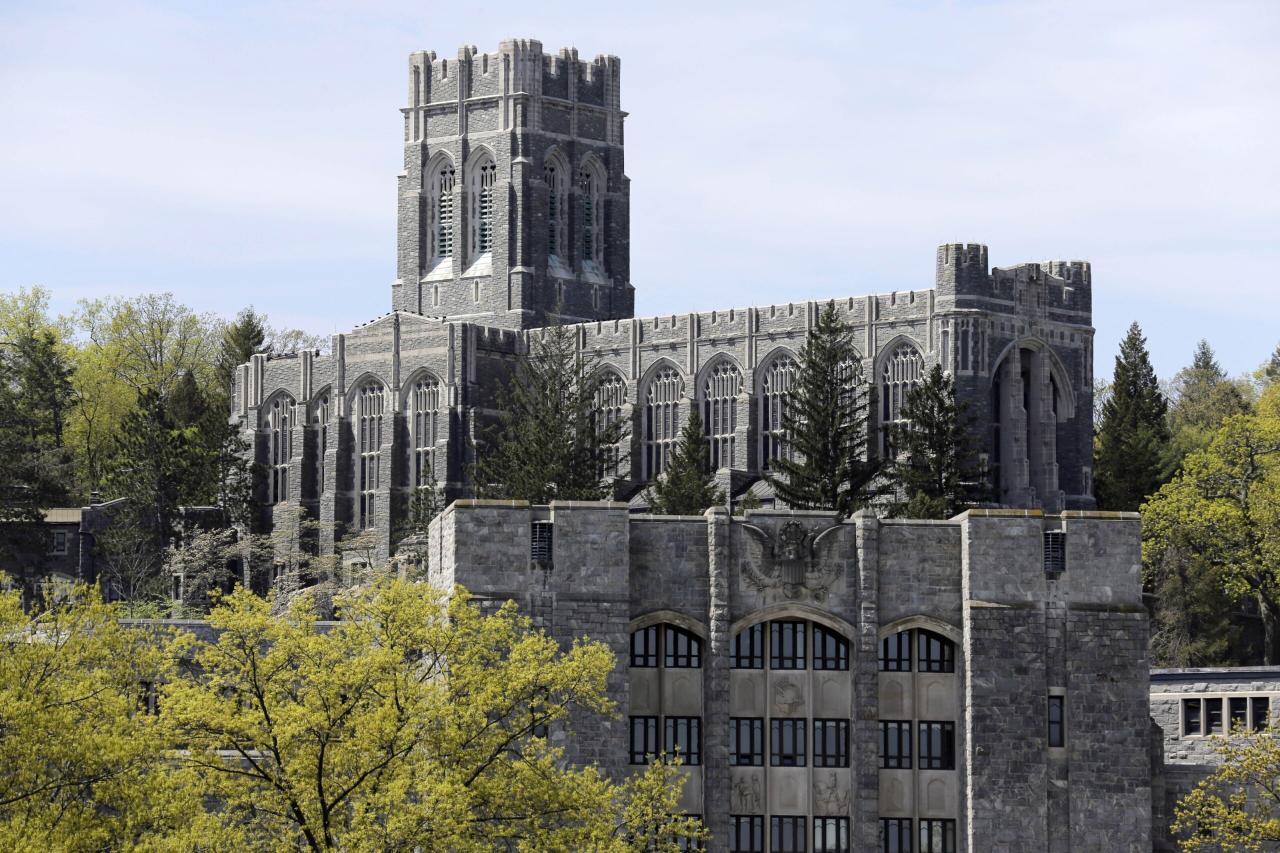
The legal landscape surrounding military academies like West Point is complex, shaped by a confluence of constitutional principles, historical precedents, and evolving societal values. Admissions policies, while aiming for meritocracy, often find themselves navigating the intricate web of legal challenges and interpretations, particularly regarding affirmative action and equal protection under the law. This exploration delves into the legal precedents that have directly or indirectly influenced West Point’s admissions processes.The legal framework governing military academies like West Point is rooted in the understanding of their unique mission and role in national security.
Their admissions policies are scrutinized through the lens of constitutional principles, with particular attention paid to the principles of equal protection, due process, and the potential for disparate impact.
Supreme Court Cases Influencing Military Admissions
Supreme Court decisions have significantly shaped the legal landscape surrounding affirmative action and its application to institutions like West Point. Landmark cases, such as
- Regents of the University of California v. Bakke* (1978) and
- Grutter v. Bollinger* (2003), have established the constitutionality of considering race as one factor among many in admissions decisions, but with strict limitations and scrutiny. These decisions provide a framework for understanding the permissible considerations in admissions policies, but also the potential legal challenges to policies perceived as discriminatory or not narrowly tailored to a compelling governmental interest.
Affirmative Action and Military Admissions
Affirmative action policies aim to address historical and ongoing disparities in educational opportunities. The Supreme Court’s rulings on affirmative action have implications for military academies. The application of these principles to military academies necessitates careful consideration of the unique mission of these institutions and the need for a qualified officer corps. The focus on merit and fitness for service in a military context requires a nuanced understanding of how race and other factors might be considered in admissions decisions.
Supreme Court (SCOTUS) admissions at West Point are always a hot topic, and this year’s process is shaping up to be intense. It’s fascinating to see how these future leaders are navigating the system. Speaking of fascinating, the recent Grammy’s coverage highlighted Tracy Chapman’s fabulous ride, a fast car, and some amazing combs, which I found quite intriguing.
tracy chapman grammys fast car combs. Ultimately, though, the focus remains on the rigorous SCOTUS admissions process at West Point, and the impressive candidates vying for a spot.
Legal Challenges to West Point Admissions Policies
While explicit legal challenges to West Point’s admissions policies are not readily apparent in public records, the principles established in Supreme Court cases create a framework for potential future challenges. Any policy that is perceived as discriminatory or not narrowly tailored to a compelling governmental interest, such as achieving a diverse officer corps, could potentially face legal scrutiny. Past legal challenges to admissions policies at other institutions provide precedents for similar arguments that might be raised against West Point.
Merit and Military Academies
The concept of merit in the context of military academies is complex. The military requires individuals with specific skills, knowledge, and attributes. Defining “merit” in this context can be subjective, leading to potential legal challenges if admissions policies are perceived as unfairly favoring certain groups or overlooking the qualifications of others. Legal arguments often center on the extent to which policies should prioritize specific skills or attributes, especially when those attributes might be disproportionately associated with specific demographic groups.
The concept of merit in admissions must consider the broad range of talents and qualifications that might contribute to the successful functioning of the military. A narrow interpretation of merit could be challenged on the grounds of equal protection and potential discrimination.
Admissions Criteria
Navigating the admissions labyrinth to prestigious institutions like the Supreme Court and West Point demands a unique approach. Both institutions, while seemingly disparate, share the common thread of selecting individuals with exceptional qualities. However, their criteria differ significantly in scope and emphasis. The Supreme Court, the highest judicial body, seeks individuals with profound legal acumen, while West Point, the premier military academy, prioritizes leadership and military aptitude.
This comparison delves into the contrasting admissions criteria for these two distinct institutions.The admission processes for the Supreme Court and West Point vary considerably. The Supreme Court’s selection hinges on a combination of factors, including legal experience, academic achievements, and a demonstrated commitment to justice. Conversely, West Point’s admission process focuses on rigorous physical and mental assessments, alongside academic prowess, and an aptitude for military service.
Understanding the specific nuances of these criteria reveals critical differences in the institutions’ goals.
Admissions Criteria Comparison
A comparative analysis highlights the fundamental distinctions in admissions criteria.
| Criteria | SCOTUS | West Point |
|---|---|---|
| Primary Focus | Legal expertise, experience, and commitment to justice. | Leadership, military aptitude, physical and mental fortitude. |
| Academic Requirements | Law degree, strong academic record, potentially prior judicial experience. | High school diploma, strong academic record, standardized test scores (e.g., SAT/ACT). |
| Experience Requirements | Relevant experience in law, potentially in government or private practice, successful advocacy. | Leadership roles in high school, extracurricular activities, community involvement. |
| Personal Qualities | Integrity, intellectual curiosity, strong analytical skills, and judgment. | Discipline, courage, integrity, strong work ethic, teamwork skills. |
Weighting of Factors
The weight assigned to various factors differs substantially.
- SCOTUS: Legal experience and reputation are often paramount. A proven track record of success in law, advocacy, and/or judicial service carries significant weight. Academic excellence, though important, might not outweigh practical legal experience. For example, a candidate with a stellar academic record but limited legal practice might be less favored compared to one with substantial courtroom experience.
- West Point: Physical fitness, leadership skills, and military aptitude are prioritized. While academic achievements are essential, their relative importance often diminishes compared to demonstrating the required physical and mental fortitude. For instance, a student with a near-perfect GPA but weak leadership skills might be less competitive than one with a slightly lower GPA but demonstrated leadership in extracurricular activities.
Metrics and Measurements
Different metrics and measurements underpin each process.
- SCOTUS: Evaluations often encompass a candidate’s legal writing samples, letters of recommendation from prominent figures in the legal community, and a comprehensive review of their professional trajectory. The Supreme Court often considers a candidate’s opinions, arguments, and legal reasoning, gauging their understanding of legal principles and their ability to apply them to real-world scenarios.
- West Point: The process involves rigorous physical fitness tests, psychological assessments, academic evaluations, and leadership evaluations. Candidates are scrutinized for their ability to perform under pressure, their resilience, and their potential to thrive in a demanding military environment. Standardized test scores, such as the SAT/ACT, serve as proxies for academic aptitude.
Educational Requirements
The educational backgrounds required for admission to both institutions also differ significantly.
The SCOTUS admissions process at West Point is notoriously competitive, and while I’m sure many applicants have fascinating stories, it’s intriguing to consider the connections between these high-stakes decisions and other intriguing events. For instance, the recent auction of the Castellucci ring at La Monnaie castellucci ring la monnaie might seem worlds away, but perhaps the dedication and determination required for success in both spheres are strikingly similar.
Ultimately, these admissions highlight the significant challenges faced by those aiming for excellence at West Point.
- SCOTUS: A law degree is the baseline requirement. Prior judicial experience or substantial legal practice is frequently considered a significant advantage. The depth of legal knowledge and experience often outweighs the specific undergraduate degree, although a strong academic record in relevant fields is expected.
- West Point: A high school diploma is the minimum requirement. A strong academic record in high school, and performance in standardized tests (SAT/ACT), is vital for consideration. While a specific major might not be a crucial determinant, demonstrating strong academic performance across subjects is usually a prerequisite.
Diversity and Representation in Both Institutions
The Supreme Court of the United States (SCOTUS) and the United States Military Academy at West Point are both institutions deeply intertwined with the fabric of American society. Understanding the levels of diversity and representation within these organizations is crucial to evaluating their impact and potential for societal progress. This examination delves into the current state of representation in both institutions, exploring demographic data, potential disparities, and the broader societal implications.The composition of these institutions reflects, and potentially shapes, the broader societal demographics.
The SCOTUS West Point admissions process is always a hot topic, but it’s interesting to consider how the challenges of winter electric grid reliability might be impacting the future of such programs. For example, the recent energy issues impacting the grid during the winter months, as detailed in winter electric grid summer , highlight the importance of resilient infrastructure for everything from national security to the daily lives of cadets.
Ultimately, the complexities of SCOTUS West Point admissions remain a fascinating area of discussion.
Examining the makeup of SCOTUS and West Point offers insight into the extent to which these institutions are inclusive and representative of the American population.
So, SCOTUS admissions at West Point are heating up, and it’s got me thinking about the latest trends. With the recent buzz around the applicants, I’m curious about how the next generation of leaders will be dressed on the field. It got me thinking about other stylish figures, like Kristin Juszczyk, who always delivers on the fashion front, and Kristin Juszczyk’s NFL fashion news is always worth a look.
Hopefully, these future West Point cadets will be just as stylish and impactful as she is. I’m excited to see what the future holds for the upcoming West Point class.
Current Levels of Diversity at SCOTUS
SCOTUS, as the highest court in the land, plays a pivotal role in shaping legal precedent and interpreting the Constitution. Understanding the diversity of its membership is important for ensuring the court reflects the diverse experiences and perspectives of the American people.
- The current Supreme Court has a relatively limited representation of racial and ethnic minorities, and women. Data from reputable sources, such as the Supreme Court’s official website and academic research, reveal this. While there have been some appointments of individuals from diverse backgrounds, the overall representation remains a subject of ongoing discussion and analysis.
Current Levels of Diversity at West Point
West Point, as a crucial institution in the U.S. military, fosters leadership and national security. Understanding its diversity is essential for assessing its ability to attract and train a diverse officer corps capable of serving in today’s complex global environment.
- West Point has made strides in increasing the representation of women and underrepresented minority groups within its student body. However, significant disparities remain, and persistent efforts are needed to further improve inclusivity and representation. Data from the U.S. Military Academy, and other reliable sources, provide insight into these trends.
Potential Disparities and Areas for Improvement
Significant disparities exist in both institutions regarding representation. Addressing these disparities requires ongoing commitment and targeted strategies.
- A lack of diversity in leadership positions in SCOTUS and West Point can potentially limit the range of perspectives considered in decision-making. This could lead to policies or judgments that do not adequately reflect the needs and concerns of all segments of society. Strategies for increasing diversity include targeted recruitment, mentoring programs, and inclusive campus environments.
- In both institutions, improving diversity requires addressing systemic barriers, such as implicit bias in recruitment processes, limited access to quality education and resources, and implicit bias in leadership selection. The implications of these disparities are substantial, impacting not only the institutions themselves but also the broader society they serve.
Societal Implications of Diversity Levels, Scotus admissions west point
The levels of diversity in SCOTUS and West Point have profound societal implications. A diverse judiciary and military leadership are crucial for upholding the principles of fairness, equality, and justice.
- A lack of diversity in these institutions can result in policies and decisions that are not reflective of the diverse experiences and perspectives of the American population. This can lead to societal inequalities and create a disconnect between those in power and those they govern. Moreover, it can affect the public’s trust in the legitimacy of both institutions.
- A diverse officer corps at West Point is vital for national security. It reflects the diversity of the nation it serves and fosters a more inclusive military that better represents the American people.
Potential Conflicts and Challenges
Navigating the intersection of legal precedent and the practical realities of admissions at West Point presents a complex landscape. While Supreme Court decisions have shaped the understanding of diversity and equal opportunity, translating these principles into concrete admissions policies faces inherent challenges. This section explores potential conflicts and suggests frameworks for addressing them.
Potential Conflicts Between Legal Precedents and West Point’s Practicalities
West Point’s rigorous selection process, prioritizing leadership qualities, academic merit, and physical fitness, may inadvertently create tension with legal mandates promoting diversity. A focus on specific attributes, while seemingly justifiable for military training, could inadvertently exclude individuals who possess crucial qualities but don’t perfectly align with these criteria. For example, a candidate with exceptional leadership experience in a non-traditional setting might not score as highly on standardized tests.
This scenario highlights the challenge of balancing essential military attributes with the legal requirement for inclusive representation.
Areas of Future Contention
Future legal challenges could arise from the interpretation of Supreme Court precedents on affirmative action and diversity. Differing opinions on the role of race or ethnicity in admissions, and how those factors should be considered alongside other attributes, could spark contention. Additionally, the ongoing debate about the definition of diversity and the specific methods used to achieve it could lead to legal scrutiny.
The necessity of considering factors beyond traditional academic metrics and military aptitude in order to ensure a truly representative corps remains a subject of discussion.
Addressing Conflicts Regarding Diversity and Opportunity
Developing a framework for managing potential conflicts requires a multi-faceted approach. The admissions process should be transparent, explicitly outlining the criteria used for evaluating applicants. Moreover, the process should clearly demonstrate how different factors, such as socioeconomic background, cultural experiences, and leadership qualities beyond traditional metrics, contribute to the overall evaluation. The use of standardized assessments should be complemented by qualitative measures, like recommendations, essays, and interviews, to ensure a holistic evaluation of candidates.
Strategies for Achieving Greater Inclusivity
Implementing strategies for greater inclusivity in both West Point and the broader military institution requires a concerted effort. This includes:
- Expanding outreach programs to underrepresented communities. These programs could target high schools, colleges, and community organizations, providing mentorship and guidance to potential candidates.
- Enhancing the pipeline of talent from diverse backgrounds through scholarships, financial aid, and targeted support systems.
- Promoting a culture of inclusion within the institution itself. This includes fostering a sense of belonging for all cadets, actively addressing any instances of discrimination or bias, and providing resources for diversity and inclusion.
- Regularly assessing and evaluating the effectiveness of the admissions process and implementing necessary changes based on data analysis and feedback.
Implementing a Holistic Evaluation System
A more holistic evaluation system, acknowledging the complexities of diversity, should be implemented. This system should account for a range of factors, including:
- Academic Performance: Traditional academic measures, including GPA, standardized test scores, and course selection.
- Leadership Experience: Demonstrated leadership qualities in extracurricular activities, volunteer work, or community involvement.
- Military Aptitude: Physical fitness scores, demonstrated commitment to military values, and leadership experiences within military settings.
- Personal Qualities: Demonstrated character, resilience, and a commitment to ethical principles, assessed through essays, interviews, and recommendations.
- Diversity Factors: Socioeconomic background, cultural experiences, and unique perspectives, evaluated through a holistic approach that does not solely rely on quantitative measures.
Illustrative Examples
Examining historical and hypothetical scenarios illuminates the complex interplay between Supreme Court appointments and West Point admissions. These examples highlight potential conflicts and the evolving legal landscape surrounding these two influential institutions. Understanding these situations is crucial for comprehending the ongoing dialogue surrounding access and equity in both domains.
A Historical Case with Admissions Impact
The landmark Supreme Court decision in
The SCOTUS West Point admissions process is always a hot topic, but lately, other international events have taken center stage. For example, the recent Netanyahu hostage deal in Rafah, as reported in netanyahu hostage deal rafah , has dominated headlines. Still, the West Point admissions process remains a critical aspect of the nation’s future leadership, and it’s vital to keep a close eye on the details.
- Brown v. Board of Education* (1954) profoundly impacted the social and legal landscape, though not directly affecting West Point admissions in a specific, traceable way. The ruling against racial segregation in public schools fundamentally shifted societal attitudes towards equality. While not a case involving West Point,
- Brown* reflected the growing societal pressure for equal opportunities, an influence that arguably fostered a broader understanding of diversity and representation that eventually could indirectly affect the future consideration of diverse applicants at West Point.
A Successful Applicant Profile
A hypothetical example of a successful applicant to both the Supreme Court and West Point would be a highly-qualified individual with a strong academic record, demonstrable leadership skills, and a profound understanding of the legal system. This individual would likely excel in rigorous academic environments, display commitment to public service, and possess a sharp intellect capable of navigating the complexities of both institutions.
Their commitment to public service, manifested in extracurricular activities and volunteer work, would be integral to their profile. Beyond academic excellence, personal qualities like strong communication skills, adaptability, and a genuine desire to serve the nation would be crucial. Such a candidate might have volunteered for legal aid organizations, demonstrating a commitment to justice and societal improvement.
The candidate’s experience at West Point would have developed leadership skills, resilience, and critical thinking abilities, complementing their legal training.
A Significant Legal Challenge Regarding West Point Admissions
A significant legal challenge regarding West Point admissions could stem from a claim of discrimination based on socioeconomic status. An applicant could argue that the admissions process disproportionately favors applicants from privileged backgrounds, potentially hindering the entry of candidates from lower-income families. This challenge could involve detailed analysis of admissions criteria, showing how specific components, such as financial aid programs, might be insufficient to address the disparity.
The challenge would likely focus on demonstrating a pattern of disadvantage and inadequate measures to promote equal opportunity among applicants.
A Hypothetical Challenge to Diversity in Admissions
A hypothetical scenario involves a legal challenge targeting diversity in the West Point admissions process. A challenge might arise from a claim that the institution’s diversity initiatives unfairly favor certain racial or ethnic groups over others. This would necessitate a careful examination of the specific diversity criteria used, demonstrating that the criteria are not arbitrary or result in an inequitable distribution of opportunities.
The challenge would likely assert that the current diversity initiatives lead to a biased outcome, potentially harming the quality of the academy or creating an environment where merit is not the primary consideration. The focus would be on showing that the criteria, while intended to promote diversity, violate the principles of equal opportunity for all qualified candidates.
Admissions Process Flowcharts
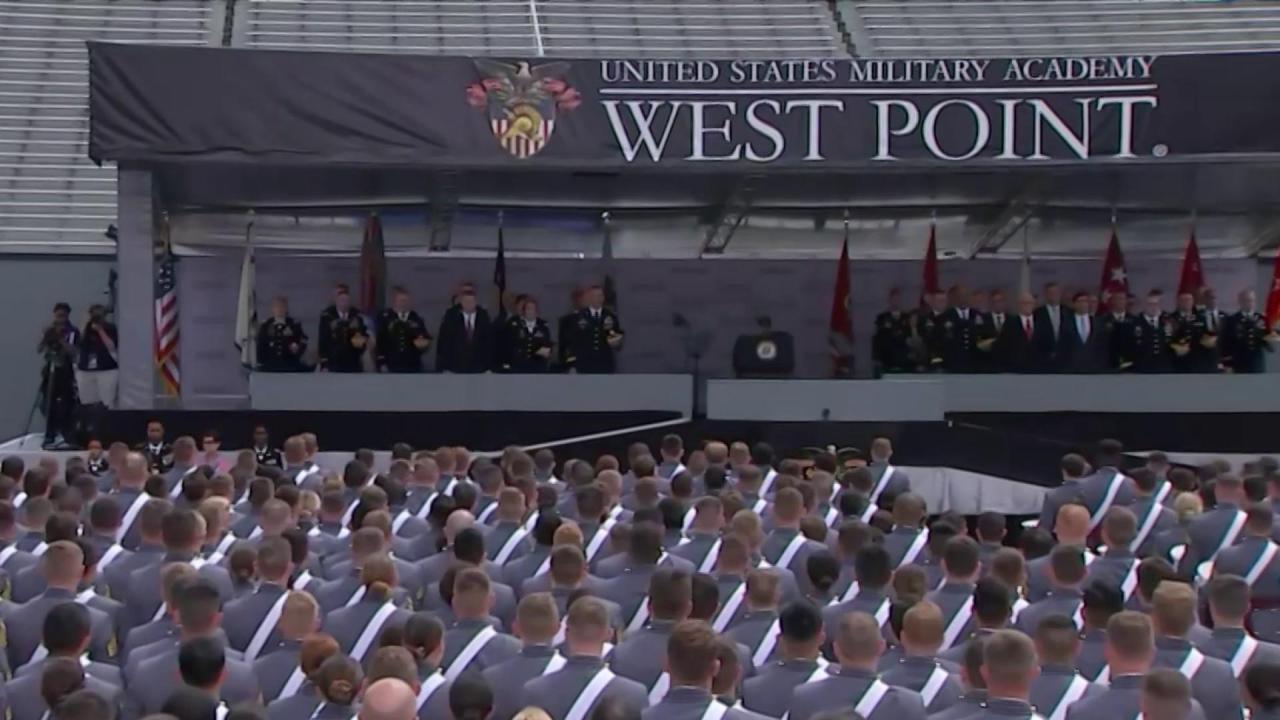
The appointment of Supreme Court Justices and the selection of cadets at West Point are both intricate processes, each with unique characteristics and historical underpinnings. Understanding the distinct pathways involved can illuminate the similarities and differences in these seemingly disparate selection methods. This section delves into the flowcharts of these processes, highlighting crucial steps and potential intersections.The processes of selecting justices and cadets, while differing in scope and purpose, share a common thread: careful consideration of merit and a rigorous vetting process.
Analyzing the flowcharts provides a clear picture of the structures and considerations behind each appointment.
Supreme Court Justice Appointment Process Flowchart
This process, while less structured than West Point admissions, still follows a discernable path. A potential vacancy is announced, followed by a period of intense speculation about potential nominees. The President, after consulting with advisors and considering various factors, selects a candidate. The Senate Judiciary Committee then holds hearings, questioning the nominee about their background, judicial philosophy, and qualifications.
After the hearings, the committee votes on whether to recommend the nominee to the full Senate. Finally, the full Senate votes on confirming the nominee. 
Note
This simplified representation omits various sub-steps and considerations, such as the role of interest groups, lobbying efforts, and political maneuvering.*
West Point Admissions Process Flowchart
The West Point admissions process is a highly structured and competitive procedure. Applications are submitted, followed by rigorous screening and testing. Academic performance, extracurricular activities, and leadership experience are evaluated. Candidates are then invited for interviews, physical fitness assessments, and background checks. Ultimately, a selection board reviews the gathered information and makes a decision based on merit.
Note
This simplified representation does not include all the intricate steps, such as the specific standardized tests and the nuanced evaluation criteria for different categories.*
Comparison and Contrast of Flowcharts
Both processes demand a rigorous evaluation of candidates, but the criteria differ significantly. The Supreme Court process prioritizes legal experience, judicial philosophy, and political considerations, while West Point emphasizes military aptitude, leadership skills, and physical fitness. Both, however, have a selection board that reviews applications and makes recommendations. The timeframes and the decision-making bodies differ markedly.
Potential Intersection of the Two Processes
A potential intersection could arise if a West Point graduate were to later be considered for a Supreme Court nomination. The rigorous training at West Point could be seen as an indicator of leadership and decision-making abilities, traits potentially valuable in the judicial branch. However, a military background does not automatically translate into legal expertise or judicial temperament.
Ultimately, the intersection is speculative, as the criteria for each process remain distinct.
Visual Representations: Scotus Admissions West Point
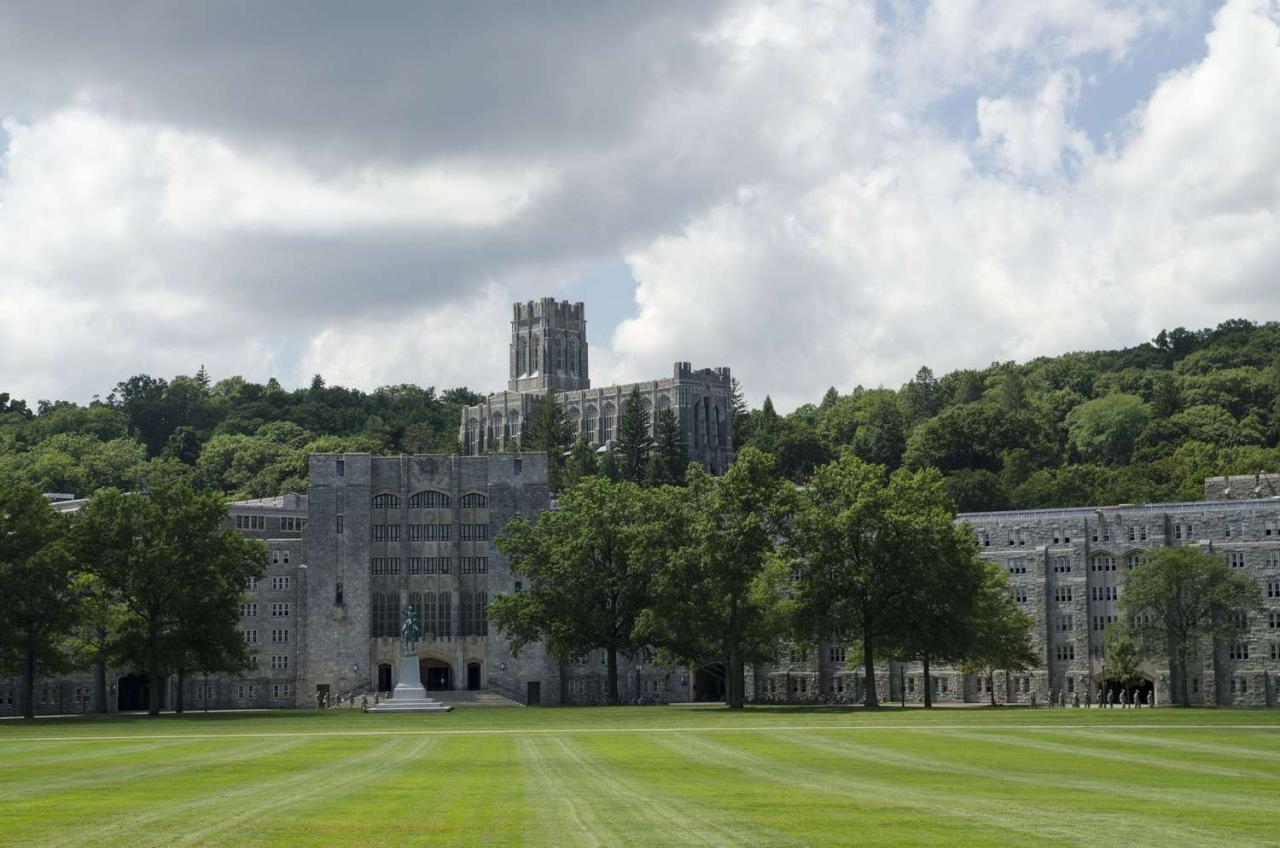
Visual representations are crucial for conveying complex relationships and data in a digestible format. They allow for a more immediate understanding of the intricate connections between the Supreme Court and West Point’s admissions process, historical context, and diversity trends. These visualizations provide a powerful tool for analysis and comparison, aiding in a deeper comprehension of the topics discussed.
Historical Relationship Diagram
This diagram, a timeline-based graphic, illustrates the interwoven history of the Supreme Court and West Point admissions. The timeline showcases key Supreme Court rulings, legislative actions, and West Point’s response to these developments. It visually demonstrates how court decisions have shaped the institution’s admissions policies over time, illustrating the dynamic interaction between legal precedent and the military academy’s practice.
For example, a significant event would be highlighted with a marker and connected to relevant court cases. This representation would also include key dates and pivotal moments in the history of both institutions.
Diversity Statistics Chart
This chart, presented as a line graph, displays the diversity statistics of both the Supreme Court and West Point over time. The x-axis represents the years, and the y-axis displays the percentage of underrepresented minority groups within each institution. The chart would clearly show trends in diversity representation, identifying periods of significant change or stagnation. It would also allow for comparison of the progress made in both institutions.
Ideally, the chart would include multiple lines, one for each significant demographic group, providing a complete picture of diversity trends.
Key Legal Precedents Infographic
This infographic, using icons and symbols, Artikels the key legal precedents impacting West Point admissions. Each precedent would be visually represented with an icon or symbol, and the infographic would include a brief description of the precedent’s significance and impact on the admissions process. It would help to organize the various rulings, emphasizing their importance in shaping the institution’s policies and practices.
For example, a case involving affirmative action could be illustrated with a symbol related to fairness or equality, with a concise explanation of the ruling’s relevance to West Point’s admissions criteria.
Significant Events Timeline
This timeline visually represents significant events in both Supreme Court appointments and West Point admissions. It would include key dates and a short description of each event. The timeline would highlight pivotal moments in Supreme Court appointments and West Point’s response to those appointments, allowing for a clear understanding of the timeline of events. For example, the appointment of a new Supreme Court Justice could be connected to changes in West Point’s admissions policies or procedures, visually demonstrating the potential impact of such appointments.
Conclusive Thoughts
In conclusion, the journey from West Point to the Supreme Court, while distinct, has a shared history rooted in legal precedent and societal expectations. The interplay of these institutions highlights the ongoing struggle for diversity and opportunity in both military service and the judicial system. This analysis underscores the importance of ongoing dialogue and adaptation to ensure fairness and inclusivity in these crucial pathways.
FAQ Corner
What is the current diversity representation at West Point?
Data on the demographic makeup of West Point’s student body is available and can be included here. The data should reflect the current levels of diversity.
How has the Supreme Court’s interpretation of affirmative action impacted West Point admissions?
Supreme Court rulings on affirmative action have influenced discussions surrounding diversity in admissions at military academies. The impact can be elaborated upon.
What are some potential future conflicts between the two institutions’ admission processes?
Future conflicts could arise from differing interpretations of merit, changing social attitudes, and evolving legal precedents. Potential areas of contention should be highlighted.
What are some strategies for achieving greater inclusivity at both institutions?
Strategies for greater inclusivity could include targeted outreach programs, revisions in admission criteria, and increased transparency in the processes. Potential strategies should be suggested.