
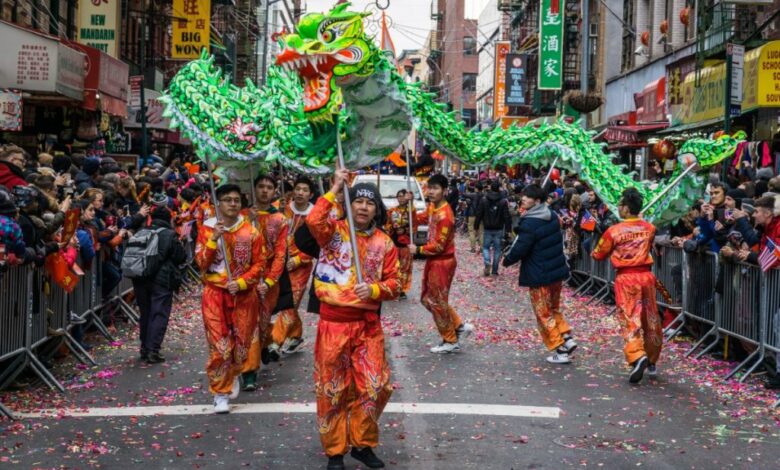
China Travel Weather Lunar New Year Guide
China travel weather Lunar New Year is a crucial factor for planning a memorable trip. The vibrant celebrations and bustling atmosphere of Lunar New Year attract millions of travelers, but the weather can significantly impact your experience. This guide delves into the typical weather conditions, travel trends, and essential planning tips for a smooth and enjoyable journey during this special time.
Understanding the typical travel patterns, including popular destinations and transportation methods, is key to making the most of your trip. We’ll explore the impact of economic factors, comparing this year’s trends to previous years. This will help you anticipate potential crowds and plan accordingly.
Lunar New Year Travel Trends in China
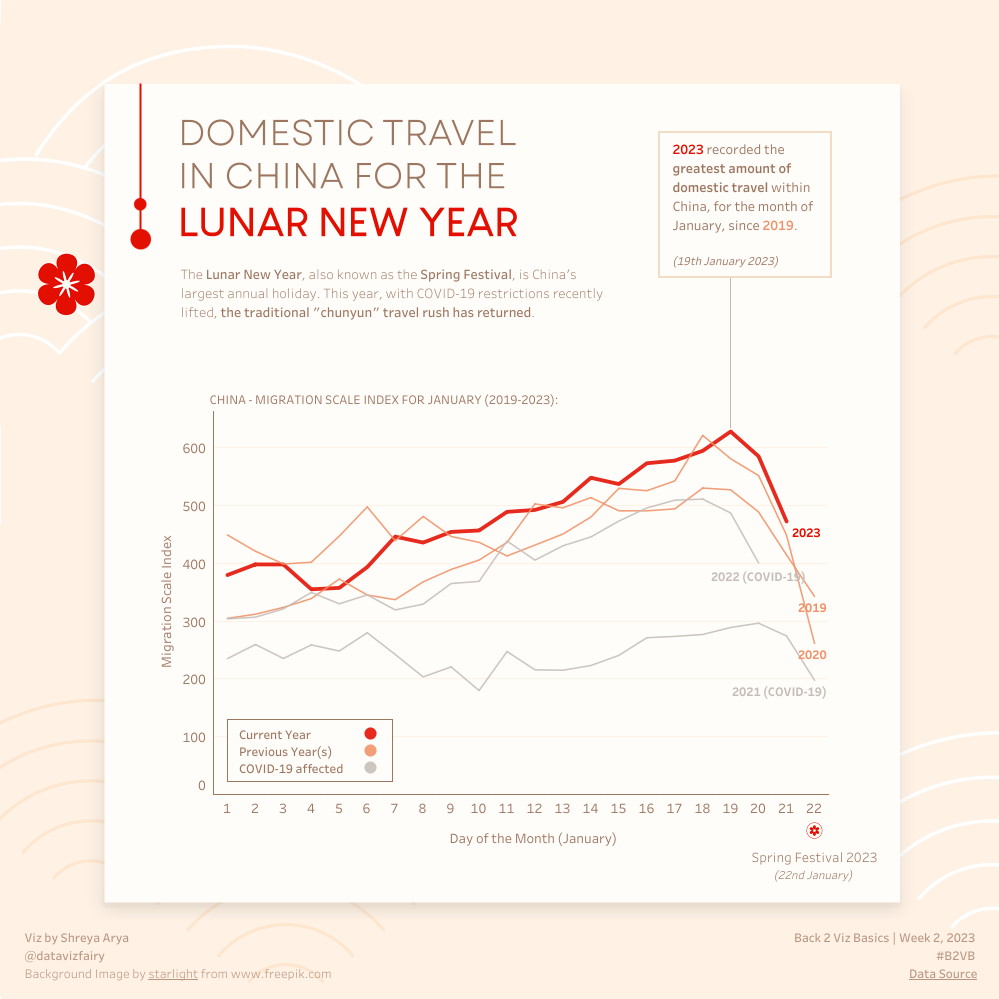
The Lunar New Year, a time of family reunions and festive celebrations, is also a period of intense travel activity in China. Millions of people embark on journeys across the country, creating a massive human migration often dubbed the “Spring Festival Rush.” This year’s trends reflect a mix of pent-up demand, economic considerations, and evolving travel preferences.This surge in travel during the Lunar New Year is a deeply ingrained cultural tradition, signifying the importance of familial connections and celebrating the new year.
The patterns of this travel are often predictable, yet with each year, some nuances emerge, demonstrating the evolving social and economic landscape of China.
Typical Travel Patterns
Lunar New Year travel patterns typically involve extensive journeys to visit family and friends. High-speed rail and air travel are increasingly common, reflecting the nation’s significant advancements in transportation infrastructure. This infrastructure often allows for a faster and more efficient travel experience compared to previous years, allowing for longer trips or visits to more distant family members. A significant portion of travelers also opt for road trips, particularly for those traveling to more rural areas.
The choice of mode often depends on the distance, budget, and personal preferences.
Popular Destinations and Transportation Methods
The top destinations during Lunar New Year often include major cities like Beijing, Shanghai, Guangzhou, and Shenzhen, as well as popular tourist spots and ancestral hometowns. This year, there’s a noticeable increase in travel to coastal regions and scenic areas, potentially driven by a desire for relaxation and experiencing the beauty of nature. Travelers are seeking destinations offering a blend of cultural immersion and natural beauty.
Comparison with Previous Years
Compared to previous years, the travel patterns are showing some interesting shifts. Increased disposable incomes and a growing middle class are leading to more luxury travel options. This is noticeable in the demand for higher-end accommodations and more extensive excursions. However, there’s also a noticeable increase in domestic tourism to less crowded and more budget-friendly locations. The trend is towards both luxury and more accessible travel options.
This reflects a broader economic trend, with individuals having more choices and preferences.
Planning a Lunar New Year trip to China? Weather forecasts are crucial, but you might also want to check out the latest news on the Biden documents investigation report takeaways, as these political events can sometimes affect travel plans. The report, available at biden documents investigation report takeaways , is certainly something to consider when deciding on your travel itinerary.
Ultimately, the best time to visit China for Lunar New Year is when the weather is pleasant and festivities are in full swing!
Motivations Behind Travel Choices
The motivations behind these travel choices are multifaceted. For many, the primary motivation is visiting family and celebrating the New Year with loved ones. This is deeply rooted in Chinese culture. For others, the holiday presents an opportunity for leisure travel, seeking relaxation and exploration. Furthermore, the desire to experience local culture and traditions often fuels travel decisions.
Impact of Economic Factors
Economic factors significantly impact travel decisions during Lunar New Year. Increased disposable incomes are allowing more people to afford longer trips or higher-quality experiences. Conversely, concerns about the economic outlook can influence travel choices, potentially leading to more budget-conscious decisions or shorter trips. Travel during Lunar New Year is strongly affected by economic conditions. Increased employment and higher salaries lead to greater travel options.
Table: Top 5 Lunar New Year Destinations
| Destination | Average Trip Duration | Primary Transportation | Estimated Costs (USD) |
|---|---|---|---|
| Beijing | 7 days | High-speed rail, air | $1,000-$2,000 |
| Shanghai | 6 days | High-speed rail, air | $800-$1,500 |
| Guangzhou | 5 days | High-speed rail, air | $700-$1,200 |
| Shenzhen | 5 days | High-speed rail, air | $700-$1,200 |
| Hainan Island | 7 days | Air, high-speed rail | $1,200-$2,500 |
Weather Conditions and Their Impact: China Travel Weather Lunar New Year
Lunar New Year, a time for family reunions and travel, is often significantly influenced by the weather in China. Understanding the typical weather patterns in different regions is crucial for planning a smooth and enjoyable trip. Unforeseen weather can disrupt travel plans and even lead to delays or cancellations, so being prepared is essential.The weather in China during Lunar New Year is highly variable, ranging from frigid temperatures in the north to mild or warm conditions in the south.
This diversity necessitates careful consideration of the specific destinations and expected conditions. Accurately predicting the weather and adjusting travel plans accordingly can minimize potential inconveniences.
Typical Weather Conditions
China’s vast geography results in diverse weather patterns during Lunar New Year. Northern regions, including Beijing and Harbin, often experience cold temperatures and snow, requiring appropriate clothing and winter gear. Southern regions, like Guangzhou and Shanghai, typically have mild temperatures and potentially rainy or humid weather. Western regions, such as Chengdu and Lhasa, may experience varying weather conditions depending on elevation and proximity to mountain ranges.
This significant regional variation is important to acknowledge for personalized travel planning.
Impact of Weather Forecasts
Weather forecasts play a critical role in travel decisions. Real-time updates on potential snowstorms, heavy rain, or extreme temperatures allow travelers to adjust their itineraries. Checking the forecast regularly before and during the trip is essential to stay informed and make necessary arrangements, such as booking alternative transportation or postponing outdoor activities. For example, if a blizzard is predicted, travelers might opt for indoor attractions instead of outdoor excursions.
Potential Challenges Related to Weather
Potential challenges include sudden temperature drops, heavy snowfall, or unexpected rain, which can disrupt travel plans and cause inconvenience. These unexpected weather patterns can lead to flight cancellations, road closures, and delays in transportation. Moreover, extreme weather conditions can create health risks for travelers, particularly those with underlying conditions. Staying informed about potential challenges and having contingency plans can mitigate these risks.
A crucial aspect of preparedness is packing appropriate clothing for varying conditions.
Traveler Preparations
Thorough preparation is vital to mitigate the impact of weather conditions. This includes checking the weather forecast regularly, packing versatile clothing suitable for varying temperatures, and having backup plans in case of delays or cancellations. Being aware of potential weather hazards and carrying necessary supplies, such as warm clothes, rain gear, and emergency contacts, will ensure a safe and comfortable journey.
Summary of Average Temperatures and Precipitation
| Destination | Average Temperature (°C) | Precipitation (mm) | Impact on Travel |
|---|---|---|---|
| Beijing | -5 to 0 | 5-10 | Potential for snow, cold temperatures, and delays; indoor activities recommended |
| Shanghai | 10-15 | 20-30 | Mild temperatures, potential for rain; umbrellas and raincoats recommended |
| Chengdu | 5-10 | 10-20 | Moderate temperatures, variable precipitation; adaptable clothing essential |
| Guilin | 15-20 | 20-40 | Warm temperatures, high chance of rain; waterproof gear recommended |
| Lhasa | 0 to 5 | 5-15 | Cold temperatures, potential for snow and strong winds; appropriate winter gear required |
Planning and Preparation for Lunar New Year Travel
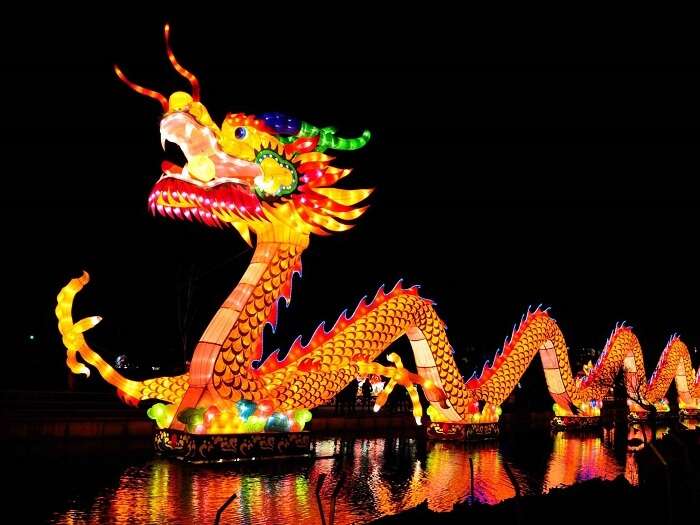
Lunar New Year in China is a time for family reunions and vibrant celebrations, making it a popular travel period. However, the sheer volume of travelers can lead to challenges. Thorough planning is key to ensuring a smooth and enjoyable trip. Anticipating potential issues and proactively addressing them can transform a potentially stressful journey into a memorable one.Effective planning not only avoids common pitfalls but also allows travelers to make the most of the festive atmosphere.
It enables travelers to focus on experiencing the culture and traditions rather than struggling with logistical hurdles.
Planning a Lunar New Year trip to China? The weather’s a key factor, of course. But with the recent news about the return of Romeo Gigli to Marrakesh, return of Romeo Gigli marrakesh , it got me thinking about the cultural contrasts that come with travel during this time. Hopefully, the forecast for China is favorable for a smooth and exciting trip, regardless of the international celebrity happenings!
Essential Steps for Planning
Careful planning is crucial for a smooth Lunar New Year trip. This includes securing accommodations, transportation, and necessary visas or travel documents well in advance. Travelers should also research potential weather conditions and adjust their packing accordingly. Knowing the local customs and etiquette is also important to enhance the travel experience and avoid any misunderstandings.
Booking Flights, Accommodation, and Transportation
Booking flights, accommodations, and transportation well in advance is essential during Lunar New Year. The demand for travel during this period is extremely high, so booking early ensures availability. Consider using online travel agencies or directly contacting hotels and airlines for potential deals. Researching alternative transportation options like high-speed trains or buses can sometimes provide more affordable or convenient options than air travel, especially within China.
Cultural Considerations and Etiquette
Lunar New Year is a time of significant cultural celebration in China. Understanding and respecting local customs can enhance the travel experience. Learning basic Mandarin greetings, showing respect for elders, and avoiding loud noises during certain times of the day are vital. Understanding the cultural significance of gifts, food, and celebrations is essential for participating respectfully. Observing local customs, such as gift-giving traditions or specific dining etiquette, shows respect for the culture and allows for a more harmonious experience.
Checklist for Essential Items and Documents
Proper preparation ensures a smooth and worry-free trip. A well-organized checklist for essential items and documents is invaluable. This should include necessary travel documents, like passports and visas, as well as any required medical insurance information. Important contact information for emergencies, such as local embassy contacts or emergency numbers, should also be readily available. Packing light, but strategically, can help alleviate potential stress.
| Category | Items |
|---|---|
| Travel Documents | Passport, visa (if required), flight tickets, hotel confirmations |
| Personal Items | Medication, toiletries, comfortable clothing, basic first-aid kit |
| Currency and Payment | Local currency, credit cards, debit cards |
| Emergency Contacts | Emergency numbers, local embassy contact |
Accommodation and Tourist Attractions
Lunar New Year in China is a time of vibrant celebrations and significant travel. Millions of people flock to various destinations, making securing suitable accommodation and accessing popular attractions a crucial aspect of planning. Understanding the options available and their associated factors, such as pricing and accessibility, is vital for a smooth and enjoyable trip.This period often sees a surge in demand for accommodations, leading to higher prices and limited availability.
Consequently, proactive booking is strongly advised to secure a desired location and type of lodging. Understanding the different accommodation options, their amenities, and the popular tourist destinations accessible during this time will enhance the travel experience.
Accommodation Options
A wide array of accommodation options are available, ranging from luxurious hotels to budget-friendly guesthouses. The choice depends on individual preferences and budgets. Different options cater to diverse needs and financial capabilities.
Planning a Lunar New Year trip to China? The weather is usually fantastic, perfect for exploring ancient temples and bustling markets. However, with recent events like the tragic NYC shooting on the D train, it’s important to stay informed about safety precautions when traveling, both domestically and internationally. Thankfully, the weather in China during Lunar New Year remains a beautiful highlight of the trip, offering warm sunshine or crisp mountain air, depending on the region.
Knowing about the recent events, like the one on the nyc shooting d train , is just one small part of ensuring a memorable and safe journey.
- Hotels offer a wide spectrum of amenities, from swimming pools and spas to business centers. Luxury hotels often provide exceptional service and facilities, while budget-friendly hotels provide comfortable accommodations at more reasonable prices. However, hotel prices tend to be significantly higher during Lunar New Year, reflecting the increased demand.
- Guesthouses, often smaller establishments, provide a more intimate and local experience. They are usually more affordable than hotels, but amenities might be more basic. Guesthouses are frequently located in areas that are close to local attractions, making them a good option for those seeking an authentic experience.
- Airbnb and similar platforms offer a variety of apartments and homes, providing a unique and often more spacious alternative to traditional hotels. This option offers a more homely atmosphere, but the quality and amenities may vary significantly.
Popular Tourist Attractions
China boasts numerous captivating tourist attractions, each with unique historical and cultural significance. Their accessibility during Lunar New Year can vary, influenced by crowd size and transportation availability.
- Iconic landmarks like the Great Wall, the Forbidden City, and the Terracotta Army remain popular destinations. However, expect substantial crowds, particularly during peak times. Advance planning for entry tickets and transportation is crucial to avoid delays.
- Cultural attractions like ancient temples, museums, and historical sites often attract significant numbers of visitors during the festivities. Access to these destinations might be impacted by the increased foot traffic. Consider visiting during less crowded hours or on weekdays to mitigate congestion.
- Natural wonders like picturesque mountains, scenic rivers, and national parks also experience increased visitor numbers. Transportation networks may be strained, and booking accommodations in these areas is essential.
Pricing Factors
Several factors influence the cost of accommodation and attractions during Lunar New Year.
Planning a Lunar New Year trip to China? The weather is a key factor, of course. But beyond the usual temperature considerations, this year, the impact of the winter electric grid summer situation in China might also affect travel plans. Winter electric grid summer issues could lead to power outages or other disruptions, impacting transportation and potentially even accommodation.
Luckily, these are usually temporary, so you can still have a fantastic Lunar New Year trip!
- Demand is a significant driver, with increased demand leading to higher prices for both accommodations and attractions. Popular destinations and high-quality accommodations often see the most substantial price increases.
- Location plays a crucial role. Accommodations and attractions in major cities or popular tourist areas are typically more expensive than those in less-visited areas.
- Amenities and services offered influence pricing. Hotels with superior amenities, such as spas and pools, will command higher rates.
Accommodation Comparison
| Accommodation Type | Average Cost (USD) | Amenities | Location |
|---|---|---|---|
| Luxury Hotels | $300-$1000+ | Extensive amenities (pools, spas, restaurants), high-quality service | Major cities, popular tourist areas |
| Mid-Range Hotels | $100-$300 | Standard amenities (pool, breakfast), decent service | Major cities, tourist areas |
| Budget Hotels | $50-$100 | Basic amenities (clean rooms, comfortable beds) | Major cities, tourist areas |
| Guesthouses | $30-$80 | Basic amenities (clean rooms, hot water), local experience | Often in or near popular attractions |
| Airbnb/Apartments | $50-$500+ | Varying amenities (kitchen, laundry), often more space | Wide range of locations, sometimes further from major attractions |
Food and Cuisine
Lunar New Year in China is a time for family reunions and feasting. Food plays a crucial role in the celebrations, symbolizing prosperity, good fortune, and family bonds. Traditional dishes and regional specialties are prepared and shared, reflecting the unique culinary heritage of various Chinese provinces. The abundance of food signifies abundance and happiness for the coming year.Regional culinary traditions are a significant aspect of the celebration.
The rich variety of dishes reflects the diversity of China’s landscapes and cultures. Different regions have unique ingredients and cooking methods, resulting in distinctive flavors and textures. These culinary specialties are often showcased during the holiday, adding to the celebratory atmosphere.
Significance of Food during Lunar New Year
Food holds immense cultural significance during Lunar New Year. It symbolizes the abundance and prosperity that families hope to enjoy in the new year. Many dishes have specific symbolic meanings, adding to the cultural depth of the celebration. The act of sharing meals with family and friends reinforces familial bonds and fosters a sense of community. Food is central to the celebratory atmosphere and is essential to the overall experience of the holiday.
Traditional Dishes Served during Lunar New Year
A variety of dishes are commonly served during Lunar New Year. These dishes often reflect regional preferences and culinary traditions. The shared meal brings together family members and reinforces their bonds.
- Dumplings (Jiaozi): These are a staple dish, often served in abundance. The shape of dumplings is symbolic of wealth and prosperity. The filling and wrappers can vary regionally. Families often gather to make dumplings together, adding a social aspect to the preparation.
- Spring Rolls (Chunjuan): These rolls, often filled with vegetables, meat, or seafood, symbolize new beginnings and fresh starts. They are a light and flavorful option, representing new beginnings and a fresh start.
- Fish (Yu): Fish is a highly valued dish, as the pronunciation of “fish” (yu) in Mandarin is similar to the word for “surplus” or “abundance.” This symbolizes a surplus of good fortune and prosperity in the new year. It is often served whole, symbolizing completeness and fullness.
- Noodles (mian): Noodles represent longevity and a continuous cycle of life. Long, unbroken noodles are often served to wish for a long and healthy life. The act of eating noodles together is a symbol of family unity and togetherness.
- Sweet Rice Cakes (Nian Gao): These sticky rice cakes represent progress and growth. The shape and texture of the cakes symbolize rising to new heights in the new year. Their sticky nature also symbolizes sticking together as a family.
Regional Culinary Specialties
Regional specialties add to the rich culinary tapestry of Lunar New Year celebrations. These dishes reflect the unique culinary traditions of specific provinces.
- Sichuan Cuisine: Sichuan cuisine is known for its spicy and flavorful dishes. Dishes often feature Sichuan peppercorns and chili peppers. This fiery cuisine is a testament to the region’s culinary traditions. It’s often enjoyed with family and friends during the holiday season.
- Cantonese Cuisine: Cantonese cuisine is known for its delicate flavors and fresh ingredients. Many Cantonese dishes are made with seafood and vegetables, reflecting the region’s proximity to the sea. It’s known for its variety of flavors and fresh ingredients. Dishes like steamed fish and dim sum are popular choices.
- Shanghai Cuisine: Shanghai cuisine emphasizes delicate flavors and fresh ingredients. It often features savory dishes with a touch of sweetness. It’s known for its rich and flavorful dishes. The cuisine often includes a mix of local produce and seafood.
Transportation Options
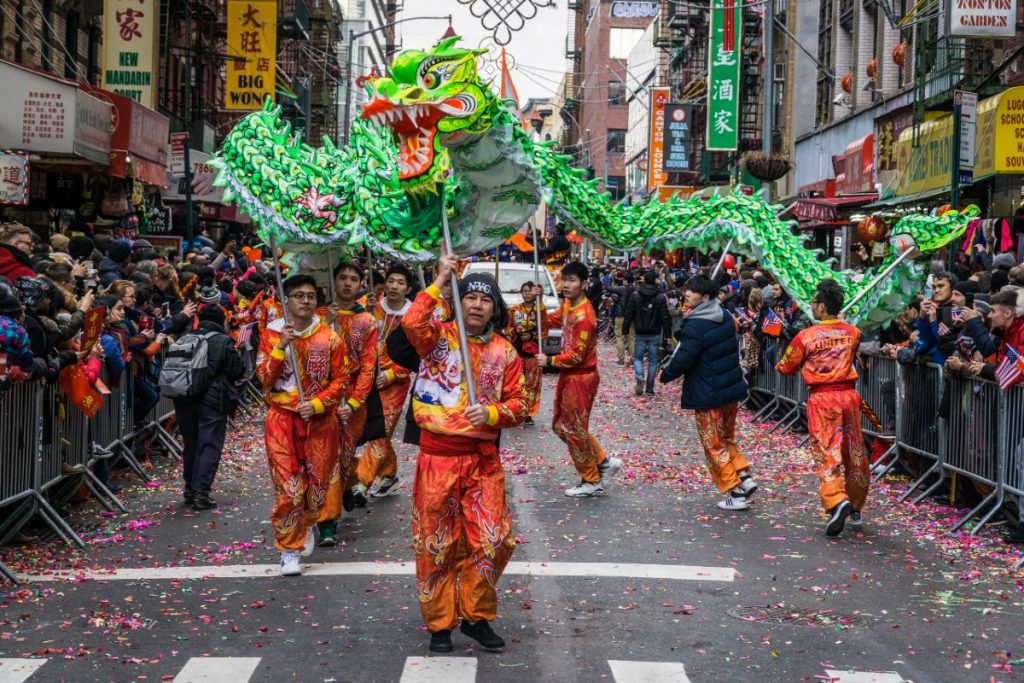
Lunar New Year is a time for family reunions and travel across China. Choosing the right transportation method is crucial for a smooth and enjoyable journey. This involves considering factors like cost, travel time, convenience, and potential disruptions during the peak season.Different transportation options offer varying levels of comfort, speed, and price. Understanding the pros and cons of each method will help travelers make informed decisions.
This section will delve into the various transportation options available for Lunar New Year travel, focusing on high-speed rail, air travel, and buses.
High-Speed Rail
High-speed rail is a popular choice for long-distance travel during Lunar New Year. Its speed and efficiency make it an attractive option for those seeking to minimize travel time.
- Pros: High-speed rail is significantly faster than traditional trains, offering a considerable time advantage, especially for longer distances. It is generally very comfortable and often includes amenities like air conditioning and comfortable seating.
- Cons: High-speed rail tickets can be expensive, particularly during peak seasons like Lunar New Year. Availability can be limited, requiring advance booking. While often efficient, delays are possible due to maintenance or unforeseen circumstances.
Air Travel
Air travel is another option for Lunar New Year travel, particularly for those traveling across larger distances.
- Pros: Air travel offers the fastest travel time for long distances. This is particularly beneficial for those with tight schedules or those who need to reach their destination quickly.
- Cons: Air travel can be more expensive than other options, especially for short-haul journeys. Airport transfers and security procedures can add to the overall travel time. Flight delays are a real possibility during peak travel periods.
Buses, China travel weather lunar new year
Buses are a more budget-friendly option for Lunar New Year travel. They are particularly suitable for shorter distances and those who prioritize affordability.
- Pros: Bus travel is often the most economical option, especially for short distances. Buses are widely available and accessible, making them convenient for travelers on a budget.
- Cons: Bus travel is significantly slower than high-speed rail or air travel. Comfort levels can vary considerably depending on the bus company and route. Bus travel is less efficient for longer journeys and might not be ideal for travelers with limited time.
Booking Process
The booking process varies by transportation method. High-speed rail and air tickets often require booking well in advance, especially during Lunar New Year. Bus tickets can be booked online or at designated ticket counters. Advance booking is strongly recommended for all transportation modes during this peak travel season.
Potential Delays and Disruptions
Transportation disruptions are common during Lunar New Year due to the large volume of travelers. Delays in high-speed rail or air travel can occur due to maintenance schedules or unforeseen circumstances. Road congestion and traffic jams are a frequent issue for bus travel. Real-life examples include past Lunar New Year travel seasons where significant delays were reported due to increased passenger volume.
Lunar New Year travel in China is always a whirlwind of activity, but the weather plays a huge role in the experience. While planning your trip, it’s worth keeping an eye on the forecasts. Recent political events, like the discussions surrounding aid packages for Ukraine, Israel, and other regions, through congress ukraine israel aid , can sometimes influence travel plans, and that’s something to consider too.
Ultimately, the best time to experience the vibrant culture and delicious food of China during Lunar New Year depends on the weather and your own personal preferences.
Comparison Table
| Transportation Method | Average Cost (USD) | Travel Time | Availability |
|---|---|---|---|
| High-speed Rail | $50 – $200+ | 2-8 hours | Moderate to Limited (especially during peak season) |
| Air Travel | $100 – $400+ | 1-3 hours | Moderate to Limited (especially during peak season) |
| Buses | $20 – $80 | 4-12+ hours | Generally High |
Local Customs and Etiquette
Lunar New Year, or Spring Festival, is a time of profound cultural significance in China, marked by family reunions, vibrant celebrations, and a deep-rooted respect for tradition. This festival is more than just a holiday; it’s a cultural cornerstone, echoing through generations and shaping the fabric of Chinese society. Understanding the customs and etiquette surrounding this time is crucial for a richer and more respectful travel experience.The holiday season is filled with customary greetings and traditions.
These rituals often extend beyond simple pleasantries and carry deep symbolic meaning, reflecting wishes for good fortune, prosperity, and harmony. Observing these traditions demonstrates respect for the local culture and helps travelers navigate social interactions with ease.
Cultural Significance of Lunar New Year
Lunar New Year holds immense cultural significance in China. It’s a time for families to come together, offering an opportunity to reconnect with loved ones and reaffirm bonds. The festival celebrates the beginning of a new year, often associated with renewal, prosperity, and good fortune. The rich symbolism embedded in various customs, from the elaborate decorations to the specific foods served, underscores the importance of this holiday in Chinese culture.
Customary Greetings and Traditions
The exchange of greetings is a significant part of Lunar New Year celebrations. Common greetings include “新年快乐” (Xīn nián kuài lè), meaning “Happy New Year,” and “恭喜发财” (Gōng xǐ fā cái), meaning “May you be prosperous.” These expressions are more than just polite words; they embody heartfelt wishes for the new year. Many families also exchange red envelopes (hongbao) containing money, symbolizing good luck and blessings for the coming year.
Appropriate Behavior for Tourists
For tourists, demonstrating respect for local customs is essential. This includes dressing modestly, refraining from loud noises in public, and being mindful of local traditions. Respecting personal space and avoiding overly intrusive behavior are key elements of respectful interactions. Furthermore, inquiring about local customs before engaging in activities can avoid misunderstandings and ensure a positive experience.
Etiquette Practices
Several etiquette practices are crucial for navigating social interactions during Lunar New Year. In dining situations, it’s important to use chopsticks correctly and avoid pointing chopsticks at others. In gift-giving, selecting appropriate gifts is essential. Avoid giving clocks, as the sound of the ticking is associated with death. Consider the recipient’s preferences and interests when choosing a gift.
Mandarin Phrases for Lunar New Year Greetings
| Phrase | Meaning |
|---|---|
| 新年快乐 (Xīn nián kuài lè) | Happy New Year |
| 恭喜发财 (Gōng xǐ fā cái) | May you be prosperous |
| 身体健康 (Shēn tǐ jiàn kāng) | May you be healthy |
| 万事如意 (Wàn shì rú yì) | May everything go well |
| 心想事成 (Xīn xiǎng shì chéng) | May your wishes come true |
Learning these phrases will enhance your interactions with locals and demonstrate respect for their culture.
Outcome Summary
In conclusion, planning a trip to China during Lunar New Year requires careful consideration of weather patterns, travel trends, and cultural etiquette. This comprehensive guide provides insights into the key aspects of planning a successful trip, from transportation and accommodation to food and customs. By understanding the potential challenges and proactively planning your itinerary, you can ensure a fantastic Lunar New Year experience.
Detailed FAQs
What are the typical temperatures during Lunar New Year in Beijing?
Temperatures in Beijing during Lunar New Year are generally mild, ranging from a low of around 0°C to a high of around 15°C. However, it’s important to be prepared for potential fluctuations.
What are the best ways to book transportation during this time?
Booking transportation, especially high-speed rail, well in advance is highly recommended, as demand is high. Websites and apps dedicated to Chinese travel often offer the best deals and availability.
Are there any special Lunar New Year events or festivals I should be aware of?
Many cities in China host special events and festivals during Lunar New Year, often including parades, cultural performances, and lion dances. Check local listings for specifics.
What are some common pitfalls to avoid when booking accommodations?
Overlooking potential price increases and not checking reviews of hotels, guesthouses or other accommodation options are common mistakes. Be sure to read reviews carefully to ensure you are booking the right place.