Nikki Haley Secret Service Close Look
Nikki Haley Secret Service: A deep dive into the security measures surrounding the former South Carolina Governor and UN Ambassador. We’ll explore the evolving nature of her public persona, how her security protocols have changed over time, and the public perception of her protection. Understanding the intricacies of these procedures is crucial, especially given the complexities of public figures in today’s world.
From the nuances of her public appearances to the protocols governing interactions with the Secret Service, this article will unpack the factors influencing her security detail. We’ll analyze the comparison of her security measures to other prominent figures and discuss potential risks and concerns. The discussion also examines the media’s portrayal of these measures and how they shape public opinion.
Nikki Haley’s Role as a Public Figure: Nikki Haley Secret Service
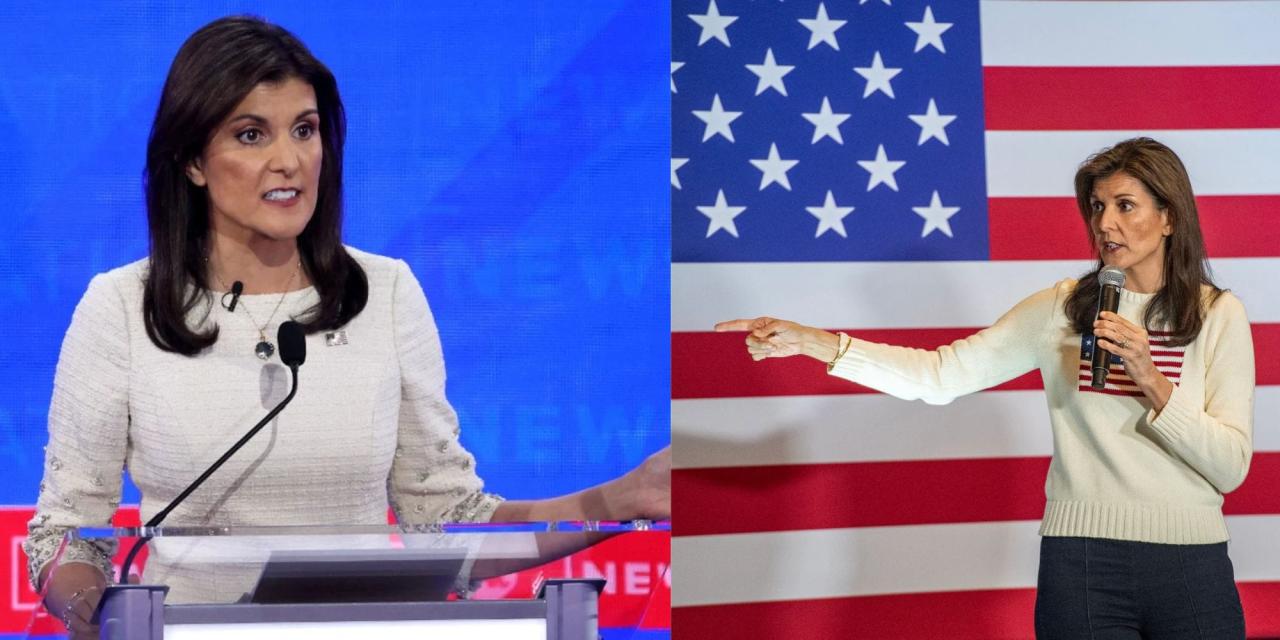
Nikki Haley’s journey from South Carolina state senator to a prominent figure on the national stage has been marked by notable shifts in public perception and policy stances. Her career trajectory, punctuated by high-profile positions and appearances, has made her a compelling subject of analysis regarding the evolution of public figures in modern American politics. This exploration delves into the historical context of her career, examining the evolution of her public image and the recurring themes in her public statements.Her rise to prominence reflects the evolving dynamics of political discourse and the public’s increasing interest in candidates who can effectively navigate complex issues.
The shifts in her public image, particularly in the wake of key political events, reveal the pressures and considerations faced by public figures in a constantly scrutinized environment.
Nikki Haley’s recent security detail has been a hot topic, but it’s worth considering the bigger picture. The ongoing debate around congressional aid to Ukraine and Israel is heavily influencing the political climate, and this is impacting the security needs of figures like Nikki Haley. This congressional debate is particularly crucial as it affects the allocation of resources and the broader geopolitical landscape.
In the end, Nikki Haley’s security detail, like that of many other prominent figures, is a reflection of the complex global situation and the political climate surrounding issues like congress ukraine israel aid.
Career Trajectory and Public Positions
Nikki Haley’s career began in South Carolina politics. Holding positions such as state senator and governor, she gradually gained national recognition. Her governorship, marked by various policy initiatives and public appearances, positioned her as a rising star in the Republican party. This period was followed by her appointment as the US Ambassador to the United Nations, a significant role that further enhanced her public profile and exposed her to a global audience.
Her tenure as UN Ambassador was characterized by specific diplomatic efforts and engagements with world leaders, shaping her public image as a capable diplomat and negotiator.
Evolution of Public Image
Haley’s public image has undergone discernible shifts throughout her career. Initially perceived as a relatively moderate voice within the Republican party, she transitioned to a more conservative stance as her career progressed. This shift is evident in her policy pronouncements and public statements, especially following key political events and decisions. Public discourse surrounding her stances on various issues, from immigration to foreign policy, reflects the evolving expectations and scrutiny placed upon public figures.
Recurring Themes in Public Statements
A recurring theme in Haley’s public statements is a focus on national security and economic prosperity. She frequently emphasizes the importance of a strong national defense and policies that foster job creation and economic growth. In her public appearances, she often draws upon her experiences in state and national politics to illustrate her points, connecting her policy recommendations to the practical realities of governance.
A consistent emphasis on effective leadership and decisive action has been a key component of her public persona.
Policy Positions and Evolution
- Prior to leaving her position as UN Ambassador, Haley’s stance on international relations often emphasized the need for multilateral cooperation and diplomatic solutions. She advocated for a strong American role in international forums while also highlighting the importance of working with other nations to address global challenges. Her speeches frequently emphasized the need for a pragmatic approach to international relations, recognizing both the strengths and limitations of various diplomatic strategies.
- Following her departure from the UN, Haley’s rhetoric shifted slightly, reflecting her increasing involvement in national political discourse. She began to emphasize the need for a more assertive American foreign policy, potentially signaling a stronger stance on issues like trade and international competition. Her public statements on these topics became more critical of international organizations and suggested a more unilateral approach to problem-solving.
Comparison of Public Statements Before and After Leaving a Position
| Issue | Statement Before Leaving Position | Statement After Leaving Position |
|---|---|---|
| International Relations | Advocating for multilateralism and diplomatic solutions. | Emphasizing a more assertive American foreign policy. |
| Economic Policy | Supporting policies aimed at job creation and economic growth. | Likely to include more specific policy proposals relating to economic growth, trade, or domestic policy. |
| Immigration | Potential statements on immigration policy, though details are not readily available. | Likely to include a more comprehensive or concrete stance on immigration, reflecting the evolution of political debates. |
Interactions with the Secret Service
Nikki Haley’s public persona and role as a former governor and UN ambassador necessitate a certain level of security. Understanding the protocols and procedures governing interactions between public figures and the Secret Service is crucial for comprehending the complexities of such arrangements. This discussion delves into the factors influencing security levels, the types of measures employed, and how they compare to those for other prominent figures.The Secret Service, in its role of safeguarding prominent individuals, follows established protocols designed to mitigate risks while respecting the public nature of their activities.
These protocols, however, are not static; they are adjusted based on a variety of factors, each contributing to the specific security measures implemented.
Factors Influencing Security Level
The Secret Service assesses various factors when determining the level of security for a public figure. These include the nature of the event, the location, the potential threats, and the individual’s profile and public presence. Past incidents, public statements, and the nature of the figure’s public activities can also influence the level of security provided. For example, a high-profile speech in a politically sensitive area will require higher security than a private event in a less-populated region.
A history of threats or past security breaches will also necessitate a higher level of security.
Security Measures Employed
Security measures for public figures like Nikki Haley are multifaceted and tailored to the specific circumstances. These may include uniformed officers, plainclothes agents, surveillance, vehicle escorts, and access control measures. The goal is to create a secure environment that minimizes potential threats while ensuring the individual’s freedom of movement and interaction with the public.The measures may also include advanced technologies like facial recognition software, drone surveillance, and the use of specialized communication systems.
The use of these measures aims to proactively identify and neutralize potential threats. For example, at large-scale events, physical barriers, perimeter controls, and crowd management techniques may be implemented. In addition, detailed threat assessments are conducted to identify potential vulnerabilities and to determine the appropriate security measures.
Comparison with Other Prominent Figures
The security measures for Nikki Haley are comparable to those implemented for other prominent figures, although the specific measures and level of protection may vary. Factors such as the figure’s public profile, the nature of their activities, and the perceived threat level influence the level of security. For example, a sitting president or former president will have a higher level of protection than a celebrity.
The potential for harm, the perceived risk, and the potential impact of any event also influence the required level of protection. For example, a figure with a larger, more vocal fanbase might require enhanced security measures at public events.
Secret Service Protection Levels
| Protection Level | Criteria | Examples |
|---|---|---|
| Level 1 (Minimal) | For individuals with low public profile or minimal perceived threat. | Public appearances in low-risk areas. |
| Level 2 (Moderate) | For individuals with moderate public profile or potential for moderate threat. | Public speeches, events with a moderate crowd. |
| Level 3 (Enhanced) | For individuals with high public profile or significant perceived threat. | High-profile events, large gatherings. |
| Level 4 (Maximum) | For individuals with extreme public profile or high risk of significant harm. | Presidential visits, major international events. |
The criteria for assigning a particular level of protection are based on comprehensive threat assessments and risk analyses. Factors such as the nature of the event, the location, the potential for harm, and the public profile of the individual are all taken into consideration.
Public Perception of Security Measures
Public perception of security measures surrounding public figures like Nikki Haley is a complex interplay of factors, including the perceived threat level, the effectiveness of the security measures themselves, and the public’s trust in the agencies responsible for their protection. This perception is shaped by various sources, including media coverage, personal experiences, and broader societal anxieties. The way the public perceives the security around a figure like Nikki Haley can significantly impact their image and public standing.The public’s general perception of the Secret Service’s role in protecting public figures is multifaceted.
On one hand, the agency is widely viewed as a crucial component of national security, tasked with safeguarding prominent individuals. On the other hand, there can be concerns about the intrusiveness of security measures, especially when they impact public access or freedom of movement for the protected individual. This perception is dynamic and susceptible to fluctuations based on current events, public discourse, and media portrayals.
Public Discussions and Media Coverage
Public discussions and media coverage play a significant role in shaping the public’s perception of the Secret Service’s role and the security measures surrounding public figures. Positive coverage can reinforce public trust and confidence in the agency’s capabilities, while negative coverage or controversies can erode that trust. For instance, perceived over-the-top security measures can lead to public criticism of excessive protection.
Conversely, inadequate security measures in the face of credible threats can raise concerns about the agency’s effectiveness.
Influence on Public Perception of Nikki Haley
The media’s portrayal of Nikki Haley’s security measures significantly influences public perception. The level of detail and emphasis on her security can either emphasize her importance or position her as a target, impacting how the public views her role and her personal vulnerability. News outlets often highlight the sheer scale of security personnel and resources devoted to her protection.
This portrayal, whether positive or negative, contributes to the public’s understanding of the threat level and the perceived need for extensive security.
Potential for Controversies and Misunderstandings
Controversies or misunderstandings surrounding security measures often arise when the public perceives the measures as excessive, intrusive, or disproportionate to the actual threat level. For example, increased security measures around a public figure could lead to inconvenience for the general public. The media’s portrayal of these security measures is crucial in shaping the public’s understanding and response to such situations.
Media Portrayals of Security Measures
The media’s portrayal of security measures for Nikki Haley varies across different outlets. Some outlets might focus on the extensive detail of the security protocols, highlighting the sheer scale of personnel involved. Others might prioritize the impact of these measures on the public, focusing on disruptions or inconveniences.
Comparison of Media Portrayals
| Media Outlet | Focus | Approach |
|---|---|---|
| News Network A | Extensive detail on security protocols | Emphasizes the elaborate nature of security measures. |
| News Network B | Impact on public access | Highlights the inconvenience and disruption caused by the security measures. |
| News Network C | Balance of protection and public access | Attempts to provide a balanced perspective, acknowledging both the need for protection and the impact on the public. |
| Social Media Platform X | Public reaction and commentary | Focuses on public opinion and sentiment towards the security measures. |
Security Measures and Public Events
Nikki Haley’s public appearances, from speaking engagements to rallies, have consistently demanded robust security protocols. The Secret Service’s approach to these events reflects a careful balancing act between protecting the public figure and ensuring the safety and freedom of movement for the general public. This intricate process involves careful assessment, proactive planning, and adaptable strategies, ensuring a secure environment for both Ms.
Nikki Haley’s Secret Service detail was a pretty big deal, naturally raising questions about security protocols. It got me thinking about other high-profile figures and their security arrangements, like, say, the incredible culinary talent of David Bouley, a renowned New York chef david bouley new york chef. But then I realized, even with the best security, sometimes you just need a good meal to unwind! Still, it does highlight the complexity of protecting prominent figures.
Haley and those attending the events.The nature and scale of each event dictate the level and specific types of security measures implemented. Smaller gatherings may require less extensive deployments, while large-scale rallies or speeches necessitate more comprehensive security protocols to manage potential crowds and ensure the smooth flow of events. This dynamic adjustment is crucial to maintaining security without hindering the public’s access to or participation in these events.
While Nikki Haley’s Secret Service detail is certainly interesting, it’s fascinating to consider the parallel paths of those in public service. For example, the career of Keith McNally, known for his Balthazar restaurant, also has a rich history in filmmaking, including some lesser-known projects from his past. Checking out keith mcnally balthazar filmmaking past provides insight into the diverse backgrounds of public figures, highlighting how different talents can contribute to a richer tapestry of human experience.
Ultimately, though, the Secret Service continues to be a captivating area of public interest surrounding Nikki Haley.
Security Protocols During Public Appearances
The Secret Service employs a range of security protocols to protect Nikki Haley during public events. These protocols are designed to mitigate potential threats and ensure the safety of both Ms. Haley and the attendees. These measures often include perimeter security, access control, crowd management, and surveillance.
- Perimeter Security: This involves securing the immediate area surrounding the event location. This often involves fencing, barriers, and checkpoints to control access and prevent unauthorized entry. For example, at a smaller book signing, this might involve a simple barricade and a few security personnel, whereas a large rally could require a more substantial perimeter with multiple checkpoints and security personnel.
- Access Control: Strict screening procedures are usually in place for attendees, often including bag checks, metal detectors, and potentially even pat-downs, especially at high-profile events. This is vital to identify potential threats before they can gain proximity to Ms. Haley.
- Crowd Management: Security personnel carefully monitor the crowd to manage potential disturbances or congestion. Crowd dispersal plans are often in place to ensure orderly movement of people in case of an emergency or security concern. Crowd control strategies are especially important during large-scale events to maintain order and prevent bottlenecks.
- Surveillance: Various surveillance methods are employed, from visible security personnel to covert monitoring, to provide a comprehensive overview of the area and ensure vigilance against potential threats. This may include closed-circuit television (CCTV) cameras, and possibly even drone surveillance in certain situations.
Security Adjustments Based on Event Size and Type
The Secret Service tailors security protocols based on the specific characteristics of the event. A small community event may require less extensive security measures compared to a large-scale political rally or a high-profile speech.
- Smaller Events: Security protocols for smaller events might involve fewer personnel, less extensive screening procedures, and a more localized perimeter. The security focus is typically more on immediate protection of Ms. Haley.
- Large-Scale Events: Large-scale events, such as rallies or speeches, necessitate a more substantial security deployment. This includes a larger number of security personnel, more elaborate access control procedures, and a broader security perimeter. Crowd control and potential evacuation plans become paramount.
Communication with the Public During Security Deployments
The Secret Service strives to balance security measures with the public’s experience. Clear communication with the public is essential to ensure smooth operations and public understanding.
- Public Announcements: The Secret Service often provides announcements to the public about security procedures and potential temporary disruptions. These announcements can be through signage, announcements over loudspeakers, or via social media.
- Security Personnel Interaction: Security personnel are trained to interact professionally with the public, answering questions, and addressing concerns in a calm and reassuring manner. They play a critical role in fostering public trust and cooperation.
Security Measures for Different Public Events
| Event Type | Security Measures |
|---|---|
| Small Town Hall Meeting | Limited perimeter security, basic access control, and a smaller number of security personnel. |
| Large Political Rally | Extensive perimeter security, multiple access control points, crowd management strategies, and a larger security detail. |
| Speech at a Conference | Controlled access, screening procedures, security personnel stationed at strategic locations, and potentially enhanced surveillance. |
Potential Security Risks and Concerns
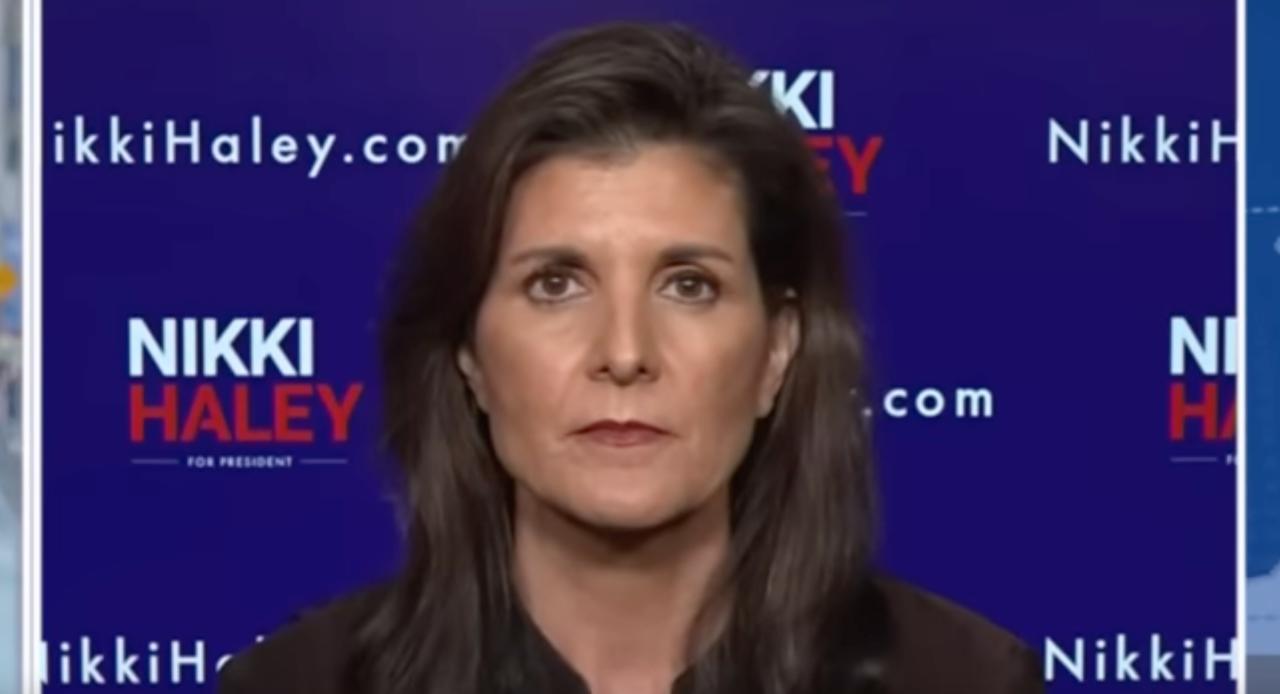
The public presence of a prominent figure like Nikki Haley necessitates a comprehensive assessment of potential security risks. Understanding these risks, and the factors influencing them, is crucial for ensuring her safety and maintaining public trust in security protocols. The interplay between political events, public perception, and the inherent dangers associated with high-profile individuals all contribute to the complexity of this assessment.Security protocols for individuals in positions of power are dynamic, adapting to evolving threats and public sentiment.
A thorough analysis must consider the potential for a wide range of threats, from targeted attacks to unforeseen circumstances. This necessitates proactive measures to mitigate risks and ensure the safety of both the individual and the public.
Potential Threats to Safety
Potential threats to Nikki Haley’s safety could stem from a variety of sources, including but not limited to:
- Targeted attacks: These could involve individuals or groups motivated by political or personal grievances. Factors like political polarization and extremist ideologies might increase the likelihood of such attacks.
- Unforeseen circumstances: Unexpected events, such as natural disasters or accidents, could jeopardize her safety if appropriate precautions are not taken.
- Public gatherings: Large public events pose security challenges due to the potential for crowd-related incidents or malicious actors infiltrating the crowd.
- Cybersecurity risks: High-profile individuals are often targets of cyberattacks, potentially jeopardizing sensitive information or even threatening physical safety through coordinated actions.
Factors Influencing Security Risk
Several factors can influence the level of security risk associated with Nikki Haley’s public presence:
- Political climate: Periods of heightened political tension or conflict can increase the risk of targeted attacks or threats against public figures, especially those perceived as controversial or representing opposing viewpoints.
- Public perception: Negative or hostile public opinion toward a figure can increase the likelihood of threats, as demonstrated by instances of harassment or intimidation targeting prominent individuals.
- Security protocols: The effectiveness of security measures in place can directly impact the level of risk. Thorough planning, robust procedures, and the use of advanced technologies are essential.
- Geographic location: Security concerns vary based on the location of public appearances, with certain regions or areas presenting higher risks.
Mitigation Strategies and Measures
Several measures are employed to mitigate potential threats:
- Security personnel: Dedicated security teams monitor potential threats, assess risks, and implement appropriate security measures.
- Protective measures: Security protocols, such as advanced technology, secure transportation, and physical barriers, are crucial to mitigate the risks associated with public appearances.
- Intelligence gathering: Information and intelligence gathering play a critical role in identifying potential threats and vulnerabilities, allowing for proactive measures.
- Emergency response plans: Comprehensive plans for handling emergencies or unexpected situations are essential to ensure the safety of Nikki Haley and those around her.
Impact of Public Opinion and Political Events
Public opinion and political events can significantly influence security concerns. For instance, during periods of heightened political polarization, security measures for public figures may be intensified to address potential threats. Public demonstrations or protests, while often expressing legitimate viewpoints, can present challenges to security if they are accompanied by disruptive or violent behavior. Similarly, major political events, such as elections or national crises, often necessitate enhanced security protocols to address potential risks and threats.
Media Representation of Security
The media plays a crucial role in shaping public perception, particularly when it comes to sensitive topics like security. How the media portrays the Secret Service’s actions in protecting a public figure like Nikki Haley can significantly influence public opinion and even fuel speculation. Understanding the different angles and perspectives used by various media outlets is essential to evaluating the overall narrative.The media’s portrayal of security measures often involves a complex interplay of factors.
News outlets may focus on the visible aspects of security, such as large deployments of personnel or elaborate procedures. They might also delve into the rationale behind specific security protocols, offering insights into potential threats or vulnerabilities. Alternatively, the media might use a more sensational approach, emphasizing perceived risks or highlighting instances of security incidents, real or imagined.
Different Angles in Media Coverage
Various media outlets adopt different angles in their coverage of Nikki Haley’s security. Some focus on the logistical aspects of security operations, highlighting the manpower and resources deployed. Others concentrate on the perceived threat level, either by emphasizing potential dangers or downplaying them. Still others might concentrate on the political implications of the security arrangements, examining how they reflect broader concerns about safety or public image.
Comparison of News Source Tones
| News Source | Tone | Focus |
|---|---|---|
| News Network A | Cautious, analytical | Logistical details of security deployment; potential risks |
| News Network B | Sensationalist, alarmist | Emphasis on potential threats; speculation on security breaches |
| News Network C | Balanced, factual | Detailed accounts of security measures; public safety concerns |
This table illustrates the varying tones and focuses used by different news sources. The tone can range from cautious analysis to sensationalism, while the focus can range from logistical details to perceived threats. This variation reflects the inherent subjectivity of media reporting.
Recurring Themes in Media Quotes
Analyzing quotes from various media outlets reveals recurring themes related to Nikki Haley’s security. These recurring themes provide insights into the prevailing narratives and the perspectives being presented.
- Focus on Preparedness: Many outlets highlight the extensive preparations undertaken by the Secret Service to ensure Nikki Haley’s safety. This underscores the seriousness taken by the authorities to protect a public figure. For example, a headline might read “Nikki Haley’s Security Reinforced for Upcoming Event,” emphasizing the proactive nature of the measures.
- Emphasis on Public Safety: The media frequently underscores the importance of public safety and the need for adequate security measures, particularly in light of potential threats. This suggests a concern for the safety of not only Nikki Haley but also the general public.
- Political Undertones: Occasionally, media coverage includes subtle or overt political undertones, connecting the security arrangements to broader political narratives or debates. This could involve framing the security as a response to specific political events or as a reflection of current political tensions.
“The Secret Service has taken unprecedented measures to ensure the safety of Nikki Haley during her upcoming campaign events.”
News Source X
“Public safety is paramount, and the Secret Service is committed to safeguarding prominent figures like Nikki Haley.”
News Source Y
Nikki Haley’s Secret Service detail has been a hot topic lately, but the global security landscape is much broader. Recent concerns about Russia’s potential deployment of nuclear weapons in space, like the ones detailed in russia space nuclear weapon , highlight the need for proactive measures. Ultimately, ensuring the safety of world leaders like Nikki Haley is paramount.
“Security measures for Nikki Haley’s visit reflect ongoing concerns about potential threats.”
Nikki Haley’s Secret Service detail is a pretty standard procedure for high-profile figures, but lately, there’s been a lot of discussion about the general efficiency of such protection. This brings to mind the recent retraction of a study on abortion pills, raising questions about the reliability of certain research. Ultimately, though, the ongoing scrutiny surrounding Nikki Haley’s security highlights the delicate balance between public safety and personal freedom for prominent figures.
News Source Z
Evolution of Security Protocols
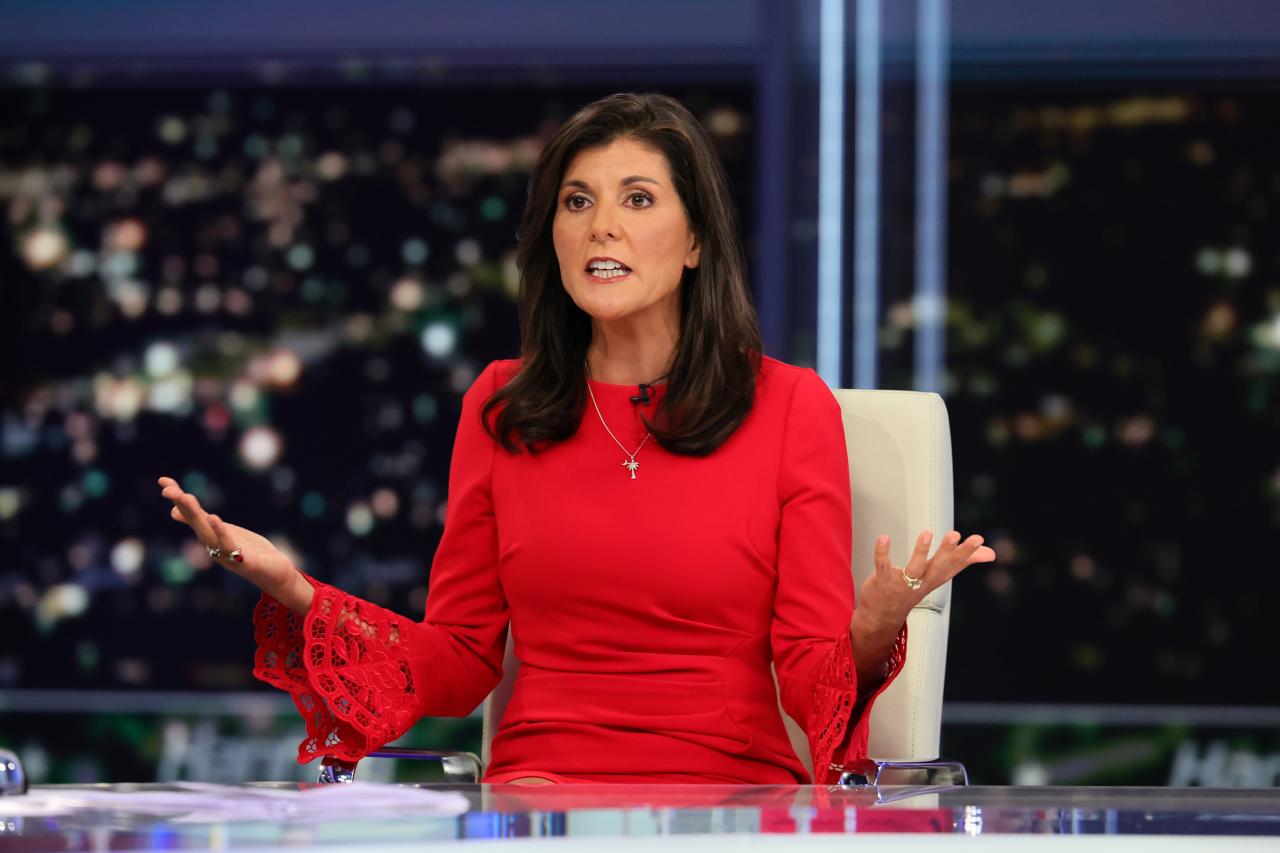
Protecting public figures like Nikki Haley has always been a complex challenge, demanding constant adaptation and refinement of security protocols. The methods employed to safeguard prominent individuals reflect societal shifts, technological advancements, and evolving threats. Understanding this evolution provides valuable insight into the delicate balance between security and public access.
Historical Evolution of Secret Service Protocols
The Secret Service’s approach to protecting public figures has evolved significantly since its inception. Early methods focused primarily on physical security measures, such as controlling access to public events and surrounding areas. These initial protocols were reactive, responding to threats as they emerged. Over time, intelligence gathering, threat assessments, and proactive measures became integral components. This evolution reflects the increasing sophistication of threats and the need for a more comprehensive security strategy.
Changes and Adaptations in Security Protocols, Nikki haley secret service
Security protocols for public figures have undergone substantial changes. Initially, protocols were largely reactive, responding to immediate threats. Now, proactive measures are central, including extensive threat assessments, intelligence gathering, and preemptive strategies. This shift acknowledges the multifaceted nature of modern threats, encompassing not only physical attacks but also cyber threats and disinformation campaigns. Adapting to new technologies and understanding potential vulnerabilities are paramount.
Influence of Technological Advancements on Security Measures
Technological advancements have profoundly impacted security protocols. From enhanced surveillance technologies to advanced communication systems, the Secret Service has leveraged these tools to improve threat detection and response. Real-time data analysis and predictive modeling are becoming increasingly important in identifying potential risks. Moreover, technological advancements also provide new avenues for attacks, making continuous adaptation crucial.
Comparison of Security Protocols for Prominent Figures from Different Eras
Security protocols for public figures have dramatically changed across different eras. In earlier times, security measures were largely focused on physical barriers and reactive responses. The 21st century has seen a significant increase in the use of sophisticated technologies, intelligence gathering, and proactive threat assessments. The integration of data analytics and predictive modeling has enabled the Secret Service to anticipate and mitigate potential risks more effectively.
Table Highlighting Key Milestones in the Evolution of Secret Service Protocols for Public Figures
| Year | Milestone | Description |
|---|---|---|
| 1865 | Establishment of the Secret Service | The Secret Service’s initial focus was primarily on combating counterfeiting, but the agency has expanded its role to include protection of public figures. |
| 1900s-1950s | Reactive Security | Security measures were largely reactive, focusing on physical security and responding to threats as they arose. |
| 1960s-1980s | Emergence of Intelligence Gathering | Intelligence gathering became increasingly important, allowing for more proactive identification and assessment of potential threats. |
| 1990s-2000s | Technological Advancements | Technological advancements, such as surveillance systems and communication technologies, significantly enhanced security capabilities. |
| 2010s-Present | Proactive Threat Assessments | Proactive threat assessments, data analytics, and predictive modeling have become crucial components of security protocols, enabling the Secret Service to anticipate and mitigate potential risks. |
Outcome Summary
In conclusion, the security surrounding Nikki Haley, like that of any prominent figure, is a multifaceted issue. This article has explored the factors influencing her security, from her evolving public image to the evolving protocols of the Secret Service. We’ve analyzed the impact of public perception and media portrayal, highlighting the potential for controversies and misunderstandings. Ultimately, this analysis sheds light on the delicate balance between public safety and the freedom of movement for public figures.
FAQ Corner
What factors influence the level of security assigned to Nikki Haley?
The level of security assigned to Nikki Haley, as with other public figures, is determined by a combination of factors, including her past public appearances, the nature of her current role (if any), the nature of planned events, and potential threats to her safety. Security assessments consider historical precedents and current circumstances.
How do media portrayals impact public perception of Nikki Haley’s security?
Media portrayals significantly influence public perception. Sensationalized or biased coverage can create misinterpretations of the security measures employed. Objectivity and accurate reporting are essential for balanced public understanding.
What are some potential security risks associated with her public presence?
Potential security risks could stem from various sources, including political tensions, personal threats, or general security concerns. Assessing and mitigating these risks are ongoing processes.
What is the historical evolution of Secret Service protocols for protecting public figures?
Secret Service protocols have evolved significantly over time, adapting to technological advancements and changing threats. This evolution has involved adjustments to procedures and technologies used to safeguard public figures.