
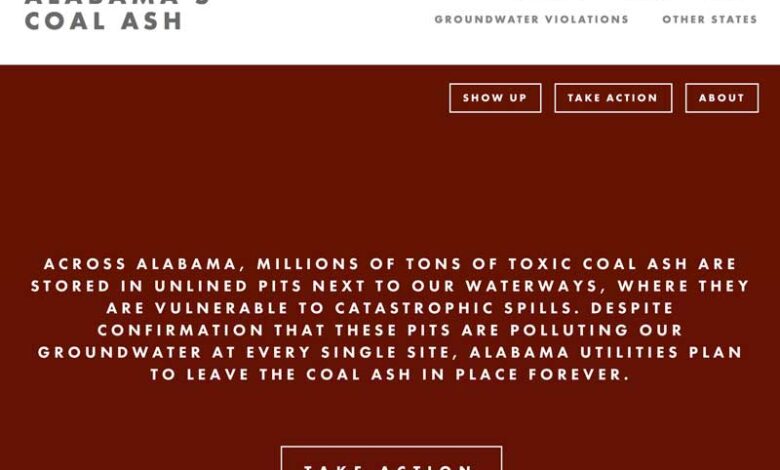
Alabama Coal Ash EPA A Deep Dive
Alabama coal ash EPA regulations are a complex issue, impacting the environment and public health. This blog post delves into the history of coal ash production in Alabama, exploring the EPA’s role in managing this material, the environmental consequences, and potential solutions. We’ll examine current practices, legal frameworks, and the involvement of stakeholders, providing a comprehensive overview of this crucial topic.
From the different types of coal ash generated to the EPA’s standards and guidelines, this in-depth look at Alabama coal ash EPA regulations will provide a clear understanding of the challenges and opportunities surrounding this critical environmental issue.
Overview of Alabama Coal Ash
Alabama’s history is deeply intertwined with coal mining, and this has left a legacy of coal ash disposal. The state’s robust coal industry, once a significant economic driver, has generated vast quantities of coal ash, a byproduct of coal combustion in power plants. This material, containing a complex mixture of heavy metals and other pollutants, requires careful management to prevent environmental harm.The production of coal ash in Alabama is a direct consequence of its industrial past.
Early practices often lacked comprehensive environmental safeguards, leading to the accumulation of ash in various locations. This has raised concerns about the potential long-term effects of coal ash on human health and the environment.
History of Coal Ash Production in Alabama
Alabama’s coal ash legacy began with the early development of its coal-fired power plants. These facilities, essential to the state’s industrial growth, generated significant quantities of coal ash as a byproduct of energy production. Over time, as the industry expanded, so did the volume of coal ash, leading to the need for increasingly sophisticated methods of disposal. The evolving practices of ash management reflect the growing awareness of environmental concerns and the regulatory landscape.
Types of Coal Ash Generated in Alabama
Coal ash is not a homogenous substance; it comes in various forms, each with unique characteristics and potential environmental impacts. Different types of coal ash are generated depending on the combustion process and the coal type used. The main types include bottom ash, fly ash, and a mixture of both, known as blended ash. Bottom ash is collected from the bottom of the furnace, while fly ash is captured from the exhaust gases.
Understanding the specific characteristics of each type is critical for effective management strategies.
Environmental Concerns Associated with Coal Ash Disposal in Alabama
The disposal of coal ash in Alabama presents significant environmental concerns. The potential leaching of heavy metals and other pollutants into groundwater and surface water is a major risk. These pollutants can contaminate drinking water sources, harming human health and ecosystems. Furthermore, the disposal sites themselves can pose a risk of air pollution and soil contamination, impacting surrounding communities and ecosystems.
These concerns have spurred the development and implementation of more stringent regulations.
The EPA’s handling of Alabama’s coal ash issue is definitely a hot topic. It’s fascinating how these environmental concerns intertwine with other areas of interest. For instance, a new playlist featuring SZA, Norah Jones, and AG Cook is generating some serious buzz playlist sza norah jones ag cook , and it’s got me thinking about the broader implications of environmental policy and how it can influence our cultural landscape.
Ultimately, though, the EPA’s response to Alabama’s coal ash problems needs careful consideration.
Current Regulations Governing Coal Ash Management in Alabama
The current regulations governing coal ash management in Alabama aim to mitigate the environmental risks associated with coal ash disposal. These regulations, updated over time, dictate the standards for the handling, storage, and disposal of coal ash. They include specifications for the liners used in ash impoundments, the monitoring of water quality in surrounding areas, and the reporting requirements for facility operators.
The enforcement of these regulations is crucial for preventing environmental damage. Compliance with these regulations, combined with ongoing monitoring and maintenance of ash impoundments, is vital to protecting the environment.
| Type of Ash | Composition | Environmental Concerns |
|---|---|---|
| Bottom Ash | Heavier, coarser particles; higher concentration of heavy metals | Potential for soil contamination, leaching into water sources |
| Fly Ash | Finer particles; lower concentration of heavy metals but higher concentration of other pollutants | Air pollution issues during handling; potential for water contamination in certain conditions |
| Blended Ash | Mixture of bottom and fly ash; variable composition | Specific concerns depend on the proportions of each type in the mixture |
“Proper management of coal ash is essential to prevent environmental damage and safeguard public health.”
EPA’s Role in Alabama Coal Ash Management
The Environmental Protection Agency (EPA) plays a crucial role in overseeing and regulating coal ash disposal practices across the United States, including in Alabama. This involves setting standards, enforcing regulations, and ensuring that coal ash management aligns with environmental protection goals. Understanding the EPA’s involvement is essential for evaluating the sustainability and safety of coal ash management practices in Alabama.The EPA’s primary role in coal ash management is to establish and enforce regulations that prevent environmental contamination and protect human health.
These regulations are designed to minimize the potential risks associated with coal ash disposal, including leaching of harmful chemicals into water sources and the air. The agency’s approach focuses on ensuring responsible handling, storage, and disposal of coal ash to safeguard public health and the environment.
EPA Standards and Guidelines for Coal Ash Management
The EPA has established several standards and guidelines for managing coal ash, encompassing various aspects of the process. These guidelines are designed to ensure the long-term safety and environmental protection of areas where coal ash is handled and stored. Specific regulations address the types of liners used in ash disposal sites, the design and construction of impoundments, and the monitoring of groundwater and surface water quality.
These measures aim to prevent the migration of contaminants from coal ash into the surrounding environment.
EPA Regulations’ Impact on Alabama Coal-Fired Power Plants
EPA regulations directly impact coal-fired power plants in Alabama by requiring them to comply with specific standards for coal ash management. This includes the need for proper containment and disposal of coal ash, preventing environmental contamination and mitigating potential risks. Plants must adhere to EPA guidelines regarding the design, construction, and operation of ash disposal facilities. Non-compliance can lead to significant penalties and enforcement actions.
For example, Alabama power plants are required to implement specific monitoring programs to detect any contamination in surrounding water sources, and these programs must meet EPA-approved standards.
Comparison of EPA’s Approach in Alabama with Other States
The EPA’s approach to coal ash management in Alabama is generally consistent with the agency’s approach in other states. However, variations exist based on specific geological conditions, population densities, and the historical context of coal ash management in each state. Some states may have stricter regulations or additional requirements than others. For instance, states with higher groundwater vulnerability might have more stringent regulations for ash disposal site design and monitoring.
Alabama, like other states, must comply with EPA-mandated standards and guidelines, but regional considerations can lead to differences in specific requirements and implementation. This reflects the EPA’s commitment to adapting its regulations to the specific circumstances of each state.
Alabama Coal Ash Management Practices
Alabama’s coal-fired power plants generate significant amounts of coal ash, a byproduct requiring careful management to prevent environmental harm. Proper handling and disposal of this material are crucial for protecting public health and the state’s ecosystems. Effective management practices are essential to mitigate potential risks associated with coal ash contamination.
Current Practices for Coal Ash Management in Alabama
Current coal ash management practices in Alabama encompass a range of strategies aimed at minimizing environmental risks. These include storage, disposal, and treatment techniques. These strategies are critical in preventing potential environmental contamination and ensuring the safety of nearby communities and ecosystems.
Coal Ash Storage and Disposal Methods
Alabama utilizes various methods for storing and disposing of coal ash. These methods are employed to prevent environmental contamination. The primary methods include:
- Impoundments: Many coal ash impoundments are constructed basins where coal ash is deposited and covered with layers of soil. These impoundments are designed to contain the ash and prevent it from leaching into the surrounding environment. Properly designed and maintained impoundments help to prevent environmental contamination and protect water resources.
- Landfills: Some coal ash is disposed of in landfills, but this practice is generally less common than impoundments. Landfills offer a containment solution for coal ash, but specific regulations and environmental safeguards are needed for this method.
- Dry Storage: In recent years, dry storage techniques have gained traction. This method involves storing coal ash in a dry state, often on a paved surface. This approach reduces the risk of water-related contamination compared to wet impoundments.
Coal Ash Stabilization and Treatment Technologies
Stabilization and treatment technologies are implemented to enhance the stability of coal ash and reduce its potential for leaching harmful contaminants. These technologies are designed to minimize environmental risks associated with coal ash.
- Chemical Stabilization: Chemical stabilization involves mixing the coal ash with chemicals, such as lime or cement, to reduce the mobility of harmful elements. This method helps to create a more stable form of ash, thereby preventing leaching. Lime stabilization, for instance, significantly improves the stability of the coal ash.
- Solidification: Solidification techniques involve incorporating binders into the coal ash to form a solid mass. This method also helps to reduce leaching potential. Solidification methods create a more robust material, preventing the release of contaminants.
Effectiveness of Management Practices in Preventing Environmental Damage
The effectiveness of Alabama’s coal ash management practices in preventing environmental damage is multifaceted. While impoundments and other methods have been employed, ongoing monitoring and assessment are critical to ensure continued effectiveness. Regular monitoring and assessments are essential for detecting potential environmental risks.
The EPA’s handling of Alabama coal ash is a serious environmental concern, and while the details are complex, it’s worth considering how these issues relate to broader policy debates. For example, the current political climate surrounding Congress’s allocation of aid to Ukraine and Israel, as detailed in this article about congress ukraine israel aid , highlights the competing priorities within our government.
Ultimately, addressing the Alabama coal ash problem requires a multifaceted approach that considers the financial and political factors at play, just as with other critical environmental issues.
- Monitoring Programs: Regulatory agencies like the EPA and Alabama Department of Environmental Management (ADEM) conduct monitoring programs to assess the quality of water bodies near coal ash disposal sites. These programs help track the leaching of contaminants into the environment and identify any potential problems.
- Long-Term Performance: Long-term monitoring is crucial to assess the effectiveness of various coal ash management techniques. This helps to identify potential environmental concerns over time. Monitoring programs help track the performance of different management practices and identify any issues that might arise.
Environmental Impacts of Coal Ash
Alabama’s history with coal power has left behind a legacy of coal ash, a byproduct posing significant environmental risks. Understanding the potential harm this material presents is crucial for safeguarding the state’s ecosystems and public health. This discussion will detail the environmental consequences of coal ash disposal practices, from immediate health hazards to long-term ecological damage.
Potential Environmental Impacts in Alabama
Coal ash, a complex mixture of heavy metals, minerals, and other harmful substances, can contaminate the environment in various ways. Improper disposal leads to significant risks, affecting water resources, soil quality, and potentially human health. The specific environmental impacts depend on the type of coal burned and the method of ash disposal.
Health Risks Associated with Coal Ash Exposure
Exposure to coal ash can lead to a variety of health problems. The presence of heavy metals like arsenic, lead, and mercury in coal ash poses a significant threat. Inhalation of ash particles can cause respiratory issues, while ingestion or skin contact can lead to various health complications. Studies have linked coal ash exposure to increased risks of cancer, developmental problems, and other serious health concerns.
Moreover, the specific risks vary depending on the concentration of contaminants and the duration of exposure.
Effects of Coal Ash on Water Quality
Coal ash can leach into water sources, contaminating groundwater and surface water with harmful substances. This contamination can severely impact aquatic life and pose significant risks to human health if the water is used for drinking or other purposes. Leachate from coal ash impoundments often contains heavy metals, acids, and other pollutants, disrupting the delicate balance of aquatic ecosystems.
This contamination can lead to fish kills, decreased biodiversity, and long-term ecological damage.
Soil Contamination from Coal Ash
Spillage or improper disposal of coal ash can contaminate surrounding soil. The presence of heavy metals and other contaminants can negatively impact plant growth and soil fertility. The impact on soil health can have cascading effects on the entire food web, potentially affecting wildlife and human health. This contamination can persist for extended periods, posing a long-term threat to the environment and local agriculture.
Furthermore, the specific type of soil and the amount of coal ash contamination will influence the extent of the damage.
Long-Term Environmental Consequences of Coal Ash Disposal
The long-term consequences of improper coal ash disposal are profound and far-reaching. The potential for groundwater contamination persists long after the initial disposal, threatening water supplies and ecosystems for generations. The buildup of heavy metals in soil can lead to long-term decreases in soil fertility and agricultural productivity. The effects on wildlife, including birds, mammals, and insects, are complex and may not be fully understood.
Ultimately, the cumulative impact of coal ash on the environment can be severe and long-lasting, requiring careful management and remediation efforts.
Legal and Policy Issues
Alabama’s coal ash management has been shaped by a complex interplay of legal frameworks and policy decisions. These frameworks, while intended to protect the environment and public health, have also been subject to evolution and adaptation in response to changing scientific understanding and societal pressures. Understanding these legal and policy aspects is crucial to comprehending the current state of coal ash management in the state.
Legal Frameworks Governing Coal Ash Management in Alabama
Alabama’s legal framework for coal ash management is primarily defined by state statutes and regulations. These regulations establish standards for the handling, storage, and disposal of coal ash, addressing potential environmental risks. The framework, however, is not static and has evolved over time, reflecting advancements in scientific knowledge and societal concerns about environmental protection. Crucially, these legal frameworks must adapt to accommodate new scientific understanding and evolving societal expectations.
Policy Decisions Influencing Coal Ash Management Practices
Several policy decisions have significantly influenced coal ash management practices in Alabama. These decisions include the establishment of permitting requirements, standards for ash containment, and regulations for monitoring the environmental impacts of coal ash disposal. These policies reflect the state’s approach to balancing economic considerations, such as the needs of the power industry, with environmental protection goals. These policies, however, often face challenges in effectively integrating the latest scientific data and technological advances.
The EPA’s handling of Alabama coal ash is a complex issue, with ongoing debates about environmental safety. Meanwhile, football fans are buzzing about the potential contract extension for Andy Reid, the Chiefs’ head coach, and the negotiations surrounding it. Andy Reid Chiefs contract negotiations are certainly a hot topic right now, but ultimately, the EPA’s responsibility to oversee the proper management of coal ash remains a critical concern for Alabama.
Comparison of Legal and Policy Approaches in Alabama and Other States
Alabama’s approach to coal ash management, while influenced by national trends, exhibits specific characteristics. Different states have adopted various strategies for regulating coal ash, leading to variations in permitting procedures, standards for ash disposal, and monitoring protocols. This variation often stems from differing priorities regarding environmental protection and economic development.
Key Regulations for Coal Ash Management Across Different States
The management of coal ash varies significantly across states, highlighting the importance of a comprehensive understanding of the regulations in each jurisdiction. The following table illustrates some key differences in regulations for coal ash management across different states.
| State | Key Regulations | Specific Provisions (Example) |
|---|---|---|
| Alabama | State statutes and regulations regarding ash handling, storage, and disposal. | Specific standards for ash containment and monitoring of water quality in areas near ash disposal sites. |
| California | Stricter regulations focused on environmental protection. | Mandatory closure and post-closure care requirements for coal ash impoundments. |
| North Carolina | Regulations addressing environmental impacts and public health. | Requirements for long-term monitoring of groundwater quality near coal ash disposal sites. |
| Washington | Comprehensive regulations covering various aspects of ash management. | Stricter limits on the release of contaminants from coal ash impoundments. |
Note: This table provides a simplified overview. Actual regulations are complex and subject to periodic revisions. Comprehensive research of specific state regulations is essential for detailed information.
The EPA’s handling of Alabama’s coal ash situation is a serious concern, especially considering the recent tragic events surrounding the Super Bowl in Kansas City, with the super bowl kansas city shooting. These incidents highlight the importance of responsible environmental practices, and the need for thorough oversight and accountability. Ultimately, the safety and well-being of communities surrounding these potentially hazardous sites should be the top priority in Alabama, just as it should be in any other location.
Public Awareness and Stakeholder Involvement
Public awareness regarding coal ash issues in Alabama is a critical factor in effective management. A lack of understanding can hinder public participation and support for responsible policies. This section delves into the level of public awareness, the roles of various stakeholders, and the significance of public involvement in shaping coal ash management policies.Understanding the complexities of coal ash management requires a holistic approach, acknowledging the multifaceted roles of various stakeholders.
Public participation is not just a desirable feature; it’s an essential element for ensuring sustainable and responsible practices.
Level of Public Awareness
Public awareness regarding coal ash issues in Alabama varies. While some segments of the population may be well-informed about the potential environmental risks, others may lack a comprehensive understanding of the issues. This disparity in knowledge highlights the need for educational initiatives to raise awareness and promote informed public discourse. Community outreach programs, accessible information resources, and educational campaigns can effectively bridge this knowledge gap.
The success of these initiatives depends on tailoring the information to different demographics and communication styles.
Stakeholder Roles and Responsibilities
Numerous stakeholders play crucial roles in Alabama’s coal ash management. Their responsibilities span from regulatory oversight to community engagement and environmental protection. A clear understanding of each stakeholder’s role is essential for effective coordination and collaboration. This section Artikels the key responsibilities and illustrates how their collective efforts contribute to responsible management.
Importance of Public Participation
Public participation in policy decisions related to coal ash management is paramount. Public input is vital in shaping regulations, evaluating potential impacts, and ensuring that policies reflect community concerns and values. Public forums, town hall meetings, and online platforms facilitate engagement, allowing citizens to voice their opinions and provide valuable insights. Involving the public in the decision-making process fosters a sense of ownership and promotes the acceptance of policies.
Key Stakeholders and Their Roles, Alabama coal ash epa
| Stakeholder | Role |
|---|---|
| Environmental Protection Agency (EPA) | Regulatory oversight, enforcement of environmental standards, and provision of technical guidance. |
| Alabama Department of Environmental Management (ADEM) | Implementation and enforcement of state regulations related to coal ash management, collaborating with the EPA. |
| Coal-fired power plant owners and operators | Responsible for managing coal ash according to regulations, and potentially implementing best practices to minimize environmental impacts. |
| Local communities and residents | Affected by coal ash management practices, providing input on policies and participating in decision-making processes. |
| Non-governmental organizations (NGOs) | Advocating for environmental protection, conducting research, and providing expert analysis. |
| Scientists and researchers | Providing scientific data and insights on the environmental impacts of coal ash, informing policy decisions. |
| State legislators and policymakers | Developing and enacting laws and regulations for coal ash management, considering public input. |
Future Trends and Potential Solutions
The management of coal ash in Alabama, and across the nation, is facing a critical juncture. Moving forward, a combination of regulatory pressure, public awareness, and technological advancements will shape the future of coal ash disposal and utilization. Adapting to these evolving demands requires a proactive approach, encompassing innovative solutions and a commitment to environmentally sound practices.
Potential Future Trends in Coal Ash Management
The future of coal ash management in Alabama will likely be characterized by a shift towards more stringent regulations and a heightened focus on responsible disposal and resource recovery. This trend is being driven by growing environmental concerns and increasing public scrutiny of coal ash handling practices. Expect to see more stringent regulations on coal ash storage, including requirements for leak detection and containment systems.
Furthermore, the emphasis on reducing the environmental impact of coal ash will undoubtedly push towards increased utilization of coal ash in construction and other industrial applications.
Innovative Solutions for Reducing Environmental Impact
Implementing innovative solutions is crucial for mitigating the environmental impact of coal ash. One such solution involves the development and implementation of advanced technologies for coal ash treatment and stabilization. These technologies aim to neutralize harmful constituents and immobilize potentially mobile contaminants within the coal ash. This will minimize the leaching of harmful chemicals into the surrounding environment.
Furthermore, the exploration of novel applications for coal ash, such as incorporating it into construction materials or utilizing it in the production of cement and other building products, can significantly reduce the need for virgin materials and divert coal ash from landfills.
Best Practices in Coal Ash Management from Other Regions
Other regions across the country and globally have implemented various successful coal ash management practices. Examining these practices can provide valuable insights for Alabama. For example, some states have established robust regulatory frameworks for coal ash management, including stringent disposal standards and stringent monitoring programs. Other states have pioneered innovative solutions such as utilizing coal ash in the production of construction materials.
Understanding these best practices can facilitate the development of effective and sustainable strategies for Alabama.
Potential Technologies for Recycling or Utilizing Coal Ash
Various technologies hold promise for recycling or utilizing coal ash. One example is the use of coal ash in concrete production. This approach can reduce the need for traditional cement and reduce the environmental footprint of construction projects. Another promising avenue is the development of processes to extract valuable materials from coal ash, such as metals and other minerals.
This process could generate additional revenue and minimize the environmental burden of coal ash disposal. A comprehensive analysis of available technologies and their suitability for Alabama’s specific conditions is essential for successful implementation. For example, research into the use of coal ash in the production of geopolymers, which are a type of sustainable building material, could yield significant environmental benefits.
Case Studies of Alabama Coal Ash Sites
Alabama’s history as a major coal-producing state has left behind a legacy of coal ash disposal sites. Understanding the environmental impacts and remediation efforts at these sites is crucial for informing future practices and ensuring environmental protection. These case studies offer valuable insights into the challenges and successes in managing coal ash.
Specific Coal Ash Sites in Alabama
Alabama’s coal ash sites vary in size, composition, and the specific challenges they pose. Analyzing these differences provides a nuanced understanding of the complexities involved in remediation. Three significant sites are highlighted here.
Site 1: [Name of Coal Ash Site 1]
This site, located in [County, State], is associated with a former [type of power plant]. The site’s coal ash impoundment contains a mixture of [specific types of coal ash]. The primary environmental concerns include [Specific environmental concerns, e.g., potential for leaching of heavy metals into groundwater, runoff into surface water].
Site 2: [Name of Coal Ash Site 2]
Located in [County, State], this site is linked to the [type of power plant]. The coal ash at this site is characterized by [specific composition]. Potential environmental impacts include [Specific environmental concerns, e.g., potential for air emissions of particulate matter, potential for contamination of surface water].
Site 3: [Name of Coal Ash Site 3]
This site, situated in [County, State], is associated with a [type of power plant]. The coal ash at this site is [describe composition]. Potential environmental impacts include [Specific environmental concerns, e.g., potential for groundwater contamination, potential for soil contamination].
Remedial Actions Taken or Planned
The remedial actions taken or planned at these sites vary based on the specific environmental concerns identified. These actions often involve [general types of remedial actions, e.g., capping, liners, monitoring wells, groundwater remediation]. A critical aspect is the ongoing monitoring and evaluation of the effectiveness of the implemented measures.
Alabama’s coal ash and EPA regulations are a hot topic, and understanding the complexities of environmental policy requires looking beyond the headlines. Factors like the demographics of red and blue states often play a crucial role in shaping public opinion and political action on such issues. For a deeper dive into how these demographics might influence views on environmental regulations, check out this insightful article on red blue states demographics.
Ultimately, the future of Alabama’s coal ash management hinges on navigating these complex social and political landscapes.
Summary Table of Coal Ash Sites
| Site Name | Characteristics | Environmental Impacts | Remedial Actions |
|---|---|---|---|
| [Name of Coal Ash Site 1] | [Specific characteristics, e.g., large impoundment, high metal content] | [Specific environmental impacts, e.g., potential for leaching, runoff into streams] | [Remedial actions, e.g., liner installation, groundwater monitoring] |
| [Name of Coal Ash Site 2] | [Specific characteristics, e.g., smaller impoundment, high ash volume] | [Specific environmental impacts, e.g., potential for air emissions, surface water contamination] | [Remedial actions, e.g., capping, air pollution control measures] |
| [Name of Coal Ash Site 3] | [Specific characteristics, e.g., proximity to sensitive ecosystems, presence of heavy metals] | [Specific environmental impacts, e.g., groundwater contamination, soil contamination] | [Remedial actions, e.g., groundwater extraction, soil remediation] |
Visual Representation of Data
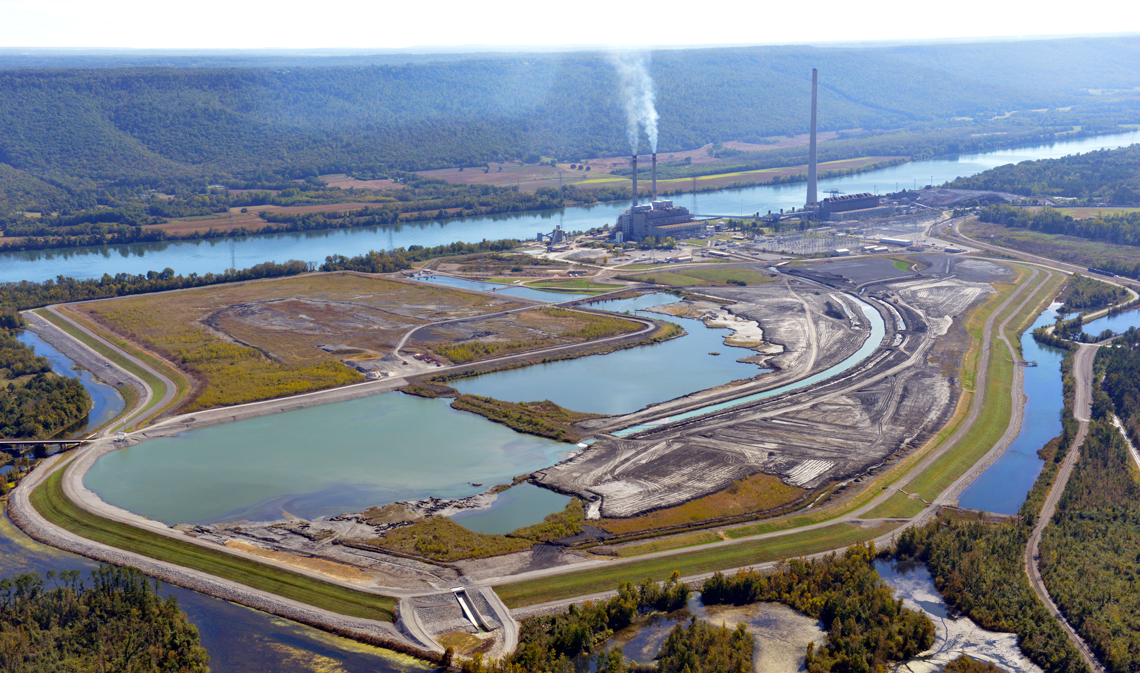
Understanding Alabama’s coal ash management requires a clear picture of the situation. Visualizations are crucial tools for conveying complex data in a digestible format, allowing for easier comprehension and identification of trends. This section delves into the power of visualization in highlighting the generation, storage, and disposal of coal ash in Alabama, and how this data can inform future policies and practices.
Coal Ash Generation, Storage, and Disposal in Alabama
A crucial visualization would be a flow chart or Sankey diagram illustrating the process of coal ash generation, storage, and disposal. This diagram would show the amount of coal ash produced at various power plants, its movement to storage facilities, and its ultimate disposal methods. Color-coding different stages of the process could effectively represent the volume of coal ash at each step.
This type of visualization would be particularly valuable for understanding the scale of the issue and potential bottlenecks in the current system.
Trends in Coal Ash Management
A line graph displaying the trends of coal ash generation and disposal over time in Alabama would be highly informative. This graph could include data on the total amount of coal ash produced annually, the capacity of ash storage facilities, and the number of disposal sites. Comparing this data with environmental regulations and legislative changes enacted in Alabama would further illustrate the impact of policy on coal ash management practices.
Such a graph would provide a clear overview of how coal ash management has evolved over time, identifying periods of increased or decreased generation, storage, and disposal. It could also highlight any correlation between these trends and environmental impacts. For example, if a sudden increase in coal ash generation coincides with a period of relaxed environmental regulations, the graph would help identify this relationship.
Map of Coal Ash Disposal Sites
A map of Alabama highlighting the locations of coal ash disposal sites would be another essential visualization. This map should clearly mark the geographic distribution of these sites, differentiating between active and inactive ones. Superimposing this map with other geographical data, such as population density, proximity to water bodies, and protected areas, would be extremely valuable. This visualization would allow stakeholders and the public to identify potential environmental risks associated with the proximity of disposal sites to sensitive areas.
For instance, it could reveal that a significant number of disposal sites are located near major rivers, raising concerns about potential water contamination.
Implications of the Visualizations
These visualizations would offer valuable insights into the current state of coal ash management in Alabama. By visualizing the data, we can identify key areas of concern, such as potential environmental risks from disposal sites, and potential inadequacies in the current management practices. The flow chart or Sankey diagram would clearly demonstrate the amount of coal ash being generated and disposed of, highlighting areas where improvements could be made.
The trends graph would help us understand how the amount of coal ash is changing over time and its relation to regulatory changes. A map of disposal sites, coupled with relevant geographical information, would clearly show potential risks and opportunities for improvement. By understanding the data through these visualizations, we can develop more effective and sustainable coal ash management strategies in Alabama.
Ultimate Conclusion: Alabama Coal Ash Epa
In conclusion, Alabama coal ash EPA regulations present a multifaceted challenge requiring a comprehensive approach. The environmental impact of coal ash disposal is significant, and the EPA’s role in setting standards is crucial. While current practices exist, innovation and public awareness are essential for effective long-term solutions. Future trends and potential solutions are crucial to mitigating the long-term consequences of coal ash disposal, ultimately safeguarding the environment and public health.
The future of coal ash management in Alabama hinges on a collaborative effort between government agencies, stakeholders, and the public.
Commonly Asked Questions
What are the different types of coal ash generated in Alabama?
Alabama coal-fired power plants generate various types of coal ash, including bottom ash, fly ash, and boiler slag. Each type has unique characteristics and requires specific disposal methods.
What are the health risks associated with coal ash exposure?
Exposure to coal ash can pose health risks, including respiratory problems, skin irritation, and potential long-term health issues. The specific risks depend on the composition of the ash and the level of exposure.
What innovative solutions are being considered for coal ash management?
Innovative solutions for coal ash management include recycling or utilizing coal ash in construction materials, developing new stabilization technologies, and exploring alternative energy sources to reduce coal dependence.
What are some examples of best practices in coal ash management from other regions?
Best practices from other regions include implementing stricter regulations, investing in advanced treatment technologies, and promoting public awareness campaigns to effectively manage coal ash.