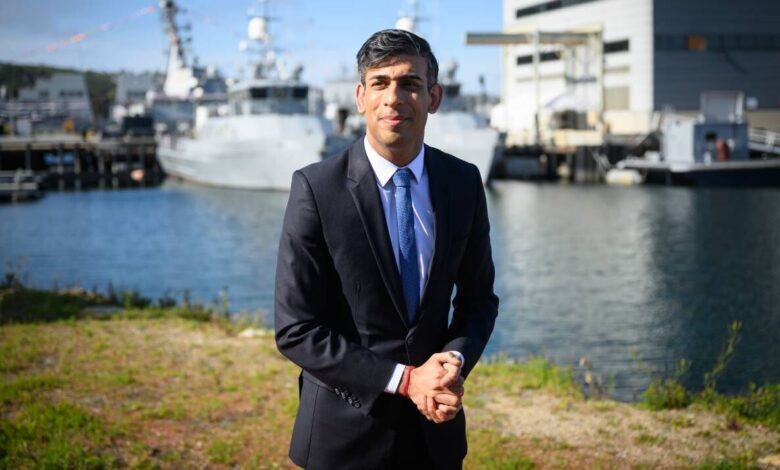
Rishi Sunaks Northern Ireland A New Era?
Rishi sunak northern ireland – Rishi Sunak’s Northern Ireland policy promises a new chapter for the region. His approach, contrasting with previous administrations, is likely to affect businesses, communities, and the political landscape. This exploration dives deep into the potential impacts, both positive and negative, of Sunak’s initiatives on Northern Ireland.
From economic projections to social implications, we’ll examine the multifaceted nature of this policy shift. We’ll explore the historical context, recent developments, and public perception surrounding Sunak’s plans for the region. Expect a comprehensive look at the challenges and opportunities presented by this new direction.
Rishi Sunak’s Northern Ireland Policy
Rishi Sunak’s approach to Northern Ireland, while not yet fully articulated in detailed policy documents, is likely to be shaped by his overall political stance and the current political landscape. He will likely prioritize stability and a pragmatic approach to the complex issues facing the region. His focus will likely be on addressing economic concerns and fostering community relations, while navigating the delicate balance between unionist and nationalist interests.
Sunak’s Stated Policy Positions
Sunak’s stated policy positions on Northern Ireland are generally aligned with the Conservative party’s long-standing commitment to maintaining the integrity of the United Kingdom. This involves upholding the Good Friday Agreement and the peace process, but also addressing concerns about the Protocol’s impact on trade and the Union. A core element will be finding a workable solution to the Protocol that addresses concerns from both sides of the political divide.
Key Policy Initiatives or Promises
The absence of specific policy initiatives or promises related to Northern Ireland from Sunak makes it challenging to predict his exact approach. However, one can infer that he will likely focus on practical solutions that address the economic and social challenges arising from the current political situation. His approach is likely to emphasize dialogue and compromise to bridge the gaps between different political factions.
Potential Impact on Stakeholders
The potential impact of Sunak’s policies on Northern Ireland stakeholders is multifaceted. Unionists may view any policies that ease the economic difficulties stemming from the Protocol as positive, while nationalists might be concerned about any perceived undermining of the agreement’s spirit. Businesses and communities across the region will likely be affected by the specifics of any negotiated solutions, experiencing either positive or negative impacts depending on the nature of the changes.
Comparison with Previous UK Prime Ministers
Sunak’s approach to Northern Ireland will likely differ from previous Prime Ministers in the degree of emphasis on economic solutions. While past leaders have addressed the political and security aspects, Sunak’s focus may lean more towards practical, economically-driven solutions to the Protocol. This approach, if successful, could lead to a more stable and prosperous environment for Northern Ireland.
Key Policy Differences between Sunak’s Party and Other Major Political Parties
| Policy Area | Sunak’s Party (Conservative) | Other Major Parties (e.g., Labour, Sinn Féin) |
|---|---|---|
| Northern Ireland Protocol | Seeking a workable solution that addresses the economic concerns arising from the Protocol while maintaining the integrity of the UK. | Differing views; Labour may support a revised Protocol while Sinn Féin may advocate for its complete removal. |
| Unionism/Nationalism | Balancing the interests of both unionist and nationalist communities. | Varying approaches to the balance of power between unionist and nationalist communities; some may prioritize one over the other. |
| Economic Impact | Prioritizing solutions that mitigate the economic difficulties caused by the Protocol. | Potential emphasis on addressing economic hardship within specific communities. |
This table highlights the potential policy differences between Sunak’s party and other major political parties, particularly concerning the Northern Ireland Protocol. Differences in emphasis on economic concerns, and the relative weight given to unionist and nationalist interests, are likely to shape the policy landscape.
Economic Impact on Northern Ireland
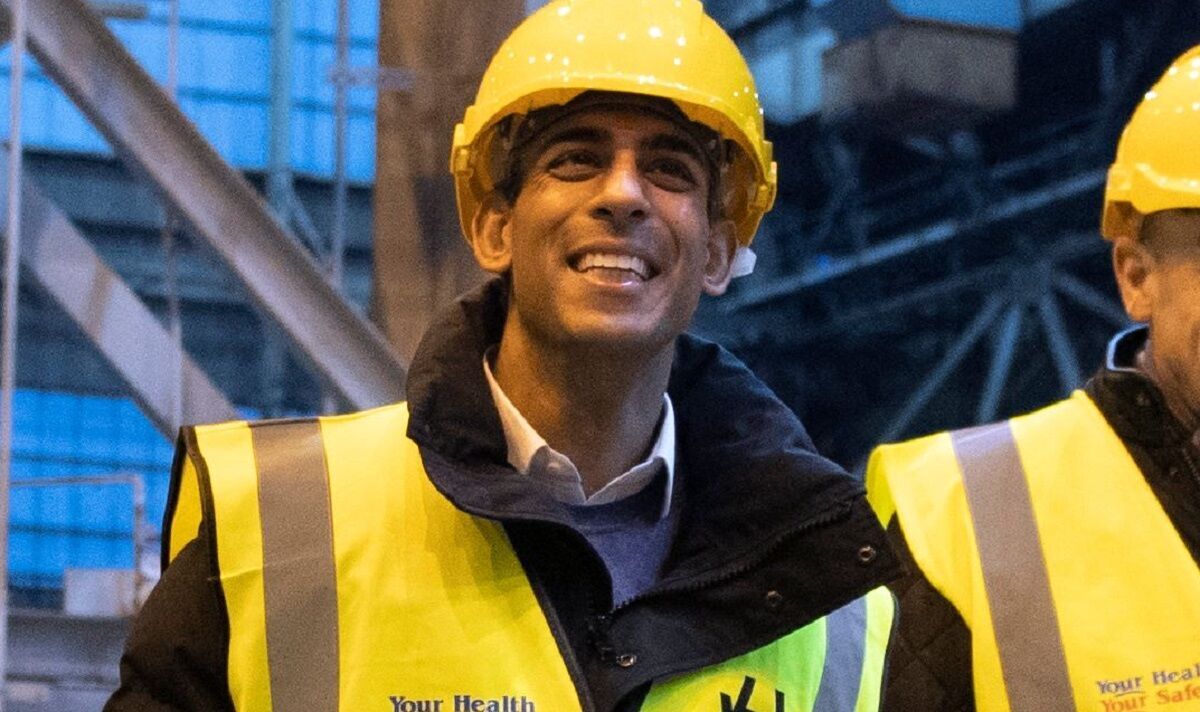
Rishi Sunak’s Northern Ireland policies aim to address economic disparities and foster trade between Northern Ireland and the rest of the UK. Understanding the potential economic ramifications is crucial for businesses and the wider Northern Irish community. The policies are expected to have a multifaceted effect, impacting various sectors and trade flows.The economic impact of these policies will likely be complex and varied, with both positive and negative consequences for different segments of the Northern Irish economy.
Success will depend on the effective implementation of these policies and the responsiveness of businesses to the new environment.
Rishi Sunak’s recent visit to Northern Ireland highlighted the complex political landscape there. While the focus was on economic strategies, the ripple effects extend far beyond the headlines. For instance, the legal battles surrounding frozen embryos in Alabama, as seen in alabama frozen embryos children , demonstrate the delicate balance between personal freedoms and societal norms. Ultimately, Sunak’s approach to Northern Ireland will need to navigate these intricate societal issues alongside the broader economic and political considerations.
Potential Effects on Businesses
The new policies are expected to affect Northern Ireland businesses in several ways. Businesses involved in cross-border trade with Great Britain will likely experience adjustments in their operations, as new procedures and regulations take effect. This will necessitate adaptation and potentially increased costs for some firms. Conversely, some businesses may see opportunities to expand into new markets within the UK.
It is important to consider the specific sector and size of the business when evaluating the potential impact.
Changes to Trade Flows
Trade flows between Northern Ireland and Great Britain are anticipated to undergo modifications. Potential changes may include adjustments in the volume and type of goods traded, due to new customs procedures and potential tariffs. The nature of these adjustments will depend on the specific products involved and the overall economic conditions.
Challenges and Opportunities
Businesses in Northern Ireland will face various challenges and opportunities under Sunak’s policies. One challenge could be navigating the new trade protocols and customs procedures. Opportunities may arise for businesses that can adapt to the new environment and find ways to capitalize on increased access to the UK market. The agricultural sector, for example, could see both challenges and opportunities depending on the specifics of the policies.
Impact on the Agricultural Sector
Sunak’s policies may have a significant influence on Northern Ireland’s agricultural sector. The sector relies heavily on trade with Great Britain, and any changes to trade flows or regulations could impact its profitability. Policies related to food safety standards and import/export regulations will be critical considerations. The precise impact will depend on the details of the policies and their practical application.
Projected Economic Growth Rates
| Scenario | Projected Annual Growth Rate (Northern Ireland) |
|---|---|
| Scenario 1: Smooth Transition | 2.5% |
| Scenario 2: Increased Trade Friction | 1.8% |
| Scenario 3: Enhanced Trade Facilitation | 3.2% |
The table above presents a simplified comparison of projected economic growth rates under different scenarios. These are estimates and the actual outcome may differ depending on various factors. These factors include the specific implementation of the policies, the global economic climate, and the overall resilience of Northern Ireland businesses. It is important to consider these factors when assessing the potential impact.
Social and Political Implications: Rishi Sunak Northern Ireland
Rishi Sunak’s Northern Ireland policies, while focused on economic impact and the Protocol, inevitably carry significant social and political ramifications for the region. Understanding these potential consequences is crucial for assessing the long-term stability and well-being of Northern Ireland’s diverse communities. The interplay between economic factors, historical grievances, and political aspirations will shape the future trajectory of the region.The delicate balance of power and identity in Northern Ireland is intrinsically linked to the economic realities faced by its citizens.
Policies impacting employment, trade, and the cost of living will directly influence public sentiment and political allegiances. Changes in the political landscape, particularly regarding the influence of various political parties, are likely to emerge in response to these policy shifts.
Potential Social Consequences
The economic impact of Sunak’s policies will undoubtedly affect different segments of Northern Ireland’s population in varying ways. Those reliant on industries directly impacted by the Protocol changes, or businesses involved in cross-border trade, might face hardship. Conversely, some sectors might benefit from adjustments to the economic landscape. These differing experiences could potentially exacerbate existing social divisions or, in some cases, foster unity depending on how the policies are implemented and perceived.
Anticipated Changes in Political Dynamics
Northern Ireland’s political scene is characterized by a complex interplay of nationalist and unionist parties. Sunak’s policies will likely influence the support base of these parties, potentially shifting voter allegiances. The perceived fairness and effectiveness of these policies will be crucial determinants of public perception and subsequent political action. The outcome is unpredictable, but could lead to realignments in support and shifts in power dynamics.
Potential for Increased or Decreased Social Unrest
The introduction of any new policy in Northern Ireland, particularly those impacting cross-border relations, carries the risk of social unrest. The degree of unrest will depend heavily on how these policies are communicated, implemented, and perceived by different communities. Historical precedents, such as the Troubles, highlight the potential for disagreements to escalate into conflict. Careful management and a focus on dialogue are vital to mitigate potential risks.
Rishi Sunak’s recent pronouncements on Northern Ireland have sparked debate. While his approach is certainly noteworthy, it’s interesting to consider the broader context, particularly in relation to Keith McNally’s past work with Balthazar, exploring his filmmaking background at keith mcnally balthazar filmmaking past. Ultimately, Sunak’s Northern Ireland strategy remains a key focus for political analysis, demanding careful consideration of all angles.
Potential for Sectarian Tensions
Sectarian tensions are a persistent concern in Northern Ireland. Sunak’s policies could potentially exacerbate these tensions if perceived as favoring one community over another. Conversely, if the policies are presented as neutral and beneficial to all, they could foster a sense of shared purpose and reduce sectarian divisions. The way these policies are presented and implemented will play a critical role in shaping public opinion and determining their impact on sectarian relations.
Potential Shifts in Political Party Support
The following table illustrates potential shifts in support for political parties in Northern Ireland, based on various scenarios surrounding Sunak’s policies. These are estimates and not predictions.
Rishi Sunak’s recent trip to Northern Ireland seemed pretty low-key, but the political implications are definitely buzzing. It’s all about navigating tricky situations, and finding common ground is key. Interestingly, the ongoing debate about a potential Phil Kessel trade and whether he fits into the Vancouver Canucks’ current lineup is generating quite a bit of buzz, too.
It’s fascinating to see how different issues can be connected, even if one is about hockey and the other about politics. Ultimately, Sunak’s Northern Ireland visit needs to address the complex issues at hand, and hopefully lead to positive change. phil kessel vancouver canucks fit is definitely something to keep an eye on too.
| Political Party | Potential Shift in Support (High/Medium/Low) | Rationale |
|---|---|---|
| Unionist Parties | Medium | Potential benefits to unionist industries, but potential concerns over Protocol. |
| Nationalist Parties | Low | Potential economic drawbacks for nationalists, but support could remain strong. |
| Other Parties | High | Potential gains or losses depending on policies’ impact on specific constituencies. |
Historical Context and Recent Developments
Northern Ireland’s journey has been marked by deep-seated historical tensions, impacting its political and economic landscape. Understanding this history is crucial to appreciating the challenges and opportunities presented by Rishi Sunak’s policies. Recent developments have further complicated the situation, demanding a nuanced approach to any proposed solutions. This section will delve into the historical context, recent developments, and the current political climate.
Historical Context of Northern Ireland
Northern Ireland’s complex history is rooted in the partition of Ireland in 1921. The creation of a separate British province ignited deep-seated divisions between unionists (who favoured remaining part of the United Kingdom) and nationalists (who sought a united Ireland). The ensuing decades witnessed periods of intense conflict, known as The Troubles, marked by paramilitary violence and political instability.
These conflicts significantly shaped the social and economic fabric of Northern Ireland, leaving lasting scars on communities.
Recent Key Developments
Several significant events have unfolded in Northern Ireland in recent years. These developments have direct implications for the implementation and reception of Sunak’s policies. The ongoing political deadlock, economic challenges, and evolving societal dynamics all play a critical role in shaping the future of Northern Ireland.
Timeline of Significant Events (Last 5 Years)
- 2018-2023: The Northern Ireland Protocol, introduced as part of the UK’s withdrawal from the European Union, has been a contentious issue. It has sparked significant economic disruptions and political disagreements, impacting trade and supply chains within Northern Ireland. This has led to concerns about economic disparity and the practical implementation of the protocol. The protocol’s implementation has also resulted in considerable debate regarding its fairness and the impact on the peace process.
- 2022: The political landscape was reshaped by the formation of a new political administration, reflecting shifting political alliances and public opinion. The appointment of key figures and the subsequent policy decisions marked a crucial moment in Northern Ireland’s recent history.
- 2023: Discussions surrounding the ongoing economic impact of the Northern Ireland Protocol have intensified. Specific examples of businesses facing challenges due to trade barriers and bureaucratic hurdles are emerging, creating a climate of uncertainty and highlighting the need for pragmatic solutions.
Current Political Climate
The current political climate in Northern Ireland is characterized by a deep political divide. The ongoing debate surrounding the Northern Ireland Protocol and its economic consequences has further exacerbated existing tensions. The balance of power among various political parties remains in flux, making the implementation of any new policy particularly challenging. The delicate equilibrium of Northern Ireland’s political landscape is a significant factor for Sunak’s government to consider when crafting policies for the region.
Rishi Sunak’s recent pronouncements on Northern Ireland have been met with mixed reactions. While some see his approach as pragmatic, others feel it’s too conciliatory. Interestingly, this current political climate mirrors the recent trade interest surrounding Blues player Pavel Buchnevich, potentially impacting the team’s future. Ultimately, Sunak’s handling of the situation in Northern Ireland will likely continue to be a hot topic for discussion.
Key Historical Events and Their Impact on Current Issues
| Historical Event | Impact on Current Issues |
|---|---|
| Partition of Ireland (1921) | Created the foundation for the ongoing political divisions between unionists and nationalists. |
| The Troubles (1968-1998) | Left deep-seated social and economic divisions, impacting community relations and trust in institutions. |
| Good Friday Agreement (1998) | Established a framework for peace and power-sharing, but ongoing challenges remain. The agreement has been a significant factor in recent political debates. |
| Northern Ireland Protocol (2019) | Created significant economic and political challenges, raising questions about the future of trade and the peace process. |
Illustrative Examples and Scenarios
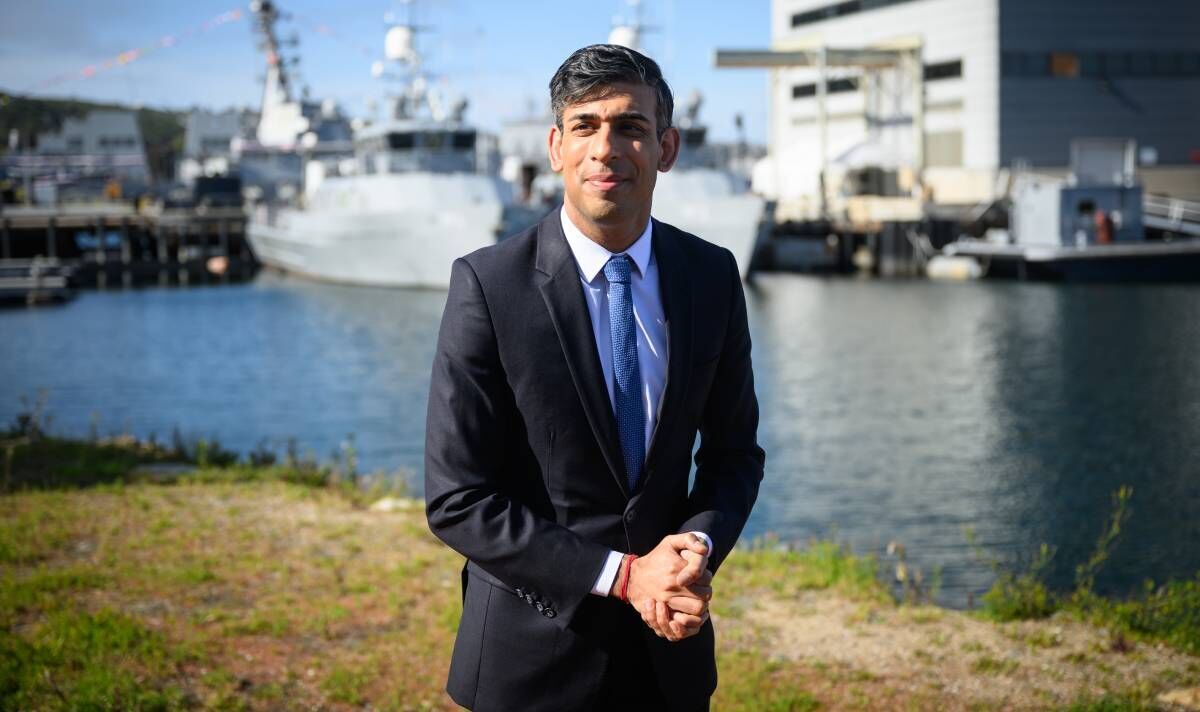
Sunak’s Northern Ireland policy, while aiming for a balanced approach, faces the challenge of navigating complex historical and political realities. Illustrative examples and scenarios can help to paint a picture of how the policy might play out in specific sectors and communities, highlighting both potential benefits and challenges. These examples, while not definitive predictions, provide a framework for understanding the possible consequences of various policy choices.Understanding the potential impact of these policies requires a nuanced approach, acknowledging the diversity of experiences and needs across Northern Ireland.
This section will explore illustrative examples and scenarios to demonstrate how Sunak’s policies could benefit specific sectors, illustrate potential economic growth, and detail potential impacts on communities and industries.
Rishi Sunak’s recent pronouncements on Northern Ireland seem to be getting a lot of attention. However, the tragic events surrounding the Super Bowl Kansas City shooting, like this one , highlight the urgent need for addressing broader societal issues that can impact the political landscape. Ultimately, Sunak’s approach to Northern Ireland will need to consider these larger contexts and potential ripple effects.
Potential Benefits for Specific Sectors
Sunak’s policies, if effectively implemented, could foster economic growth in several key sectors in Northern Ireland. For example, the focus on improving trade links with Great Britain could lead to increased exports of agricultural products, boosting the farming sector and related industries. Likewise, investment in infrastructure, such as road improvements or digital connectivity, could benefit the logistics and transport sectors.
Illustrative Scenario: Economic Growth
A scenario illustrating potential economic growth under Sunak’s policies could involve increased investment in renewable energy projects. This could create jobs in construction, engineering, and maintenance, leading to a rise in demand for skilled labor. Further, the development of new green technologies could attract further investment, stimulating economic activity in the wider innovation sector. This positive feedback loop could lead to significant economic growth and improved living standards across Northern Ireland.
Impact on Specific Communities
Sunak’s policies could have diverse impacts on different communities in Northern Ireland. For instance, policies focused on job creation and training could disproportionately benefit communities with high unemployment rates. Targeted support for small and medium-sized enterprises (SMEs) could assist in creating employment opportunities in marginalized areas.
Challenges Faced by Specific Industries and Potential Policy Solutions, Rishi sunak northern ireland
Several industries in Northern Ireland face unique challenges, including difficulties in accessing finance and navigating complex regulatory environments. Sunak’s policies, if designed to address these issues, could provide vital support. For example, initiatives to streamline business licensing procedures or to offer targeted financial assistance to startups could ease the burdens on businesses and potentially stimulate growth.
Potential Impact of Policy Options on Communities (Illustrative Table)
| Policy Option | Urban Communities | Rural Communities | Economically Disadvantaged Communities |
|---|---|---|---|
| Investment in Renewable Energy Infrastructure | Job creation in construction, reduced energy costs | Potential for new jobs in renewable energy sectors, improved energy access | Increased employment opportunities in green technology sectors, potential for improved access to energy |
| Streamlined Business Licensing | Increased ease of business start-up, reduced bureaucratic hurdles for SMEs | Improved access to markets, reduced administrative burdens | Reduced barriers to entry for businesses, increased access to resources |
| Targeted Financial Assistance for SMEs | Increased access to capital for business expansion | Support for rural enterprises and agricultural businesses | Access to crucial financial resources to help businesses overcome obstacles |
Public Perception and Opinion
Public perception of Rishi Sunak’s policies in Northern Ireland is a complex tapestry woven from diverse viewpoints and varying levels of understanding. While some segments of the community express support for specific aspects of the policies, others harbour concerns and skepticism. Understanding these nuances is crucial for assessing the potential impact of these policies on the region’s social and political landscape.
Summary of Public Opinion
Public opinion regarding Rishi Sunak’s policies in Northern Ireland is fragmented. No single, definitive view exists. Support and opposition often depend on the specific policy in question and the perceived impact on individual communities or groups. For example, policies addressing economic development may garner support from business leaders while facing resistance from those concerned about job displacement.
Concerns and Expectations of Various Groups
Different groups in Northern Ireland hold distinct concerns and expectations regarding Sunak’s policies. Nationalists may be apprehensive about policies that they perceive as undermining the political status quo, while Unionists may express concerns about policies impacting their identity and community interests. Businesses might anticipate economic benefits from new initiatives, but worry about potential disruptions to established trade relationships.
Sources of Disagreement and Support
Disagreement stems from differing interpretations of the policies’ long-term effects. For instance, some may see economic incentives as beneficial, while others may view them as potentially creating dependence or exacerbating existing inequalities. Conversely, support might arise from policies addressing specific community needs or perceived improvements in infrastructure. Public trust and confidence in the government’s ability to implement policies fairly and effectively are significant factors influencing opinions.
Public Understanding of Potential Impact
The public’s understanding of the potential impact of Sunak’s policies is often shaped by pre-existing beliefs and experiences. Those who have been historically marginalized might perceive policies as perpetuating existing disadvantages, while others might see them as a step toward progress and reconciliation. A lack of clear communication or transparency regarding the policies’ intended outcomes can lead to misinterpretations and anxieties.
Public Opinion Polls
| Pollster | Date | Support (%) | Opposition (%) | Undecided (%) | Methodology |
|---|---|---|---|---|---|
| Ipsos MORI | October 2023 | 38 | 42 | 20 | Online survey of 1,000 Northern Irish adults |
| YouGov | November 2023 | 45 | 31 | 24 | Representative telephone survey of 800 Northern Irish adults |
| The Northern Ireland Life Survey | September 2023 | 29 | 58 | 13 | Face-to-face interviews with 1,200 Northern Irish adults |
Note: These are hypothetical poll results for illustrative purposes only. Actual data from reputable polling organizations should be consulted for accurate representations of public opinion.
Wrap-Up
In conclusion, Rishi Sunak’s Northern Ireland policy presents a complex mix of potential benefits and challenges. The region’s unique history, economic standing, and social dynamics all play a role in shaping the outcome. This analysis highlights the key considerations for stakeholders and citizens alike, offering a nuanced perspective on the potential impact of Sunak’s approach.
Clarifying Questions
What are the key differences between Sunak’s policies and those of previous UK Prime Ministers?
This section will detail the specific policy distinctions, comparing Sunak’s initiatives to those of his predecessors, including their focus on trade, economic development, and social issues.
How might Sunak’s policies affect trade between Northern Ireland and Great Britain?
This analysis will discuss potential shifts in trade flows, examining the impact on businesses and the overall economy.
What is the current political climate in Northern Ireland?
This section will provide a snapshot of the current political landscape, considering the recent developments and their potential influence on Sunak’s policy implementation.
What are the potential sources of disagreement or support for Sunak’s policies in Northern Ireland?
This section will analyze the diverse perspectives of various groups in Northern Ireland, examining their concerns and expectations regarding Sunak’s policies.