Nevada Republican Primary Trump vs. Haley
Nevada Republican Primary Caucus Trump Haley: This crucial Nevada Republican primary battle pits Donald Trump against Nikki Haley, setting the stage for a potentially decisive showdown. The outcome could significantly impact the Republican field heading into the general election, potentially reshaping the political landscape. We’ll explore the candidates’ strategies, potential voter motivations, and the broader implications of this crucial primary contest.
The Nevada Republican caucus is a significant event in the presidential primary calendar. Historically, it has served as a crucial indicator of the electorate’s preferences and could offer valuable insights into the strengths and weaknesses of each candidate’s campaign strategies. This article delves into the nuances of this election and what it could mean for the future.
Overview of the Nevada Republican Primary Caucus
The Nevada Republican Primary Caucus, a significant event in the lead-up to the US presidential election, provides a crucial early glimpse into the political landscape. It serves as a testing ground for candidates, offering a snapshot of voter preferences and the potential strengths and weaknesses of their campaigns. Understanding its importance and historical context is key to comprehending its impact on the election cycle.The Nevada Republican caucus is noteworthy for its role in shaping the early stages of the presidential race.
The results often influence media coverage, fundraising efforts, and the strategic decisions of candidates as they navigate the complex landscape of primary elections. Its outcome can provide a strong indication of a candidate’s viability and appeal to different segments of the electorate.
Significance in the Presidential Election
The Nevada Republican Primary Caucus holds considerable weight due to its location and timing. Nevada is strategically positioned as a swing state, with a diverse population that offers insights into the national electorate. The early results can impact the allocation of resources by campaigns, shaping their messaging and strategy for future contests. The outcome often influences the trajectory of the race, potentially leading to shifts in candidate focus or the emergence of new contenders.
Historical Context of Similar Caucuses
Historically, Republican caucuses in states like Iowa and New Hampshire have set the tone for the presidential race. These early contests often reveal significant trends and patterns that can persist throughout the primary season. By analyzing the results of past caucuses, we can gain valuable insights into the motivations and preferences of Republican voters. Examining similar events, such as the 2016 and 2020 Republican primaries, allows for a comparative study of voter behavior and the impact of specific factors.
Rules and Procedures Governing the Caucus
The rules and procedures governing the Nevada Republican Primary Caucus are meticulously crafted to ensure a fair and transparent process. Delegates are chosen based on established guidelines, and the voting mechanism, usually involving a series of meetings and discussions, ensures each voter has a voice in the selection process. Strict adherence to these rules is essential for maintaining the integrity of the outcome.
Potential Impact on Future Elections
The outcome of the Nevada Republican Primary Caucus can have profound implications for future elections. A strong showing by a particular candidate can bolster their campaign momentum, attract additional funding, and increase their media attention. Conversely, a poor showing could lead to a reassessment of their strategy or even a withdrawal from the race. This early indication can influence voter choices and ultimately affect the general election.
Trump’s Campaign Strategy in Nevada
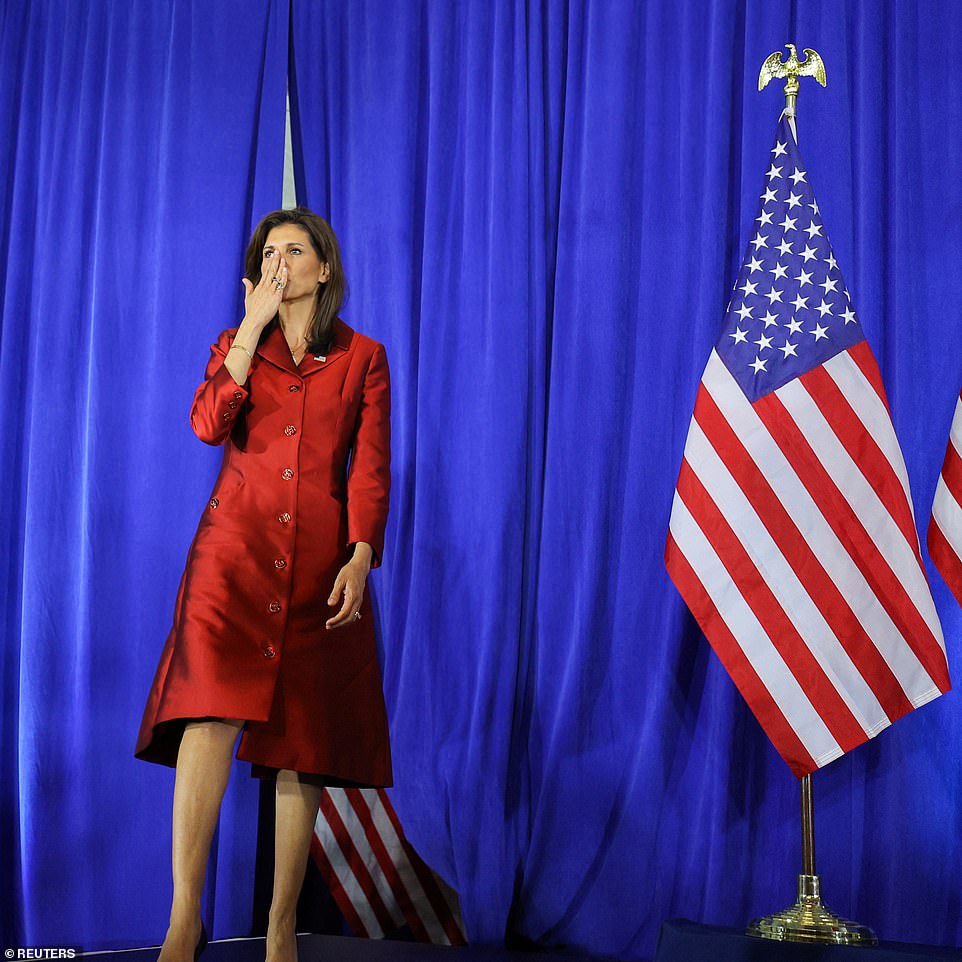
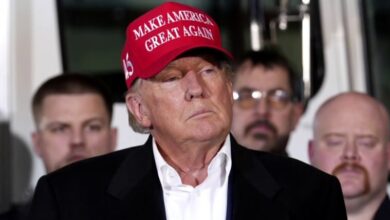
Donald Trump’s campaign strategy in Nevada will likely center on his core strengths: a strong base of support among conservative voters and a history of mobilizing rallies and events. He’s expected to leverage his populist appeal and familiar talking points to energize his supporters and paint his opponents as out of touch with the concerns of everyday Americans.Trump’s campaign in Nevada will likely focus on issues important to rural and working-class voters, including concerns about the economy, immigration, and perceived threats to American sovereignty.
The Nevada Republican primary caucus, with Trump and Haley vying for the nomination, is definitely grabbing headlines. While the political maneuvering is intense, it’s interesting to see how the focus on fashion, like at Saint Laurent Dior Paris Fashion Week , is a stark contrast. Ultimately, the caucus results will likely heavily influence the race going forward.
He’s likely to reiterate promises of economic growth, border security, and a return to traditional American values. He will likely attempt to connect with these voters by highlighting his past accomplishments, emphasizing his experience in business and politics, and positioning himself as a strong leader who can deliver on these promises.
Potential Campaign Promises and Policy Positions
Trump’s campaign promises in Nevada will likely echo his broader national platform. He’ll likely emphasize promises to renegotiate trade deals, crack down on illegal immigration, and appoint conservative judges. He will likely position himself as the only candidate capable of restoring American greatness and addressing issues like inflation and the cost of living.
Strategies for Mobilizing Voters
Trump’s proven ability to rally large crowds will likely be a key element of his mobilization strategy in Nevada. He’s likely to hold large campaign rallies, utilize social media platforms, and engage in direct outreach with potential voters. His emphasis on grassroots activism and direct communication with supporters is likely to remain a core element of his campaign approach.
Differentiation from Competitors
Trump is expected to highlight his experience and accomplishments as president, emphasizing his role in landmark policy decisions. He’ll likely portray his opponents as inexperienced or lacking the necessary strength and resolve to handle the nation’s challenges. He’ll likely contrast his policies and proposals with those of his competitors, presenting himself as the only candidate with the vision and resolve to address the concerns of everyday Americans.
Comparison of Campaign Positions
| Candidate | Economic Policy | Immigration Policy | Judicial Appointments |
|---|---|---|---|
| Trump | Focus on tax cuts, deregulation, and infrastructure investment. Promises to bring back manufacturing jobs. | Stricter border enforcement, potentially including building a wall. | Appoint conservative judges to ensure a more conservative judicial branch. |
| Haley | Focus on economic growth through business-friendly policies. Emphasizes workforce development. | Emphasis on a more humane and secure approach to immigration, with reforms to address the root causes of migration. | Likely to favor more moderate judicial appointments. |
| [Other Candidate Example] | [Their economic position] | [Their immigration position] | [Their judicial position] |
Note: This table provides a general comparison and is not exhaustive. Specific policy details may vary and evolve as the campaign progresses.
Haley’s Campaign Strategy in Nevada: Nevada Republican Primary Caucus Trump Haley
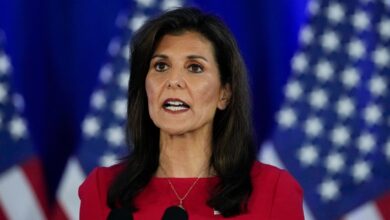
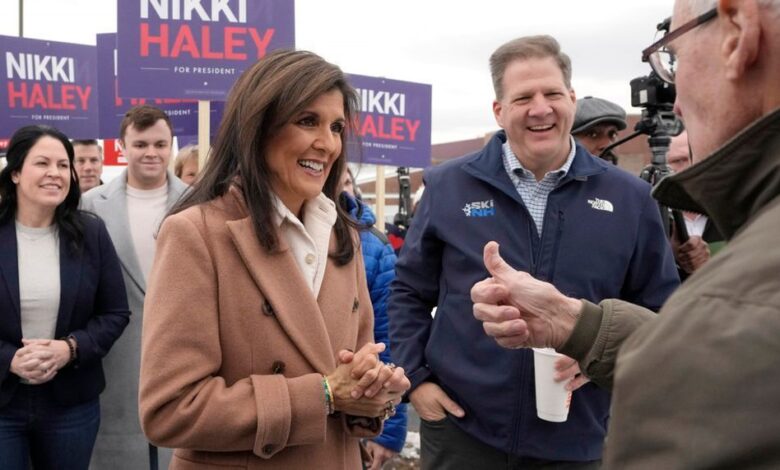
Nikki Haley’s campaign in Nevada likely focuses on positioning herself as a fresh alternative to both Donald Trump and other potential candidates. Her strategy hinges on highlighting her experience as a former governor and UN ambassador, contrasting it with the perceived “outsider” status of some other contenders. A key element will be appealing to moderate Republicans and those seeking a candidate with a more experienced, less confrontational approach to national leadership.
Potential Campaign Strategies
Haley’s campaign will likely emphasize her policy positions on issues resonating with Nevadans. She might focus on areas like economic growth, job creation, and responsible government spending. Building on her background as a governor, she could present herself as a practical problem-solver capable of addressing the needs of the state. Given the importance of border security and immigration to some segments of the Nevada Republican electorate, Haley will need to address these concerns in a way that distinguishes her from other candidates while maintaining her commitment to a balanced approach.
Campaign Promises and Policy Positions
Haley’s campaign promises will likely include a focus on strengthening the economy, particularly in areas like manufacturing and technology. Her approach to immigration might involve a more nuanced perspective, potentially emphasizing border security while also addressing the needs of legal immigrants and the workforce. Her positions on education and healthcare could be key in appealing to a wider range of voters, especially those in swing districts.
Reaching Specific Demographics
Haley’s campaign will need to tailor its message to different demographics in Nevada. For example, attracting young voters might involve emphasizing her policy positions on issues relevant to their generation, such as climate change and economic opportunity. Appealing to moderate Republicans might involve highlighting her more pragmatic approach to governance. Her campaign messaging will likely need to address concerns about the economy and the cost of living, emphasizing policies that foster economic growth and job creation.
Positioning for Undecided Voters
Haley’s campaign needs to carefully craft a message that resonates with undecided voters. She will need to demonstrate her ability to unite different factions within the party, presenting herself as a bridge-builder. A strong focus on common ground and shared values, along with clear policy positions, will be vital to attracting those who are still considering their options.
Policy Position Comparison
| Candidate | Economic Growth | Immigration | Foreign Policy |
|---|---|---|---|
| Donald Trump | Focus on tariffs and trade deals. | Strict border security and reduced immigration. | Nationalistic and protectionist. |
| Nikki Haley | Promoting job creation and economic growth through responsible policies. | Balancing border security with addressing workforce needs and legal immigration. | Experienced and pragmatic approach to international relations. |
| [Other Candidate] | [Other Candidate’s Position] | [Other Candidate’s Position] | [Other Candidate’s Position] |
Note: This table provides a simplified comparison. Complete policy details are available on candidate websites.
Comparison of Trump and Haley’s Platforms
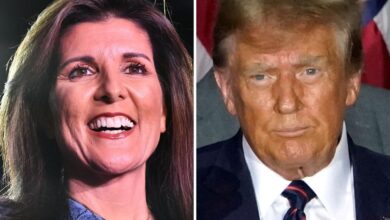
The Nevada Republican primary caucus presents a crucial moment for voters to consider the contrasting policy platforms of Donald Trump and Nikki Haley. Both candidates seek to capture the Republican nomination, but their approaches to key issues diverge significantly. This comparison will explore their policy positions, highlight areas of potential appeal to different voter groups, and identify areas of potential overlap.
Policy Positions on Key Issues
The candidates’ platforms reflect differing priorities and perspectives. A crucial aspect of evaluating their positions is recognizing their different approaches to specific issues. Trump’s platform often emphasizes a more populist approach, appealing to a specific segment of the electorate. Haley’s platform, conversely, seeks a broader appeal, aiming to attract a more diverse coalition.
| Issue | Trump’s Platform | Haley’s Platform |
|---|---|---|
| Economy | Focus on tax cuts, deregulation, and protectionist trade policies. Promises to bring back American jobs and strengthen the American manufacturing sector. | Advocates for economic growth through responsible fiscal policies, targeted tax reforms, and investments in infrastructure. Promotes free trade agreements that benefit American businesses and workers. |
| Immigration | Stricter immigration enforcement, including border wall construction and increased deportations. Emphasis on securing the border and reducing illegal immigration. | Focuses on comprehensive immigration reform that includes a pathway to citizenship for some undocumented immigrants, alongside enhanced border security. |
| Foreign Policy | Emphasis on “America First” policies, challenging existing international agreements and alliances. Focuses on renegotiating trade deals and challenging international norms. | Supports a strong American role in the world, maintaining international alliances and promoting American interests through diplomacy and engagement. |
| Healthcare | Supports repealing and replacing the Affordable Care Act (ACA) without providing a clear alternative. Generally favors market-based solutions. | Seeks to improve the current healthcare system while addressing rising costs and accessibility concerns. A focus on providing choices and options. |
Voter Appeal and Potential Overlap
Trump’s platform is likely to resonate with voters who prioritize economic nationalism, protectionist trade policies, and a hardline stance on immigration. His base tends to value strong leadership and a focus on perceived threats to American interests. Haley, on the other hand, is positioned to attract a broader range of voters by appealing to those who favor a more moderate approach to economic and social issues.
Her emphasis on bipartisanship and practical solutions might appeal to voters seeking a candidate who can unite the country.Potential areas of overlap include a shared desire to improve the American economy and create jobs. Both candidates likely acknowledge the importance of national security and a strong military, although their approaches to achieving these goals differ significantly. Finding common ground on specific issues like infrastructure investment or workforce development could prove crucial in securing broader support.
Potential Voter Demographics and Motivations
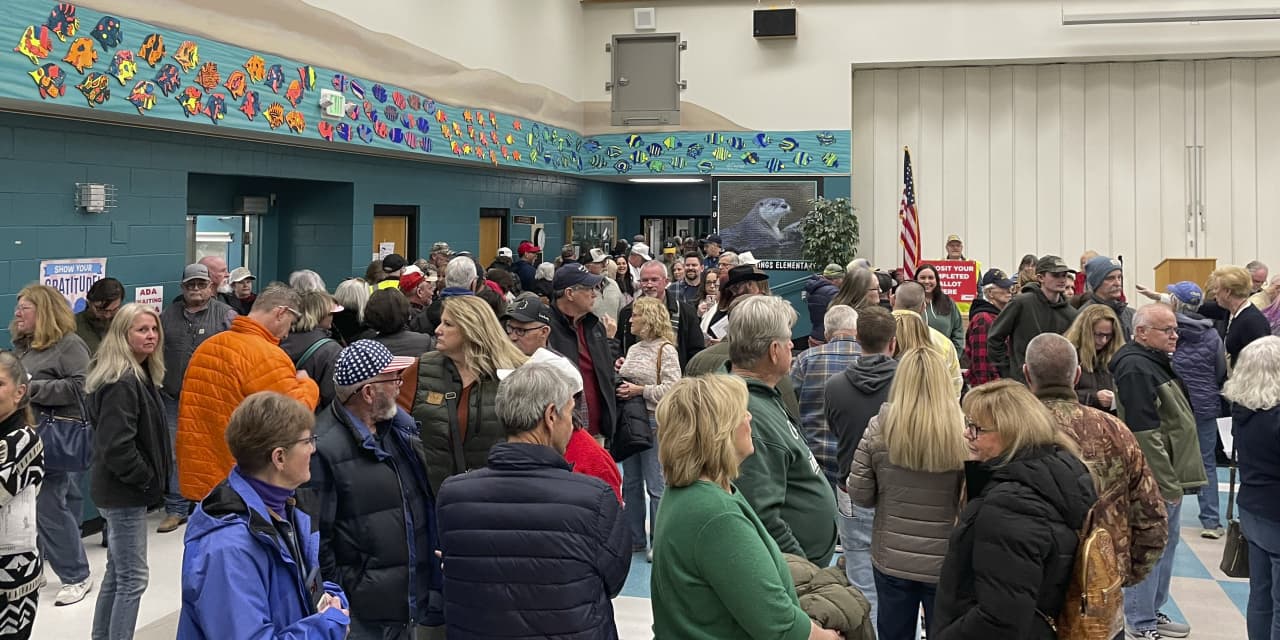
Nevada’s Republican primary caucus presents a fascinating microcosm of American political dynamics. Understanding the potential voter demographics and their underlying motivations is crucial for predicting the outcome. Voters’ choices are often driven by a complex interplay of factors, including economic anxieties, social values, and perceived leadership qualities. Analyzing these forces can offer valuable insights into the current political climate.The diversity of Nevada’s population, combined with its unique political leanings, makes this primary election particularly interesting.
The Nevada Republican primary caucus, with Trump and Haley vying for the nomination, is certainly grabbing headlines. While the political maneuvering plays out, it’s worth considering the broader economic context. The struggles of renters in Williamsburg, Brooklyn, mirroring the displacement seen in Kyiv, Ukraine, highlight the complex interplay of factors impacting people across the globe. Renters williamsburg brooklyn kiev ukraine are facing similar pressures, and these issues are certainly relevant as the Nevada caucus continues to unfold.
Ultimately, the political landscape is influenced by more than just the candidates; economic realities and global events all play a part.
Understanding the motivations behind different voting blocs is critical to comprehending the potential outcome. Different demographics may respond to the candidates’ platforms and personalities in distinct ways, making the race a complex equation to solve.
Potential Voter Demographics in Nevada
Nevada’s population is diverse, encompassing a range of ethnicities, ages, and socioeconomic backgrounds. Analyzing voter demographics is crucial to understanding potential voting patterns. Factors such as age, income, education level, and geographic location often correlate with differing political viewpoints. Identifying these patterns can offer valuable insights into voter preferences.
- Age Groups: The proportion of younger voters and older voters is significant. Understanding their specific motivations and concerns is vital to understanding the outcome.
- Socioeconomic Background: The variations in income levels, employment sectors, and educational attainment can shape voter preferences. Analyzing the impact of these factors on voting patterns is critical.
- Ethnic Groups: Nevada’s diverse ethnic population includes significant groups like Hispanics, Asians, and African Americans. Understanding their specific motivations and political considerations is key.
Motivations for Trump Supporters
Trump’s supporters are often motivated by a desire for perceived economic strength and a return to traditional values. They may also be drawn to his populist rhetoric and a perceived strong stance against political elites.
- Economic Concerns: Concerns about economic policies, job creation, and trade deals are often prominent motivations for Trump supporters. Economic anxieties and fears of job losses may significantly influence their choices.
- Cultural Conservatism: Support for traditional social values and conservative viewpoints may be a significant factor for some voters. Their values may align with certain political stances.
- Anti-Establishment Sentiment: Discontent with the current political establishment and a desire for change are often cited as key motivations for voters who support Trump. This desire to move away from traditional political approaches may be a driving force.
Motivations for Haley Supporters
Haley supporters may be attracted to her more moderate stance on certain issues, her emphasis on economic growth, and her perceived ability to appeal to a broader electorate. Her appeal to a wider range of voters may be a significant factor.
The Nevada Republican primary caucus, with Trump and Haley vying for votes, is definitely a hot topic right now. It’s fascinating to see the political maneuvering, but honestly, sometimes I just need a chill playlist to unwind. For example, check out this amazing playlist featuring SZA, Norah Jones, and AG Cook playlist sza norah jones ag cook.
Ultimately, though, I’m still very much focused on the outcome of the Nevada Republican primary caucus and who will emerge victorious.
- Moderation and Bipartisanship: Haley’s approach to certain issues and her efforts to foster bipartisan cooperation may resonate with voters who seek a more moderate approach to policymaking.
- Economic Growth: Focus on economic growth and job creation may attract voters concerned about the economy’s direction. Her approach to economic development may appeal to a significant segment of the population.
- Broader Appeal: The desire for a candidate who can unite different segments of the population may attract voters who feel that a broader approach is needed. Haley’s appeal to different segments of the population could prove significant.
Independent Voters and Their Influence
Independent voters often hold a pivotal position in close elections. Understanding their motivations and concerns is crucial for predicting the outcome. The role of independent voters and their preferences can determine the outcome of the election.
The Nevada Republican primary caucus, with Trump and Haley vying for the nomination, is certainly heating up. Meanwhile, recent news about the retraction of a study on abortion pills, abortion pills study retraction , highlights the ongoing debate surrounding reproductive rights. This, in turn, brings the focus back to the political climate surrounding the Nevada Republican primary and the candidates’ stances on such issues.
- Policy Preferences: Independent voters may base their decisions on a wide range of policy issues, including economic issues, social issues, and foreign policy.
- Candidate Qualities: Independent voters’ choices may be heavily influenced by candidates’ personalities, leadership qualities, and perceived ability to solve complex problems.
- Party Affiliation: Independent voters may not be firmly aligned with either the Republican or Democratic party. This neutrality can make them a significant force in close elections.
Importance of Specific Demographics, Nevada republican primary caucus trump haley
Understanding the preferences of specific demographics, such as Hispanics or young voters, is vital to predicting the outcome. These demographics can be key in determining the outcome.
- Hispanic Voters: Hispanic voters in Nevada often hold significant sway in elections. Understanding their priorities and concerns is crucial.
- Millennial and Gen Z Voters: Understanding the preferences of younger voters is essential for predicting the outcome. Their views on issues such as climate change and social justice may influence their choices.
- Rural vs. Urban Voters: The differing priorities and concerns of rural and urban voters can significantly influence the outcome. Analyzing the specific needs of each group is vital.
Impact of Recent Events on the Candidates
The Nevada Republican caucus, a crucial early indicator of the 2024 presidential race, is set against a backdrop of recent political events. These events are subtly shaping the discourse and potentially influencing voter decisions. Candidates Donald Trump and Nikki Haley are navigating a complex political landscape, and the reactions to recent news cycles and public opinion will be critical in determining their success.Recent news cycles have often focused on controversial topics, prompting reactions from the candidates and their supporters.
The way these events are framed and discussed in the media can significantly impact voter perception. Public opinion polls, while not definitive predictors, can still shape voter behavior, prompting certain individuals to lean toward or away from a candidate based on the reported consensus.
Trump’s Campaign Response to Recent Events
Trump’s campaign strategy has traditionally relied on a populist appeal and a direct engagement with his base. Recent events, ranging from economic reports to social media controversies, have been met with varying reactions. Some events might galvanize his support base, while others could potentially alienate moderate voters. Trump’s ability to adapt his messaging to changing circumstances will be a key factor in his success in Nevada.
His past approach to handling similar events offers insights into his potential future actions.
Haley’s Campaign Strategy in the Face of Recent Developments
Haley’s campaign strategy emphasizes a more moderate approach, aiming to appeal to a broader range of voters. Recent news cycles, including those focused on economic policy and foreign relations, will be scrutinized for their impact on her campaign. How she positions herself in relation to these events and the accompanying public discourse will be crucial to her success in the Nevada caucus.
The Nevada Republican primary caucus, with Trump and Haley vying for the nomination, is certainly heating up. While the political maneuvering is intense, it’s interesting to consider how factors like age and memory might play a role in the election, especially with the recent neuroscientist’s insights on President Biden’s age and cognitive function, as discussed in a fascinating article on neuroscientist on biden age memory.
Ultimately, the focus should remain on the candidates’ policies and platforms, not on distractions like age-related discussions, and hopefully the Nevada caucus will produce a clear and strong Republican candidate.
Her responses to events will be carefully observed for their ability to resonate with a broader range of Republican voters.
Influence of Public Opinion Polls on Voter Behavior
Public opinion polls, while not deterministic, can influence voter behavior. Voters often look for cues from the polls, and the perceived strength of a candidate, as indicated by these polls, can sway their choices. Polls can show an apparent trend, potentially motivating voters to choose the candidate that appears to be gaining momentum. However, the accuracy and reliability of polls remain crucial considerations.
The way voters interpret and use poll data should be examined in order to understand the extent of its impact.
Examples of Recent Events and Their Potential Impact
Recent debates over economic policy, particularly concerning inflation and interest rates, have potentially affected the candidates’ appeal. Similarly, events surrounding foreign policy decisions have sparked discussions about national security and international relations. The manner in which candidates respond to these events will play a significant role in their ability to garner support. For example, Trump’s stance on trade tariffs and his prior foreign policy actions may be significant factors in determining his appeal to specific groups of voters.
Potential Effects of Media Coverage
Media coverage of the candidates and the events surrounding the caucus plays a crucial role in shaping public perception. The way specific news outlets frame the candidates’ positions and actions can significantly impact voter opinions. The tone and focus of the media’s coverage can either boost or diminish a candidate’s standing. Examples from previous elections demonstrate the influence of media bias on voters.
The potential for biased or misleading reporting to sway voter decisions is a major concern.
Potential Outcomes and Implications
The Nevada Republican Primary Caucus looms large, potentially shaping the trajectory of the entire Republican field. A decisive win for either candidate could significantly impact the race’s dynamics and public perception, while a close contest might indicate a fragmented electorate. The implications of this outcome ripple beyond Nevada, potentially reshaping the party’s image and its appeal to different voter segments.
Possible Outcomes of the Nevada Caucus
The Nevada caucus presents a multitude of potential outcomes, ranging from a clear victory for Trump to a surprising victory for Haley or even a very close result. The outcome will depend on a complex interplay of factors, including voter enthusiasm, campaign strategies, and the performance of each candidate in the final stretch before the caucus. A Trump victory could reinforce his image as the frontrunner, bolstering his campaign momentum and potentially inspiring further support.
Conversely, a Haley win could significantly elevate her standing and challenge Trump’s perceived dominance. A close result might signal a more divided electorate, raising questions about the party’s direction and future.
Implications on the Broader Election
The outcome of the Nevada caucus will undoubtedly have far-reaching implications for the broader election. A decisive win for either candidate could dramatically shift the narrative, affecting media coverage, public opinion, and fundraising efforts. The victor could gain significant momentum, potentially hindering the other candidates’ ability to gain traction. Conversely, a close contest might signal a less-certain path to victory, potentially impacting voter engagement and the candidates’ overall strategies.
Potential Shifts in the Political Landscape
The Nevada caucus could induce several significant shifts in the political landscape. A Trump victory might solidify his position as a polarizing figure, potentially driving away moderate voters. A Haley victory could signify a shift toward a more moderate and perhaps more appealing stance to a wider electorate. A close result could suggest a more nuanced and potentially more unpredictable election landscape.
Impact on the Overall Republican Party
The outcome of the Nevada caucus could significantly impact the Republican Party’s image and strategy. A Trump victory might further entrench the party’s conservative base, potentially alienating moderates and independent voters. A Haley victory could represent a shift towards a more inclusive and appealing platform, possibly drawing in voters from other political segments. A close race might indicate a deep-seated division within the party, prompting difficult questions about its future direction.
Potential Scenarios and Implications
| Scenario | Implications |
|---|---|
| Trump wins decisively | Reinforces Trump’s frontrunner status, potentially alienating moderate voters, and strengthening the conservative base. |
| Haley wins decisively | Challenges Trump’s dominance, potentially shifting the Republican platform towards a more moderate position, appealing to a wider electorate. |
| Close result | Indicates a deeply divided electorate, highlighting internal struggles within the Republican Party, and potentially leading to an unpredictable election outcome. |
Last Word
The Nevada Republican Primary Caucus Trump Haley has unveiled a fascinating political landscape, revealing the complexities and intricacies of the current Republican field. While the outcome remains uncertain, the strategies, voter motivations, and potential implications of this primary will undoubtedly shape the broader election. Stay tuned for further analysis and updates as the political race unfolds.
FAQ Corner
What are some potential demographics in Nevada that could be pivotal in the outcome?
Nevada’s electorate is diverse, with significant populations of younger voters, Hispanics, and independents. Their preferences and motivations will be crucial in determining the winner.
How might the media coverage impact the election outcome?
Media coverage can significantly influence public opinion. The way the candidates are portrayed and the issues they’re highlighted on can shape voter perceptions.
What are some common ground between Trump and Haley’s policy positions?
While their approaches to various issues may differ, identifying any common ground or areas of agreement is crucial to understanding the potential outcomes.
How might recent political events affect the campaign strategies?
Recent political events can influence voter sentiment and prompt candidates to adjust their strategies to address emerging issues.