Biden Limits Border Shutdown A Deep Dive
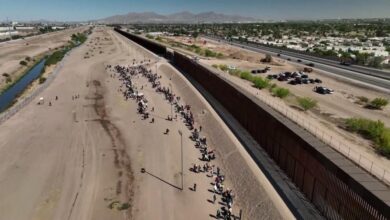
Biden limits border shutdown, a significant policy shift impacting immigration and border security. This policy has sparked debate, and this post will explore the historical context, the administration’s specific actions, potential impacts, and public reactions to these changes.
The Biden administration’s approach to border security is a complex issue with significant implications for migrants, border agents, and the economy. This blog post delves into the details, examining the reasoning behind the limits, and comparing them to previous approaches.
Biden’s Border Policies
The Biden administration’s approach to border security and immigration has sparked considerable debate, reflecting a complex interplay of historical precedents, political considerations, and humanitarian concerns. This shift in policy necessitates a comprehensive understanding of past approaches, the specific actions taken by the current administration, and the potential impacts on various stakeholders. The evolving landscape of border policies underscores the enduring challenges and complexities in managing immigration flows and ensuring national security.The United States has a long and often fluctuating history regarding border policies.
Early policies focused on westward expansion and settlement, often overlooking formal immigration controls. Later, immigration quotas and stricter enforcement measures emerged, driven by economic anxieties and social concerns. The 20th and 21st centuries have witnessed a dynamic evolution, with periods of stricter enforcement alternating with more lenient approaches. This ebb and flow reflects the ongoing tension between national security concerns and humanitarian considerations.
Historical Overview of US Border Policies
US border policies have undergone significant transformations throughout history. Early policies were largely focused on westward expansion and settlement. The late 19th and 20th centuries saw the introduction of quotas and stricter enforcement measures. These measures were often driven by economic anxieties and social concerns, creating a complex and evolving landscape.
Biden Administration’s Actions
The Biden administration has implemented a series of measures aimed at reforming immigration policies and managing border security. These actions include a renewed emphasis on asylum procedures, increased engagement with Central American countries, and a focus on addressing root causes of migration. The administration has also sought to address the backlog of immigration cases and streamline processes. Moreover, efforts have been made to address the humanitarian needs of migrants, while simultaneously ensuring border security.
Potential Impacts on Stakeholders
The Biden administration’s policies have significant implications for various stakeholders. Migrants face uncertainties regarding their legal status, access to asylum, and the potential for detention. Border patrol agents are confronted with changing operational procedures and increased scrutiny. Businesses that rely on cross-border labor or trade may experience both benefits and challenges.
Comparison with Previous Administrations
A comparative analysis reveals key differences in approach between the Biden administration and its predecessors. The Biden administration has emphasized a more comprehensive and humane approach to immigration, while previous administrations often prioritized stricter enforcement. This difference in approach is reflected in the different priorities and strategies employed.
Key Differences in Border Policies
| Administration | Policy Focus | Key Actions | Impact on Stakeholders |
|---|---|---|---|
| Previous Administrations | Stricter enforcement, limited asylum access | Increased border security measures, stricter visa requirements, expedited deportation processes | Increased detention rates for migrants, reduced legal avenues for asylum seekers, potential disruptions in cross-border trade and labor |
| Biden Administration | Comprehensive approach, emphasis on humanitarian concerns, asylum reform | Increased engagement with Central American countries, asylum processing reforms, enhanced border security measures | Potential for reduced detention rates, improved asylum access for qualified migrants, continued debate on border security impacts on businesses and border agents |
Border Shutdowns and Their Implications: Biden Limits Border Shutdown
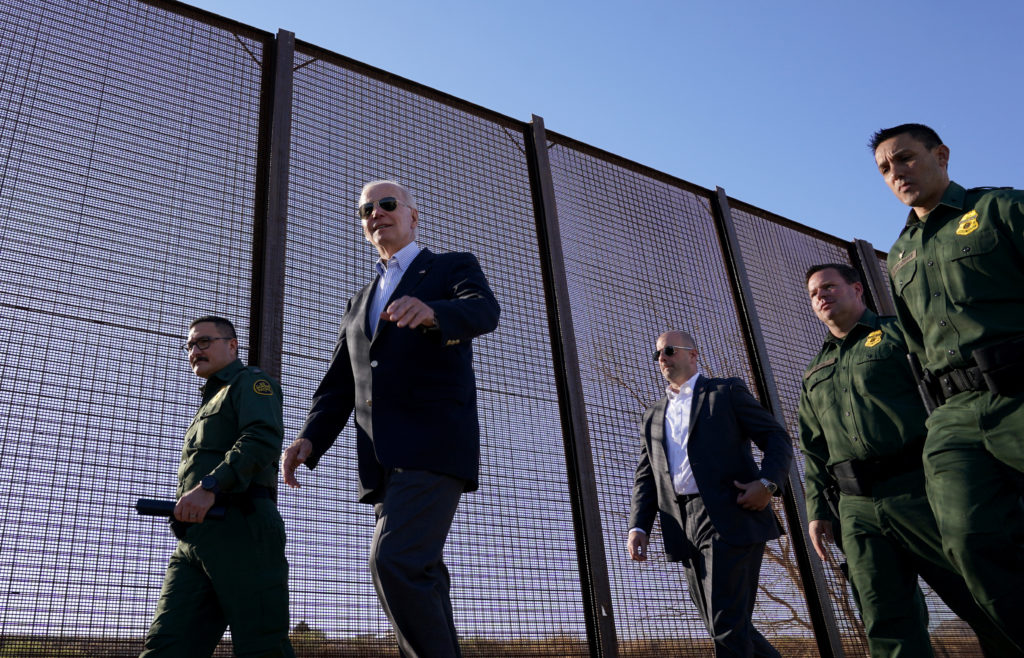
Border shutdowns, a contentious policy tool, have a long and complex history, often employed in response to perceived threats or security concerns. These actions, while potentially serving a short-term purpose, can have far-reaching consequences for both the countries involved and the individuals affected. This analysis delves into the multifaceted implications of border shutdowns, exploring their economic, social, and legal ramifications.Border shutdowns, while seemingly a straightforward approach to managing migration or security concerns, can produce a complex web of unintended consequences.
These effects reverberate across borders, affecting economies, communities, and individual lives. Understanding these implications is crucial for developing policies that balance security, economic interests, and humanitarian concerns.
Historical Context of Border Shutdowns
Border shutdowns, while a modern policy tool, have historical precedents. Throughout history, various countries have implemented border restrictions, often in response to conflicts, economic anxieties, or perceived threats. Understanding these historical precedents provides context for evaluating the current application of border shutdowns and their likely effects.
Economic Consequences of Border Shutdowns
Border shutdowns can significantly impact economies, both domestically and internationally. Domestically, shutdowns can disrupt supply chains, decrease labor pools, and reduce consumer spending. Internationally, trade relations can suffer, leading to decreased cross-border investment and economic instability. For example, the 2019 US-Mexico border shutdown had a ripple effect on both countries’ economies, resulting in decreased agricultural exports, tourism revenue, and construction activity.
Biden’s recent limits on the border shutdown are a complex issue, highlighting the ongoing struggles with immigration policy. It’s a reminder of the real-life impact of these decisions, and it’s important to consider the emotional toll on those affected. This reminds me of the powerful piece on grief and the struggles of those in similar situations, as seen in the article “Grief is for people sloane crosley” grief is for people sloane crosley.
Ultimately, the border situation demands careful consideration of the human element, and these limitations on the shutdown are a step in the right direction.
Social and Humanitarian Ramifications
The social and humanitarian ramifications of border shutdowns are profound. These actions often lead to hardship for migrants, separating families, delaying access to asylum, and potentially exposing individuals to dangerous conditions. Moreover, communities adjacent to border regions can experience significant social and cultural changes, leading to potential tensions. Examples include the documented cases of individuals being stranded in border areas during shutdowns, separated from their families and facing extreme hardship.
Legal Frameworks and Precedents
The legal frameworks governing border shutdowns are multifaceted and vary by country. In the US, the legal authority for border control is primarily rooted in the Constitution, with specific laws governing immigration and national security. Existing court cases and legal precedents shape the interpretation and application of these laws in the context of border shutdowns. The legal framework often lacks explicit provisions for border shutdowns, leading to disputes over the legality and scope of these actions.
Biden’s recent move to limit the border shutdown is a significant step, but it raises questions about the balance between national security and worker rights. This is especially relevant in light of the growing need for a “right to disconnect law” that protects employees from excessive work demands. Right to disconnect law advocates argue it can improve work-life balance, ultimately benefiting both employees and employers.
The implications for the border shutdown situation, however, remain to be seen. Hopefully, a sensible approach emerges that addresses both the need for secure borders and fair treatment of workers.
Summary Table of Border Shutdown Types
| Type of Shutdown | Legal Basis | Duration | Consequences |
|---|---|---|---|
| Complete Border Closure | National Security or Emergency Declarations | Variable; often temporary | Disruption of trade, travel, and supply chains; humanitarian crisis potential; increased illegal activity |
| Partial Border Closure | Immigration or Public Health Concerns | Variable; often temporary | Limited impact on trade and travel compared to complete closures; potential for increased pressure on remaining crossing points |
| Enforcement-Focused Shutdowns | Immigration enforcement laws | Variable; often temporary | Increased scrutiny of border crossings; potential for increased illegal activity; potential for racial profiling |
Public Opinion and Political Discourse
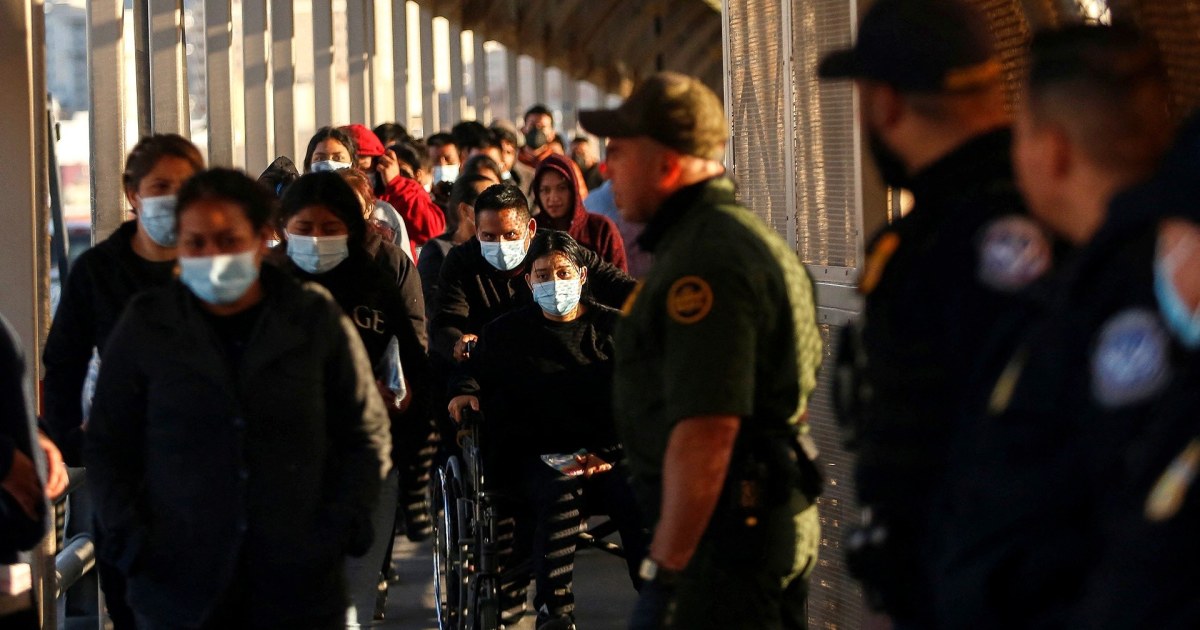
Biden’s border policies have ignited a significant and often polarized debate within the United States. Public opinion is complex and multifaceted, shaped by a variety of factors including economic anxieties, security concerns, and deeply held ideological positions. This section will explore the differing perspectives on these policies, examining the arguments for and against them, and analyzing the role of media in shaping public discourse.The political landscape surrounding the border has become increasingly contentious.
Differing views on immigration, economic impacts, and national security contribute to a wide range of opinions on the efficacy and appropriateness of the policies enacted. Examining the arguments and the supporting evidence is crucial to understanding the complexities of this issue.
Biden’s recent limits on the border shutdown are interesting, especially considering the recent Winthrop Poll on Nikki Haley and Donald Trump in South Carolina. This poll suggests a potential shift in the Republican primary landscape, which could indirectly impact the Biden administration’s approach to border security. Ultimately, Biden’s moves seem strategically calculated in response to the evolving political climate.
Varying Perspectives on Border Policies
Public opinion polls consistently demonstrate a wide range of viewpoints on Biden’s border policies. Some segments of the population express concerns about the potential negative impacts on national security and the rule of law, while others highlight humanitarian concerns and the importance of providing pathways to legal immigration. These differing perspectives often reflect underlying political ideologies and socioeconomic factors.
Arguments For and Against Limits and Shutdowns
Arguments in favor of border limits and shutdowns often center on concerns about national security, economic strain, and the potential for uncontrolled immigration. These arguments frequently cite potential increases in crime rates, strain on social services, and economic competition for jobs. Conversely, arguments against such limits and shutdowns emphasize the humanitarian crisis facing migrants, the economic benefits of immigration, and the potential for long-term economic damage resulting from a lack of legal immigration.
Biden’s recent limits on the border shutdown are a significant step, but it’s crucial to remember the broader health implications. Public health initiatives, like those surrounding condon prevencion vih sida, condon prevencion vih sida , are essential for comprehensive well-being. Ultimately, the border situation and its effects on overall public health need a multifaceted approach, going beyond just the immediate border issues.
Role of Media Coverage in Shaping Public Opinion
Media coverage plays a pivotal role in shaping public opinion on border policies. The manner in which the media frames these policies can significantly influence public perception. The emphasis placed on particular aspects of the issue, such as border security versus humanitarian concerns, can significantly influence public discourse. For example, extensive media coverage of border crossings could lead to a heightened sense of crisis, whereas coverage focusing on successful integration programs could shift public opinion.
Key Figures and Groups
Various political figures and advocacy groups actively engage in the debate surrounding border policies. These include elected officials, think tanks, and advocacy groups representing diverse viewpoints. For example, some groups actively promote stricter border enforcement measures, while others advocate for more lenient immigration policies.
Summary of Political Discourse
The political discourse surrounding Biden’s border policies is marked by deep divisions. Arguments for stricter enforcement often focus on national security and economic concerns, while arguments against such policies emphasize humanitarian considerations and the potential economic benefits of immigration. The role of media in shaping public perception is crucial, as is the ongoing debate among key figures and advocacy groups. The issue remains highly contested, reflecting the multifaceted nature of immigration policy in the United States.
Biden’s recent limits on the border shutdown are definitely a hot topic right now. While the specifics are still unfolding, it’s interesting to consider how these changes might impact the broader immigration debate. For a deeper dive into the current situation surrounding border issues and how they connect to the overall political climate, you might find insights in the article about Dayme Arocena Al Kemi here.
Ultimately, Biden’s moves on the border are likely to continue sparking discussion and debate as the situation evolves.
Alternative Solutions and Proposed Reforms
Addressing the complex challenges at the US border requires a multifaceted approach that moves beyond simplistic solutions. Current policies, including border shutdowns, have demonstrably failed to address the root causes of migration and often exacerbate existing vulnerabilities. Instead of relying on restrictive measures, a shift towards comprehensive and humane solutions is crucial. This includes reforms that address the underlying economic and social factors driving migration, while simultaneously enhancing border security in a more sustainable and equitable manner.Alternative approaches to border management encompass a range of strategies, from enhanced economic development in source countries to improved legal pathways for immigration.
These strategies recognize that simply constructing physical barriers or implementing stricter enforcement measures rarely solves the underlying problems. Effective solutions require a commitment to addressing the root causes of migration and providing legal avenues for those seeking refuge or better opportunities.
Potential Alternatives to Current Policies
Alternative approaches to current border policies can be categorized into several areas. These strategies encompass various initiatives designed to address the root causes of migration, facilitate legal immigration, and enhance border security in a more comprehensive and humane manner. A crucial element in this transformation is recognizing the interconnectedness of these initiatives. Effective solutions often require a synergistic approach.
- Increased investment in economic development programs in source countries. Such programs can help alleviate poverty and create job opportunities, reducing the incentive for individuals to migrate in search of better economic prospects. For example, initiatives focusing on agricultural modernization and skill development have proven successful in reducing migration pressures in certain regions.
- Strengthening legal immigration pathways. Expanding legal immigration options can reduce the attractiveness of dangerous and irregular migration routes. This approach recognizes that many individuals seek to immigrate legally and through established processes.
- Improving border security infrastructure. This includes enhancing technology and personnel training to facilitate more efficient and humane border management. The goal is not just to deter illegal crossings, but to streamline legal entry and reduce vulnerabilities in border control systems.
- Enhanced collaboration with neighboring countries. Joint initiatives and information sharing between the US and its neighbors can improve regional cooperation in addressing migration issues. This involves a shared responsibility for managing border security and providing support to individuals seeking legal immigration options.
Proposed Reforms to Address Border Issues
Implementing meaningful reforms requires a nuanced approach, acknowledging the complex interplay of economic, social, and political factors. Proposed reforms should strive to be adaptable, flexible, and responsive to evolving circumstances. A comprehensive strategy requires a careful evaluation of various options and a commitment to evidence-based policymaking.
| Reform | Pros | Cons |
|---|---|---|
| Increased investment in Central American economic development | Reduced migration pressures, improved stability in source countries, potential for long-term solutions. | Requires substantial financial commitment, may not immediately yield results, challenges in ensuring effective program implementation. |
| Expanding pathways for legal immigration | Provides legal avenues for those seeking to immigrate, reduces reliance on dangerous irregular migration routes, improves labor force participation. | Potential for increased immigration, concerns about potential strain on social services, requires careful oversight and policy adjustments. |
| Improved border security technology and infrastructure | Increased security and efficiency in border management, potential to reduce unauthorized crossings, improved monitoring of border activity. | High financial costs, potential for technological vulnerabilities, may not address root causes of migration. |
| Strengthened regional cooperation with neighboring countries | Improved coordination in addressing migration issues, enhanced information sharing, potentially reduced illegal activity. | Requires building trust and fostering diplomatic relationships, potential for differing priorities and perspectives between nations, challenges in enforcing regional agreements. |
Impact on Border Security
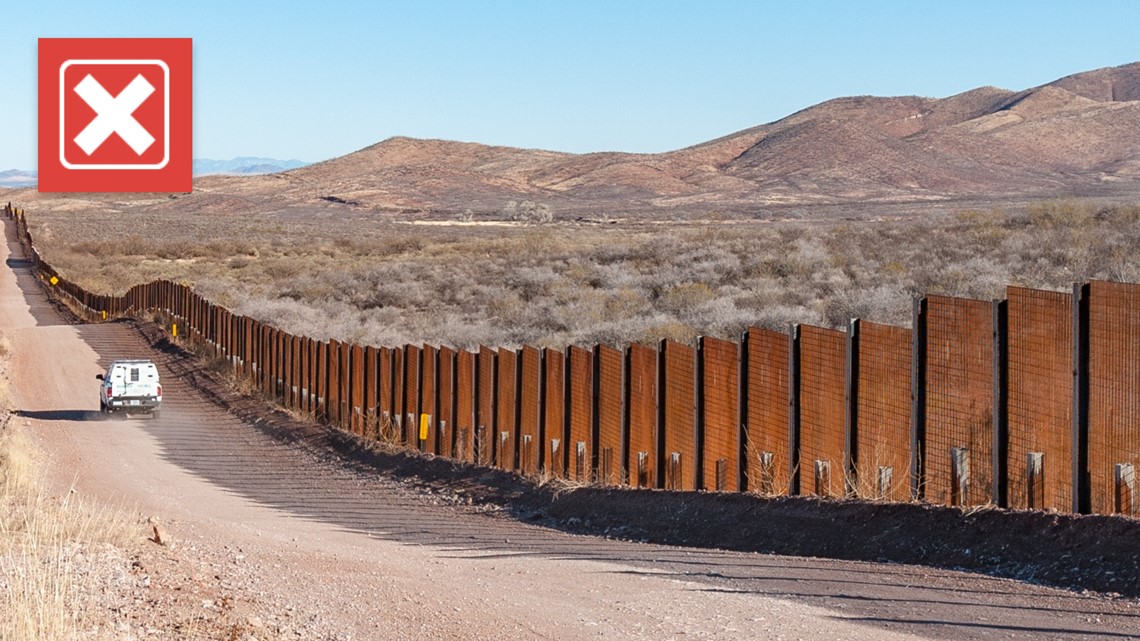
Biden’s border policies, including periods of limited crossings and temporary shutdowns, have undeniably impacted border security measures. These policies, while intended to address specific concerns, have introduced complexities and challenges for agents on the ground, prompting a re-evaluation of strategies and resource allocation. The effectiveness of these measures in achieving their stated goals, such as preventing illegal immigration and drug trafficking, is a subject of ongoing debate and analysis.The impact on border security is multifaceted, encompassing changes in agent workload, operational strategies, and the deployment of technology.
The altered flow of human traffic and contraband necessitates adaptations in patrol patterns, intelligence gathering, and the allocation of personnel. These adjustments, while sometimes successful, also present challenges for maintaining consistent and effective security protocols.
Impact on Agent Workload and Operational Strategies
Changes in border policies directly affect the workload and operational strategies of border security agents. Increased restrictions and limitations on crossings often lead to concentrated periods of high activity, followed by periods of lower volume. This fluctuation requires agents to adapt their strategies and adjust to the ebb and flow of activity. This dynamic environment can strain resources and impact the consistency of enforcement efforts.
Effectiveness in Preventing Illegal Immigration and Drug Trafficking
The effectiveness of limited crossings and shutdowns in preventing illegal immigration and drug trafficking remains a subject of debate. While proponents argue that these measures deter individuals from attempting illegal crossings, critics contend that they may simply drive illegal activity underground. Evidence suggests that a complete halt to border crossings, or dramatic restrictions, may not completely prevent the movement of illicit goods and individuals.
In some cases, a reduction in border patrol visibility and personnel may result in increased activity.
Challenges Faced by Border Security Agents, Biden limits border shutdown
Border security agents face significant challenges in enforcing new policies. The constant adaptation to changing guidelines, the unpredictable nature of crossings, and the need to maintain a consistent level of security despite fluctuations in activity can be demanding. Agents also face the ethical dilemmas of balancing the enforcement of policy with the humanitarian considerations of individuals seeking entry or asylum.
Technology in Border Security: Before and During Policies
Technology plays a critical role in border security. Pre-policy deployments often involved a combination of physical infrastructure, like fences and checkpoints, and surveillance technologies, including cameras and sensors. The integration of data analytics and advanced sensor technologies has improved border security’s ability to detect and respond to threats. Modern policies have led to a greater focus on data analytics and the utilization of drone technology, enhancing surveillance and response capabilities.
These advancements can be crucial in tracking individuals and detecting contraband, but require significant investment and training.
Comparison of Effectiveness and Challenges Before and During Policies
| Aspect | Before Policies | During Policies |
|---|---|---|
| Agent Workload | Generally consistent, with predictable patterns of activity. | Fluctuating workload, periods of high and low activity. |
| Operational Strategies | Established protocols and procedures. | Adapting to changing conditions, adjusting to limitations. |
| Technology Use | Established technologies, including fences, cameras, and sensors. | Increased use of data analytics, drones, and advanced sensor technology. |
| Effectiveness in Preventing Illicit Activity | Varied results, depending on specific measures and enforcement efforts. | Effectiveness debated; some argue that activity may shift underground. |
Conclusive Thoughts
In conclusion, Biden’s limits on border shutdowns represent a nuanced approach to immigration and border security. While the policy aims to address various concerns, its effectiveness and long-term consequences remain to be seen. The discussion surrounding this policy highlights the complexities and multifaceted nature of border control and the need for thoughtful consideration of alternative solutions.
FAQ Section
What were the justifications for the limits on border crossings?
The justifications often cited include humanitarian concerns, economic factors, and the need for a more humane and orderly immigration process. The administration likely considered public opinion and the potential negative impacts of complete shutdowns on various stakeholders.
How have these limits affected border security agents?
The limits have likely presented challenges for border security agents, potentially requiring adjustments to their operational strategies. The effectiveness of these adjustments, in terms of preventing illegal immigration and drug trafficking, is still under scrutiny and requires further analysis.
What are some potential alternative solutions to the current border policies?
Potential alternatives include enhanced partnerships with neighboring countries, increased investment in technology for border surveillance, and a more comprehensive approach to addressing the root causes of migration. Other countries’ successful border management strategies could offer valuable insights for potential reforms.
What is the historical context of border shutdowns in the US?
Border shutdowns have a complex history in the US, with various precedents and differing legal frameworks. Understanding this history is crucial to assessing the current policy’s context and potential implications.