Border Ukraine Israel Aid Congress A Deep Dive
Border Ukraine Israel Aid Congress: Examining the multifaceted history, current state, and potential future of aid packages from the US Congress. This in-depth look explores the complexities of these relationships, from historical context and current funding to legislative debates and public perception.
The article delves into the various factors influencing these aid decisions, including geopolitical landscapes, international cooperation, and the impact on recipient countries. It also considers alternative aid models and potential future scenarios, offering a comprehensive overview of the intricate dynamics at play.
Historical Context of Aid
The recent aid discussions surrounding Ukraine, Israel, and the US Congress highlight a complex tapestry of historical relationships and geopolitical shifts. Understanding these past aid flows provides valuable context for evaluating current initiatives and anticipating potential future developments. Aid packages, often driven by strategic and humanitarian considerations, have evolved significantly over time, reflecting the changing landscape of global conflicts and alliances.This historical overview examines the evolution of aid relationships, tracing key events and turning points, and illustrating how these relationships have been influenced by the geopolitical landscape.
It explores examples of past aid packages, analyzing their impact and the changing nature of these aid flows.
Early Aid and the Cold War
The Cold War significantly shaped the international landscape and impacted aid flows. The US frequently provided aid to allies, including Israel, to counter Soviet influence. These aid packages were often tied to strategic goals and military needs, aiming to bolster regional alliances. Early aid programs to Israel were often linked to broader Cold War policies and focused on military support and security cooperation.
This era saw the beginning of a pattern of aid influenced by global political rivalries and national security interests.
Post-Cold War Developments
The end of the Cold War ushered in a new era of international relations, yet the need for strategic alliances and aid remained. The US continued to provide aid to Israel, though the rationale and scope shifted. The rise of new conflicts and humanitarian crises introduced new dimensions to aid programs, requiring greater consideration of human needs and regional stability.
Israel’s own security concerns and regional relationships became increasingly complex, affecting aid flows and the nature of the US-Israel relationship.
The Impact of Regional Conflicts
The rise of regional conflicts, such as the ongoing conflicts in the Middle East and Eastern Europe, significantly altered aid patterns. Aid flows became more responsive to immediate needs and crisis situations. The rise of terrorism and other threats also influenced the prioritization of aid and security concerns. The impact of these conflicts on Ukraine and Israel influenced the subsequent aid packages, often focusing on defense capabilities and humanitarian support.
Examples of Past Aid Packages
A detailed analysis of previous aid packages to Ukraine and Israel reveals distinct patterns. In some instances, aid was directed toward military modernization, while in others it prioritized humanitarian assistance. These packages varied in size, duration, and the specific needs they addressed, reflecting the changing circumstances and priorities of the involved parties.
Evolution of Aid Flows Over Time
Aid flows have changed considerably over time, influenced by fluctuating global economic conditions, evolving geopolitical landscapes, and emerging security threats. The scale and nature of aid have adapted to address new challenges and crises, reflecting a growing awareness of the need for both military and humanitarian assistance. In certain cases, the US has provided significant aid packages to both countries, reflecting a commitment to regional security and stability.
Geopolitical Landscape Influence
The geopolitical landscape has profoundly influenced aid relationships. Alliances, rivalries, and the shifting balance of power have all played a significant role in determining the nature and scope of aid. The evolving relationship between the US, Ukraine, and Israel is a reflection of these shifting dynamics, and aid programs have been shaped by these factors. For instance, the rise of Russia’s influence in Eastern Europe has altered the US’s strategic approach to aid and security.
Current Aid Landscape
The current geopolitical climate necessitates significant international aid to both Ukraine and Israel. Understanding the current status, types, and amounts of aid provided by the US Congress is crucial to comprehending the complex dynamics at play. This analysis delves into the specifics of this aid, aiming to provide a clear picture of the current landscape.
Aid to Ukraine
The US has consistently provided substantial aid to Ukraine since the Russian invasion. This assistance encompasses a wide range of support, ranging from military aid to humanitarian assistance.
- Military aid is a significant component, including weaponry, ammunition, and training. This aid is crucial for Ukraine’s defense against ongoing aggression. The scale of this support has evolved over time, reflecting the changing needs on the battlefield. For example, initial aid packages focused on defensive capabilities, while later shipments may have included more advanced weaponry as the war progressed.
- Humanitarian aid encompasses essential supplies such as food, shelter, and medical care for displaced populations and those impacted by the conflict. This type of aid addresses the immediate needs of those affected by the conflict, and its volume often adjusts based on the severity and duration of the conflict.
- Financial aid supports the Ukrainian government in maintaining its functions and providing services to its citizens. This aid is often linked to economic stabilization efforts, addressing issues like infrastructure damage and economic hardship.
Aid to Israel
Israel, facing ongoing regional challenges, also receives substantial US aid. This aid package is often designed to support its security and defensive needs.
- Security aid forms a substantial portion of the assistance provided to Israel. This aid is designed to bolster Israel’s defense capabilities and contribute to regional stability. This includes support for maintaining a strong military and acquiring advanced weaponry.
- Israel often receives significant aid for the development and implementation of security technologies, further strengthening its defense posture and enabling proactive security measures. This type of aid can be particularly critical for maintaining a technological edge in a dynamic security landscape.
- There are additional types of assistance that are tailored to support the nation’s unique needs, potentially including disaster relief or humanitarian aid. The level and form of this aid are often contingent upon prevailing regional circumstances and the specific needs of the population.
Funding Allocations
Accurate figures for aid allocated to both Ukraine and Israel can be found on the official US government websites. The amounts and categories of aid often vary from year to year and are influenced by the evolving geopolitical circumstances.
The ongoing border crisis in Ukraine, coupled with aid discussions for Israel, is dominating the current Congressional agenda. Recent developments surrounding these issues, however, are intricately intertwined with the Biden administration’s documents investigation. The report’s takeaways, detailed in a recent CNN article ( biden documents investigation report takeaways ), could significantly impact the future of this border Ukraine Israel aid congress.
Ultimately, the political fallout from the investigation will undoubtedly influence the final decisions regarding aid packages and the overall geopolitical landscape.
Comparison of Aid
A direct comparison of aid amounts is possible by referencing the official data. The amounts allocated to each country often fluctuate due to evolving circumstances, necessitating an ongoing review of the aid allocation decisions.
Rationale Behind Aid Levels
The rationale behind aid levels for both countries is multifaceted and depends on various factors, including the specific threats and challenges each nation faces. The evolving security environment and the specific needs of each country drive the aid levels. The US frequently considers the long-term security implications of its aid decisions, including the impact on regional stability and the potential for escalation of conflicts.
Congressional Debates and Legislation
The US Congress plays a crucial role in shaping the nation’s foreign policy, particularly regarding humanitarian aid. Decisions on providing assistance to Ukraine and Israel, often driven by geopolitical considerations and domestic political pressures, involve intricate legislative processes. This section delves into the congressional debates and legislation surrounding aid to both nations, exploring the arguments presented by different factions and the key figures involved.The legislative landscape surrounding aid to Ukraine and Israel is characterized by a complex interplay of factors, including the perceived threat to national security, economic interests, and humanitarian concerns.
Understanding the different viewpoints on the need for aid is essential to grasping the political dynamics and the eventual outcomes of these debates.
Timeline of Key Legislative Actions
A detailed timeline of key legislative actions related to aid to Ukraine and Israel is essential to understanding the evolution of support. Significant legislative actions, such as appropriations bills, resolutions, and amendments, often reflect shifting priorities and public sentiment. This historical record is vital for understanding the present-day context of aid discussions.
- 2022: Initial appropriations for Ukraine’s defense and humanitarian needs were secured, reflecting the growing concern over Russia’s invasion. These early measures aimed to bolster Ukraine’s ability to defend itself against Russian aggression. Subsequent appropriations built upon these initial efforts, adjusting in response to the evolving conflict.
- 2023: Amendments to the appropriations bill focused on specific aspects of aid, such as military equipment, humanitarian assistance, and economic support. This demonstrated a nuanced approach to aid allocation based on evolving needs and strategies. Congress also considered aid packages for Israel, addressing specific concerns related to regional security and the ongoing conflict in the Middle East.
- 2024 (and ongoing): Ongoing debates will likely continue to focus on aid levels, prioritization of needs, and long-term strategic objectives for both regions. Discussions may involve new threats, changes in the global economic landscape, and evolving political dynamics.
Arguments Presented by Different Factions
The congressional debates regarding aid are often characterized by diverse viewpoints. Arguments from different factions, such as Republicans, Democrats, and various interest groups, often stem from differing geopolitical perspectives and policy preferences.
- Republicans often emphasize the importance of fiscal responsibility and the need for careful consideration of aid levels, potentially highlighting the need for a balanced approach that considers the financial impact of aid on the American taxpayer.
- Democrats, in contrast, typically advocate for robust support for Ukraine and Israel, citing the need to address national security interests, humanitarian concerns, and the importance of standing with allies in times of crisis.
- Interest groups, including defense contractors, humanitarian organizations, and pro-Israel advocacy groups, frequently lobby Congress to support their preferred aid packages. Their arguments often emphasize the importance of strategic interests and the need to maintain global stability.
Key Figures Involved in the Debates
Various influential figures in Congress played key roles in the legislative processes surrounding aid. These individuals often championed specific viewpoints, shaped the narrative, and influenced the outcome of the debates.
- Congressional leaders, such as the Speaker of the House and the Senate Majority Leader, often played a pivotal role in setting the legislative agenda and influencing the direction of debates on aid.
- Committee chairs and ranking members in relevant committees, such as the Foreign Affairs Committee, often spearheaded efforts to develop and refine aid packages. Their expertise and influence were crucial in the shaping of legislation.
- Individual Representatives and Senators, who represent specific constituencies, frequently voiced the concerns and interests of their constituents in relation to aid to Ukraine and Israel.
Summary of Legislative Processes
The legislative processes surrounding aid to Ukraine and Israel typically involve several key steps, including the introduction of bills, committee hearings, floor debates, and voting procedures. These processes are designed to allow for thorough consideration and amendment of aid packages.
- Bills are often drafted and introduced by members of Congress. These bills are then referred to relevant committees for consideration, marking the start of the process. The process is often influenced by lobbying efforts and public input.
- Committee hearings allow for expert testimony, public input, and debate on the merits of the aid packages. These hearings provide a platform for diverse perspectives.
- The bills are then debated on the floor of the House and Senate, often leading to amendments and modifications. The legislative process reflects the negotiation and compromise inherent in political decision-making.
Different Viewpoints on the Need for Aid
Different viewpoints on the need for aid to Ukraine and Israel often arise from diverse perspectives, encompassing geopolitical concerns, economic interests, and humanitarian considerations. Understanding these perspectives is essential for grasping the complexities of congressional debates.
- Some argue that aid is essential to counter Russian aggression and support Ukraine’s sovereignty. They emphasize the need for a strong deterrent to further aggression and the importance of upholding international norms.
- Others argue that aid should prioritize domestic needs, citing the need to address pressing economic challenges and social issues within the United States.
- Some believe that aid to Israel is crucial to maintain regional stability and security, while others emphasize the importance of pursuing diplomatic solutions to conflicts in the Middle East.
Public Perception and Media Coverage
Public perception of aid packages for Ukraine and Israel is a complex and often polarized issue. The emotional resonance of these conflicts, coupled with the significant financial commitments involved, inevitably shapes public opinion. Media coverage plays a crucial role in shaping this perception, often highlighting different aspects and angles of the aid, thereby influencing how the public interprets the situation.
The border Ukraine Israel aid congress is definitely a crucial discussion, but it’s interesting to see how these global events ripple through local economies. For example, the current state of the housing market near NYC is showing some fascinating trends, potentially influenced by the shifting global landscape, as detailed in this article housing market near nyc.
Ultimately, the congress’s decisions will have a significant impact on the ongoing situation, with both short-term and long-term consequences.
Understanding the public’s response to these aid efforts is essential to evaluate their effectiveness and impact.
Public Perception of Aid
Public perception of aid for Ukraine and Israel is influenced by various factors, including pre-existing geopolitical views, personal experiences, and the perceived fairness and necessity of the aid. Support for aid often correlates with empathy for the affected populations and a belief in the strategic importance of supporting these nations. Conversely, opposition to aid may stem from concerns about the effectiveness of the aid, its perceived misuse, or broader economic anxieties.
Different segments of the population may hold varying perspectives based on their values and priorities.
Media Portrayal of Aid Packages
Media outlets have presented aid packages for Ukraine and Israel with diverse narratives, ranging from empathetic portrayals highlighting humanitarian needs to critical analyses questioning the aid’s effectiveness or potential misuse. The framing of the aid packages, the selection of sources, and the overall tone of the coverage can significantly influence public perception. The narrative surrounding the aid is not always uniform and often reflects the biases or priorities of the specific media outlet.
Media Narrative Comparison
| Media Source | Narrative Focus | Tone | Examples |
|---|---|---|---|
| News Network A | Humanitarian crisis and strategic importance of aid | Empathetic, supportive | Focus on stories of refugees and war victims; highlighting the role of aid in bolstering Ukraine’s defense capabilities. |
| News Network B | Concerns about aid effectiveness and potential corruption | Critical, cautious | Highlighting instances of corruption in aid distribution; questioning the long-term impact of the aid on the ground. |
| Online News Publication C | Political implications of aid packages | Analytical, geopolitical | Focus on the geopolitical ramifications of the aid, including potential escalation of conflicts or shifts in global power dynamics. |
Factors Influencing Public Opinion
Several factors contribute to public opinion on aid packages, including personal values, perceived fairness of the aid distribution, and the perceived effectiveness of the aid. Economic anxieties, national interests, and the overall political climate also play a significant role. The public’s understanding of the recipient countries’ history, political structures, and social dynamics often influences their stance. Public trust in the government’s handling of foreign aid policies also impacts public opinion.
Impact of Social Media on Public Discourse
Social media platforms have become significant drivers of public discourse on aid packages. They provide a rapid and often unfiltered means for individuals to express their opinions, share information, and mobilize support or opposition. Social media discussions are frequently characterized by emotional responses, differing perspectives, and the rapid spread of both accurate and inaccurate information. This can amplify existing biases and create echo chambers, potentially polarizing public opinion.
Furthermore, social media platforms can be used to promote misinformation and disinformation, making it critical to analyze the sources of information carefully.
Potential Future Scenarios
The future trajectory of US aid to Ukraine and Israel hinges on a complex interplay of geopolitical factors, domestic political pressures, and evolving regional dynamics. Predicting the precise form of future aid packages is challenging, but exploring potential scenarios allows for a more nuanced understanding of the variables at play. This analysis will consider various factors that could shape these scenarios, from shifting global power balances to public opinion and legislative agendas.Examining potential future aid packages necessitates considering the ever-shifting landscape of international relations and the evolving needs of both countries.
Understanding the factors driving these shifts is crucial for forecasting future trends. This includes the ongoing war in Ukraine, the potential for escalation, and the evolving security concerns in the Middle East.
Potential Factors Influencing Future Aid Decisions
Several factors will likely influence the US Congress’s decisions regarding future aid. These include the evolving military needs of both countries, the economic impact of the aid, the domestic political climate, and the shifting geopolitical landscape. The perceived effectiveness of previous aid packages will also be a significant consideration.
- Evolving Military Needs: The ongoing conflict in Ukraine and the persistent threat of further escalation necessitate continuous assessments of military requirements. Similarly, Israel’s security concerns in the Middle East require careful consideration of the aid packages to ensure they align with the evolving threats. This necessitates a constant reevaluation of current strategies and the potential for adaptation.
- Economic Impact of Aid: The economic impact of aid packages, both on the recipient countries and the US taxpayer, will be a key factor. The potential for inflation, the impact on US trade balances, and the broader macroeconomic consequences of large-scale aid packages will likely be subjects of intense debate. Understanding these impacts will be crucial for shaping any future aid packages.
- Domestic Political Climate: The political climate in the US will significantly influence the level and type of aid provided. Public opinion, partisan divisions, and the political agendas of key figures in Congress will all play a role in shaping the discussion and final decisions.
- Shifting Geopolitical Landscape: The global security landscape is constantly evolving. New alliances, emerging threats, and shifting power dynamics will influence the prioritization of aid to Ukraine and Israel. Assessing the strategic value of such aid within this dynamic context is crucial.
Examples of Possible Outcomes Based on Different Factors
Different combinations of the above factors can lead to various outcomes regarding future aid. The US Congress might choose to maintain current levels of aid, increase support, or reduce funding depending on the circumstances.
- Escalation of Conflict: If the conflict in Ukraine intensifies, the US Congress might significantly increase military aid to Ukraine, potentially including advanced weaponry and personnel support. This response could be seen in a similar manner to the aid provided to Ukraine in 2022-2023.
- Economic Downturn: If a significant economic downturn occurs in the US, there might be pressure to reduce aid packages to both countries, potentially leading to cuts in funding across the board. This would depend heavily on the severity of the downturn and the public’s perception of the aid’s necessity.
- Shifting Public Opinion: A significant shift in public opinion regarding the war in Ukraine or the need for aid to Israel could influence congressional decisions. This could result in a decreased funding or a reprioritization of aid, focusing on other areas.
Potential Future Aid Packages
| Scenario | Military Aid (USD Millions) | Economic Aid (USD Millions) | Description |
|---|---|---|---|
| Scenario 1: Maintaining Current Levels | 100 | 50 | Continuation of current aid levels, reflecting the ongoing needs of both countries. |
| Scenario 2: Increased Support for Ukraine | 200 | 75 | Increased military and economic support for Ukraine in response to an escalation of the conflict. |
| Scenario 3: Reduced Funding Due to Economic Downturn | 50 | 25 | Reduced funding due to economic pressures and shifts in public opinion. |
Consequences of Different Aid Strategies
The different aid strategies Artikeld above will have varied consequences for both the recipient countries and the US. The implications need careful consideration.
- Increased Military Aid: Increased military aid could potentially lead to a quicker resolution of the conflict in Ukraine or a more effective defense strategy for Israel. However, it also carries the risk of escalating the conflict or drawing the US deeper into a prolonged engagement. Increased aid may also lead to tensions with other global powers.
- Reduced Funding: Reduced funding could leave both Ukraine and Israel vulnerable to further attacks, potentially jeopardizing their security and sovereignty. It could also result in further instability in the region. This may be a result of reduced public support.
Aid Effectiveness and Impact
Assessing the impact of aid on Ukraine’s defense and stability requires a nuanced understanding of the complex interplay between financial support, military equipment, and the broader geopolitical context. The effectiveness of aid packages isn’t simply measured by the quantity of resources delivered but also by the strategic alignment of those resources with the recipient’s needs and the long-term sustainability of the support provided.
The border Ukraine Israel aid congress is a crucial meeting, but while discussing aid, it’s worth noting the recent Super Bowl ads from Costar Group. Their creative campaign, showcased in costar group super bowl ads , offers a compelling look at their business, and perhaps a fresh perspective on the broader issue of global real estate and investment.
Ultimately, though, the focus remains on the critical need for continued aid to support the people of Ukraine and Israel.
This analysis explores the multifaceted nature of aid effectiveness, examining its impact on defense, stability, and long-term resilience in Ukraine.
Impact on Ukraine’s Defense and Stability
The influx of aid has significantly bolstered Ukraine’s defense capabilities, equipping its forces with crucial weaponry and training to counter the ongoing Russian invasion. This support, including anti-aircraft systems, precision-guided munitions, and advanced communication technology, has demonstrably improved the effectiveness of Ukrainian defenses, potentially altering the course of the conflict. The aid has also supported Ukraine’s efforts to maintain stability in affected regions, providing crucial resources for humanitarian assistance and infrastructure repair.
The border Ukraine Israel aid congress is a fascinating event, but lately I’ve been more interested in the Canucks. How well does Phil Kessel fit into the Vancouver Canucks lineup? It seems the hockey world is buzzing about whether or not this player will truly be a key part of the team’s success this year. Phil Kessel’s fit with the Canucks could ultimately impact the team’s overall strategy, which is a key aspect of the discussion regarding the border Ukraine Israel aid congress.
Still, the humanitarian efforts remain paramount.
Evidence Supporting Aid Package Effectiveness
Quantifying the precise impact of aid packages on Ukraine’s defense is challenging due to the dynamic nature of the conflict. However, independent assessments and reports from reputable organizations like the Institute for the Study of War have highlighted the tangible improvements in Ukrainian military capabilities, citing instances where aid has directly contributed to battlefield successes. Open-source intelligence and analysis of social media, news reports, and official statements frequently showcase the effectiveness of certain aid packages in bolstering specific defense initiatives.
Examples include the observed enhanced performance of Ukrainian forces utilizing provided weaponry.
Long-Term Effects of Aid on Recipient Countries
The long-term impact of aid extends beyond immediate battlefield gains, impacting the recipient country’s resilience and long-term stability. Sustained aid can help foster institutional capacity, bolstering governance and administrative systems, thereby reducing vulnerability to future crises. Moreover, the influx of resources can stimulate economic recovery and job creation, potentially mitigating the humanitarian crisis and facilitating a smoother transition to peace.
The effects are highly contextual, influenced by factors such as corruption levels, existing political structures, and the broader regional security environment.
Comparison of Aid Package Effectiveness in Different Contexts
The effectiveness of aid packages varies considerably depending on the specific context of the recipient country. Aid delivered to a nation with well-established governance structures and a strong civil society may yield quicker and more predictable results compared to aid in countries with weak institutions and high levels of corruption. Factors such as the recipient’s capacity to absorb and utilize the aid, political stability, and existing infrastructure significantly influence the outcome.
Aid packages for humanitarian relief and reconstruction often face greater logistical challenges in conflict zones, requiring adaptive strategies to address the specific needs of the affected population.
Methods Used to Measure Aid Effectiveness
Evaluating the effectiveness of aid packages involves a multifaceted approach, combining quantitative and qualitative assessments. Quantitative data, such as tracking the delivery of equipment and the number of personnel trained, offers a baseline for measuring the impact. However, a comprehensive understanding necessitates a deeper qualitative analysis of how aid is integrated into the recipient’s existing systems, its long-term impact on governance and economic stability, and the role of local communities in its implementation.
This includes gathering feedback from local stakeholders, evaluating the aid’s impact on the economy and employment, and monitoring how it strengthens the recipient’s capacity to sustain the support.
Alternative Aid Models
Beyond traditional aid packages, exploring innovative approaches to supporting Ukraine and Israel is crucial. These alternative models can leverage existing resources more effectively and potentially yield better outcomes by addressing the specific needs of each nation. Considerations include adapting aid delivery to account for the ongoing conflict in Ukraine and the evolving security landscape in the region.
Potential Alternative Aid Models
Various models can complement or replace traditional aid, offering a more comprehensive and impactful approach. These include:
- Direct Support to Local Businesses and Industries: Instead of solely focusing on large-scale infrastructure projects, this model targets small and medium-sized enterprises (SMEs) to bolster local economies. This approach strengthens long-term resilience and creates employment opportunities, reducing reliance on external aid. Supporting Ukrainian farmers and Israeli tech startups, for example, can have a far-reaching positive impact on their respective economies.
- Skills Development and Human Capital Investment: Equipping individuals with the skills needed for employment and entrepreneurship is a vital investment. This includes vocational training, language acquisition, and technical education programs. Training programs for Ukrainian construction workers and Israeli cybersecurity experts exemplify this model’s effectiveness.
- Investment in Infrastructure with a Focus on Sustainability: While infrastructure support is important, a sustainable approach focusing on renewable energy, efficient water management, and disaster preparedness is critical. Such an approach helps address long-term needs and strengthens resilience against future challenges. Examples include investing in solar energy projects in Ukraine and drought-resistant agriculture techniques in Israel.
- Leveraging Technology and Digital Platforms: Utilizing digital tools to streamline aid delivery and enhance transparency is a critical element. Using online platforms for aid applications, tracking, and communication can reduce bureaucratic hurdles and ensure accountability. This model is particularly useful in the context of the ongoing conflict in Ukraine.
- Partnership-Based Aid Models: Engaging international organizations, private sector actors, and NGOs in joint ventures can enhance the impact of aid efforts. This approach allows for leveraging diverse expertise and resources. This could involve partnerships between the European Union and Ukrainian businesses, for example, to develop critical infrastructure.
Comparing and Contrasting Aid Models
| Aid Model | Strengths | Weaknesses |
|---|---|---|
| Direct Support to Local Businesses | Promotes economic growth, creates jobs, and fosters local ownership. | Requires careful planning to avoid corruption and ensure equitable distribution of resources. May not address broader societal needs. |
| Skills Development | Builds human capital, enhances long-term economic potential, and improves employment opportunities. | May require significant upfront investment and time to see tangible results. Needs a well-defined curriculum and assessment framework. |
| Sustainable Infrastructure | Builds resilience to future challenges and improves long-term well-being. | May be more costly and require long-term commitments. Requires careful consideration of environmental impacts. |
| Technology and Digital Platforms | Streamlines aid delivery, increases transparency, and facilitates accountability. | Requires digital literacy among recipients and potential security risks if not implemented securely. |
| Partnership-Based Models | Leverages diverse expertise and resources, leading to more comprehensive solutions. | Coordination challenges and potential conflicts of interest between partners need careful management. |
Benefits and Drawbacks of Alternative Models
Each alternative model has unique benefits and drawbacks that must be carefully considered. Direct support to local businesses, for example, has the potential to revitalize economies but could also lead to unequal distribution of resources. Conversely, skills development programs provide long-term solutions but may not yield immediate results. A comprehensive approach needs to analyze the specific context and prioritize the model that best aligns with the recipient country’s needs.
Potential Improvements in Aid Delivery Mechanisms, Border ukraine israel aid congress
Improving aid delivery mechanisms is crucial to maximizing the impact of aid efforts. This includes:
- Increased Transparency and Accountability: Implementing clear guidelines and tracking mechanisms to ensure accountability and transparency in aid disbursement. This helps prevent mismanagement and builds trust.
- Collaboration and Coordination: Strengthening collaboration between different aid providers, governments, and NGOs to avoid duplication of efforts and ensure efficient resource allocation.
- Community Engagement: Involving local communities in the design and implementation of aid programs to ensure that projects meet the actual needs of the recipients.
- Capacity Building: Providing training and support to local organizations and government bodies to enhance their capacity to manage and administer aid programs.
International Cooperation and Relations
The global landscape of humanitarian aid is deeply intertwined with international relations. Understanding the intricate web of cooperation between nations, particularly in the case of crises like those faced by Ukraine and Israel, is crucial to assessing the effectiveness and sustainability of aid efforts. This section delves into the diverse facets of international cooperation, examining the roles of various actors, the levels of support, and the inherent challenges and opportunities within these collaborations.
The Role of International Organizations
International organizations play a vital role in coordinating and delivering aid. Their experience, resources, and neutral stance often make them indispensable in complex humanitarian crises. These organizations bring a global perspective, facilitating the coordination of efforts from multiple countries and stakeholders. This collaborative approach is crucial for optimizing aid distribution and maximizing impact.
- The United Nations (UN) and its various agencies, like the UNHCR and UNICEF, are key players in humanitarian response, providing crucial support and resources in conflict zones and disaster areas. They often act as neutral mediators and platforms for international collaboration.
- Organizations like the World Bank and the International Monetary Fund (IMF) play a crucial role in providing financial and technical assistance, particularly in post-conflict reconstruction and economic recovery. Their expertise in financial management and economic development can be critical to long-term stability and growth.
- Regional organizations, like the European Union (EU) and the African Union, also contribute significantly to aid efforts within their respective regions. Their knowledge of local contexts and needs enables them to tailor support to specific regional challenges.
Relationships Between Nations
The relationships between the US, Ukraine, Israel, and other nations significantly influence the nature and scope of aid provided. Trust, political alignment, and shared values often shape the level and type of support offered.
- The US-Ukraine relationship has been historically strained at times but has deepened in recent years due to the ongoing conflict. This has manifested in significant security and economic aid packages.
- The US-Israel relationship is deeply rooted in strategic partnerships and mutual defense commitments. This translates into substantial financial and military aid, demonstrating a long-standing commitment to Israel’s security.
- Other nations, like members of the European Union, also provide aid and support to both Ukraine and Israel, though the nature and scale of their assistance vary based on their individual priorities and geopolitical considerations.
Levels of International Support
International support for Ukraine and Israel varies in terms of resources and types of assistance.
| Type of Support | Description | Examples |
|---|---|---|
| Financial Aid | Monetary contributions to fund essential needs and long-term recovery. | Grants, loans, and budgetary support |
| Military Aid | Provision of weapons, equipment, and training to bolster defense capabilities. | Arms sales, training programs, and logistical support |
| Humanitarian Aid | Assistance to meet immediate needs for food, shelter, and medical care. | Food packages, emergency medical supplies, and temporary housing |
| Technical Assistance | Expertise and knowledge sharing to strengthen institutions and improve governance. | Training programs, development of policies, and capacity building |
Challenges and Opportunities
International aid collaborations, while crucial, face numerous challenges. Coordination issues, differing priorities, and bureaucratic hurdles can hinder effective implementation. However, these collaborations also present opportunities for synergy and leveraging diverse resources and expertise.
“Effective international cooperation requires clear communication channels, mutual trust, and a shared commitment to common goals.”
Comparative Analysis
Analyzing aid to Ukraine and Israel reveals crucial similarities and differences in approach, response, and impact. Both nations face existential threats, necessitating substantial international support. However, the unique contexts, geopolitical dynamics, and historical factors surrounding each crisis lead to distinct aid packages and responses. This comparative analysis aims to highlight these nuances and potential lessons learned.
The ongoing border situation between Ukraine and Israel is undeniably complex, requiring significant aid. Discussions about this are naturally leading to crucial conversations regarding congressional support for Ukraine and Israel, specifically the congress ukraine israel aid packages. Ultimately, the border Ukraine Israel aid congress needs to address these multifaceted needs to ensure stability in the region.
Similarities in Aid Packages
Aid packages for both countries often include critical resources such as military equipment, humanitarian aid, and financial assistance. Both situations demand immediate and long-term support. The shared need for security and stability is a key factor driving similar elements within the aid packages. The provision of medical supplies, food, and shelter are fundamental components of both aid efforts.
Differences in Aid Packages
While both Ukraine and Israel receive significant aid, the nature of the assistance differs. Ukraine’s aid is primarily focused on defensive military support, reflecting the ongoing armed conflict. Israel’s aid, while encompassing humanitarian and security assistance, often includes a broader range of security-related components. The context of a protracted war in Ukraine versus a region historically marked by conflict and terrorism in Israel significantly influences the specific types of aid provided.
Comparative Response to Aid Requests
The response to aid requests in both Ukraine and Israel has been substantial. However, the speed and scale of the response can differ due to factors such as the urgency of the situation and the existing international relations and political dynamics. For instance, the immediate and coordinated response to Ukraine’s urgent need for defensive capabilities contrasts with the more gradual, but long-term, nature of aid provided to Israel.
Potential Lessons Learned from Past Aid Initiatives
Examining past aid initiatives can offer valuable insights. A thorough evaluation of past aid packages and responses, coupled with detailed analyses of the impact of the aid provided, can guide future efforts. This includes assessing the effectiveness of aid in achieving its objectives and identifying areas for improvement. Crucially, the lessons learned can contribute to more efficient and impactful aid distribution in similar situations in the future.
Table: Comparative Analysis of Aid to Ukraine and Israel
| Criteria | Ukraine | Israel |
|---|---|---|
| Nature of Conflict | Full-scale invasion and ongoing armed conflict | Region historically marked by conflict and terrorism |
| Primary Aid Focus | Defensive military support, humanitarian aid, financial assistance | Security assistance, humanitarian aid, and development aid |
| Speed of Response | Rapid, highly coordinated international response | Gradual but sustained response, with long-term implications |
| Geopolitical Factors | Complex web of international relations, involvement of major global powers | Regional dynamics and historical tensions |
| Aid Effectiveness | Evaluating the effectiveness of aid is still an ongoing process. | Impact has been assessed through various studies and reports. |
Epilogue: Border Ukraine Israel Aid Congress
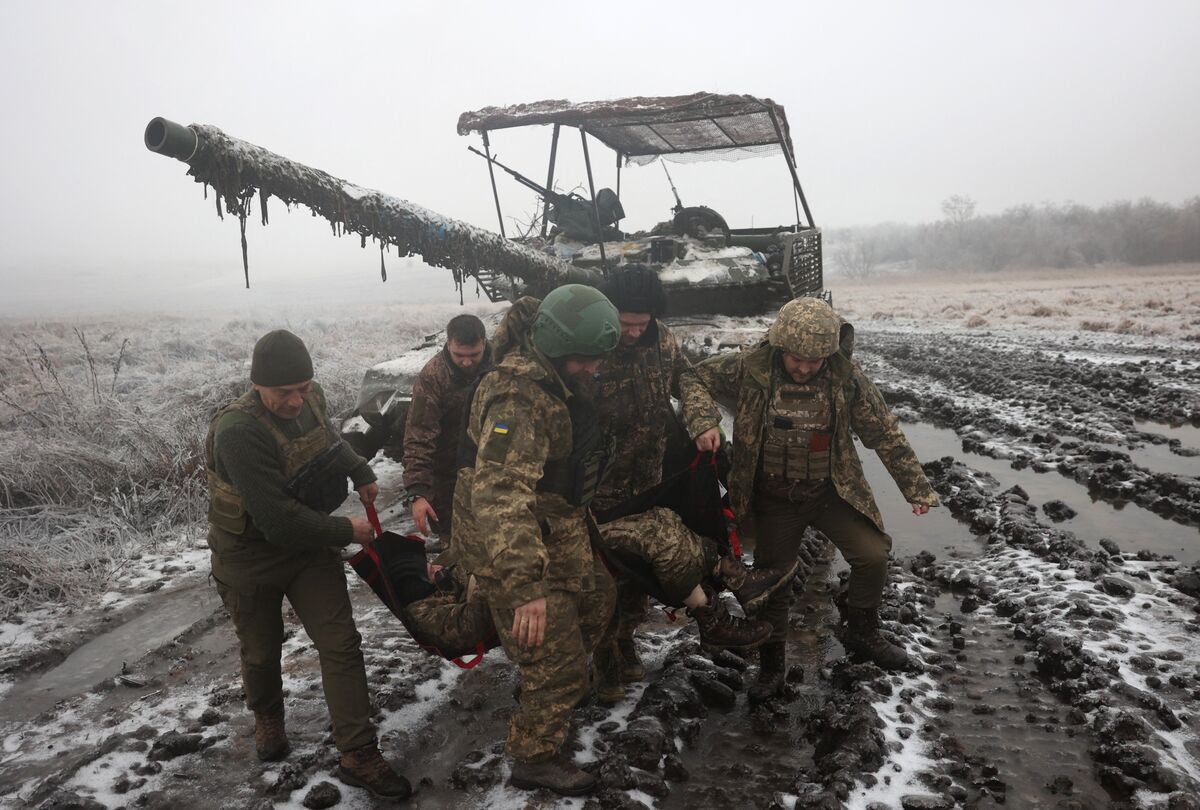
In conclusion, the Border Ukraine Israel Aid Congress represents a significant undertaking with far-reaching implications. Understanding the historical context, current landscape, and potential future scenarios is crucial for evaluating the effectiveness and impact of these aid packages. The analysis highlights the need for careful consideration of various factors and alternative models to maximize the positive outcomes for all involved.
Question & Answer Hub
What is the historical relationship between Ukraine and Israel regarding aid from the US Congress?
While specific aid flows between Ukraine and Israel are not directly documented in the Artikel, the overall context suggests a complex interplay of geopolitical factors, with the US Congress acting as a facilitator for both nations.
What are some potential alternative aid models for Ukraine and Israel?
The Artikel mentions exploring alternative aid models, but doesn’t specify examples. This could include micro-loans, skill-based assistance, or targeted infrastructure projects.
How has media coverage influenced public perception of aid to Ukraine and Israel?
The Artikel suggests media coverage plays a significant role in shaping public opinion. Different narratives and perspectives from various media outlets may influence public perception and understanding of aid initiatives.
What are the specific types of aid being offered to Ukraine and Israel by the US Congress?
The Artikel details the types of aid but does not provide specific examples. It likely includes financial assistance, military support, humanitarian aid, and other forms of assistance.