
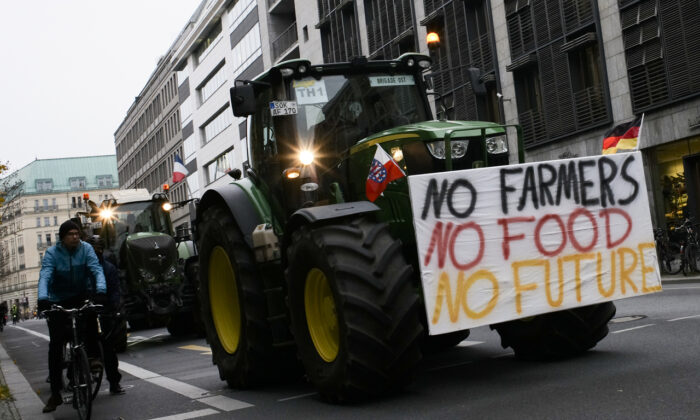
Europe Farming Protests Policy A Deep Dive
Europe farming protests policy is a complex issue, deeply rooted in historical agricultural practices and evolving socioeconomic trends. This in-depth look examines the key factors driving these protests, from the EU’s Common Agricultural Policy (CAP) to the impact of globalization and climate change. We’ll explore the current issues, analyze the impacts on farmers of different scales, and discuss potential policy reforms.
This exploration delves into the historical context of European farming protests, outlining the evolution of agricultural policies and their influence on farmer activism. It also analyzes current issues, examines the EU’s agricultural policies, and assesses the impacts on various types of farms. Furthermore, it details alternative policy proposals, explores public perception and political discourse, and projects future trends.
Historical Context of European Farming Protests
European farming protests are a complex and multifaceted phenomenon, deeply intertwined with the evolution of agricultural policies and broader socioeconomic trends. These protests, often characterized by significant disruption and public attention, represent a crucial aspect of the relationship between farmers and policymakers across the continent. Understanding their historical context provides valuable insights into the underlying motivations and the long-term impact of agricultural policies.The history of European farming protests reveals a pattern of recurring conflicts stemming from evolving agricultural policies.
Farmers, facing fluctuating market conditions, changing technological landscapes, and evolving governmental regulations, have consistently sought to defend their livelihoods and interests. These protests often highlight a tension between the desire for sustainable agricultural practices and the pressures of economic globalization and technological advancement.
Agricultural Policies and Farmer Activism in Post-War Europe
The post-World War II period witnessed the rise of the Common Agricultural Policy (CAP) in the European Economic Community (EEC), which laid the groundwork for significant changes in European agriculture. The CAP, designed to ensure food security and support farmers, initially involved price supports and production quotas. However, its long-term impact on farmer livelihoods and the environment became a focal point of debate.
The Impact of the CAP on Farmers’ Grievances
The CAP, while initially aiming to bolster agricultural production, ultimately led to several farmer grievances. One major concern was the distortion of markets due to price supports and subsidies, creating imbalances and impacting the competitiveness of smaller farms. Moreover, the policy incentivized intensive farming practices, raising concerns about environmental sustainability and the long-term viability of agricultural ecosystems.
The Evolution of Agricultural Policies and Socioeconomic Trends
The evolving socioeconomic landscape of Europe further complicated the relationship between agricultural policies and farmer activism. Factors like increasing urbanization, changing consumer preferences, and the growing awareness of environmental issues contributed to the growing complexity of the challenges faced by European farmers. Farmers sought policies that acknowledged the need for sustainable practices, economic viability, and societal responsibility in food production.
Examples of Specific Policies and Farmer Grievances
The 1990s witnessed significant reforms to the CAP, driven in part by concerns about the cost of the program and the need for a more market-oriented approach. However, these reforms often failed to address the concerns of smaller farmers, who faced increased competition from larger agricultural enterprises. For instance, the introduction of decoupled payments, while intended to reduce market distortions, sometimes left smaller farms struggling to compete and adapt to changing market conditions.
Specific examples of farmer protests, like the protests against milk quotas in the 1990s, highlight the direct link between specific CAP policies and farmer discontent. These examples underscore the complex interplay between agricultural policies, economic realities, and farmer activism in shaping the agricultural landscape of Europe.
Current Farming Protest Issues
European farmers are facing a complex web of challenges, pushing them to the brink and fueling recent protests. These struggles stem from a confluence of factors, including the ever-shifting global marketplace, the increasing impacts of climate change, and the growing dominance of large-scale agricultural businesses. Understanding these pressures is crucial to appreciating the depth of discontent and the urgent need for responsive policy.
Globalization and International Trade Agreements
The integration of global markets has presented both opportunities and significant hurdles for European farmers. Increased competition from countries with potentially lower production costs, often facilitated by international trade agreements, has put pressure on European farms to maintain profitability. This competitive landscape often forces farmers to reduce costs, sometimes at the expense of environmental sustainability or animal welfare standards.
The varying standards across nations can create an uneven playing field, making it challenging for European farmers to compete effectively. For example, the European Union’s agricultural subsidies, while intended to support domestic farmers, have been criticized for contributing to a situation where farmers in countries with less stringent regulations can undercut prices in the EU market.
Climate Change Impacts on Agricultural Practices
Climate change is rapidly altering agricultural landscapes, introducing significant uncertainty and demanding adaptation strategies. Farmers are facing more frequent and intense extreme weather events, such as droughts, floods, and heatwaves. These events disrupt planting and harvesting schedules, damage crops, and increase production costs. The resulting yield variability and unpredictable market conditions are a major concern for farmers.
For instance, the prolonged drought in the Mediterranean region in recent years has significantly impacted olive and grape harvests, directly affecting the livelihoods of farmers dependent on these crops. This necessitates farmers investing in more resilient crops and adapting farming techniques to cope with the changing climate.
The Role of Large-Scale Agricultural Businesses
The rise of large-scale agricultural businesses has reshaped the European farming landscape. These companies often exert significant market power, impacting the pricing of agricultural products and influencing production choices. Their economies of scale can make it difficult for smaller farms to compete, leading to concerns about fair market practices and the potential for consolidation. The dominance of large corporations can potentially lead to the homogenization of agricultural products and a loss of biodiversity in farming practices.
Furthermore, issues like land acquisition by large corporations can also lead to displacement and loss of livelihoods for smaller farmers.
Correlation of Issues to Policy Aspects, Europe farming protests policy
| Issue | Policy Aspect | Explanation |
|---|---|---|
| Globalization and International Trade Agreements | Trade agreements, Subsidies, Market regulations | Fair competition, ensuring domestic production viability amidst international competition |
| Climate Change Impacts | Agricultural subsidies, Research & Development, Environmental regulations | Adaptation strategies, promotion of resilient crops and sustainable practices |
| Large-Scale Agricultural Businesses | Market regulation, Competition policy, Support for smaller farms | Preventing market dominance, maintaining a diverse agricultural landscape |
European Union Agricultural Policies
The European Union’s agricultural sector, a cornerstone of its economy and a vital provider of food for its citizens, is heavily influenced by the Common Agricultural Policy (CAP). This policy, a complex web of regulations and subsidies, aims to support farmers and ensure food security across the bloc. Understanding the CAP is crucial to comprehending the ongoing farming protests, as farmers’ concerns often stem from its implementation and perceived shortcomings.
The Common Agricultural Policy (CAP)
A Summary
A Summary
The CAP is a significant pillar of the EU’s agricultural policy, encompassing a wide array of measures designed to support farmers, maintain food production, and safeguard rural communities. It’s a multifaceted approach, moving beyond simple subsidies to encompass environmental protection and rural development initiatives. The policy’s evolution reflects changing societal priorities, from solely focusing on production to incorporating sustainability and competitiveness.
European farming protests are highlighting some serious policy issues, and the ongoing debates about them are fascinating. Interestingly, the current political climate, particularly in the US, is also seeing some big questions emerge. For example, the upcoming federal election and the potential implications for the Trump case, as covered in whats next federal election case trump , are shaping the narrative.
Ultimately, the complexities of European agricultural policy continue to be a major point of discussion and need a clear path forward.
Objectives and Principles of the CAP
The CAP’s primary objectives are multifaceted, encompassing both economic and societal goals. These objectives include ensuring a stable and sufficient food supply, supporting agricultural income, promoting rural development, and fostering environmental protection. The CAP operates under principles of market orientation, financial support, and environmental sustainability, balancing these goals to create a robust and resilient agricultural sector.
Financial Mechanisms and Support Systems within the CAP
The CAP employs various financial instruments to achieve its objectives. Direct payments, often based on land area or livestock numbers, provide a crucial source of income support for farmers. These payments are intended to ensure a minimum level of income, enabling farmers to sustain their operations. Furthermore, the CAP offers funding for rural development, which covers investments in infrastructure, innovation, and environmental projects.
These initiatives address the broader challenges faced by rural communities.
Comparison with Agricultural Policies in Other European Countries
While the CAP is unique to the EU, other European countries have their own agricultural policies. For instance, France’s agricultural policies often focus on specific regional needs and traditional farming practices. The UK, post-Brexit, has undertaken a different approach, emphasizing self-sufficiency and tailoring support to specific sectors. The CAP’s comprehensiveness and direct financial support stand in contrast to policies that may be more targeted or region-specific.
EU Agricultural Funding Streams and Allocations
| Funding Stream | Primary Allocations |
|---|---|
| Direct Payments | Income support for farmers, based on factors like land area and livestock numbers. |
| Rural Development | Investments in rural infrastructure, environmental protection measures, and promotion of innovation. |
| Market Interventions | Measures to stabilize commodity prices and ensure market stability. This might include stockpiling, export subsidies, or import tariffs. |
| Specific Programs | Targeted support for specific agricultural sectors (e.g., organic farming, fisheries). |
The table above Artikels the key funding streams within the CAP. Each stream is designed to address specific agricultural needs and priorities. The allocation of funds to these streams reflects the EU’s ongoing commitment to supporting its agricultural sector and its evolving priorities.
Impacts of Policies on Farmers
EU agricultural policies have profoundly impacted European farmers, creating a complex landscape of winners and losers. These policies, while aiming to support agricultural production and rural economies, have often led to disparities in outcomes, favoring certain farming types over others. Understanding these impacts is crucial to assessing the effectiveness and equity of these policies and potentially designing reforms to address the needs of all farmers.The distribution of economic benefits and burdens from EU agricultural policies is not uniform across different types of farms.
Large-scale operations often benefit from economies of scale and access to larger subsidies, while small family farms, often crucial to maintaining the diverse agricultural landscapes of Europe, can struggle to compete. This unequal distribution can exacerbate existing inequalities within the agricultural sector and lead to further challenges for smaller farms in the long run.
Effects on Different Farm Types
EU policies have significantly affected both small family farms and large-scale operations. The impact often varies depending on the specific policy, the farm’s location, and the type of produce cultivated.
- Small family farms often face challenges in accessing the same level of financial support as larger farms. These farms, crucial to maintaining biodiversity and cultural heritage, often struggle to meet the administrative requirements of EU programs. Moreover, the rising costs of inputs like fertilizer and labor can disproportionately impact their profitability.
- Large-scale operations, on the other hand, can benefit from economies of scale, potentially enabling them to leverage subsidies and achieve greater efficiency. However, this advantage can also lead to concerns about market dominance and potential negative environmental consequences if not managed sustainably.
Distribution of Economic Benefits and Burdens
The distribution of economic benefits and burdens from EU agricultural policies is not equitable. While some farmers benefit from subsidies and market advantages, others face increased costs and reduced profitability. This uneven distribution can lead to social and economic disparities within rural communities.
Europe’s farming protests are really highlighting the challenges of agricultural policy, aren’t they? The ongoing disputes about subsidies and environmental regulations are causing a lot of tension. Meanwhile, the tragic events surrounding the super bowl kansas city shooting serve as a stark reminder of the complexities and interconnectedness of issues impacting our society, prompting further discussion about the policies that need to be addressed, ultimately leading back to the important issues surrounding Europe’s farming protests.
- Farmers specializing in crops like dairy and certain vegetables have been affected by fluctuating market prices and competition from imports. This can lead to reduced income and challenges in maintaining profitability.
- Subsidies and support programs often target specific crops or farming practices, potentially creating a disadvantage for those outside the favored categories. This can result in a concentrated distribution of benefits, leaving some farmers and agricultural sectors behind.
Examples of Policy Impacts on Livelihoods
Specific policies have demonstrably impacted the livelihoods of European farmers. The Common Agricultural Policy (CAP) has been a major influence, although its impacts vary widely depending on the farm’s context.
- The CAP’s direct payments, while intended to support farmers, can sometimes fail to adequately address the specific needs of diverse farming systems. For instance, farms that rely on less-subsidized crops or are located in regions with higher production costs may experience disproportionate burdens.
- Changes in market conditions, such as fluctuations in global food prices, have also significantly influenced the financial viability of European farms. This can impact their ability to maintain operations and invest in future development.
Potential for Policy Reforms
Policy reforms have the potential to address the needs of different farming sectors and promote a more equitable distribution of benefits. This involves considering the diverse needs of small family farms, large-scale operations, and specialized farming practices.
- Focusing on targeted support programs for smaller farms could help mitigate the challenges they face. This might include providing more flexible support or simplifying administrative requirements.
- Incentivizing sustainable practices across all farm sizes could contribute to environmental protection and long-term farm viability.
Disparities in Policy Impacts
The table below highlights the disparities in policy impacts on different farming sizes.
| Farm Size | Policy Impacts |
|---|---|
| Small Family Farms | Limited access to subsidies, higher administrative burdens, disproportionate impact from input costs. |
| Large-Scale Operations | Potential for leveraging economies of scale, potentially greater access to subsidies, potential for market dominance. |
Alternative Policy Proposals
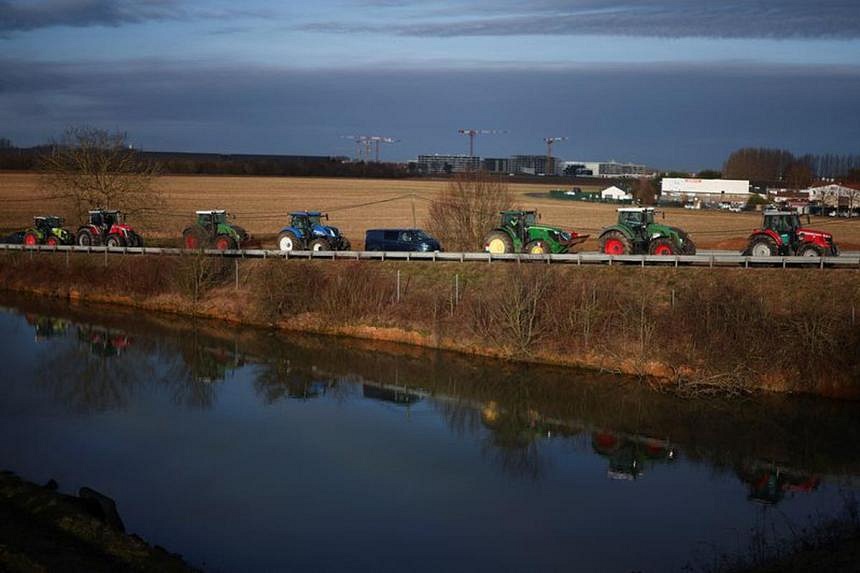
The current agricultural policies in Europe are facing significant criticism for their impact on farmers. Farmers often feel unheard and unsupported, facing challenges related to fluctuating market prices, environmental regulations, and high input costs. This section Artikels alternative policy proposals designed to address these issues and promote a more sustainable and resilient European agricultural sector.
Direct Payments Based on Sustainability Criteria
A crucial aspect of supporting farmers is a system of direct payments tied to demonstrable sustainability efforts. This system would reward farmers for adopting environmentally friendly practices, such as reducing pesticide use, implementing crop rotation, and managing water resources efficiently. Farmers who achieve certain sustainability milestones would receive a direct financial incentive, reinforcing their commitment to environmentally conscious farming.
- Criteria for Sustainability: The criteria should be measurable and transparent, encompassing indicators like biodiversity conservation, water usage, pesticide reduction, and soil health improvement. This ensures fairness and accountability in the system.
- Payment Structure: The payment structure should be tiered, rewarding progressively more ambitious sustainability targets. For example, farmers adopting basic organic practices could receive a lower payment than those implementing comprehensive sustainable farming systems.
- Verification Mechanism: An independent verification system would be essential to ensure the accuracy and legitimacy of sustainability claims. This could involve third-party audits or farmer certifications.
Promoting Diversification and Resilience in Farming
Diversification is vital for increasing the resilience of European farms to fluctuating market conditions and environmental challenges. Supporting diversification strategies empowers farmers to adapt to changing market demands and reduce reliance on single crops or livestock types.
- Financial Incentives: Government funding could be channeled towards initiatives that promote diversification, such as establishing crop diversification schemes, developing new farming techniques, or offering financial assistance for farmers transitioning to alternative farming methods.
- Market Development: Promoting new markets for diversified agricultural products is essential. Government support could include initiatives to develop consumer awareness campaigns, facilitate access to niche markets, and establish farmer cooperatives.
- Research and Development: Investment in research and development focused on climate-resilient crops, sustainable livestock practices, and new farming technologies can contribute significantly to the long-term viability of diversified farms.
Support for Organic Farming and Sustainable Practices
Encouraging organic farming and other sustainable practices is crucial for environmental protection and farmer well-being. This involves providing necessary support for transitioning to organic methods and ensuring market access for organic products.
- Financial Assistance: Direct financial support should be available to farmers making the transition to organic farming. This could include subsidies for organic certification, training, and infrastructure upgrades.
- Market Access: Promoting consumer awareness and demand for organic products is crucial. Government initiatives could include consumer education programs, targeted marketing campaigns, and partnerships with retailers to increase organic product visibility and availability.
- Research and Development: Research and development focused on organic farming techniques and the development of organic inputs could enhance the competitiveness of organic farming systems.
Policy Examples from Other Regions
Examining successful policy initiatives in other regions can offer valuable insights for designing effective European agricultural policies. For example, some countries have implemented successful schemes for supporting organic farming or diversification.
- New Zealand’s Dairy Sector: New Zealand has a strong emphasis on sustainability within its dairy sector. Their approach to sustainable farming practices and resource management could serve as a model for Europe.
- Japan’s Agricultural Diversification: Japan’s emphasis on local food production and diverse agricultural practices could provide valuable insights into building resilience in European farming.
- Canada’s Agri-environmental Programs: Canada’s agri-environmental programs provide an example of how governments can reward farmers for adopting environmentally friendly practices. These programs demonstrate that a targeted and incentivized approach can foster sustainability in farming.
Public Perception and Political Discourse
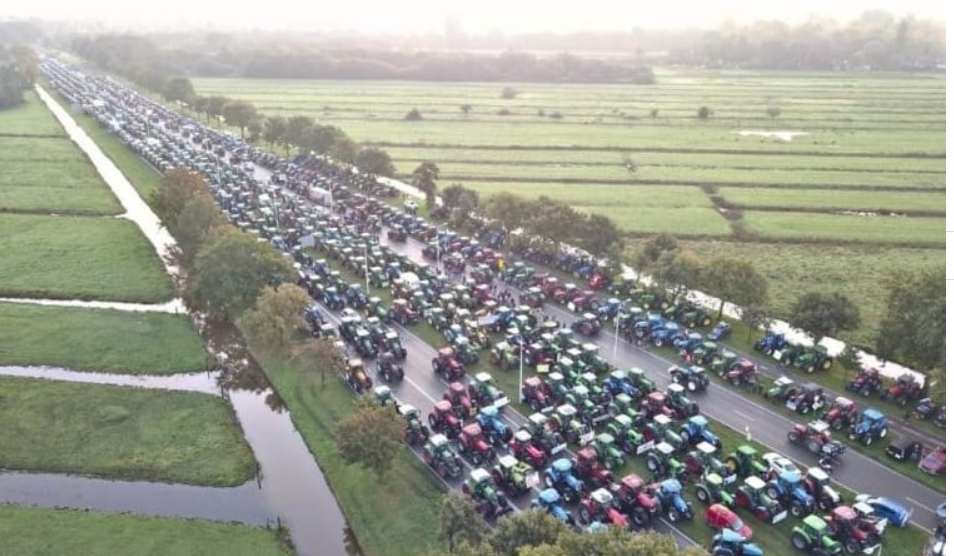
European farming protests, a recurring phenomenon, have ignited a complex tapestry of public opinion and political discourse. The issues at stake, ranging from environmental concerns to economic viability, have created a polarized debate, with various factions presenting their perspectives on the future of agriculture. Understanding these viewpoints is crucial to navigating the path towards sustainable and equitable agricultural policies.The public perception of these protests is often shaped by the framing of the issues in the media and political discourse.
Arguments regarding the necessity of change, alongside concerns about the economic impact of reforms, are often intertwined, making it difficult to disentangle the various threads of this complex issue. Different sectors of the population, including consumers, environmental groups, and farmers themselves, hold differing perspectives on the role and direction of European agriculture.
Public Opinion Regarding European Farming Protests
Public opinion on European farming protests is multifaceted. A significant portion of the public, especially those concerned about food security and affordability, may be skeptical of changes that could potentially disrupt the supply chain. Conversely, environmental advocates often support the protests, viewing them as a necessary step towards sustainable practices. The general public’s understanding of the complexities surrounding these protests is often influenced by the media’s portrayal of the events.
Key Arguments Used in Political Discourse
The political discourse surrounding European farming protests often centers on opposing viewpoints. Proponents of current agricultural policies often emphasize the importance of maintaining traditional farming practices and the role of subsidies in supporting rural communities. Critics, conversely, highlight the environmental impact of intensive farming methods and the need for more sustainable practices. The debate often revolves around balancing economic interests with environmental concerns.
Examples of these arguments are frequently found in parliamentary debates and public statements from political leaders.
Role of Media and Social Media in Shaping Public Perception
Media outlets, both traditional and social, play a crucial role in shaping public perception of European farming protests. News coverage can either frame the protests as a necessary step toward reform or as a disruptive force. Social media amplifies these narratives, allowing for rapid dissemination of information and the formation of public opinion. This dynamic interplay between media and public opinion significantly impacts the trajectory of the protests.
European farming protests are heating up, with ongoing debates about policies impacting the sector. Recent coverage from journalists like Zachary Woolfe, a New York Times correspondent, Zachary Woolfe for the New York Times highlights the complex issues at play. These issues, ranging from environmental concerns to economic pressures, are driving the protests and demanding attention from policymakers.
For instance, the use of hashtags and targeted advertising on social media platforms can significantly sway public perception.
Different Political Factions’ Views
Different political factions adopt varying stances on the farming protests and related policies. Conservative parties often prioritize the interests of farmers and the preservation of traditional agricultural practices. Environmentalist parties emphasize the need for sustainable farming methods and reduced environmental impact. Centrist parties attempt to find a balance between these two perspectives, seeking solutions that address both economic and environmental concerns.
Table Summarizing Major Political Positions
| Political Faction | Stance on Farming Policy |
|---|---|
| Conservative | Prioritize farmer interests, support traditional practices, maintain current subsidy levels. |
| Environmentalist | Advocate for sustainable practices, reduce environmental impact of agriculture, phase out subsidies for unsustainable methods. |
| Centrist | Seek balance between farmer interests and environmental concerns, propose gradual transitions towards sustainability, potentially restructuring subsidies. |
Future Trends and Projections
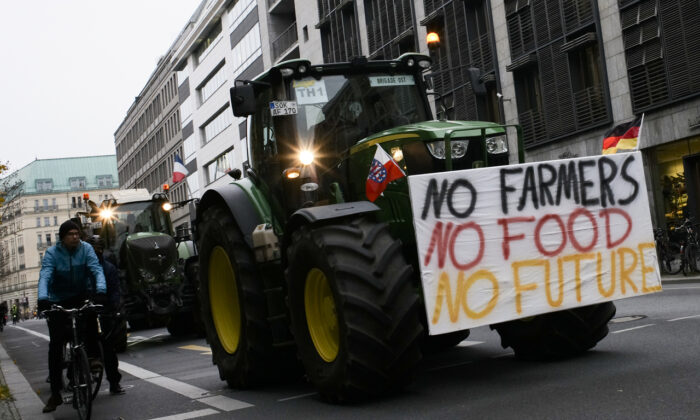
The European agricultural landscape is in constant flux, driven by evolving consumer preferences, technological advancements, and shifting environmental concerns. These factors, combined with ongoing debates surrounding EU agricultural policies, will shape the future of farming protests and the relationship between farmers and policymakers. Predicting the precise trajectory is challenging, but examining potential trends provides a framework for understanding the evolving dynamic.
Potential Future Trends in European Farming
The European agricultural sector faces a confluence of pressures. Climate change impacts, including extreme weather events and fluctuating precipitation patterns, will likely necessitate greater resilience and adaptation strategies within farming practices. Technological advancements, such as precision agriculture and automated systems, will further transform farming operations, potentially impacting labor demands and farm sizes. Consumer demand for sustainable and ethically produced food will continue to rise, influencing farming practices and supply chains.
Factors Influencing Future Policy Decisions
Several factors will shape future EU agricultural policy decisions. Public pressure for environmental sustainability and ethical farming practices will likely increase the emphasis on eco-friendly farming methods. Economic considerations, such as fluctuating input costs and market volatility, will continue to play a significant role. Geopolitical factors, including trade agreements and international relations, may also influence the design of policies.
Evolving Relationship Between Farmers and Policymakers
The relationship between farmers and policymakers is likely to become more complex and nuanced. Farmers will increasingly seek to engage in dialogue and collaboration with policymakers to address their concerns and influence policy decisions. Policymakers will need to actively listen to farmers’ perspectives and incorporate their concerns into policymaking processes to mitigate potential conflicts.
Strategies for Conflict Resolution and Policy Adaptation
Proactive strategies are crucial for conflict resolution and policy adaptation. Open communication channels between farmers and policymakers are essential to address concerns and foster understanding. Flexible and adaptable policies are needed to respond to changing circumstances and emerging challenges. Incentivizing sustainable practices and providing financial support for farmers transitioning to new methods can ease the transition and mitigate potential disruptions.
European farming protests are highlighting some serious policy issues, but hey, did you know that the Kansas City Chiefs and Taylor Swift are also making headlines? Kansas City Chiefs Taylor Swift are getting some major buzz, and while that’s great, the protests in Europe are raising valid concerns about fair trade practices and environmental sustainability. Ultimately, these issues are all connected to broader economic and social factors, reminding us that the world is a complex place.
Promoting farmer education and training on new technologies and sustainable practices will help farmers adapt to future demands.
European farming protests are highlighting the need for policy reform, and the struggles of farmers are echoing in other political arenas. The current political climate, including the recent developments in the Tom Suozzi new york congressional race, shows a growing discontent with the status quo, which is impacting how policymakers approach agricultural issues. Ultimately, the complexities of European farming policy are far-reaching and require careful consideration by all stakeholders.
tom suozzi new york congressional race is a prime example of how broader political issues can intersect with seemingly disparate topics like agricultural policy.
Possible Scenarios for the Future of European Agriculture
| Scenario | Description | Policy Response |
|---|---|---|
| Scenario 1: Climate-Resilient Agriculture | Increased frequency and intensity of extreme weather events drive a shift towards climate-resilient agricultural practices. | Policies focusing on drought-resistant crops, water management techniques, and diversification of farm operations. Financial incentives for farmers adopting sustainable practices. |
| Scenario 2: Tech-Driven Farming | Technological advancements significantly alter farming operations, potentially leading to concerns about job displacement and farm consolidation. | Policies promoting education and training for farmers on new technologies. Support programs for small-scale farmers to adapt to technological changes. Addressing potential job displacement through retraining and social safety nets. |
| Scenario 3: Sustainable Food Systems | Growing consumer demand for sustainable and ethically produced food leads to increased pressure on farmers to adopt environmentally friendly practices. | Incentivizing sustainable farming practices through subsidies and tax breaks. Enhancing transparency and traceability in food supply chains. Supporting research and development of sustainable agricultural technologies. |
| Scenario 4: Geopolitical Instability | Global events and trade disputes disrupt supply chains and influence agricultural markets, impacting farmers’ profitability. | Policies that enhance food security and resilience by diversifying supply chains and supporting local food production. Negotiating trade agreements that support fair and sustainable trade practices. |
Final Thoughts
In conclusion, the Europe farming protests policy is a multifaceted issue demanding careful consideration. The interplay of historical context, current challenges, and alternative policy proposals highlights the complexity of supporting European farmers while ensuring sustainability and economic viability. The future of European agriculture hinges on finding a balance that addresses the diverse needs of farmers and the broader societal concerns.
Further dialogue and nuanced policy adjustments are essential for a sustainable and equitable future.
Popular Questions: Europe Farming Protests Policy
What are the main reasons behind the recent surge in European farming protests?
The recent surge in protests is driven by a combination of factors, including the impact of globalization on European farmers, changing climate conditions, and concerns about the fairness and effectiveness of the EU’s Common Agricultural Policy (CAP).
How does the EU’s Common Agricultural Policy (CAP) affect small family farms compared to large-scale operations?
The CAP’s impact varies. While it provides support to many farms, including small family farms, some argue that the current structure disproportionately benefits large-scale operations, potentially exacerbating existing inequalities.
What are some potential solutions to address the issues raised by European farming protests?
Possible solutions include reforms to the CAP, direct payments to farmers based on sustainability criteria, and support for diversification and resilience in farming practices.
What role does the media play in shaping public perception of these protests?
Media, including traditional and social media, plays a significant role in shaping public opinion. The way these protests are framed and presented can influence public understanding and support.