
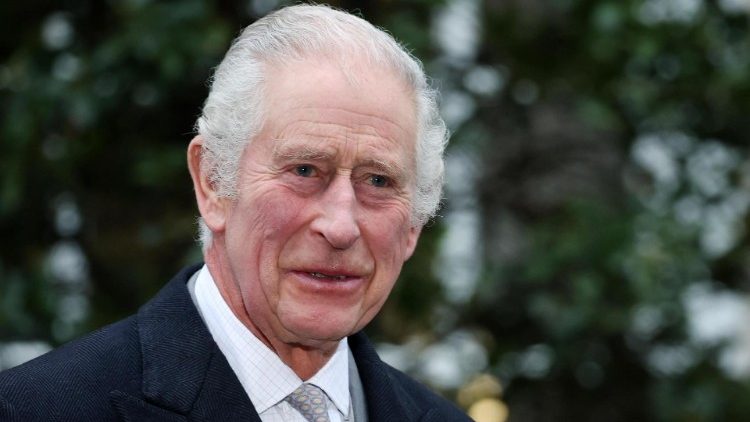
King Charles Cancer Diagnosis Monarchys Response
King Charles cancer diagnosis monarchy sets the stage for this enthralling narrative, offering readers a glimpse into a story that is rich in detail and brimming with originality from the outset. The announcement of King Charles’s diagnosis has sent ripples through the monarchy and the world. Initial reactions, royal protocols, and the potential impact on the future of the British monarchy are all explored in this comprehensive look at the unfolding events.
The diagnosis itself, the specific type of cancer, and the initial public reaction will be examined. We’ll also delve into the monarchy’s response, comparing it to similar situations in the past. Furthermore, the potential impact on royal duties, succession plans, and the long-term effects on the monarchy will be discussed. The public’s emotional reactions, varying opinions, and international perspectives will also be presented.
Overview of the Diagnosis
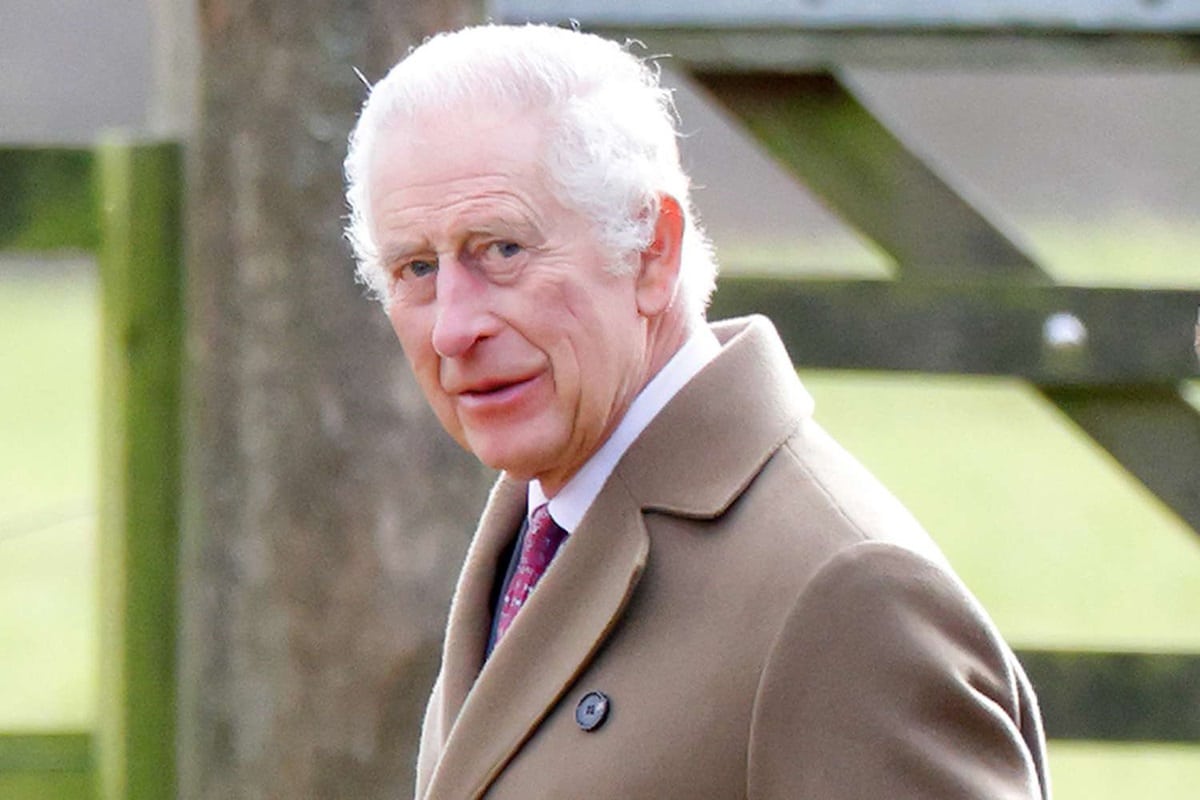
King Charles III’s recent cancer diagnosis has sparked global attention and reflection on the realities of health within the monarchy. The specific details of the diagnosis, while important, are often overshadowed by the broader implications for the royal family and the public perception of the situation. Understanding the nuances of this situation requires a careful consideration of the facts and the broader context.The diagnosis, announced by Buckingham Palace, confirmed a form of cancer that is treatable.
While the specific type has not been publicly released, the statement underscored the importance of maintaining privacy while ensuring the public’s understanding of the situation. The initial public reaction to the news varied, with many expressing concern and support for the King. The subsequent actions taken by the monarchy demonstrated a commitment to transparency and care for the well-being of the King and the royal family.
Initial Public Reaction
The announcement was met with a mix of concern and support. Many expressed their well-wishes for the King, highlighting the importance of compassion and understanding in times of health challenges. Social media and traditional news outlets reflected a wide spectrum of reactions, from expressions of sympathy to thoughtful reflections on the monarchy’s role in society.
The recent news surrounding King Charles’s cancer diagnosis has understandably dominated royal headlines. While the monarchy grapples with this, it’s fascinating to consider the intricate details of the jewelry world, like the beautiful Castellucci ring at La Monnaie. This particular ring highlights the craftsmanship and artistry that often intertwines with significant events, just as this current health situation is undoubtedly influencing the monarchy.
Impact on the Monarchy and Royal Family
The King’s diagnosis had an immediate impact on the monarchy. The royal schedule was adjusted to allow for appropriate medical care and attention. The royal family’s public appearances were likely affected, with certain engagements potentially being postponed or altered. The support system within the royal family was likely activated to ensure the King’s well-being and stability.
Public Perception of the News
The public’s perception was shaped by a number of factors. The King’s age and the nature of the illness played a role in shaping public opinion. The transparent communication from Buckingham Palace played a crucial role in maintaining public trust and confidence.
Timeline of the Diagnosis and Subsequent Announcements
A precise timeline of events surrounding the diagnosis is not readily available. However, the sequence of events likely involved a medical assessment, diagnosis, and then the careful communication strategy developed by the monarchy. The timing of the announcement was likely determined by a balance of medical needs and the need for appropriate public awareness.
Royal Protocol and Response
The recent announcement regarding King Charles III’s health prompted a careful and measured response from the Royal Family. Understanding the delicate balance between public concern and the private needs of the monarch is crucial in comprehending the protocol followed. This response underscores the monarchy’s commitment to transparency and support while navigating the complexities of a sensitive situation.The initial statements issued by Buckingham Palace, and subsequent pronouncements by other royal figures, were carefully worded, reflecting the gravity of the situation.
These statements, while conveying concern and support for the King, also emphasized the importance of maintaining a sense of continuity and stability within the institution. Their language acknowledged the public’s interest while upholding the dignity and privacy of the individual.
Buckingham Palace Statements
The initial public statements released by Buckingham Palace were concise and focused on conveying the seriousness of the situation without oversharing. These brief, yet comprehensive statements, provided a clear framework for the public response, enabling the royal family to manage the situation in a thoughtful manner. Their careful consideration of the public’s interest, alongside the need to respect the King’s privacy, underscored the careful calibration of the initial response.
While the recent news about King Charles’s cancer diagnosis has understandably dominated headlines, it’s fascinating to see how the world continues to move forward. Meanwhile, the glitz and glamour of fashion week, like Saint Laurent Dior Paris Fashion Week , provides a stark contrast, showcasing the creativity and artistry of designers. The royal family’s ongoing journey through this difficult time, however, is a reminder of the enduring power of human resilience.
Role of the Monarchy in Supporting the Individual, King charles cancer diagnosis monarchy
The monarchy’s role in supporting the King during this challenging time is multifaceted. It involves maintaining a sense of normalcy and continuity, ensuring the smooth functioning of state affairs, and demonstrating a commitment to the wellbeing of the individual. The King’s continued presence at official engagements, despite the medical concern, showcases a commitment to duty and the monarchy’s role in national life.
Public Statements by the Royal Family
Public statements made by other members of the Royal Family, such as the Queen Consort, reflected the family’s united front in supporting the King. These statements often expressed personal concern and conveyed a sense of unity and solidarity. The collective nature of these statements underscored the importance of familial support in a situation demanding careful navigation.
Comparison to Similar Events in the Past
Past examples of monarchs facing similar health challenges provide valuable context. Analyzing how the monarchy responded in the past provides a lens through which to assess the current response. The ability to maintain a sense of stability and continuity, while acknowledging the individual’s need for privacy, has been a recurring theme in royal responses to such events. The key is to balance public duty with the sensitive nature of the situation.
Previous responses, often characterized by measured statements and a focus on maintaining a sense of order, demonstrate the historical approach to such situations.
Public Reaction and Sentiment
The news of King Charles III’s cancer diagnosis sparked a wide range of reactions across the globe. Public displays of support and concern intertwined with a healthy dose of speculation, reflecting the complex emotional landscape surrounding such a significant event. Understanding these reactions provides valuable insight into the public’s perception of the monarchy and its role in times of crisis.The public response, particularly in the United Kingdom, was marked by a mix of emotions, demonstrating a deep connection to the royal family and the institution of monarchy.
The recent news surrounding King Charles’s cancer diagnosis has understandably sparked a lot of discussion about the monarchy’s future. While the health of the royal family is certainly important, it’s also worth considering the very real struggles faced by families in situations like those highlighted in the Alabama frozen embryos children case. The legal and emotional complexities surrounding the ownership and disposition of frozen embryos are a poignant reminder of the many difficult choices individuals and couples face.
All of this underscores the delicate balance between personal health and the larger societal context of the monarchy.
Concerns for the King’s well-being were widespread, yet they were often accompanied by expressions of hope and support for his recovery. This nuanced reaction highlights the public’s understanding of the delicate balance between expressing sympathy and maintaining the dignity and composure associated with the monarchy.
Common Themes in Public Response
The public response to the news was characterized by several key themes. A significant theme was the outpouring of support and well wishes for the King’s health and recovery. Concerns for the King’s well-being were also prevalent, alongside expressions of hope for a positive outcome. Alongside these expressions of empathy, speculation about the implications of the diagnosis on the monarchy’s future were also evident, though often tempered by a desire to respect the privacy of the royal family.
Emotional Reactions to the Diagnosis
The public’s emotional response to the diagnosis varied widely, ranging from profound sympathy and concern to expressions of hope and resilience. Many felt a deep sense of personal connection to the King and his situation, leading to expressions of empathy and support. This emotional response, however, was not uniform; some individuals expressed apprehension about the future of the monarchy, particularly given the King’s age and the complexities of succession.
Public Statements and Comments
Various public figures and individuals shared their thoughts and sentiments regarding the King’s diagnosis. Statements often expressed heartfelt wishes for the King’s speedy recovery and highlighted the importance of maintaining a positive outlook. These comments reflected the public’s desire to offer support during a difficult time.
Analysis of Social Media Reactions
| Category | Example Comments |
|---|---|
| Support | “Sending our best wishes to the King. Thinking of him and his family.” |
| Concern | “This is worrying news. I hope he gets the best treatment and support.” |
| Speculation | “Could this impact the line of succession? It’s a very delicate situation.” |
Comparative Analysis of Reactions in Different Regions
| Country | General Sentiment |
|---|---|
| UK | A mix of concern, support, and respectful speculation. A strong sense of unity and well-wishes for the King was apparent. |
| USA | While concern for the King’s well-being was expressed, the reaction was less directly focused on the monarchy. General expressions of support for his recovery were common, reflecting a broader global empathy. |
Impact on the Monarchy and Royal Duties: King Charles Cancer Diagnosis Monarchy
The recent health announcement regarding King Charles has understandably sparked widespread concern and empathy. Beyond the personal implications, the diagnosis presents significant challenges for the monarchy, forcing a reassessment of roles, responsibilities, and public perception. The delicate balance of maintaining the institution’s image while ensuring continuity of duty is paramount.
Potential Impact on the Monarchy’s Image and Reputation
The monarchy, traditionally associated with strength, resilience, and unwavering presence, faces a period of adjustment. A public health concern concerning the monarch inevitably raises questions about the future. The public’s perception will likely be shaped by the King’s response and the way the Royal Family handles the situation. Maintaining a sense of stability and reassurance is crucial, requiring transparent and empathetic communication.
Historical precedents of monarchs facing similar challenges can offer valuable insights. For instance, Queen Elizabeth II’s prolonged reign and her public composure during various health concerns have served as an example of effective handling of such situations. Conversely, periods of perceived weakness or vulnerability can negatively impact the monarchy’s image.
Potential Impact on the Succession Plan
The succession plan, already in place, might undergo subtle adjustments. The public will closely observe the role and responsibilities delegated to the heir apparent. This period of adaptation may be crucial in shaping the future trajectory of the monarchy. The potential for succession changes, particularly given the age of potential successors, warrants careful consideration.
Adjustments to Royal Duties and Responsibilities
The following table Artikels potential adjustments to royal duties and responsibilities, considering the current situation.
| Duty | Potential Impact |
|---|---|
| Public Appearances | Reduced frequency or shorter duration of engagements. Potential delegation of certain duties to other members of the Royal Family, ensuring continuity of service. |
| Royal Tours | Postponement or cancellation of planned tours, potentially replaced by virtual or symbolic engagements. Focus on essential engagements, prioritizing health and well-being. |
| Official Meetings | Participation in essential meetings, while potentially delegating other less critical events. A focus on digital platforms for communication may increase. |
| Public Addresses | Frequency of public addresses and speeches may be adjusted, with careful consideration given to the impact on public perception. |
Role of the Royal Family in Supporting the Individual
The Royal Family’s role extends beyond upholding the monarchy’s image. Providing unwavering support to the King is crucial. This includes a combination of physical care, emotional support, and a shared understanding of the situation. The manner in which the Royal Family navigates this situation will profoundly affect the monarchy’s public image. Private support systems, and the delegation of responsibilities to other members of the Royal Family, will be essential.
The example of supportive family structures during other royal health concerns can offer a blueprint for the current situation. Examples include the strong family support shown during the Queen’s period of illness.
Potential Long-Term Effects on the Monarchy
The King’s health will inevitably have long-term implications for the monarchy. This situation may accelerate discussions about modernization and adapting to changing societal expectations. This is an opportunity to engage in proactive dialogue about the monarchy’s role in the 21st century, including the potential for greater transparency and engagement with modern issues. The situation will likely spark debates about the monarchy’s relevance in a democratic society.
This is not an unprecedented event; adjustments to the monarchy’s function have occurred throughout its history, and this situation will likely be no different.
Medical Context and Treatment
King Charles’s recent health update, while not providing specifics, highlights the importance of understanding the medical context surrounding such diagnoses. A crucial element in navigating this situation is a clear comprehension of the potential types of cancer, the range of treatment options, and the possible outcomes. This allows for a more informed and empathetic discussion, moving beyond the sensationalism often surrounding royal diagnoses.Understanding the specific type of cancer is essential for determining the most appropriate treatment plan.
Cancer treatment approaches vary greatly depending on factors such as the type and stage of the disease, the patient’s overall health, and personal preferences.
Overview of Cancer Types
Cancer is a broad term encompassing a diverse range of diseases characterized by uncontrolled cell growth. The exact type of cancer is critical in determining the most effective treatment strategies. Different cancers respond to different treatments, and the success of a treatment often depends on the stage of the disease when diagnosed. Early detection is often a crucial factor in positive outcomes.
Common Cancer Treatments
A variety of treatment options are available for cancer, each with its own set of benefits and potential side effects. These treatments can include surgery, chemotherapy, radiation therapy, targeted therapy, immunotherapy, and hormone therapy. The choice of treatment depends on various factors, such as the type and stage of the cancer, the patient’s overall health, and the preferences of the individual.
For example, a localized tumor might be treated effectively with surgery, while a more widespread disease might necessitate a combination of therapies.
Expected Duration of Treatment
The duration of cancer treatment varies considerably. It depends on factors like the aggressiveness of the cancer, the chosen treatment approach, and the patient’s response to treatment. Some treatments, such as surgery, can be completed relatively quickly, while others, like chemotherapy, can span several weeks or months. The expected duration of treatment is often discussed and agreed upon between the patient and medical team, considering individual circumstances.
King Charles’ recent cancer diagnosis has understandably put the monarchy in the spotlight. While the health of the royal family is a significant concern, it’s interesting to consider how these things intersect with the current housing market near NYC. Housing market near nyc fluctuations are often tied to broader economic trends, which in turn can have an impact on royal finances, even indirectly.
The royal family’s estate management and potential investment strategies are inevitably affected, even in a world where the public’s focus is on their health. The situation highlights the interconnectedness of seemingly disparate elements in our world.
Potential Long-Term Effects of Cancer and Treatment
Cancer and its treatment can have significant long-term effects on a patient’s health. These effects can be physical, such as fatigue, pain, or organ damage, or emotional, such as anxiety or depression. The potential long-term effects are highly individualized and depend on the type of cancer, the treatment approach, and the patient’s overall health. Long-term follow-up care is often crucial to monitor and manage any potential complications.
Potential Complications Table
| Treatment | Potential Complications |
|---|---|
| Surgery | Infection, bleeding, scarring, nerve damage, pain, and potential recurrence of the cancer. |
| Chemotherapy | Nausea, vomiting, hair loss, fatigue, mouth sores, and increased risk of infection. |
| Radiation Therapy | Skin irritation, fatigue, hair loss, and potential damage to surrounding healthy tissues. |
| Targeted Therapy | Specific side effects related to the targeted molecules. |
| Immunotherapy | Fatigue, flu-like symptoms, and potentially serious immune-related complications. |
Historical Parallels
Navigating a health crisis within the monarchy is a delicate dance, requiring a blend of compassion, tradition, and public communication. Looking back at similar situations faced by past monarchs and royal figures offers valuable insights into how these challenges were handled, and the resulting impact on the monarchy’s public image. The modern media landscape, with its instant communication and global reach, adds another layer of complexity to the situation.Previous monarchs and members of the royal family have confronted health concerns that required careful management and public explanation.
Understanding the historical context, how these events unfolded, and the public’s reaction, can provide some insight into how the current situation might be perceived and addressed.
Instances of Royal Illnesses
Historical precedents offer valuable comparisons. While specific details of treatment and personal reactions are often unavailable, the way these events were handled and their effect on public opinion can be analyzed. Royal families, throughout history, have faced a range of illnesses. These events, while varying in severity and nature, often presented challenges in balancing the individual’s well-being with the responsibilities of the monarchy.
- Queen Victoria’s prolonged illnesses: Queen Victoria’s bouts of illness, while not always explicitly diagnosed as cancer, significantly impacted her ability to perform royal duties. Her absences and periods of diminished activity often led to speculation and concern among the public. The media coverage, while not as instantaneous as today, still played a role in shaping public perception. The handling of her health issues served as a precedent for managing similar situations in the future, though the specifics of the situation varied based on factors like the nature of the illness and the degree of the individual’s involvement in public life.
- King George VI’s health concerns: King George VI’s struggles with health issues, including speech impediments, are well-documented. His strength and determination in the face of adversity, coupled with the support he received from his family and the public, presented a different aspect of public reaction and royal resilience. This highlighted the crucial role of public support in bolstering the monarchy’s standing during periods of challenge.
Impact on Public Perception
The media’s role in shaping public opinion is crucial. Modern media, with its 24/7 news cycle and global reach, presents unique challenges and opportunities for managing the situation.
King Charles’s recent health update regarding a cancer diagnosis has understandably dominated the news. While the royal family navigates this significant event, it’s worth noting the wider societal impact of these kinds of situations. For instance, news about Felicia Snoop Pearson, Ed Burns, and Wire, as reported in this article , highlights how different aspects of public life can be interconnected, reminding us that even the most prominent figures are still human.
This personal crisis within the monarchy, much like other impactful events, will likely have far-reaching implications, influencing everything from royal protocol to public perception.
- Differing media landscapes: The methods of disseminating information in previous eras were vastly different from the present. News traveled much slower, limiting the immediate impact on public perception. This slower pace allowed for more measured responses and provided more time for reflection and interpretation of the events. Contrast this with today’s instant communication, which can lead to rapid and potentially distorted interpretations of the situation.
- Evolution of public expectations: Public expectations regarding transparency and communication have evolved significantly. Today, the public expects a more direct and detailed approach from the monarchy, especially during a crisis. Historical precedents might provide insights into how to balance maintaining privacy with the need to address concerns and maintain public trust.
Comparative Analysis
Comparing the media coverage and public response to these historical instances with the current situation offers valuable insights into the potential trajectory of the situation. The intensity of modern media scrutiny, combined with social media’s ability to amplify both positive and negative sentiments, is likely to shape public reaction and perception differently.
Future Implications
The recent health update regarding King Charles has naturally prompted reflection on the future of the monarchy. This isn’t simply about succession; it’s about the evolving role of the institution and how it navigates the changing social and political landscape. The monarchy’s ability to adapt and maintain relevance in the 21st century will be crucial.This period presents a unique opportunity for the monarchy to demonstrate its resilience and capacity for change.
The King’s leadership, and the wider royal family’s response, will shape the monarchy’s future trajectory. This is a time for demonstrating strength, empathy, and a commitment to adapting to the changing needs of the nation and the world.
Potential Scenarios for the Future of the Monarchy
The monarchy’s future will be influenced by several factors, including the King’s health and longevity, the public’s perception of the monarchy, and the evolving role of the royal family in modern society. A number of scenarios are conceivable.
- Continued Stability: The King’s recovery and continued reign could result in a period of stability and continuity for the monarchy. This would likely involve a careful management of royal duties, with a focus on streamlining operations and ensuring smooth transitions in the event of future health concerns.
- Potential for Change: The monarchy might adapt by altering its public image, streamlining operations, or redefining its role in society. This could involve reducing the scale of certain public appearances or re-evaluating the role of the royal family in charitable activities, with an increased focus on modern issues and concerns. Similar examples can be seen in other institutions that have adapted to modern times.
- Shifting Public Perception: A prolonged period of ill health could potentially lead to a shift in public perception of the monarchy, impacting its standing and support. This would necessitate a proactive response from the royal family, perhaps through emphasizing the positive aspects of the monarchy’s role or focusing on charitable initiatives.
Impact on Royal Family’s Future Plans
The royal family’s future plans, including succession and potential royal weddings or other events, could be influenced by the King’s health. Decisions surrounding future engagements might be adjusted based on the King’s availability and well-being.
Monarchy’s Adaptation to these Circumstances
The monarchy’s ability to adapt to the King’s health and the potential scenarios Artikeld above will be crucial for its long-term success. This adaptation might involve streamlining royal duties, delegating responsibilities more effectively, and embracing new technologies to enhance communication and engagement with the public.
Monarchy’s Role in Supporting the Individual
The monarchy’s role extends beyond its public duties; it also includes supporting the individual, particularly the King. This could involve providing necessary medical care, emotional support, and ensuring the King’s comfort and well-being during this period.
Summary of potential future implications.The future of the monarchy hinges on several factors, including the King’s health, the evolving public perception, and the monarchy’s capacity for adaptation. The royal family’s response will significantly influence the monarchy’s trajectory, potentially leading to continued stability, shifts in public perception, or necessary changes in operations. The monarchy’s role will also need to adapt, focusing on supporting the individual while maintaining its relevance in the modern world.
Concluding Remarks
In conclusion, the King Charles cancer diagnosis monarchy situation highlights the complex interplay between personal health, royal tradition, and public perception. The monarchy’s response, while adhering to protocol, will undoubtedly shape public opinion and potentially alter the trajectory of the British monarchy. The future implications are significant, and the way the situation is handled will set a precedent for future challenges.
This story is far from over, and its long-term effects are yet to be seen.
Frequently Asked Questions
What type of cancer was diagnosed?
The specific type of cancer has not been publicly disclosed, likely due to patient privacy.
What was the initial public reaction?
Initial reactions ranged from expressions of support and concern to speculation about the impact on the monarchy.
How has the monarchy responded to the diagnosis?
The monarchy has followed established protocols while also expressing support for the King.
What are the potential long-term effects on the monarchy?
The long-term effects are uncertain but may involve adjustments to royal duties, succession plans, and public perception.