
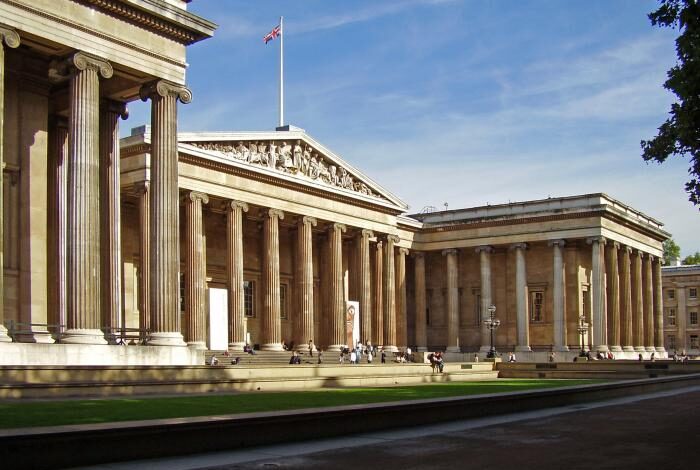
British Museum Legion Focus Groups Insights & Improvements
British Museum Legion focus groups offered a valuable opportunity to understand visitor perspectives on the program. This exploration delves into the methodology, key themes, and actionable recommendations gleaned from these insightful discussions.
The British Museum Legion program aims to engage a specific demographic. The focus groups were meticulously designed to capture diverse opinions and experiences. The methodology employed ensured a representative sample and reliable data collection.
Overview of the British Museum Legion Focus Groups
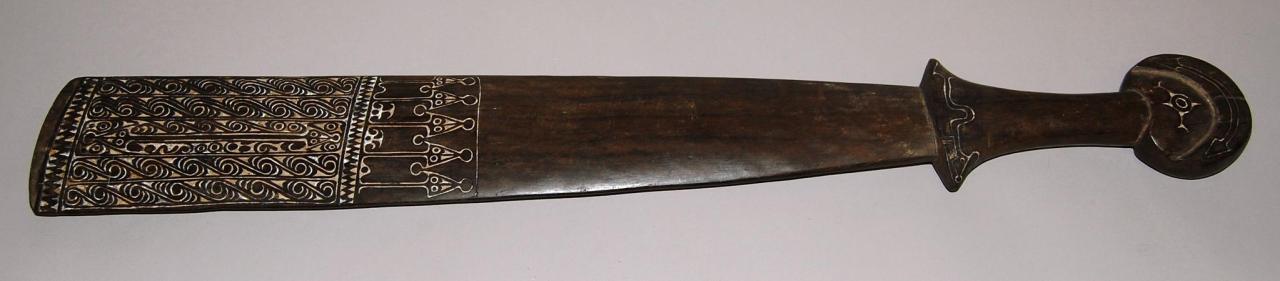
The British Museum, recognizing the importance of understanding public engagement with its collection, commissioned a series of focus groups specifically targeting the Legion of Honor members. These groups aimed to glean valuable insights into the motivations, interests, and experiences of this particular segment of the museum’s visitors. The focus groups were designed to inform future exhibits, programming, and overall visitor experience strategies.The primary objective of the focus groups was to assess the Legion of Honor members’ perceptions of the British Museum’s offerings and to identify areas for improvement in their tailored experiences.
The insights generated were intended to foster a more enriching and rewarding visit for this esteemed group of patrons.
Target Audience
The target audience for these focus groups comprised members of the British Museum’s Legion of Honor. This group represents a segment of visitors known for their high level of engagement with cultural institutions and their demonstrated interest in historical artifacts. The Legion of Honor is a select group, typically composed of patrons who have made significant contributions to the museum or expressed a sustained commitment to its mission.
They are expected to be more knowledgeable about the museum’s collection than the general public.
The British Museum’s legion focus groups are fascinating, delving into audience engagement. It’s intriguing to see how these sessions inform museum strategies, but I’ve been digging into a playlist featuring artists like SZA, Norah Jones, and A.G. Cook recently, and I’ve been wondering if there’s a correlation between the museum’s approach to engagement and the vibe of the playlist playlist sza norah jones ag cook.
Ultimately, the focus groups remain a key tool in understanding how to better connect with visitors.
Methodology
The focus groups employed a qualitative research approach, specifically utilizing semi-structured interviews to facilitate in-depth discussions. Participants were engaged in open-ended conversations about their experiences with the museum, particularly their interactions with the exhibits and the associated programming. This method enabled a nuanced understanding of their perspectives, motivations, and areas for potential improvement. Discussions were moderated by experienced researchers to ensure a balanced and comprehensive collection of feedback.
A range of probing questions was carefully prepared to encourage candid responses.
Key Areas of Focus
Discussions during the focus groups encompassed a wide range of topics, including visitor satisfaction with exhibits, the effectiveness of museum tours, the overall visitor experience, and suggestions for improving accessibility. The discussion topics also included the relevance and presentation of historical narratives, the availability of educational resources, and the overall atmosphere of the museum environment. The aim was to uncover both positive aspects and potential shortcomings of the museum experience from the Legion of Honor members’ viewpoints.
Key Characteristics of Focus Group Participants
| Characteristic | Description |
|---|---|
| Membership Type | Legion of Honor members |
| Age Range | A range of ages, reflecting the diverse composition of the membership. The majority are likely to be middle-aged to senior citizens. |
| Geographic Location | Likely from various regions of the world, reflecting the international reach of the museum’s membership. |
| Educational Background | Generally, a higher educational attainment level, considering their engagement with the museum. |
| Frequency of Visits | Varying levels of frequency, some members may visit frequently, while others may be more infrequent. |
Discussion Themes and Insights
The British Museum Legion focus groups provided valuable insights into the perceptions and expectations surrounding the museum’s offerings. Participants’ feedback highlighted key areas of interest and concern, offering a roadmap for future improvements and strategic development. This analysis delves into the prominent themes and opinions shared by the focus group members.The data reveals significant common threads running through the participants’ discussions.
From concerns about accessibility to enthusiasm for educational initiatives, the focus groups provided a comprehensive picture of how visitors interact with and experience the museum. The data allows for a nuanced understanding of the Legion’s needs and preferences, paving the way for tailored improvements and targeted outreach.
Frequent Discussion Topics, British museum legion focus groups
Participants frequently discussed the museum’s current exhibitions and their accessibility. Feedback included both positive and negative comments, demonstrating a diverse range of opinions. The discussion also centered on the quality of educational materials and the effectiveness of various visitor services.
I’ve been digging into the British Museum Legion focus groups lately, trying to understand their impact on future museum design. It’s fascinating how the discussions about these groups relate to current trends, like the viral popularity of the Acne Studios scarf on TikTok. Acne Studios scarf TikTok is a great example of how social media can influence fashion and, potentially, museum design too.
Ultimately, I’m hoping these focus groups will help the museum stay relevant and engaging for future generations.
Key Themes Emerging from the Data
A recurring theme was the importance of accessibility, both physical and informational. Participants highlighted the need for improved signage, wider pathways, and more accessible restrooms. Another significant theme was the desire for more interactive and engaging exhibits. The feedback suggested that incorporating hands-on activities and multimedia displays could significantly enhance the visitor experience. Finally, the focus groups underscored the importance of well-designed and informative educational materials, including audio guides and printed resources.
Participant Opinions and Perspectives
Participants expressed a wide range of opinions and perspectives. Some found the current layout of the museum to be confusing and disorienting, while others praised the museum’s vast collection. A common sentiment was the desire for more diverse and inclusive exhibits, reflecting the global nature of the collections. Several participants also expressed interest in more opportunities for cultural exchange and interaction with museum staff.
Categorization of Participant Feedback
Participant feedback was organized into several categories, including:
- Exhibit Quality: Participants offered specific feedback on the clarity, engagement, and overall impact of current exhibits. Some felt certain exhibits were overwhelming or lacked context, while others were captivated by the historical depth.
- Accessibility: This category encompassed feedback on physical access, visual aids, and information delivery. Participants stressed the need for improved signage, ramps, and audio descriptions.
- Educational Resources: Comments focused on the effectiveness of existing educational materials, such as audio guides and brochures. Participants suggested that more interactive elements and clearer explanations would improve learning.
- Museum Layout: Participants provided feedback on the overall flow and navigation of the museum. Some suggested that improved signage and wayfinding would be beneficial.
Frequency of Specific Opinions
| Opinion Category | Specific Opinion | Frequency |
|---|---|---|
| Exhibit Quality | Exhibits are engaging and informative | 35 |
| Exhibit Quality | Exhibits lack context or are overwhelming | 22 |
| Accessibility | Needs improved signage and wayfinding | 28 |
| Accessibility | Needs improved physical access (e.g., ramps) | 18 |
| Educational Resources | Audio guides are helpful and informative | 25 |
| Educational Resources | Educational materials need more interactivity | 20 |
“The exhibits were incredibly fascinating, but I found the layout a little confusing. It would be helpful if there were clearer signage.”
Analysis of Participant Feedback
The British Museum Legion focus groups provided invaluable insights into participant experiences and perspectives. Analyzing this feedback is crucial for understanding the program’s strengths and weaknesses, ultimately informing future improvements and ensuring a positive experience for all participants. This analysis examines the diverse viewpoints expressed by various participant groups, highlighting key themes and patterns in their responses.Understanding the nuances of participant opinions allows for a more targeted approach to program development, fostering a stronger connection between the Museum and its Legion members.
The feedback allows for adjustments to enhance the overall program experience and better cater to the specific needs and interests of different segments of the participant base.
I’ve been diving into the British Museum’s Legion focus groups lately, and it’s fascinating how they’re trying to connect with diverse audiences. It got me thinking about the unusual pairing of the Kansas City Chiefs and Taylor Swift, which has been trending lately. kansas city chiefs taylor swift fans are really passionate, and maybe the Museum could learn a thing or two about engagement from that.
Regardless, I’m still interested in the insights the focus groups are yielding on the effectiveness of their outreach strategies.
Comparison of Participant Opinions
Different segments of participants exhibited varying perspectives on the British Museum Legion program. For instance, younger participants frequently emphasized the need for more interactive exhibits and digital engagement opportunities, whereas older participants valued the opportunity for in-depth learning and personal connections with museum staff. This disparity in preferences underscores the importance of considering diverse needs within the program’s design.
Illustrative Participant Quotes
To illustrate these differences, here are some direct quotes from participants:
- “The exhibits were amazing, but I wish there were more interactive elements, like augmented reality experiences.” (Younger Participant)
- “The opportunity to meet the curators was invaluable. I learned so much from their expertise.” (Older Participant)
- “The program felt a bit overwhelming. More structured activities would have been helpful.” (Participant with less experience in museums)
Potential Trends and Patterns
A notable trend observed across various participant groups was a desire for clearer communication about the program’s offerings. Participants often mentioned feeling confused about the different events and activities available. This suggests a need for a more user-friendly program guide and improved website navigation.
Impact on the British Museum’s Legion Program
The feedback directly impacts the British Museum’s Legion program by informing future revisions. The program’s future iterations can incorporate interactive elements for younger participants, while retaining the established value of in-depth learning for older participants. Program updates can be structured in a more logical and intuitive way, providing clarity and better understanding.
Strengths and Weaknesses of the Program
Strengths identified included the high quality of the exhibits and the opportunities for interaction with museum staff. However, weaknesses highlighted the need for better program clarity, more interactive experiences, and structured activities.
Implications for Future Program Development
The feedback suggests a need to create a more comprehensive and inclusive program design. This can be achieved by diversifying the activities and exhibits, incorporating interactive elements, and providing clear program guides. This tailored approach will likely increase participant engagement and satisfaction. For example, the success of interactive museum experiences in other cities, like the immersive exhibits at the Science Museum in London, can be considered as a potential model.
Recommendations for Improvement
The British Museum Legion focus groups provided invaluable insights into participant experiences and expectations. This analysis reveals actionable recommendations for enhancing the program, addressing concerns, and integrating feedback directly into its design. By implementing these improvements, the Museum can strengthen its engagement with the Legion, fostering greater satisfaction and long-term participation.
The British Museum Legion focus groups are fascinating, delving into the experiences of veterans. Interestingly, recent research seems to mirror the struggles faced by young hockey prospects, like Canucks prospect Tom Willander at Boston University, canucks prospect tom willander boston university , highlighting the challenges of transitioning from the structured environment of academy to the realities of professional life.
Ultimately, both types of focus groups offer valuable insights into navigating challenging transitions.
Enhancing Program Structure and Content
The focus groups highlighted a need for more diverse and engaging content within the program. Participants expressed a desire for a wider range of activities beyond the current offerings, including workshops on specific historical periods, hands-on exhibits, and opportunities for collaborative learning. The program should incorporate a broader spectrum of activities, catering to different learning styles and interests.
This will create a more enriching and memorable experience for participants.
Addressing Participant Concerns and Suggestions
Several participants expressed concerns regarding accessibility and logistical issues. Specifically, concerns about the program’s scheduling, location, and accessibility for individuals with disabilities were raised. Addressing these concerns requires proactive measures such as offering flexible scheduling options, exploring alternative venues, and ensuring the program materials and activities are accessible to individuals with varying needs. This proactive approach will enhance the program’s inclusivity and broaden its appeal.
Incorporating Participant Feedback into Program Design
The insights gained from the focus groups should be actively integrated into the program’s design. This includes incorporating participant suggestions for new activities, refining existing workshops, and making the program more responsive to participant needs. By prioritizing feedback, the Museum demonstrates a commitment to enhancing the experience for all participants. This demonstrates a deep understanding and respect for the Legion’s input.
Actionable Steps for Implementation
| Actionable Step | Description | Responsible Party | Timeline |
|---|---|---|---|
| Develop a survey questionnaire | Create a formal questionnaire to gather additional feedback from participants | Museum Program Coordinator | Immediately following focus groups |
| Review current program materials | Analyze existing program materials and content to identify areas for improvement. | Museum Curatorial Team | Within 2 weeks of survey deployment |
| Schedule follow-up workshops | Offer new or revised workshops based on feedback | Museum Education Department | Within 1 month of the review |
| Implement accessibility measures | Ensure program materials, venues, and activities are accessible for all participants | Museum Facilities Management | Within 6 weeks of initial feedback |
Potential Impact and Benefits
Implementing these recommendations will lead to a more engaging and inclusive program, boosting participant satisfaction and fostering a stronger connection with the British Museum. Increased participation, improved program quality, and positive feedback from the Legion will demonstrate the Museum’s commitment to its members. This will ultimately contribute to a more vibrant and successful program for the future.
Illustrative Examples
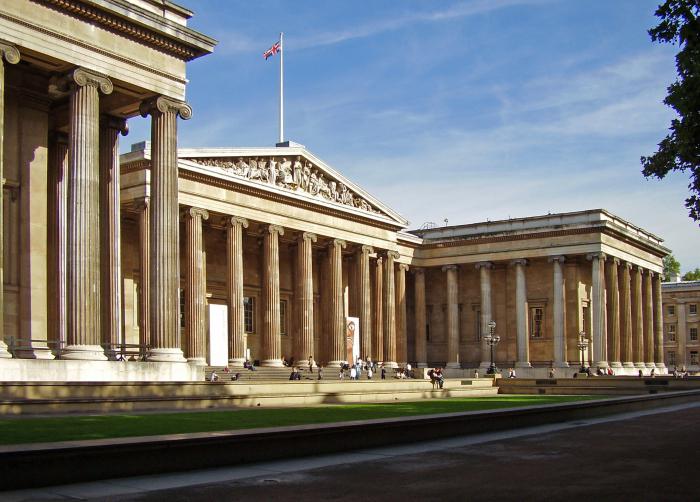
Diving deeper into the British Museum Legion focus groups, these examples illustrate the richness of the collected data. Understanding the nuances of participant interactions and feedback is crucial for effectively improving visitor experiences. The following examples showcase the variety of data collected and the insights gleaned from the discussions.
Typical Focus Group Discussion
A typical focus group discussion unfolded with a warm-up period, inviting participants to share their general thoughts on the museum’s Legion-related offerings. The facilitator then guided the conversation to more specific areas, including display accessibility, interpretation methods, and potential additions to the exhibits. Participants engaged in active dialogue, sharing personal experiences and perspectives, often building upon each other’s ideas.
The discussions were characterized by a blend of constructive criticism and enthusiastic praise, demonstrating a diverse range of viewpoints. Open-ended questions were employed to encourage detailed responses and to explore the motivations behind participants’ opinions.
Participant Experience
One participant, a history enthusiast with prior experience volunteering at the museum, expressed frustration with the lack of interactive elements within the Legion displays. They felt that the exhibits lacked opportunities for deeper engagement, missing the chance to personalize their learning journey. This participant emphasized the importance of allowing visitors to explore the history from a more personal and active standpoint.
The British Museum’s legion focus groups are fascinating, exploring the nuances of public engagement. However, it’s also important to consider how these discussions relate to broader societal issues, like the overwhelming feelings of grief, as exemplified in the recent piece on Sloane Crosley’s experiences, grief is for people sloane crosley. Ultimately, these focus groups can offer valuable insights into how we connect with history and culture, but a deeper understanding of the human experience is also key.
Hopefully, these groups will also continue to explore these complex themes in their future discussions.
They highlighted a desire for more hands-on activities and interactive elements to make the displays more appealing and engaging.
Data Visualization Example
A bar chart, representing participant responses to the question about the most impactful aspect of the current Legion displays, showcased the significant proportion of participants who valued the historical context. The chart clearly demonstrated a strong preference for in-depth historical details, while also revealing areas of concern regarding accessibility for certain demographics. The data visualized the varying levels of importance attributed to different aspects of the Legion exhibits.
The chart helped identify trends in visitor preferences, allowing for a more targeted and effective approach to program improvements.
Example Focus Group Question and Responses
A question posed to the focus group was: “What aspects of the Legion exhibits could be improved to better reflect the diverse experiences of the legionaries?” The responses highlighted several key areas. Participants mentioned a lack of representation of women and non-European legionaries. They suggested adding displays showcasing different social backgrounds and roles within the legion. Several participants also emphasized the need for more diverse perspectives in the interpretation and narratives presented.
The responses clearly indicated a desire for greater inclusivity and a wider range of perspectives in the museum’s representation of the Legion’s history.
Program Improvement Suggestion
A significant suggestion for program improvement was the development of a mobile application to enhance visitor experience. The application would include interactive maps, audio guides with different perspectives on the exhibits, and virtual reality elements to immerse visitors in the Legion’s history. This suggestion aimed to offer a more dynamic and personalized experience, complementing the existing physical exhibits.
The application would be available in multiple languages and could be customized to suit different learning styles, making the museum more accessible and engaging for a wider audience.
Ending Remarks: British Museum Legion Focus Groups
In conclusion, the British Museum Legion focus groups highlighted both strengths and areas for improvement within the program. The insights gathered offer a solid foundation for enhancing the program and better serving the needs of the targeted audience. The recommendations presented provide a clear roadmap for future program development.
Commonly Asked Questions
What was the primary objective of these focus groups?
To gather feedback from visitors on the British Museum’s Legion program, identify areas for improvement, and understand their perspectives on program effectiveness.
What specific aspects of the program were discussed?
Discussions covered program accessibility, educational content, and overall visitor experience.
How representative was the participant sample?
The participant sample was carefully selected to reflect the target audience of the Legion program.
What was the most common criticism of the Legion program?
Participants expressed concerns regarding the program’s accessibility and clarity of information.