
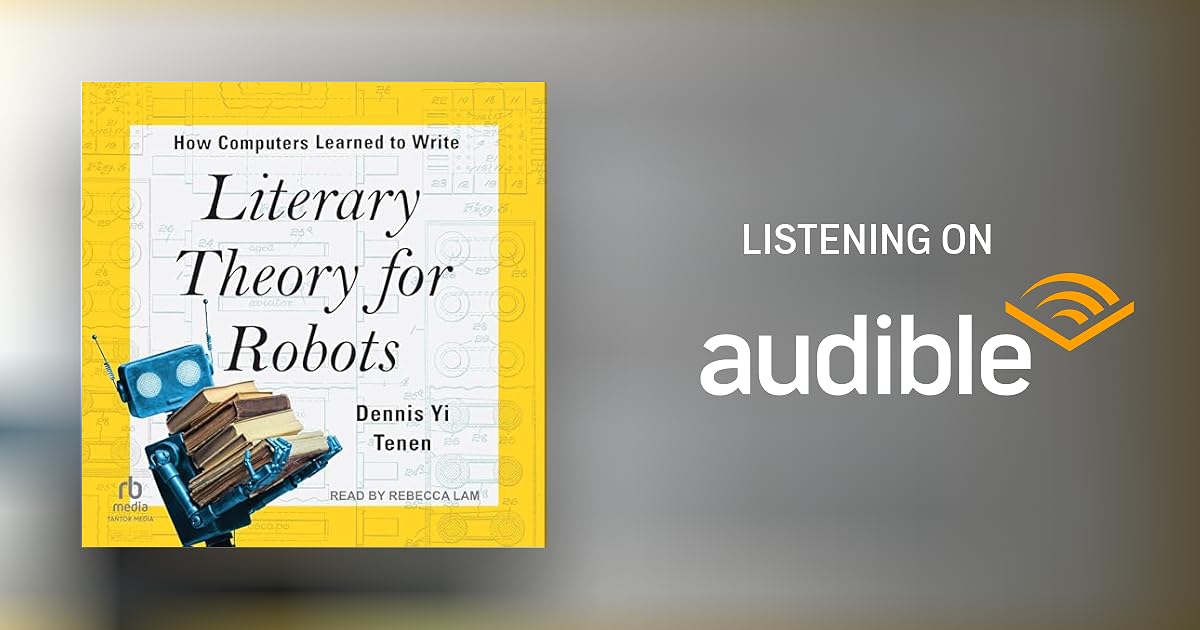
Literary Theory for Robots Dennis Yi Tenen
Literary theory for robots Dennis Yi Tenen explores the fascinating intersection of human literary analysis and artificial intelligence. We delve into the potential applications of established literary theories to the study of robots, examining how concepts like formalism, structuralism, and post-structuralism might apply to robotic creations. Dennis Yi Tenen’s work is central to this exploration, and we’ll examine his contributions to the field, his core themes, and the underlying concepts driving his projects.
This analysis investigates the challenges and opportunities in applying human literary theories to robots, considering aspects like sentience, consciousness, and creativity. We’ll explore different methods for designing robotic systems to generate literary works, including data analysis, and examine the ethical implications of robots creating and interpreting literature.
Introduction to Literary Theory for Robots
Literary theory, a field exploring the nature of literature and its interpretation, offers valuable insights into human understanding, creativity, and communication. It examines diverse approaches, from the formal structures of texts to the social and cultural contexts surrounding them. This exploration of human creative expression can be surprisingly applicable to the study of artificial intelligence and robotics, particularly when considering how robots might process and interact with information in ways mirroring human artistic or intellectual pursuits.Applying these frameworks to robots presents unique challenges and opportunities.
Can robots, devoid of human experience, grasp the nuances of literary concepts like symbolism or metaphor? How might we adapt these theories to evaluate a robot’s output or creative processes? These questions highlight the complex interplay between human-centric theories and the novel capacities of artificial intelligence.
Key Concepts in Literary Theory
Literary theory encompasses a wide range of perspectives, each offering unique lenses through which to view literature. Formalism, for instance, focuses on the internal elements of a text, such as structure, style, and imagery. Structuralism explores the underlying patterns and structures within literature, while post-structuralism questions the very notion of fixed meaning and emphasizes the fluidity of interpretation.
Understanding these schools of thought provides a framework for analyzing both human and artificial forms of expression.
Applications of Literary Theory to Robotics
Literary theory’s principles can be adapted to understand and evaluate the creative processes of robots. For example, a formalist approach could analyze the structure and style of a robot’s generated poem, identifying patterns and stylistic choices. A structuralist lens might seek underlying patterns in a robot’s dialogue or problem-solving strategies. Post-structuralist perspectives can be applied to interpret the potentially ambiguous or evolving meanings embedded in a robot’s actions.
Dennis Yi Tenen: A Biographic Sketch
Dennis Yi Tenen’s work, while not explicitly focused on literary theory for robots, likely incorporates elements of computational creativity and AI. A biographical sketch of Mr. Tenen, outlining his career and areas of research, would reveal connections to relevant fields. Without a detailed biography, the connections between Mr. Tenen’s work and literary theory remain speculative.
Further research into Mr. Tenen’s published works would be necessary to establish specific connections.
Challenges and Opportunities
Applying human literary theories to robots presents several challenges. The very nature of sentience and consciousness in robots remains a central philosophical question. Can a robot, lacking subjective experience, truly appreciate or create literature? Conversely, the potential opportunities are immense. Understanding how robots process and generate text, or how they interact with complex ideas, could provide valuable insights into the nature of human creativity and cognition.
Furthermore, examining robot behavior through literary lenses might uncover unexpected patterns and insights into artificial intelligence itself.
Exploring the Work of Dennis Yi Tenen
Dennis Yi Tenen’s work navigates the fascinating intersection of literature, robotics, and the evolving understanding of consciousness. He approaches this intersection with a unique blend of theoretical rigor and a practical, hands-on engagement with robotic systems. His exploration delves into the implications of artificial intelligence on human creativity, narrative, and our very concept of authorship. This examination is not merely academic; it seeks to understand how robots might interact with and contribute to the literary landscape.Tenen’s work stands apart through its focus on the potential for robots to generate and interpret literature, challenging conventional notions of human creativity and the role of the author.
He recognizes the inherent limitations of existing literary theories when applied to non-human agents, prompting a need for new frameworks and perspectives. His inquiries extend beyond simply programming robots to write; they probe the deeper questions of what it means to be an author, to experience emotions, and to engage in meaningful communication.
Primary Focus and Core Themes
Tenen’s work centers on the creative potential of robots and the theoretical implications of their participation in the literary sphere. He examines the ways in which robotic systems might generate narratives, analyze texts, and even experience emotions. A core theme is the redefinition of authorship in the age of artificial intelligence, prompting crucial questions about human agency and the role of technology in shaping literary expression.
Contributions to Literature and Robotics
Tenen’s contributions lie in his proactive development of theoretical frameworks to understand robotic creativity. He bridges the gap between technological advancements and literary theory, analyzing how literary concepts like narrative structure, character development, and poetic form might be applied to robotic systems. His research emphasizes the importance of designing robotic systems that can engage in complex literary activities, pushing the boundaries of what we consider possible.
His work is valuable not just for its technical achievements, but also for its provocative theoretical insights.
Influential Works and Underlying Concepts
One key area of focus in Tenen’s work is the development of robotic systems capable of generating original poetry. This approach often centers on algorithms that analyze vast datasets of human-created poetry, learning stylistic patterns and structures. The underlying concept is to leverage computational power to uncover and replicate aspects of human creativity.Another influential project might involve robots interpreting and responding to existing literary works.
Dennis Yi Tenen’s literary theory for robots is fascinating, especially when you consider its potential applications. Think about how these theories might intersect with the bustling energy of a weekend subway ride, like the one captured in Jose Lasalle’s observations of subway weekend Jose Lasalle. Ultimately, Tenen’s work provides a fresh lens through which to examine human-robot interactions and the complex social dynamics at play in our rapidly evolving world.
This could involve analyzing the emotional tone of a poem or the narrative structure of a novel, with the robot producing a creative response based on its analysis. The underlying concept here is to explore how robots can engage with human culture and expression through the lens of literary analysis.A third key area is the development of robotic systems that can engage in dialogue and collaborative storytelling.
This concept involves programming robots to participate in conversation, generating ideas, and collaboratively shaping a narrative. The underlying concept explores how robots can contribute to the creative process in a less pre-determined and more dynamic way.
Categorization Within Existing Literary Theory
Tenen’s work can be situated within the broad framework of post-structuralist and posthumanist thought. His exploration of non-human authorship challenges the traditional humanist perspective, prompting a reconsideration of the role of the author and the nature of creativity. His work can also be categorized under the emerging field of computational creativity, a branch of artificial intelligence that studies the ability of machines to generate novel ideas and expressions.
Dennis Yi Tenan’s literary theory for robots is fascinating, but it got me thinking about the real-world political landscape. The current New York congressional race, particularly Tom Suozzi’s campaign, tom suozzi new york congressional race , highlights the complexities of human communication and decision-making. Ultimately, though, Tenen’s exploration of robotic literary analysis is still a compelling area of study that provides interesting insights into how we process information.
His unique contributions lie in the specific application of these theories to robotic systems, creating new possibilities for literary engagement.
Analyzing Specific Concepts
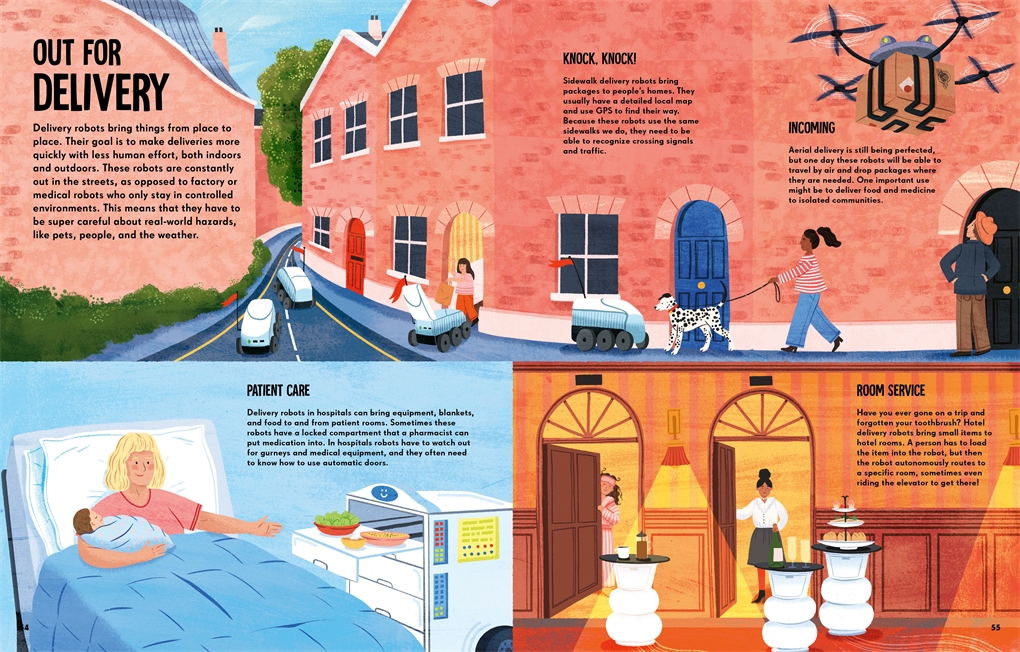
Unveiling the potential for robots to engage with literature requires a deeper exploration of fundamental literary concepts. This exploration delves into how robots might interpret narrative structure, symbolic language, and authorial intent, while also considering the unique perspective of reception theory applied to robotic literary engagements. These concepts provide a framework for understanding the complex interplay between human creativity and artificial intelligence in the realm of storytelling.The application of literary theory to robotic systems opens new avenues for understanding how artificial intelligence might comprehend and generate meaning.
This approach offers a lens through which to examine the potential for robots to create and interact with narratives in a manner that transcends simple pattern recognition. Analyzing these specific concepts allows us to anticipate and better understand the possible future of robotic storytelling.
Narrative Structure and Robotic Storytelling
Narrative structure, the organization of events and characters within a story, is a fundamental aspect of human storytelling. Robots, equipped with sophisticated algorithms and vast data sets, could potentially analyze and replicate various narrative structures. For instance, a robot might recognize and adapt the classic “hero’s journey” archetype in generating a story about a robotic explorer venturing into a new environment.
This process of mimicking narrative structures might lead to unique and unexpected narrative forms, shaped by the robot’s processing of data and its interaction with the world.
Interpreting and Generating Meaning from Symbolic Language
Symbolic language, rich in cultural and emotional context, presents a significant challenge for robotic interpretation. Robots trained on vast datasets of text and images could potentially recognize patterns and associations that underpin symbolic language. For example, a robot might learn that the color red often symbolizes danger or passion by analyzing a large corpus of literature. However, the nuances and subtleties of symbolism might require a more complex approach, potentially involving the incorporation of contextual information from the real world.
This involves not only identifying symbols but also understanding their implications within a specific narrative or cultural context.
Dennis Yi Tenen’s literary theory for robots is fascinating, exploring how AI might interpret human narratives. It’s intriguing to consider how this relates to the powerful family dynamic of Christian McCaffrey and his father, Ed McCaffrey, in the 49ers’ Super Bowl journey. This connection highlights the human stories embedded within athletic narratives, which could, in turn, provide new avenues for literary theory about robot perception of human emotions.
Ultimately, Tenen’s work opens a fascinating door into the future of storytelling and artificial intelligence.
Authorial Intent in Human and Robotic Creations
The concept of authorial intent in human literature is often debated. While authors may have specific intentions, readers often interpret texts differently, leading to diverse interpretations. In robotic creations, the concept of “authorial intent” takes on a unique form. A robot might be programmed to generate a story based on a specific set of rules or algorithms, and this programming could be seen as its “intent.” However, the robot’s interpretation of the data and its interaction with the environment could lead to unexpected outcomes, potentially deviating from the initial programming.
Thus, the “authorial intent” of a robotic creation is a combination of programmed parameters and the dynamic interactions of the robot itself.
Reception Theory and Robotic Engagement with Literature
Reception theory focuses on how readers interpret and respond to literature. Robots, equipped with sensors and actuators, could potentially engage with literature in a unique way. For example, a robot might respond to a narrative by altering its behavior or generating new outputs, based on the story’s emotional tone or plot elements. The robotic response to a literary work could also be influenced by its pre-programmed emotional responses and its ability to simulate human-like experiences.
This interaction could provide new insights into the very nature of literary engagement.
Methods for Robotic Literary Creation
Robotic systems are increasingly capable of generating creative content, including literary works. This capability hinges on sophisticated algorithms and vast datasets. Understanding the methods employed in robotic literary creation is crucial to evaluating the potential and limitations of these systems, as well as to appreciating the evolving relationship between humans and artificial intelligence in the arts.This exploration delves into various approaches to designing robotic systems for generating literary works, analyzing the strengths and weaknesses of these methods, and examining the role of data analysis in fostering robotic creativity.
Furthermore, we will highlight the limitations inherent in current approaches and the challenges that remain in creating truly original and compelling literary works through robotic means.
Approaches to Robotic Literary Creation
Different approaches to robotic literary creation utilize varying techniques and data sources. Understanding these approaches is key to appreciating the diversity of methods and their respective strengths and limitations.
| Approach | Description | Strengths | Weaknesses |
|---|---|---|---|
| Statistical Modeling | This approach leverages statistical analysis of existing literary works to identify patterns and generate new text. Algorithms learn the frequency of words, phrases, and sentence structures, then use this knowledge to construct new text. | Can generate large quantities of text quickly; often mimics the style of the source material; can be used for tasks like poem generation or story continuation. | May produce repetitive or predictable output; struggles with nuanced meaning and originality; often lacks true understanding of the underlying themes or ideas of the source material. |
| Neural Networks | Utilizing deep learning, neural networks can analyze vast datasets of text and identify complex relationships between words, sentences, and narratives. These networks can learn to generate new text that is similar in style and content to the training data. | Can produce more sophisticated and nuanced text than statistical models; can generate diverse literary forms; shows promise in creative writing tasks. | Requires substantial computational resources; heavily dependent on the quality and quantity of training data; can exhibit biases present in the training data; potential for generating nonsensical or inappropriate content. |
| Rule-Based Systems | These systems rely on predefined rules and guidelines for generating text. Rules dictate the structure, content, and style of the output. | Offers a degree of control and predictability; allows for the creation of text that adheres to specific parameters; suitable for generating specialized literary forms or for creating text for particular audiences. | Can be inflexible and unable to adapt to complex literary situations; may not produce truly creative or original text; requires substantial human effort in defining the rules. |
| Hybrid Approaches | Combining elements of statistical modeling, neural networks, and rule-based systems. | Potentially overcomes the limitations of individual approaches; can lead to more flexible and sophisticated text generation; greater adaptability. | Increased complexity in design and implementation; requires careful balancing of different approaches; potential for unexpected interactions between different components. |
Data Analysis in Robotic Creativity
Data analysis plays a critical role in informing robotic creativity in literary arts. The analysis of vast textual datasets allows robotic systems to identify patterns, stylistic cues, and recurring themes, which can be utilized in generating new text. This analysis can also reveal the hidden biases and patterns within the data, which can influence the generated output. By understanding these influences, we can better shape and control the creative process of robots.
Limitations of Existing Approaches
Current approaches to robotic literary creation face several limitations. One major hurdle is the difficulty in replicating the human capacity for nuanced understanding and originality. Furthermore, robotic systems struggle with the generation of truly innovative and unpredictable literary works. The limitations of existing datasets also impact the quality of the output.
Ethical Considerations
The burgeoning field of robotic literary creation raises profound ethical questions. As robots become capable of generating and interpreting literature, society must grapple with the potential implications for authorship, creativity, and even the very definition of art. This exploration delves into the complexities surrounding the ethical considerations, examining potential dilemmas and proposing a framework for evaluating the impact of robotic literary output.Robotic literary creations, while potentially innovative, could inadvertently contribute to a devaluing of human creativity and the unique experience of human authorship.
The very nature of artistic expression and the human connection to literature could be affected by the emergence of AI-generated works. The impact on copyright laws and intellectual property rights is also significant, as robots lack the legal standing of human authors. Moreover, the potential for bias and misinformation within robotic literary output requires careful consideration.
Potential Dilemmas in Robotic Literary Creation
The ability of robots to generate and interpret literary works raises several ethical concerns. Misinterpretation of human intent and emotional nuances, coupled with the potential for bias embedded within the algorithms, pose a significant risk. A robot might, for example, produce a literary work that inadvertently perpetuates harmful stereotypes or misrepresents marginalized communities.
Impact on Society
The use of robots in literary creation could have substantial impacts on society. For instance, the widespread adoption of AI-generated literature might lead to a decline in human-written works, potentially impacting the literary arts industry and impacting human writers. Furthermore, the use of robots in literary analysis and criticism could alter the ways in which literary works are studied and understood.
The introduction of robotic literary criticism may alter traditional approaches to literary interpretation, possibly leading to a new set of interpretive frameworks.
Misinterpretation and Misuse of Robotic Literary Creations
The potential for misinterpretation or misuse of robotic literary creations is substantial. A robot may not grasp the complexities of human emotion or societal context, leading to inaccurate or inappropriate interpretations. For instance, a robot analyzing a poem might miss subtle nuances of meaning or misinterpret the poet’s intent. Similarly, a robot might generate a story that, while technically well-crafted, promotes harmful ideologies or stereotypes.
This underscores the need for human oversight and critical evaluation of robotic creations.
Framework for Evaluating Ethical Implications
Developing a framework for evaluating the ethical implications of robotic literary creation is crucial. This framework should encompass several key aspects. First, it should consider the potential for bias within the algorithms used to generate or interpret literary works. Second, it should address the impact on human authorship and the literary arts industry. Third, it should evaluate the potential for misinterpretation or misuse of the robotic creations.
Dennis Yi Tenen’s “Literary Theory for Robots” is fascinating, exploring how AI might interpret human narratives. Thinking about the complexities of human stories, it’s interesting to consider how these concepts might relate to current events, like the displacement of renters in Williamsburg, Brooklyn, and the impact on those in Kyiv, Ukraine. Renters in Williamsburg, Brooklyn, and Kyiv, Ukraine face unique challenges, highlighting the intersection of human stories and global events.
Ultimately, Tenen’s work prompts reflection on how these kinds of societal shifts might influence future literary theory for robots.
A robust framework must also consider the legal and societal implications of robotic literary creation, including issues of copyright and intellectual property rights.
Examples of Potential Misinterpretation
Consider a scenario where a robot is tasked with analyzing historical texts. If the algorithm underlying the robot’s analysis is biased towards a specific viewpoint, the robot might misinterpret the historical context or even present biased conclusions. Likewise, a robot generating fictional narratives might unintentionally perpetuate harmful stereotypes if its training data reflects existing societal biases. This demonstrates the critical importance of rigorous testing and auditing of the algorithms used in robotic literary creation.
Dennis Yi Tenen’s literary theory for robots is fascinating, exploring how AI might interpret human narratives. It’s intriguing to consider how different societal structures, like the political divisions of red and blue states in the US, might influence the development of such robotic literary analysis. For example, understanding the demographics of red blue states demographics could be crucial for programming robots to understand the nuances of human storytelling.
Ultimately, this theory opens a doorway to thinking about the future of literature and how it might be understood by artificial intelligence.
Illustrative Examples
Analyzing literature through robotic lenses opens fascinating possibilities. Imagine a future where sophisticated algorithms can dissect complex texts, revealing hidden layers of meaning. This exploration delves into hypothetical scenarios where robots employ specific literary theories to interpret and respond to literary works.
Robot Analysis of a Poem
A hypothetical robot, programmed with structuralist literary theory, might analyze a poem by dissecting its constituent parts. For instance, a sonnet could be broken down into its rhyming schemes, metrical patterns, and thematic elements. The robot would identify recurring motifs and symbolic imagery, ultimately drawing conclusions about the poem’s underlying structures and intended message. It might, for example, compare the sonnet’s structure to other sonnets in a database to determine its originality and influence.
Interpretation of Complex Metaphor
A robot equipped with cognitive linguistics could grapple with a complex metaphor like “The world is a stage.” It wouldn’t simply understand it as a literal comparison but would explore the connections between the human experience and the theatrical world. The robot might analyze the source domain (theatrical performance) and the target domain (the world) to identify the conceptual mappings involved.
It would also consider the cultural context and historical use of the metaphor to understand its evolution and contemporary relevance. It could then formulate a response, perhaps by generating an alternative metaphor drawing on a different domain, or even by writing a play based on the conceptual relationships extracted from the original metaphor.
Robotic Literary Work: A Poetic Analysis
This robotic poem, titled “Binary Echoes,” exemplifies a computational approach to poetry. It employs formalist principles to structure the poem’s form, while simultaneously drawing on semiotic analysis to create layered meaning through the interplay of symbols and patterns. The poem’s structure adheres to strict rules of rhythm and rhyme, characteristic of formalist poetics, and the underlying meaning is derived from an analysis of binary oppositions.
The poem’s themes of contrast, tension, and the inherent ambiguity in these dualities are further explored through the consistent use of these contrasting elements.
Fictional Robotic Literary Work: “Chronoscapes”, Literary theory for robots dennis yi tenen
“Chronoscapes,” a fictional narrative, is a collection of short stories generated by a robot programmed with a theory of narrative. The structure is highly experimental, employing a non-linear chronological sequence. Each story within the collection, while self-contained, subtly interconnects through recurring characters and shared themes of time dilation and temporal paradoxes. The style is deliberately minimalist, focusing on stark imagery and fragmented narratives, mirroring the experience of navigating time’s complexities.
Themes include the search for meaning in a world fractured by time, the existential anxieties of non-linearity, and the nature of memory and identity across multiple timelines. The robotic author used a model based on the theory of narrative, considering plot, character, and theme as fundamental elements, resulting in a collection with a compelling and unpredictable structure.
Conclusive Thoughts: Literary Theory For Robots Dennis Yi Tenen
In conclusion, literary theory for robots, exemplified by the work of Dennis Yi Tenen, presents a compelling and thought-provoking area of study. We’ve seen how established literary theories can be adapted to understand robotic creations, analyzed the creative process behind robotic literary works, and explored the ethical considerations inherent in this evolving field. This exploration has opened up a vast realm of possibilities for future research and development, as we continue to push the boundaries of what’s possible with artificial intelligence and creativity.
FAQ Overview
What are some examples of specific literary theories discussed in the context of robotic analysis?
The analysis touches on formalism, structuralism, post-structuralism, reception theory, and authorial intent. These are examined through the lens of how they might apply to robotic understanding and creation of literary works.
What are the ethical concerns surrounding robots creating and interpreting literature?
Potential ethical dilemmas include misinterpretations, misuse of robotic creations, and the societal impact of robots producing and engaging with literature. A framework for evaluating the ethical implications is also discussed.
What are some limitations of existing approaches to creating robotic literary works?
The analysis highlights limitations in current methods, such as challenges in replicating human creativity and the complexities of robotic interpretation of symbolism and meaning.
What is the significance of Dennis Yi Tenen’s work in this field?
Dennis Yi Tenen’s work is pivotal in bridging the gap between literary theory and robotics. The analysis emphasizes his contributions and core themes, exploring how his work can be categorized within existing literary theory.