

Federal Abortion Ban Trump A Deep Dive
Federal abortion ban Trump dominated headlines, sparking intense debate about reproductive rights and the future of abortion access in the US. This in-depth exploration examines the historical context, the Trump administration’s stance, the proposed ban, and its potential ramifications for women’s health and the political landscape.
The proposed ban, a complex issue, is rooted in decades of legal battles and shifting political views. This piece will delve into the intricacies of the legal and ethical arguments surrounding abortion, offering different perspectives on the topic.
Historical Context of Abortion Restrictions
The history of abortion in the United States is a complex and often contentious narrative, marked by shifting legal interpretations, social attitudes, and political maneuvering. This journey reveals a dynamic interplay between evolving societal norms and the legal frameworks designed to regulate them. From the early common law perspectives to the landmark Supreme Court decisions, the path to today’s debates has been paved with a series of crucial turning points.The legal landscape surrounding abortion has been profoundly shaped by evolving societal values and the ever-changing political climate.
The early American legal framework inherited from English common law initially did not explicitly prohibit abortion, and the legal status varied across states and depended heavily on the prevailing cultural and religious views. This evolution underscores the interplay between legal precedent and evolving societal norms in shaping legal interpretations.
Early American Legal Perspectives
Early American law inherited from English common law often treated abortion as a crime only when it endangered the life of the mother. The lack of clear and consistent legal frameworks across the states led to significant variations in the enforcement and interpretation of abortion laws. This early framework reflected the prevalent social and moral views of the time.
In the 19th century, a shift began to occur, with growing pressure to criminalize abortion at all stages of pregnancy. This reflected the changing societal values, particularly the rise of organized moral reform movements.
Evolution of Legal Challenges and Court Cases
The legal challenges surrounding abortion rights have intensified over time, culminating in landmark Supreme Court decisions that have shaped the landscape of reproductive rights in the United States. The landmark case of
- Roe v. Wade* in 1973 established a woman’s constitutional right to an abortion, while later decisions, such as
- Planned Parenthood v. Casey*, further refined the legal framework and defined the balance between the states’ interests and the individual rights of women.
- The 1973
-Roe v. Wade* decision recognized a woman’s right to an abortion based on the right to privacy. This decision established trimester guidelines, granting greater access in the early stages of pregnancy and allowing states to regulate more in later stages. The decision sparked immediate controversy and continues to be a focal point of debate. - Subsequent challenges and interpretations of
-Roe v. Wade*, like
-Planned Parenthood v. Casey*, introduced the “undue burden” standard. This allowed states to enact regulations on abortion access, but prohibited restrictions that created a substantial obstacle to a woman seeking an abortion.
Comparison of Approaches Across Administrations
Different administrations have adopted varying approaches towards abortion rights throughout history. The judicial and political response to abortion has been significantly influenced by shifts in public opinion and political agendas.
- The legal battles and political discourse surrounding abortion rights reflect the interplay of differing political viewpoints, economic interests, and cultural beliefs. The struggle to define and protect reproductive rights has often been intertwined with wider societal debates about morality, ethics, and personal liberty.
Key Supreme Court Rulings Related to Abortion
The Supreme Court’s rulings on abortion have profoundly impacted the legal landscape and shaped the debate surrounding reproductive rights.
| Case | Date | Outcome |
|---|---|---|
| *Roe v. Wade* | 1973 | Established a woman’s constitutional right to an abortion based on the right to privacy, with trimester guidelines. |
| *Planned Parenthood v. Casey* | 1992 | Replaced the trimester framework with the “undue burden” standard, allowing for regulations but prohibiting restrictions that create a substantial obstacle to a woman seeking an abortion. |
| *Dobbs v. Jackson Women’s Health Organization* | 2022 | OverturnedRoe v. Wade*, returning the authority to regulate abortion to individual states. |
The Trump Administration’s Stance on Abortion
The Trump administration’s approach to abortion rights marked a significant shift in the political landscape. Aimed at restricting access to abortion, this stance was largely driven by the appointment of conservative judges and the backing of anti-abortion groups. The administration’s actions, while controversial, reflected a clear ideological agenda.The Trump administration actively sought to limit abortion access through various policy initiatives and judicial appointments.
Their efforts, often met with strong opposition, generated considerable debate regarding the balance between individual rights and the government’s role in regulating reproductive healthcare.
Specific Policies and Actions
The Trump administration pursued policies that prioritized the protection of unborn fetuses. These included efforts to defund organizations providing abortion services and to limit access to abortion providers. Specific actions included executive orders and regulatory changes aiming to restrict the availability of abortion services, particularly for women seeking abortions in the U.S. and in foreign countries. This strategy was evident in their support of legislation and policies designed to restrict abortion access, emphasizing their belief that abortion should be severely limited.
The recent federal abortion ban, reminiscent of the Trump administration’s stance, has sparked a lot of debate. Meanwhile, the St. Louis Blues are reportedly showing interest in trading for Pavel Buchnevich, which is certainly creating some buzz in hockey circles. This potential trade highlights the ongoing, complex discussions surrounding player movement in the NHL, and it makes one wonder if these issues, like the federal abortion ban, are ultimately reflections of deeper societal tensions.
Judicial Appointments and Their Impact
President Trump’s appointments of conservative judges played a crucial role in shaping the future of abortion rights in the United States. These appointments significantly altered the composition of federal courts, particularly the Supreme Court. This shift in the court’s ideological balance could potentially lead to a more restrictive interpretation of abortion laws, potentially impacting abortion access across the country.
The impact of these appointments remains a subject of ongoing debate and analysis.
Key Figures and Organizations
Several key figures and organizations were instrumental in the Trump administration’s abortion policy efforts. These included prominent officials within the administration, such as members of the Department of Health and Human Services, and key personnel involved in the development and implementation of related policies. Anti-abortion advocacy groups and organizations actively supported the administration’s agenda, contributing to the political environment surrounding abortion access.
Examples of key figures include members of the White House, senior administration officials, and representatives of organizations with strong anti-abortion views.
Comparison with Previous Administrations
| Administration | Approach to Abortion |
|---|---|
| Trump | Actively sought to limit abortion access through policies, appointments, and support of legislation. |
| Obama | Focused on protecting existing abortion rights and access to reproductive healthcare services. While not fully supportive of abortion, there was less emphasis on restricting access. |
| Bush (43) | Supported a mix of policies and legislation, often aiming to limit abortion access but also addressing other reproductive health issues. |
Note: This table provides a general comparison, and the complexities of each administration’s stance are multifaceted. The data presented reflects the overarching trends in each administration’s approach to abortion rights.
The recent federal abortion ban, reminiscent of the Trump administration’s policies, has sparked intense debate. While many are focused on the implications for reproductive rights, it’s easy to get sidetracked by other news, like the ongoing discussion around Phil Kessel’s fit with the Vancouver Canucks. This recent analysis highlights the complexities of player performance, and in turn, the complexities of such a sweeping federal abortion ban, forcing us to consider the broader societal implications of these seemingly disparate topics.
The Proposed Federal Abortion Ban
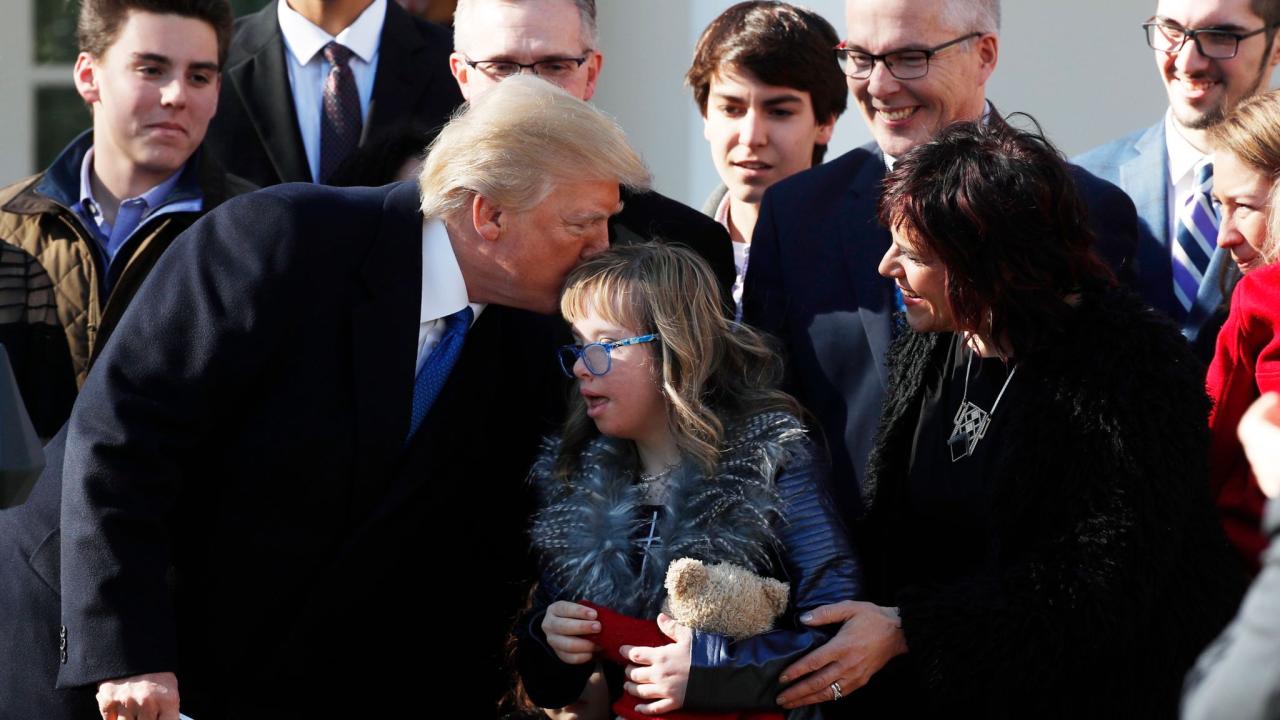
The Trump administration’s tenure saw a significant push towards federal restrictions on abortion access. A proposed federal abortion ban, though not enacted, represented a pivotal moment in the ongoing debate surrounding reproductive rights. This initiative aimed to establish national standards for abortion procedures, impacting access and legal precedent across the United States.The proposed ban, while never finalized, aimed to curtail abortion access significantly.
Understanding the specific provisions, the political landscape surrounding the proposal, and the potential legal ramifications are crucial for evaluating its potential consequences.
Provisions of the Proposed Federal Abortion Ban
The proposed federal abortion ban, if enacted, would have likely curtailed abortion access to varying degrees. Details regarding specific gestational limits and exceptions for cases of rape or incest remained contested. The proposed legislation would have potentially established a national standard for abortion procedures, impacting state-level regulations and potentially limiting access in certain areas.
Political Arguments For and Against the Proposed Ban
Proponents of the proposed ban often cited moral or religious objections to abortion. They argued that the unborn fetus has a right to life and that abortion is a morally objectionable procedure. These arguments centered on the belief that life begins at conception and that abortion constitutes the termination of a human life.Opponents of the proposed ban emphasized the importance of a woman’s bodily autonomy and reproductive freedom.
They argued that the federal government should not interfere with a woman’s decision to have an abortion and that such decisions should be made in consultation with her physician and in accordance with state laws.
Legal Challenges Faced by the Proposed Ban
The proposed federal abortion ban faced substantial legal challenges. The Supreme Court’s prior rulings, particularly Roe v. Wade, and subsequent precedents, played a critical role in shaping the legal landscape. The constitutionality of the ban was questionable, and legal experts predicted potential lawsuits challenging the ban’s provisions.
Impact on Women’s Health and Reproductive Freedom
The proposed federal abortion ban, if implemented, would have likely significantly impacted women’s health and reproductive freedom. Access to abortion services would have been restricted, and women’s choices concerning their reproductive health would have been limited. This could have led to increased disparities in access to care, particularly for women in underserved communities.
Public Reaction and Political Implications: Federal Abortion Ban Trump
The proposed federal abortion ban ignited a firestorm of public reaction, exposing deep divisions within American society. The debate transcended political affiliations, challenging deeply held beliefs about women’s rights, bodily autonomy, and the role of government in personal decisions. This polarized response significantly impacted the political landscape, reshaping alliances and influencing future electoral outcomes.The public’s reaction to the proposed ban varied considerably, reflecting a spectrum of viewpoints on abortion rights and the government’s role in regulating healthcare.
This complex reaction is analyzed below, including the nuanced responses from various demographic and political groups.
Public Reactions to the Proposed Ban
Public reactions were overwhelmingly divided, mirroring the stark ideological divide in American politics. Pro-choice advocates mobilized in protests, rallies, and advocacy campaigns, expressing fervent opposition to the ban. Conversely, pro-life groups celebrated the proposed legislation, viewing it as a significant step toward protecting unborn fetuses. The intensity of the public response underscores the profound moral and ethical dimensions of the abortion debate.
Reactions of Different Demographics and Political Groups
The proposed ban elicited distinct responses across different demographics and political affiliations. Young adults and minority groups, often more aligned with the pro-choice stance, exhibited greater vocal opposition compared to older generations. Conversely, older generations and certain religious groups, frequently leaning pro-life, expressed strong support for the ban. These varied responses highlight the complex interplay between demographics, personal values, and political ideologies.
Political Implications on Future Elections and Legislative Agendas
The proposed federal abortion ban significantly impacted the political landscape, shifting the focus of many electoral campaigns. Candidates’ stances on abortion became a central issue, influencing voter decisions. Furthermore, the ban’s impact on future legislative agendas was profound. Political parties and interest groups adjusted their strategies, aiming to mobilize their supporters and sway public opinion. The outcome of future elections and legislative actions on abortion remain uncertain, yet the proposed ban served as a powerful catalyst for political change.
For instance, the 2022 midterms saw a rise in candidates emphasizing their positions on abortion rights, impacting voter choices in key races.
Trump’s federal abortion ban is a complex issue, raising serious questions about bodily autonomy. But it’s also worth considering how environmental policies, like the devastating impact on the Amazon rainforest, which is approaching a tipping point, could also be viewed as a form of systematic oppression. This alarming ecological event, as detailed in amazon rain forest tipping point , could have unforeseen consequences, mirroring the potential for irreversible harm that comes with the federal abortion ban.
The parallels are chilling, aren’t they?
Impact on the Political Landscape and Alliances
The ban significantly reshaped political alliances and solidified existing divisions. Pro-choice groups and their allies strengthened their political coalitions, while pro-life advocates further solidified their alliances. The proposed legislation fostered an environment where political parties were forced to articulate their positions more clearly and definitively. This shift in alliances had lasting implications for the political landscape, impacting fundraising, campaign strategies, and voter engagement.
For example, some previously neutral or independent voters declared their allegiance to a particular side based on the abortion issue.
Potential Impact on Access to Abortion Services
A federal abortion ban, especially one as sweeping as the proposed one, would have devastating consequences for abortion access, particularly in states already struggling with limited resources and inadequate healthcare infrastructure. This isn’t simply a theoretical concern; it’s a real-world threat to the well-being of countless women, especially those in marginalized communities. The ripple effects extend far beyond the immediate decision, impacting women’s health, economic stability, and overall societal progress.
Consequences for Access in Underserved States
The potential impact of a federal abortion ban would be acutely felt in states with limited access to reproductive healthcare services. These states, often lacking robust healthcare systems, may struggle to accommodate a sudden surge in demand for care from surrounding states. Existing clinics and providers may face overwhelming caseloads, potentially compromising the quality of care and access to essential services.
Transportation, childcare, and financial burdens could severely limit a woman’s ability to seek care in another state, regardless of distance or cost.
Impact on Women’s Health, Particularly in Underserved Communities
A federal abortion ban disproportionately affects women in underserved communities. These women often face significant barriers to accessing healthcare, including financial constraints, lack of transportation, and systemic discrimination. Restricting abortion access could lead to higher rates of maternal mortality, especially in communities with limited access to comprehensive reproductive healthcare. The emotional toll of restricted access is also substantial, leading to mental health challenges and exacerbating existing inequalities.
In some cases, unsafe abortions performed outside of medical facilities will increase.
Mitigation Strategies
Several strategies could help mitigate the negative effects of a federal abortion ban on healthcare access. These include increased funding for existing reproductive healthcare facilities and providers in states that are expected to see an increase in patients seeking care. The development of robust telehealth programs could provide remote access to critical services. Additionally, expanding access to comprehensive sexual and reproductive health education could empower women with the knowledge and resources to make informed decisions about their health.
Community-based support networks could play a crucial role in providing practical and emotional support to women facing these challenges.
Projected Impact Across Regions
| Region | Projected Impact on Abortion Access | Specific Challenges |
|---|---|---|
| Southern States | Significant decrease in access, potentially leading to long travel distances and increased financial burden. Existing infrastructure may be insufficient to handle increased demand. | Limited access to comprehensive reproductive healthcare services, already facing socioeconomic and healthcare disparities. |
| Midwest States | Potential decrease in access, with some areas experiencing a sharp decline in providers and services. | Varying levels of existing healthcare infrastructure, with some states experiencing more significant challenges in providing access to abortion care. |
| Northeastern States | Likely to experience a smaller impact, with existing infrastructure and resources better equipped to handle increased demand, but still may face significant challenges in certain areas. | Existing robust healthcare infrastructure but still potential for increased pressure on existing resources. |
| Western States | Potentially varied impact depending on the specific state, with some areas experiencing a relative stability and others experiencing a decline in access. | Potential strain on healthcare systems in some regions, but existing infrastructure may help mitigate some impacts. |
Alternative Perspectives and Arguments
The proposed federal abortion ban has ignited a fierce debate, with deeply held beliefs and values clashing. Understanding the diverse viewpoints is crucial for comprehending the complexities surrounding this issue. This examination delves into the various perspectives, exploring the role of religion, morality, and ethical considerations in shaping the arguments for and against abortion rights.Alternative approaches to regulating abortion access, alongside the ethical and moral dilemmas, are vital to consider in the context of this highly sensitive and controversial legislation.
Arguments Supporting Abortion Rights
Advocates for abortion rights often emphasize bodily autonomy and the right of individuals to make decisions about their own bodies and reproductive health. They argue that denying access to abortion disproportionately affects marginalized communities, exacerbating existing inequalities. The potential for unintended pregnancies and their impact on a woman’s life trajectory are frequently cited as crucial factors. The belief that women should have the right to choose their own reproductive futures and pursue their personal goals without undue government interference is central to this argument.
Arguments Opposing Abortion Rights
Opponents of abortion often emphasize the moral status of the fetus and the sanctity of life. They maintain that abortion constitutes the termination of a human life and that every life is inherently valuable. Religious beliefs, deeply rooted in the concept of life beginning at conception, frequently underpin this viewpoint. The potential for long-term psychological distress in individuals who have had abortions is also a recurring concern for these groups.
They argue that alternative solutions, such as adoption, are available for women facing unplanned pregnancies.
The Role of Religion and Morality in the Debate
Religious and moral viewpoints profoundly influence the debate surrounding abortion. Many religious traditions hold strong beliefs about the sanctity of life, viewing abortion as morally wrong. Conversely, other perspectives acknowledge the complexities of the situation, recognizing that individual circumstances and moral considerations vary. Different interpretations of religious texts and ethical principles often lead to conflicting viewpoints on this issue.
The inherent subjectivity of moral judgments, coupled with the diverse range of religious beliefs, underscores the difficulty in reaching a universally accepted position.
Ethical Considerations
The ethical considerations surrounding abortion are multifaceted and deeply personal. Considerations of bodily autonomy, the potential for harm to both the pregnant individual and the fetus, and the societal implications of abortion access are key elements in this debate. The question of when life begins and the concept of personhood are at the heart of many ethical arguments.
The potential for long-term psychological consequences for individuals involved in an abortion procedure is also a significant ethical consideration. Furthermore, ethical concerns extend to the broader social implications of restricted abortion access.
Alternative Approaches to Regulating Abortion Access
Alternative approaches to regulating abortion access could include comprehensive sex education programs to promote responsible decision-making, expanding access to affordable contraception, and providing support services for pregnant individuals who choose to carry their pregnancies to term. These alternative approaches aim to reduce the need for abortion while addressing the needs of those who face unplanned pregnancies. Financial assistance programs, counseling services, and adoption resources could also mitigate the circumstances that drive some individuals to seek abortions.
In some cases, providing a more comprehensive support system can reduce the number of abortions performed, as alternative options are explored and made more readily available.
Illustrative Case Studies
The proposed federal abortion ban, if enacted, would have profound and far-reaching consequences for individuals and healthcare systems. Understanding these potential impacts through realistic case studies is crucial for evaluating the implications of such a sweeping measure. These examples, though hypothetical, illustrate the potential legal and ethical dilemmas that would arise.
Specific Enforcement Scenarios
The enforcement of a federal abortion ban would depend on numerous factors, including the specific language of the legislation, the jurisdiction in which the ban is applied, and the resources available to those tasked with enforcing it. Different scenarios, varying in severity and complexity, would inevitably emerge.
- A young woman, experiencing an ectopic pregnancy outside of a state with existing legal abortion protections, might face a dire situation. The lack of legal access to abortion could potentially lead to life-threatening complications. This highlights the urgency of medical intervention and the need for exceptions in such circumstances.
- A pregnant woman in a rural area, far from healthcare facilities offering abortion services, might find herself in a precarious position. The geographical distance and lack of available providers could create a significant barrier to accessing essential medical care.
- A woman experiencing severe fetal abnormalities discovered during prenatal care might face a moral and practical dilemma. The ban could prevent her from making a decision aligned with her personal values and medical needs.
Hypothetical Case Study: Impact on Reproductive Rights
Imagine a 20-year-old woman, Sarah, who discovers she is pregnant. She faces a significant financial burden and lacks the support system needed to raise a child. She has been diagnosed with a severe and debilitating illness. Under the proposed federal abortion ban, her autonomy to make decisions about her own body and future would be significantly restricted.
The ban could prevent her from seeking an abortion, even if her physical or mental health were at risk.
Hypothetical Case Study: Healthcare Provider Implications
A healthcare provider, Dr. Emily, performs a routine ultrasound and discovers that a patient’s pregnancy is severely abnormal, posing a significant health risk to the patient. The federal abortion ban would likely prohibit Dr. Emily from providing the abortion care deemed necessary to protect her patient’s well-being. This could result in ethical dilemmas for healthcare providers and potentially expose them to legal challenges.
Legal and Constitutional Arguments

The proposed federal abortion ban faces significant legal challenges, hinging on interpretations of the Constitution and established legal precedents. Central to these arguments is the question of whether a federal government has the authority to regulate abortion, and if so, under what circumstances. The Supreme Court’s role in defining the scope of these rights is also crucial in determining the constitutionality of such a ban.The debate surrounding the constitutionality of a federal abortion ban is multifaceted, encompassing various legal and constitutional interpretations.
Different legal scholars and advocates bring forth varying arguments about the scope of federal power and the extent to which the Constitution protects abortion rights. The core issue revolves around the balance between individual rights and the authority of the federal government.
Arguments Concerning Federal Power
Federal legislation regarding abortion is inherently controversial due to the complex interplay between federal and state powers. The Constitution’s allocation of powers between the federal government and state governments is a key consideration. The Tenth Amendment plays a significant role in this discussion.
Supreme Court Precedents on Abortion, Federal abortion ban trump
Landmark Supreme Court decisions, such as Roe v. Wade and Planned Parenthood v. Casey, have shaped the legal landscape surrounding abortion rights. These cases established a woman’s right to an abortion, but also acknowledged the states’ interest in regulating the procedure. Understanding these precedents is critical to assessing the constitutionality of a federal abortion ban.
- Roe v. Wade (1973): This landmark decision established a woman’s constitutional right to an abortion, based on the right to privacy. It created trimester framework that limited state regulation during the first trimester and allowed for increasing regulation in later trimesters.
- Planned Parenthood v. Casey (1992): This decision affirmed the right to an abortion but replaced the trimester framework with the undue burden standard. This standard allowed for state regulations that did not create a substantial obstacle to a woman seeking an abortion.
Constitutional Amendments Potentially Relevant to the Discussion
Several constitutional amendments are relevant to the discussion of a federal abortion ban. Their interpretation and application are at the heart of the legal debate.
| Amendment | Potential Relevance |
|---|---|
| First Amendment | Protection of individual rights, including the right to access information and express views on abortion. |
| Fourteenth Amendment | Due Process Clause and Equal Protection Clause may be invoked in arguments for or against the constitutionality of the ban, focusing on equal protection under the law. |
| Tenth Amendment | Limiting federal power and highlighting the role of states in regulating matters not explicitly delegated to the federal government. |
| Ninth Amendment | Often used in arguments regarding unenumerated rights, potentially supporting the idea that the right to abortion is not explicitly mentioned but protected. |
Potential Future Implications of the Debate
The ongoing debate surrounding a federal abortion ban casts a long shadow over the future of reproductive rights in the United States. The potential implications extend far beyond the immediate legal challenges, impacting political discourse, government involvement in healthcare, and societal attitudes for years to come. This debate, with its deeply entrenched positions, promises to be a defining issue for the foreseeable future.The escalating rhetoric and polarization surrounding abortion rights will likely shape future political campaigns and legislative strategies.
Candidates will need to articulate clear stances on reproductive rights, and voters will prioritize these issues when casting ballots. This heightened focus could lead to a realignment of political parties, with shifts in voter demographics and allegiances. For example, the 2020 election saw abortion rights emerge as a significant issue, and future elections may see even more pronounced divisions.
Potential Evolution of the Debate
The abortion debate’s trajectory is likely to evolve in several interconnected ways. One potential scenario involves a continuation of legal challenges and legislative efforts at both the federal and state levels. The Supreme Court’s role in interpreting the Constitution will continue to be central, with differing opinions on the extent of federal power over abortion access shaping future legal precedents.
The recent federal abortion ban, reminiscent of the Trump administration’s policies, has sparked intense debate. While the political implications of this ban are undeniable, it’s interesting to note the parallel artistic endeavors of filmmakers like Keith McNally, whose work with Balthazar, explored in keith mcnally balthazar filmmaking past , offers a different lens through which to examine the complexities of societal change.
Ultimately, the ongoing struggle over abortion rights in the US continues to be a central issue.
Another possibility is an increased focus on access to contraception and comprehensive sex education, as these are often linked to the broader discussion of reproductive health.
Ramifications on the Role of Government in Healthcare
The debate will undoubtedly affect the role of government in healthcare. A federal ban on abortion could prompt further debates on the extent to which the government should regulate or subsidize healthcare services, including those related to reproductive health. This debate might extend to other areas of healthcare, including contraception and mental health services. The debate also highlights potential future challenges in balancing individual liberties with government regulation.
The recent federal abortion ban, largely a legacy of the Trump administration, continues to spark debate. However, amidst these discussions, it’s important to remember the inspiring work being done by individuals like those honored by the Davine Joy Randolph Awards. These awards celebrate achievements in various fields, highlighting the positive contributions people make despite the ongoing challenges surrounding the federal abortion ban.
The Supreme Court’s decisions on the Affordable Care Act, for instance, demonstrate the ongoing tension between these concerns.
Long-Term Effects on Societal Attitudes
The long-term effects of this debate on societal attitudes toward abortion are complex and multifaceted. It is likely to deepen existing divisions and foster further polarization within society. The debate will likely lead to increased activism and engagement on both sides of the issue. The potential for increased societal division is undeniable, as seen in other polarized debates.
The debate will likely shape how future generations perceive reproductive rights and the role of government in healthcare.
Wrap-Up
The federal abortion ban Trump saga highlights the enduring struggle for reproductive rights in the US. This analysis underscores the complex interplay of legal, ethical, and political considerations. The debate’s impact extends far beyond the immediate, influencing future political discourse and policy decisions for years to come.
FAQ Guide
What were the key Supreme Court rulings related to abortion?
Several Supreme Court decisions have shaped abortion rights in the US. Landmark cases like Roe v. Wade and Planned Parenthood v. Casey established a woman’s right to an abortion, but these have been challenged and interpreted differently over time. A table outlining these key rulings and their outcomes would be a valuable addition to the discussion.
How did previous administrations approach abortion rights?
Previous administrations have had varying stances on abortion. Comparing the Trump administration’s approach to those of past administrations, highlighting their policies and actions, would provide a historical context for the proposed ban.
What are the potential long-term implications of this debate?
The debate on abortion rights has far-reaching consequences, impacting future political discussions and policy decisions regarding healthcare. This includes possible shifts in public opinion and how governments approach healthcare.
What are some alternative approaches to regulating abortion access?
Exploring alternative solutions for regulating abortion access, such as those emphasizing patient care and healthcare support, could provide a more comprehensive understanding of the topic and offer diverse viewpoints.