

Falling Into a Hole Literal and Figurative
Falling into a hole. It’s a phrase that conjures up images of literal pits, metaphorical traps, and everything in between. This exploration delves into the multifaceted nature of falling into a hole, examining the physical realities of such an event, the symbolic weight of the phrase, and the cultural interpretations surrounding this seemingly simple concept. We’ll explore everything from the potential for injury to the figurative representations of loss and despair, and how the physical act connects to our emotional experiences.
From the harsh reality of a construction site accident to the metaphorical pitfalls of a failing relationship, this comprehensive look at “falling into a hole” offers insights into both the literal and figurative meanings behind this evocative phrase.
Literal Interpretations
Falling into a hole, while seemingly a simple concept, encompasses a range of potential scenarios, from minor mishaps to catastrophic events. Understanding the various types of holes, the physical forces at play, and the potential consequences is crucial for safety in diverse environments. This exploration delves into the literal interpretations of falling into holes, considering the different types of holes, the mechanics of the fall, and the resulting injuries.A hole, in its simplest form, is an opening or cavity in a surface.
This opening can range from a shallow pit to a deep cavern, each presenting distinct dangers. The nature of the hole significantly impacts the severity of a fall.
Types of Holes
Different types of holes present different challenges. Understanding the specific characteristics of the hole is crucial for assessing potential risks. Pits, trenches, and caverns are examples of varying hole types.
- Pits are depressions in the ground, often of varying depths and diameters. They can be natural or man-made, and their edges may be steep or gradual.
- Trenches are elongated, narrow excavations, typically dug for construction or utility purposes. The walls of trenches can be vertical or sloped.
- Caverns are large, naturally occurring underground spaces. These can be formed by erosion, geological processes, or other natural phenomena. The internal structure of a cavern can be complex and unpredictable.
Physical Processes of Falling
The physical processes involved in falling into a hole are governed by fundamental principles of physics. Gravity accelerates the falling object, and the speed increases with time. The impact on the bottom of the hole depends on the depth and the nature of the surface.
Falling into a hole can be a metaphor for unexpected life turns, like the recent speculation around the Blues’ Pavel Buchnevich trade interest. This potential move might leave a void in the team’s dynamic, much like falling into a seemingly bottomless pit, but hopefully, the team finds a way to navigate this potential shift. It’s all a bit perplexing, really.
The formula for calculating the distance covered by a falling object under gravity is: d = 1/2
- g
- t2, where ‘d’ is the distance, ‘g’ is the acceleration due to gravity (approximately 9.8 m/s 2), and ‘t’ is the time.
The impact force is directly proportional to the velocity attained before impact, which is determined by the depth of the hole.
Scenarios of Falling into a Hole
Various scenarios can lead to a fall into a hole. Construction sites, natural sinkholes, and mines are examples where such incidents are possible.
- Construction sites are often characterized by the presence of pits and trenches, particularly during excavation and foundation work. Workers may fall into these holes if safety precautions are not strictly followed.
- Natural sinkholes can appear suddenly, posing a significant hazard. These are typically formed by the collapse of the land above a void or cavity. Areas prone to sinkholes require careful monitoring and potential avoidance.
- Mines are subterranean environments with various openings and potential hazards. Falls into shafts or other openings are serious risks in the mining industry.
Potential Injuries
The potential injuries from falling into a hole vary considerably based on the depth and the nature of the impact surface.
| Depth (meters) | Potential Injuries | Impact Surface |
|---|---|---|
| 0-1 | Minor scrapes, bruises | Soft ground |
| 1-3 | Fractures, sprains | Hard ground |
| 3+ | Severe injuries, possible fatalities | Various |
The table above provides a general guideline. Specific injuries will depend on individual factors such as the fall’s angle, the person’s posture, and other circumstances.
Figurative Interpretations
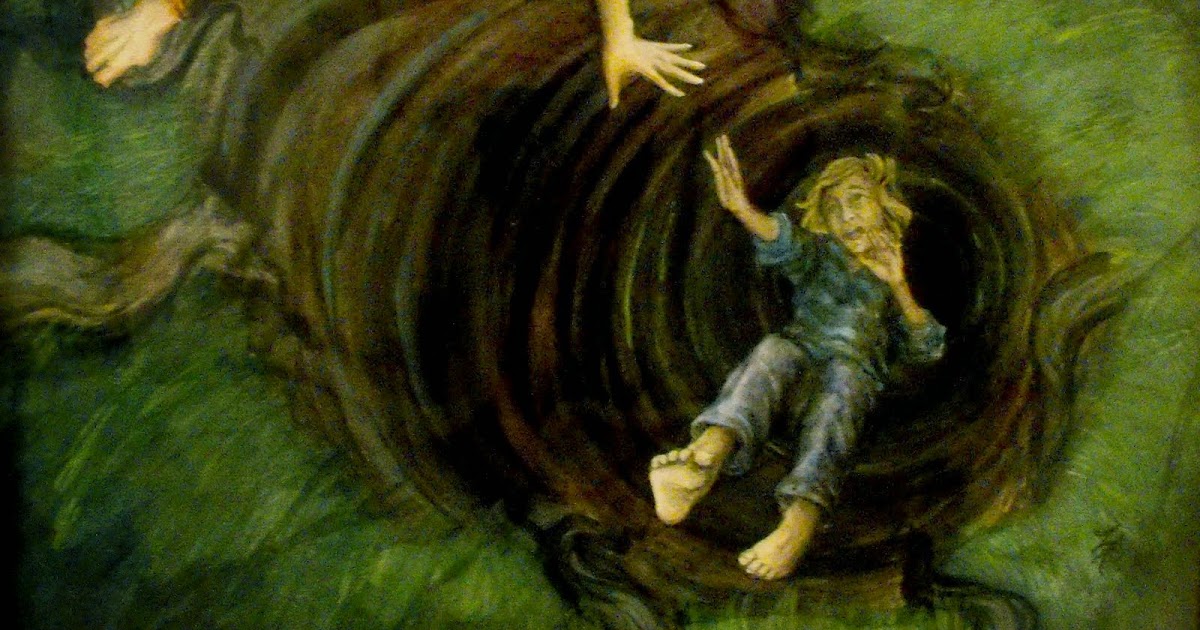
The phrase “falling into a hole” transcends its literal meaning, often carrying potent metaphorical weight. It’s a common expression used to describe a variety of negative experiences where individuals feel lost, trapped, or overwhelmed. Understanding these figurative interpretations allows us to grasp the deeper emotional implications behind this seemingly simple phrase.The physical act of falling into a hole, characterized by a loss of control and a descent into an unknown space, directly mirrors the feeling of losing one’s footing in life.
This feeling of vulnerability and helplessness is a central theme in the figurative uses of the phrase. The unknown nature of the hole symbolizes the uncertainty and fear associated with such situations.
Falling into a hole can feel like a real estate nightmare, especially when it comes to the housing market near NYC. Prices are sky-high, making it incredibly difficult to find a place to call home. It’s like trying to dig your way out of a deep pit, but instead of dirt, you’re faced with the exorbitant costs of housing market near nyc.
Then again, perhaps the “hole” isn’t the problem, but the inflated prices. It’s a tricky situation, isn’t it?
Metaphorical Meanings
The expression “falling into a hole” can metaphorically represent a variety of negative experiences, ranging from losing hope to getting trapped in a bad situation. It highlights the emotional and psychological aspects of these experiences, emphasizing the loss of control and the descent into a difficult or undesirable state.
Examples of Figurative Use
Numerous situations can be described using the figurative meaning of “falling into a hole.” For instance, someone might say they’ve “fallen into a hole of debt” to describe an overwhelming financial crisis. A student might express feeling “lost in a hole of confusion” after failing an exam. Alternatively, someone experiencing a break-up might describe the feeling as “falling into a hole of despair.”
Comparison of Literal and Figurative Meanings
The literal meaning of “falling into a hole” is a physical act, a direct descent into a void. Figuratively, it’s an emotional and psychological descent, representing a loss of hope, direction, or stability. While the physical action provides a concrete image, the figurative interpretation draws on the emotional impact of this loss of control. The physical action of falling, with its suddenness and lack of agency, connects directly to the figurative experience of being overwhelmed by negative emotions or circumstances.
Table of Scenarios and Figurative Interpretations
| Scenario | Figurative Meaning |
|---|---|
| Losing a job | Feeling lost and trapped in a difficult situation, potentially leading to a loss of confidence and direction. |
| Failing an exam | Feeling overwhelmed and hopeless, possibly experiencing a sense of inadequacy and questioning one’s abilities. |
| Breaking up with a partner | Experiencing a deep sense of loss and isolation, leading to a feeling of being trapped in a void of emotional pain. |
| Getting into an addiction | Gradually losing control over one’s life, descending into a spiral of negative consequences, and feeling trapped in a cycle of self-destruction. |
Cultural and Historical Context
The act of falling into a hole, seemingly a simple physical occurrence, carries profound symbolic weight across cultures and throughout history. From ancient myths to modern literature and art, the imagery of descent into a void has been used to explore themes of loss, transformation, and the unknown. This exploration delves into the rich tapestry of interpretations woven around this common human experience.The concept of a “hole” transcends its literal meaning.
It becomes a metaphor for various existential and psychological states. Different cultures have imbued these metaphorical holes with unique significance, often reflecting their values, beliefs, and anxieties about the world around them. This section examines how the symbolic representation of falling into a hole has been used to express a range of human emotions and experiences across different historical periods.
Stories and Myths Involving Falling into Holes
Various cultures have rich mythologies that feature characters falling into subterranean worlds or chasms. These stories often depict descent into the underworld, encounters with supernatural beings, or journeys to the depths of the earth. Greek mythology, for example, contains tales of heroes descending into the underworld, like Orpheus’s journey to retrieve Eurydice. Similarly, many indigenous cultures possess myths about heroes who descend into the earth to retrieve vital resources or knowledge.
These stories frequently highlight the unknown and the potential dangers lurking beneath the surface.
Symbolism of Holes in Different Cultures, Falling into a hole
Holes, as symbols, carry diverse interpretations depending on the cultural context. In some cultures, holes represent gateways to other realms or spiritual dimensions. They can symbolize the unknown, the unconscious mind, or the potential for both creation and destruction. For example, in some indigenous traditions, holes in the earth are seen as portals to the spirit world, while in others, they represent the vulnerabilities of human existence.
Furthermore, the size and shape of the hole often contribute to its symbolic meaning. A small hole might represent a subtle passage, while a large chasm could symbolize an overwhelming sense of loss or despair.
Portrayal in Literature, Film, and Art
The concept of falling into a hole has been a recurring motif in literature, film, and art throughout history. In literature, the descent into a metaphorical or literal hole can represent a character’s journey into the self, their confrontation with inner demons, or their exploration of the unknown. Think of the character’s descent into the underworld in Dante’s Inferno.
In film, depictions of falling into holes can evoke a sense of vulnerability, isolation, or the unknown. Consider the psychological dread in films like “The Descent.” In art, the image of a person falling into a hole can be a powerful visual metaphor for a multitude of experiences. Think of the use of imagery of falling into the earth in modern art.
Ever wondered what it would be like to fall into a bottomless pit? It’s a pretty intense feeling, isn’t it? Imagine the sheer drop and the sudden realization of your vulnerability. Luckily, there’s no need to test this theory in real life, because the stunning visual spectacle of the Castellucci ring, specifically the castellucci ring la monnaie , perfectly encapsulates the dramatic nature of that sensation.
I mean, how else could you visually portray the feeling of falling into a chasm? It’s quite extraordinary.
Interpretations Across Time Periods
The interpretation of falling into a hole has evolved over time. In ancient times, falling into a hole might have been seen as a direct confrontation with the underworld, a symbolic journey to the unknown. In medieval times, the imagery could have reflected religious anxieties and the fear of damnation. In the modern era, the symbolism can encompass psychological introspection, the search for identity, or a critique of societal structures.
Falling into a hole can be surprisingly disorienting, like getting lost in a sonic vortex. Luckily, I recently stumbled upon the perfect soundtrack to navigate such a pit—a playlist featuring SZA, Norah Jones, and even some AG Cook. This incredible blend of soulful vibes and smooth jazz really helped me get back on track, much like climbing out of a hole.
Check out the playlist sza norah jones ag cook for yourself, and maybe it’ll help you escape your own metaphorical pit! Ultimately, the lesson is: you can always find a way back up.
The interpretation of the concept reflects the changing societal values, beliefs, and anxieties of each historical period.
“In many cultures, holes symbolize both the unknown and the potential for both destruction and renewal.”
Safety and Prevention
Falling into holes, whether literal or figurative, can have serious consequences. Understanding how to avoid these pitfalls, both physically and metaphorically, is crucial for personal and societal well-being. This section details practical guidelines and methods for recognizing and reacting to potential dangers related to holes.
Guidelines for Avoiding Falling into Holes
These guidelines are crucial for preventing physical harm and promoting safety in various environments. Adhering to these principles can minimize the risk of falling into holes and ensure a safer experience.
- Be Mindful of Your Surroundings: Always assess the terrain before walking or moving around. Look for any irregularities, depressions, or unfamiliar openings in the ground or floor. This proactive approach will help you identify potential hazards.
- Avoid Unfamiliar Areas: When exploring unfamiliar areas, exercise extreme caution. Be aware that natural or man-made holes might exist, and proceed cautiously.
- Use Caution Near Construction Sites: Construction sites often present hidden dangers. Be alert for trenches, excavations, and other open areas. Follow any posted warnings or instructions from site personnel. Always maintain a safe distance from construction activities.
- Inspect Your Surroundings: Regularly inspect walkways, stairwells, and outdoor spaces for any signs of damage or deterioration that might indicate a hidden hole or weak spot. This proactive approach helps prevent unexpected falls.
Methods to Recognize Potential Dangers Related to Holes
Identifying potential hazards related to holes is essential for safety. Developing an awareness of potential dangers allows for proactive measures and a reduced risk of falling.
- Visual Inspection: Carefully examine the area for any signs of previous collapses, uneven ground, or unusual depressions. Look for cracks, holes, or signs of erosion.
- Listening for Sounds: Listen for unusual sounds like creaking, groaning, or hollow sounds, which might indicate a hidden cavity or unstable ground. These auditory cues can warn of potential dangers.
- Considering Weather Conditions: Rainy weather or excessive moisture can weaken the ground, making it more susceptible to hidden holes. Exercise extreme caution during these conditions.
- Checking for Signage: Look for any warning signs or barricades that indicate potential hazards. Complying with posted warnings is crucial for safety.
How to React if Someone Witnesses Someone Falling into a Hole
Knowing how to react in a crisis can save a life. These guidelines Artikel appropriate responses to potential emergencies.
- Stay Calm: Panic can hinder effective action. Remain calm and assess the situation to determine the best course of action.
- Ensure Safety: Ensure your own safety before attempting any rescue. Never put yourself in harm’s way to assist someone else.
- Call for Help: Immediately call for emergency assistance, such as the police or fire department. Provide clear directions to the location.
- Provide First Aid: If possible, and if your training allows, provide basic first aid if needed.
Examples of Preventative Measures in Various Settings
Implementing preventative measures is crucial to mitigate risks in different environments. These measures aim to protect individuals from harm and create safer spaces.
| Setting | Preventative Measures |
|---|---|
| Construction Sites | Regular inspections, barricades, signage, safety training for workers |
| Parks | Maintenance of pathways, removal of debris, filling in or covering holes, signage |
| Residential Areas | Regular home inspections for potential hazards, filling in or covering holes in yards |
Safety Precautions When Exploring or Near Natural Holes
Natural holes often present unique safety challenges. These precautions aim to minimize risks while allowing exploration and appreciation of nature.
- Maintain a Safe Distance: Never approach or enter natural holes without appropriate safety measures and expertise.
- Use Appropriate Equipment: Employ safety equipment such as ropes or harnesses, especially when exploring caves or natural openings.
- Inform Others: Inform someone of your exploration plans and estimated return time.
- Avoid Entering Alone: Always explore with a partner or in a group for mutual support and safety.
Visual Representations
Falling into a hole, whether literal or metaphorical, evokes a potent visual response. The imagery can be stark, jarring, and profoundly impactful, depending on the context. The scene’s depiction can powerfully convey the vulnerability of the subject, the suddenness of the event, and the potential for loss. A visual representation, when done effectively, transcends mere description and creates an emotional connection with the viewer.
Depiction of a Falling Figure
The scene of someone falling into a hole can be depicted in a variety of ways, each with its own visual impact. A high-angle shot, for example, emphasizes the subject’s smallness and vulnerability in the vastness of the space. The perspective creates a sense of isolation and impending doom. Alternatively, a low-angle shot can visually emphasize the size and depth of the hole, exaggerating the threat.
The choice of camera angle, coupled with the subject’s posture and expression, will strongly affect the viewer’s emotional response.
Falling into a hole can be a metaphor for some missteps, right? Like when a coach, particularly one with a reputation like Rick Pitino, makes comments about recruiting that, well, create quite a bit of a stir, as seen in his recent apology regarding St. John’s recruiting rick pitino apologizes comments st johns recruiting. It’s a situation that can leave you feeling a bit like you’ve tumbled down a rabbit hole.
Ultimately, though, you have to figure out how to get back to solid ground.
Visual Elements and Impact
The visual elements employed in the depiction of a falling figure play a crucial role in shaping the viewer’s perception. The color palette can be a significant factor. A desaturated palette, for instance, can enhance the feeling of isolation and despair, while a vibrant, almost surreal palette, can contribute to a sense of disorientation or surrealism. The texture of the hole’s surface and the surrounding environment also impact the visual narrative.
A rough, uneven surface might suggest a hazardous or unpredictable environment.
Emotional Response
The emotional response elicited by the visual representation is a key consideration. The scene should evoke a range of emotions, from fear and anxiety to a sense of helplessness or even a feeling of awe, depending on the specific narrative being presented. The viewer’s emotional connection with the subject and the environment will determine the effectiveness of the visual depiction.
Composition and Lighting Techniques
Composition and lighting techniques are crucial for emphasizing the subject’s vulnerability. A strong diagonal line, for example, can visually represent the trajectory of the fall, directing the viewer’s attention towards the subject’s plight. The lighting can be used to highlight the darkness of the hole, creating a stark contrast with the light above, thus intensifying the sense of vulnerability.
A dramatic lighting technique can highlight the subject’s fear and anxiety as they fall.
Sinking Hole with Surrounding Vegetation
A sinking hole, surrounded by lush vegetation, presents a compelling visual contrast. The vibrant green foliage creates a striking contrast against the dark, empty space of the hole. The visual contrast between the vibrant life of the plants and the desolate nature of the hole can create a sense of fragility and the unpredictable nature of the environment. The scene emphasizes the sudden and unforeseen nature of the danger lurking within the seemingly harmless environment.The deep hole’s darkness against the surrounding greenery can also emphasize the unseen dangers lurking beneath the surface.
The scene evokes a sense of mystery and unease.
Summary: Falling Into A Hole

Ultimately, falling into a hole, whether literal or figurative, highlights the vulnerabilities we face in life. It’s a reminder to be mindful of our surroundings, to recognize potential dangers, and to support those who may find themselves in such a predicament. The experience, regardless of its form, evokes a spectrum of emotions, from physical pain to profound despair, and underscores the importance of vigilance and resilience.
It also prompts reflection on the symbolic weight of holes, their presence in literature, art, and culture. We hope this exploration has shed light on the multifaceted meaning of this powerful phrase.
FAQ Guide
What are some common types of holes that people might fall into?
Various types of holes, including pits, trenches, caverns, and even natural sinkholes, pose potential dangers. The specific type of hole significantly impacts the potential severity of the fall.
What are some safety precautions for working around holes?
Always be aware of your surroundings, use safety equipment when appropriate, and follow safety guidelines to minimize the risk of falling into holes.
How can I help someone who has fallen into a hole?
If you witness someone falling into a hole, prioritize their safety. Call for emergency assistance immediately, and try to avoid putting yourself in danger.
What are some examples of metaphorical “holes” in life?
Losing a job, failing an exam, or experiencing a significant relationship breakdown can all be interpreted as metaphorical “holes” in life, signifying a sense of loss, isolation, or despair.