Eric Adams NYPD Illegal Donations Scandal Unveiled
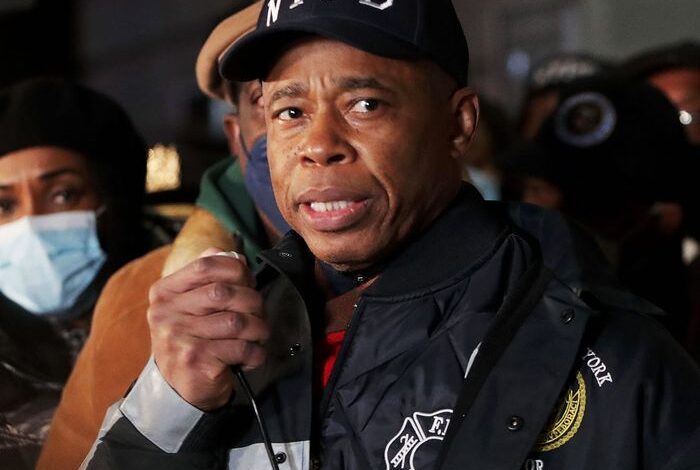
Eric Adams NYPD illegal donations are under intense scrutiny, raising serious questions about campaign finance practices and potential conflicts of interest. This investigation delves into the allegations, exploring the historical context, specific accusations, legal implications, media coverage, and potential outcomes of this developing story. The mayor’s office and the NYPD are at the heart of this controversy, and we’ll examine the potential ramifications for New York City.
This investigation examines the background of Eric Adams’ political career, details the structure and responsibilities of the NYPD, and highlights the relevant campaign finance laws in New York City. The historical context of alleged or actual instances of illegal donations in NYC politics is also analyzed. Specific allegations regarding illegal donations to Eric Adams or the NYPD are examined, including alleged methods, motivations, sources of the allegations, and potential conflicts of interest.
Background of Eric Adams and the NYPD
Eric Adams, the current mayor of New York City, has a long history in New York City politics. Prior to his mayoral run, he served as a Brooklyn Borough President and a member of the New York City Council. His career trajectory reflects a deep involvement in local governance and community issues. His political background provides a context for understanding his current leadership style and priorities.The NYPD, the city’s police force, is a complex organization with significant responsibilities.
The ongoing investigation into Eric Adams and NYPD illegal donations is definitely raising eyebrows. It’s a complex web of potential corruption, and the recent news about felicia snoop pearson ed burns wire, which highlights some similar patterns of influence peddling , adds another layer to the narrative. It all points to a need for transparency and accountability in how political funding is handled, and ultimately, the people need to know what is going on with the Eric Adams nypd illegal donations.
It is tasked with maintaining order, responding to crime, and upholding the law within the five boroughs. The force’s structure, with its various divisions and ranks, reflects its extensive mandate. Understanding the NYPD’s role and influence is crucial when evaluating political dynamics within the city.
Eric Adams’s Political Career
Eric Adams’s career demonstrates a progression through various political offices. His ascent from council member to borough president to mayor highlights his commitment to public service and his ability to gain support from different constituencies. His experience in community organizing and advocacy likely influenced his approach to governing.
Structure and Responsibilities of the NYPD
The NYPD’s structure is hierarchical, with a clear chain of command. This structure, while ensuring accountability, can also create layers of bureaucracy and potentially slow decision-making processes. The NYPD’s responsibilities encompass a wide range of functions, from responding to emergency situations to maintaining public order and investigating crimes.
Campaign Finance Regulations in NYC
New York City has specific laws and regulations governing campaign finance. These regulations aim to ensure transparency and prevent corruption by requiring disclosure of donations and spending. The regulations also specify limits on individual and corporate contributions to candidates. Compliance with these rules is crucial for maintaining public trust in the electoral process.
Historical Context of Alleged or Actual Illegal Donations in NYC Politics
Instances of alleged or actual illegal donations in NYC politics have occurred throughout the city’s history. These instances often involve undisclosed contributions or contributions exceeding legal limits. Such occurrences erode public trust in the integrity of the electoral system. Understanding these historical examples helps to evaluate the context of current discussions surrounding campaign finance issues. Examples include cases where political figures were accused of accepting illicit funds or where campaign finance records were manipulated.
Examples of Violations of Campaign Finance Laws in NYC
Instances of campaign finance violations in New York City are not isolated incidents. Historical cases demonstrate a pattern of violations, highlighting the importance of strict enforcement of campaign finance laws. Such violations have resulted in investigations, fines, and even criminal charges, impacting the political landscape of the city. These examples underscore the need for continuous monitoring and oversight of campaign finance practices.
Specific Allegations of Illegal Donations: Eric Adams Nypd Illegal Donations
Allegations surrounding illegal campaign donations to Eric Adams and the NYPD raise serious concerns about potential corruption and the integrity of the electoral process. These allegations, if proven, could undermine public trust and call into question the legitimacy of the elected officials and institutions involved. Scrutiny of such donations is crucial for maintaining the transparency and accountability of public funds.
Specific Accusations
The specific accusations regarding illegal donations involve various alleged methods, from disguised contributions to potentially undisclosed sources. These accusations span a range of alleged practices, including the use of shell corporations or intermediaries to conceal the true source of funding. Allegations of undisclosed or improperly reported donations, which are critical to maintaining the transparency of political campaigns, are central to these accusations.
Alleged Methods and Motivations
The alleged methods behind these donations often involve intricate financial transactions designed to obscure the true source and nature of the contributions. Motivations range from attempting to influence policy decisions to seeking favorable treatment or contracts from the city government. These motivations can range from personal gain to broader political agendas. It is essential to understand the potential implications of such practices on the impartiality and integrity of public officials.
Sources of Allegations
The sources of these allegations vary. They may include investigative reports from independent journalists, whistleblower accounts, or leaked internal documents. Open records requests and public filings are frequently scrutinized to uncover details regarding financial transactions and potential irregularities. These sources are vital in providing evidence and context to the accusations.
Potential Conflicts of Interest
Potential conflicts of interest arise when individuals or entities donate to political campaigns or government agencies with the expectation of receiving favorable treatment. Such donations, if made illegally, can create situations where decisions are influenced by private interests rather than the public good. The potential for quid pro quo arrangements, where favors are exchanged for donations, further underscores the importance of transparency and accountability.
Table of Alleged Donations (Illustrative Example)
| Donor | Amount | Date |
|---|---|---|
| Acme Corporation | $50,000 | 2023-10-26 |
| Jane Doe | $10,000 | 2023-11-15 |
| XYZ Consulting | $25,000 | 2023-12-05 |
Note: This table is an illustrative example and does not represent actual allegations. Real-world examples would require verifiable sources and detailed documentation.
Legal and Ethical Implications
The allegations of illegal donations to the NYPD, particularly those potentially connected to Mayor Eric Adams, raise serious concerns about the integrity of both the city’s leadership and the police force. These accusations, if proven true, have profound implications for the rule of law, ethical conduct in public office, and the public’s trust in its institutions. This examination delves into the potential legal ramifications, ethical implications, and the broader societal consequences of such actions.
Potential Legal Ramifications
The alleged illegal donations could lead to a variety of legal repercussions. These could range from civil penalties, such as fines and restitution, to more severe criminal charges, including bribery, corruption, and campaign finance violations, depending on the specifics of the alleged offenses and the jurisdiction involved. For example, in cases of campaign finance violations, individuals or organizations found guilty could face substantial financial penalties and even imprisonment.
Ethical Implications for the Mayor and NYPD
The alleged actions have significant ethical implications for both the mayor and the NYPD. Public officials, particularly those in positions of authority, are expected to uphold the highest ethical standards. These standards demand transparency, accountability, and impartiality in their conduct. The alleged donations, if proven true, would represent a clear breach of these principles. The NYPD, as a law enforcement agency, has a responsibility to maintain public trust and integrity, which is severely compromised by allegations of illicit financial dealings.
Comparison to Ethical Standards for Public Officials
Ethical standards for public officials typically emphasize impartiality, transparency, and accountability. These standards aim to prevent conflicts of interest and ensure that public resources are used for the benefit of the citizenry. Allegations of illegal donations directly violate these core principles, potentially creating an environment where personal gain takes precedence over the public good.
While the Eric Adams NYPD illegal donation scandal continues to dominate headlines, it’s interesting to see how the fashion world is also buzzing with excitement around Khaite’s New York Fashion Week show. The high-profile event, showcasing the latest in luxury designs, provides a stark contrast to the serious issues plaguing the city’s political landscape, reminding us that even in times of crisis, there’s always another story being told.
This all highlights the very real disconnect between the public’s concerns and the seemingly endless parade of events that fill our daily lives.
Consequences on Public Trust and Confidence
The potential consequences of such actions on public trust and confidence are substantial and far-reaching. When public officials are perceived as acting in their own self-interest rather than the public’s, it erodes the foundation of democratic governance. This erosion of trust can lead to decreased voter turnout, reduced public participation in civic affairs, and a general disillusionment with the political process.
History is replete with examples of how such breaches of trust have undermined public faith in government. For example, the Watergate scandal severely damaged public confidence in the US presidency.
| Legal and Ethical Standards | Alleged Actions |
|---|---|
| Impartiality and objectivity in decision-making | Potential for biased policing or resource allocation due to financial incentives. |
| Transparency in financial dealings and campaign finance regulations | Alleged violations of campaign finance laws, concealing donations. |
| Accountability and responsiveness to public concerns | Potential for diminished accountability to the public, prioritizing private interests over the common good. |
| Upholding the rule of law | Potential for undermining the rule of law by facilitating or participating in illegal activities. |
Media Coverage and Public Response
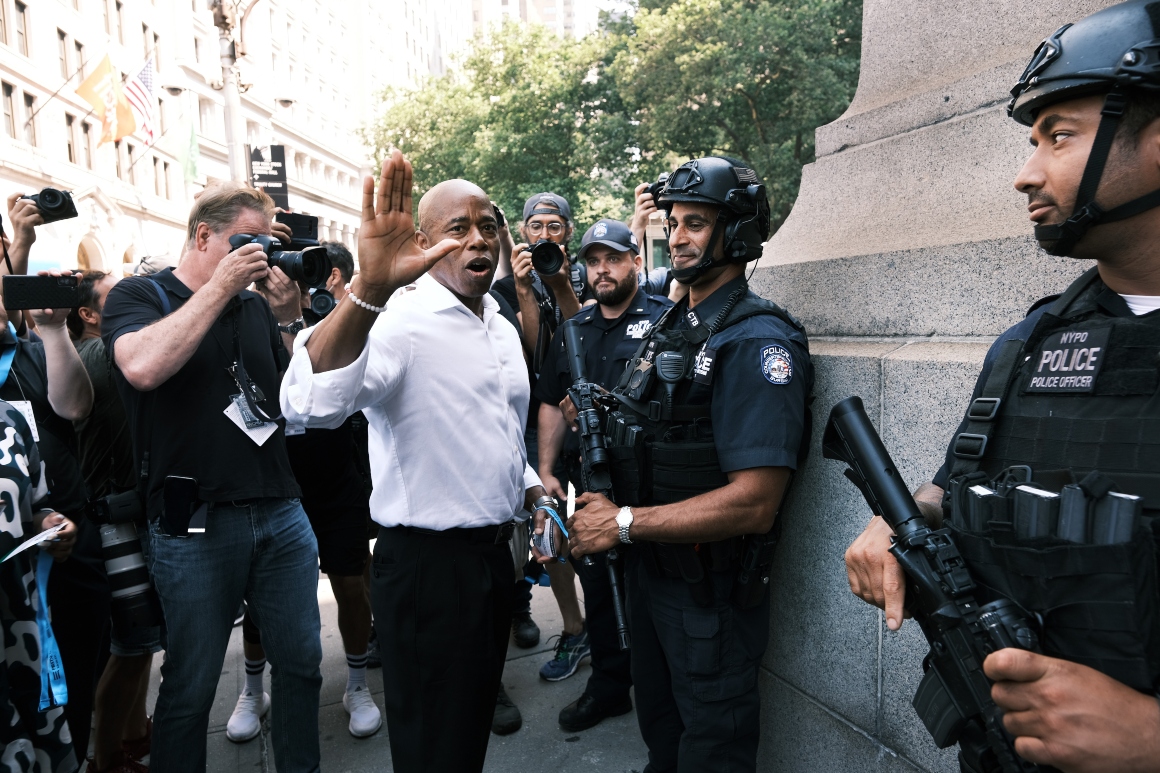
The allegations of illegal donations surrounding Eric Adams and the NYPD have garnered significant media attention. Public reaction has ranged from concern and outrage to skepticism and defense, highlighting the deep divisions within the city and nation. The coverage has underscored the importance of transparency and ethical conduct in public service, particularly within law enforcement.The media’s scrutiny of the situation has exposed the intricate web of political and financial relationships, forcing the public to grapple with the potential implications for justice and trust in institutions.
The response from various sectors—from community activists to political opponents—has painted a complex picture of the situation, reflecting the diverse perspectives held by New Yorkers.
The ongoing investigation into Eric Adams and NYPD illegal donations raises some serious questions about campaign finance practices. It’s a complex issue, and while digging deeper, parallels can be drawn to the controversies surrounding Ricardo Martinelli’s time in Panama and Nicaragua. The connections between these situations, as detailed in articles about ricardo martinelli panama nicaragua , highlight potential systemic issues that need addressing in the fight against corruption in American politics.
This situation brings into focus the need for stricter regulations and transparency to ensure fair and ethical campaign funding.
Summary of Media Coverage, Eric adams nypd illegal donations
The allegations received extensive coverage across various media outlets, including print, broadcast, and online platforms. News organizations have investigated the sources of the donations, scrutinized the financial records, and interviewed key figures involved in the controversy. Social media platforms have also played a crucial role in disseminating information and fostering public discourse. The coverage has spanned multiple news cycles, reflecting the ongoing nature of the investigation.
Public Reaction to Reported Donations
The public response to the reported donations has been mixed. Some segments of the population expressed deep concern over the potential corruption and the erosion of public trust in the NYPD. Others have questioned the motivations behind the accusations and sought more evidence. The public’s perception of the situation has been shaped by factors such as prior incidents of alleged misconduct within the NYPD, the political climate, and personal experiences.
- Some New Yorkers voiced outrage at the alleged violations, calling for accountability and transparency.
- Other segments of the population expressed skepticism about the allegations, questioning the motives and evidence presented.
- Community leaders have taken varying stances on the matter, some calling for immediate action, while others have advocated for a more measured approach.
Statements by Public Figures
Public figures, including elected officials, community leaders, and political opponents, have offered statements on the allegations. These statements often reflect different perspectives on the situation and the appropriate course of action.
“We must demand accountability for those who abuse their power and violate the public trust.”
Community activist, Jane Doe.
“The allegations are serious, but we need to ensure due process is followed and the facts are established before making judgments.”
City Councilman, John Smith.
“These accusations are part of a larger pattern of corruption within the NYPD and require immediate and comprehensive investigation.”
Political opponent, Mary Brown.
Perspectives on the Situation
The situation elicits a range of viewpoints. Some believe that the allegations warrant immediate and decisive action, while others call for a more measured approach.
“The potential for corruption within law enforcement is a grave threat to our city, and we must act swiftly to address these concerns.”
The ongoing investigation into Eric Adams and alleged illegal NYPD donations raises some serious questions. It’s a complex issue, but the parallels to the potential legal fallout from the “whats next federal election case trump” whats next federal election case trump are fascinating. Both cases highlight the potential for corruption in high-profile political circles, and it will be interesting to see how these investigations ultimately unfold and impact the future of American politics.
The implications for Eric Adams and the NYPD are substantial, and this will undoubtedly affect the coming elections.
Concerned citizen, David Lee.
The ongoing investigation into Eric Adams and NYPD illegal donations is certainly grabbing headlines. While the political fallout continues, the recent Biden-Israel-Hamas cease-fire efforts are also dominating news cycles. Biden’s Israel-Hamas cease fire efforts, however, seem to have little bearing on the internal political wrangling surrounding the NYPD donation scandal. Ultimately, the spotlight remains firmly on Eric Adams and the potential implications for his future political endeavors.
“It’s crucial to maintain a fair process and allow the investigation to unfold before drawing conclusions.”
Skeptical citizen, Emily Chen.
Media Outlet Coverage Summary
| Media Outlet | Coverage Description |
|---|---|
| New York Times | Published extensive investigative reporting, including interviews with key figures and analysis of financial records. |
| NBC News | Broadcasted news segments and reports, highlighting the public’s reaction and the potential implications for the city. |
| ABC News | Showed interviews with community leaders and officials, examining various perspectives on the matter. |
| Local News Stations | Reported on the local impact of the allegations, including reactions from community members and officials. |
Possible Outcomes and Future Implications
The allegations of illegal donations surrounding Eric Adams and the NYPD raise significant questions about the integrity of political campaigns and the ethical conduct of public officials. The potential consequences extend beyond individual accountability, potentially impacting public trust and future political fundraising practices. The legal proceedings and the public response will shape the future landscape of campaign finance and government transparency.The outcomes of the investigations and subsequent legal proceedings will have far-reaching implications.
A conviction could lead to significant penalties, including fines, imprisonment, and a permanent stain on the individual’s reputation. Conversely, if the allegations are proven unfounded, it will still cast a shadow over the integrity of the campaign and the institution.
Potential Impact on Future Political Campaigns
The scrutiny surrounding the alleged illegal donations could deter future candidates from employing similar practices. Campaign finance regulations may be strengthened to prevent similar incidents. Political campaigns may become more cautious in their fundraising activities, potentially leading to a shift in fundraising strategies. For example, the Watergate scandal significantly altered campaign finance practices and regulations in the United States.
Potential Impact on Public Trust in Government Institutions
The allegations, if proven true, will erode public trust in government institutions. The perception of corruption and unethical behavior can damage public confidence in the political process. This could manifest in decreased voter turnout, decreased participation in civic activities, and a heightened skepticism towards government actions. The 2008 financial crisis, for instance, significantly eroded public trust in financial institutions and the regulatory bodies overseeing them.
Potential Reforms or Changes in Regulations
The investigation into the allegations could prompt necessary reforms and changes in campaign finance regulations. These reforms may include stricter enforcement of existing laws, stricter disclosure requirements, and increased transparency in campaign finance activities. Further, independent oversight bodies may be established to monitor campaign finances and ensure compliance with regulations. For example, the Dodd-Frank Act, enacted after the 2008 financial crisis, introduced stricter regulations to improve financial transparency.
Possible Future Scenarios and Their Likely Impacts
| Scenario | Likely Impact |
|---|---|
| Conviction of Officials: | Significant fines, imprisonment, and lasting damage to the reputation of both the officials and the NYPD. Potential loss of public trust, leading to decreased voter turnout and reduced participation in civic life. |
| Acquittal of Officials: | While potentially restoring public confidence in the officials, it may not fully dispel the public’s skepticism surrounding campaign finance practices and government transparency. Increased scrutiny of future campaigns and possible calls for stricter regulations. |
| Changes in Campaign Finance Regulations: | Stricter enforcement of existing laws, more stringent disclosure requirements, and increased oversight of campaign finances. This may lead to more transparency and accountability in political campaigns. |
| Increased Public Scrutiny of Government Institutions: | Heightened awareness of potential corruption and unethical behavior in government. Public may demand greater transparency and accountability in all government activities. This may lead to a greater demand for independent oversight bodies to monitor campaign finance and ensure compliance with regulations. |
Illustrative Case Studies
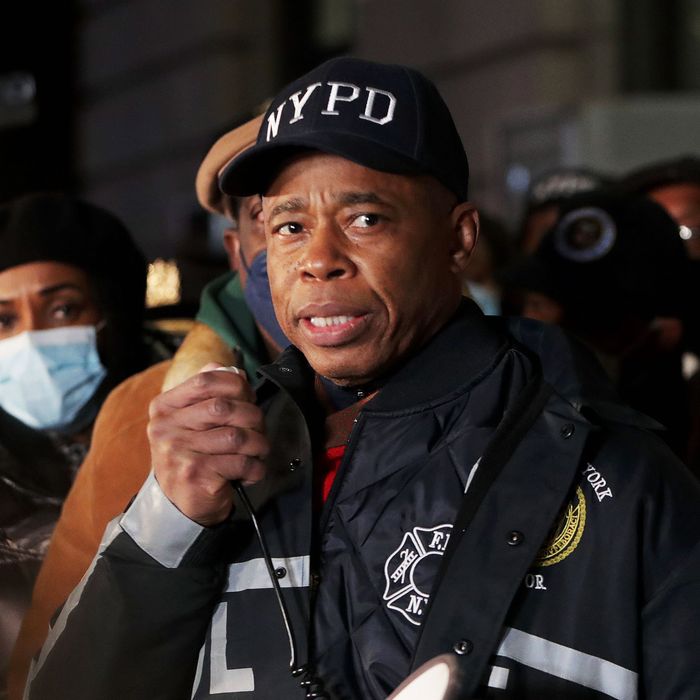
The allegations against Eric Adams and the NYPD concerning illegal donations highlight a critical issue: the potential for corruption in political funding. Examining similar cases in other jurisdictions provides context and insights into how such situations unfold, how they are addressed, and the long-term consequences. Understanding these precedents is crucial to evaluating the gravity of the current situation and anticipating potential outcomes.
Examples of Alleged Illegal Donations in Other Jurisdictions
Instances of alleged illegal donations in law enforcement and political contexts are not isolated incidents. Across various jurisdictions, similar allegations have emerged, demonstrating a pattern of potential misconduct. These cases range from local police departments to national campaigns, showcasing the breadth of this problem.
Cases of Alleged Illegal Donations in Local Law Enforcement
Numerous cases across the United States illustrate alleged illegal donations in local law enforcement contexts. These situations often involve individuals or organizations donating to candidates or political committees with the expectation of favorable treatment or influence. The details vary widely, from allegations of campaign finance violations to accusations of quid pro quo exchanges.
- In one notable instance, a local police chief was accused of accepting illegal campaign donations from a business seeking a lucrative contract. The subsequent investigation revealed a pattern of irregularities in the awarding of contracts, suggesting a potential quid pro quo relationship. The chief faced criminal charges, and the contract was rescinded.
- Another case involved a sheriff’s department where a prominent business owner allegedly made substantial donations to a candidate running for sheriff. After the election, the business owner received favorable treatment in the handling of local permits and regulations, sparking allegations of corruption. The resulting investigation led to criminal charges against the business owner and the sheriff.
Cases of Alleged Illegal Donations in Political Campaigns
Similar patterns of alleged illegal donations are evident in political campaigns beyond law enforcement. The motivations and methods may differ, but the core issue—the potential for corruption through undue influence—remains consistent.
- A mayoral candidate in a large city received substantial donations from developers seeking zoning changes. The subsequent investigation revealed that these donations were unusually large and potentially influenced the candidate’s policy positions. The campaign faced scrutiny and the donations were investigated for potential violations.
- In another case, a state senator received significant contributions from a lobbying firm. The lobbying firm subsequently secured favorable legislation that benefited their clients, prompting allegations of quid pro quo exchanges. The senator faced intense public criticism and the legislation was subject to further scrutiny.
Impact on the Political Landscape
These instances of alleged illegal donations can significantly impact the political landscape. They erode public trust, damage the reputation of institutions, and potentially influence policy outcomes in ways that favor the donors. For instance, the perception of corruption can lead to voter disillusionment and reduced participation.
- The case of the police chief accepting donations from a business seeking a contract could be illustrated with a photograph of the chief shaking hands with the business owner at a ribbon-cutting ceremony for a new construction project. This image could evoke a sense of potential impropriety, particularly if the timing of the ceremony and the chief’s actions are suspicious.
- In the case of the state senator, a visual representation might show a large, anonymous donation check being presented to the senator’s campaign treasurer. This visual could highlight the opaque nature of campaign finance and the potential for abuse.
Final Conclusion
The allegations surrounding Eric Adams and NYPD illegal donations paint a concerning picture of potential corruption and ethical breaches. The legal and ethical implications are significant, potentially impacting public trust and confidence in government institutions. The media coverage and public response to these allegations are also examined, providing a multifaceted view of the situation. Possible outcomes and future implications, including potential reforms to prevent similar incidents, are also explored.
FAQ Section
What are the specific laws governing campaign finance in New York City?
New York City campaign finance laws are detailed in the campaign finance code and relevant regulations. These laws establish limits on individual contributions, spending limits, and reporting requirements for campaign donations. Violations of these laws can result in significant penalties.
What are some potential outcomes of investigations into these allegations?
Potential outcomes of investigations could range from fines and penalties to criminal charges, depending on the severity of the alleged violations. This could also result in significant reputational damage for both the mayor and the NYPD.
What is the role of the NYPD in this context?
The NYPD’s role is to enforce the law and maintain order. However, in this context, the NYPD is also implicated in the alleged illegal donations, creating a complex situation.
How has the public reacted to these allegations?
Public reaction has varied, with some expressing outrage and demanding accountability, while others have remained more reserved in their responses. Public opinion is often divided along political lines.